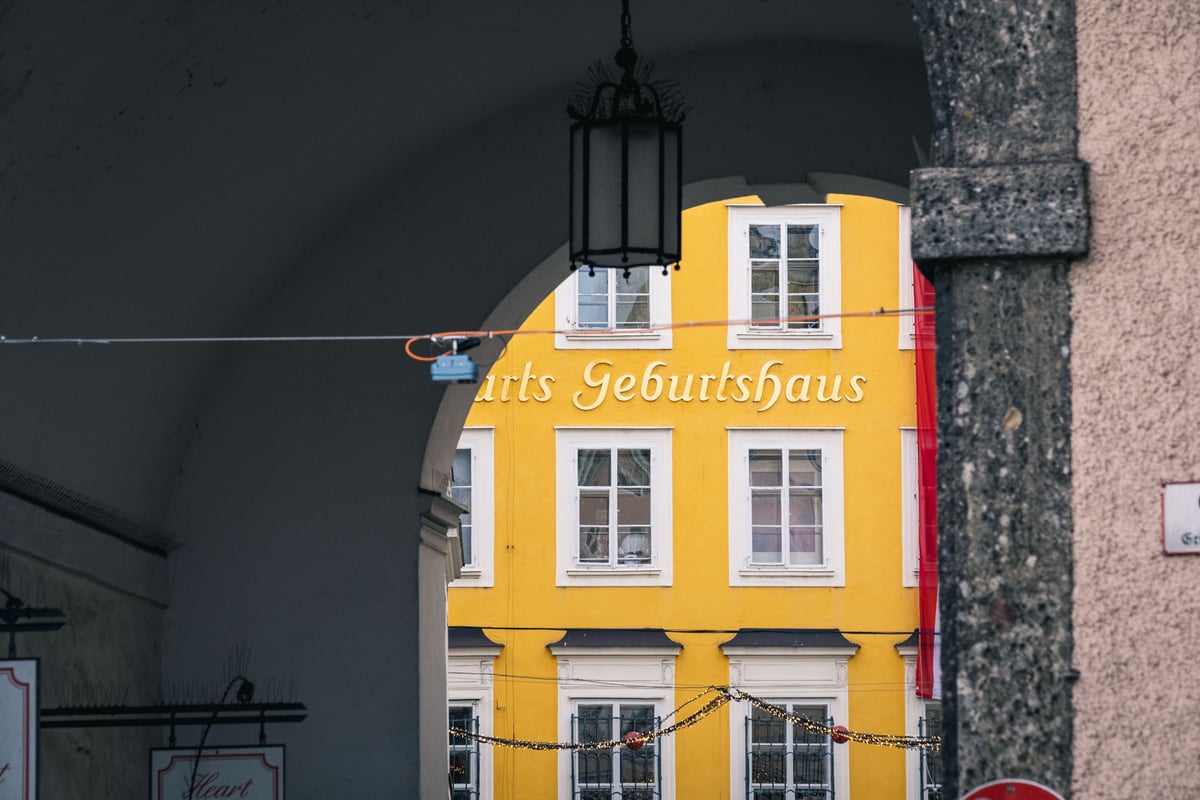
Mozart's Birthplace
Baroque
The third floor of Getreidegasse 9 is where Wolfgang Amadeus Mozart was born on 27 January 1756, and where he spent the first seventeen years of his life.
Composer
14 November 1719, Augsburg, Bavaria - 28 May 1787, Salzburg
Court musician, Vice Kapellmeister, and Wolfgang’s first teacher. Forty-four years in Salzburg’s service. Author of the Versuch einer grundlichen Violinschule (1756), a landmark violin method that outlasted him. Buried at Sebastiansfriedhof.
Leopold Mozart spent nearly his entire adult life in Salzburg, arriving from Augsburg in the early 1740s to join the Hofkapelle and working his way up to Vice Kapellmeister by 1763. He never made it further. The touring that consumed the family through the 1760s and early 1770s kept interrupting his court duties, and promotion went to others.
What Leopold understood better than anyone was that his son was extraordinary. From the moment Wolfgang showed ability, Leopold reshaped his own ambitions around it. He halted his composing after 1762, poured his energy into organising concerts across Europe, and wrote hundreds of letters managing details from a distance. His closest ally in all of this was Lorenz Hagenauer, the family’s landlord at Getreidegasse 9, who also served as their banker during the grand tours.
His Versuch einer grundlichen Violinschule, published in 1756, the same year Wolfgang was born, was no minor work. It went through a second edition in 1769 and a third in 1787, the year Leopold died. It was the definitive German-language violin method of its era, translated and referenced for decades.
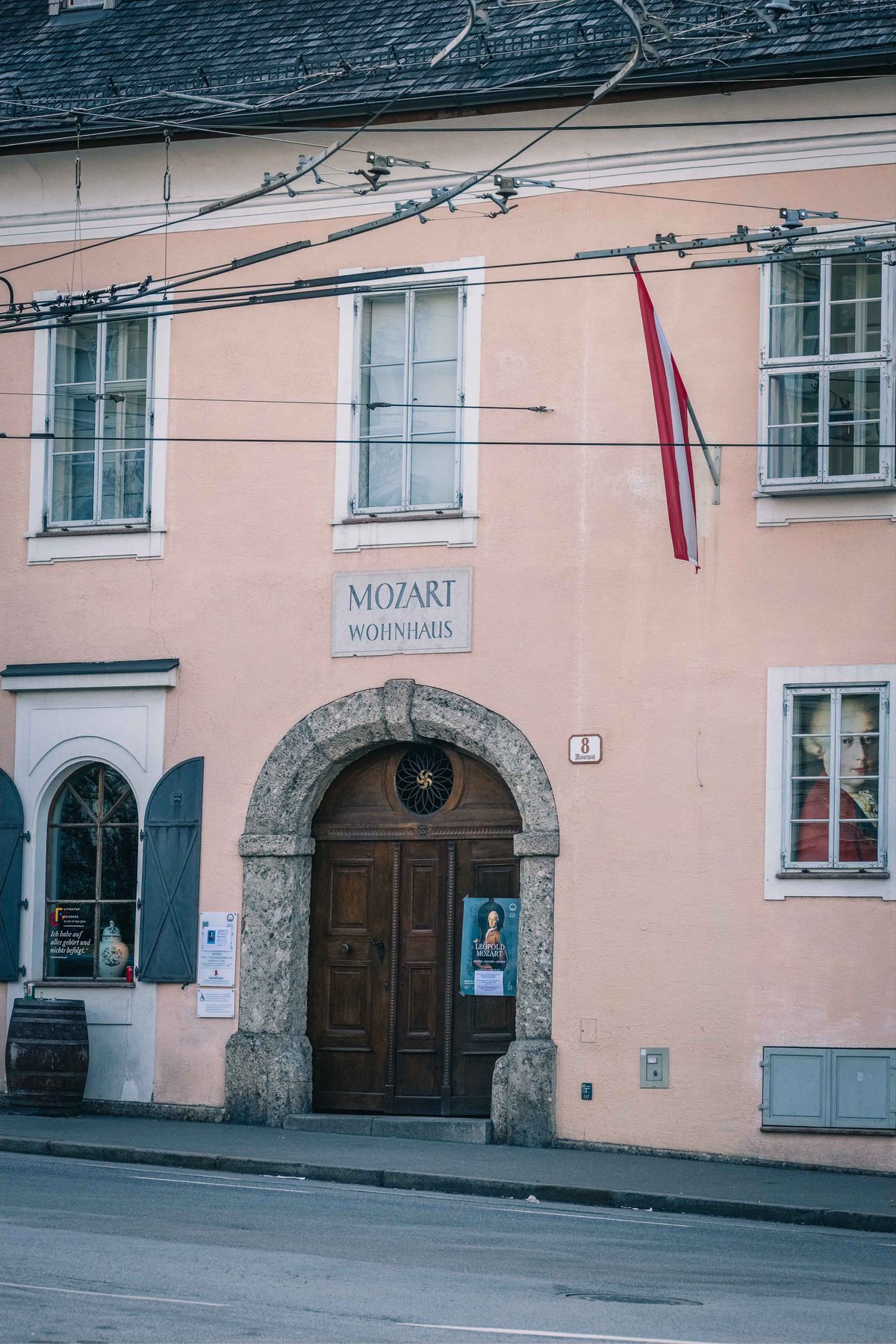
The relationship with Wolfgang grew strained as Wolfgang pushed for independence. Leopold could not let go. He opposed the Vienna move, objected to Constanze, and continued issuing advice long after it was wanted. When Wolfgang stopped writing regularly, Leopold felt it deeply. He died at Makartplatz 8 in May 1787, four and a half years before Wolfgang’s own death. Wolfgang was in Vienna and could not attend. He is buried at St. Sebastian’s Cemetery.
On the map
The 5 places on this page, where they actually stand.
Locations
Baroque
The third floor of Getreidegasse 9 is where Wolfgang Amadeus Mozart was born on 27 January 1756, and where he spent the first seventeen years of his life.
1773
The larger apartment on Makartplatz where the Mozart family moved in 1773. Leopold Mozart lived here until his death in 1787. Wolfgang Amadeus Mozart lived here until his permanent departure for Vienna in 1781.
Baroque
The official palace and seat of power of the Prince-Archbishops for over 200 years. Wolf Dietrich von Raitenau rebuilt it in grand baroque style. Wolfgang Amadeus Mozart performed for the Archbishop in these very rooms. Troger's frescoes look down from the state rooms. Today the Prunkraume and Residenzgalerie are open to visitors. Directly on Residenzplatz.
Consecrated 1628
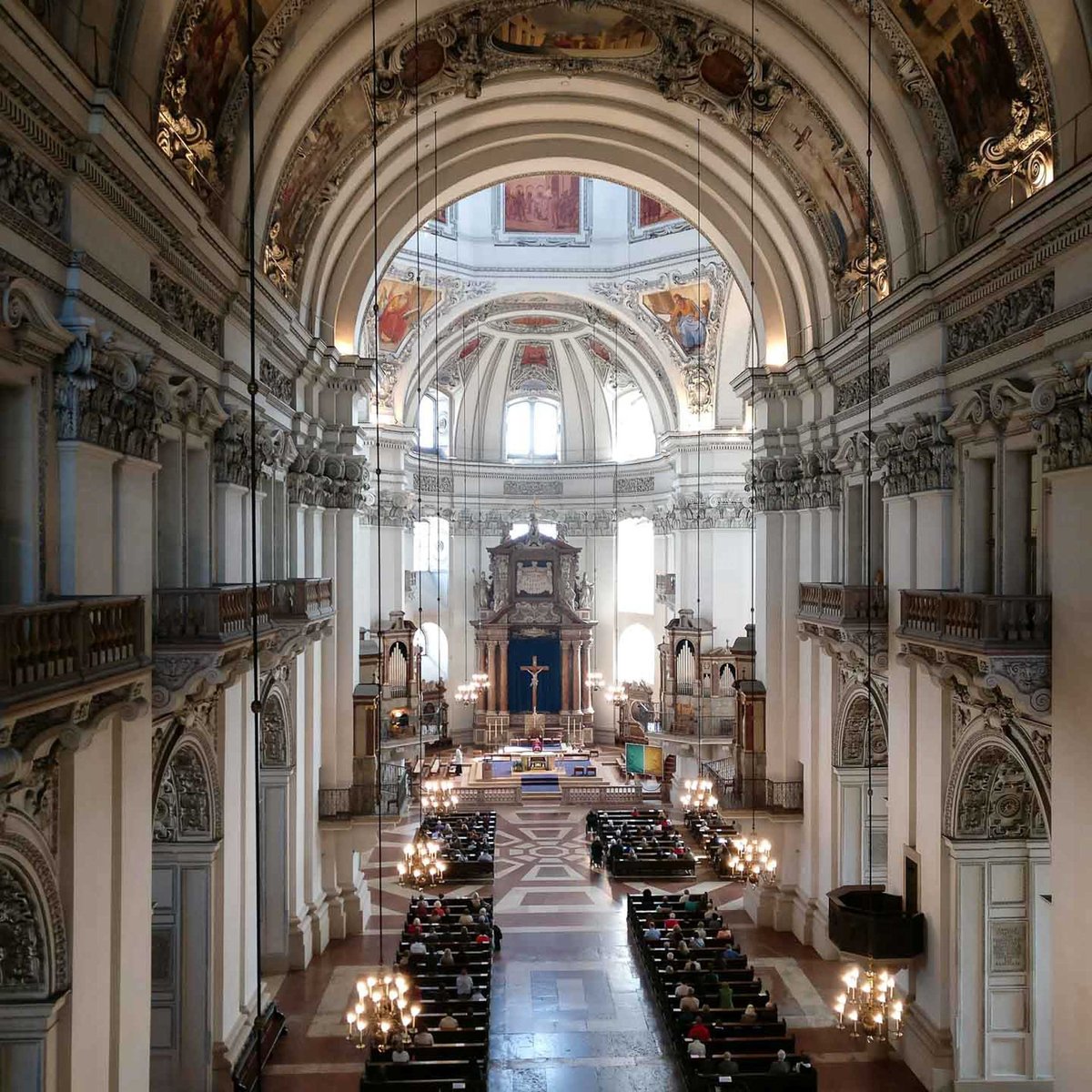
The first baroque cathedral built in the German-speaking world, and the dominant church at the heart of Salzburg's Altstadt. Wolfgang Amadeus Mozart was baptised here on 28 January 1756. The site has held a cathedral since 774, when Saint Virgil of Salzburg consecrated the first one.
Renaissance / Baroque
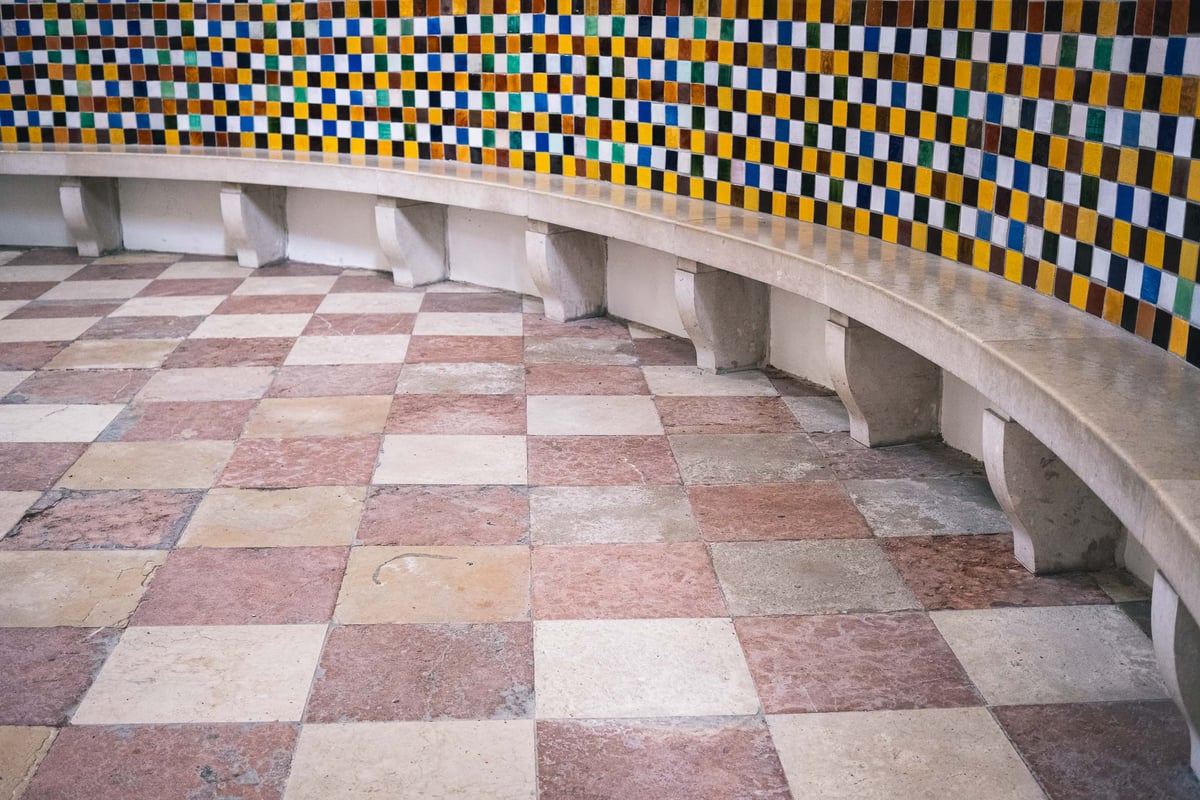
A 16th-century Italian garden cemetery on Linzer Gasse, containing the mosaic mausoleum of Wolf Dietrich von Raitenau, the grave of Paracelsus, and the burial places of Leopold Mozart and Constanze Mozart. Completely different in character from Petersfriedhof.
Read more
The longer pieces where this comes up.
Mozart never visited St. Gilgen. His mother was born there. His sister lived there for seventeen years. His grandfather and brother-in-law are buried in the churchyard. The village square is named after him. He never came.
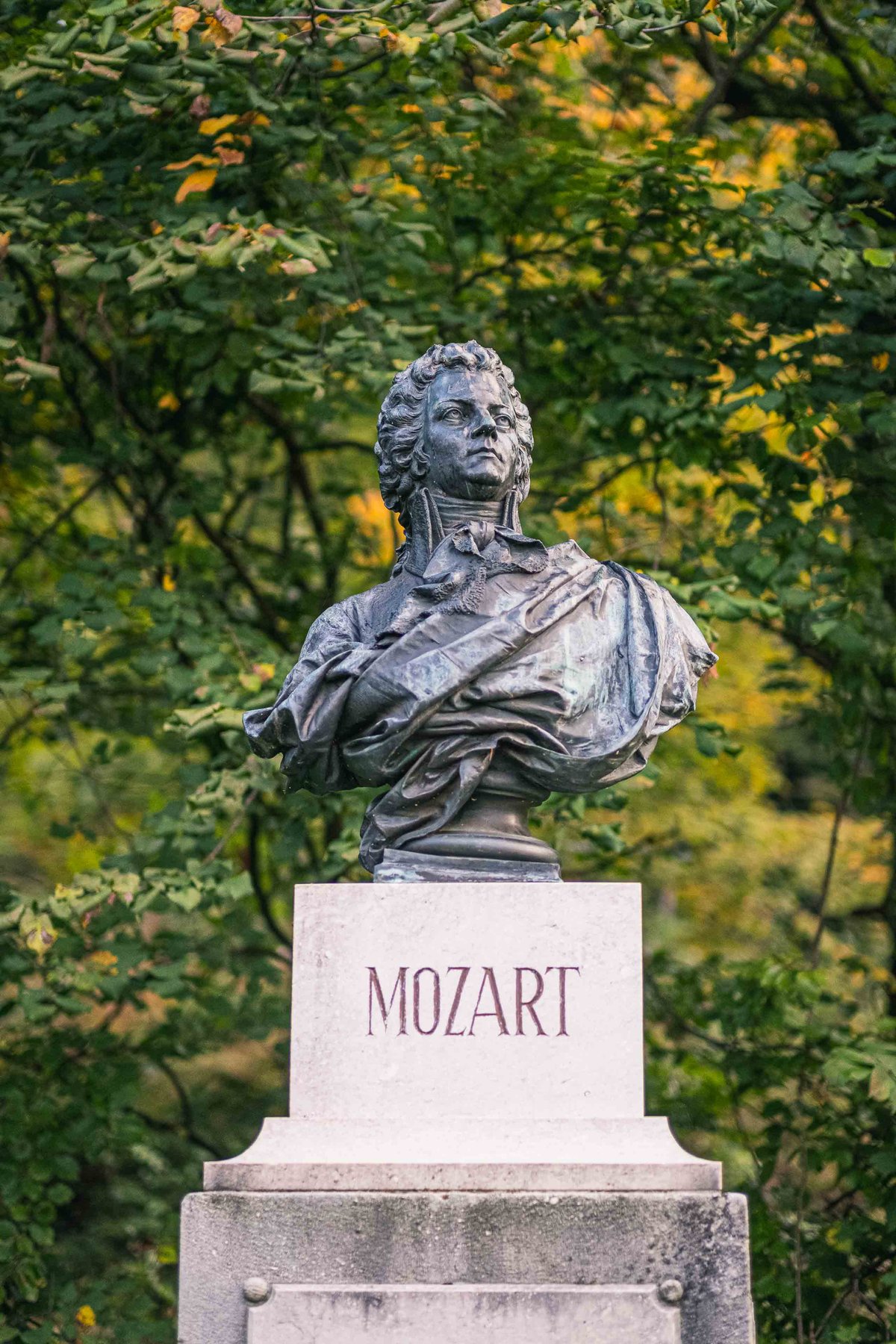
Every week on my tours, someone asks about Salieri. Every week I explain that Amadeus is a film, not a documentary. That is only the beginning. The popular version of Mozart's life is a mix of half-truths, romantic exaggeration, and Hollywood invention. Here are the things most guides repeat that do not hold up.
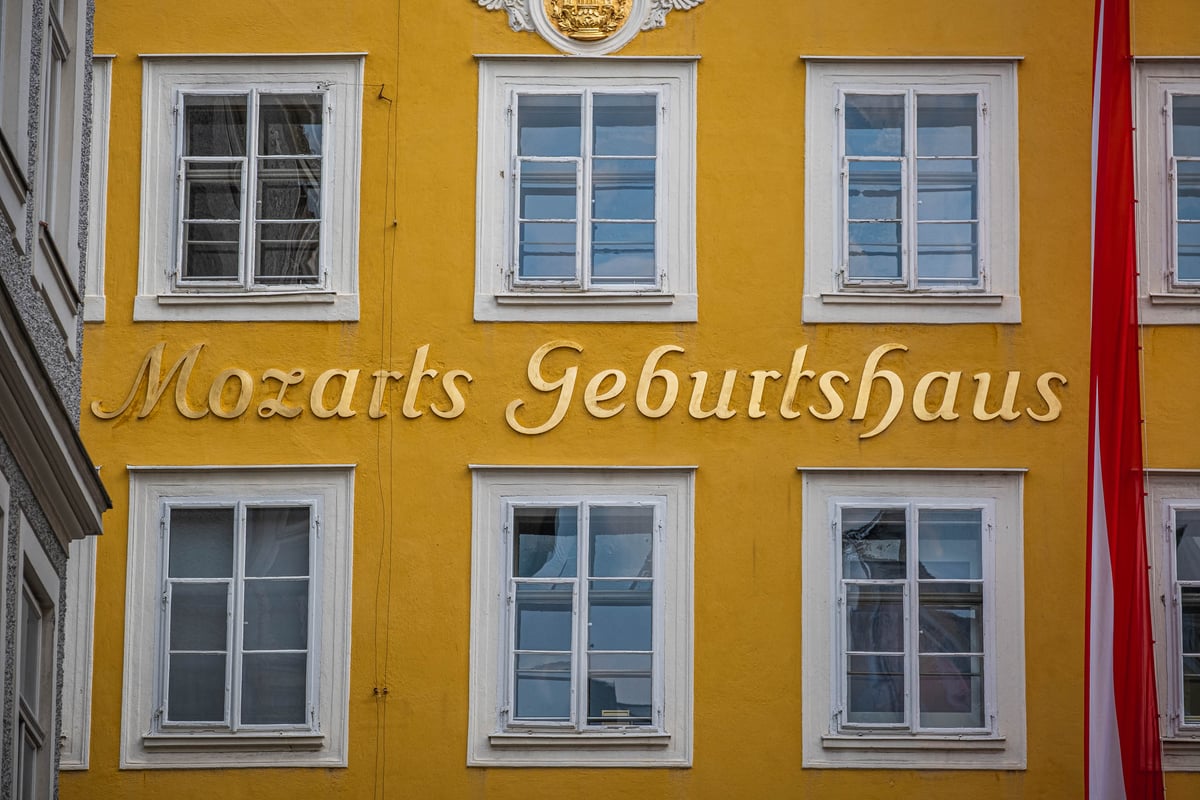
Maria Anna Mozart was four and a half years older than her brother and just as talented. As a child, she toured the royal courts of Europe alongside Wolfgang, performing for kings and emperors. The audiences could not tell which sibling was more gifted. Some thought she was better.
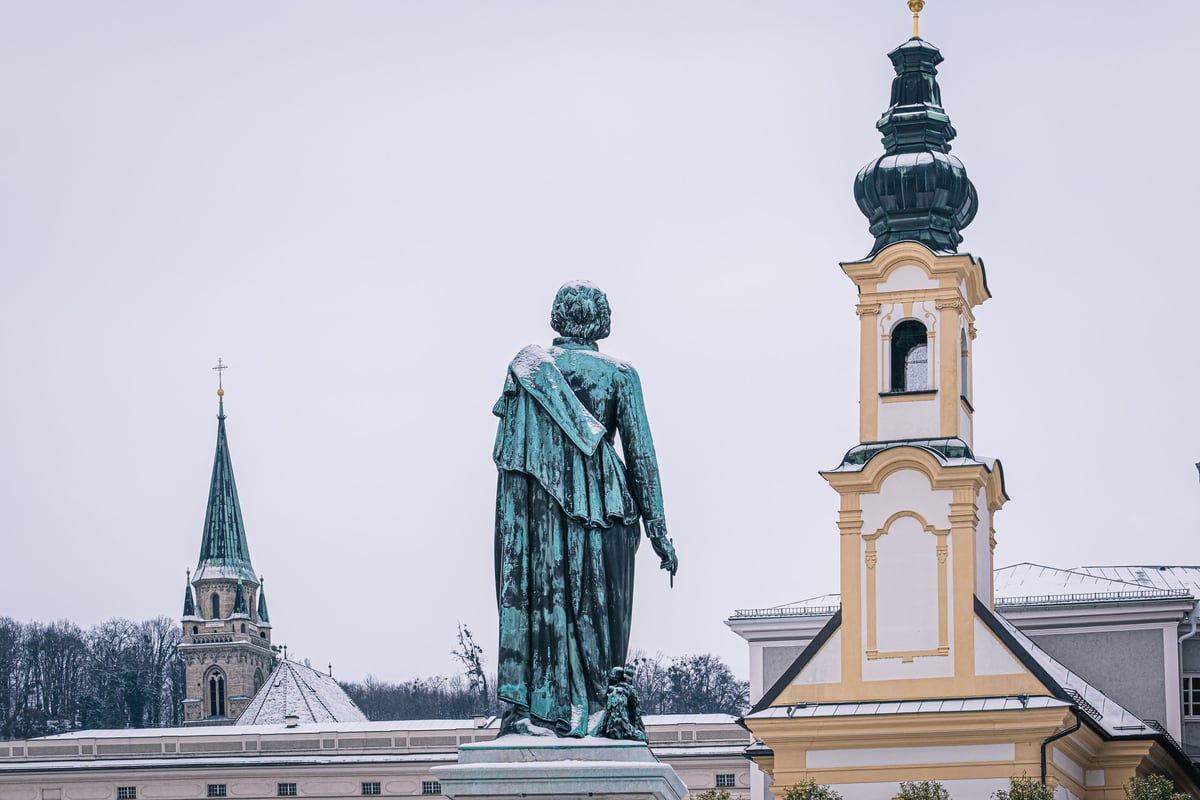
Mozart did not leave Salzburg quietly. He was kicked out. Literally. Count Arco, the Archbishop's chamberlain, kicked him in the backside and threw him out of the room. Mozart was twenty-five. He never came back.