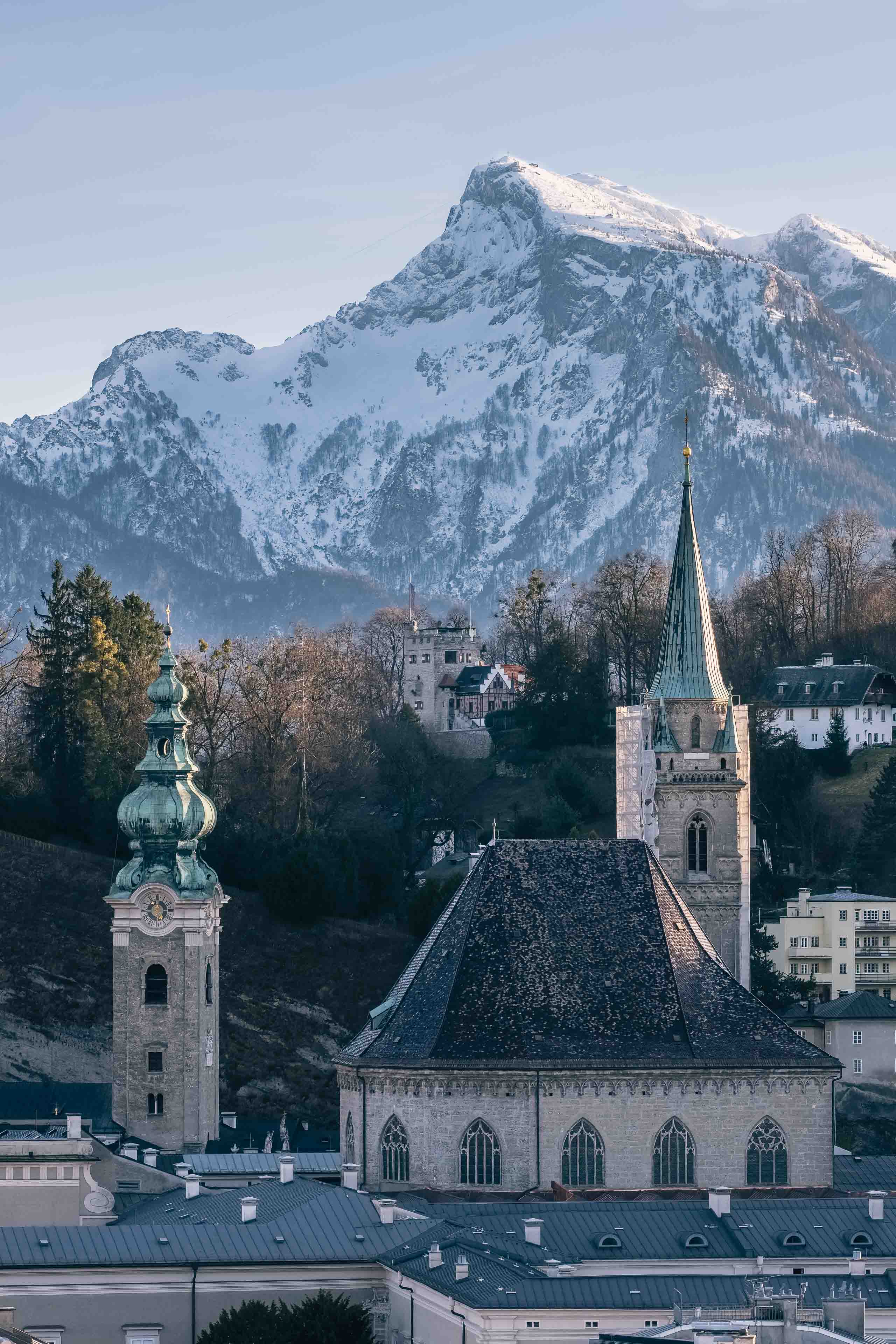
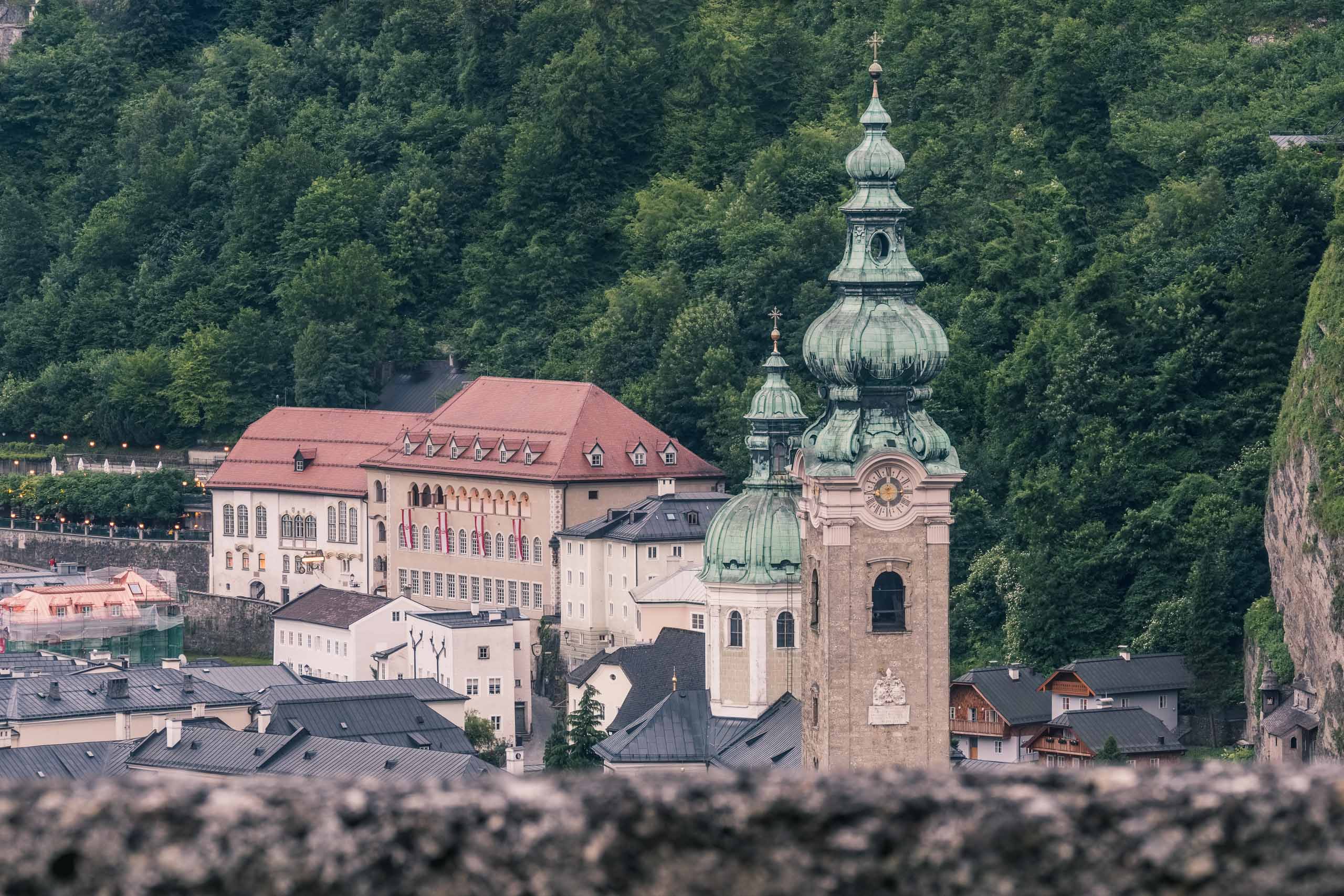
Abbey

Stift St. Peter (St. Peter's Abbey)

Snapshot

Founded around 696 AD by Saint Rupert of Salzburg, Stift St. Peter has been in continuous monastic use for over 1,300 years, making it one of the oldest monasteries in the German-speaking world and the place where Salzburg’s history begins.

The Story

Saint Rupert of Salzburg arrived at a ruined Roman settlement called Juvavum around 696 AD and founded a Benedictine community on the site. He served as both abbot and the city’s first bishop, and it was his decision to name the settlement after the nearby salt mines that gave Salzburg its name. The abbey he established never closed. It survived fire, reformation, and two world wars, and the monks are still here.

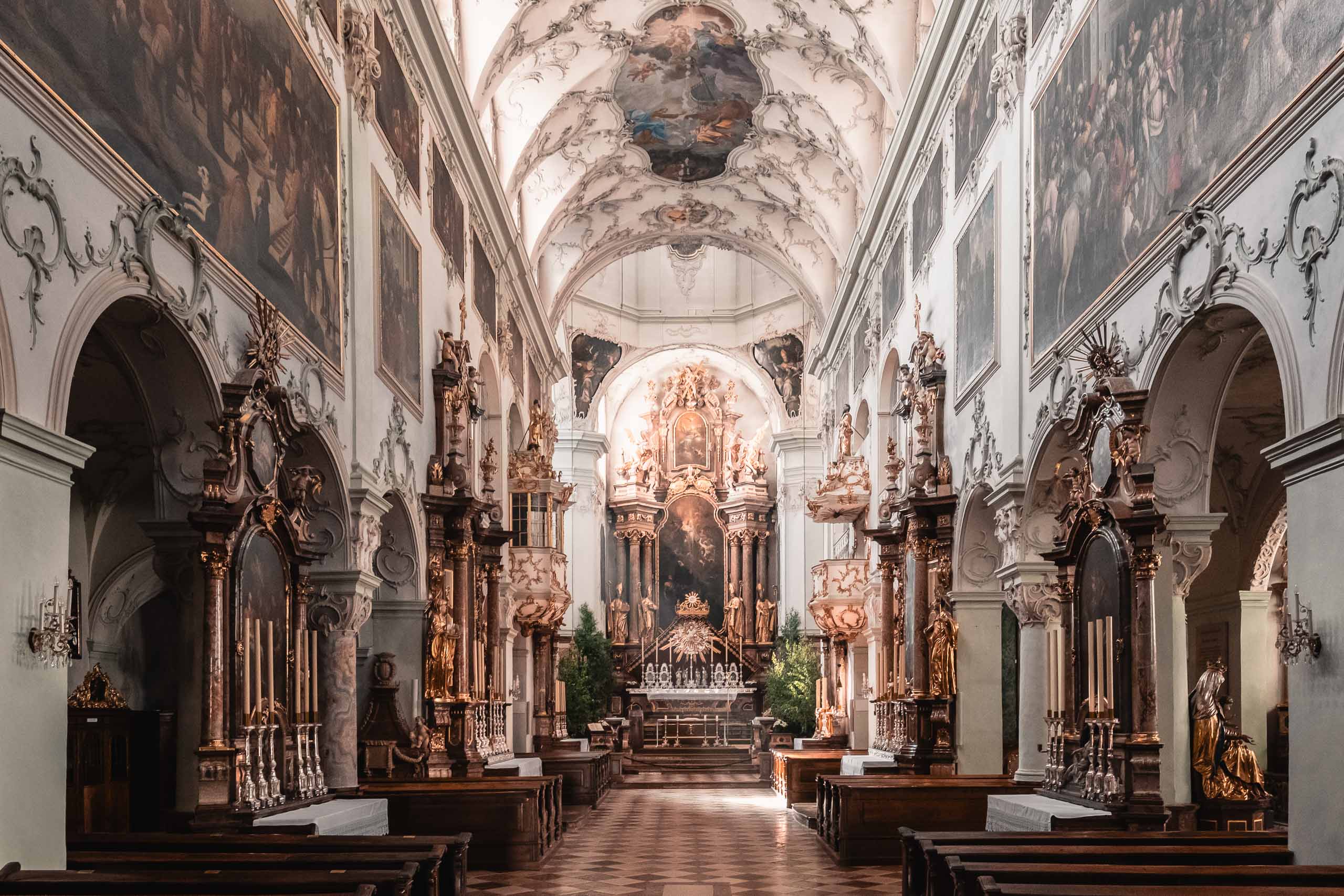
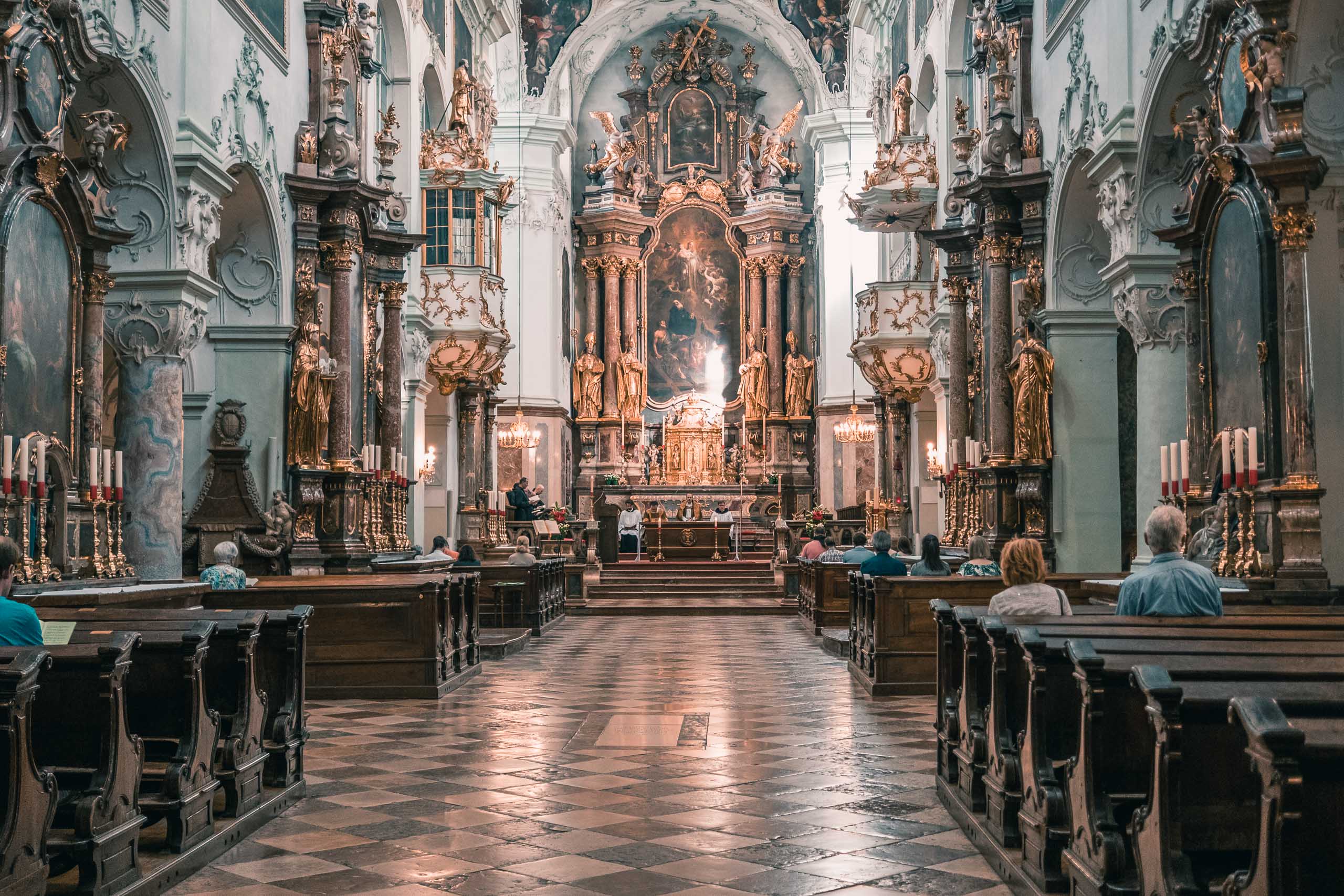
The church standing today is a building of layers. A Romanesque basilica was raised between 1125 and 1147 after an earlier structure burned, its three aisles and rounded arches giving the space a quiet gravity that the thick stone walls reinforce. Abbot Beda Seeauer then spent more than two decades, from 1760 to 1782, covering those medieval bones in Rococo ornament: pastel frescoes, gilded moldings, and the kind of warm, light-filled interior that feels intimate rather than grand. Altomonte’s altar paintings are still on the walls. Michael Haydn is buried in the crypt. Santino Solari, who designed Salzburg Cathedral, is buried in the Petersfriedhof directly outside.

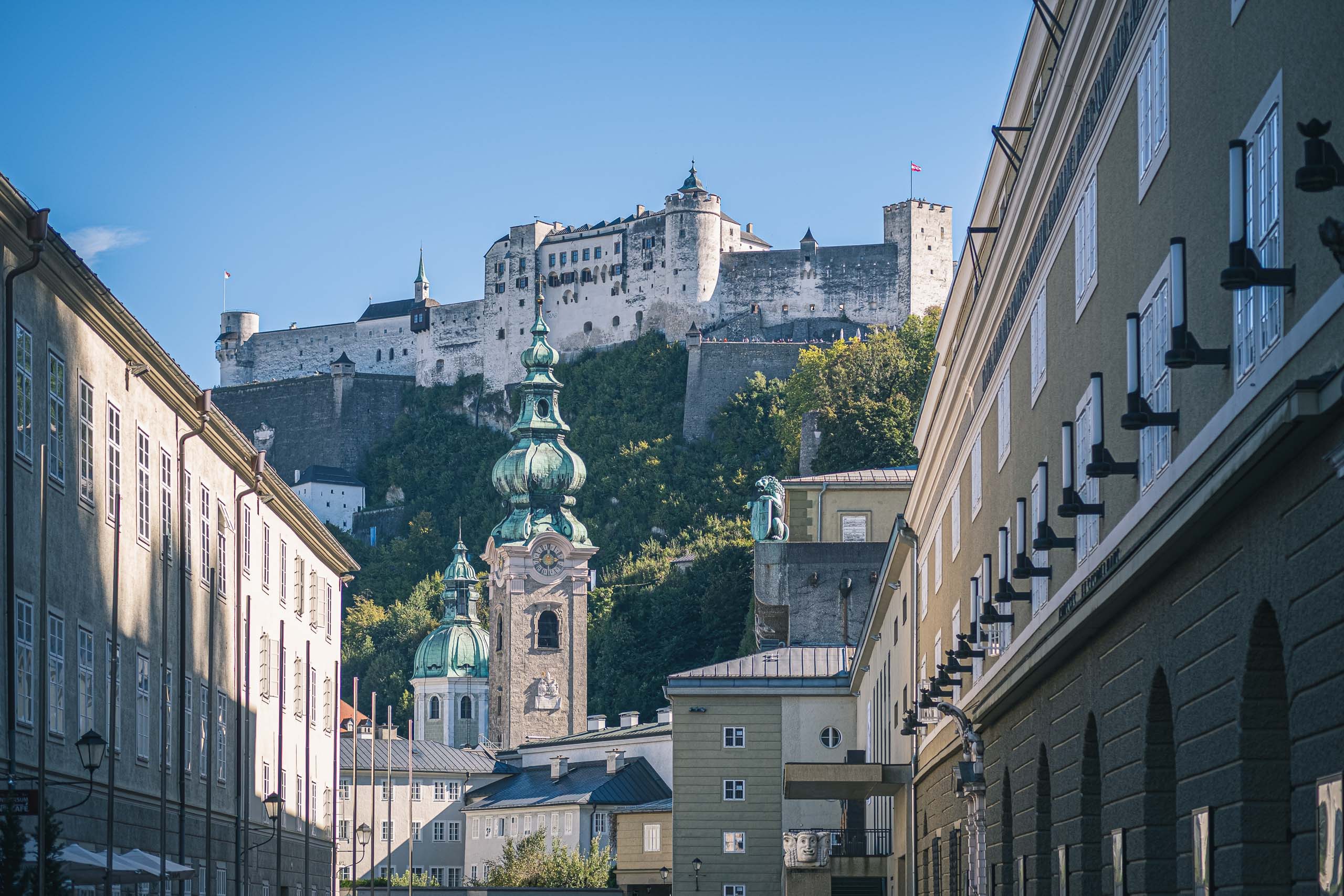
The Petersfriedhof presses against the Mönchsberg cliff face, its arcaded galleries cut with rock-hewn catacombs. The Abbey Bakery beside the church still fires its wood oven and sells bread on weekday mornings. The Stiftskeller St Peter restaurant occupies the same complex and claims to be the oldest restaurant in Europe. Between the church, the cemetery, the bakery, and the restaurant, a single block of Salzburg holds more continuous history than most cities can claim in total.

Visiting

  • Hours: Church open daily 8am-noon and 2:30pm-6:30pm; may vary during services
  • Cost: Free
  • Getting there: Altstadt, between Kapitelplatz and the Mönchsberg cliff; well signed from the main squares
  • Book ahead: Not needed for the church
  • Combine with: Petersfriedhof (directly adjacent), Stiftsbackerei St Peter (weekday mornings), Stiftskeller St Peter (lunch or dinner; reserve ahead)

Do it here

See it on a tour

These experiences include this place in their authored route.

Free Walking Tour Salzburg

1.5 - 2 hours

Daily guided walking tour of Salzburg's Altstadt. Tip-based, no fixed price: join free, pay what you think it was worth. Meets at the Spirit of Mozart and covers the essential old town from Mirabell to Mozartplatz in about ninety minutes. Run by Free Walking Tour Salzburg, Gerhard Reus's own brand.

Salzburg10 stops

Private Walking Tour Salzburg

2 h

A private guided walking tour of Salzburg's Altstadt. All the essential sights in about two hours, with the pace, emphasis, and questions shaped to your group. Meets at the entrance to Schloss Mirabell. Run by Free Walking Tour Salzburg, Gerhard Reus's own brand.

Salzburg10 stops

People

People connected to this place

Each person below explicitly names this place in their authored connections.
  • Archbishop Arno of Salzburg

    archbishop748 - 821

    The first Archbishop of Salzburg. His elevation to metropolitan rank in 798, sponsored by Emperor Charlemagne, transformed Salzburg from a regional bishopric into the ecclesiastical capital of Central Europe.

  • Archbishop Thiemo

    archbishop1050 - 1102

    An archbishop equally skilled with a chisel and a crozier. Before his elevation, Thiemo was a gifted sculptor and metalworker at Stift St. Peter. He was martyred during the Crusade of 1101 and later beatified.

  • Beda Seeauer

    abbot1706 - 1785

    The abbot most responsible for the interior of St. Peter's Church as visitors experience it today. During his long abbacy (1753-1785), Seeauer oversaw a comprehensive rococo redecoration that gave the church its present warm, intimate character.

  • Dominicus Hagenauer

    abbot1746 - 1811

    Son of Lorenz Hagenauer, Mozart's landlord and Leopold Mozart's closest friend. When Dominicus celebrated his first solemn mass at St. Peter's in 1769, the seventeen-year-old Wolfgang Amadeus Mozart composed the Missa solemnis in C major (K. 66) for the occasion, known ever since as the "Dominicus Mass."

  • Emperor Charlemagne

    royal figure748 - 814

    King of the Franks and first Holy Roman Emperor. His sponsorship of Arno of Salzburg led directly to Salzburg's elevation to an archdiocese in 798, transforming the city into the ecclesiastical capital of Central Europe.

  • Franz Wasner

    priest1905 - 1992

    The real musical director of the Trapp Family Singers. The character of Max Detweiler in The Sound of Music is loosely based on Wasner. He shaped the ensemble's repertoire, conducted their tours, and was the artistic intelligence behind their professional career. Buried in St. Peter's Cemetery.

  • Johann Baptist Hagenauer

    sculptor1732 - 1810

    Sculptor and son of Lorenz Hagenauer, the Mozart family's landlord and Leopold's closest friend. He grew up in the same house as the young Mozart family (Getreidegasse 9) and created works that are still seen in Nonnberg Abbey and Salzburg Cathedral.

  • Martino Altomonte

    painter1657 - 1745

    Italian-born Austrian baroque painter whose altar paintings remain in Stift St. Peter, the abbey that Saint Rupert himself founded. The third member of the painter trio that defined Salzburg's baroque visual world alongside Rottmayr and Troger.

  • Michael Haydn

    composer1737 - 1806

    Younger brother of Joseph Haydn, Michael Haydn spent most of his career in Salzburg as court musician and organist. A friend and colleague of Leopold and Wolfgang Mozart, he composed over 800 works and is buried in the crypt of St. Peter's Abbey.

  • The founding father of Salzburg. Around 696 AD, Rupert established the two oldest religious institutions in the city: Stift St. Peter and Nonnberg Abbey. He consecrated the ground where Salzburg Cathedral would later rise, making him the single most important figure in Salzburg's origin story.

  • The man who kept organised Christianity alive in the Salzburg region during the collapse of the Roman Empire. The direct predecessor to Saint Rupert of Salzburg, and the connecting thread between Roman and medieval Salzburg.

  • The Irish-born bishop and scholar who built the first great Salzburg Cathedral in 774 AD. Served as Abbot of Stift St. Peter and Bishop of Salzburg for over three decades, and was reportedly one of the first European thinkers to argue that the Earth was a sphere.

Organizations

Organizations connected here

These organizations explicitly list this place in their authored location connections.
  • Erzdiözese Salzburg

    Metropolitan archdiocese governing the Catholic Church in Salzburg since Saint Rupert of Salzburg established the first bishopric c. 696 AD. Thirteen centuries of institutional continuity. The archbishops were sovereign princes who built the Cathedral, the Residenz, the fortress, and the baroque city.

    religious institutionEstablished c. 696

Curated routes

Routes that stop here

These curated collections include this place as an authored stop.
  • Panoramic sunrise view of Salzburg old town with cathedral domes and Hohensalzburg Fortress on snowy hills.

    Salzburg in Fifteen Stops

    The fifteen sights we mark on the map we hand every guest, in the order I would walk them. It starts on the right bank, crosses into the old town, climbs to the fortress, and comes back over the Mozartsteg. Half a day at a stroll, or a full one if you go inside things.

    trip plan15 stops