Snapshot
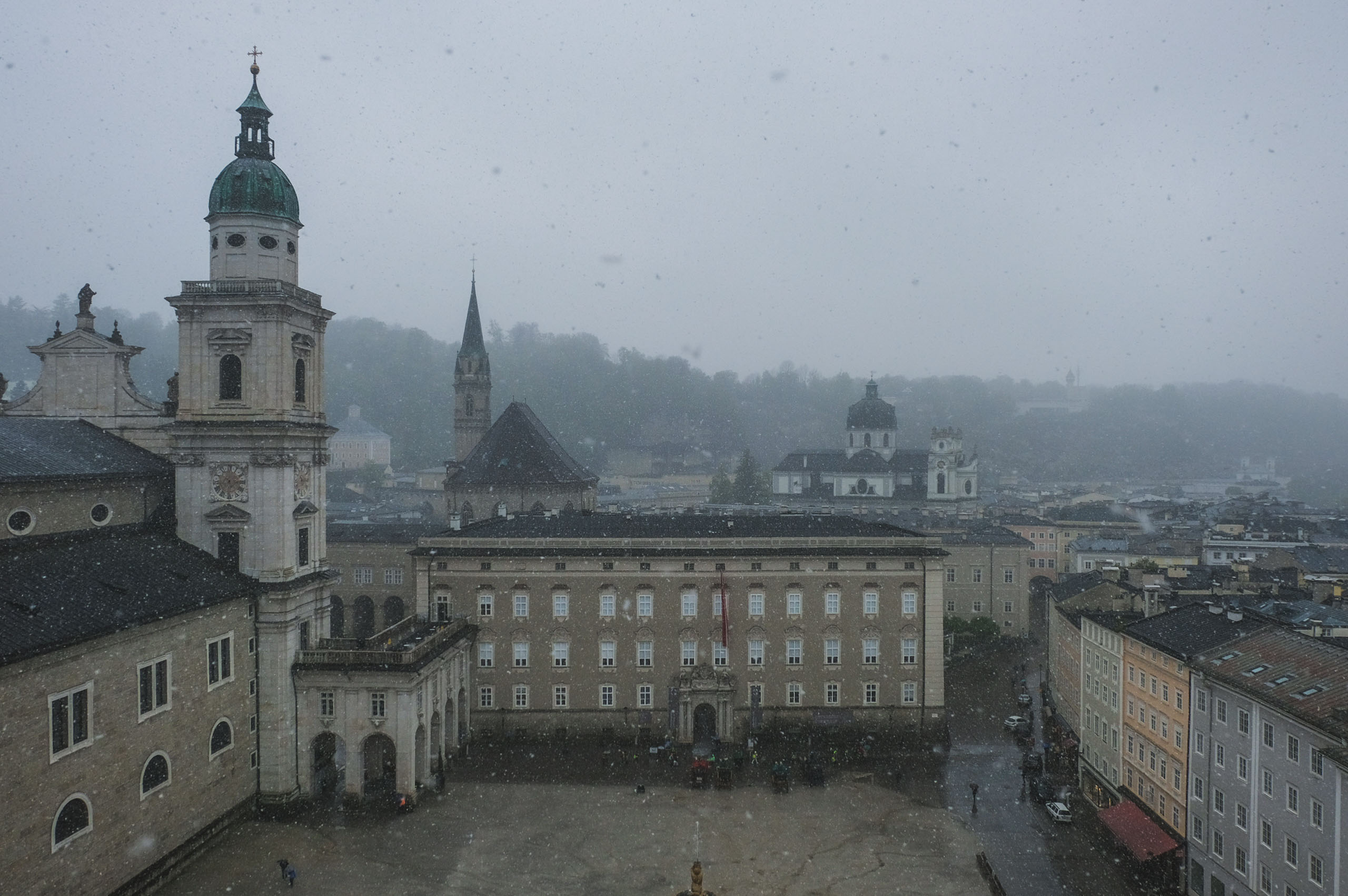
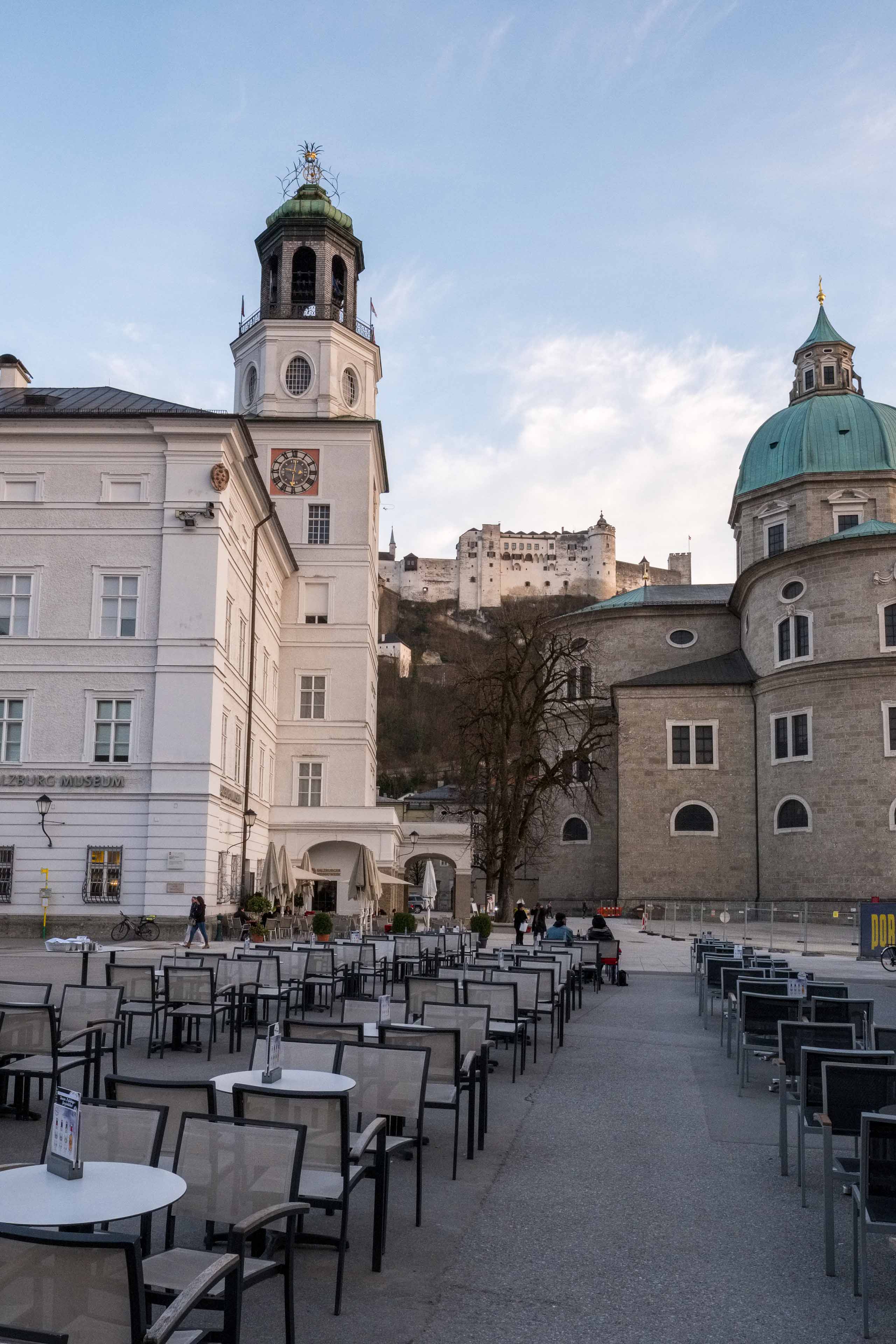
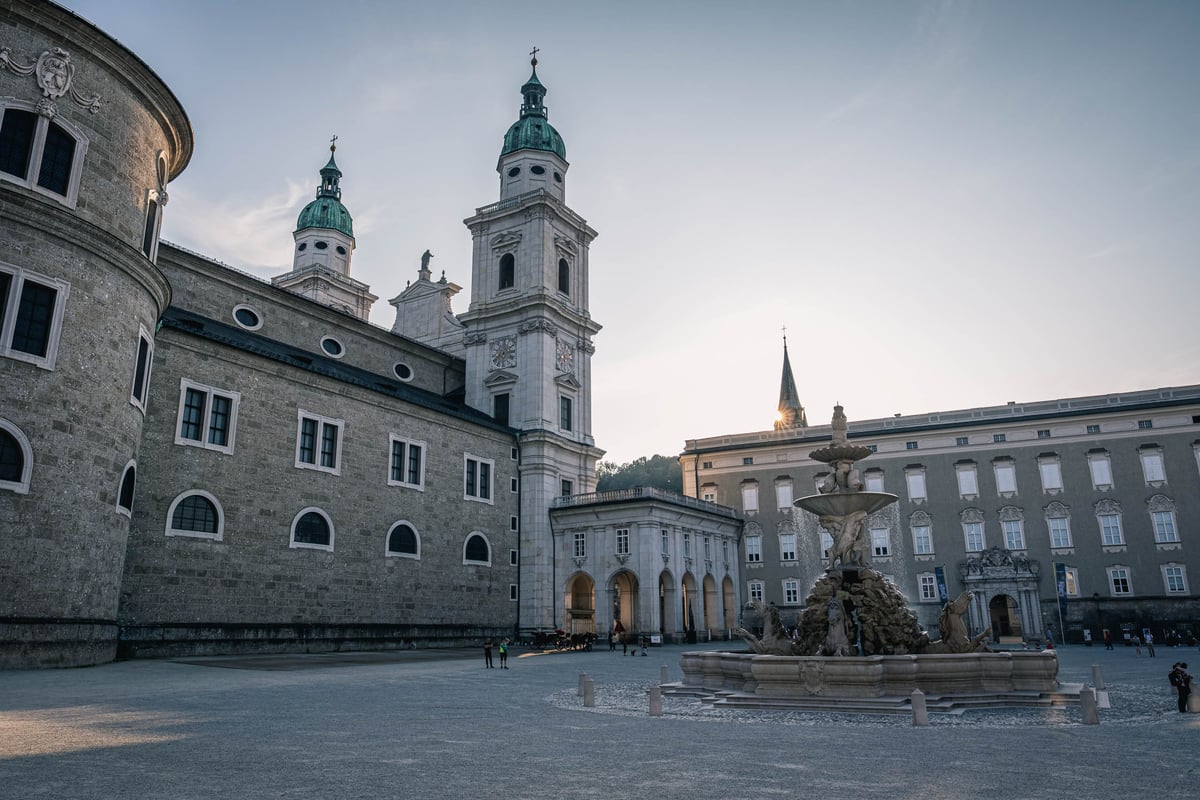
Residenzplatz is Salzburg’s grandest baroque square, cleared in the early seventeenth century by Archbishop Wolf Dietrich von Raitenau on the site of a demolished medieval neighbourhood. Standing here, with the Residenz on one side, the Neue Residenz on another, and the Salzburg Cathedral closing the south end, it is easy to understand how deliberately this city was shaped.
The Story
Wolf Dietrich’s ambition was to remake Salzburg as a northern Rome, and Residenzplatz was where that ambition became most visible. He cleared the houses and the old cathedral precinct to open this space, and it was his successors who completed the framing: the Cathedral was finished in 1628, the Residenz rebuilt and expanded across the following decades. By the middle of the seventeenth century, the square had the proportions and the buildings it still has today.
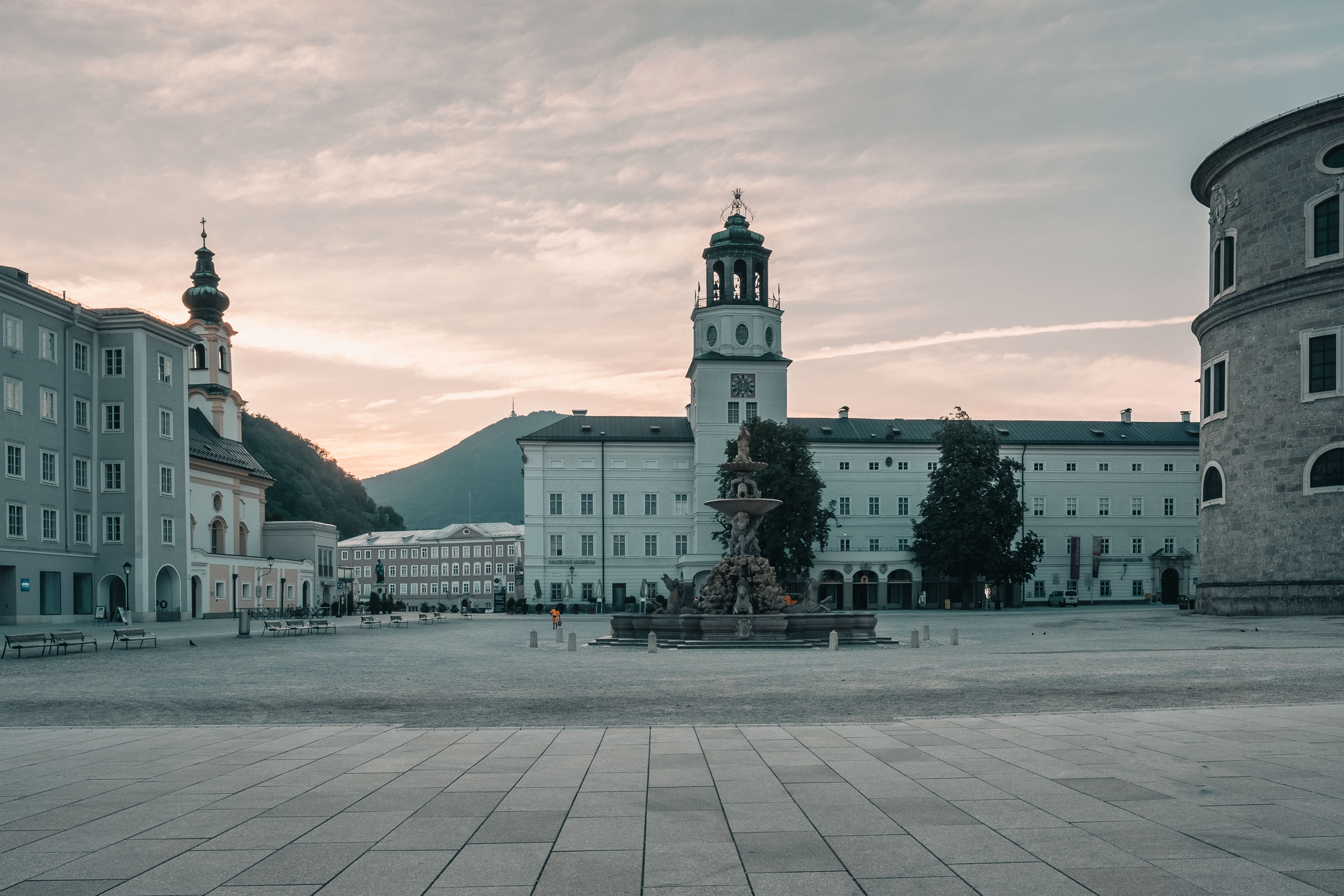
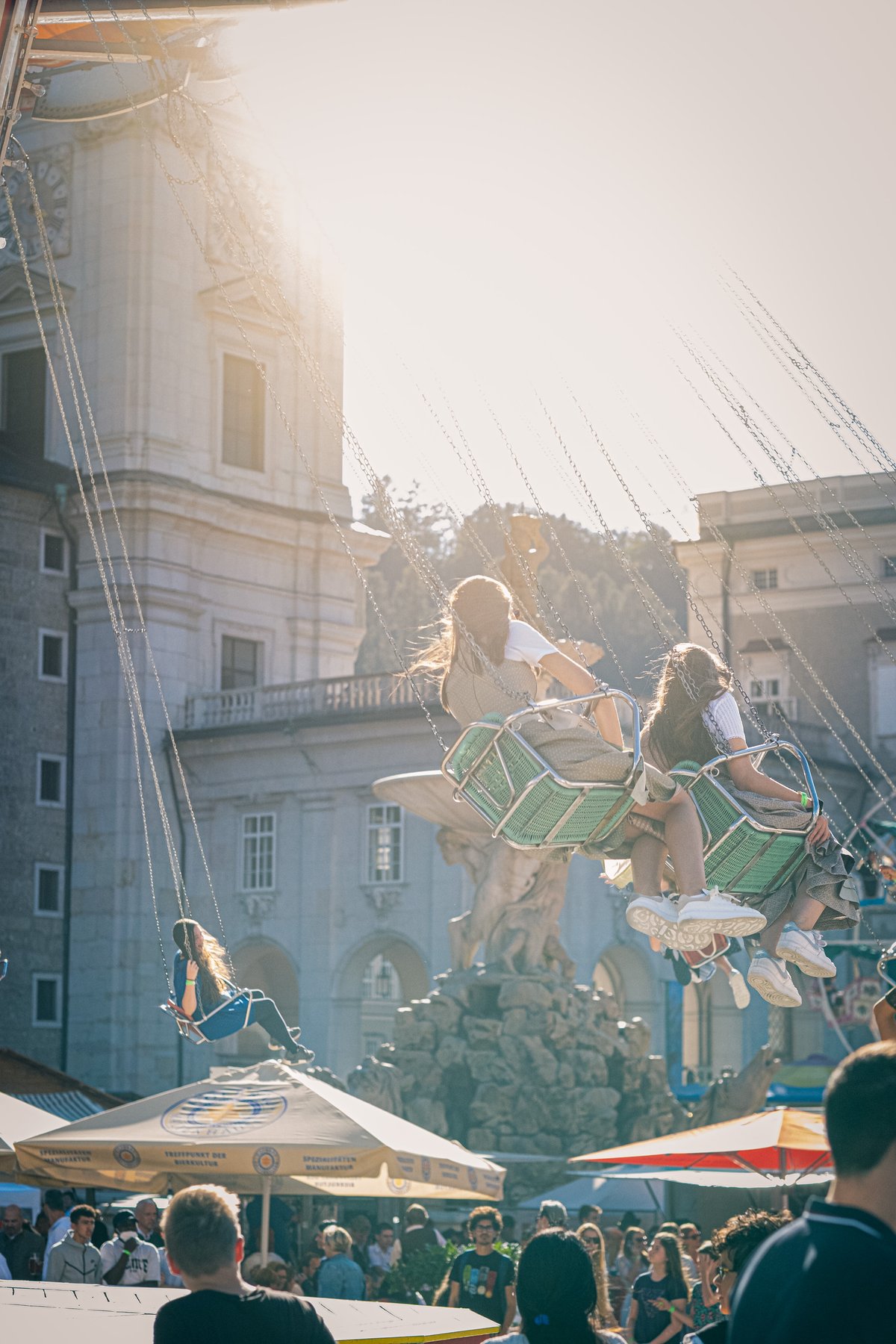
The Residenzbrunnen at the centre was completed around 1661 and is attributed to Tommaso di Garona. At around fifteen metres across, it is among the largest baroque fountains in the German-speaking world. Three conchs ring the lower basin; horses and tritons support the upper tiers. It rewards careful looking.
The Neue Residenz across the square contributes the Glockenspiel, a carillon of 35 bells that plays at 7 am, 11 am, and 6 pm daily. Leopold Mozart is said to have complained about it being out of tune. It is worth being in the square at one of those times: the sound carries well across the open space, and most visitors standing there have no idea it is about to start.
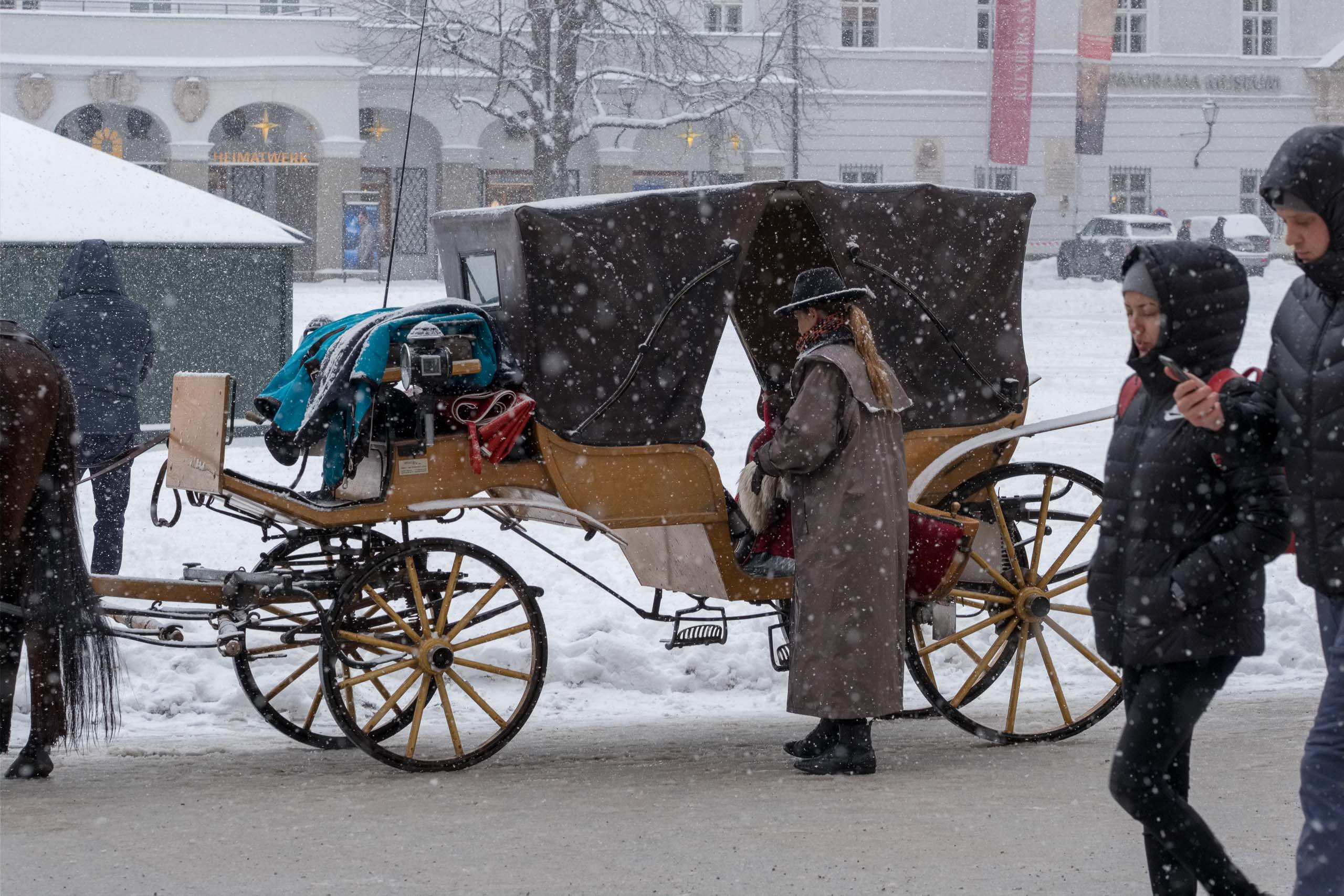
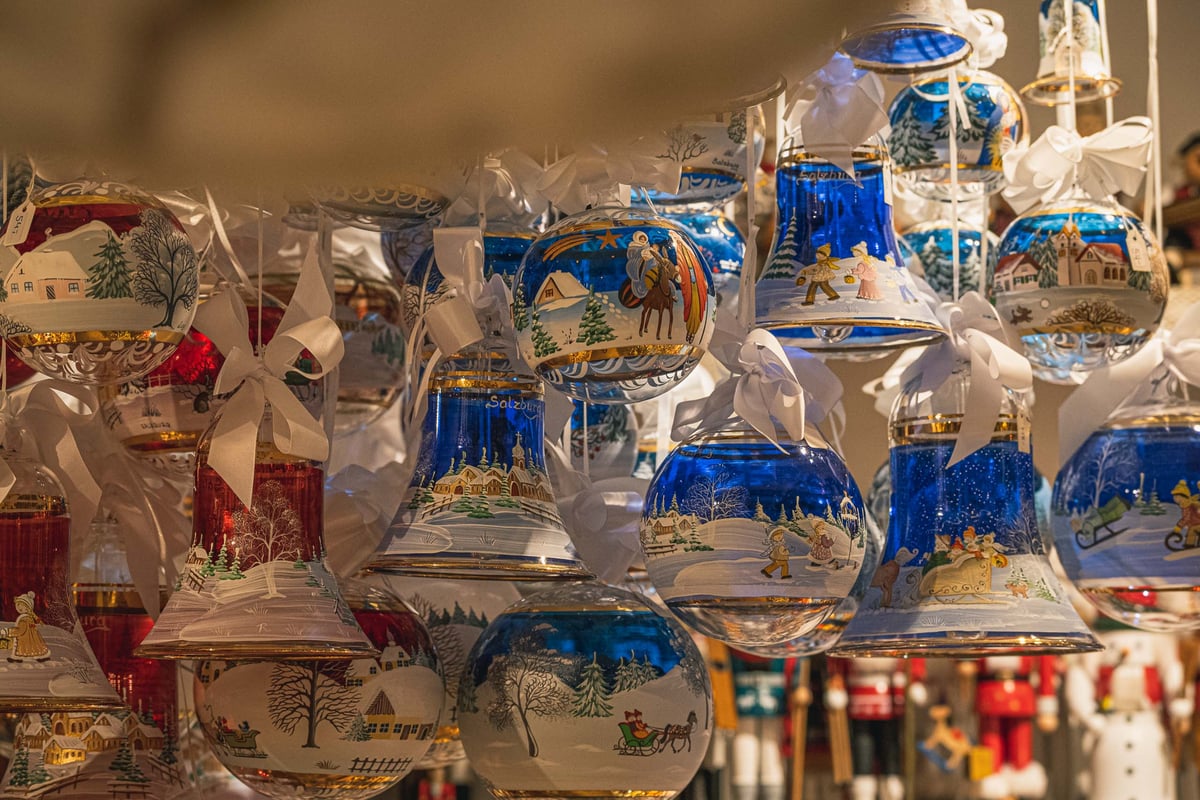
In December, the Salzburg Christmas Market takes over the square entirely. The stalls, the smell of Glühwein, and the floodlit Cathedral facade produce the version of Salzburg that appears on postcards worldwide. Outside the Christmas period, the square is quieter and better appreciated: the baroque proportions come through more clearly without the crowd.
Visiting
Residenzplatz is always open and free. It is in the centre of the Altstadt, a two-minute walk from the main pedestrian zones. Arch passages on the south side connect to Domplatz; a covered passage to the east leads to Mozartplatz. Combine naturally with the Residenz state rooms, the Salzburg Cathedral, and the DomQuartier museum circuit. The Christmas Market runs through December and is the busiest time of year; early mornings are quieter regardless of season.