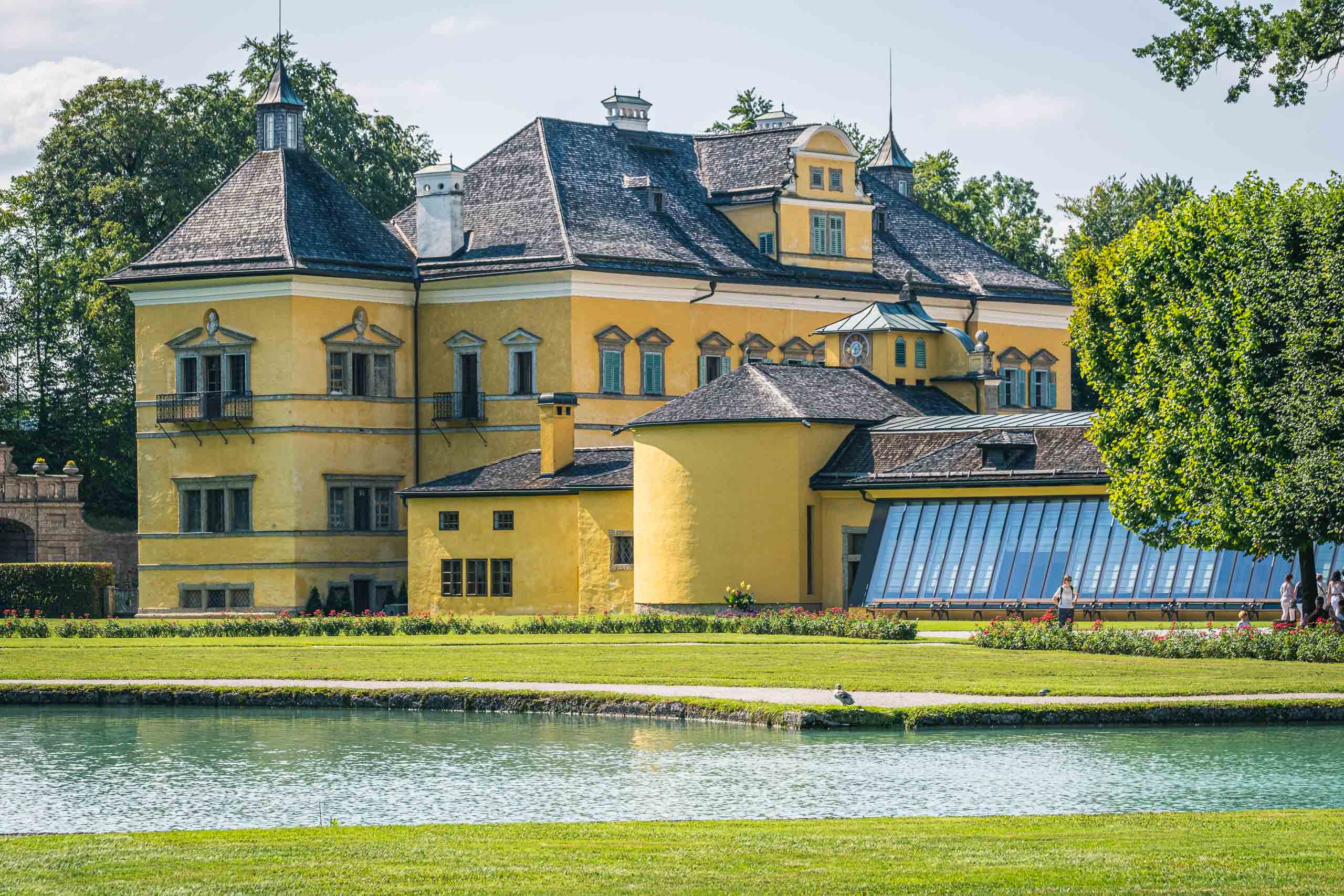
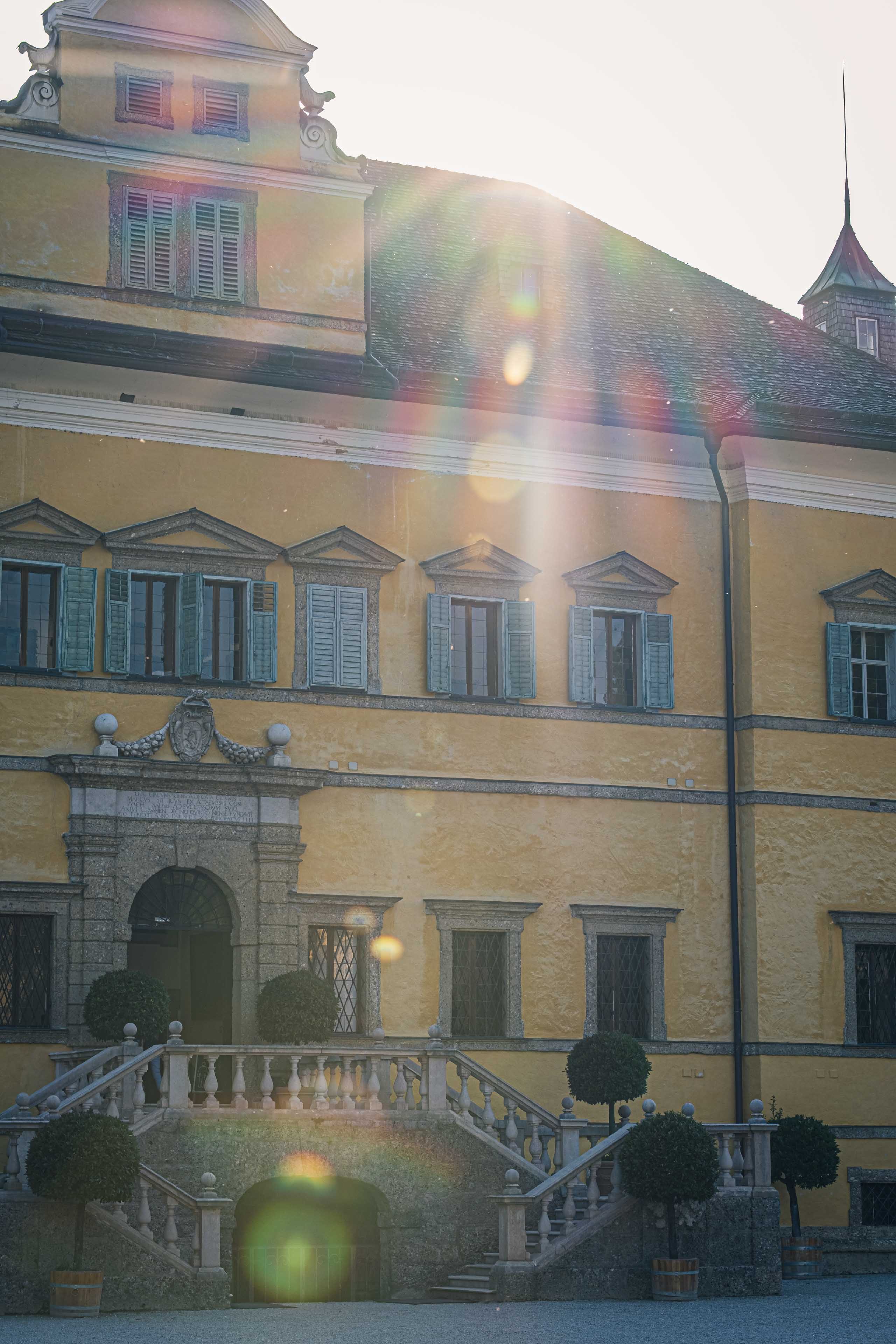
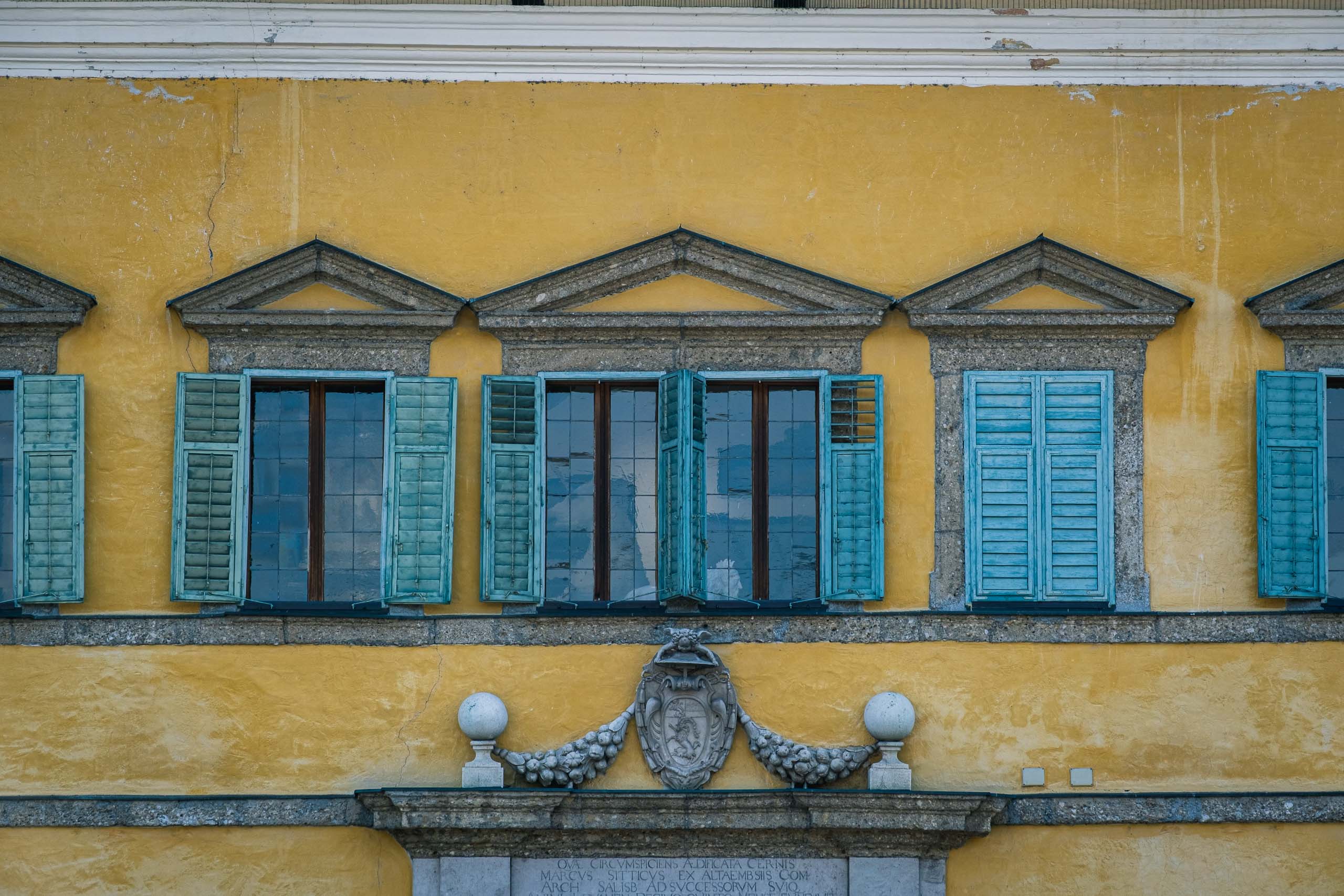
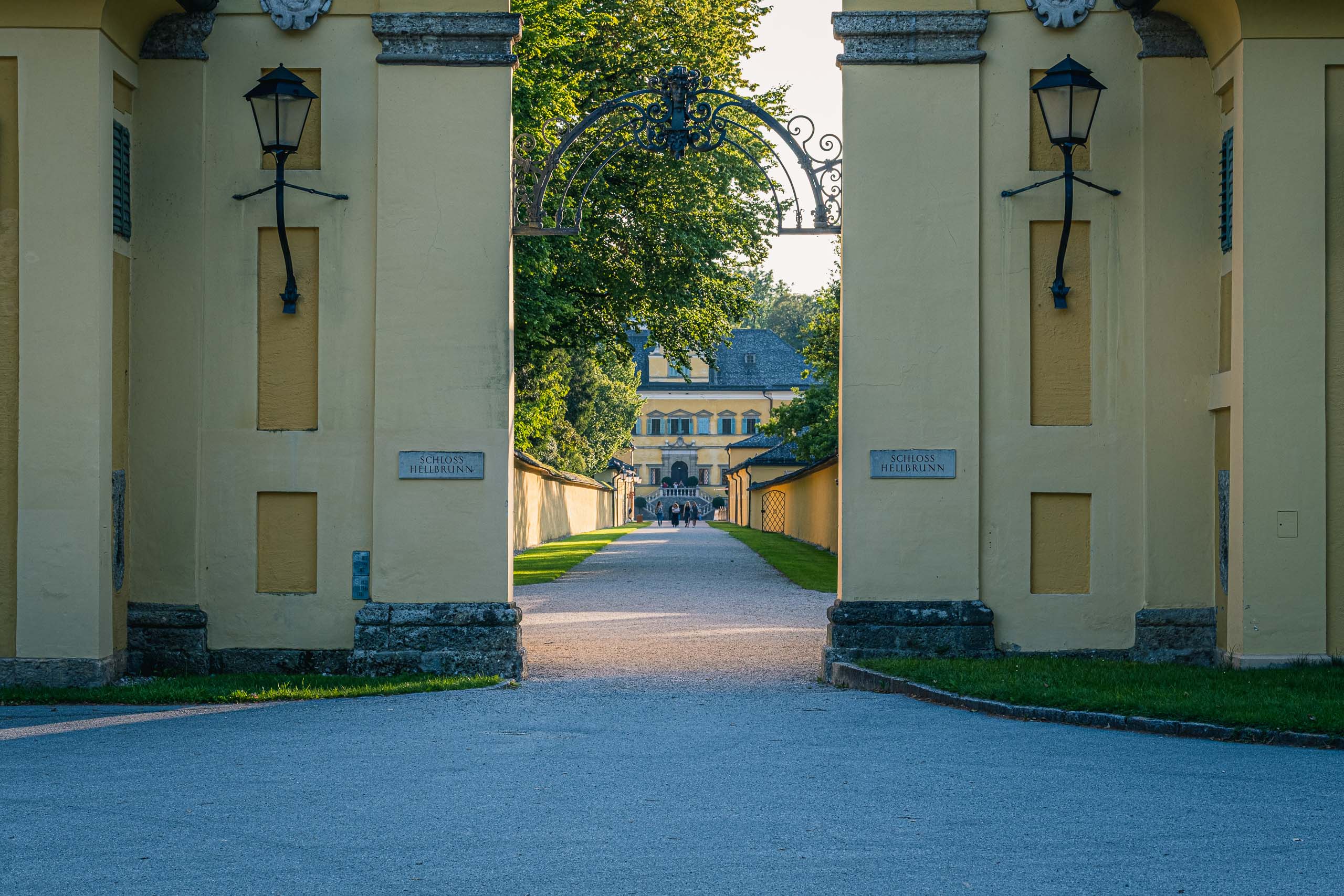
Markus Sittikus built Hellbrunn in 1613 as a palace with no bedrooms, engineered a network of hidden water jets to soak his dinner guests, and staged the first opera north of the Alps on a stone theatre cut from a cliff face in the same grounds.
The Story
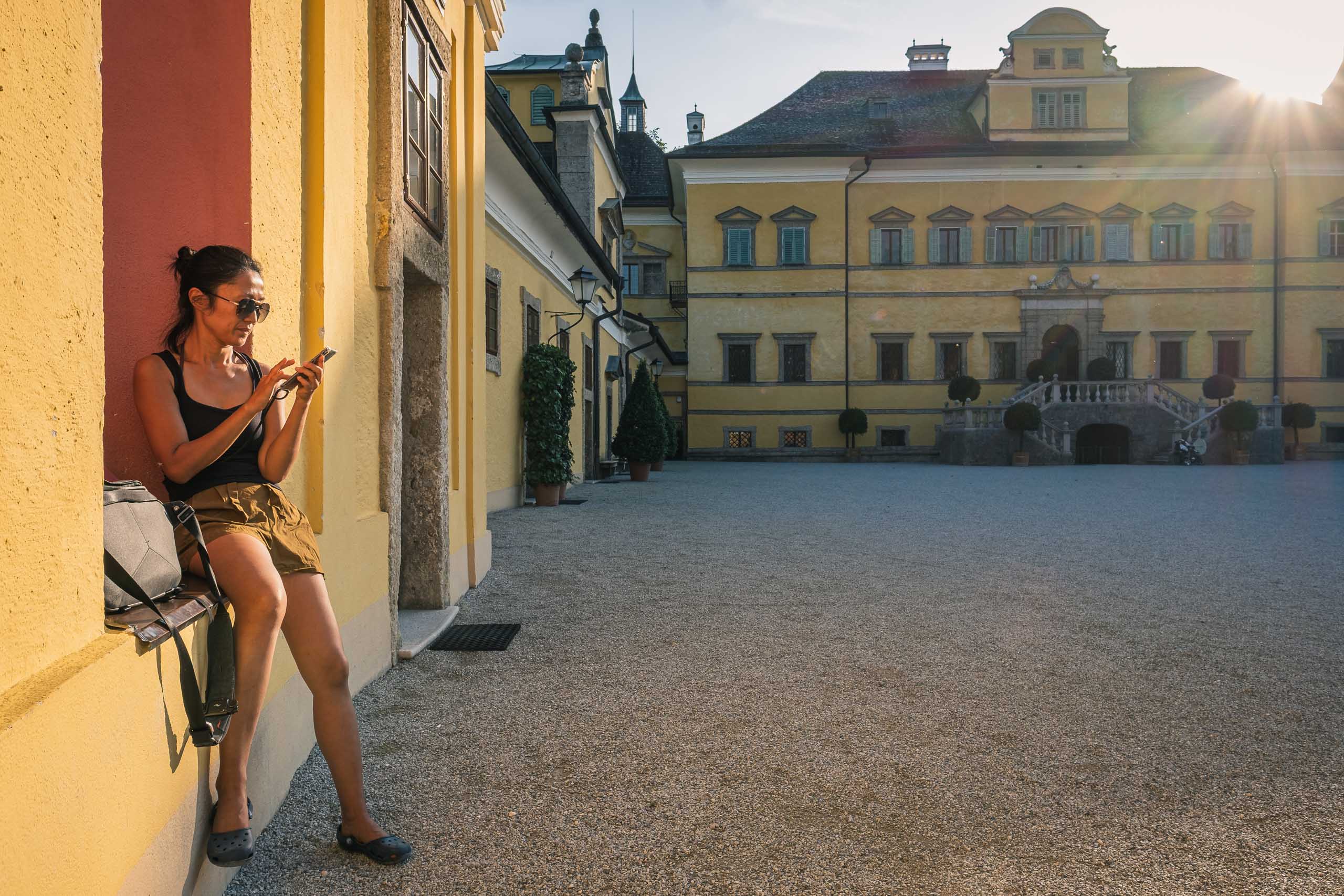
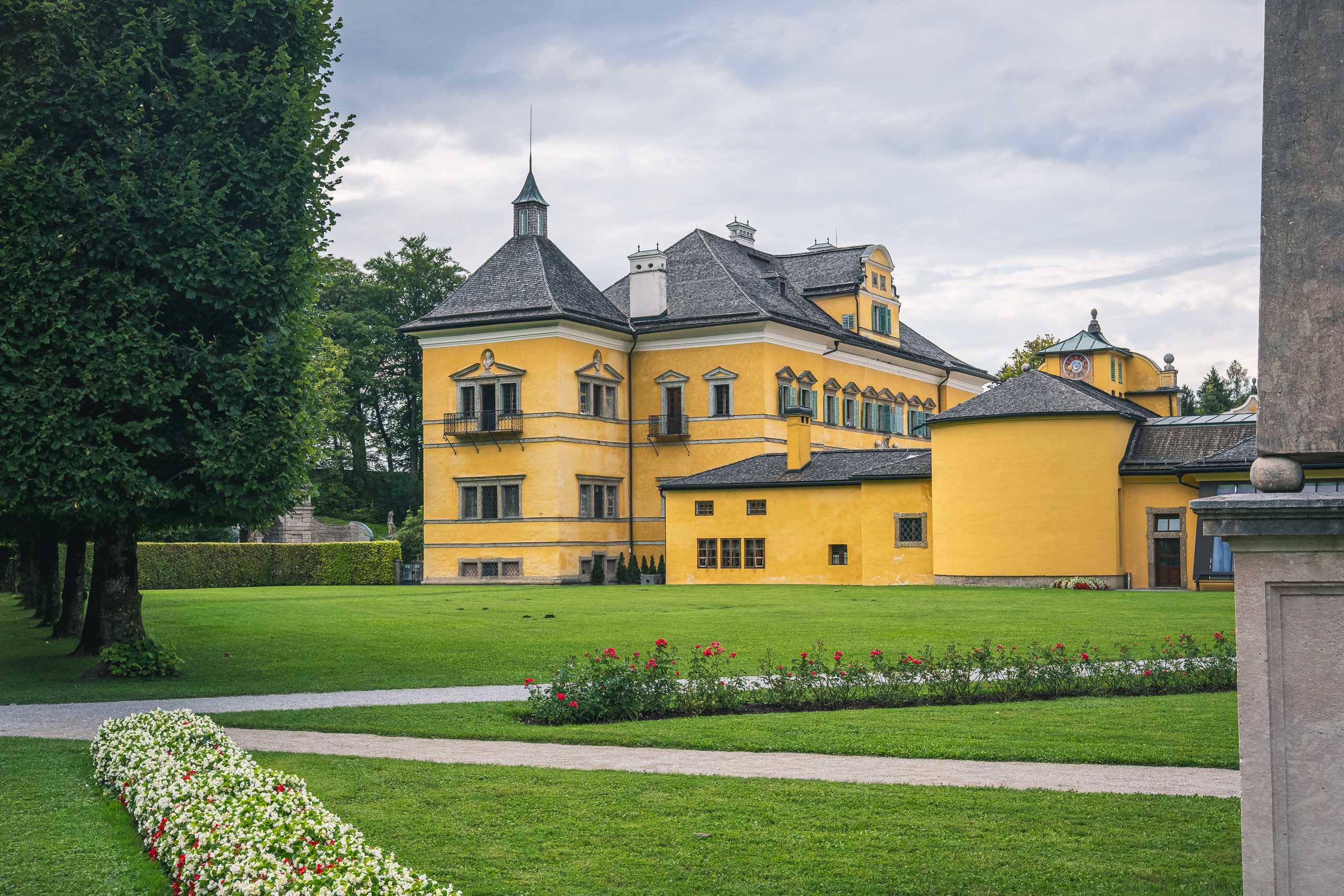
Markus Sittikus became Prince-Archbishop of Salzburg in 1612 with Italian tastes, serious wealth from the city’s gold and salt revenues, and a sense of theatre. The following year he hired architect Santino Solari to transform a sandstone quarry south of the city into a summer villa in the Italian “villa suburbana” model. The main structure was finished by April 1615, the full grounds including the Stone Theatre by December 1616. He died in 1619 before ever spending a single night there. Hellbrunn was never a residence. It was a stage.
The trick fountains are the point. Over 200 concealed water jets, fed by a natural spring beneath the grounds, are threaded through the pathways, grottos, and garden furniture. The archbishop’s stone banquet table is fitted with a hidden channel that can drench every seat except the host’s. Deer, birds, and mythological figures spray water without warning. The mechanisms date to the original construction and have functioned continuously for over 400 years. A guided tour runs approximately 40 minutes and covers the full network.
The Steintheater (Stone Theatre, with its arcaded rock face cut directly into the quarry cliff) is the oldest Baroque outdoor theatre in the German-speaking world. In 1617, only four years after construction began, the site hosted what is considered the first opera performed north of the Alps. That performance predates the Salzburg Festival by three centuries, yet the same acoustic space is still used for concerts today.
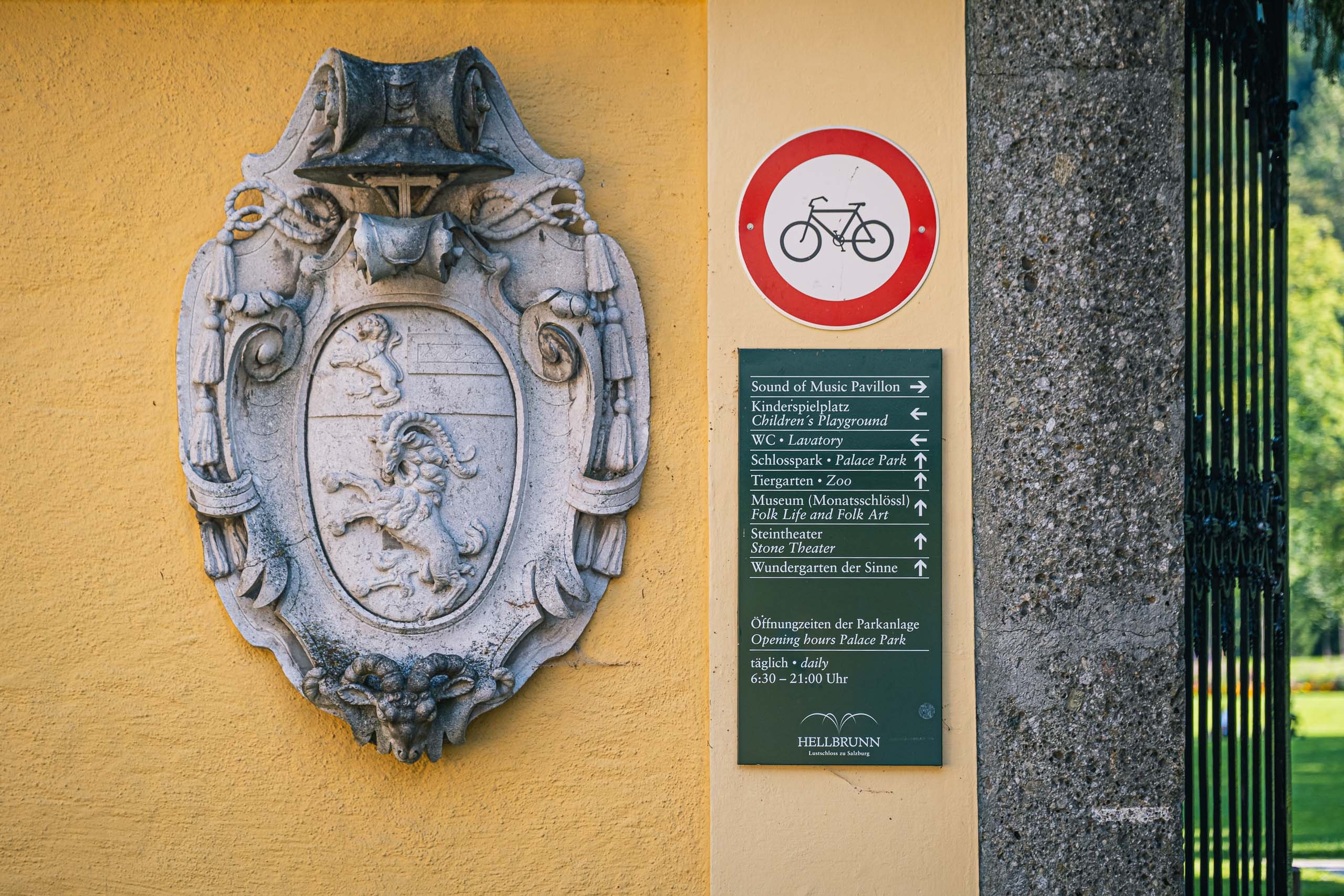
Two further points of interest complete the grounds. The Sound of Music Pavilion, the glass gazebo from the “Sixteen Going on Seventeen” sequence in the 1965 film, was relocated here from Schloss Leopoldskron in the 1970s and is freely accessible without a ticket. The zoo, founded in 1765 on land bordering the palace, is one of the oldest zoos in the world and operates as a separate attraction with its own entrance.
Visiting
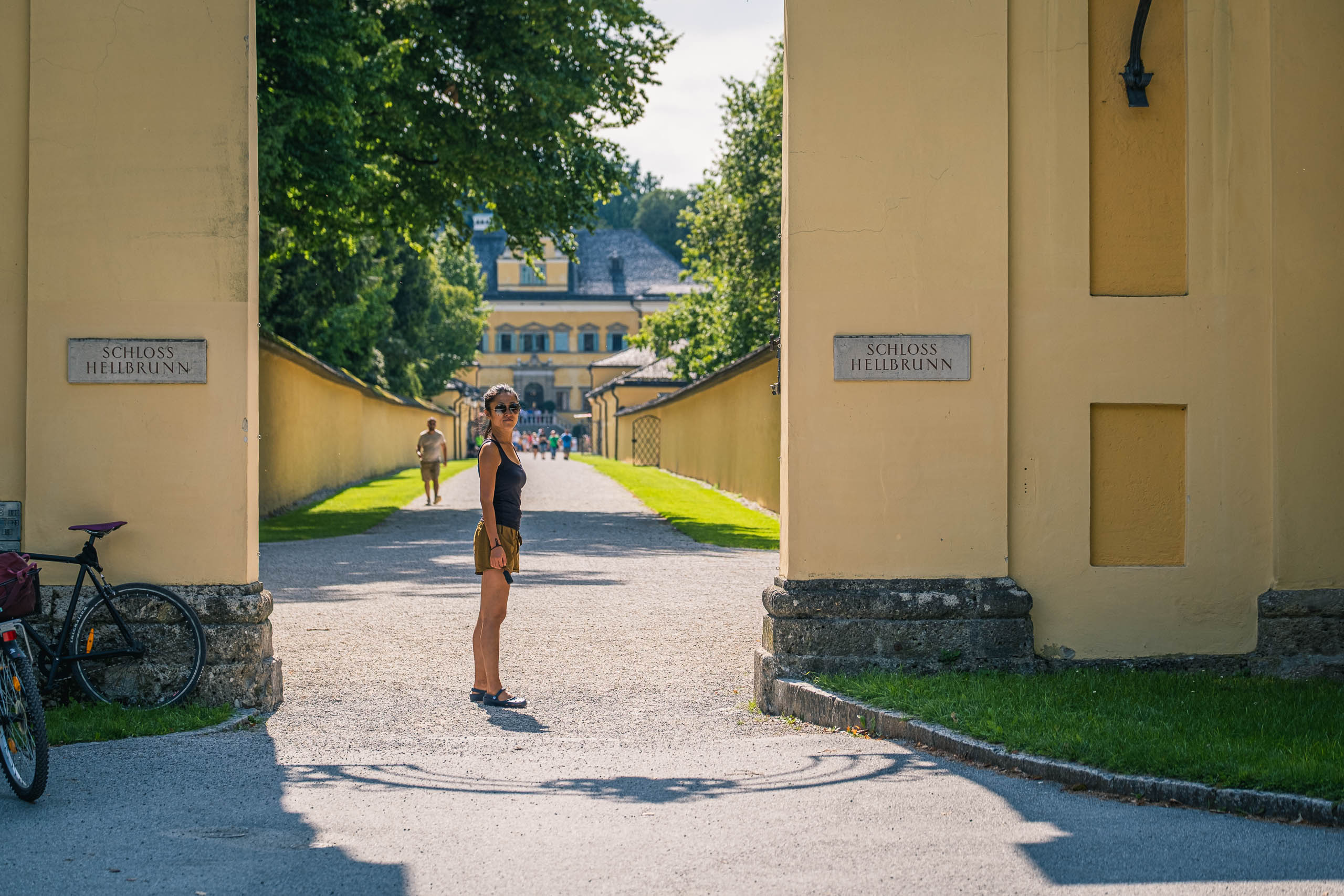
Hellbrunn is south of Salzburg city centre, accessible by Bus 25 from the old town (approximately 20 minutes) or by bicycle along the Hellbrunner Allee (approximately 25 minutes, flat and pleasant). The Wasserspiele run on a fixed guided-tour schedule from late March through October; allow 40 minutes. The palace interior, gardens, Sound of Music Pavilion, and Steintheater can be explored independently. Combined tickets covering palace and Wasserspiele offer the best value. The zoo is separately ticketed. Allow a half day for the full site. Combine with Hellbrunn District walks or with Schloss Leopoldskron for the Sound of Music context.
Do it here
See it on a tour
These experiences include this place in their authored route.
The Hellbrunn Advent Market sets up inside the Baroque grounds of Hellbrunn Palace each December, turning the trick-fountain gardens and arcaded courtyards into something the city-center markets simply cannot offer: 700 lit conifers, a palace facade that becomes a giant Advent calendar window by window, and a Krampus run that draws locals who have seen it
The Hellbrunner Allee is the world's oldest preserved Baroque avenue, a 4 km corridor of mature chestnuts and oaks planted by Prince-Archbishop Markus Sittikus between 1613 and 1615 to connect the Residenz with his summer palace at Hellbrunn Palace. Cycling it is flat, car-free, and unrushed.
Maria's Bicycle Tour runs daily from April to October, starting at Mirabellplatz 4 at 9:30 am and covering the Sound of Music filming locations by bike over 3.5 hours. The route takes in Mirabell Gardens, Nonnberg Abbey, Schloss Frohnburg, Leopoldskron, and the Hellbrunner Allee to Hellbrunn Palace. Almost entirely flat, suitable for all ages.
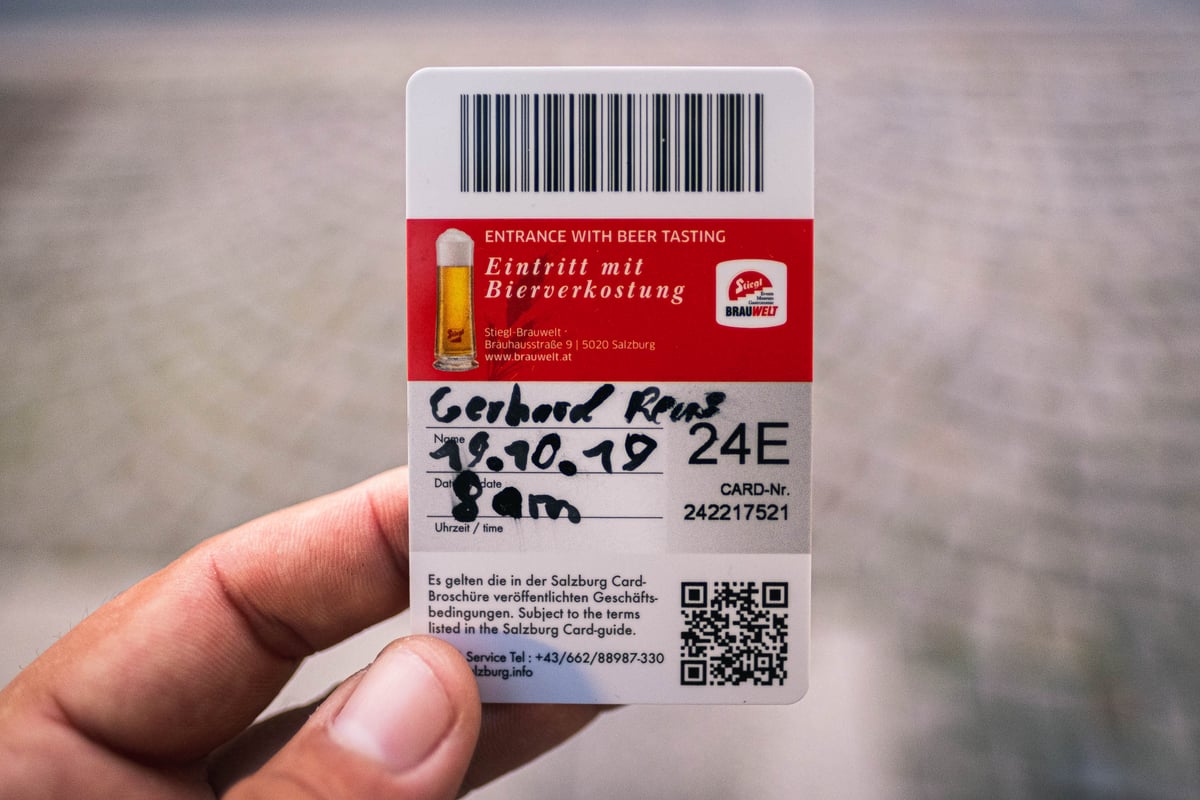
Visitor pass: free entry to most major attractions + free public transport. 24/48/72-hour versions. Covers Hohensalzburg Fortress, Salzburg Museum, Haus der Natur, DomQuartier, Hellbrunn Palace, cable cars. Note: the Salzburg Museum is closed for renovation until approximately spring 2027, so it does not count toward the card's value until it reopens.
Salzburg9 stops
People
People connected to this place
Each person below explicitly names this place in their authored connections.
Prince-Archbishop of Salzburg from 1612 to 1619, and a cousin of Wolf Dietrich von Raitenau, whom he deposed with Bavarian military backing. In seven years he built Hellbrunn Palace, planted the Hellbrunner Allee, renamed Wolf Dietrich's "Altenau" to Mirabell, and laid the cornerstone of the Salzburg Cathedral. He died before completing any of them.
Played Liesl von Trapp, "sixteen going on seventeen," in The Sound of Music (1965). Most associated with the gazebo scene, now permanently housed at Hellbrunn Palace. She visited Salzburg on multiple occasions and became one of the most recognisable ambassadors the film ever produced. Her memoir Forever Liesl (1999). Died in 2016 at 73.
The Italian master builder who designed and built Salzburg Cathedral (1614-1628) and Hellbrunn Palace (1613-1619), two of the most important buildings in the city. He is buried in St. Peter's Cemetery.
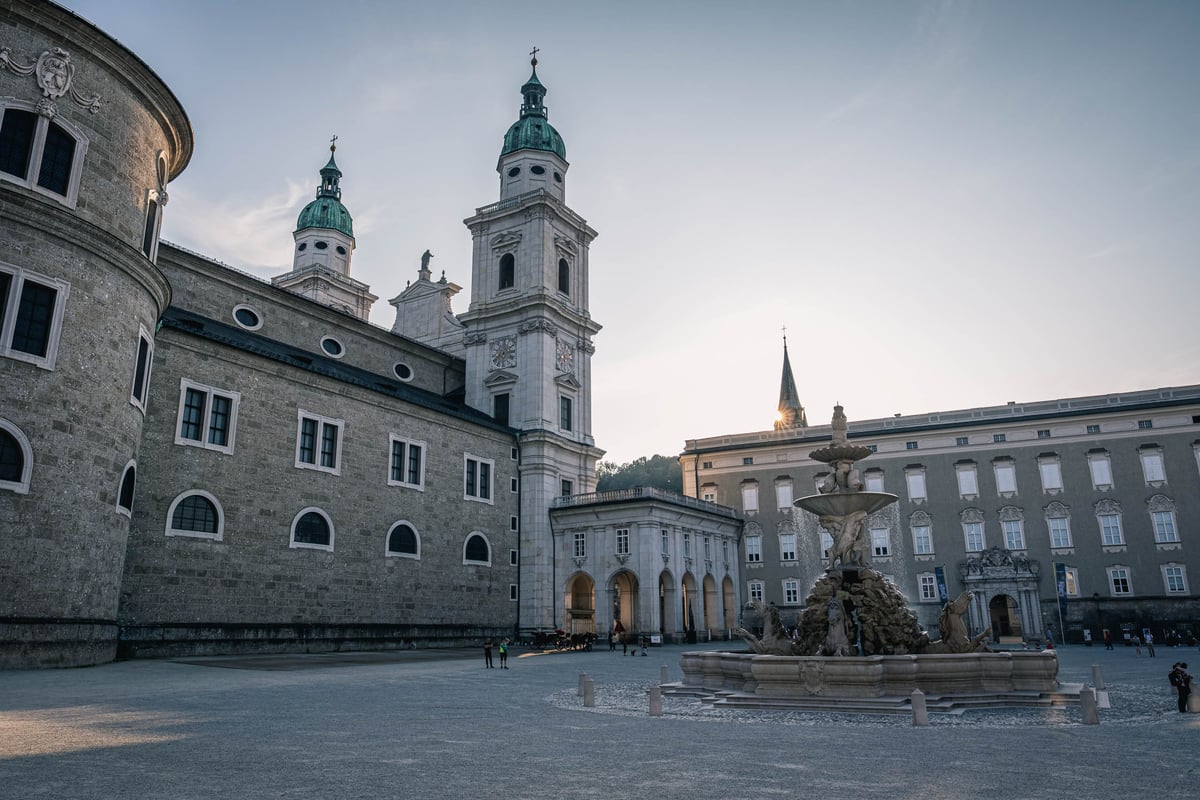
Salzburg was not part of Austria for most of its history. That single fact explains nearly everything about the way the city looks, why it feels different from Vienna, and why there is a fortress on the hill.
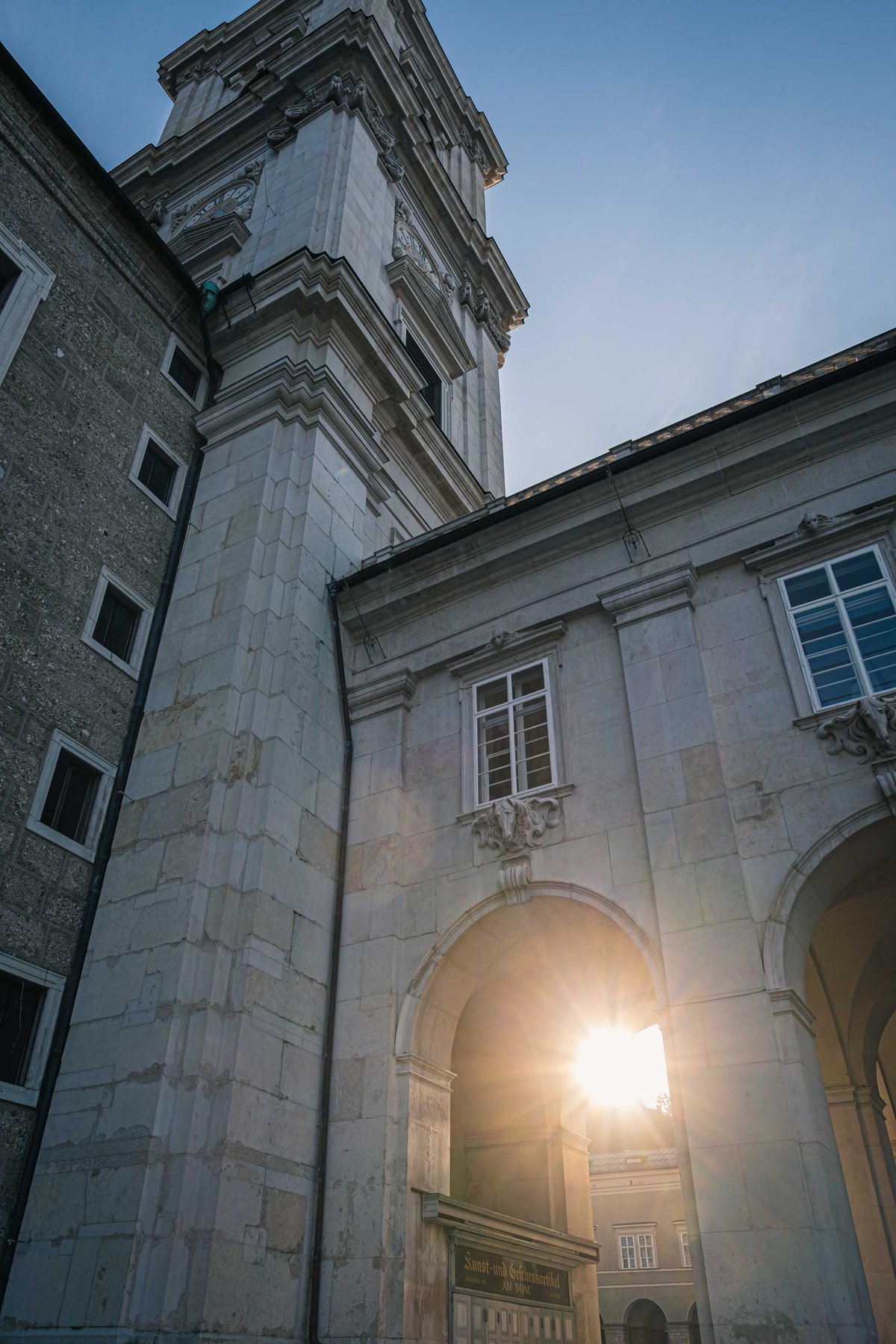
Every visitor to Salzburg walks through baroque architecture without knowing what that word actually means. The guides say 'baroque' and point at a church. The audio guide says 'baroque facade' and moves on.