Snapshot
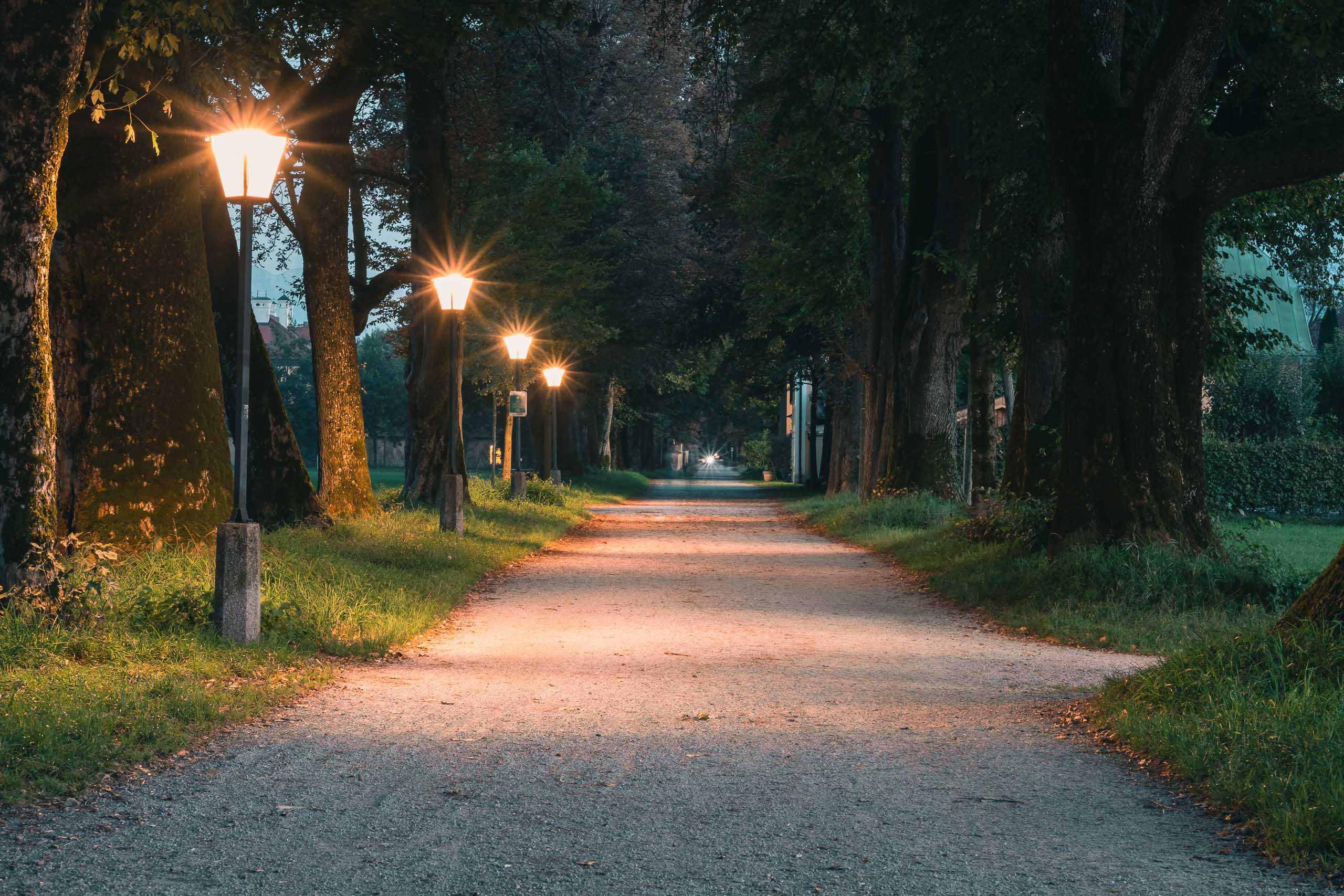
The Hellbrunner Allee is a 4 km tree-lined avenue running south from the edge of Salzburg’s Altstadt to Hellbrunn Palace, planted by Archbishop Markus Sittikus in the early 17th century. It is one of the oldest preserved Baroque avenues in the German-speaking world, free to walk or cycle at any time, and one of the quietest ways to move between the city centre and the Hellbrunn complex.
The Story
Most of what Salzburg is famous for came later. Mozart was born in 1756. The Festival started in 1920. But this avenue is older than both. Archbishop Markus Sittikus had it planted between 1613 and 1615 as a processional route from his city residence to his new summer palace at Hellbrunn, a straight corridor of chestnuts and oaks designed to turn a short journey into a statement.
Four hundred years later the trees are still here. The avenue is flat and car-free, wide enough that the canopy meets overhead in summer, quiet enough that you can hear the birds. It takes twenty minutes by bike, forty-five on foot. About halfway along, the baroque facade of Schloss Frohnburg appears at number 53. If you have seen The Sound of Music, you have already seen it: this is the Von Trapp family home exterior, the gate where Maria first arrives, the driveway sequence. It is now a student residence and concert venue for the Mozarteum University, and you can walk into the courtyard.
At the far end, Hellbrunn Palace and its trick fountains wait. The avenue is the right way to arrive.