Snapshot
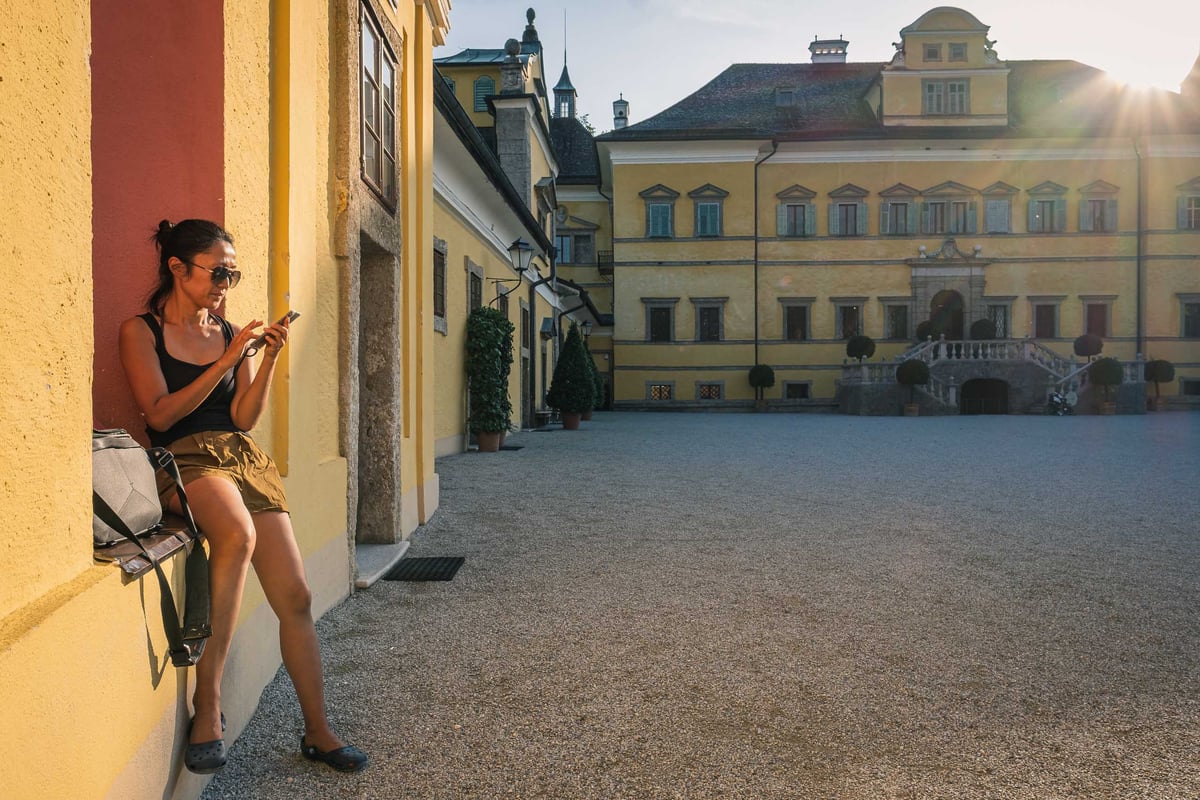
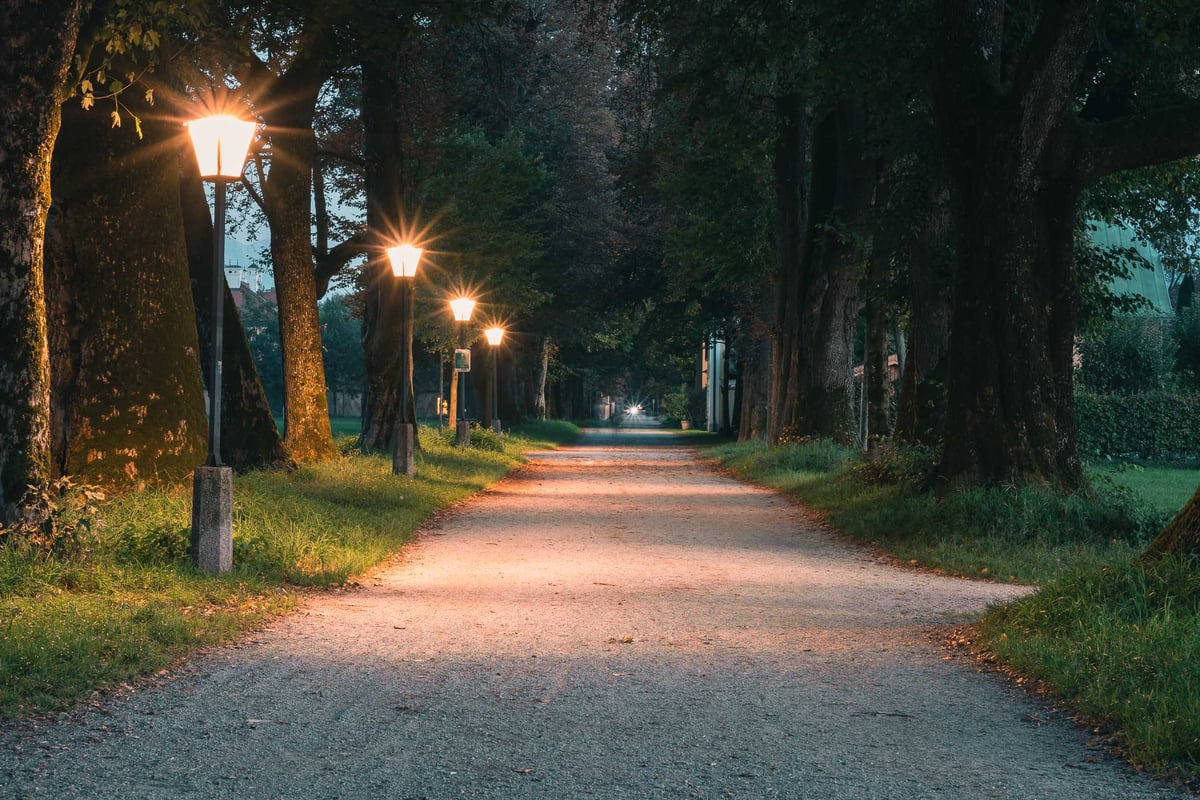
The Hellbrunn District is the southern edge of Salzburg, built around Hellbrunn Palace, the 17th-century pleasure estate of Archbishop Markus Sittikus. It holds the Trick Fountains, the Salzburg Zoo, and one of the oldest open-air theatres in the German-speaking world, all within a single green estate twenty minutes by bicycle from the Altstadt.
The Story
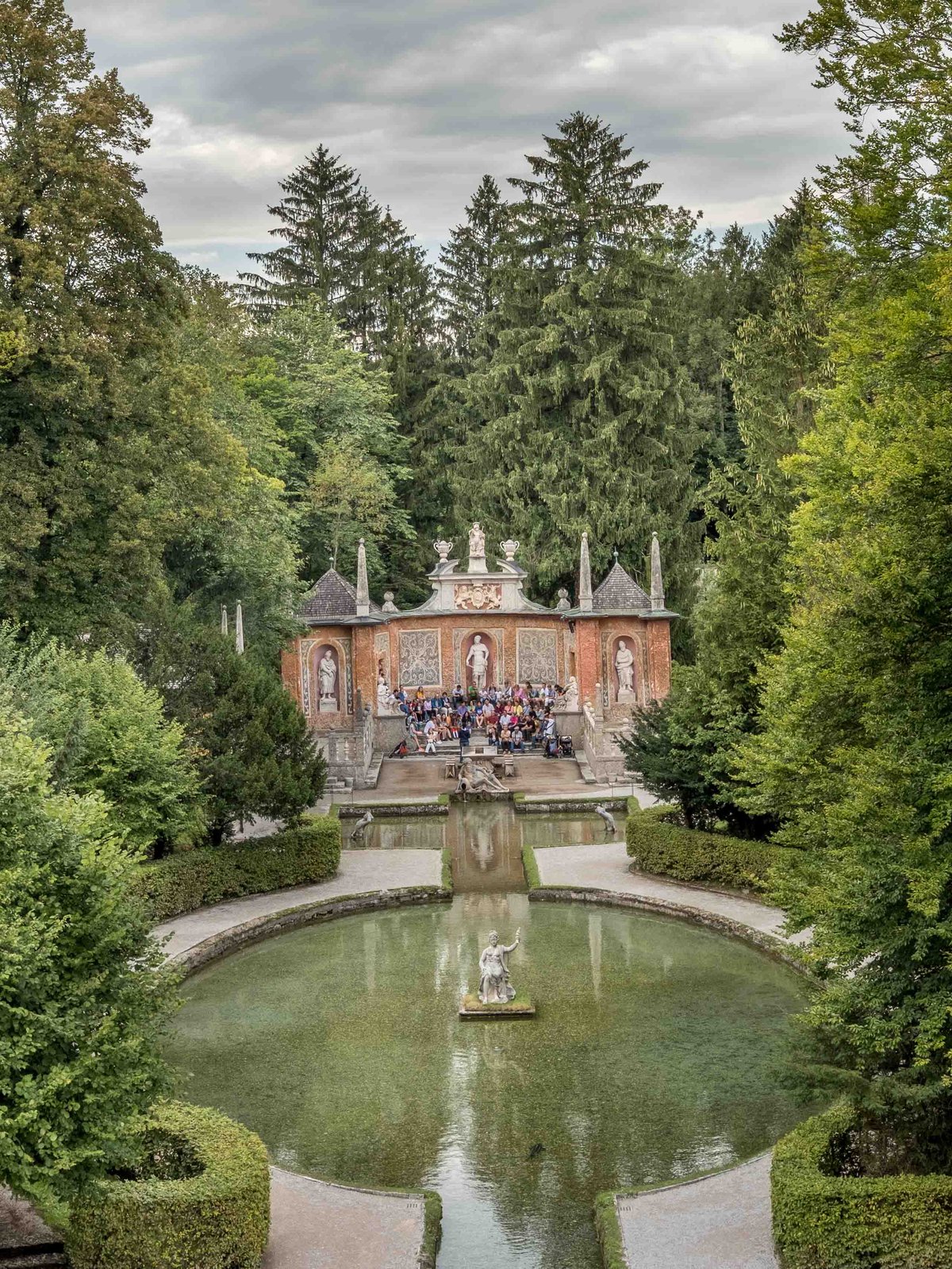
Archbishop Marcus Sitticus commissioned Hellbrunn Palace in 1612 as a summer retreat, and the result was deliberately theatrical. The palace itself is a relatively modest single-storey Lustschloss compared to grander Central European residences, but the grounds were designed as an entertainment machine. The Wasserspiele Hellbrunn are the most direct expression of this: a series of water-powered grottos, mechanical tableaux, and concealed jets that were built to surprise and delight guests, who would be seated at a stone dining table with water jets in the seats. They still work, and visitors are still surprised.
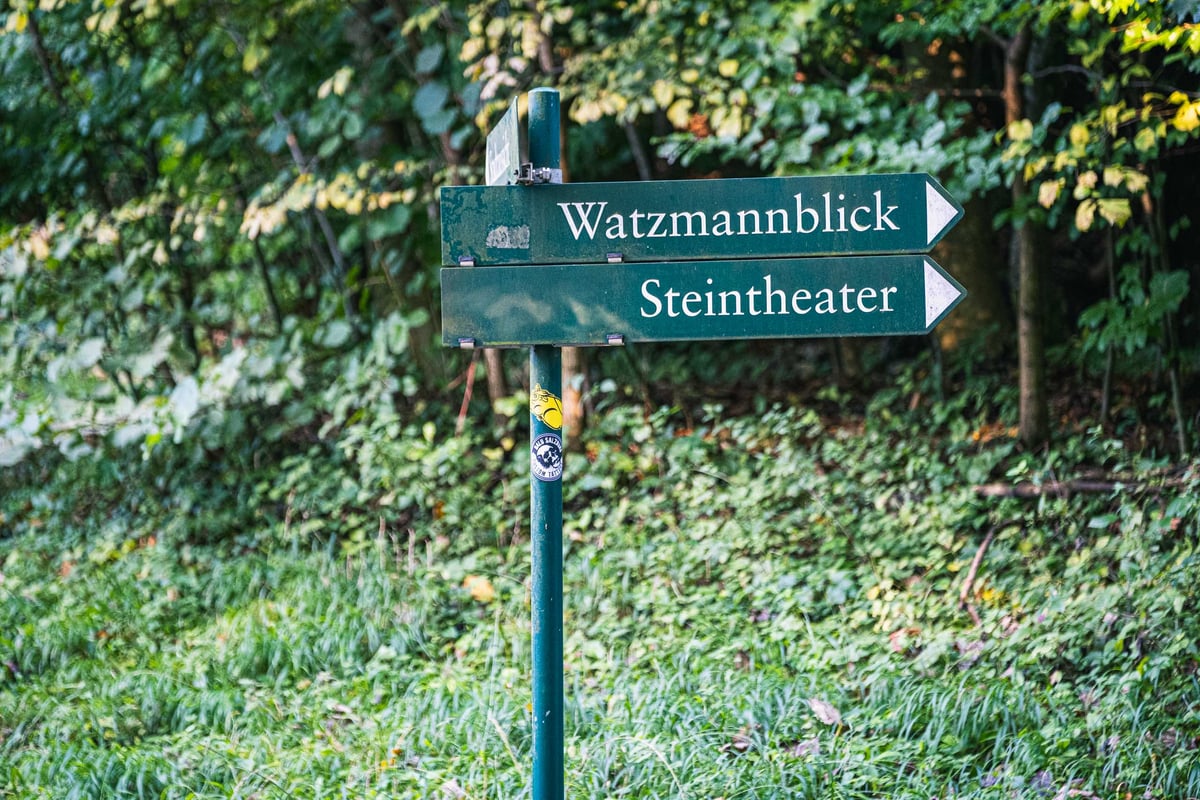
The Steintheater Hellbrunn lies in a wooded area of the grounds, a natural rock amphitheatre reinforced with carved stone seating that dates to the early 17th century. It is widely cited as one of the oldest outdoor stone theatres in the German-speaking world, and occasional performances still take place there in summer.
Salzburg Zoo occupies the southern section of the estate, a zoo of moderate scale set within the old parkland. The combination of formal gardens, a working zoo, and a historic palace in a single green space gives the district an unusual density of experiences for a half-day visit.
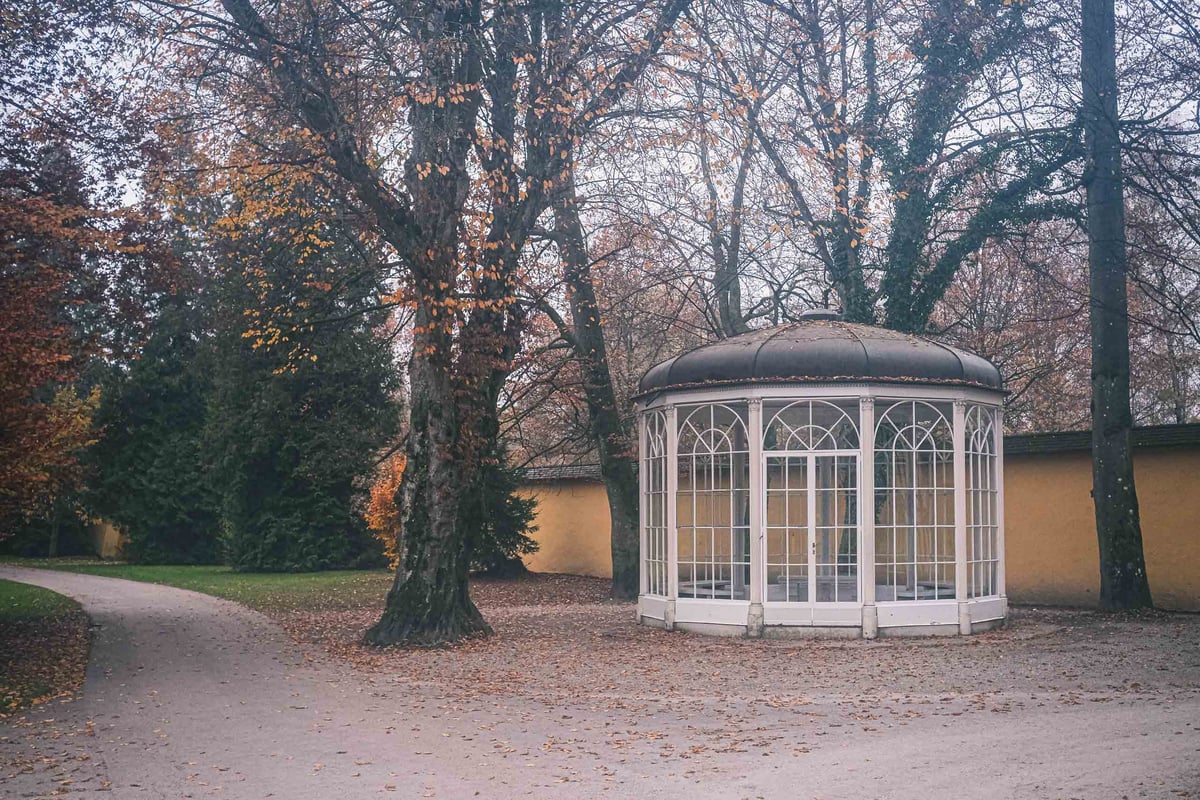
The Sound of Music Pavilion, the glass gazebo used in the “Sixteen Going on Seventeen” scene, was relocated to the Hellbrunn grounds and is accessible as part of the ticket area. Schloss Anif, a small moated castle visible from the road south of Hellbrunn, belongs to the same historic estate corridor running from the city toward the Untersberg.
Planning
The Hellbrunn District is around 4 kilometres south of the Altstadt. The most enjoyable way to get there is by bicycle along the Salzach river path, approximately 20 minutes from the city centre. Bus connections also run regularly from the city centre. Hellbrunn Palace and the Wasserspiele Hellbrunn require a paid ticket and guided tours of the trick fountains run at set intervals. The Salzburg Zoo has a separate entry. Allow a half-day minimum for the palace and trick fountains; a full day if combining with the zoo. The bike path back along the river in the late afternoon is one of the most pleasant ways to re-enter Salzburg from the south.