
Street
Hofstallgasse
Show all 8 photos
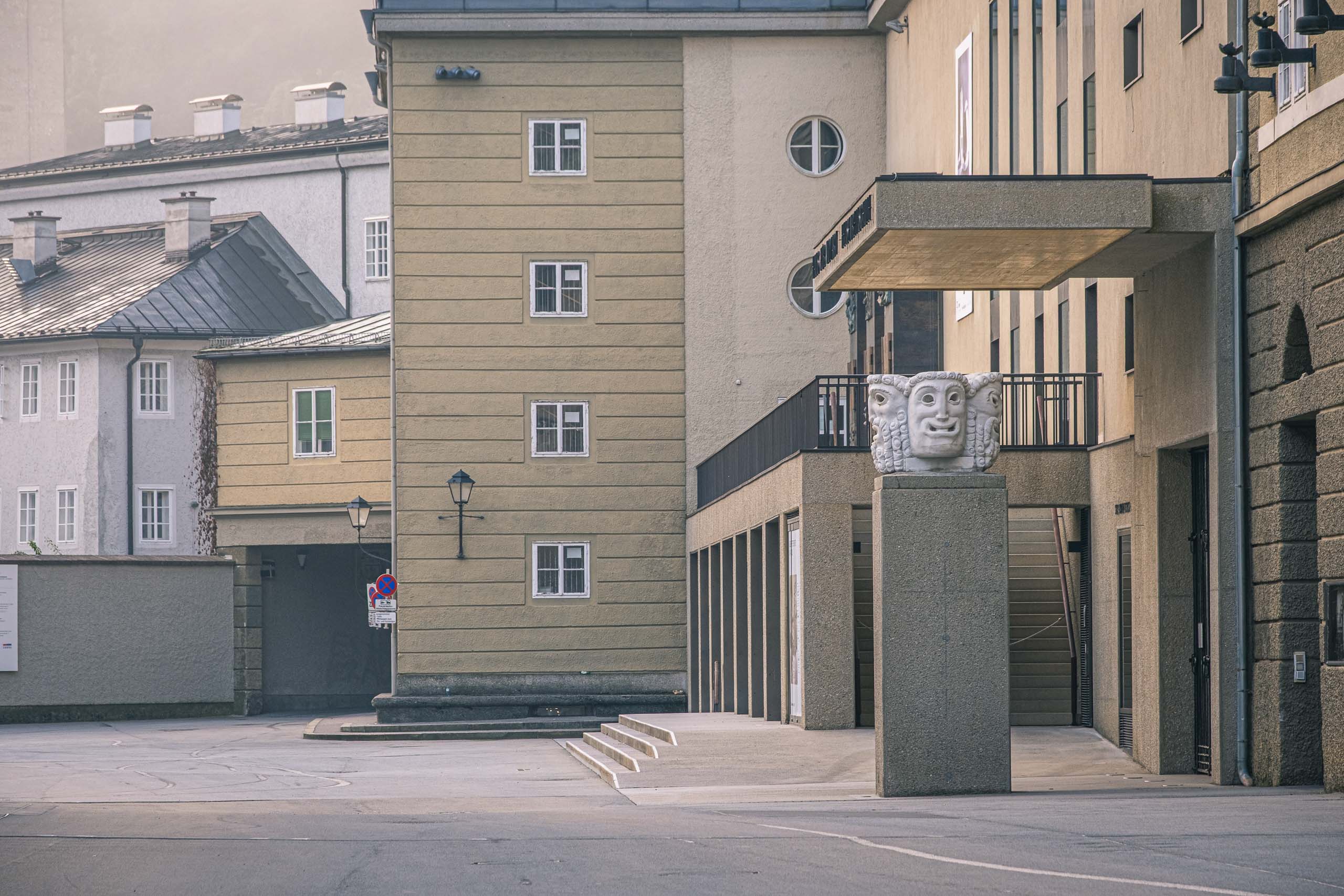
- Public art installation in the Hofstallgasse / Festspielhaus courtyard area in Salzburg (1 / 8)
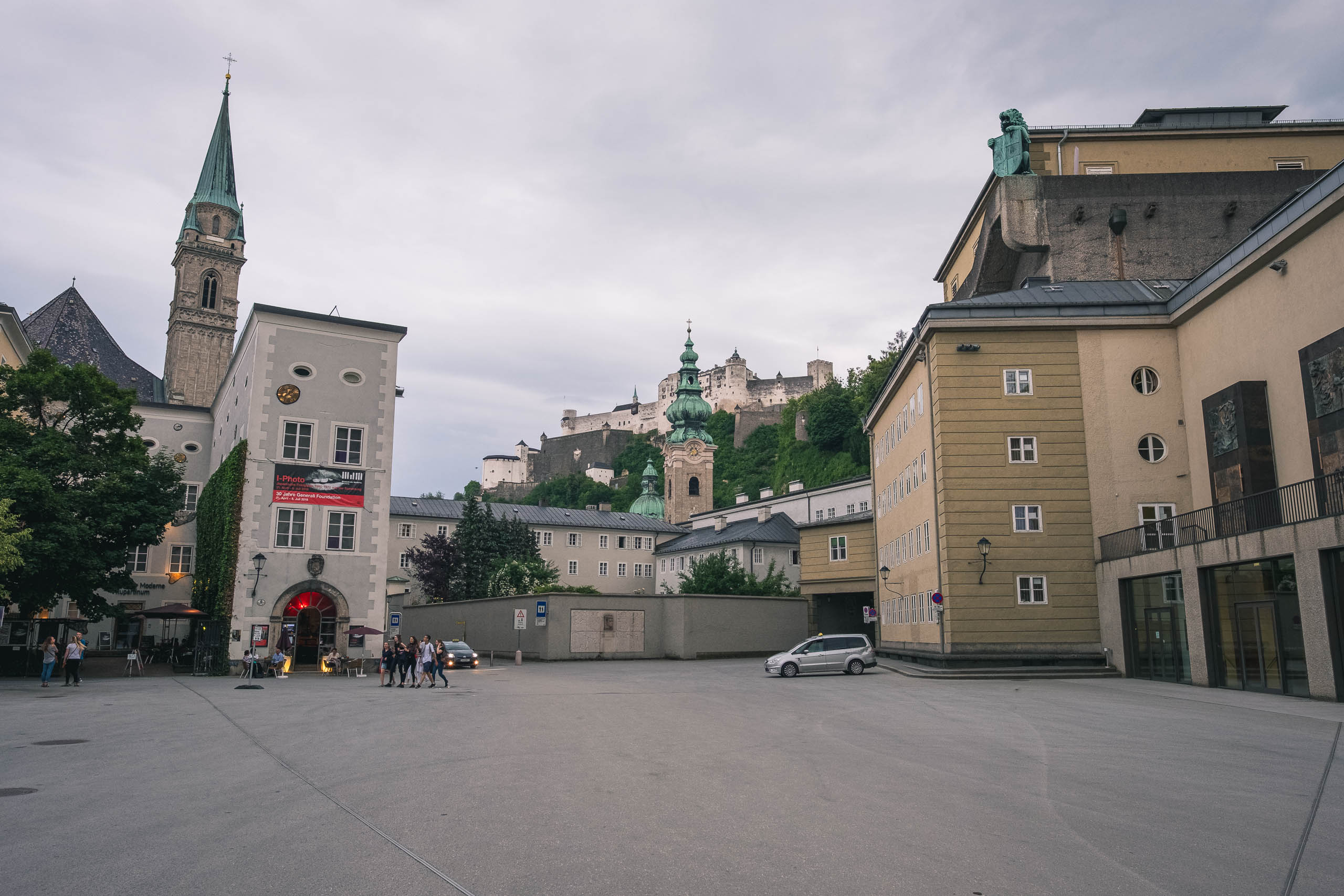
- Open square in front of Festspielhaus with Michaelskirche spire and Hohensalzburg fortress behind (2 / 8)
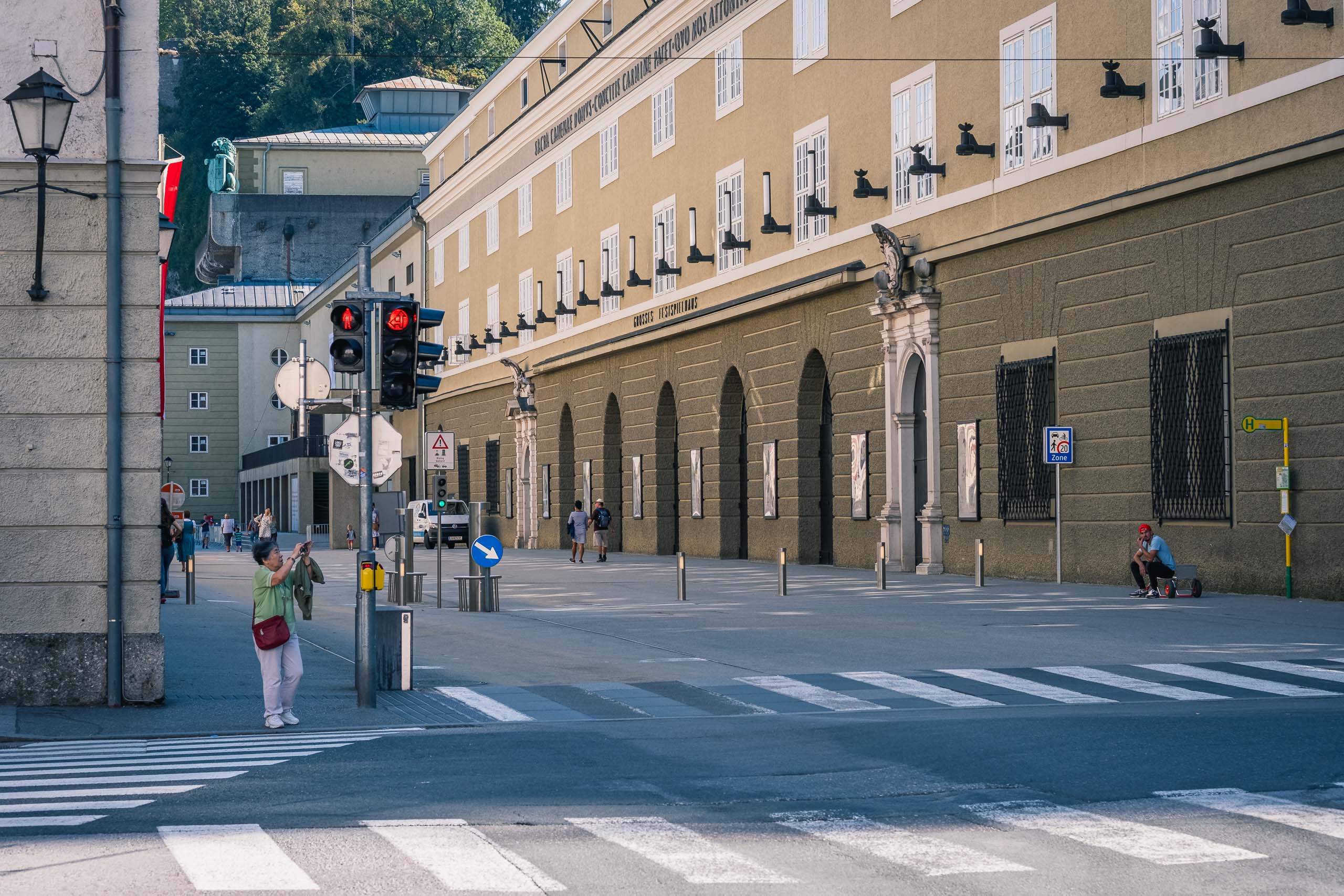
- Hofstallgasse with former court stables facade and horse sculptures beside Felsenreitschule in Salzburg (3 / 8)
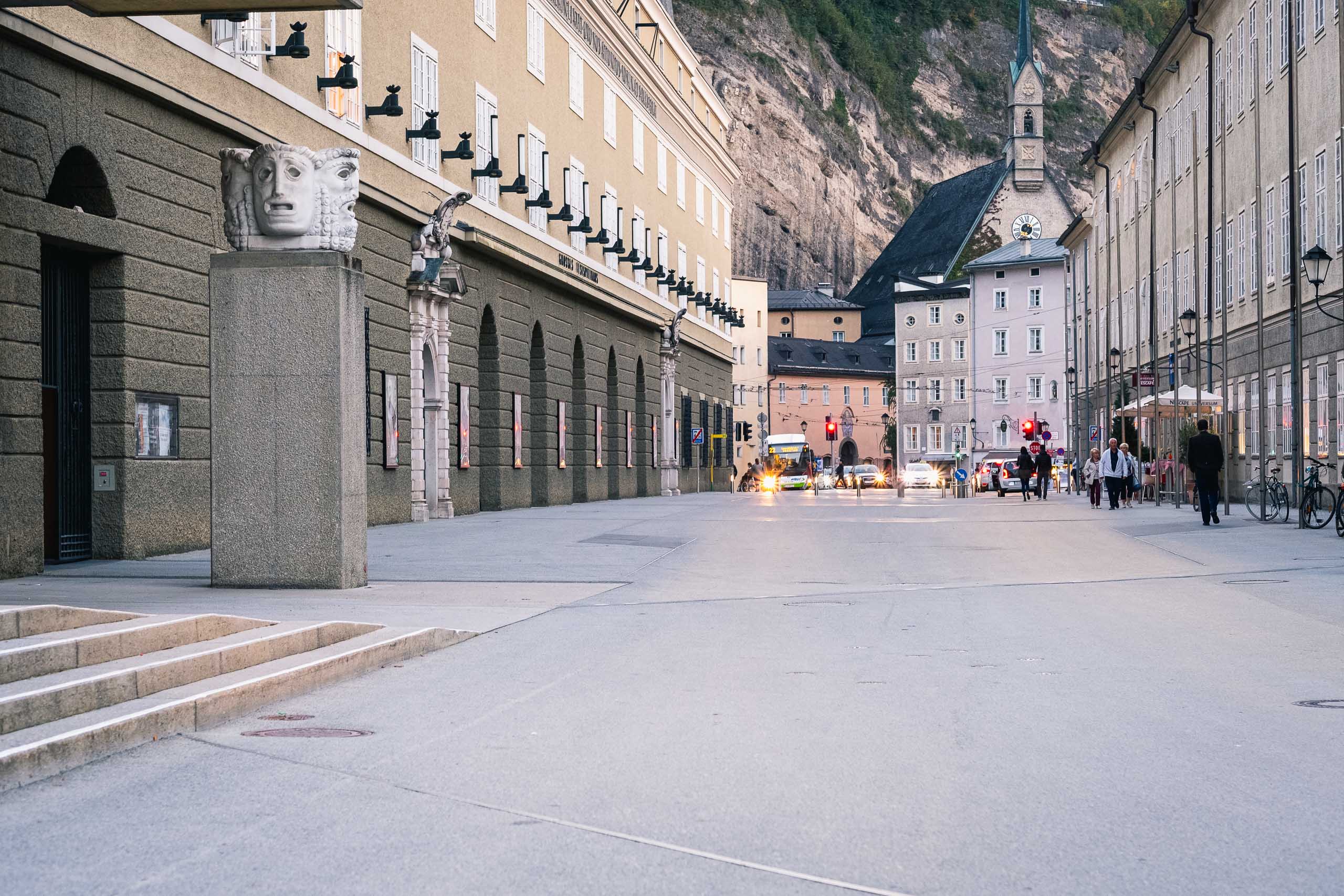
- Hofstallgasse with Festspielhaus colonnade and Moenchsberg cliff face in Salzburg old town. (4 / 8)
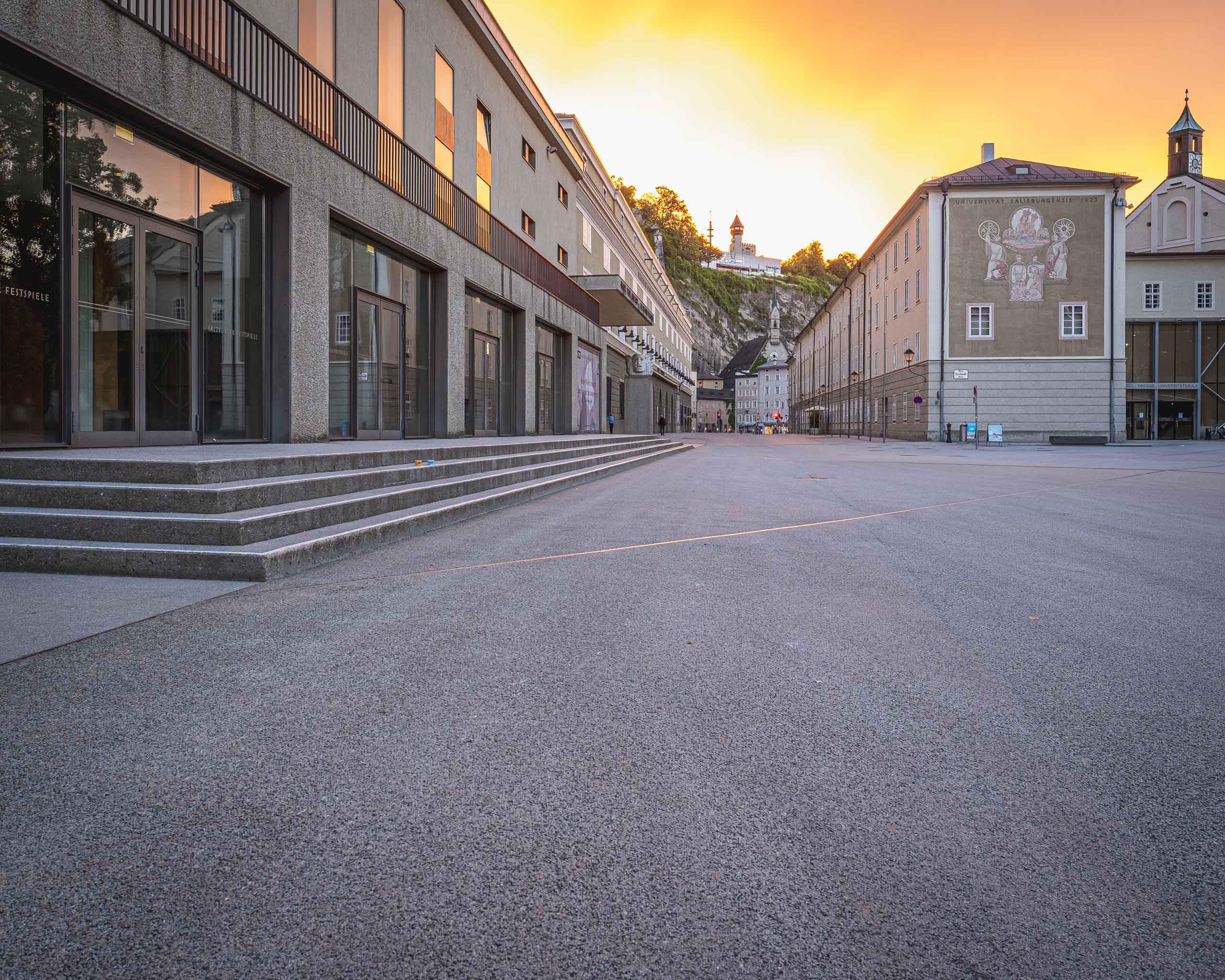
- Empty Hofstallgasse with Festspielhaus facade and fortress hill at sunset in Salzburg old town. (5 / 8)
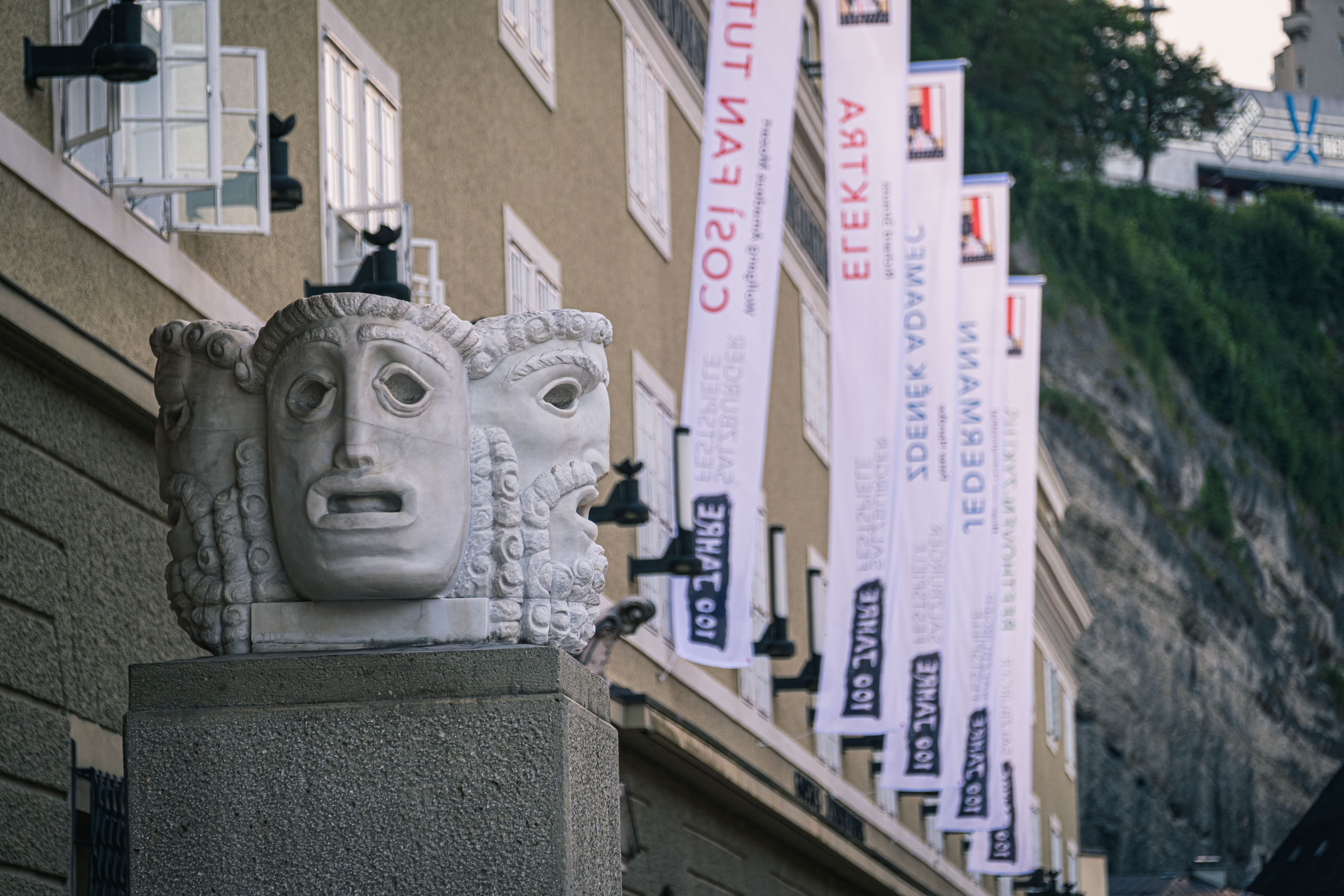
- Theatrical mask sculpture with Salzburg Festival Jedermann and Elektra banners at Hofstallgasse. (6 / 8)
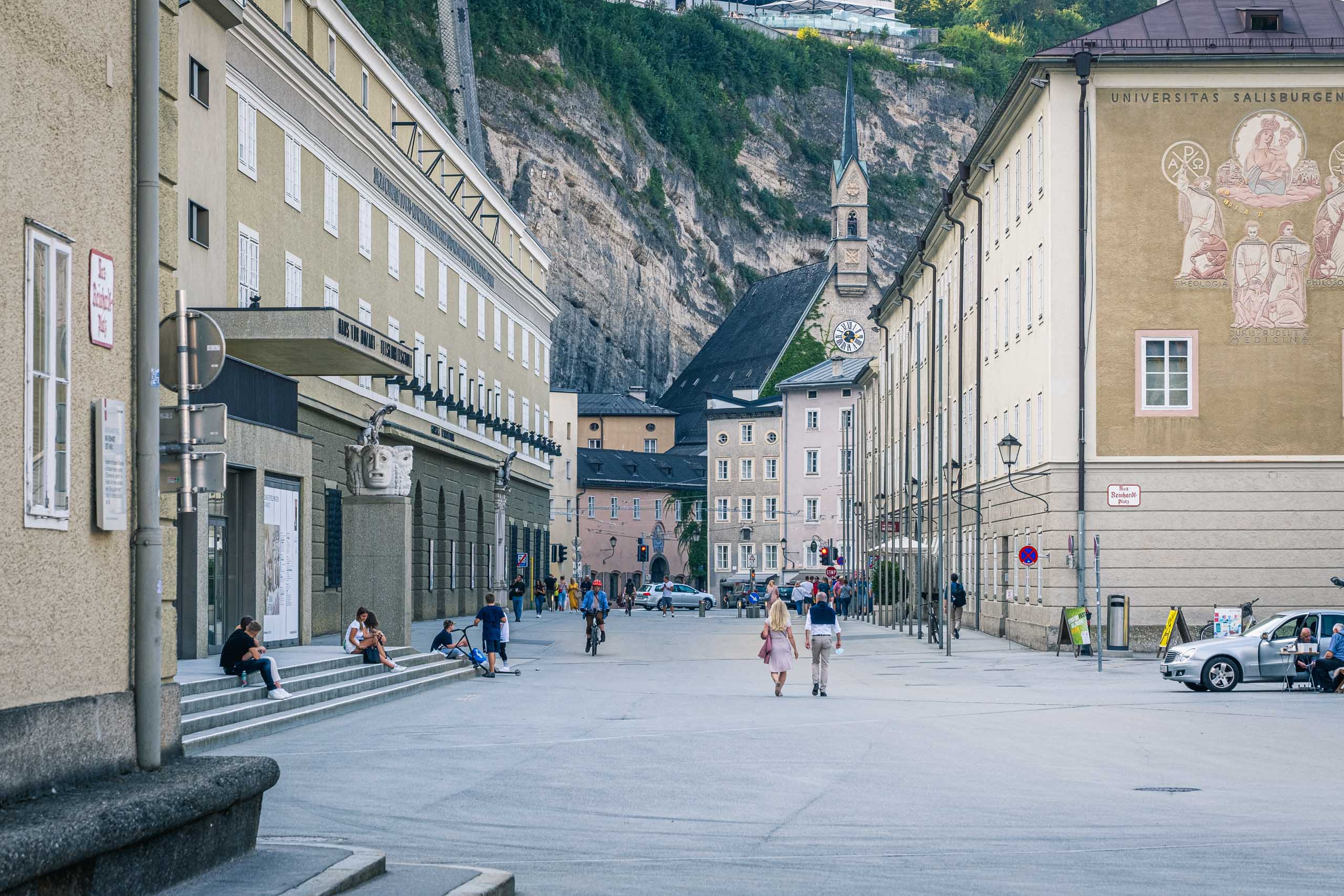
- Hofstallgasse looking toward Universitaetsplatz with Kollegienkirche spire in Salzburg (7 / 8)
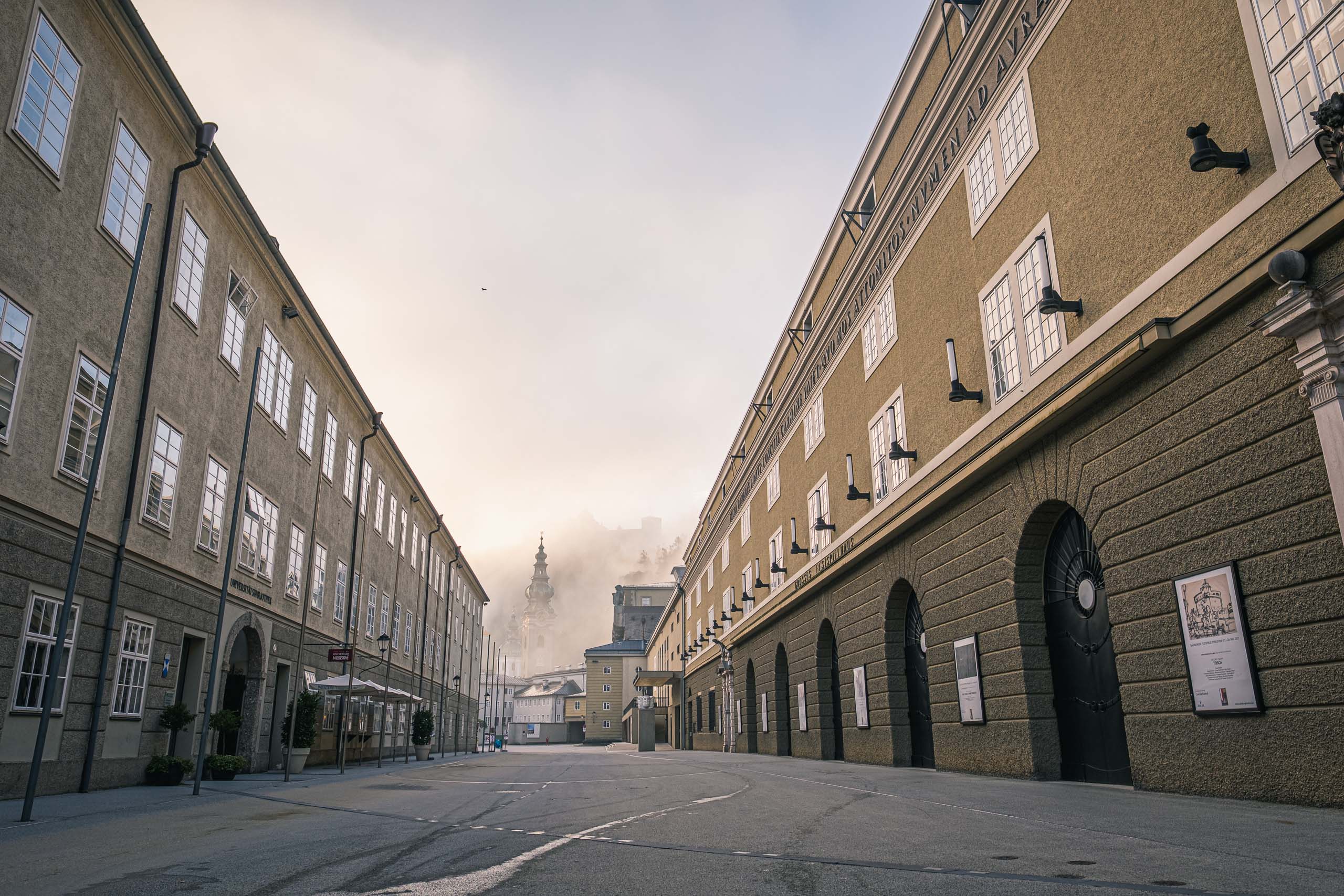
- Hofstallgasse between festival halls with Kollegienkirche tower in morning mist in Salzburg old town (8 / 8)
Snapshot
The street that was once the prince-archbishop’s royal stables is now the axis of the world’s most prestigious summer music festival: Hofstallgasse runs along the Mönchsberg cliff face and every major Salzburg Festival venue opens onto it or from it.
The Story
The name comes from “Hofstall,” the royal stables. In 1606, Prince-Archbishop Wolf Dietrich von Raitenau ordered a stable complex built along the cliff face to house the 150 horses required for his court’s processions and coach travel, a project guided by Italian architectural influence. The stables remained in use, in various configurations, for nearly three centuries. The Austrian military used the site in the 19th century. Then came the Festival.
The transformation of Hofstallgasse into a cultural precinct began in 1925, when the old winter riding school was converted into a performance venue for the newly founded Salzburg Festival. The Felsenreitschule had been created earlier: in 1693, 96 arches were carved directly into the Mönchsberg rock face by Johann Bernhard Fischer von Erlach, repurposing a quarry into a riding academy. The rock face is still exposed inside the theater today. No new foundations were required; the mountain was already there.
The Grosses Festspielhaus, opened in 1960, required blasting roughly 55,000 cubic meters of rock from the cliff. Its stage is 100 meters wide. Herbert von Karajan, who became the Festival’s dominant figure in the 1950s and 60s, pushed hard for a venue of this scale. He conducted the opening performance, Richard Strauss’s Der Rosenkavalier, on 26 July 1960. The Haus fur Mozart, adjacent, was the Kleines Festspielhaus until a full rebuilding in 2004-06 gave it a new name and modern acoustics.
During the Festival, Hofstallgasse is the densest cultural address in the city. Audiences move between the three venues. The ticket office at No. 1 handles the logistics. Outside Festival season, the street is quieter, and the scale of what is carved into the mountain behind the baroque Marstall facade becomes more readable.
Visiting
The street runs between Toscaninihof and Herbert-von-Karajan-Platz, accessible from Universitatsplatz or the Altstadt. The Festival Halls are open for guided tours outside performance times, check salzburgerfestspiele.at for schedules. The street itself is always accessible and free. During Festival season, come early evening when audiences are arriving: the atmosphere is distinctive. The Toscaninihof courtyard at the western end is a worthwhile detour immediately before or after.