Style

Baroque

53 entries tagged Baroque on Introducing Salzburg.

Alter Markt

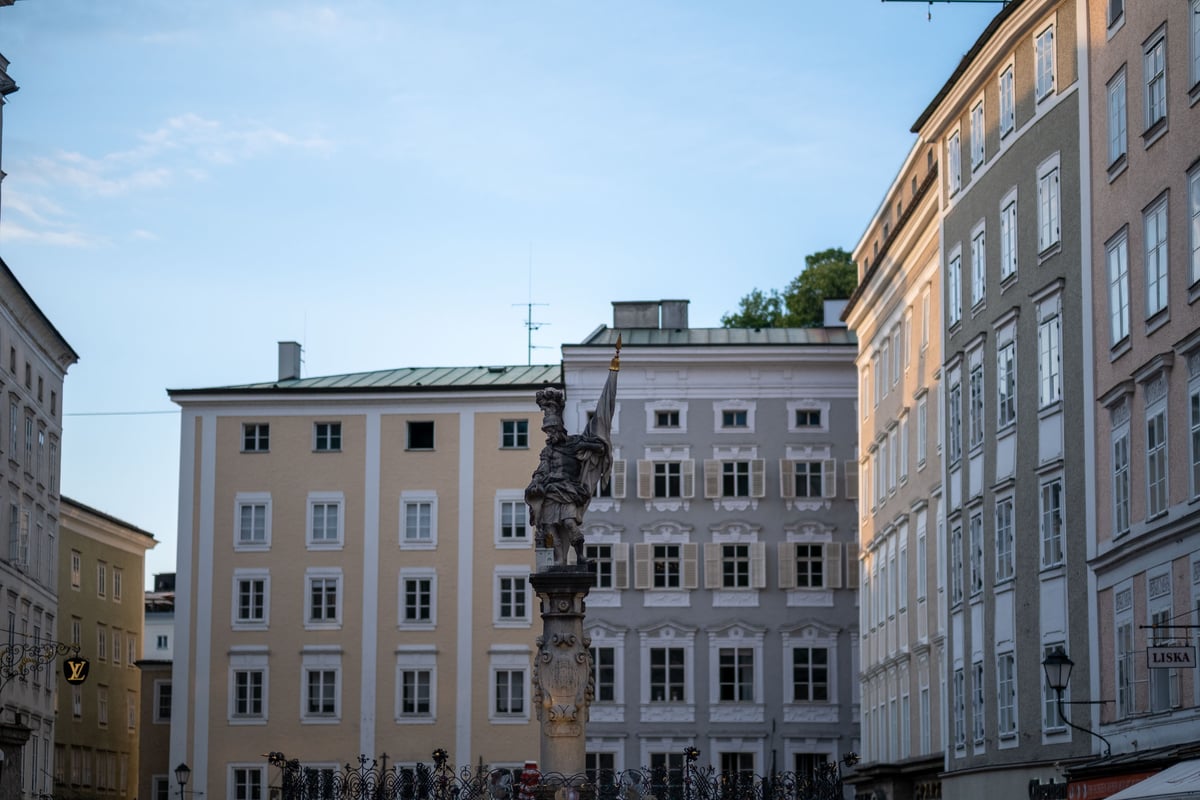
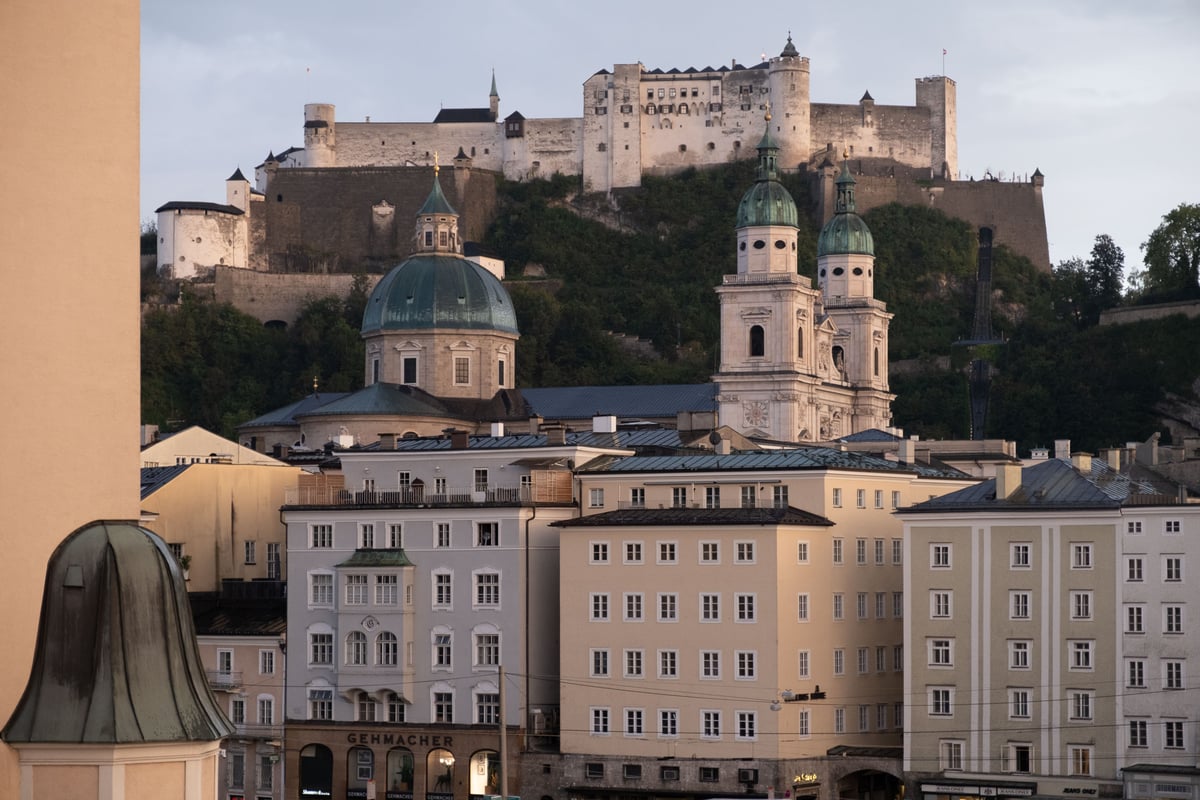
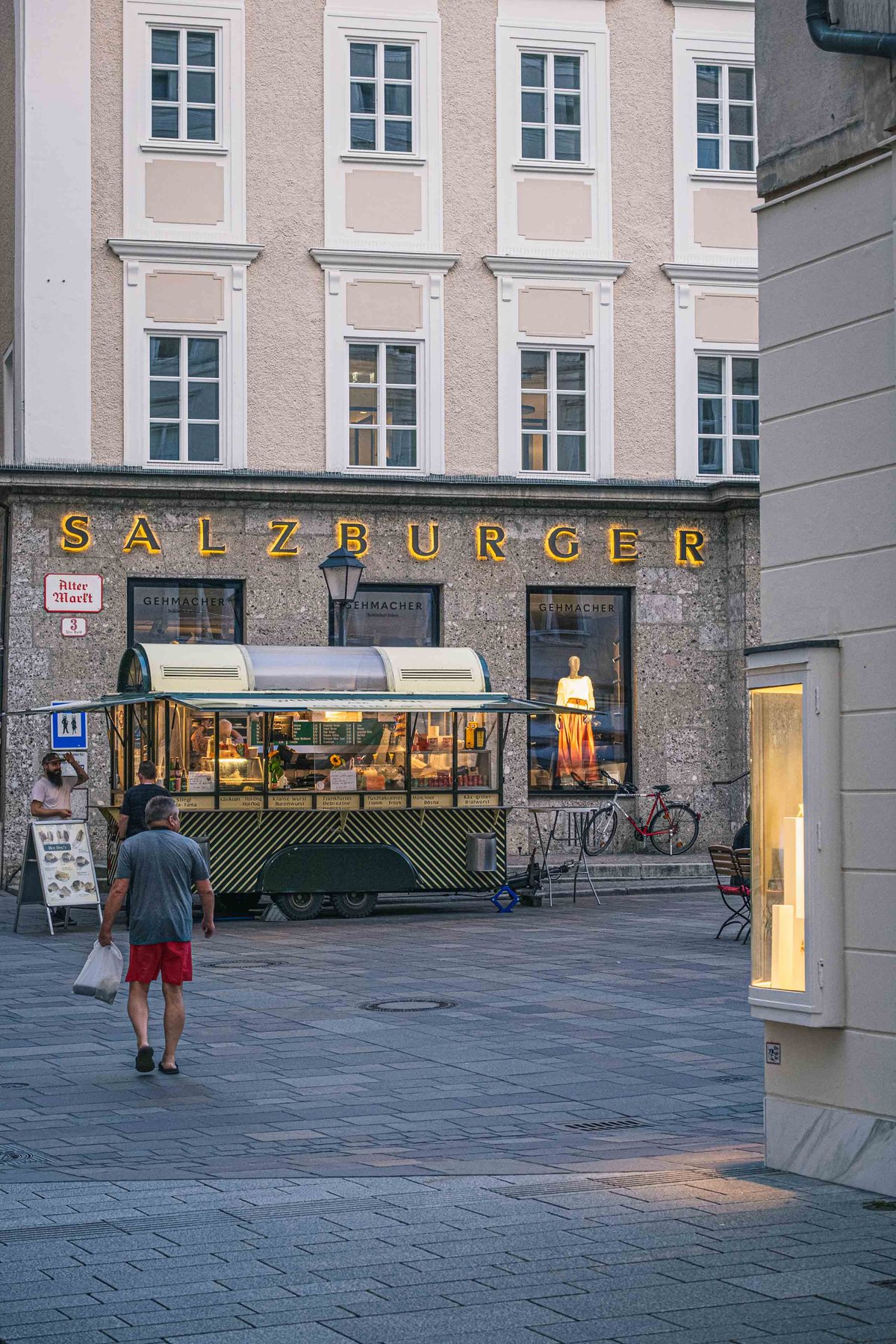
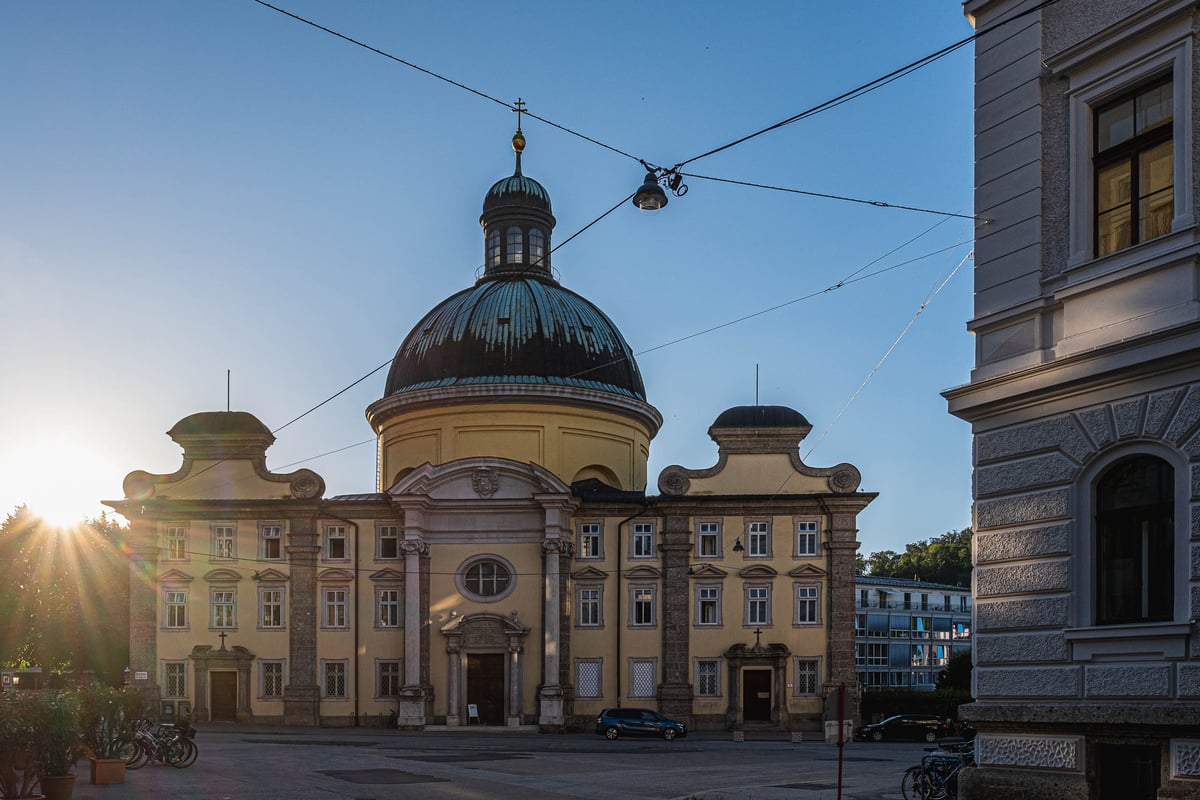
The Alter Markt is Salzburg's oldest square, a compact rectangle in the heart of the Altstadt flanked by Baroque facades that replaced medieval buildings. Cafe Tomaselli, which has operated here since 1705, and the Hofapotheke (court pharmacy, established 1591) still occupy their original locations on the square.
Salzburgfree

Basilika Mondsee

Founded 748 AD

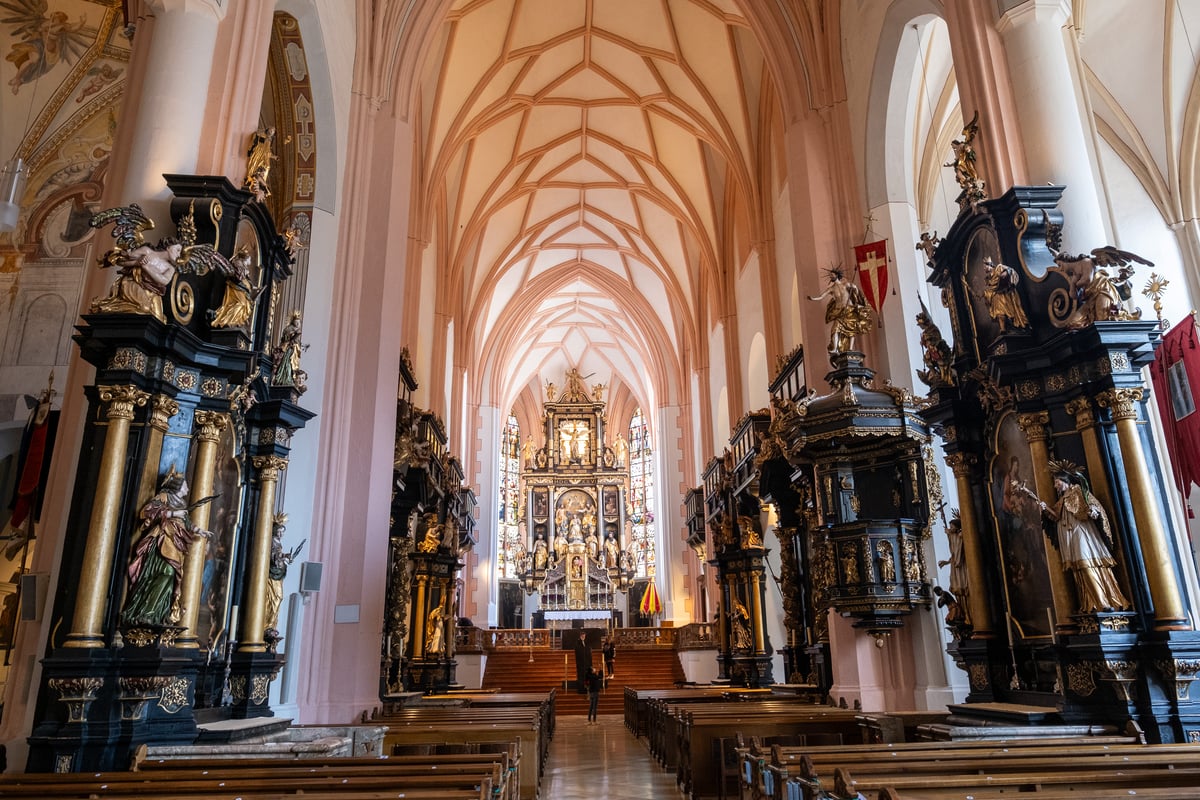
Most people arrive at the Basilika Mondsee because of The Sound of Music: the wedding scene in the 1965 film was shot in this church, and the Marktplatz in Mondsee village now has a small museum devoted to the film. The basilica is genuinely worth visiting for reasons that have nothing to do with Hollywood.

Mondseefree

Cajetan Church

Built 1685-1697

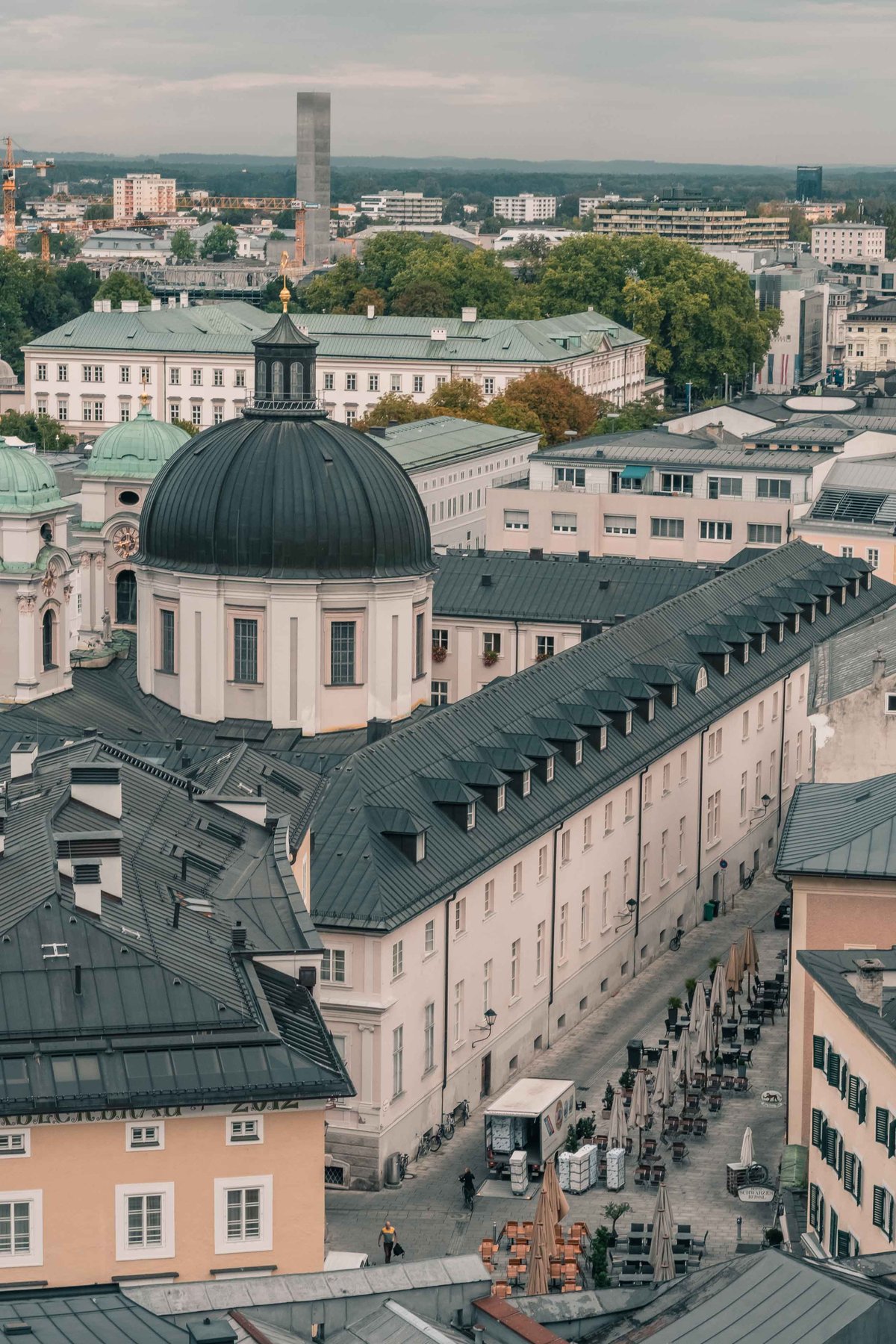
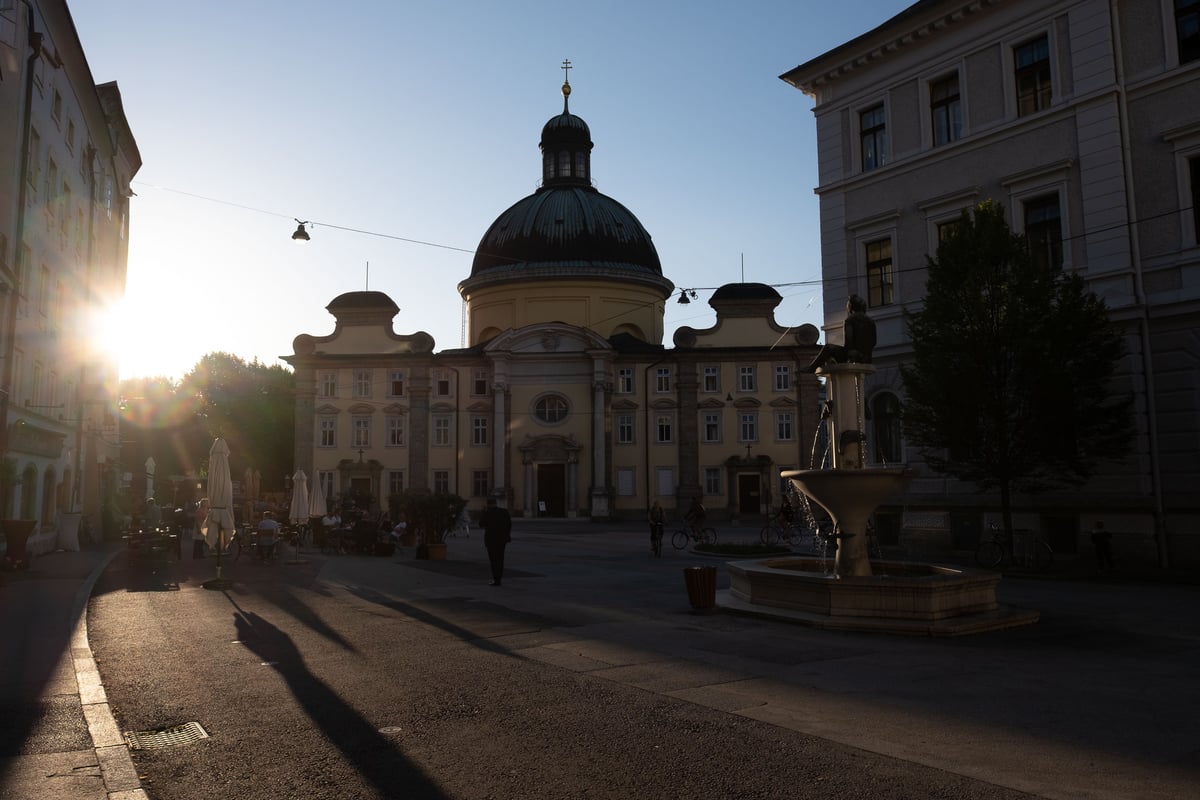
A Baroque church on Kajetanerplatz in the Nonntal district, built 1685-1697 for the Theatine Order by Giovanni Gaspare Zuccalli. The last Italian-designed church in Salzburg, closing one architectural era and opening the door to Johann Bernhard Fischer von Erlach.

Salzburgfree

Capuchin Monastery Salzburg

Founded 1599

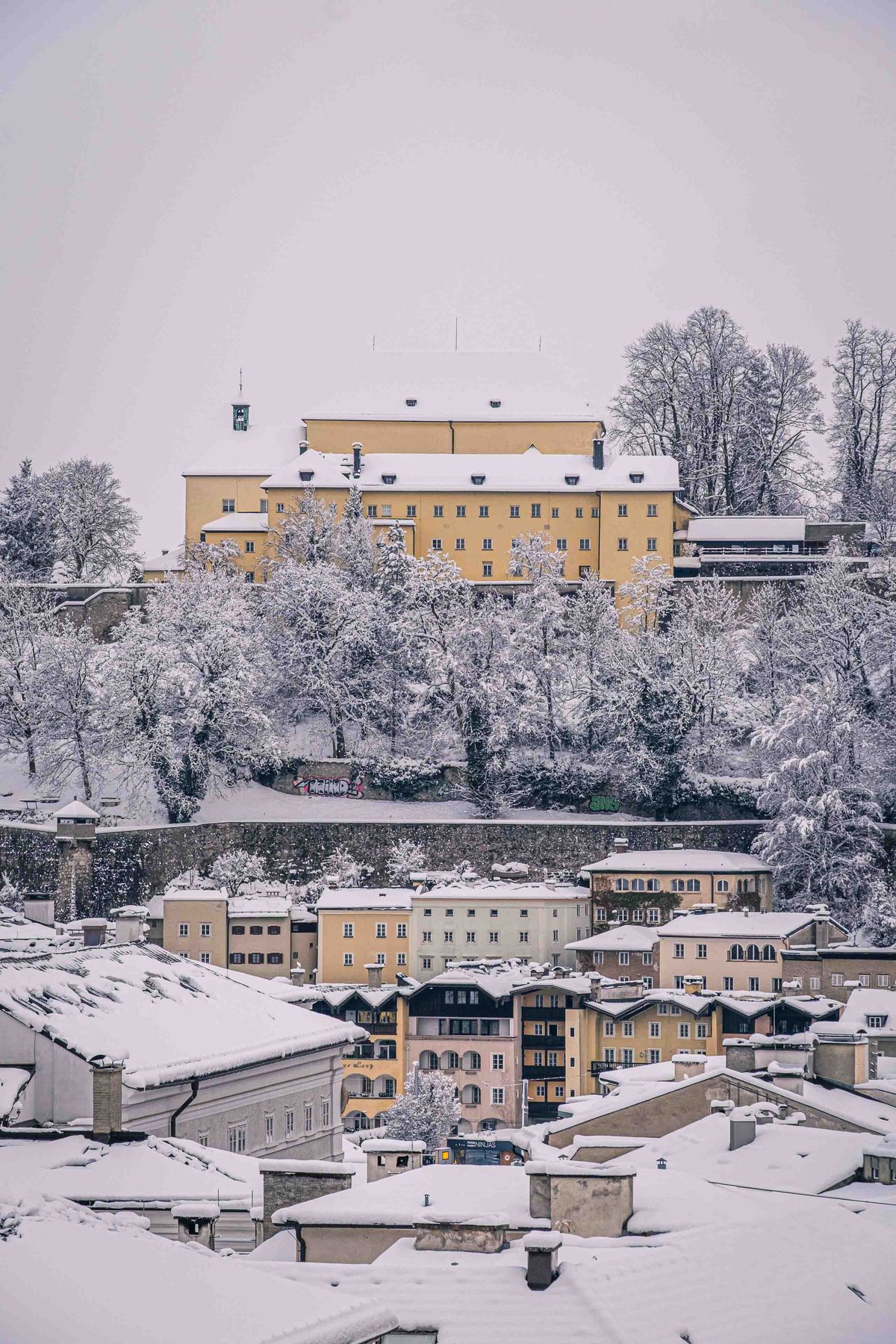
The Capuchin monastery at the summit of the Kapuzinerberg, founded 1599-1602 by Wolf Dietrich von Raitenau as part of his Counter-Reformation programme. The building that gives the hill its name. Stefan Zweig lived on the hill below.

Salzburgfree

Chiemseehof

Seat of the Salzburg state parliament (Salzburger Landtag). Named after the medieval Bishops of Chiemsee. Courtyard contains Anselm Kiefer's Die Sprache der Vögel, the final Walk of Modern Art commission.

Salzburgpaid

Domplatz

The square directly in front of the Salzburg Cathedral, flanked by the Cathedral arches and the DomQuartier buildings. Site of the famous annual Jedermann performance during the Salzburg Festival.

Salzburgfree

DomQuartier

Opened 2014

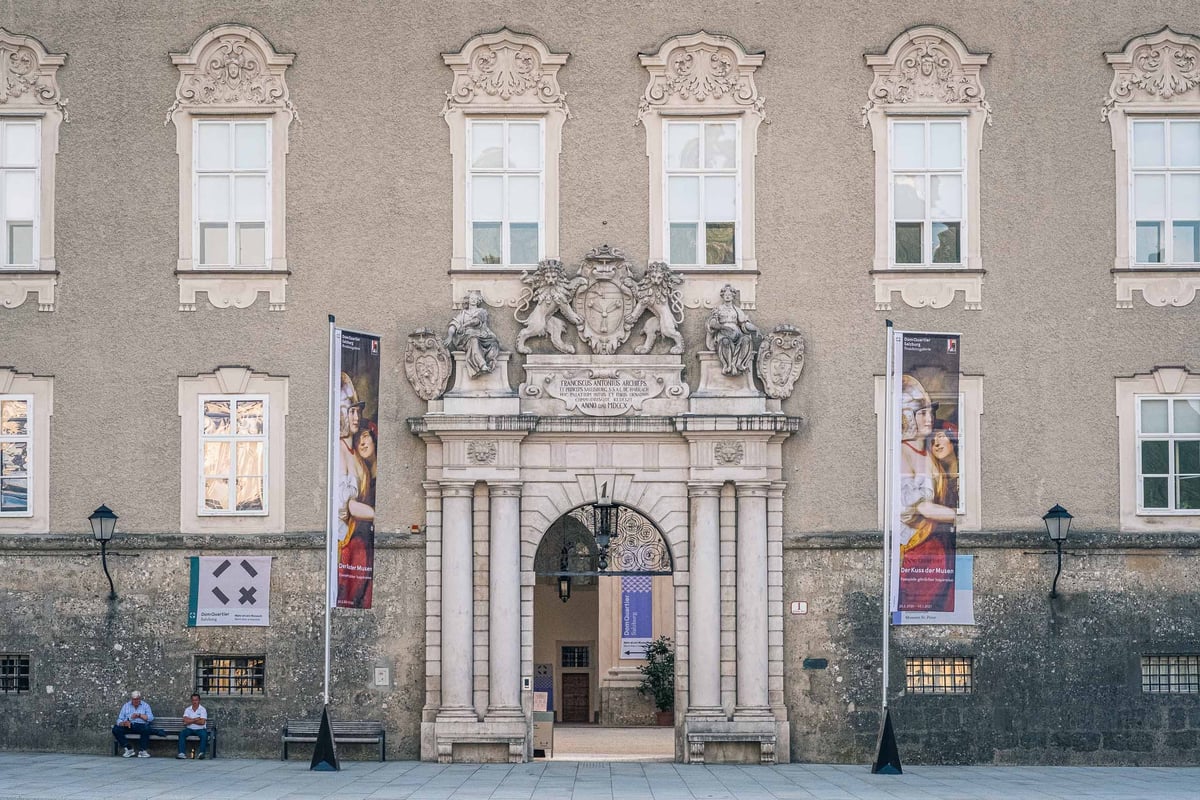
The DomQuartier is a museum circuit through the former residence and ceremonial spaces of Salzburg's Prince-Archbishops, connecting the Residenz galleries, the Dommuseum, St. Peter's Abbey Museum, and the cathedral balcony via elevated walkways above the old town rooftops.

Salzburgpaid

Dreifaltigkeitskirche (Trinity Church)

Built 1694-1702

One of Fischer von Erlach's four major Salzburg churches. Notable for its oval dome, paired towers, and convex outward-curving facade, which forms a deliberate architectural conversation with the concave Kollegienkirche across the river. Adjacent to Mozart's Residence on Makartplatz.

Salzburgfree

Felsenreitschule

Built 1693

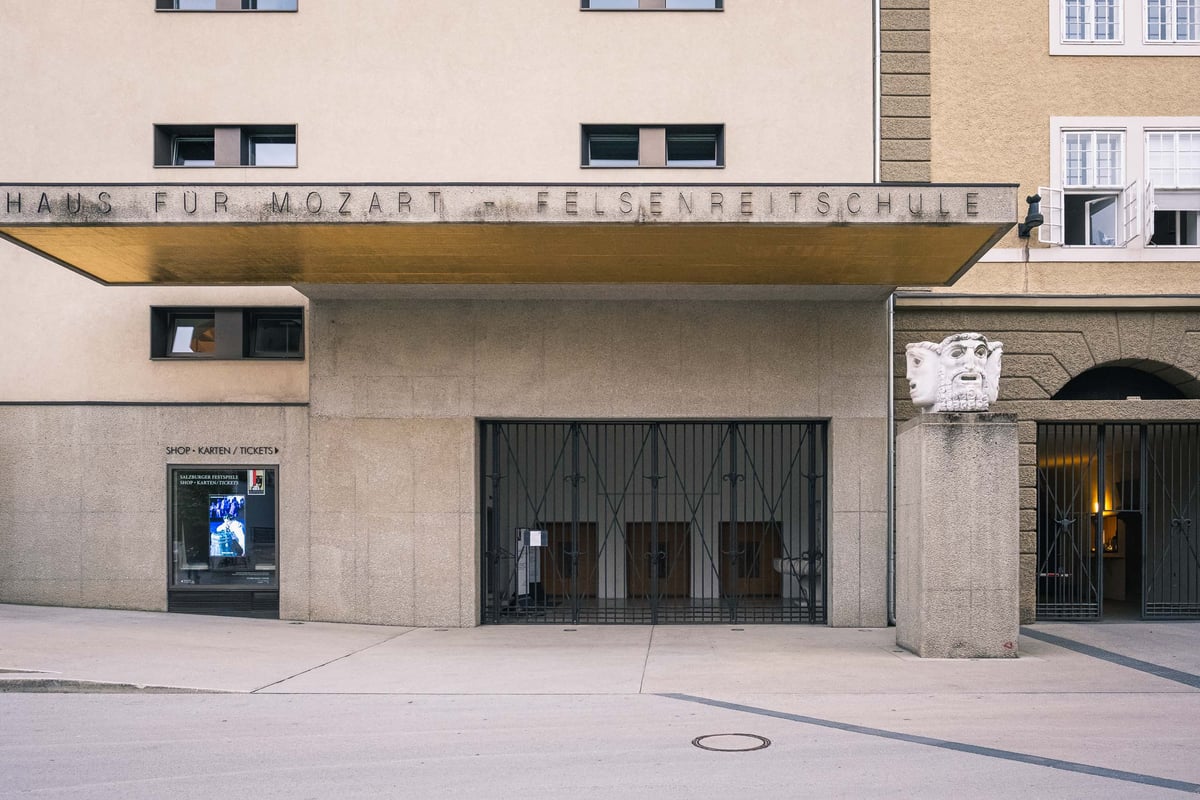
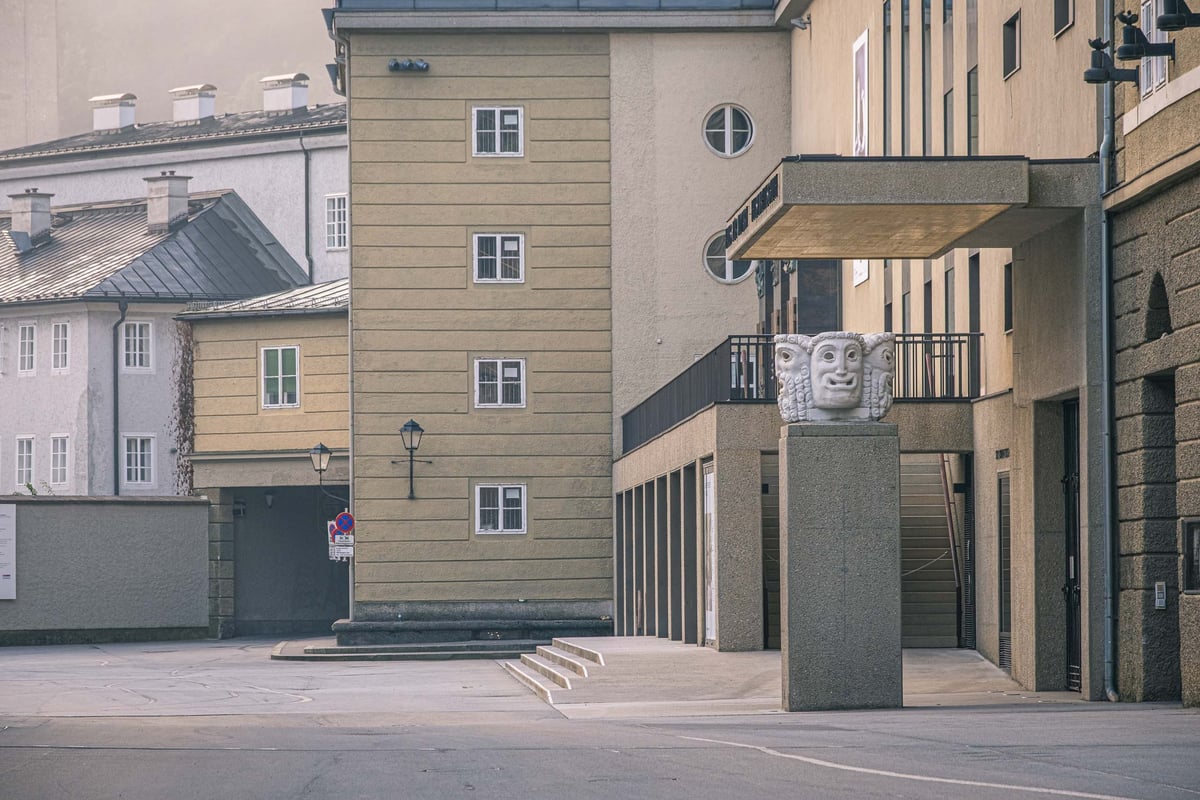
The Felsenreitschule is a theater carved directly into the Moenchsberg cliff face, which means the backstage wall is living rock and three tiers of 17th-century arcades form the auditorium. It was originally built in 1693 as a summer riding school for the Archbishop's horses.

Salzburgpaid

Florianibrunnen

Built 1734

A small baroque fountain at the centre of Alter Markt (1734), depicting Saint Florian of Lorch in his traditional pose pouring water to extinguish a burning building. Salzburg's most-photographed example of the ubiquitous Austrian Florian fountain.

Salzburgfree

Franziskanerkirche

Romanesque / Gothic

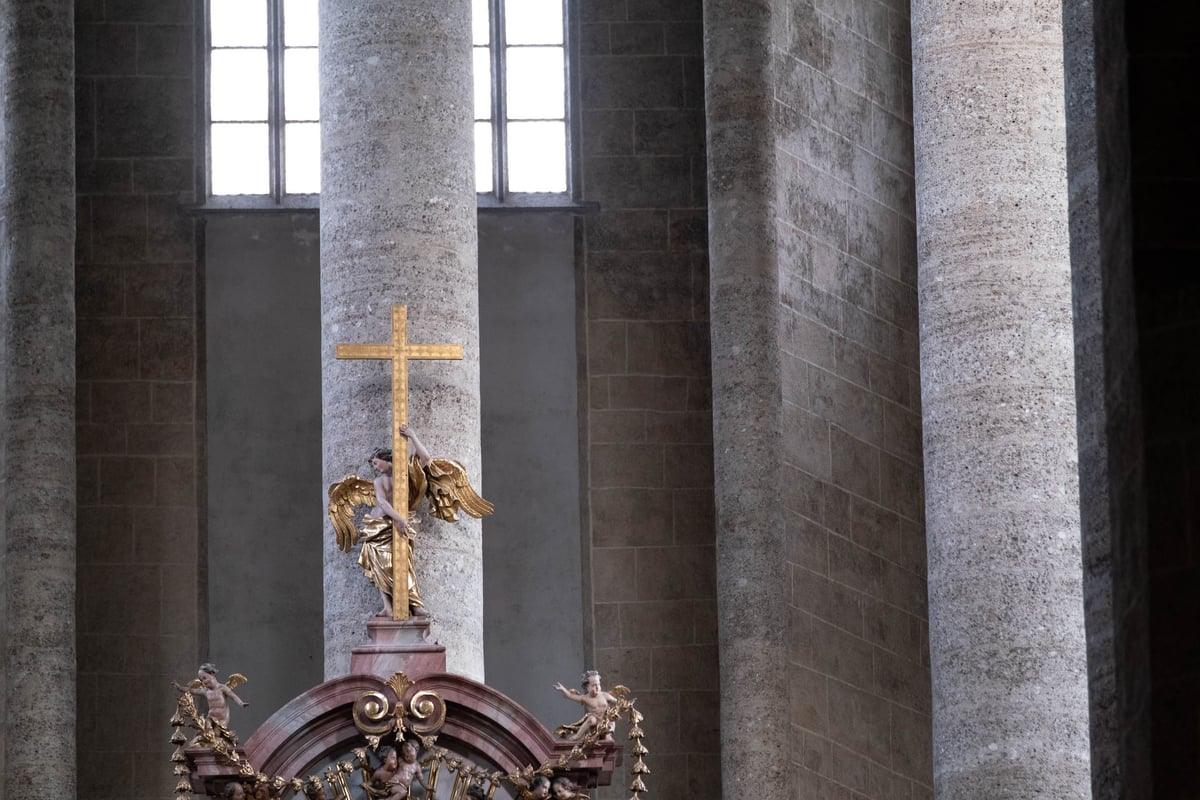
One of Salzburg's oldest churches, with a Romanesque nave from around 1208, a Gothic choir and tower added in the 15th century, and a Baroque high altar by Johann Bernhard Fischer von Erlach (1709). Three architectural periods in a single building, with the abrupt shift from dark nave to bright choir among the most striking interior effects in the city.

Salzburgfree

Franziskischlössl

Built 1629

A small baroque fortification at the Kapuzinerberg summit (1629), now a seasonal beer garden with panoramic views. Real historic structure, modest beer garden, and a 30-minute walk to get there: a character no purpose-built café can replicate.

Salzburgaustrian

Gwandhaus by Gössl

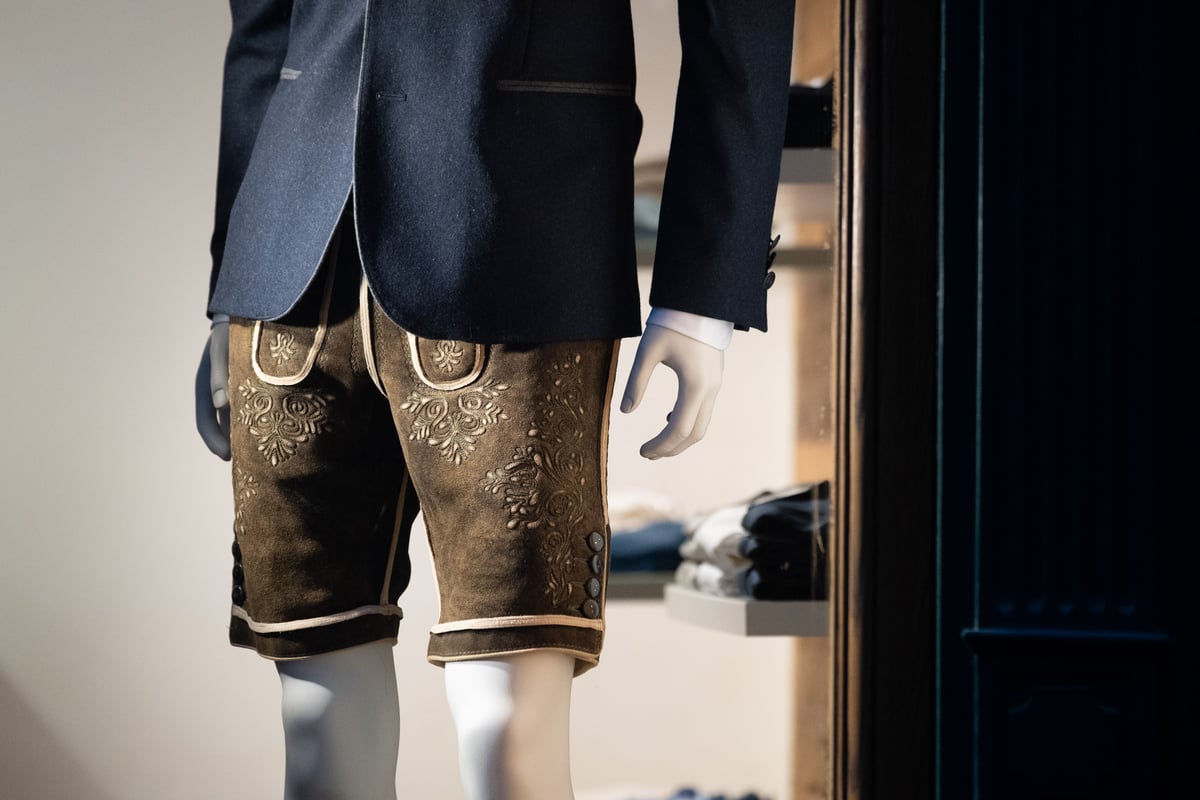
Flagship store of Gössl, Austria's most internationally recognised Trachten brand. Housed in a historic baroque building between the city and Hellbrunn Palace. Gössl designs are worn at the Salzburg Festival.

Salzburgpaid

Herbert-von-Karajan-Platz

The square in front of the Grosses Festspielhaus, named after Herbert von Karajan. Central gathering point during the Festival. Home to the Pferdeschwemme (baroque horse trough). The Mönchsberg cliff face forms its dramatic backdrop.

Salzburgfree

Hettwer Bastei

A 17th-century defensive bastion on the Kapuzinerberg, halfway up the ascent from Linzer Gasse. Views through old embrasures encompass the fortress, Cathedral towers, and river below. Both historic structure and viewpoint.

Salzburgfree

Hofstallgasse

The spine of the Salzburg Festival precinct, running along the Mönchsberg cliff face. The Grosses Festspielhaus, Haus fur Mozart, and Felsenreitschule all open from this street. During the Festival, the most concentrated point of cultural energy in the city.

Salzburgfree

Imbergstiege

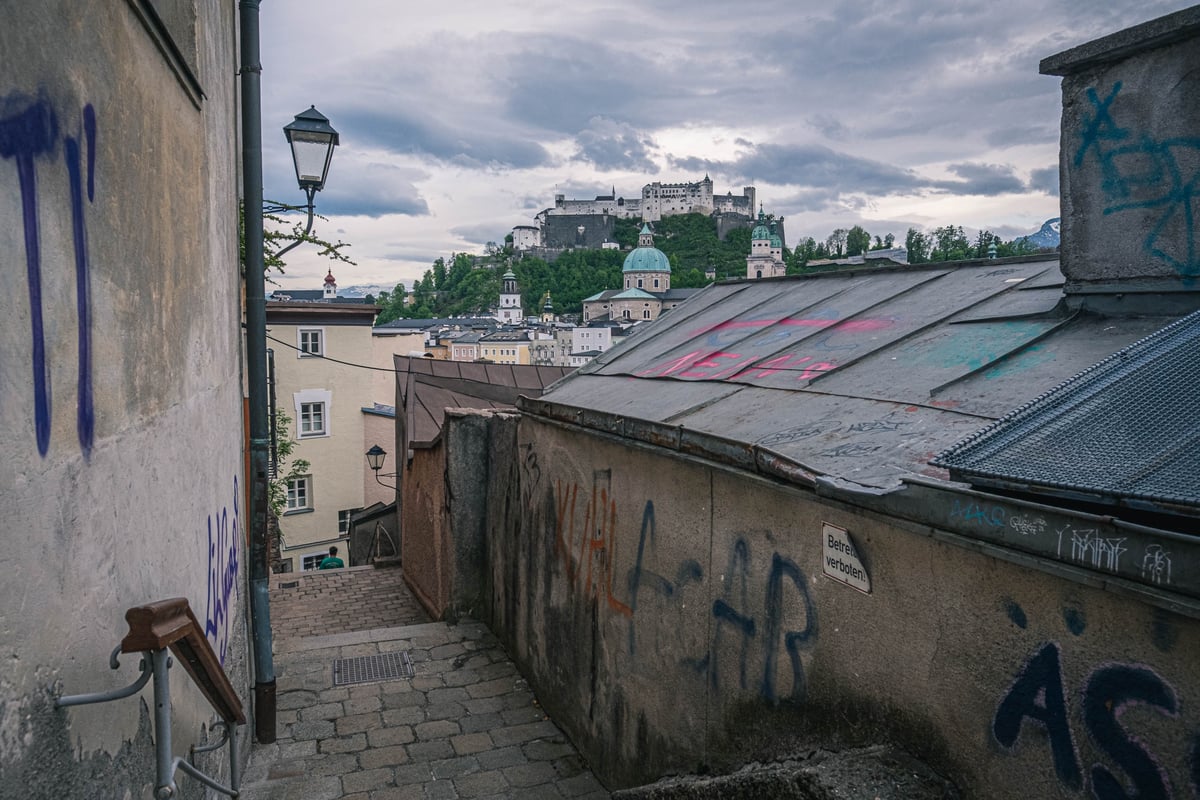
Public staircase of 261 steps climbing from Steingasse up the western face of Kapuzinerberg to the Stefan-Zweig-Weg near the Capuchin Monastery. Sister path to the better-known Nonnbergstiege on the opposite side of the river.

Salzburgfree

Johannesspital Church

Built 1699-1703, consecrated 1704

A Baroque church built 1699-1703 by Johann Bernhard Fischer von Erlach as part of the Johannesspital complex on the right bank, commissioned by Archbishop Johann Ernst von Thun. One of Fischer von Erlach's four major Salzburg churches. A stone labyrinth stands on the lawn beside it.

Salzburgfree

Kajetanerplatz

A small, peaceful baroque square in the Nonntal district, dominated by the Kajetanerkirche. Away from the main tourist flow. A rewarding detour between the Cathedral area and Nonnberg Abbey.

Salzburgfree

Kapitelschwemme

1732

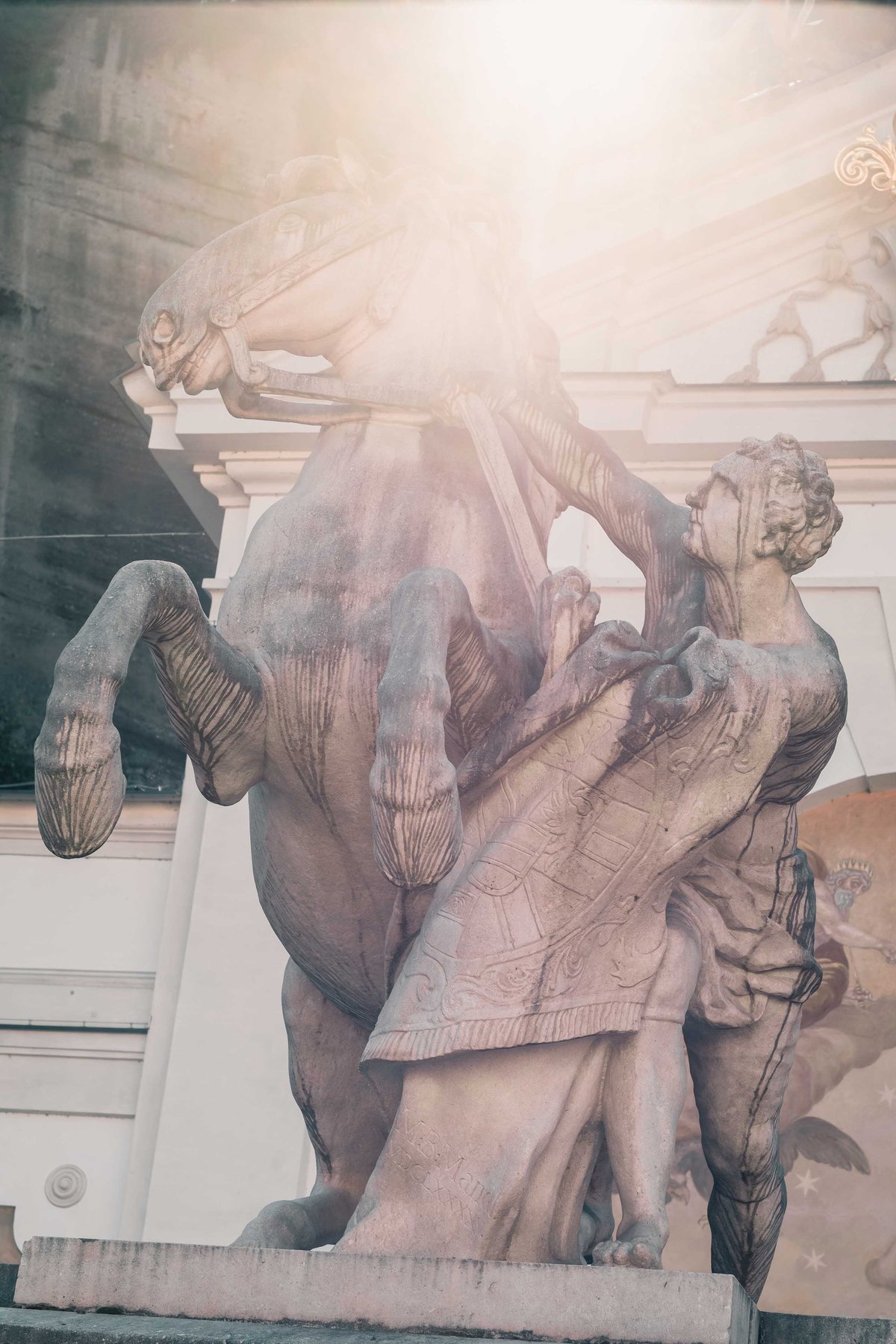
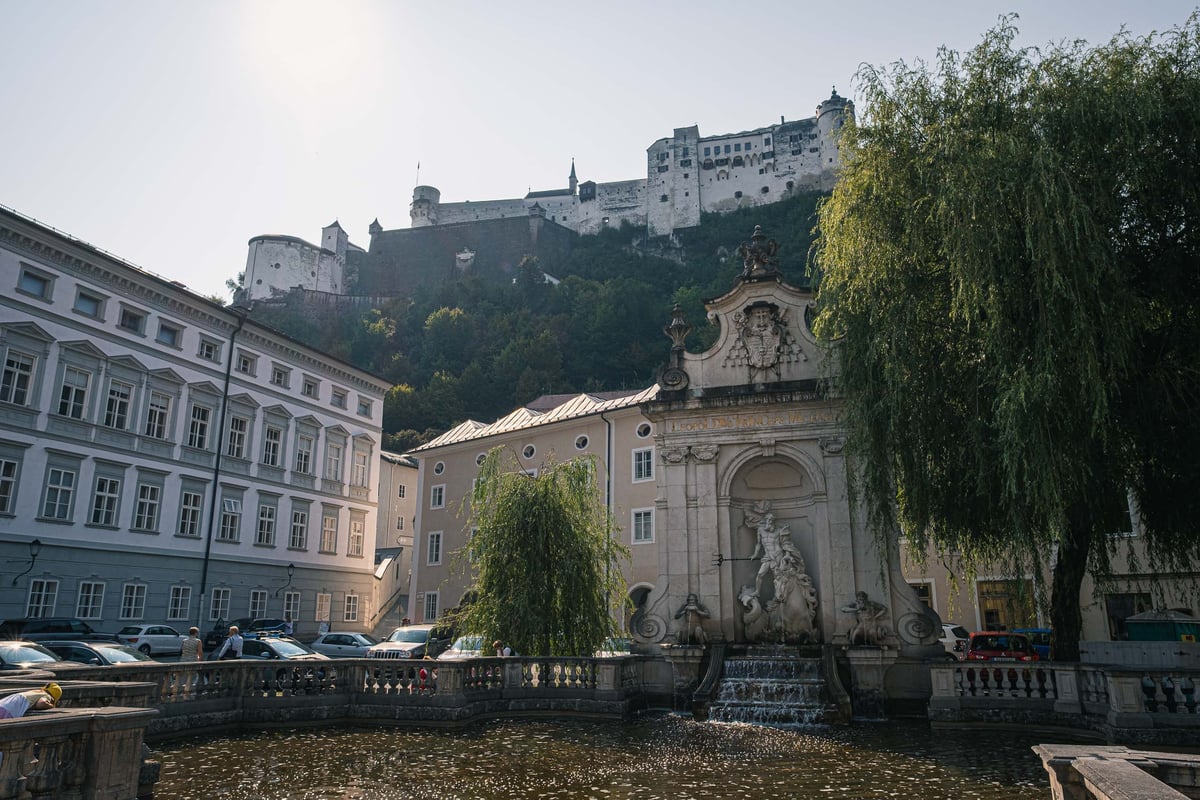
A sea god watering horses in a landlocked Alpine city: that is the joke buried in the Kapitelschwemme, where a monumental Neptune rears on a fish-tailed seahorse above what was, plainly, a drinking trough.

Salzburgfree

Kollegienkirche (Collegiate Church)

Built 1696-1707

Fischer von Erlach's masterpiece in Salzburg and one of the finest baroque churches in the German-speaking world. His fourth and final major church in the city. The concave facade creates a deliberate counterpoint to the convex Dreifaltigkeitskirche across the river. On Universitatsplatz. A must-see.

Salzburgfree

Loreto Church

Cornerstone 1633, church completed 1646

A small Baroque pilgrimage church on the right bank, founded in 1633 when Capuchin nuns fled Landshut during the Thirty Years' War. Archbishop Paris Lodron granted the site. The church was completed in 1646 and contains a replica of the Santa Casa from Loreto, Italy, and a 17th-century jewelled Madonna doll that remains an object of local veneration.

Salzburgfree

Michaelskirche

Baroque

The oldest church in Salzburg with origins in the 8th century, located at the corner of Mozartplatz and Residenzplatz. Affiliated to Stift St. Peter and often overlooked despite its prominent position at the heart of the Altstadt.

Salzburgfree

Mirabell Gardens

Laid out c. 1730

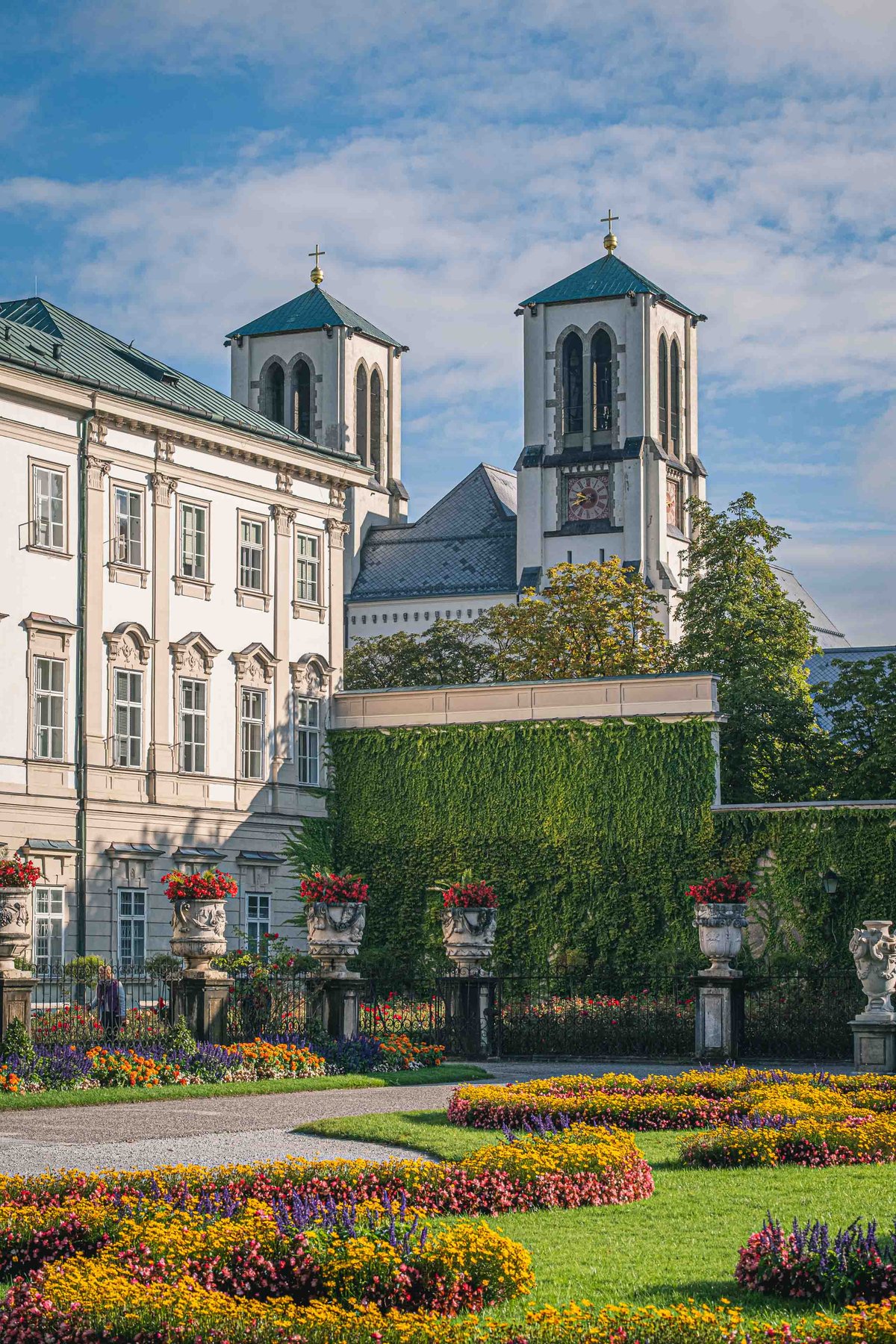
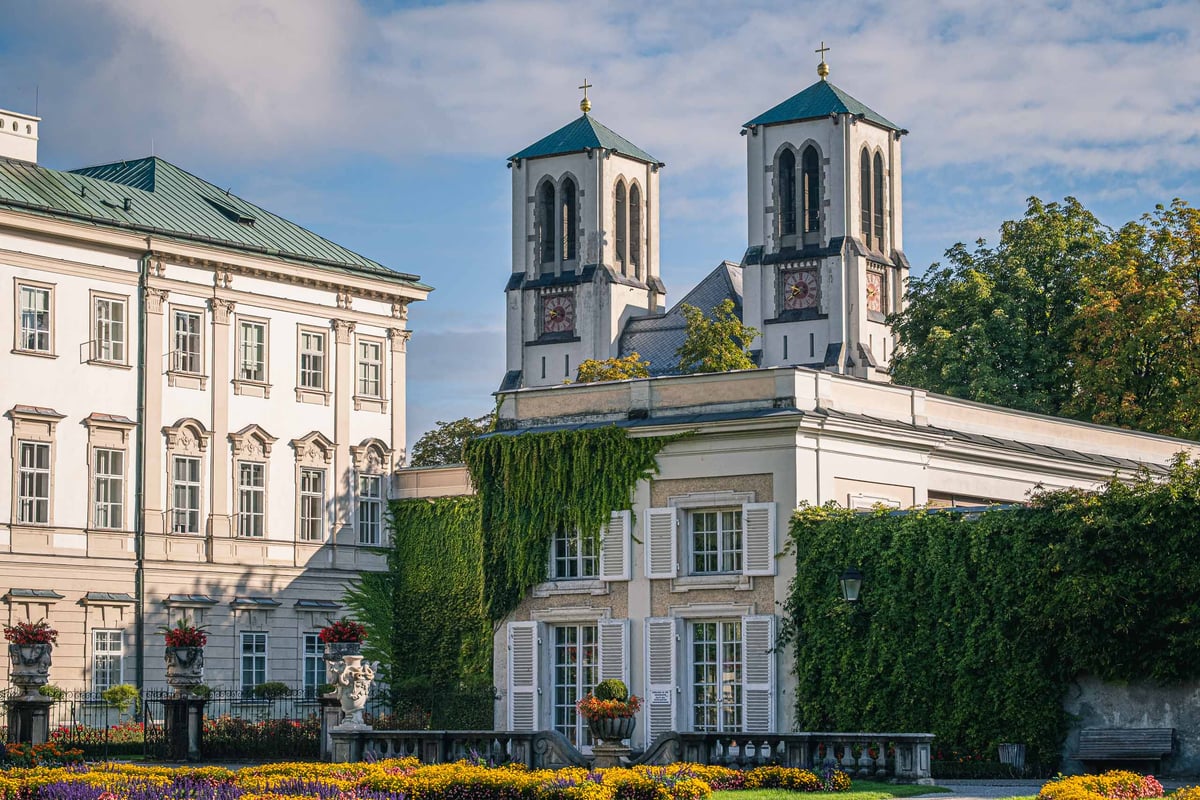
The formal baroque gardens adjoining Mirabell Palace, freely accessible to all visitors. Franz Anton Danreiter created the definitive layout around 1730. Famous as the location where Julie Andrews performed "Do-Re-Mi" in The Sound of Music. The view toward Hohensalzburg Fortress is one of the most photographed scenes in the city.

Salzburgfree

Mirabell Palace

Built 1606

Built in 1606 by Wolf Dietrich von Raitenau as "Altenau," a palace for his mistress Salome Alt. Renamed "Mirabell" by Markus Sittikus. The current baroque building is largely the work of Johann Lukas von Hildebrandt (1721). Today it serves as Salzburg's city hall. The Marble Hall is one of the finest baroque rooms in Austria.

Salzburgfree

Mozart's Birthplace

Baroque

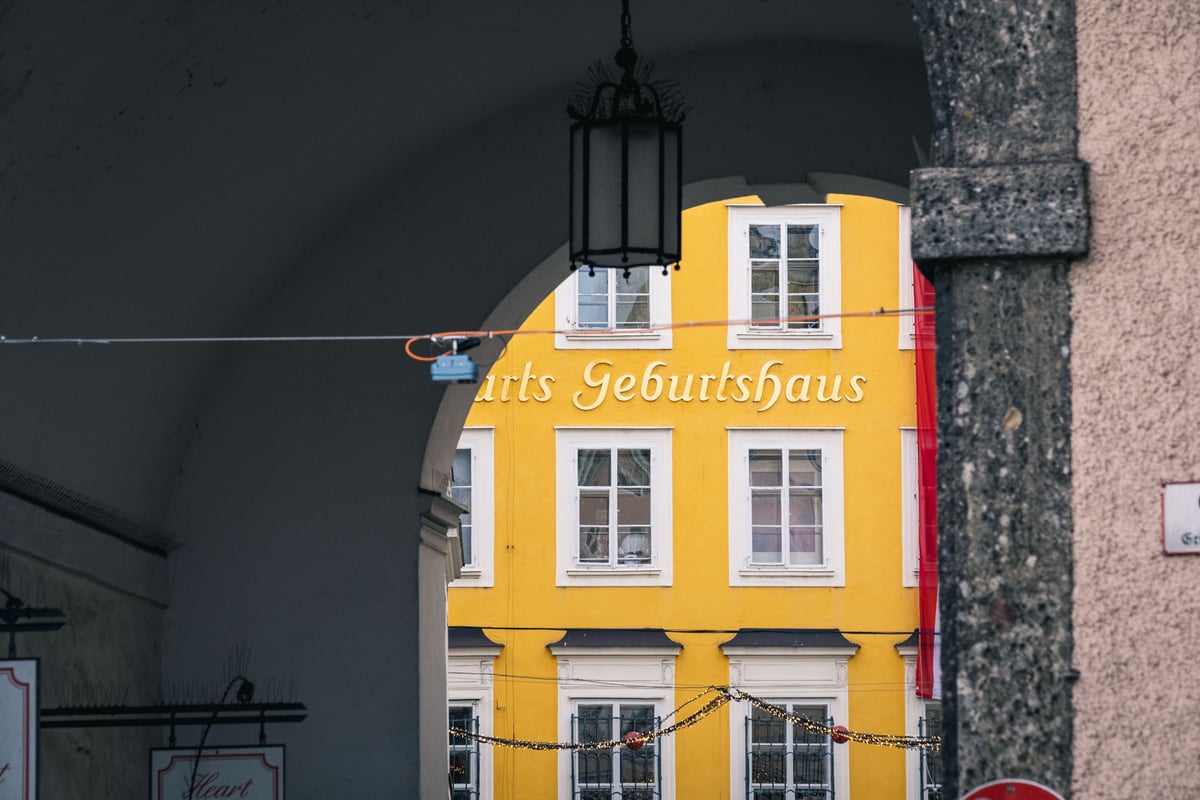
The third floor of Getreidegasse 9 is where Wolfgang Amadeus Mozart was born on 27 January 1756, and where he spent the first seventeen years of his life.

Salzburgpaid

Neue Residenz & Glockenspiel

Built 1592-1602

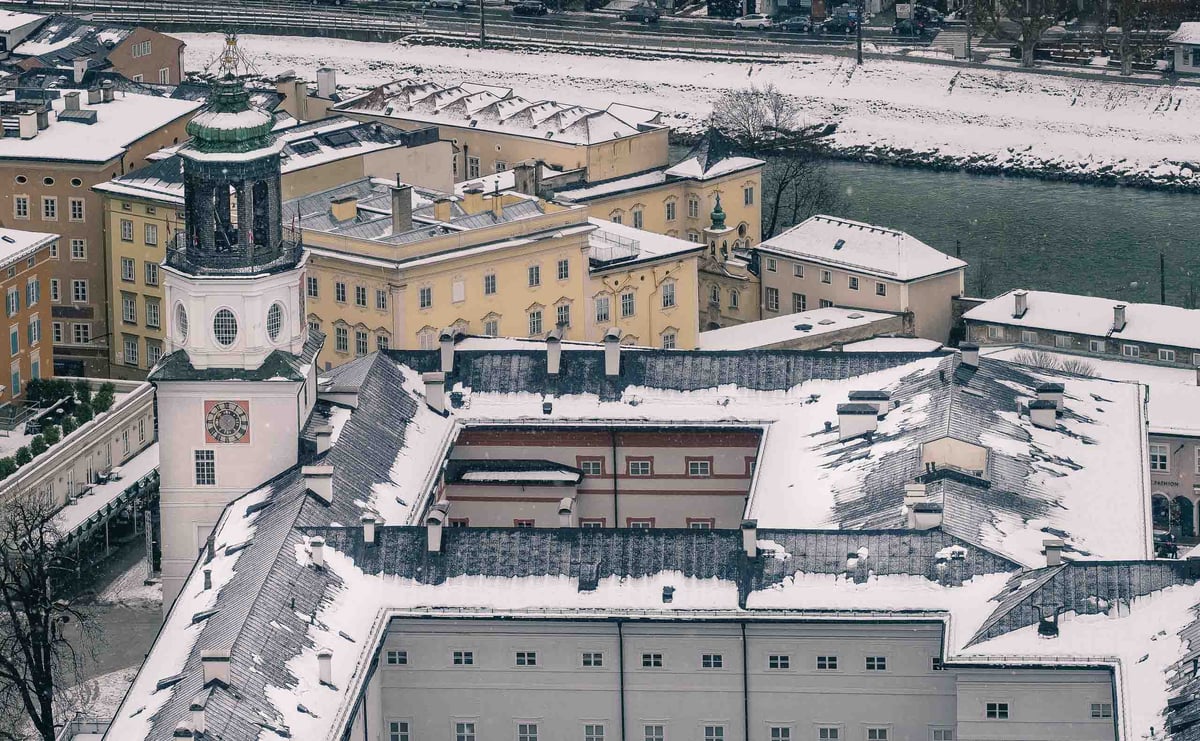
The Glockenspiel plays three times a day from the Neue Residenz tower: at 7:00, 11:00, and 18:00. Thirty-five bells, cast in Antwerp in 1702, perform a rotating repertoire of pieces. The carillon is pleasant.

Salzburgfree

Neutor

Completed 1767

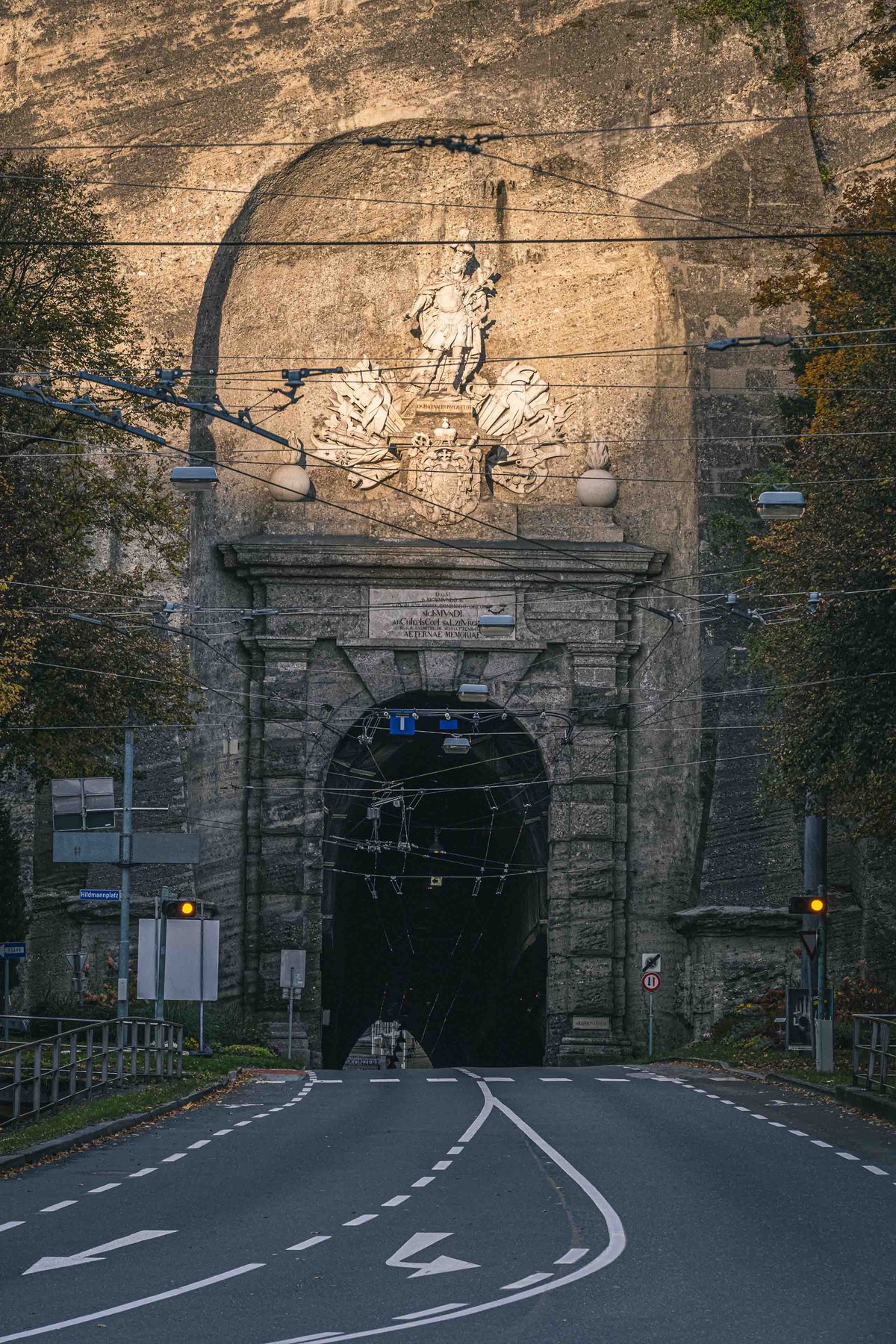
A baroque gateway and tunnel bored 131 metres through the solid rock of the Mönchsberg, commissioned by Archbishop Sigismund von Schrattenbach and completed 1767. Austria's oldest road tunnel. Designed by Johann Elias von Geyer with portals by Wolfgang Hagenauer.

Salzburgfree

Pferdeschwemme

Completed 1695

A Baroque horse-washing pool on Herbert von Karajan Platz, completed in 1695 for Johann Ernst von Thun, the Prince-Archbishop who was one of Salzburg's most prolific builders.

Salzburgfree

Residenz

Baroque

The official palace and seat of power of the Prince-Archbishops for over 200 years. Wolf Dietrich von Raitenau rebuilt it in grand baroque style. Wolfgang Amadeus Mozart performed for the Archbishop in these very rooms. Troger's frescoes look down from the state rooms. Today the Prunkraume and Residenzgalerie are open to visitors. Directly on Residenzplatz.

Salzburgpaid

Residenzbrunnen

Completed 1661

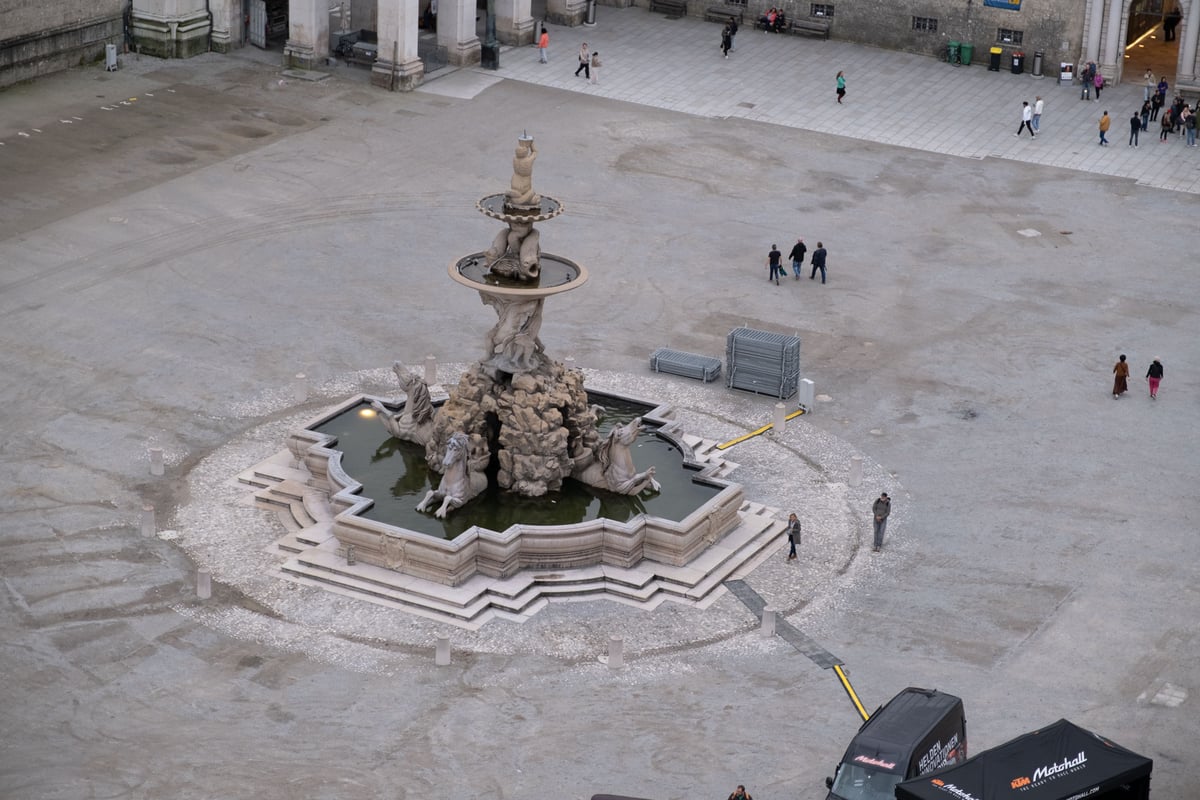
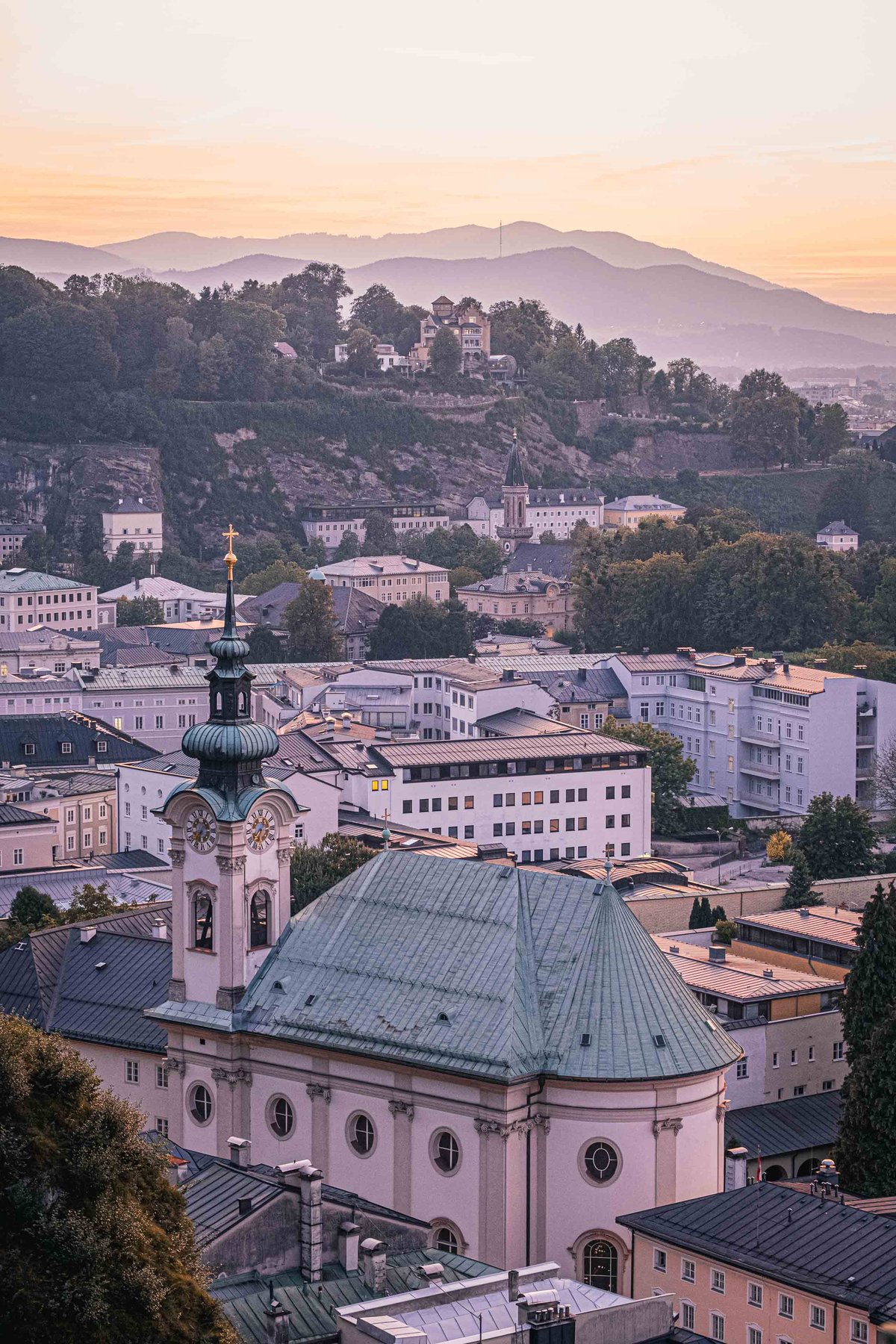
One of the largest baroque fountains north of the Alps, at the centre of Residenzplatz. Commissioned by Guidobald von Thun and completed in 1661 by Tommaso di Garona. Over eight metres tall, the visual centrepiece of Salzburg's grandest square.
Salzburgfree

Residenzplatz

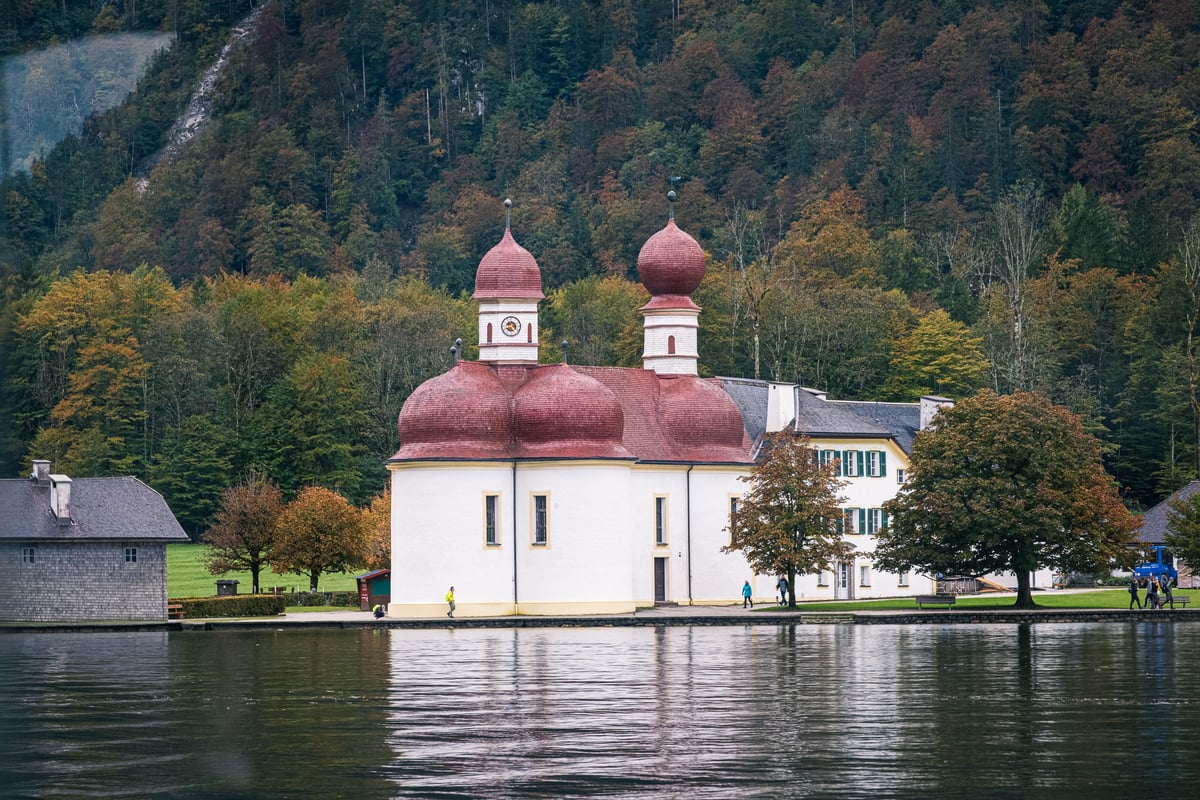
Archbishop Wolf Dietrich von Raitenau demolished 55 houses and Salzburg's medieval cemetery in 1587 to build this square. He had been to Rome and wanted Salzburg to have a proper Italian piazza.
Salzburgfree

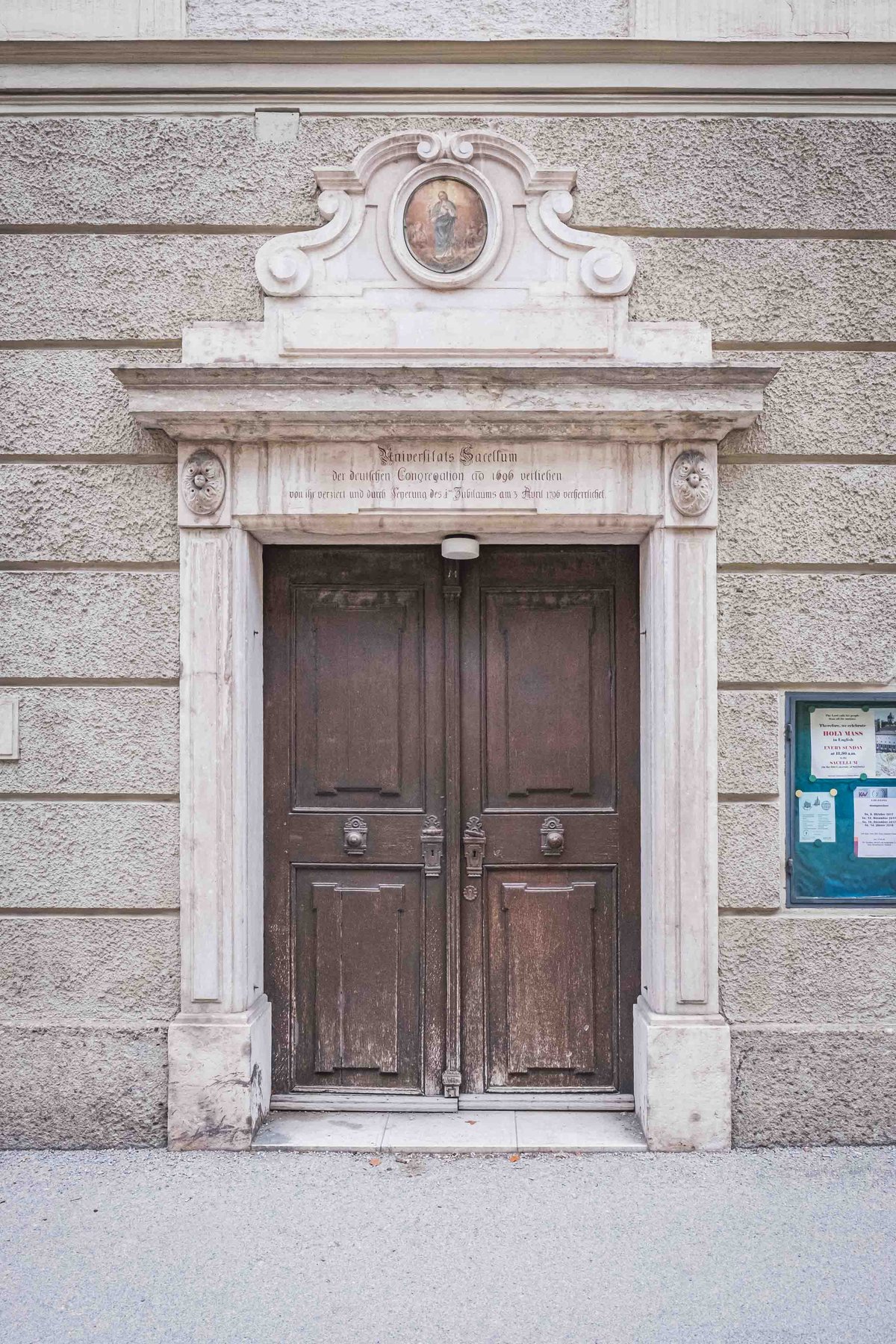
Sacellum

Founded 1620

The university chapel of the Paris Lodron University of Salzburg, founded in 1620 as part of the original university complex. Almost always closed except during Mass, but an English-language service is held on Sundays at 11:30am, one of the few regular English-language Masses in Salzburg.

Salzburgfree

Salzburg Baroque Museum

Formerly housed in the Orangery of Mirabell Gardens, assembling an exceptional collection of baroque sketches, oil studies, and preparatory drawings. Collection now in storage pending a future permanent home.

Salzburgpaid

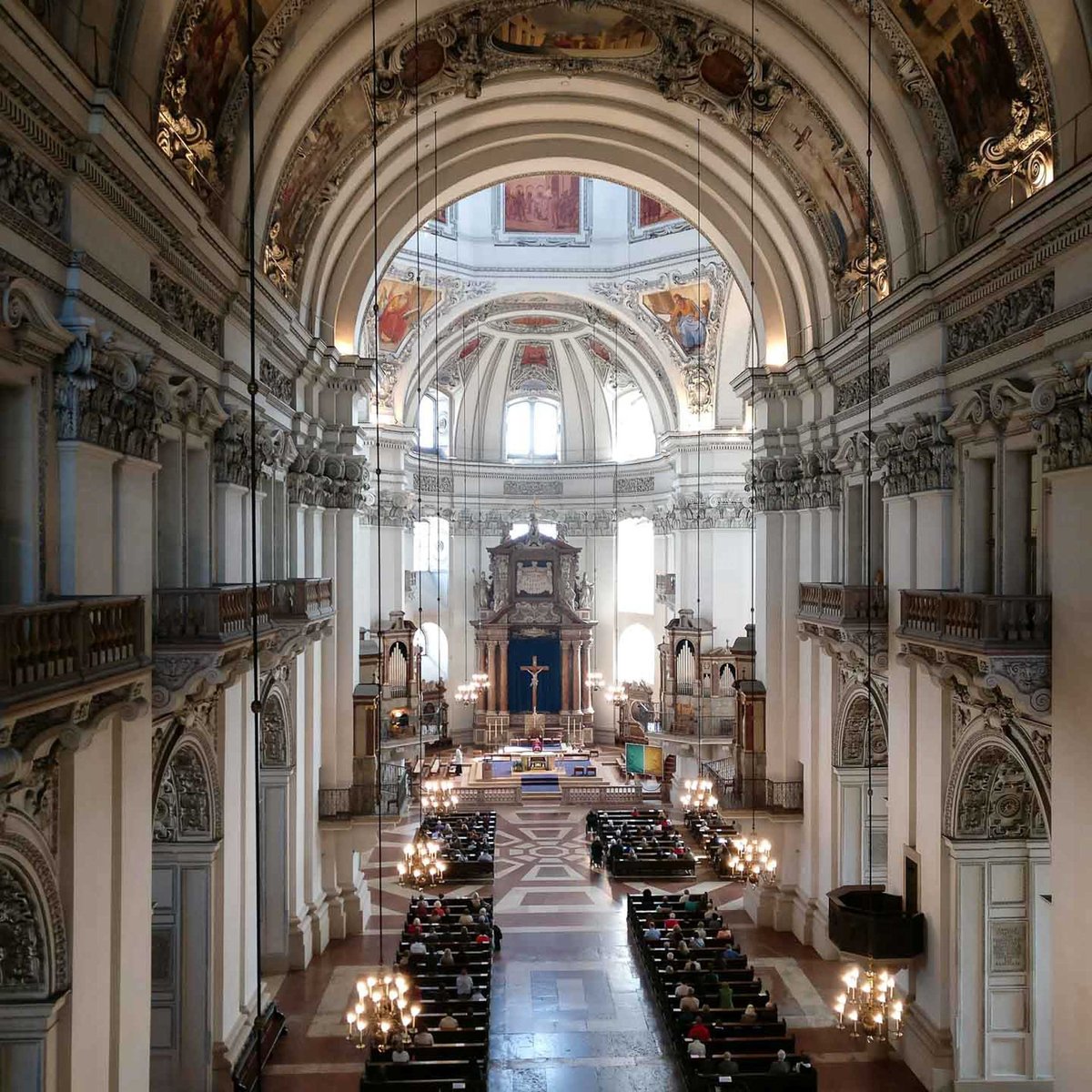
Salzburg Cathedral

Consecrated 1628

The first baroque cathedral built in the German-speaking world, and the dominant church at the heart of Salzburg's Altstadt. Wolfgang Amadeus Mozart was baptised here on 28 January 1756. The site has held a cathedral since 774, when Saint Virgil of Salzburg consecrated the first one.

Salzburgfree

Schloss Frohnburg

The front facade of the Von Trapp family home in The Sound of Music. While Schloss Leopoldskron provided the lake-facing terrace, Schloss Frohnburg provided the front gate and entrance sequences. Now owned by the Universität Mozarteum and used as a student residence. Not open to the public, but the facade can be seen from the street.

Nonntalpaid

Schloss Fuschl

Late Gothic / Baroque

A 15th-century hunting lodge on a lake promontory, 30 kilometres from Salzburg, now operating as one of Austria's most celebrated luxury hotels. The setting is genuinely spectacular.

Fuschl am Seepaid

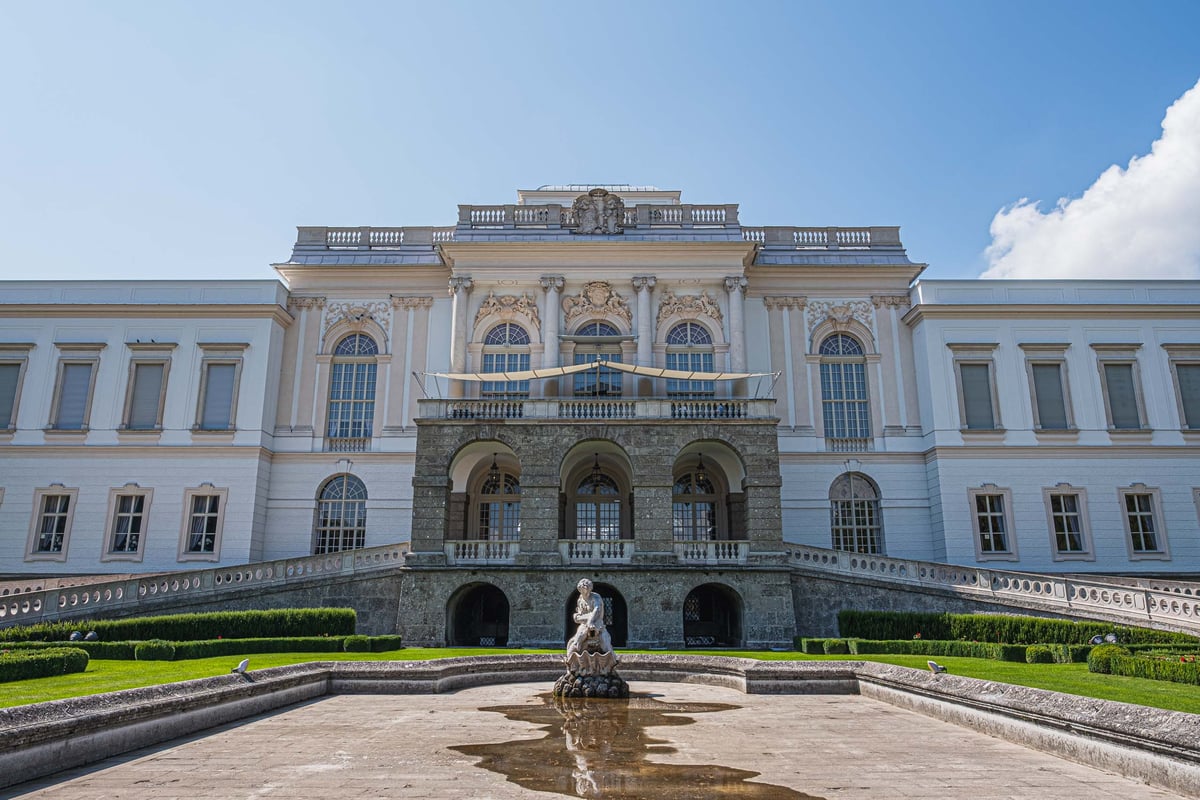
Schloss Klessheim

Baroque palace designed by Johann Bernhard Fischer von Erlach for Johann Ernst von Thun. Served as summer residence, hosted Emperor Franz Joseph I and Adolf Hitler. Today houses Casino Salzburg and hosts events. The formal gardens are fine late baroque landscape design.

Wals-Siezenheimpaid

Schlosskapelle Mirabell

Baroque

A small baroque chapel within Mirabell Palace, originally built by Wolf Dietrich von Raitenau for Salome Alt. Today used by Salzburg's Old Catholic community, one of the smallest but most theologically serious Christian denominations in the German-speaking world.

Salzburgfree

Sebastiansfriedhof

Renaissance / Baroque

A 16th-century Italian garden cemetery on Linzer Gasse, containing the mosaic mausoleum of Wolf Dietrich von Raitenau, the grave of Paracelsus, and the burial places of Leopold Mozart and Constanze Mozart. Completely different in character from Petersfriedhof.

Salzburgfree

Sebastianskirche

Baroque (rebuilt 1749-1753)

A Baroque parish church on Linzer Gasse on the right bank, rebuilt by Johann Bernhard Fischer von Erlach's pupil Caspar Zuccalli between 1749 and 1753. The entrance leads directly into the Sebastiansfriedhof, the Italian campo santo cemetery commissioned by Wolf Dietrich von Raitenau in 1600.

Salzburgfree

St. Bartholomä Chapel

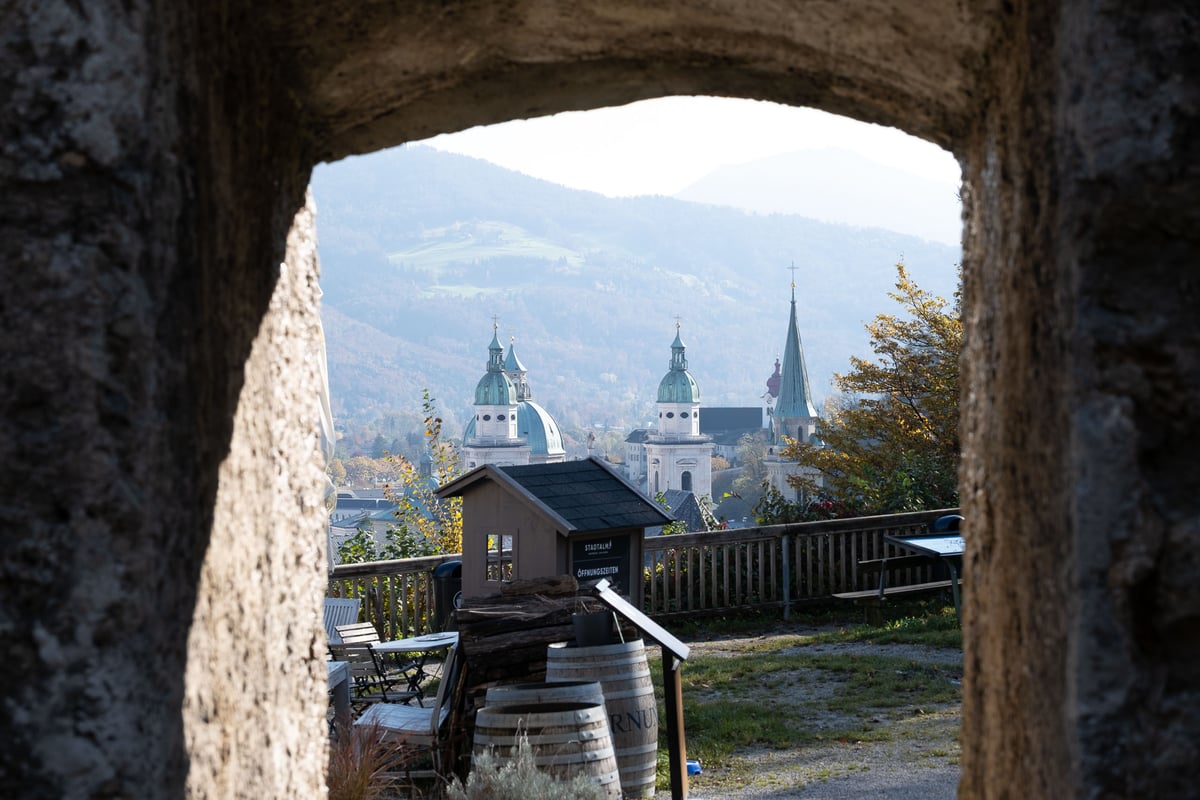
The red-domed pilgrimage chapel on the Königssee western shore. One of the most photographed images in Bavaria. Only accessible by electric boat. Working church, farm, and restaurant. Boat trip includes the famous cliff-echo trumpet demonstration.
Berchtesgadenfree

St. Erhard's Church

Built 1685-1689

A small Baroque church below Nonnberg Abbey in Nonntal, built 1685-1689 by Giovanni Gaspare Zuccalli. Wolfgang Amadeus Mozart composed several works specifically for this church. Along with the Cajetan Church, one of the last two Italian-built Baroque churches in Salzburg.

Salzburgfree

St. John's Church on Imberg

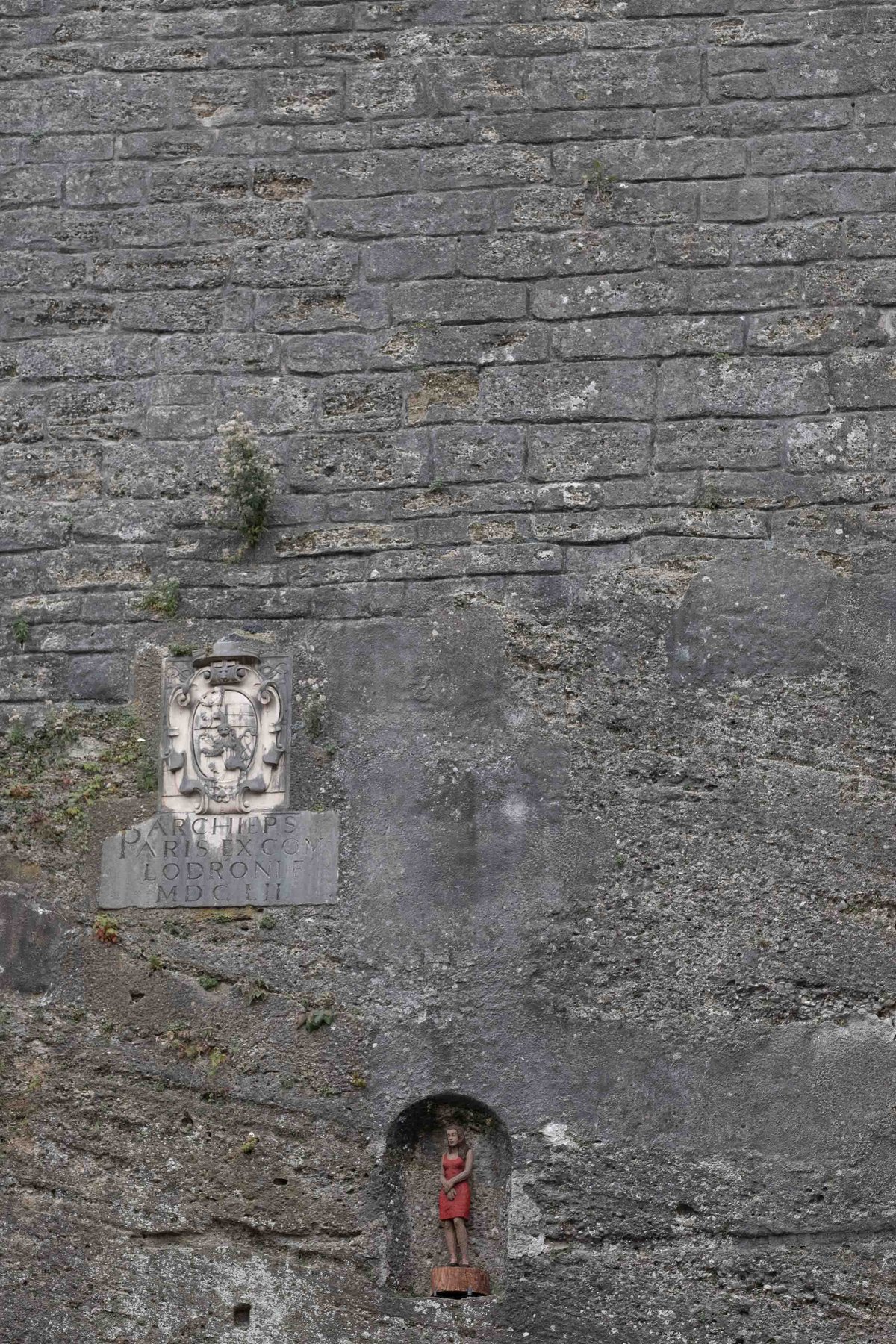
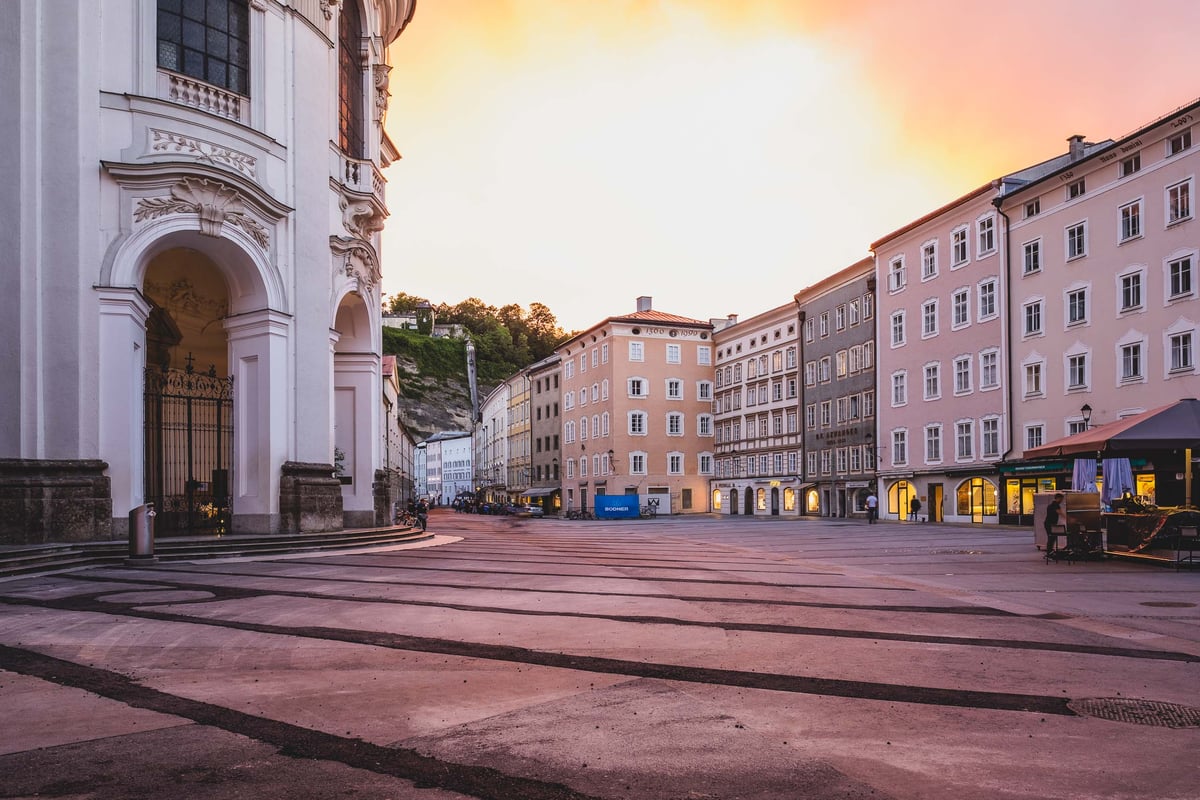
A small chapel-church about halfway up the Kapuzinerberg stairway, reached from Steingasse. First documented in 1319, making it one of the oldest chapels on the right bank. Romanesque core with a significant Baroque interior including trompe-l'oeil ceiling painting. A natural stopping point for those climbing toward the Capuchin Monastery.
Salzburgfree

St. Mark's Church Salzburg

Baroque

A Baroque church in Nonntal, built on a site with dramatic history: a catastrophic 1669 rockfall from the Festungsberg killed around 220 people sheltering in the predecessor church. Architectural character broadly attributed to Johann Bernhard Fischer von Erlach.

Salzburgfree

Stadtpfarrkirche Hallein

The parish church of Hallein, on Pflegerplatz in the old town centre. Franz Xaver Gruber, who composed the melody of Stille Nacht (Silent Night), is buried here. The church itself is a Baroque structure with earlier medieval foundations, rebuilt and expanded over several centuries. Free to enter.

Halleinfree

Stift St. Peter (St. Peter's Abbey)

Founded c. 696 AD

The oldest continuously existing monastery in the German-speaking world. Founded by Saint Rupert of Salzburg around 696 AD. The church interior is the work of Beda Seeauer (rococo redecoration, 1760-1782). Michael Haydn is buried in the crypt. Altomonte's altar paintings enrich the abbey church. The Stiftskeller St.

Salzburgfree

Stiftskeller St. Peter

Documented since 803 AD

Claimed to be the oldest restaurant in Europe, documented since 803 AD. Located at Stift St. Peter, tucked into the Mönchsberg cliff. Mozart is believed to have dined here. Still run in association with the Benedictine monks.

Salzburgaustrian

Toscaninihof

An intimate baroque courtyard named after Arturo Toscanini, tucked between the Kollegienkirche and the Festival district. Connects through to the stage entrance of the Felsenreitschule. Largely unknown to visitors.

Salzburgfree

Universitätsplatz

The elongated square behind Getreidegasse, flanked by Johann Bernhard Fischer von Erlach's Kollegienkirche. Home to the Grünmarkt, Salzburg's beloved daily open-air market. One of the most authentically lively spaces in the Altstadt.

Salzburgfree

Wallfahrtskirche Maria Kirchental

Built 1694-1701

A baroque pilgrimage church at the head of the Kirchental valley near Lofer, designed by Johann Bernhard Fischer von Erlach and set against the dramatic Loferer Steinberge mountains. One of the most beautifully situated churches in Austria.

Loferfree

Wallfahrtskirche Maria Plain

Built 1671-1674

A twin-towered baroque pilgrimage church crowning the Plainberg hill above Bergheim. Wolfgang Amadeus Mozart composed his Coronation Mass K. 317 for the church's annual celebration of the crowned Madonna image in 1779.

Bergheimfree

Zwerglgarten (Dwarf Garden)

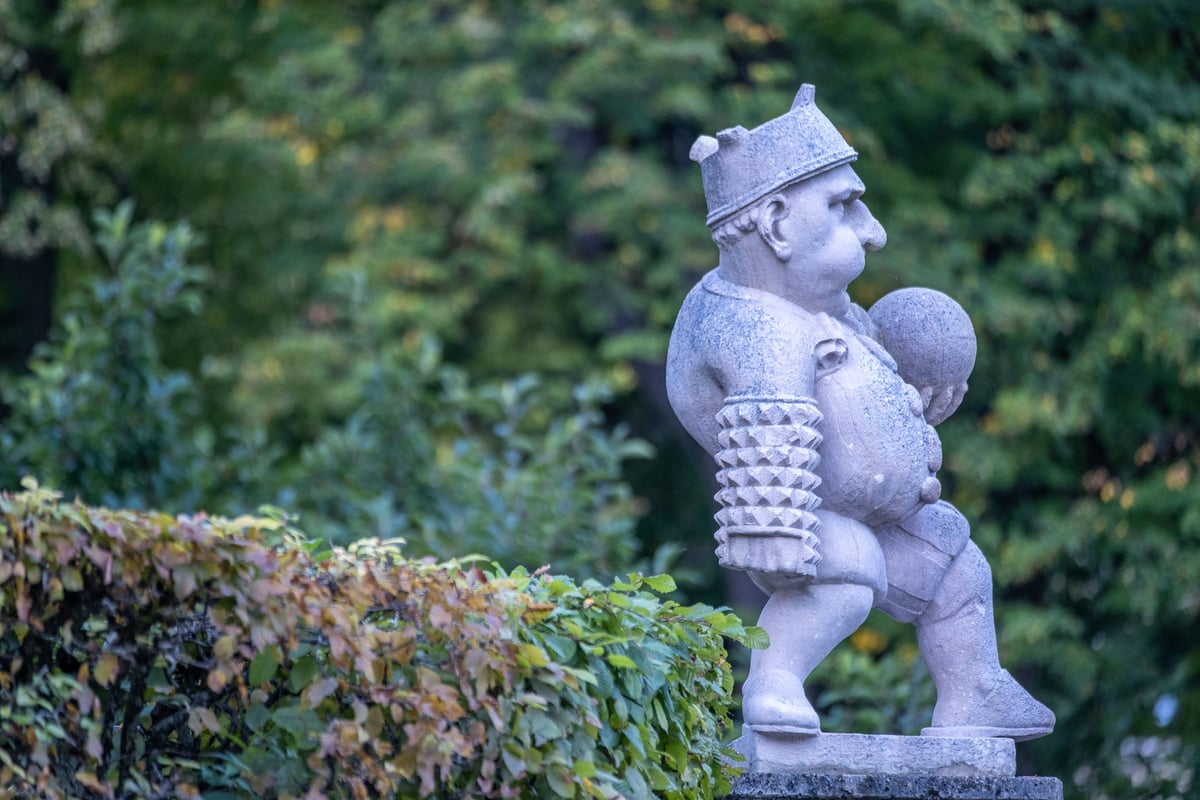
A small walled garden within the Mirabell grounds displaying the surviving marble dwarf figures, carved around 1690 by Ottavio Mosto, Bernhard Michael Mandl and others. 28 originally, 17 today. Simultaneously grotesque, humorous, and oddly moving. Tucked behind the main garden, easily missed, and all the more rewarding for that.

Salzburgfree