
Town / Austria
Hallein
4 places1 destination within
Show all 2 photos
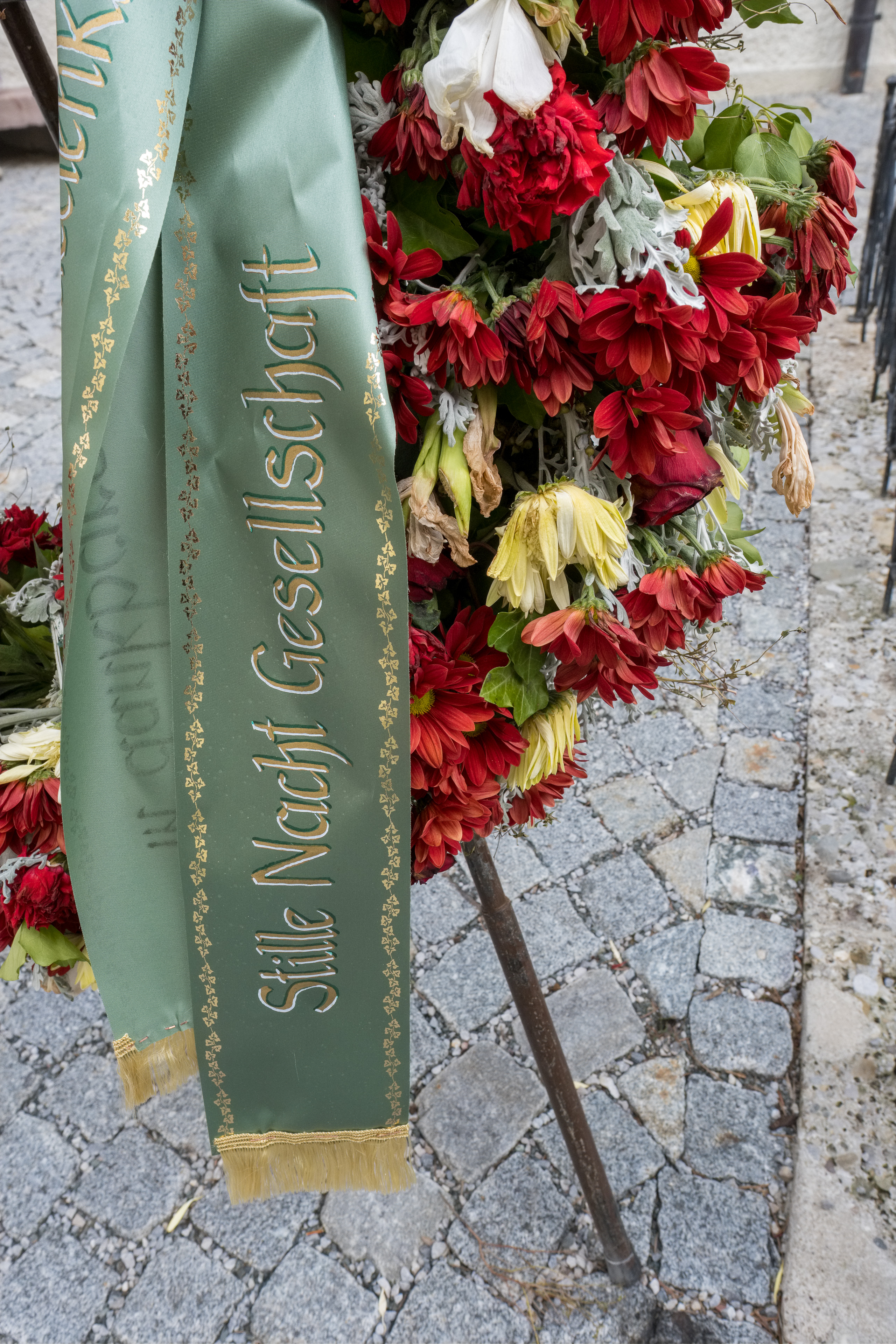
- A memorial wreath of red and yellow flowers with a green sash lettered Stille Nacht Gesellschaft in gold, standing on cobblestones in Hallein. (1 / 2)
- The photo menu strip in a kebab shop window in Hallein, the glass reflecting parked bicycles, passers-by on the cobbles and the photographer raising his camera. (2 / 2)
Snapshot
Hallein is the salt town that paid for Salzburg’s grandeur. The Bad Dürrnberg salt mine produced the revenue that funded the Baroque city across the valley, and its Celtic-era tunnels, worked from the 6th century BCE, are still open to visitors.
The Story
The name gives it away: Hall means salt, and for centuries Hallein’s identity was inseparable from the white mineral extracted from the Bad Durrnberg hills above the town. When Archbishop Eberhard II granted Hallein its charter in 1230, he effectively turned a modest Alpine settlement into the economic backbone of the archbishopric. Salt moved down the Salzach, free of tolls, to traders from Tyrol, Venice, and beyond, and the revenue came back to Salzburg in stone, marble, and fresco.
The Keltenmuseum Hallein tells the deeper story. Celts were mining here from the 6th century BCE, and the brine preserved their wooden tools so completely that pickaxes from 800 BCE still hold their shape. The museum holds La Tène swords, helmets, a reconstructed prince’s chariot from Grave 44, and an 80-painting historical series, making it Europe’s most significant collection of La Tène period artifacts. Franz Xaver Gruber, who composed the melody of “Stille Nacht,” is buried at the Stadtpfarrkirche Hallein, and the Stille Nacht Museum occupies a nearby building. The song premiered in Oberndorf, but Gruber lived, worked, and is buried here.
The old town across the Salzach from the train station rewards the visitor who actually walks it. The Baroque facades, the Kastenbrunnen fountain, the narrow lanes of the Stille-Nacht district: none of it is crowded in the way Salzburg’s center is. Hofbrau Kaltenhausen, the oldest brewery in Salzburg State, operating since 1475, sits just outside the center and offers a quiet reason to stay longer.
Planning
Hallein is 15 kilometers south of Salzburg, about 20 minutes by regional train from Salzburg Hauptbahnhof, with trains running every 30 minutes. A half-day covers the salt mine and the Keltenmuseum comfortably; a full day adds the old town and Kaltenhausen. The salt mine requires warm clothing regardless of season (10 degrees Celsius underground). Combine with Bad Durrnberg itself, or with a day in Tennengau heading toward Golling an der Salzach. Spring through autumn is the most pleasant time to walk the old town.
Go deeper
Destinations within Hallein
One level down the canonical map. Every card is a direct child of this destination.
village
Passing through
Tours that visit Hallein
Based somewhere else, but they come here. Each one names this destination or one of its places on its own route.
Salt Mine Tour from Salzburg
Salt mining is the foundation of Salzburg's existence. Tours focus on Salzbergwerk Berchtesgaden (most accessible), Salzwelten Hallein (Austrian, Celtic history), Salzwelten Hallstatt (oldest, Bronze Age), Salzwelten Altaussee (WWII art-looting story). Wooden slides, underground salt lakes, raft crossings. Half-day addition to broader excursions.
Salzach Cycle Path to Hallein
A flat 15 km cycling route south from Salzburg along the Salzach to Hallein, Gerhard's hometown. The path follows the river embankment through open countryside with the Untersberg massif constant to the west. A natural rest stop at Rif, where the Königsseeache joins the Salzach.
Where to eat
Where to eat and drink in Hallein
Every restaurant, cafe, bar and stand documented inside Hallein, A to Z.
Hofbräu Kaltenhausen
Founded 1475
The oldest brewery in Salzburg State, founded 1475 near Hallein. Predates Stiegl by almost two decades. Beer garden on the Salzach. Cooperage Museum and brewery tours. Fifteen minutes from Salzburg by train.
Mapped places
Places in Hallein
Every card is assigned directly to this destination or one of its canonical child destinations.
Hofbräu Kaltenhausen
Founded 1475
The oldest brewery in Salzburg State, founded 1475 near Hallein. Predates Stiegl by almost two decades. Beer garden on the Salzach. Cooperage Museum and brewery tours. Fifteen minutes from Salzburg by train.
Keltenmuseum Hallein
Baroque (building); Iron Age (collection)
Most Salzburg day-trippers stop at the salt mine and never make it to the museum fifteen minutes away that explains why the mine existed in the first place.
Salzwelten Hallein
The Hallein salt mine on the Dürrnberg plateau above town has been in operation since roughly 600 BC, and at one point it was the economic engine that made the entire Salzach valley worth controlling.
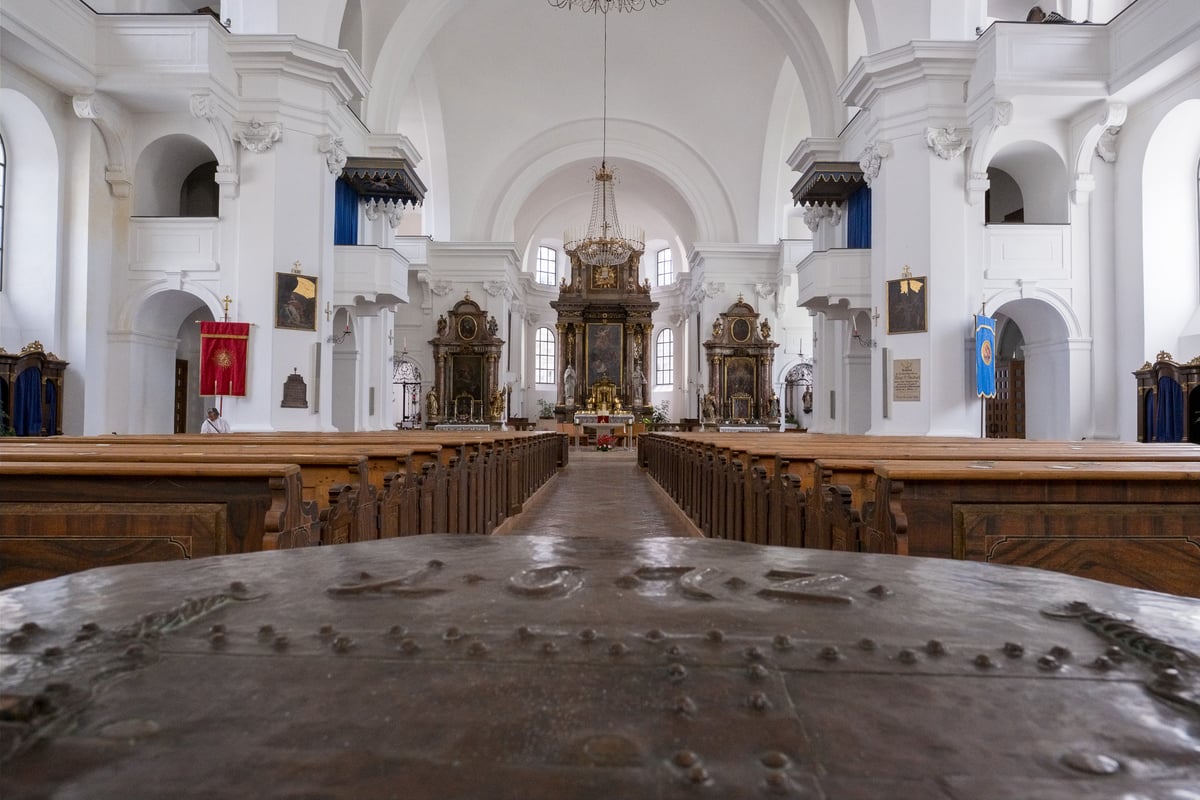

Stadtpfarrkirche Hallein
The parish church of Hallein, on Pflegerplatz in the old town centre. Franz Xaver Gruber, who composed the melody of Stille Nacht (Silent Night), is buried here. The church itself is a Baroque structure with earlier medieval foundations, rebuilt and expanded over several centuries. Free to enter.