
District / Austria
Tennengau
Also known as Bezirk Hallein, Tennengau District
10 places7 destinations within
Snapshot
Tennengau is the district you pass through the moment you leave Salzburg heading south. It is home to Hallein, one of Europe’s oldest continuously worked salt sites, and to Celtic-era mines that have been open to visitors since 1607. The name comes from the Tennengebirge pine forests, the district is compact, and its combination of history and natural landscape repays serious time.
The Story
The district immediately south of Salzburg, Tennengau follows the Salzach valley and rises into the Tennengebirge massif to the east and the Hagengebirge to the south. It is the closest Alpine district to the city, connected by S-Bahn every 30 minutes, and it carries some of the deepest historical layers in the region.
Salt made Tennengau. The Bad Dürrnberg mines above Hallein have been worked since approximately 1500 BC, making the site one of the oldest continuously exploited salt deposits in Europe. Celtic miners left behind not just tunnels but an entire cultural record: the Keltenmuseum (Museum of the Celts) in Hallein holds a 2,500-year-old beaked jug among its artefacts and displays 80 salt-production paintings from 1756. Show mine tours began as early as 1607; the mine ran until 1989. Today the Salzwelten operation combines underground tours with an adjacent reconstructed Iron Age Celtic village, the Salina Celtic Village, relocated by helicopter in 1996 from its original archaeological site.
Hallein itself is the district capital and Salzburg State’s second-largest town at roughly 21,150 residents. It sits on the Salzach directly opposite the old salt loading docks, its old town streets still following a medieval plan. The town has an industrial character alongside its historical one; a paper factory occupies the valley floor, a juxtaposition that locals accept without fanfare.
The natural landscape south of Hallein offers three distinct highlights. The Gollinger Wasserfall drops 75 m in two cascades, the water bursting from a cave in the limestone before falling; it sits 30 km from the city and is one of the most accessible waterfalls in Salzburg State. The Bluntautal, a glacially carved side valley near Golling, offers a flat walk through enclosed limestone scenery. The Tauglschlucht, a narrow limestone gorge, is a local favourite requiring more effort to reach. The Postalm alpine plateau above Abtenau, at 1,200-1,700 m, is among the largest contiguous alpine meadow areas in the region.
Beyond salt and nature, Tennengau produces materials that have entered European architecture: the Adnet marble quarries supply a distinctive red-veined stone that has appeared in Vienna’s opera house and dozens of historic public buildings.
Planning
Hallein is 20 minutes by S-Bahn from Salzburg and the natural base for a Tennengau day. The Keltenmuseum and Salzwelten salt mine are both walkable from the train station. A combined ticket is available and covers the Celtic Village. The Gollinger Wasserfall is a further 10 km south; a regional bus connects Golling with Salzburg. For the Postalm and alpine meadow walking, a car is practical. The TennengauPLUS Card, available free from most hotels, covers local transport and discounts at 32 attractions from May to October. Autumn is the quietest and most rewarding season; summer brings school groups to the salt mine.
Go deeper
Destinations within Tennengau
One level down the canonical map. Every card is a direct child of this destination.
village village - village
- town
village village village
Passing through
Tours that visit Tennengau
Based somewhere else, but they come here. Each one names this destination or one of its places on its own route.
Salt Mine Tour from Salzburg
Salt mining is the foundation of Salzburg's existence. Tours focus on Salzbergwerk Berchtesgaden (most accessible), Salzwelten Hallein (Austrian, Celtic history), Salzwelten Hallstatt (oldest, Bronze Age), Salzwelten Altaussee (WWII art-looting story). Wooden slides, underground salt lakes, raft crossings. Half-day addition to broader excursions.
Salzach Cycle Path to Hallein
A flat 15 km cycling route south from Salzburg along the Salzach to Hallein, Gerhard's hometown. The path follows the river embankment through open countryside with the Untersberg massif constant to the west. A natural rest stop at Rif, where the Königsseeache joins the Salzach.
Where to eat
Where to eat and drink in Tennengau
Every restaurant, cafe, bar and stand documented inside Tennengau, A to Z.
Hofbräu Kaltenhausen
Founded 1475
The oldest brewery in Salzburg State, founded 1475 near Hallein. Predates Stiegl by almost two decades. Beer garden on the Salzach. Cooperage Museum and brewery tours. Fifteen minutes from Salzburg by train.
Mapped places
Places in Tennengau
Every card is assigned directly to this destination or one of its canonical child destinations.
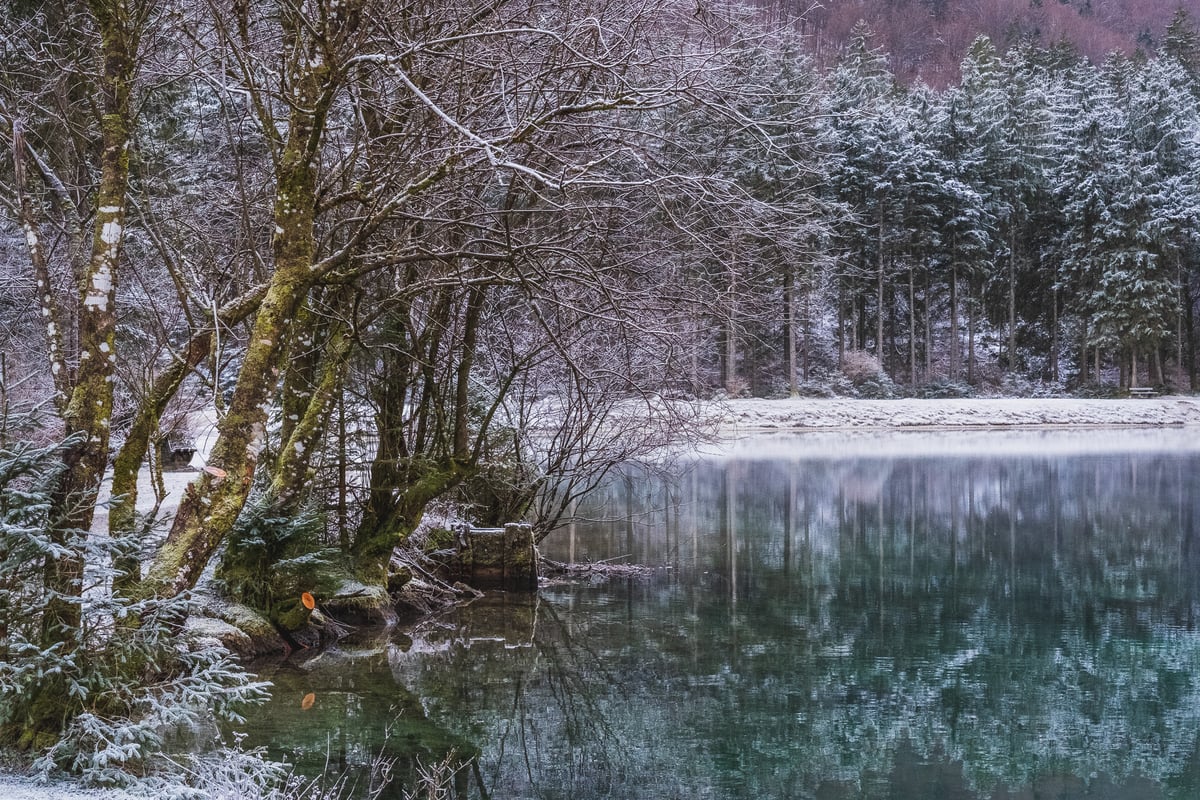
Bluntautal
The Bluntautal is a narrow gorge valley above Golling an der Salzach in the Tennengau, where the Bluntaubach stream has carved through the limestone Hagengebirge into a wooded valley that ends at a series of turquoise pools and small waterfalls.
Burg Golling
Founded 12th century
Burg Golling stands above the village of Golling an der Salzach in the Tennengau, at the southern end of the Salzach gorge where the river cuts through the Hagengebirge limestone.
Gollinger Wasserfall
A 76-meter waterfall in a forested gorge near Golling, one of the most accessible waterfall walks near Salzburg. A short trail (20 minutes) leads to viewing platforms at the base and middle of the falls. Less crowded than Krimml and reachable as a half-day trip from Salzburg.
Hofbräu Kaltenhausen
Founded 1475
The oldest brewery in Salzburg State, founded 1475 near Hallein. Predates Stiegl by almost two decades. Beer garden on the Salzach. Cooperage Museum and brewery tours. Fifteen minutes from Salzburg by train.
Keltenmuseum Hallein
Baroque (building); Iron Age (collection)
Most Salzburg day-trippers stop at the salt mine and never make it to the museum fifteen minutes away that explains why the mine existed in the first place.
Lammerklamm
A limestone gorge carved by the Lammer river through the Tennengau, near Abtenau. Steep walls and canyon passages. The narrowest sections, the Lammeroefen, are accessible only by flat-bottomed boat and are among the stranger natural experiences in the Salzburg hinterland. Not well known outside the region.
Lammeröfen
The narrowest sections of the Lammerklamm gorge near Abtenau, where the walls close to a few metres and passage is only possible by guided flat-bottomed boat. One of the genuinely unusual physical experiences in the Salzburg hinterland. Runs in summer only, weather-dependent. Advance booking required.
Salzwelten Hallein
The Hallein salt mine on the Dürrnberg plateau above town has been in operation since roughly 600 BC, and at one point it was the economic engine that made the entire Salzach valley worth controlling.
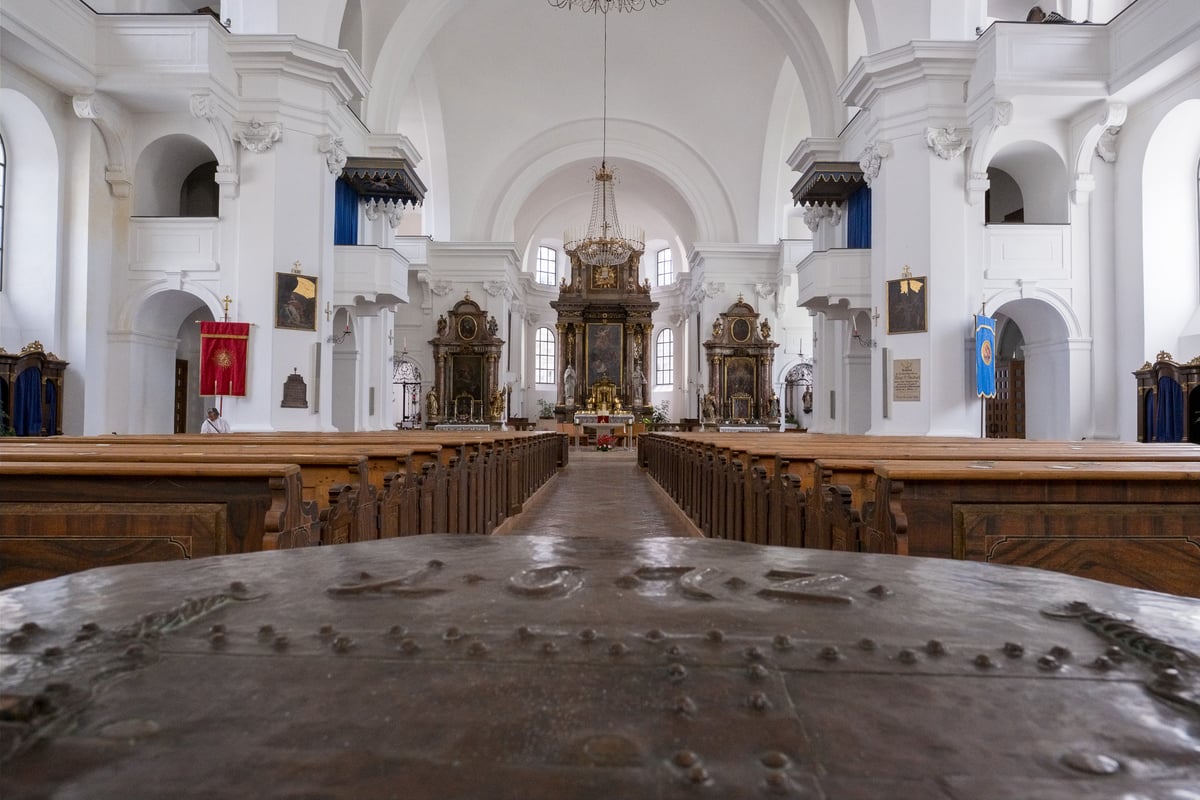
Stadtpfarrkirche Hallein
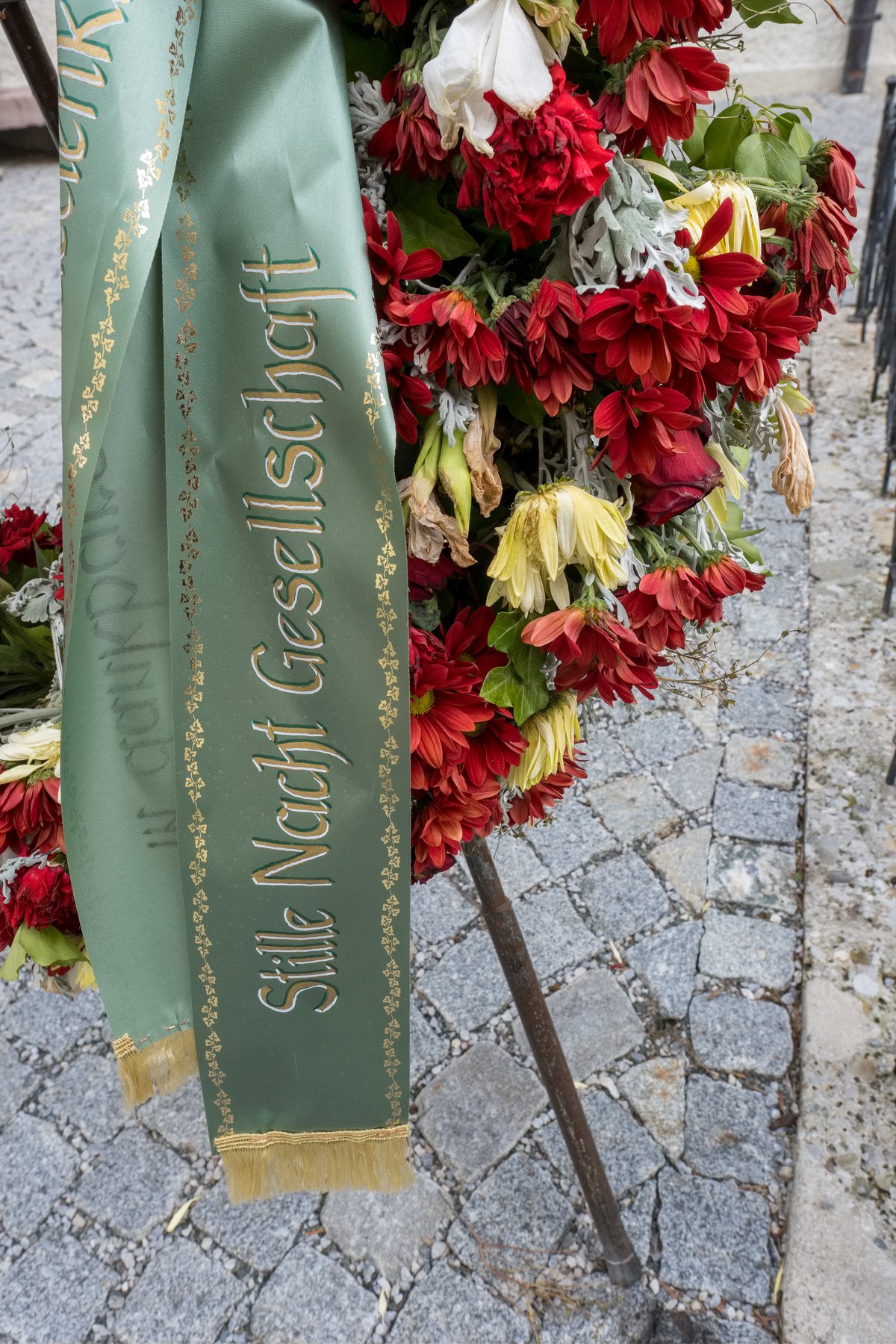
The parish church of Hallein, on Pflegerplatz in the old town centre. Franz Xaver Gruber, who composed the melody of Stille Nacht (Silent Night), is buried here. The church itself is a Baroque structure with earlier medieval foundations, rebuilt and expanded over several centuries. Free to enter.
Tauglschlucht
A hidden gorge near Kuchl, approximately 20 km south of Salzburg. Crystal-clear emerald pools for wild swimming. Barely known to international visitors. A genuine local secret and one of the most refreshing natural places near the city.