Snapshot
Paris Lodron Universität Salzburg (PLUS) is Salzburg’s main public research university, founded in 1622 by Archbishop Paris Lodron and refounded in 1962 after a century-long dissolution. With approximately 18,000 students across four faculties, its buildings are woven directly into the fabric of the Altstadt, and its founding church, the Kollegienkirche, is one of the finest baroque buildings in Austria.
The Story
Archbishop Paris Lodron secured the imperial charter for Salzburg’s university on 23 July 1622, at a moment when the Thirty Years’ War was reshaping Europe. It was a significant act of institutional investment: Lodron was simultaneously fortifying the city, completing the Salzburg Cathedral, and now founding a university, each project a statement about Salzburg’s status and durability. The university he created bore his name from its inception.
The Napoleonic reorganisation of the early nineteenth century dissolved the institution along with many others in the German-speaking world. When it was refounded in 1962, the name was restored: Paris Lodron Universität Salzburg, or PLUS, carrying the archbishop’s name into the modern era as one of Austria’s public research universities.
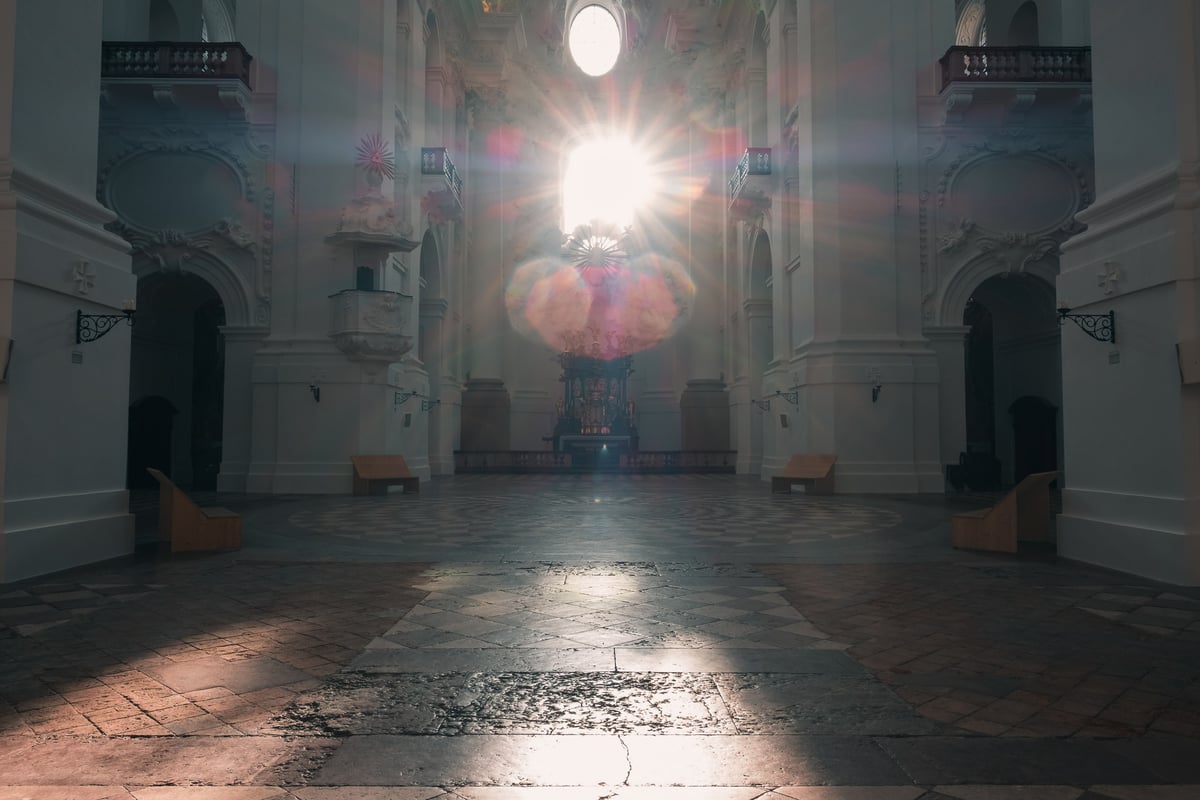
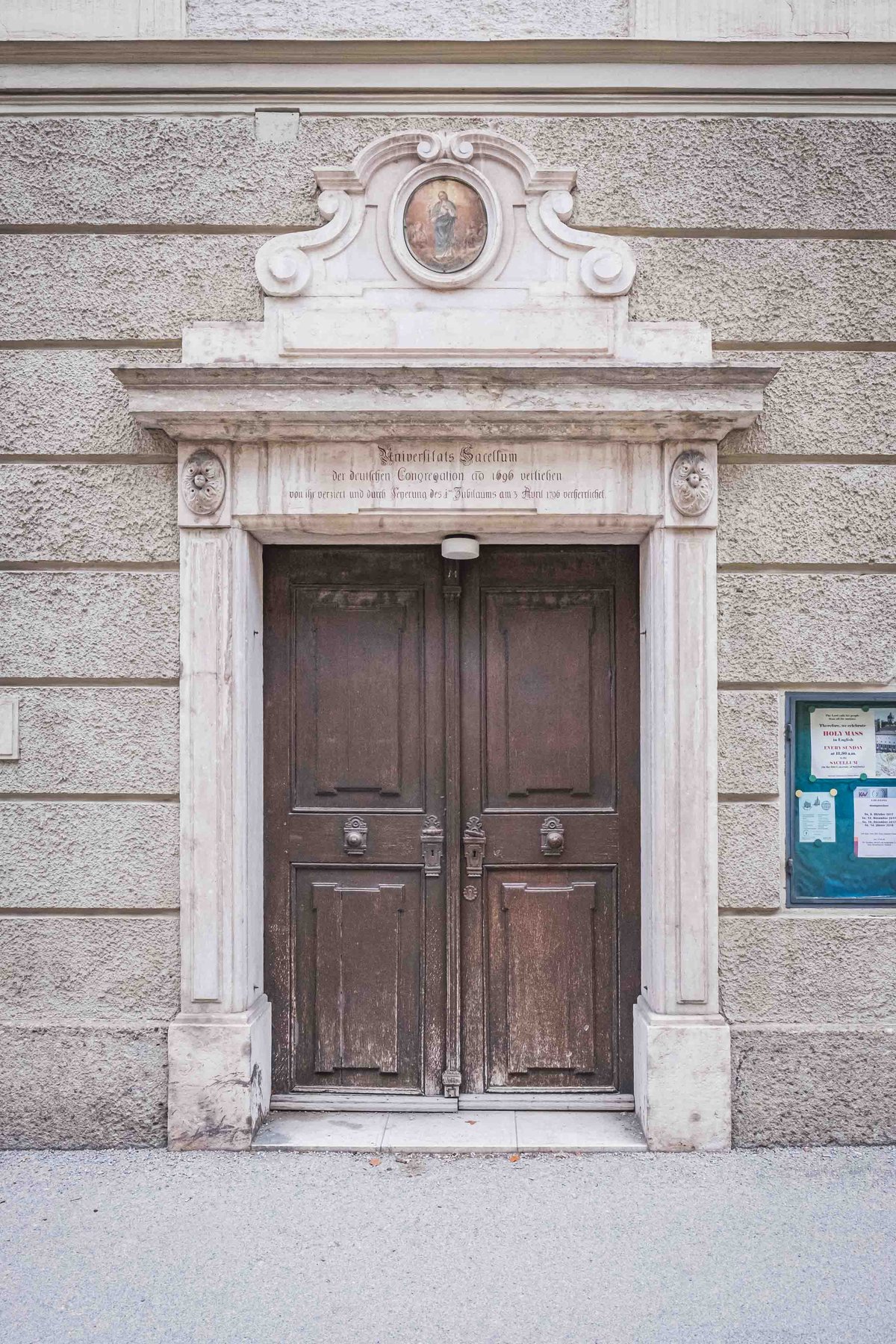
The physical presence of the university in the Altstadt is significant. The historic university quarter, centred on Universitätsplatz, was developed in the seventeenth century and remains a working part of the institution today. The Kollegienkirche (Collegiate Church), designed by Johann Bernhard Fischer von Erlach and completed in 1707, was built as the university church; it stands as one of the masterworks of Austrian baroque architecture and is open to visitors. The Sacellum, the earlier university chapel, is also connected to the complex.
The modern PLUS has approximately 18,000 students across faculties covering Catholic Theology, Law, Cultural and Social Sciences, and Natural Sciences. It is the dominant university presence in the city, distinct from the Universität Mozarteum, which focuses on music and performing arts, and sharing the city with several other specialist institutions.