Snapshot
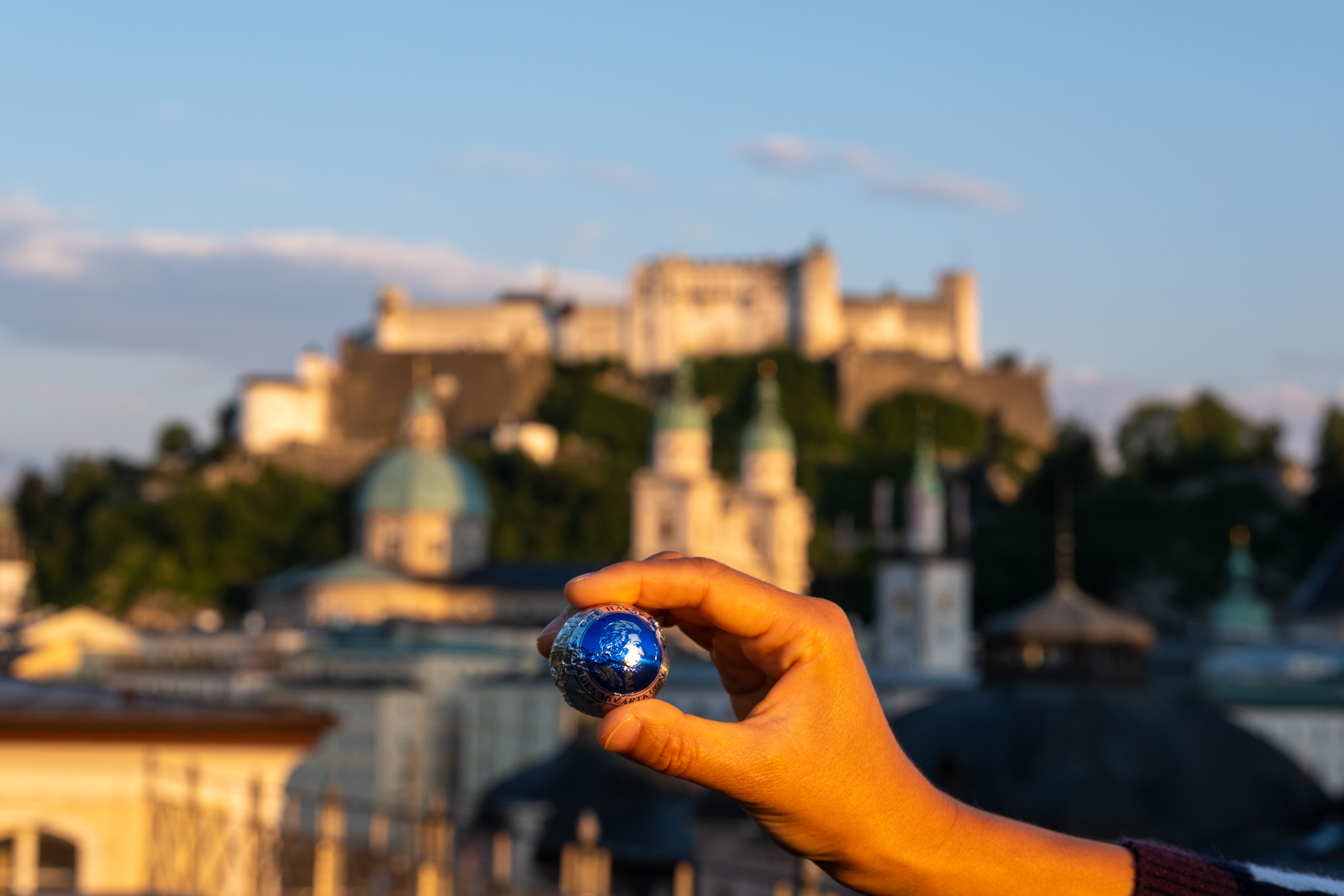
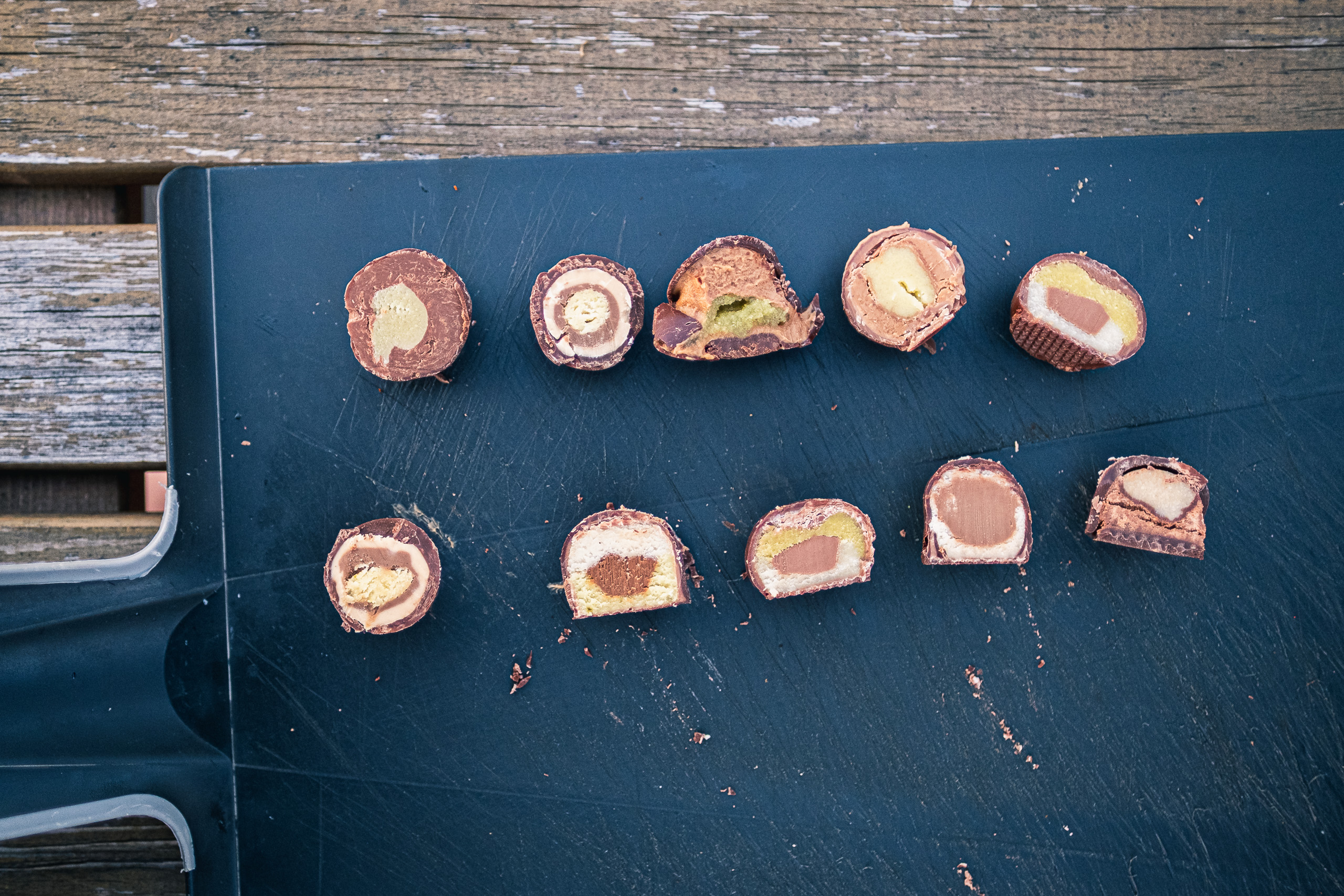
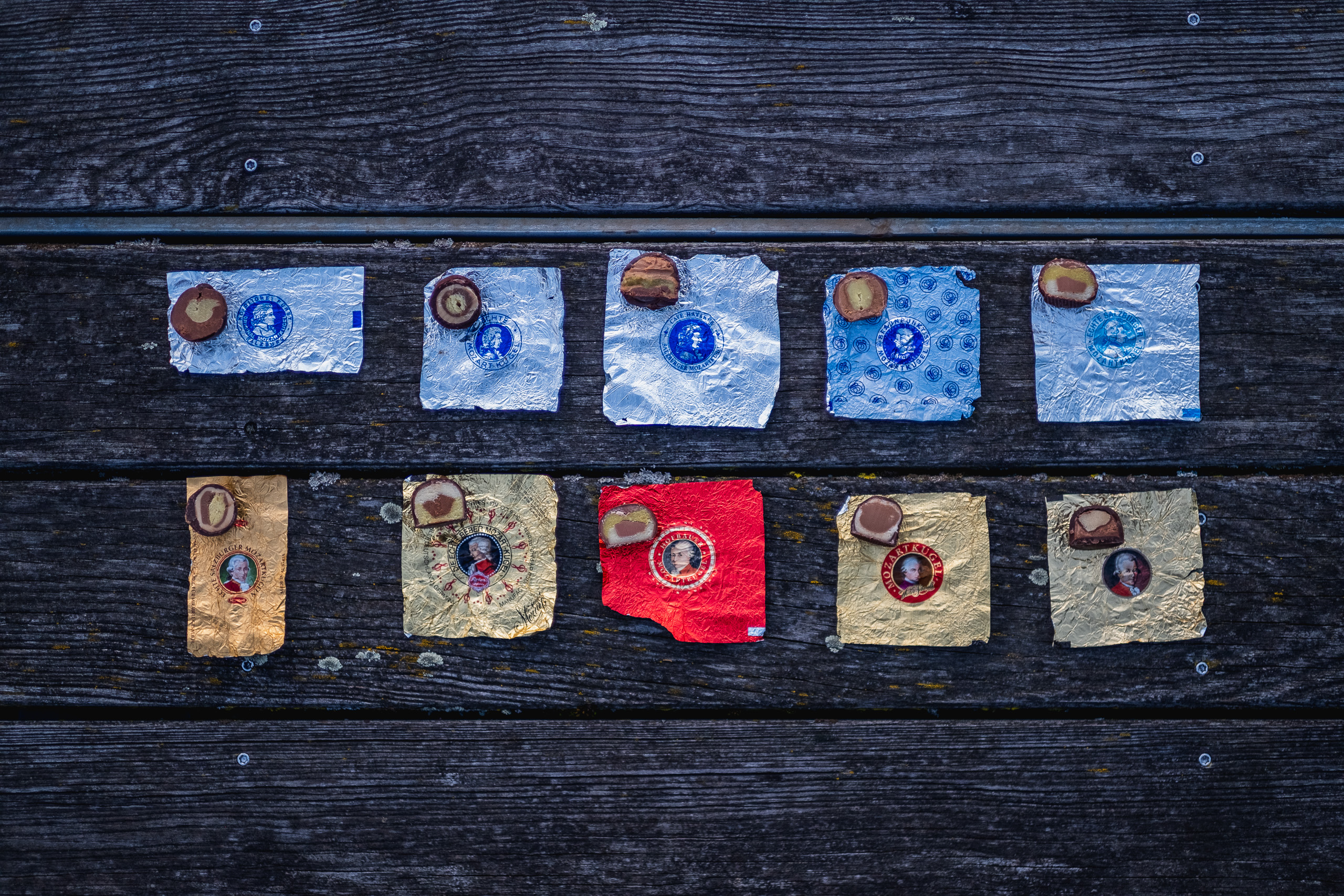
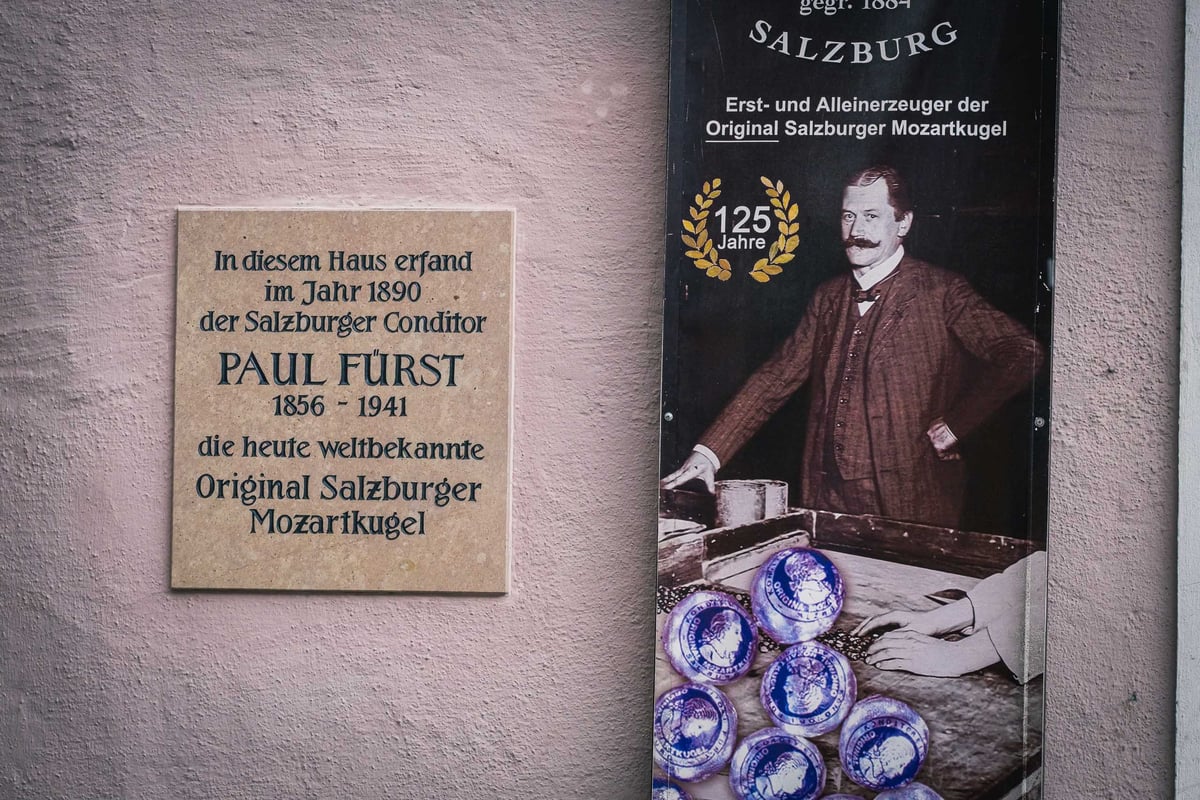
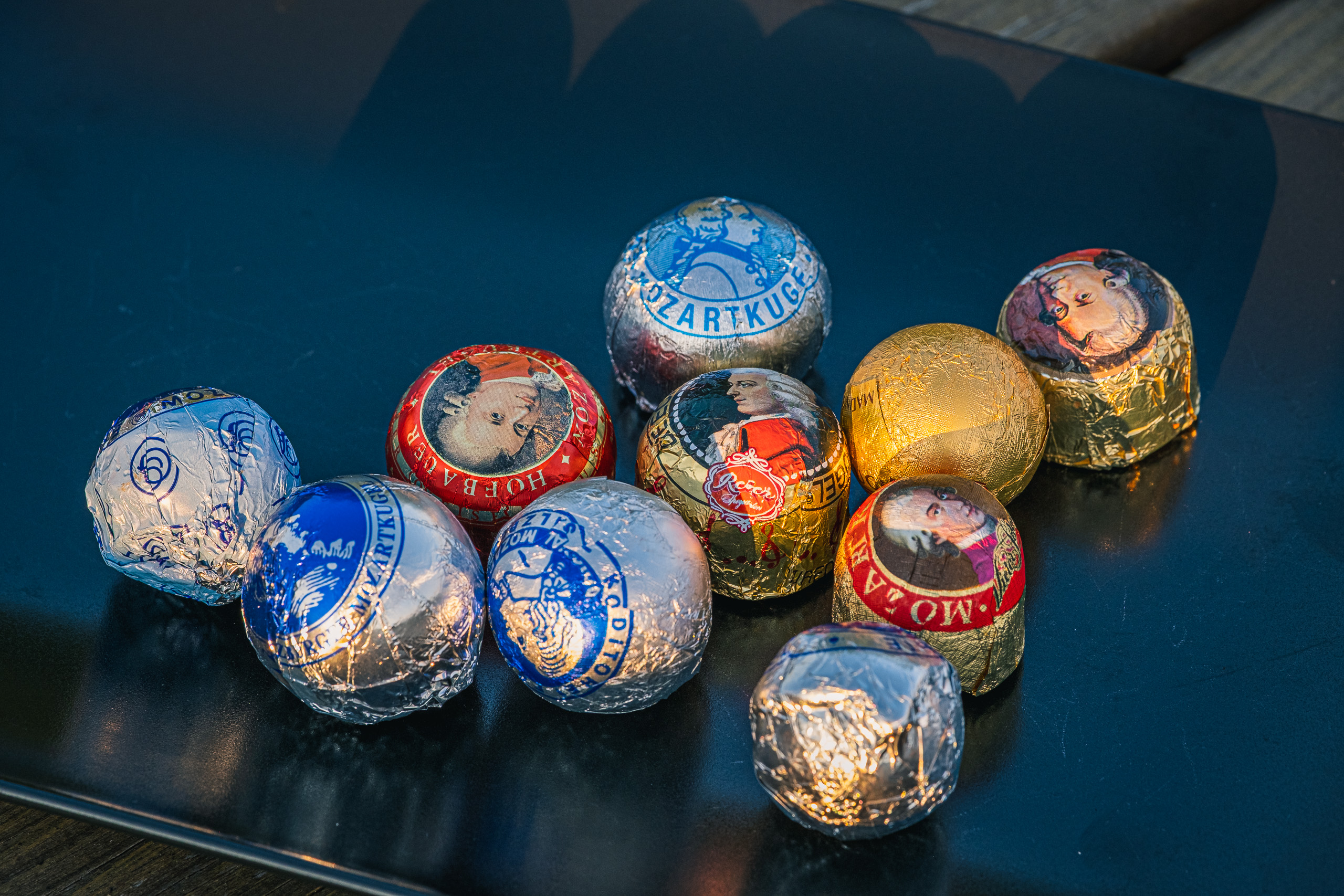
Pistachio marzipan around nougat, enrobed in dark chocolate, wrapped in silver-and-blue foil. Created in 1890 by Paul Furst, whose family still hand-rolls the original at Konditorei Furst on Alter Markt. The versions in supermarkets are not the same thing.
The Story
Paul Fürst created the Mozartkugel in 1890 at his confectionery on Alter Markt in Salzburg, a few hundred metres from the house where Wolfgang Amadeus Mozart was born. The composition is precise: a centre of dark nougat, wrapped in pistachio marzipan, hand-rolled into a sphere, then dipped in dark chocolate. The foil is silver and blue. The Fürst family has never changed the recipe, and the shop on Alter Markt still makes each ball by hand.
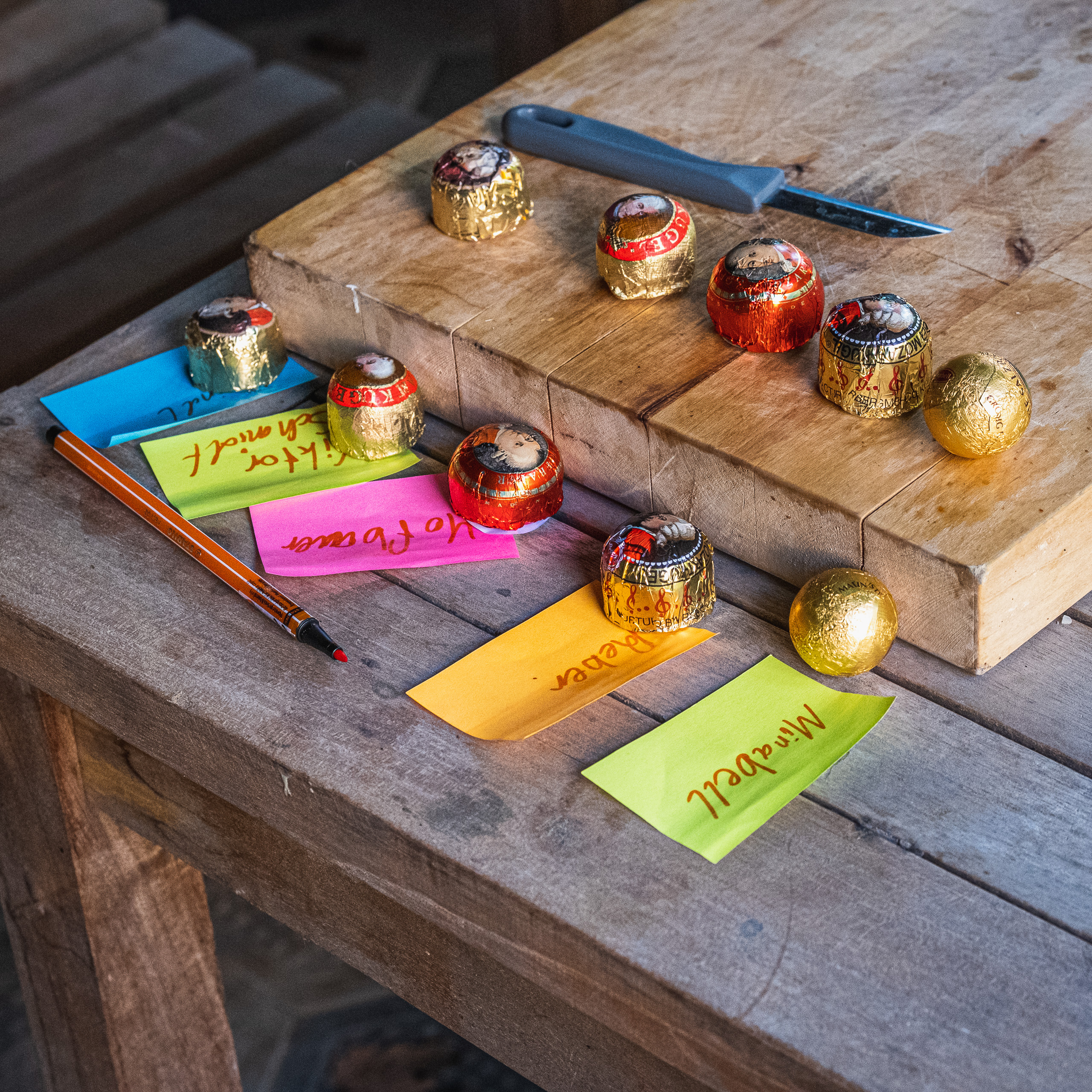
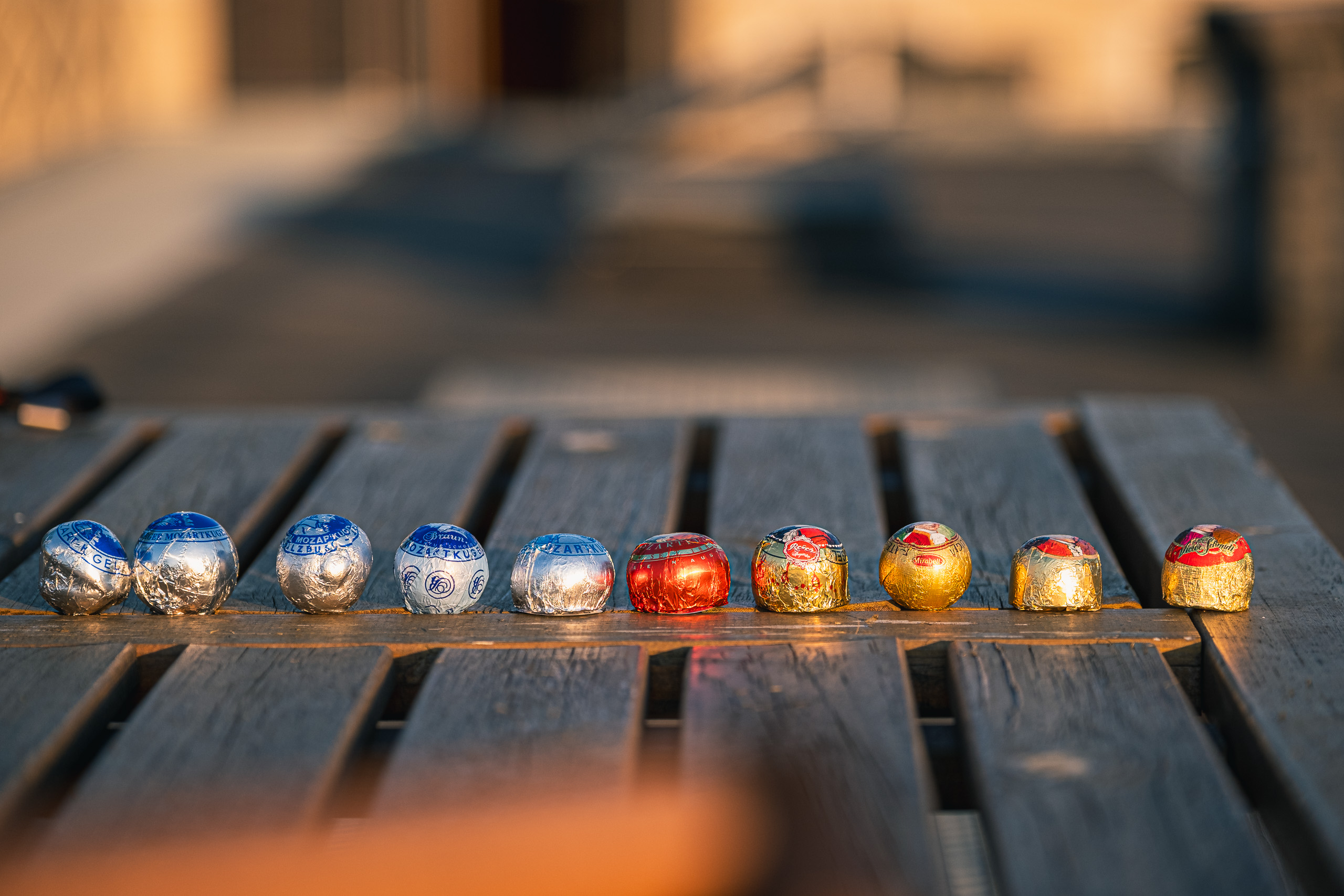
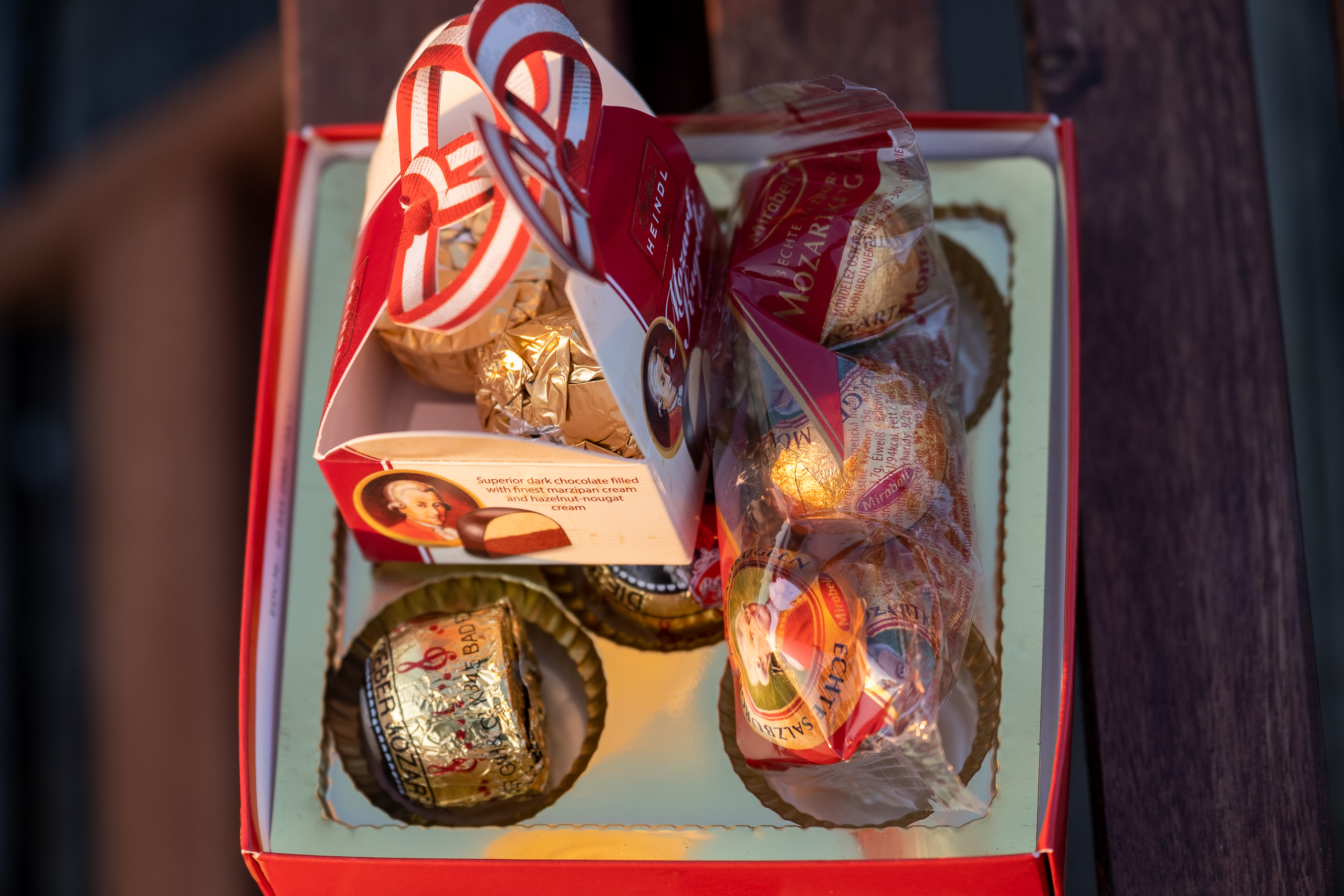
Fürst never patented the product. Within decades, other manufacturers began producing their own versions under the Mozartkugel name. The most widely distributed is the Reber version in silver-and-red foil, made in Bad Reichenhall in Bavaria. It is sold everywhere: supermarkets, gift shops, airport kiosks. It is a reasonable confection, but it is not the same composition, not the same chocolate, and not made by hand. Visitors who buy it and believe they have tasted the original have not.
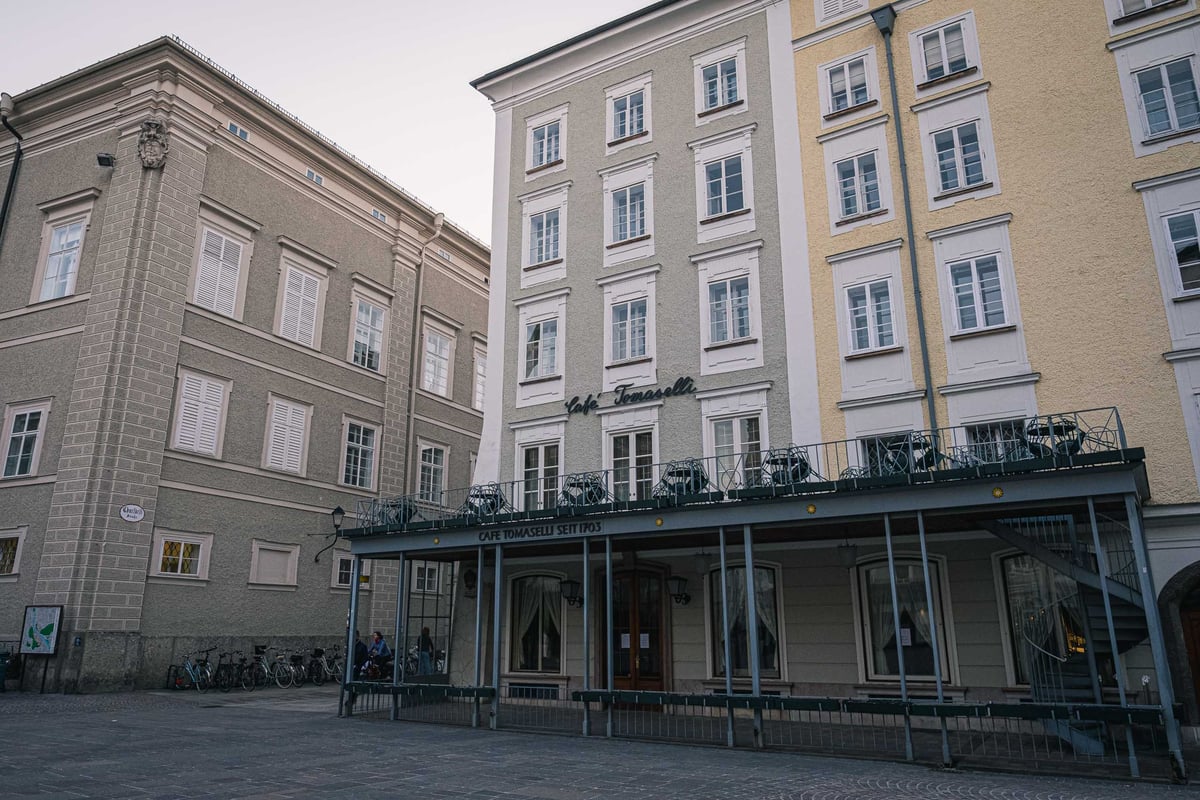
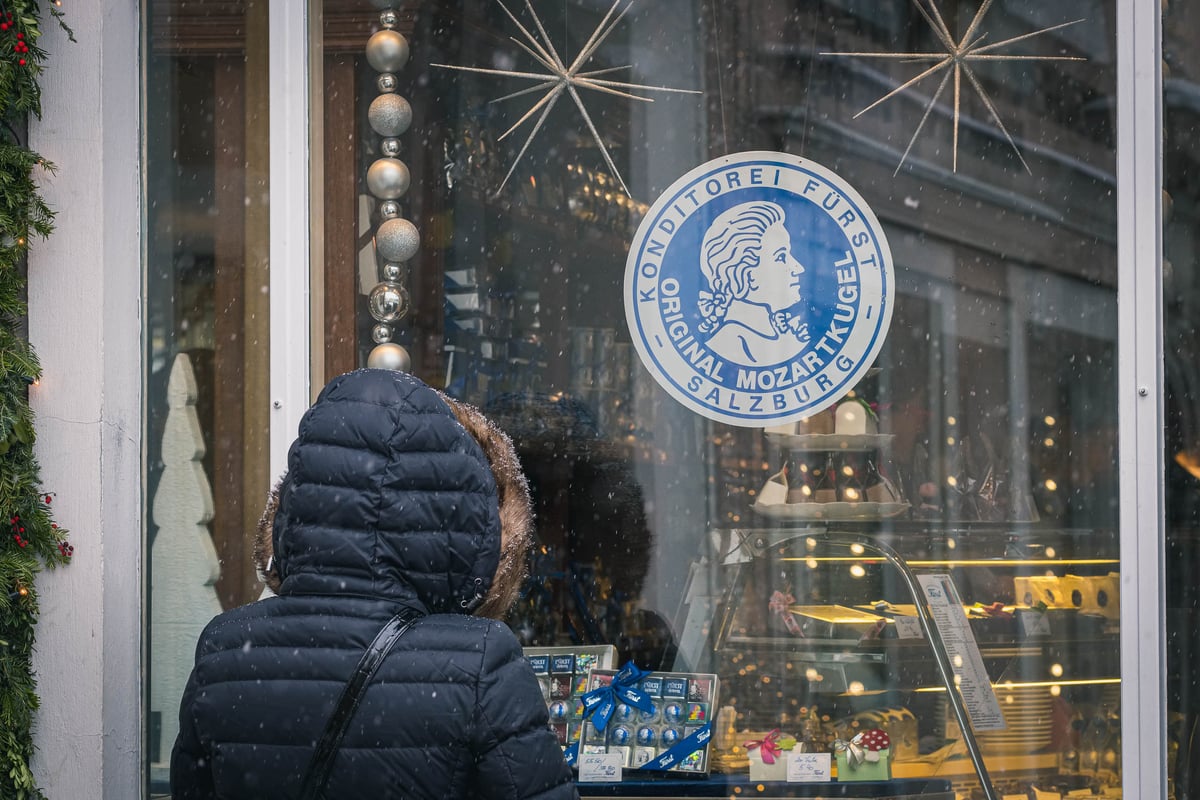
The distinction is worth knowing before you arrive. The Fürst Mozartkugel does not have the shelf life of the industrial version and is only sold at Konditorei Fürst’s own locations. Cafe Tomaselli also sells it. The connection to Mozart is marketing, but the product behind the name, the original one, is genuinely excellent.