Snapshot
Born in Salzburg in 1908. Died in Anif, just south of the city, in 1989. Between those two facts, Herbert von Karajan became one of the most powerful and most recorded figures in the history of classical music.
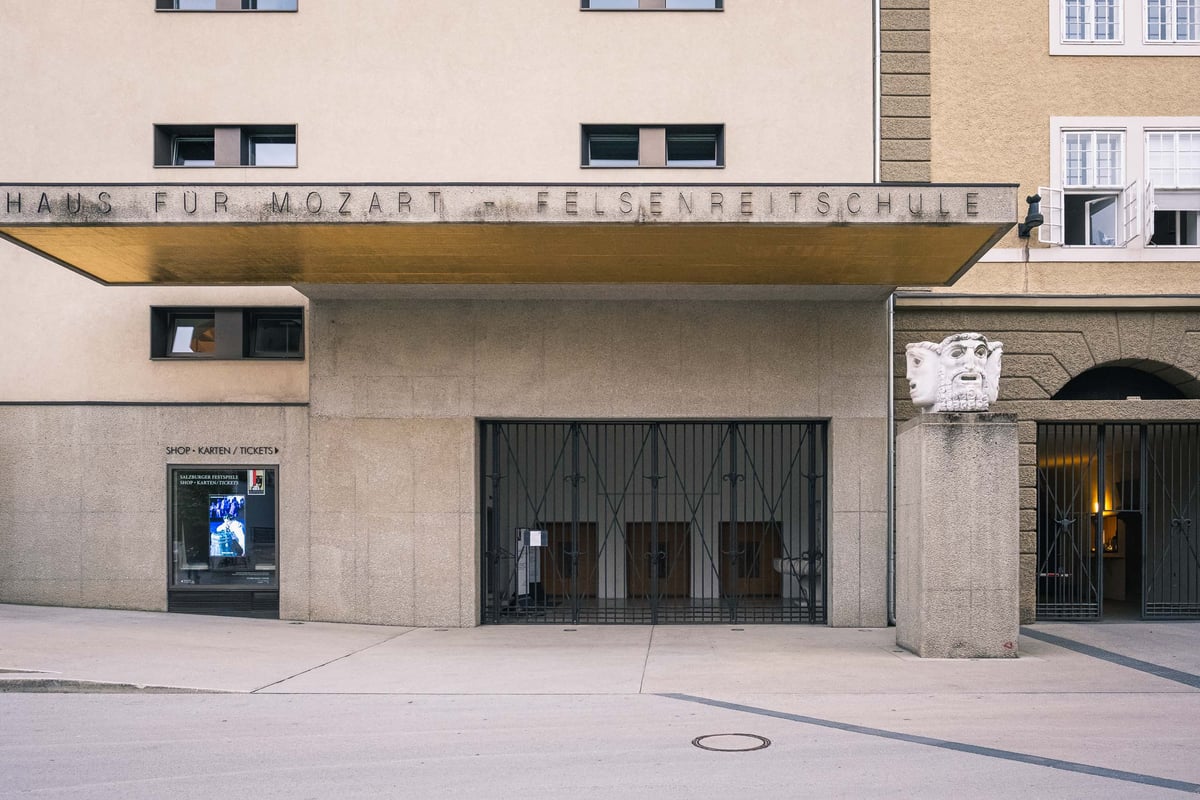
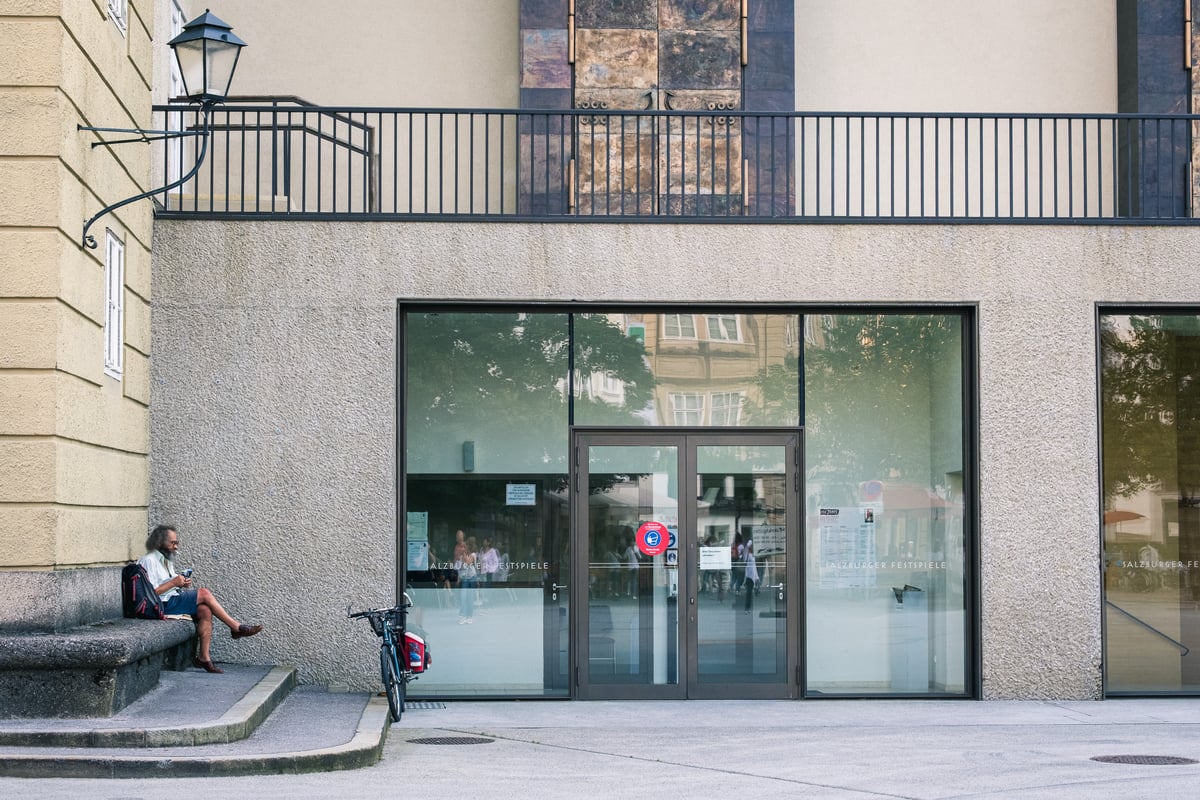
He served as artistic director of the Salzburg Festival from 1956 onward, shaping it into what it is today. He founded the Salzburg Easter Festival (Osterfestspiele) in 1967. The square in front of the Grosses Festspielhaus is named Herbert von Karajan Platz after him.
He also joined the Nazi Party twice: in 1933 in Salzburg, and again in 1935 in Aachen.
The Story
Karajan grew up in the old town, the son of a surgeon of Greek-Macedonian descent who ran the surgical department at St. Johann’s hospital for 32 years. He began piano lessons at the Mozarteum at age four. By his early twenties he was conducting professionally. He was appointed Kapellmeister in Aachen in 1934, his first major post.
He joined the Nazi Party in April 1933 in Salzburg. He joined again in 1935 in Aachen, where a separate German membership was required after he took the post there. His defenders have noted career pressure as a factor. The record is documented and undisputed.
After the war, the Allied denazification process initially banned him from conducting. The ban was lifted in 1947. He returned to Salzburg in 1948 with a production of Gluck that relaunched both his career and the festival’s postwar identity. His relationship with the Salzburg Festival deepened across the following decade until he became artistic director in 1956.
From that position, he ran the festival as a personal domain. He programmed the repertoire, chose the productions, and was closely involved in the design of the Grosses Festspielhaus, which opened in 1960. The acoustics of the hall reflect his preferences. His relationship with the festival leadership was contentious throughout, marked by clashes over artistic control and money, but his hold on the institution’s identity remained strong.
In 1967 he founded the Osterfestspiele, the Easter Festival, as a separate event he could control entirely. He brought the Berlin Philharmonic, with which he had a lifetime contract as chief conductor since 1956, and the first programme centred on Wagner’s Die Walküre. The festival has continued since his death.
He worked with the greatest singers of the postwar era. His Lucia di Lammermoor with Maria Callas, a La Scala production he took to Berlin in 1955 and Vienna in 1956, is considered one of the landmark artistic partnerships of the 20th century.
He was one of the most recorded conductors in history. His discography with the Berlin Philharmonic and the Vienna Philharmonic runs to hundreds of releases. Critics have argued about the nature of his greatness for decades. No one has argued he was not great.
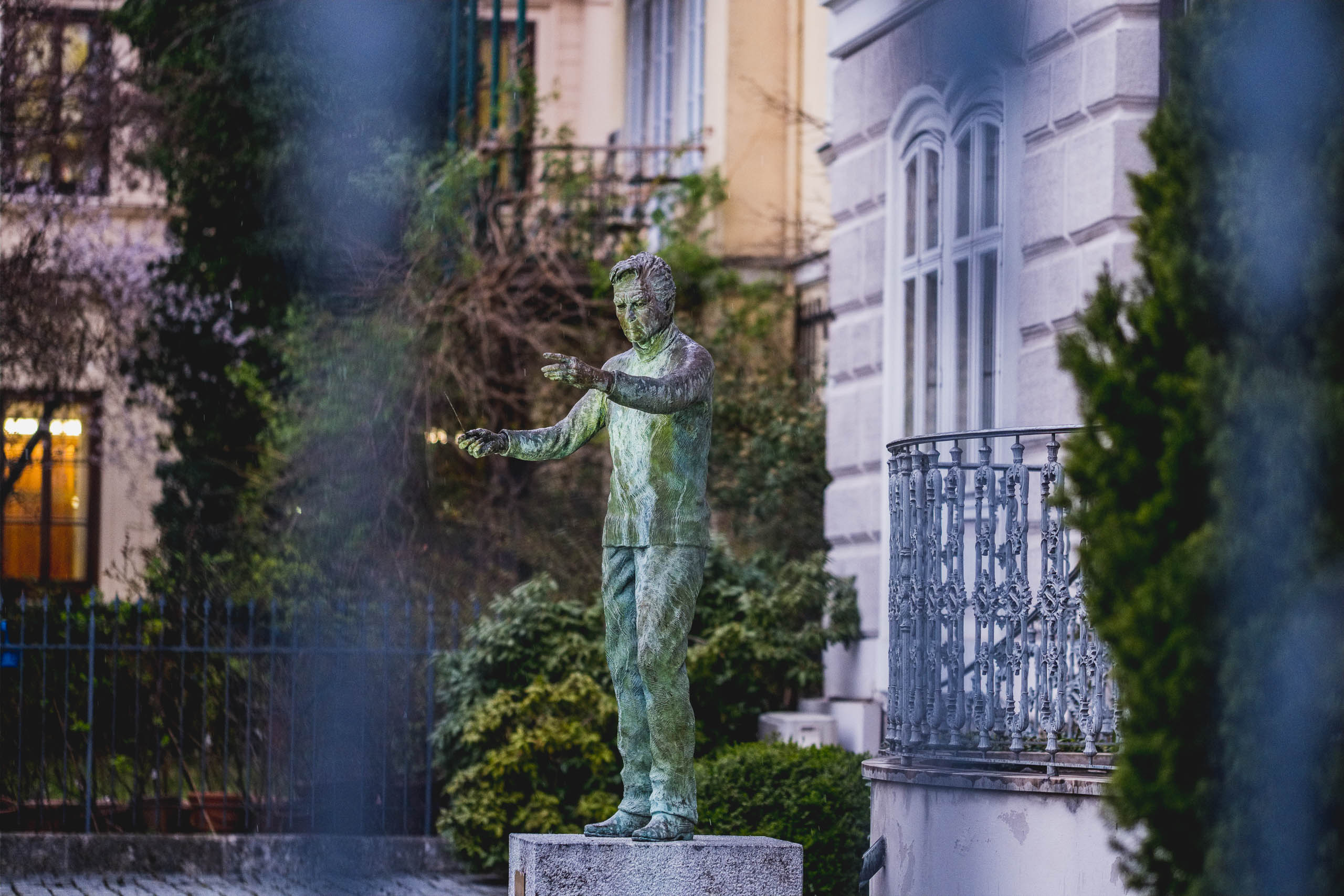
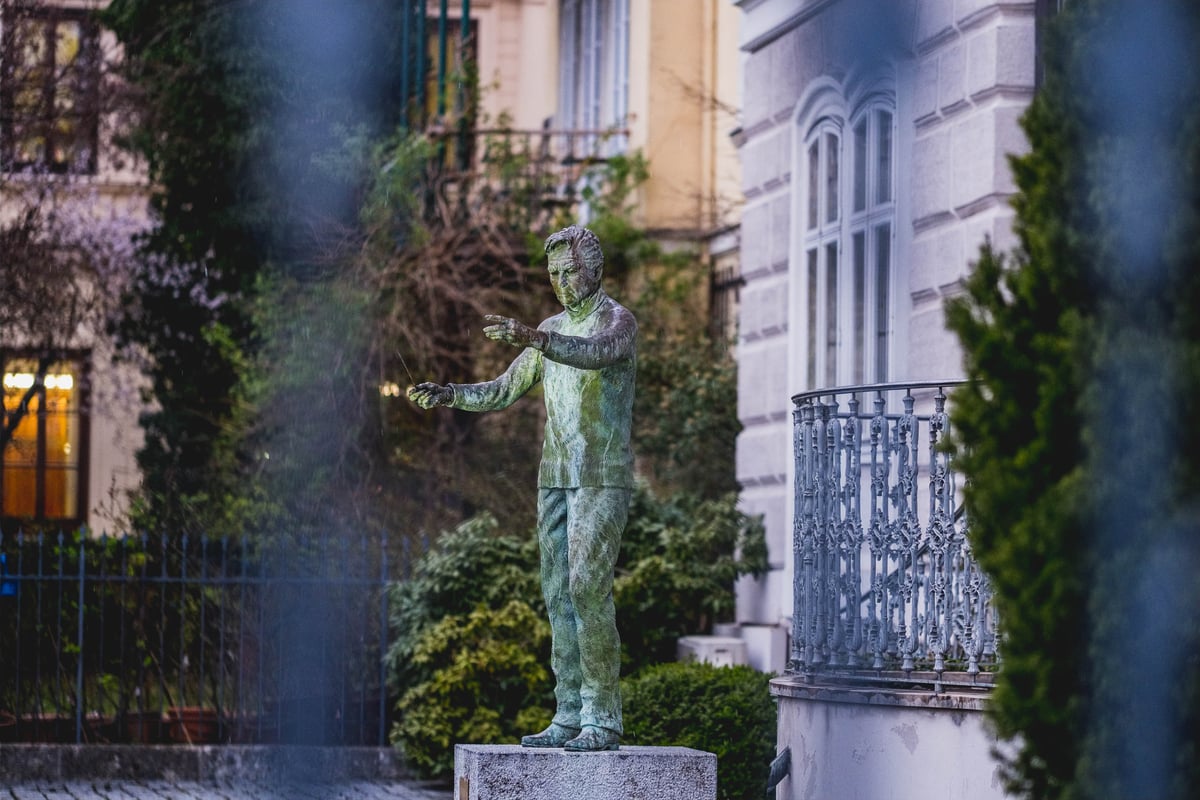
He died at his home in Anif on 16 July 1989. The square outside the Grosses Festspielhaus was named after him. A statue stands in front of his childhood home on Elisabethkai.