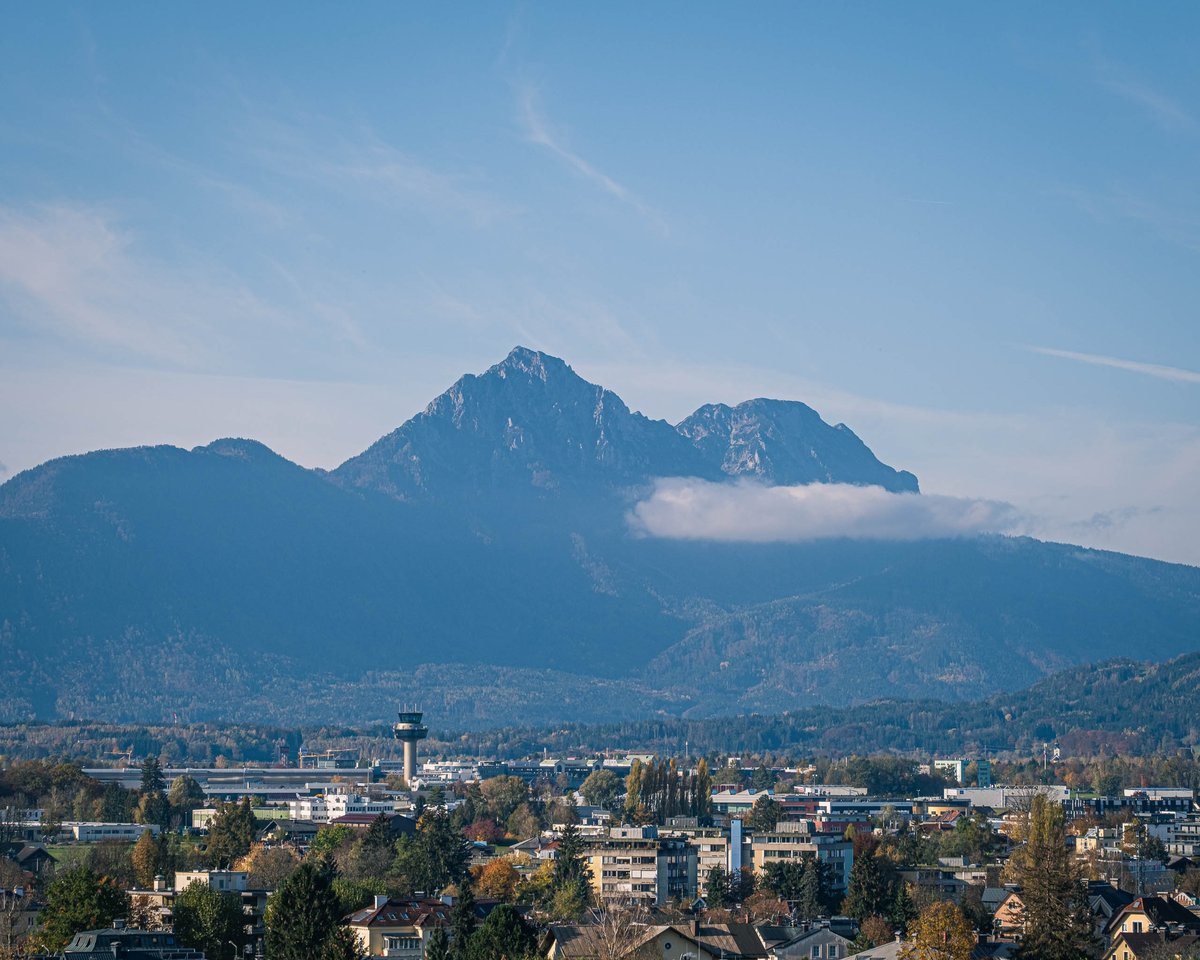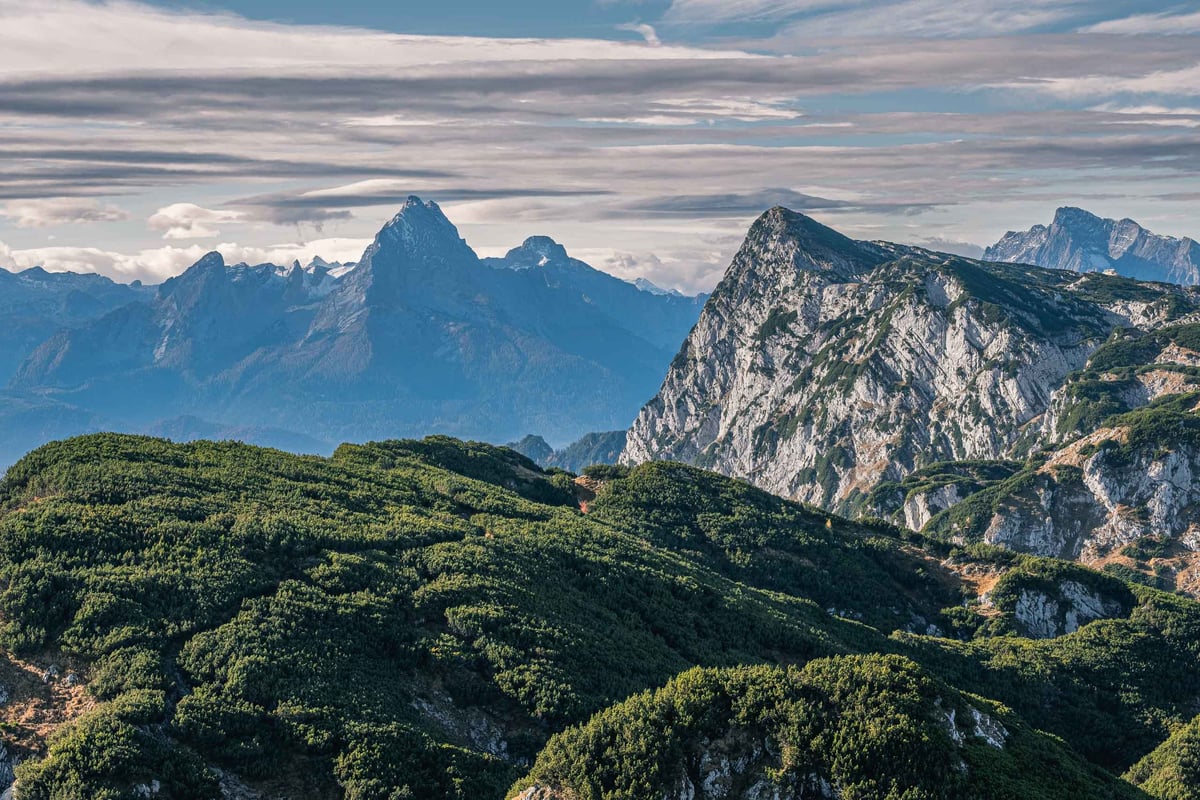
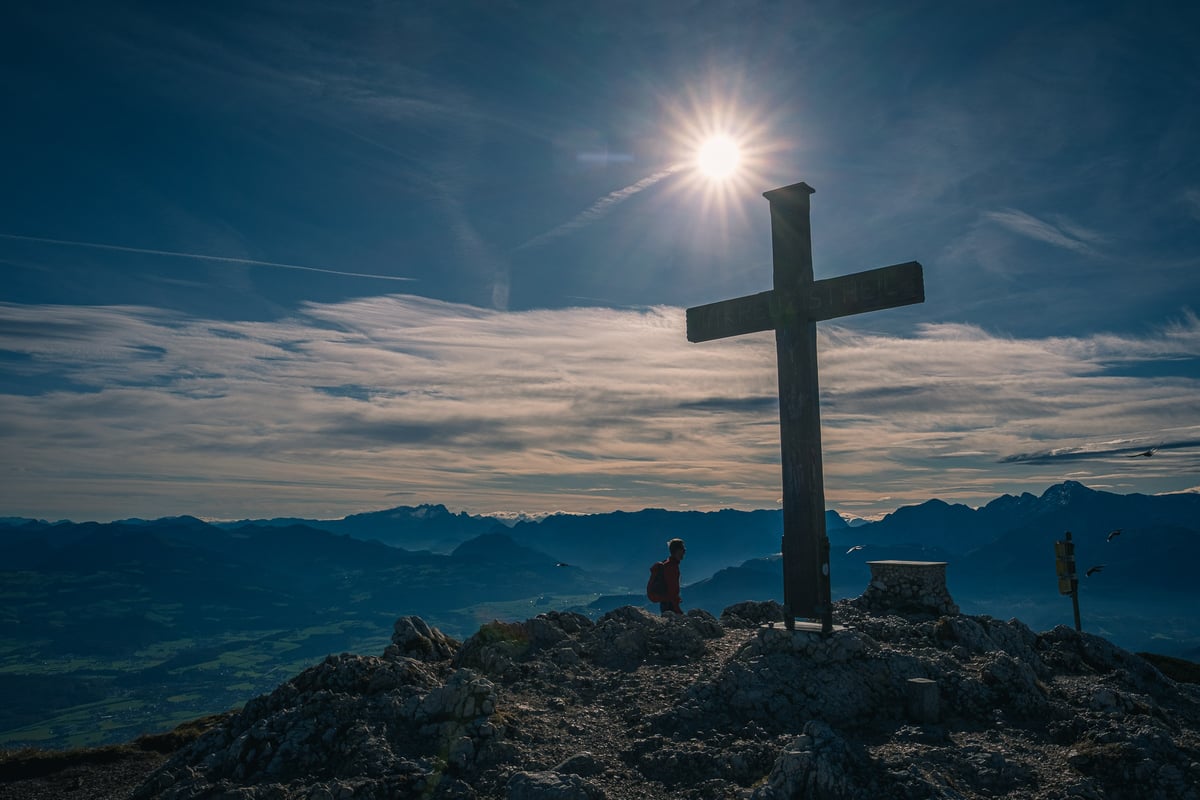
Berchtesgadener Hochthron
The highest point of the Untersberg at 1,972 m, on the Bavarian side. Accessible only on foot. 360-degree summit view over the Berchtesgaden and Salzburg Alps. Reserved for those willing to earn it.
Place type
19 entries tagged Mountain on Introducing Salzburg.
The highest point of the Untersberg at 1,972 m, on the Bavarian side. Accessible only on foot. 360-degree summit view over the Berchtesgaden and Salzburg Alps. Reserved for those willing to earn it.
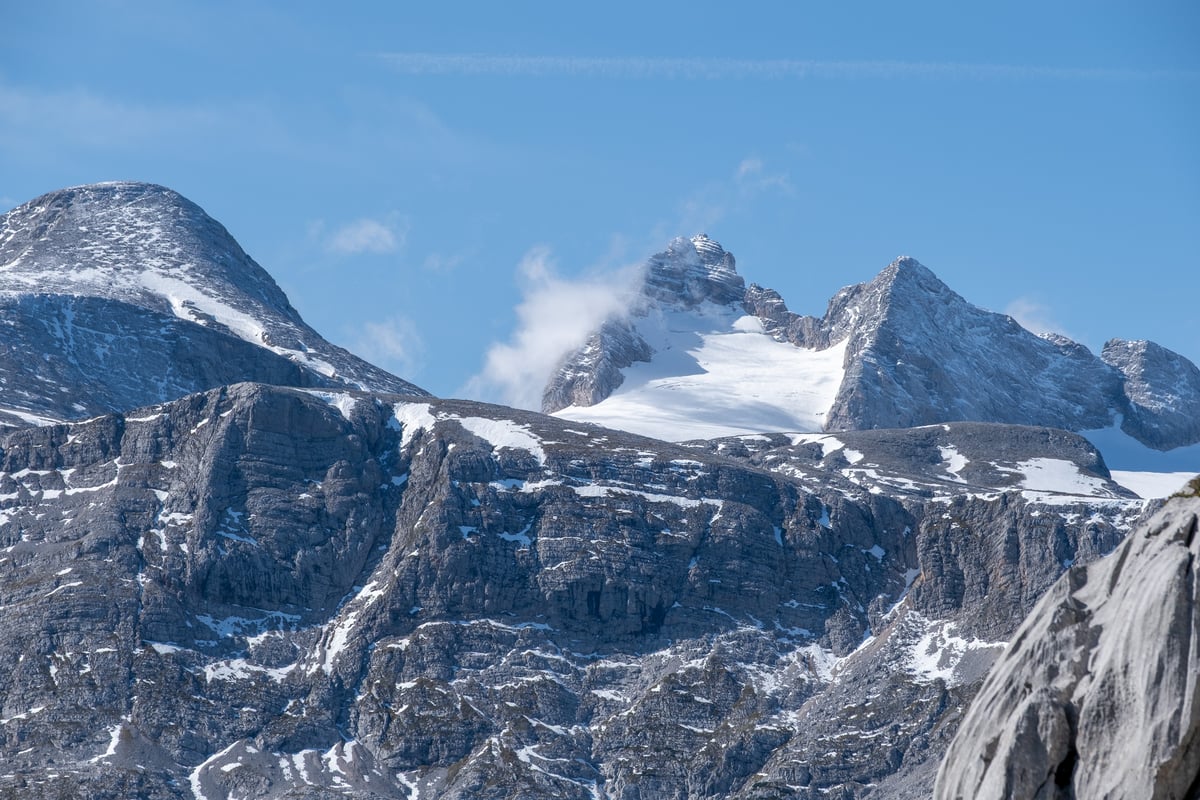
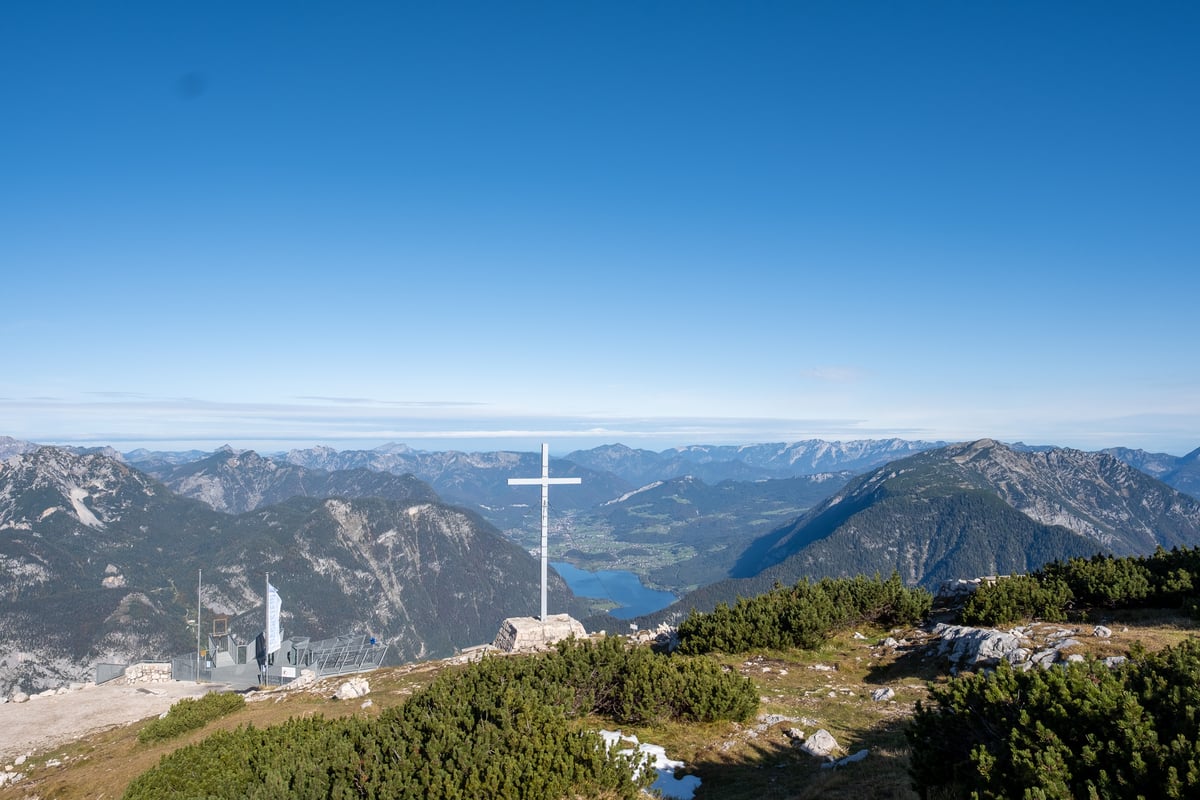
The limestone massif on the tripoint of Salzburg, Upper Austria, and Styria. Rising to 2,995 m. Ice caves, glacier, and the famous "Five Fingers" viewing platform cantilevered over a 400 m drop above Hallstatt.
The Dachstein Krippenstein cable car lifts visitors from Obertraun, at the shore of the Hallstättersee, to the summit plateau at 2,108 meters.
A compact rocky peak directly above Fuschl am See. Summit achievable in under an hour. Suitable for children. Fuschlsee view arrives suddenly at the top. Accessible by bus from Salzburg (150 line, every 30 minutes). Near-perfect half-day mountain.
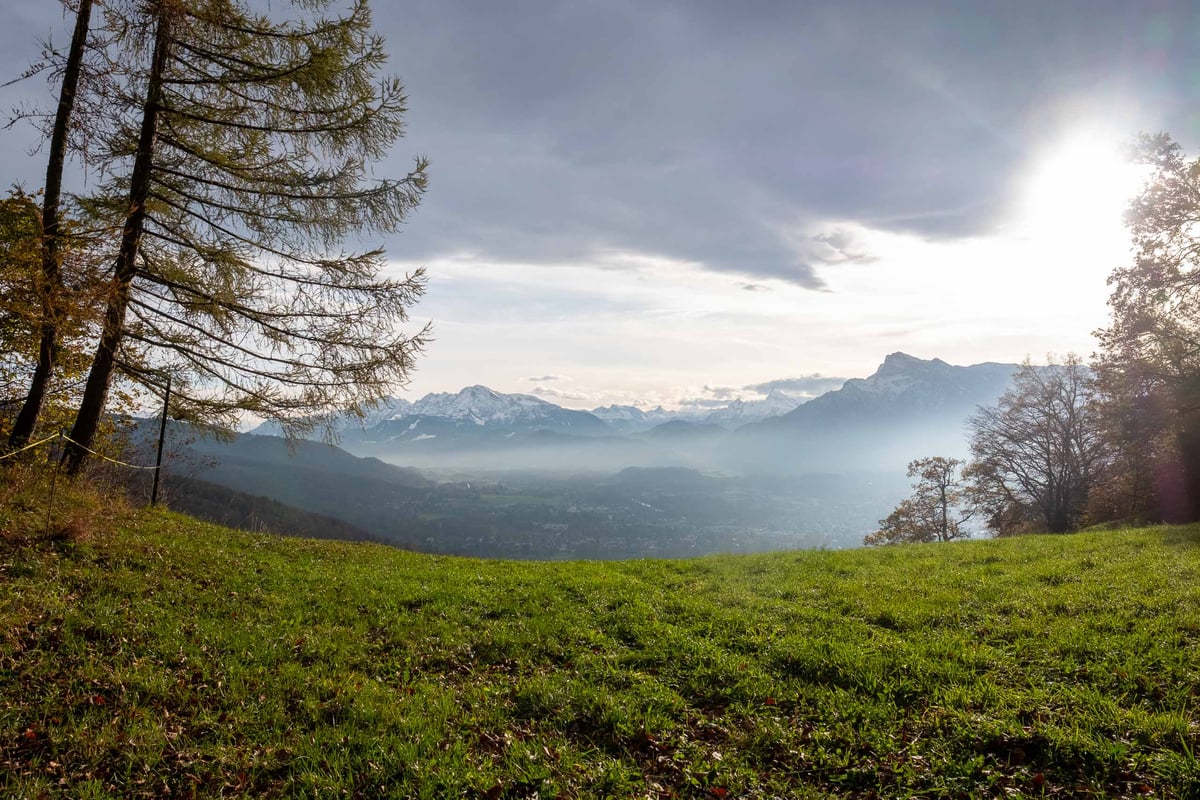
The prominent hill east of Salzburg, rising to 1,287 m. Famous for the annual Gaisbergrennen hillclimb race. The summit offers perhaps the broadest view over Salzburg.
The great limestone massif of the Pongau, rising to 2,941 m. Highest point in the Berchtesgaden Alps. Multi-day circular hiking trail around the massif is among the finest long-distance walks in the Austrian Alps.
A 1,874 m peak above the Königssee, reachable by cable car. Königssee spread directly below, Watzmann to the north. Natural complement to a Königssee boat trip. The view justifies the cable car fare unambiguously.
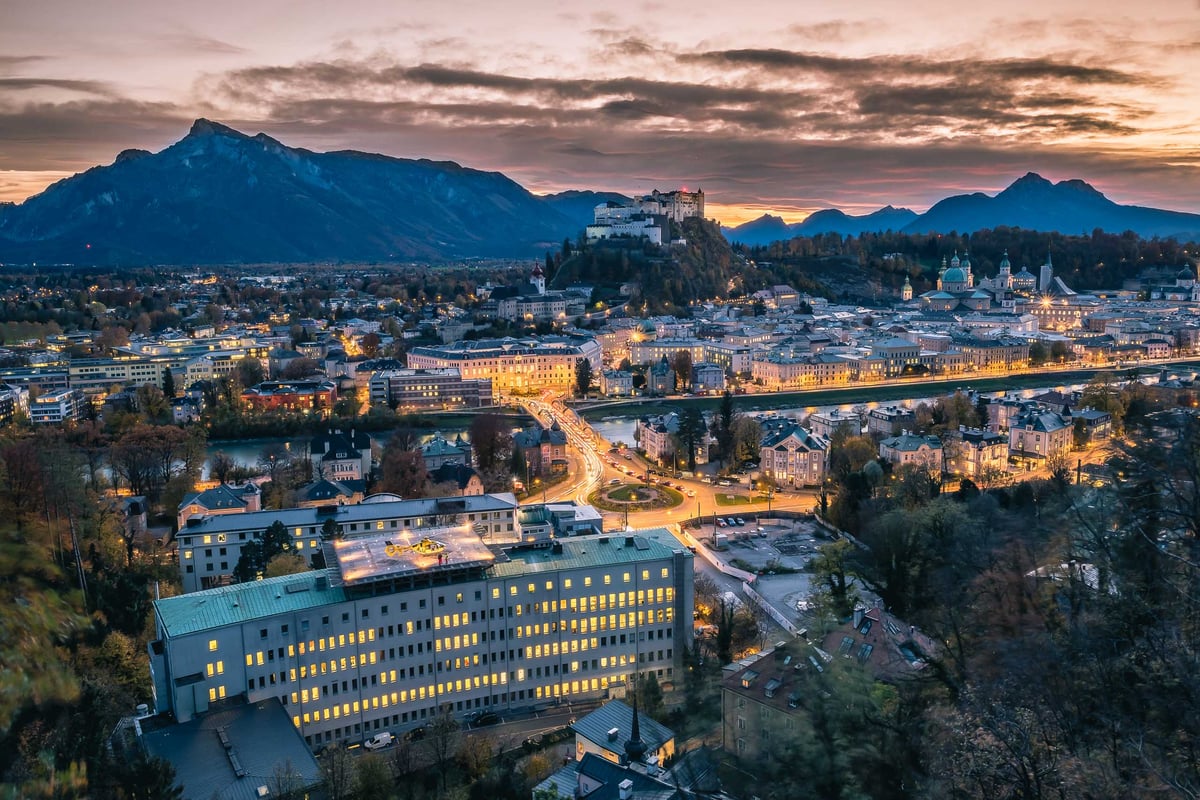
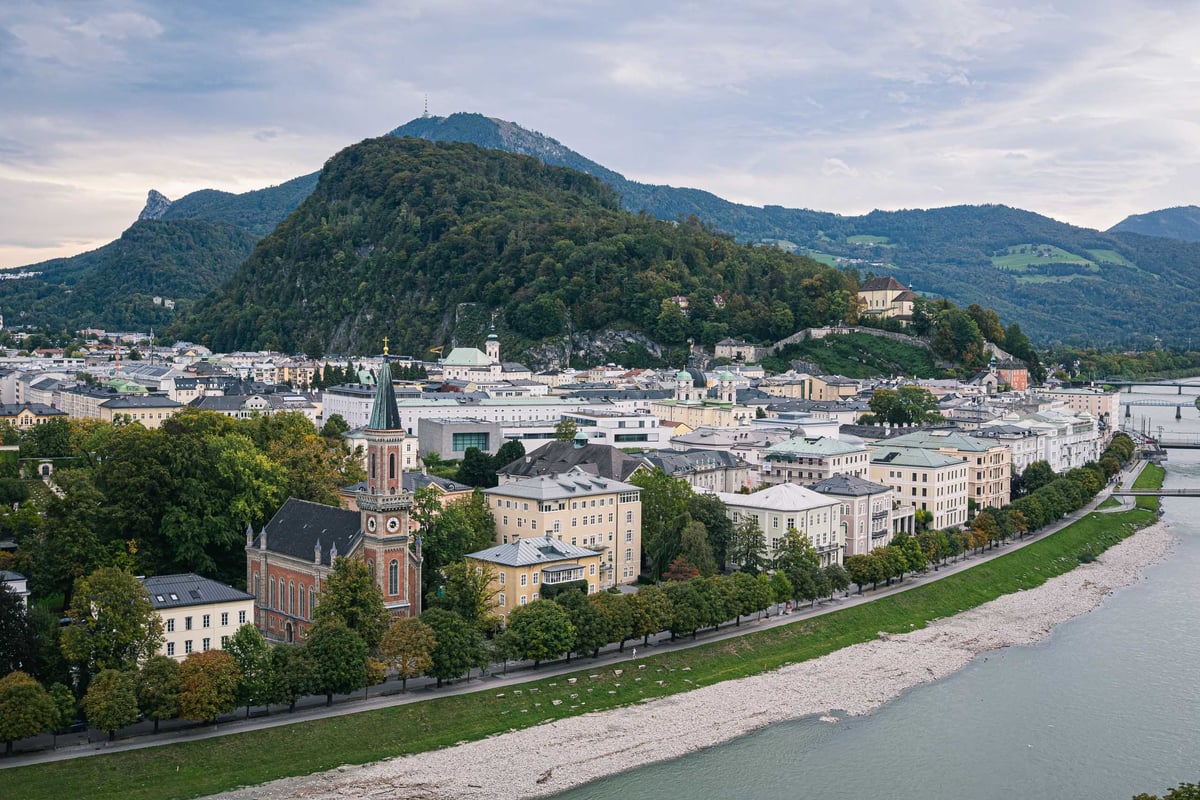
The Kapuzinerberg is Salzburg's right-bank wooded hill, directly across the Salzach from the Altstadt, and the best panoramic viewpoint in the city for visitors willing to walk 15 minutes uphill.
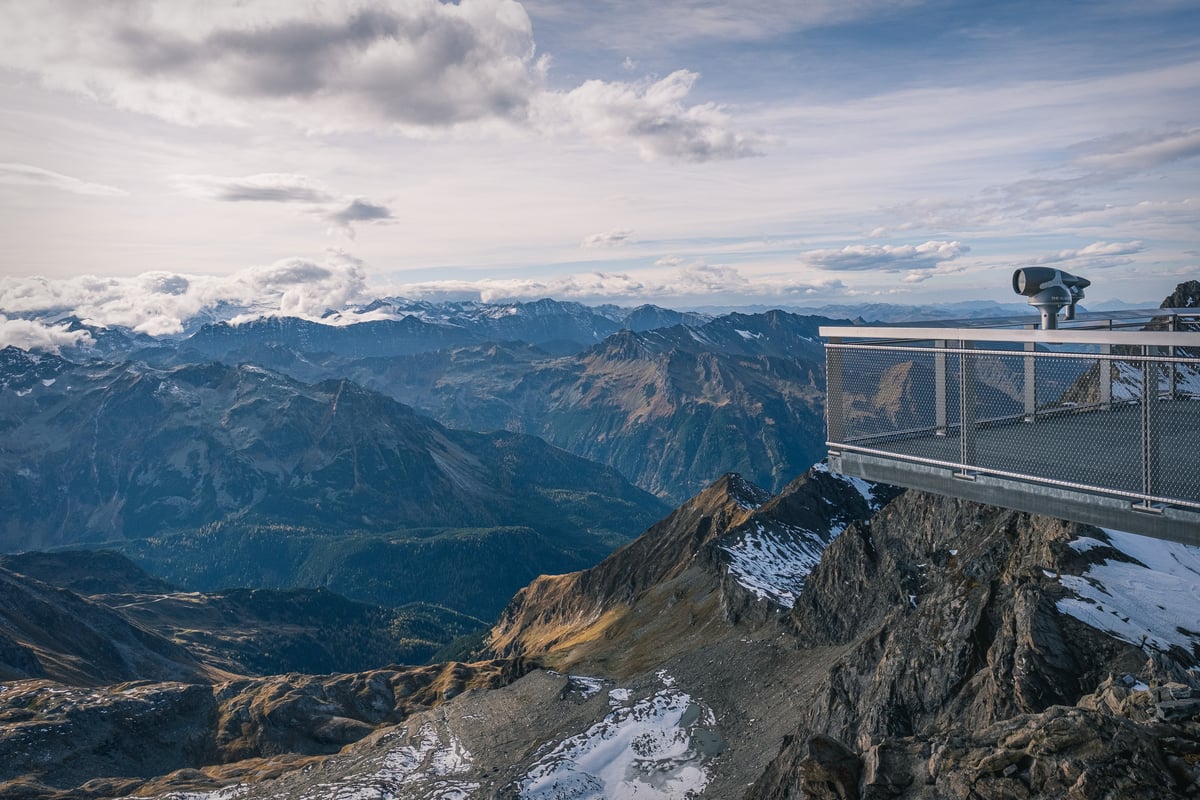
A glacier ski area with year-round snow, reached by a three-stage cable car from Kaprun. The Top of Salzburg platform at 3,029 meters is the highest accessible point in the Salzburg region. The National Park Gallery inside the mountain and the Ice Arena are additional attractions. Snow-sure skiing from October through June.
The prominent cliff-faced hill on the western edge of the Altstadt, rising directly above the city. Topped by the Museum der Moderne Monchsberg and criss-crossed with walking paths. The cliff face forms the backdrop of Stift St. Peter, the Felsenreitschule, and the Grosses Festspielhaus.
The Nockstein at 1,042 meters is a rounded summit on the border between Salzburg city territory and the Fuschlsee region, one of the most popular short hikes from the Salzburg area.
The Postalm is the largest alpine pasture (Alm) plateau in Austria, stretching at around 1,200 meters between Abtenau in the Lammertal valley and Strobl on the Wolfgangsee.
A small rocky hill on the southwestern edge of the city. Less visited than Mönchsberg and Kapuzinerberg, but the summit offers an unusual angle on Hohensalzburg Fortress from the west.
A 1,783 m mountain above St. Wolfgang on the Wolfgangsee. One of the most celebrated panoramic views in the Salzkammergut: 13 lakes on a clear day. Reachable on foot (3-4 hours) or by the historic Schafbergbahn steam cog railway.
The Schober is a 1,328-meter summit east of Mondsee in the Salzkammergut, offering one of the best combined panoramas of Mondsee and Attersee from a single high point. The two lakes are separated by a ridge, and the Schober summit sits high enough above that ridge to show both basins simultaneously.
The Steinernes Meer (Stone Sea) is one of the most extreme high-altitude plateaus in the Eastern Alps, a 40-square-kilometer limestone karst plain sitting above 2,000 meters on the border between Salzburg and Bavaria. There are no trails here in the usual sense.
According to one of the oldest legends in the German-speaking world, Charlemagne sleeps inside the Untersberg at a marble table. When his beard grows three times around the table, a final battle will be fought at the plain below Salzburg. In an alternate version, it is Frederick Barbarossa who sleeps there.
The Watzmann is the third-highest mountain in Germany at 2,713 meters, sitting directly on the Salzburg-Bavaria border and dominating the Berchtesgaden landscape so completely that it is visible from the outskirts of Salzburg on a clear day.
The 1,522 m mountain behind St. Gilgen on the Wolfgangsee. Accessible by cable car. Summit panorama over thirteen Salzkammergut lakes on a clear day. Far less visited than comparable mountain stations elsewhere.