Snapshot
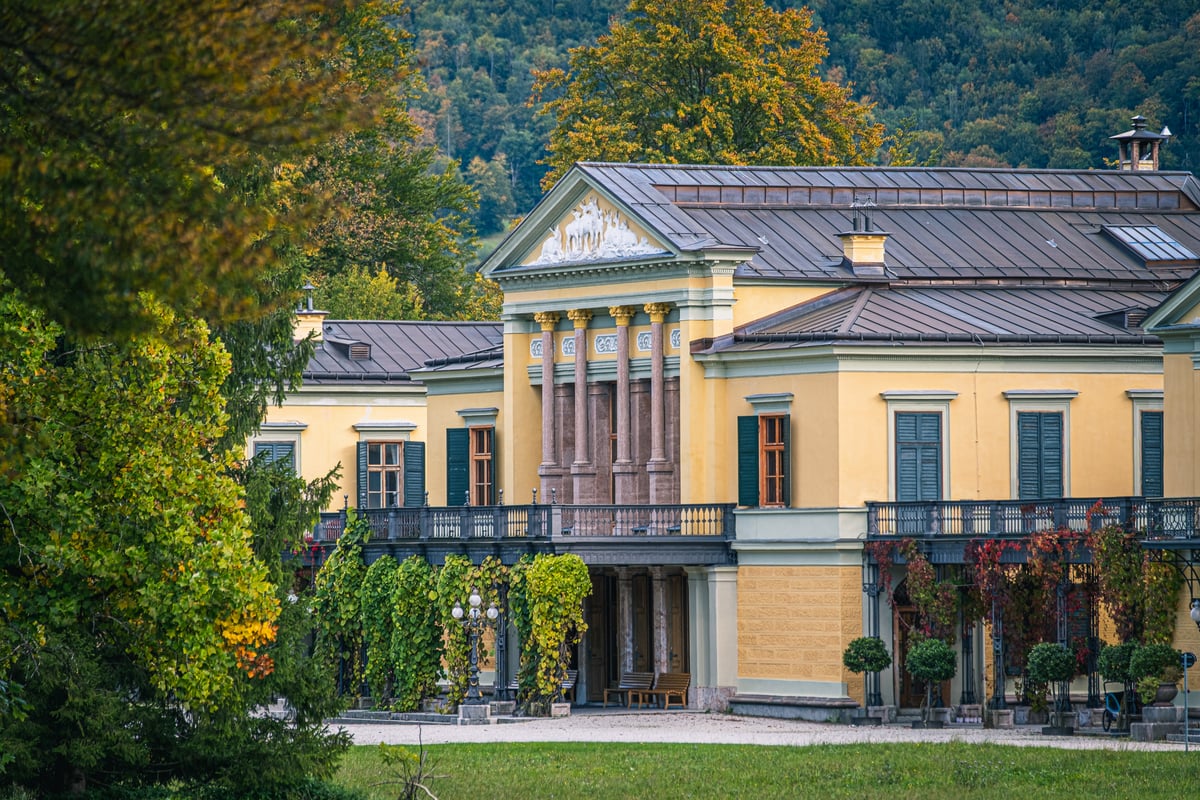
The spa town where the six-centuries Habsburg dynasty chose to spend its summers for 60 years, and where Franz Joseph signed the declaration of war in 1914. The Kaiservilla is still owned by the Habsburg-Lorraine family.
The Story
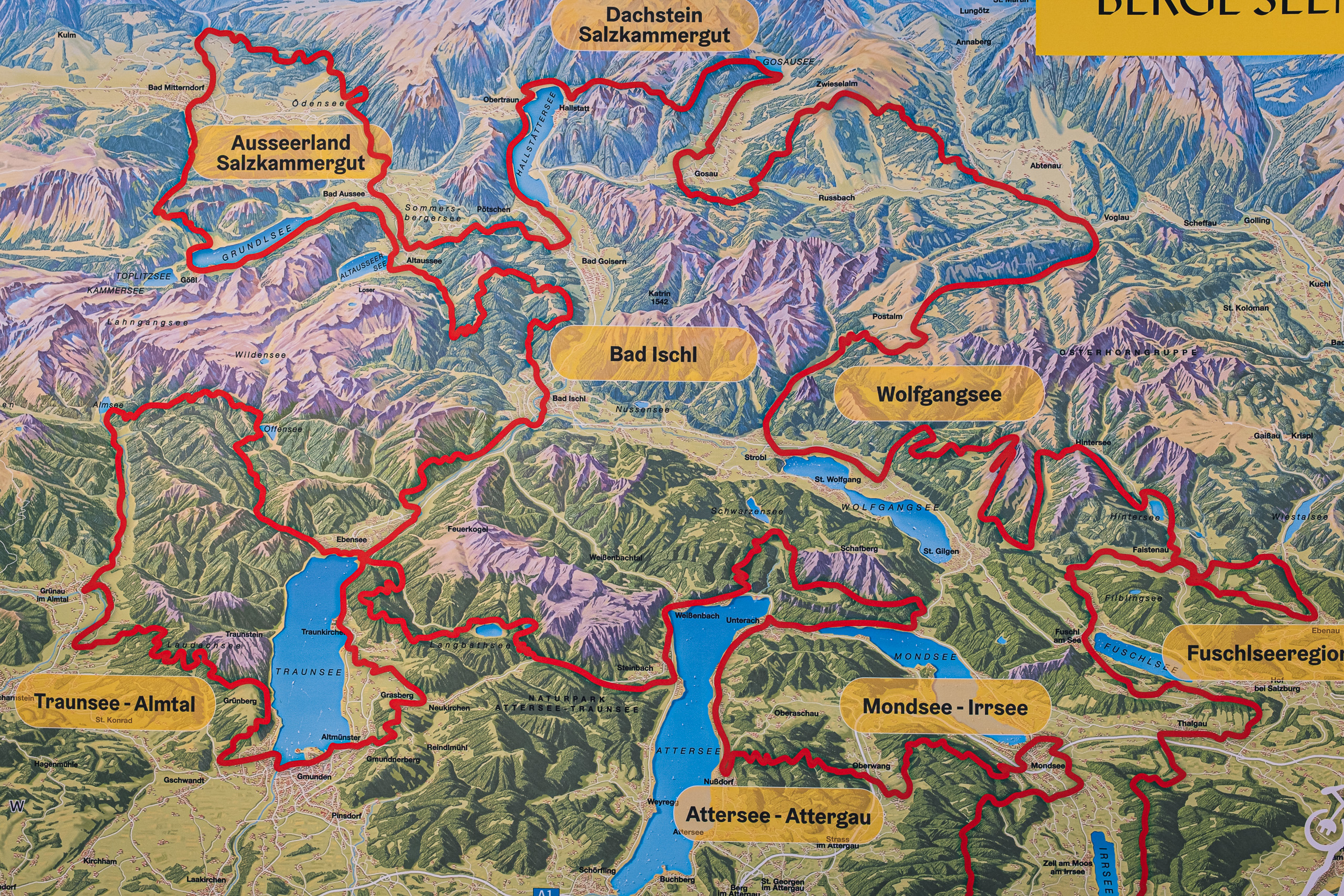
Bad Ischl earned its imperial reputation through salt and brine. The town sits at the receiving end of a 400-year-old brine pipeline that carries salt water from the mines above Hallstatt down through the Salzkammergut valley. In 1823, those brine springs were opened as a therapeutic bath. Archduchess Sophie of Bavaria came to take the cure and credited it with enabling the birth of her son, the future Emperor. The name stuck.
Emperor Franz Joseph I began spending summers at the Kaiservilla as a child and continued doing so for the rest of his life, for 60 years in total. The villa, a gift from his mother, was expanded to an E-shaped plan as a tribute to his wife Empress Elisabeth Sisi, to whom he became engaged here in 1853. Inside the villa, 2,000 antlers from the emperor’s hunts line the walls alongside his desk, where on 28 July 1914 he signed the declaration of war against Serbia that triggered the First World War. The villa remains in Habsburg-Lorraine family hands and is the only former imperial palace still privately owned but open to visitors.
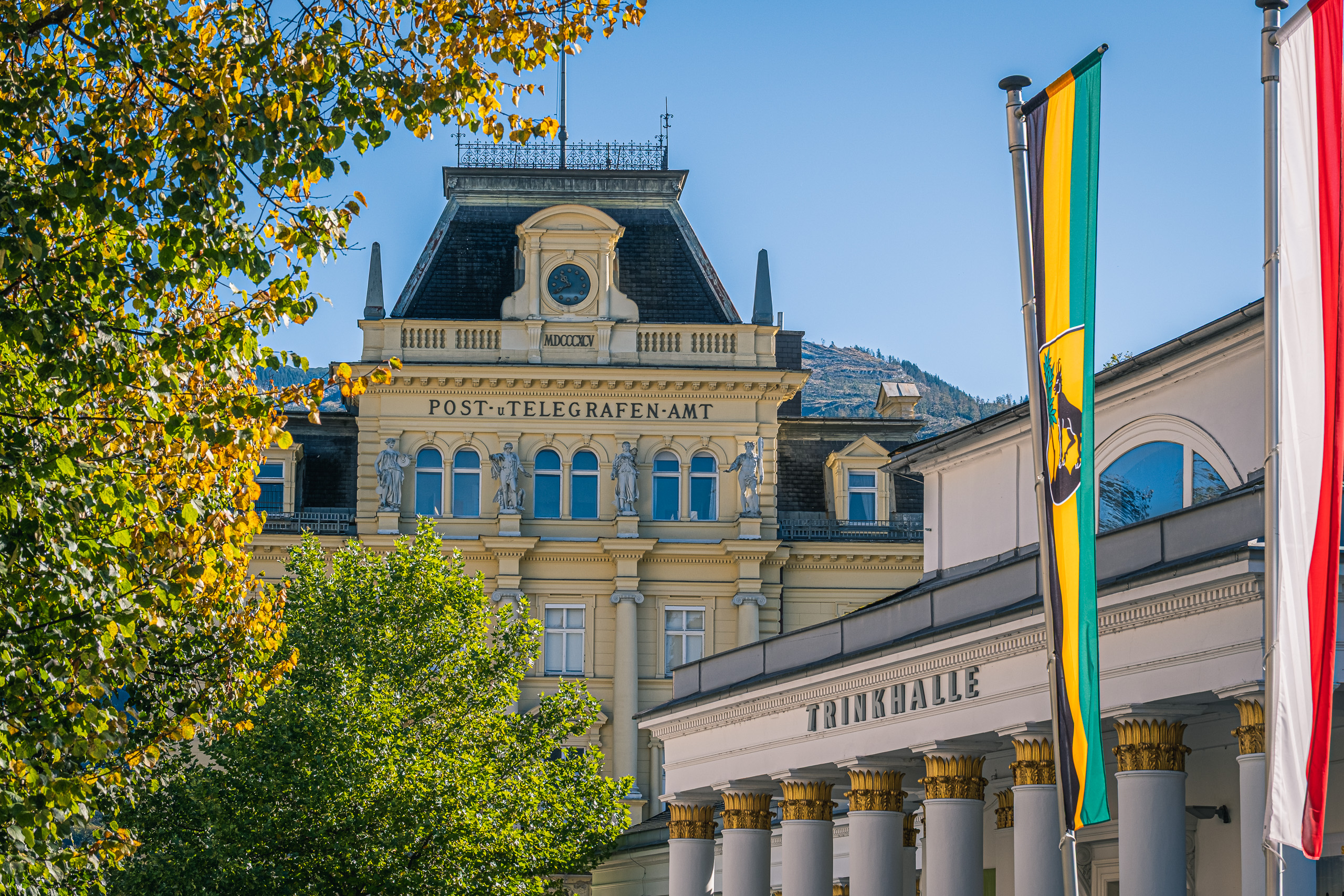
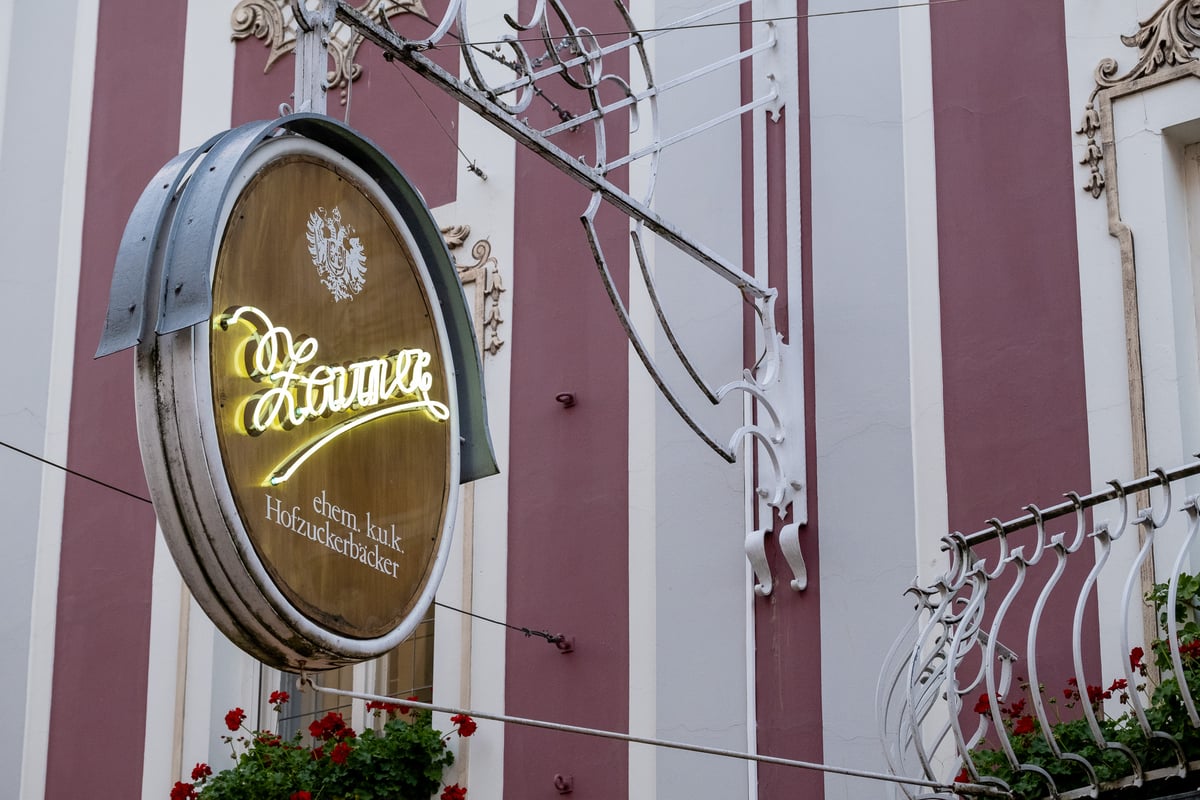
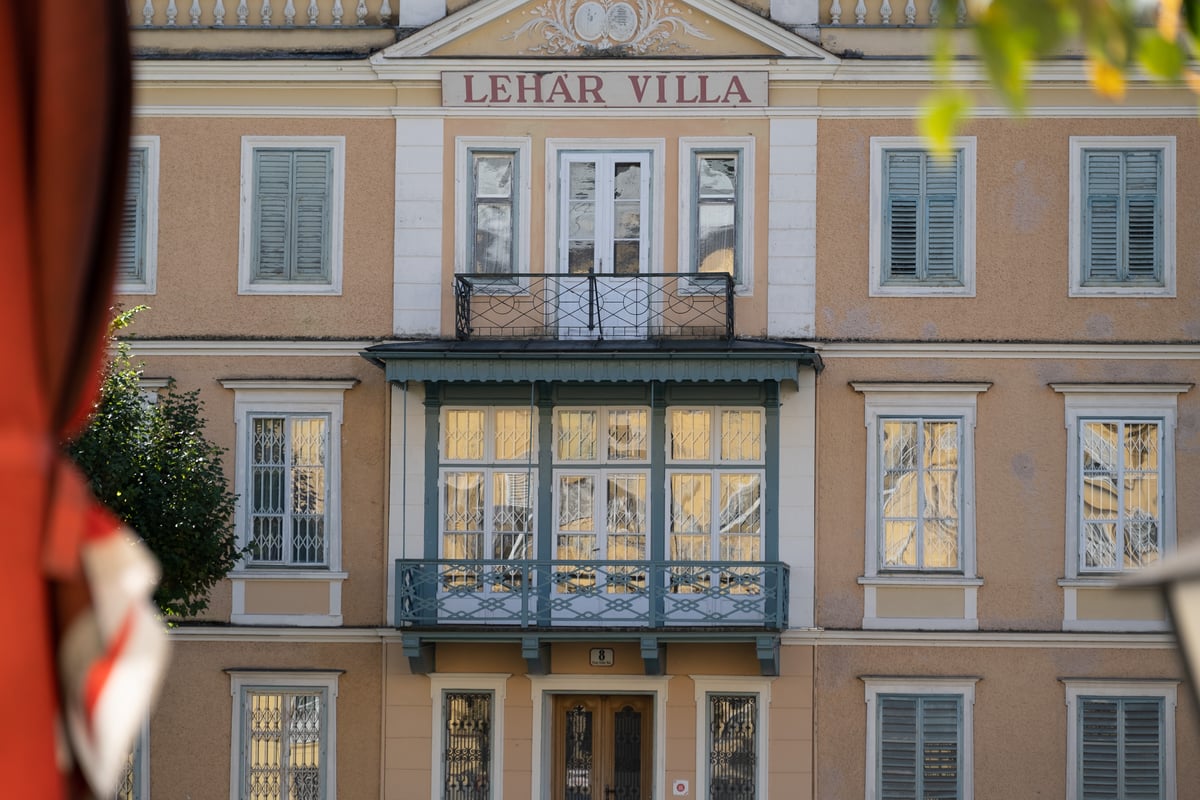
The musical legacy runs parallel. Franz Lehar owned a villa in Bad Ischl from 1910 until his death in 1948 and composed much of his operetta work there. The annual Lehár Festival fills the renovated Kongress & TheaterHaus each summer. Johannes Brahms spent sixteen consecutive summers in the town. The Kurpark, the Trinkhalle with its classical colonnade, and the Konditorei Zauner pastry shop complete the picture of what imperial resort culture looked like at its peak. In 2024, Bad Ischl became European Capital of Culture, the first spa town to hold the designation.
Planning
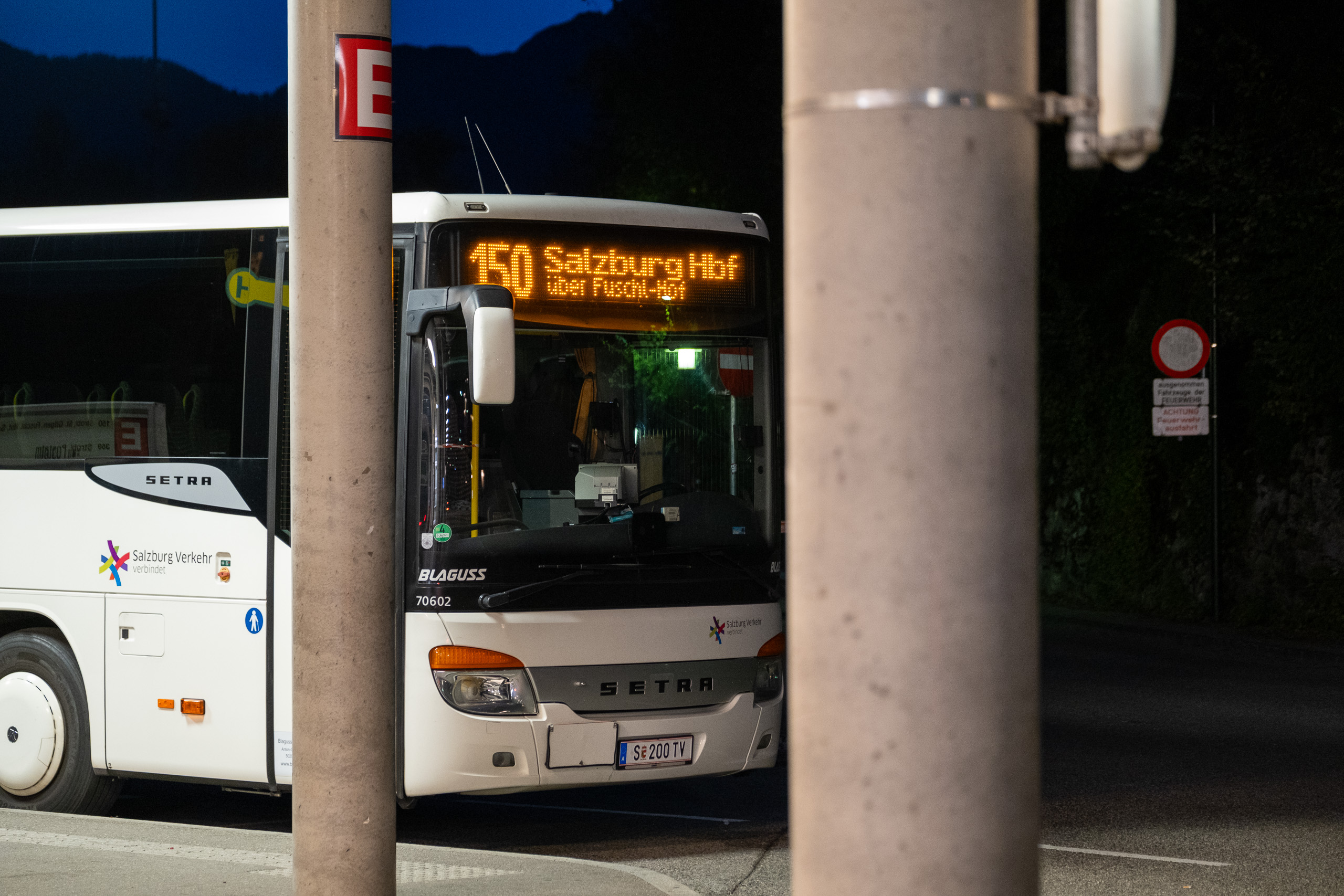
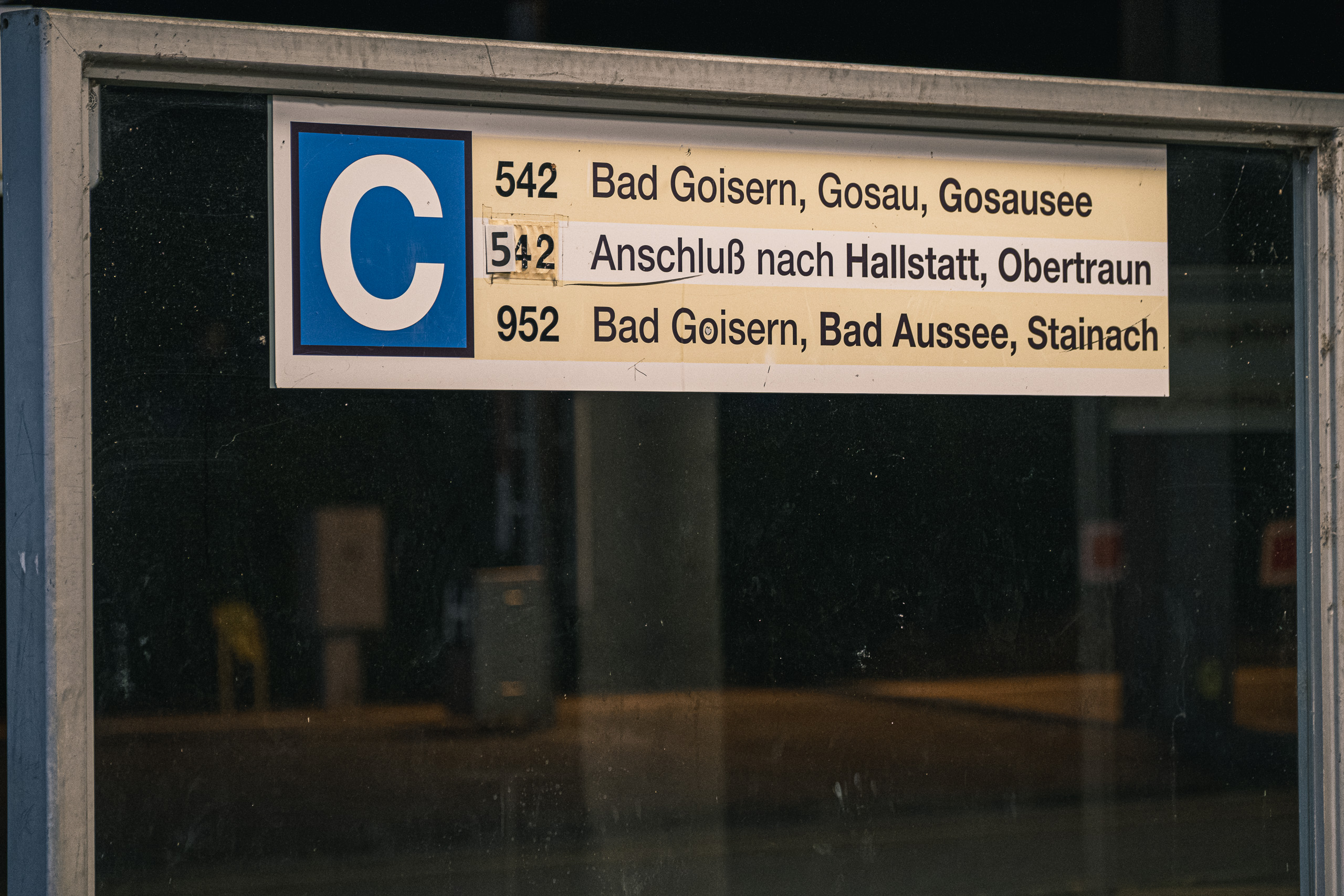
Bad Ischl is 55 km southeast of Salzburg, about 50 minutes by car on the B158 through the Salzkammergut. By public transport, take the bus from Salzburg Hauptbahnhof toward Bad Ischl, roughly 1 hour 20 minutes. A half-day covers the Kaiservilla, the Trinkhalle, and the market square. The villa is open daily except Mondays, 9 am to 6 pm. Combine with Hallstatt (30 km south) or St Gilgen (25 km northwest) for a full day loop. The Lehár Festival runs July through August. Early summer is the quietest season before festival crowds arrive.