Snapshot
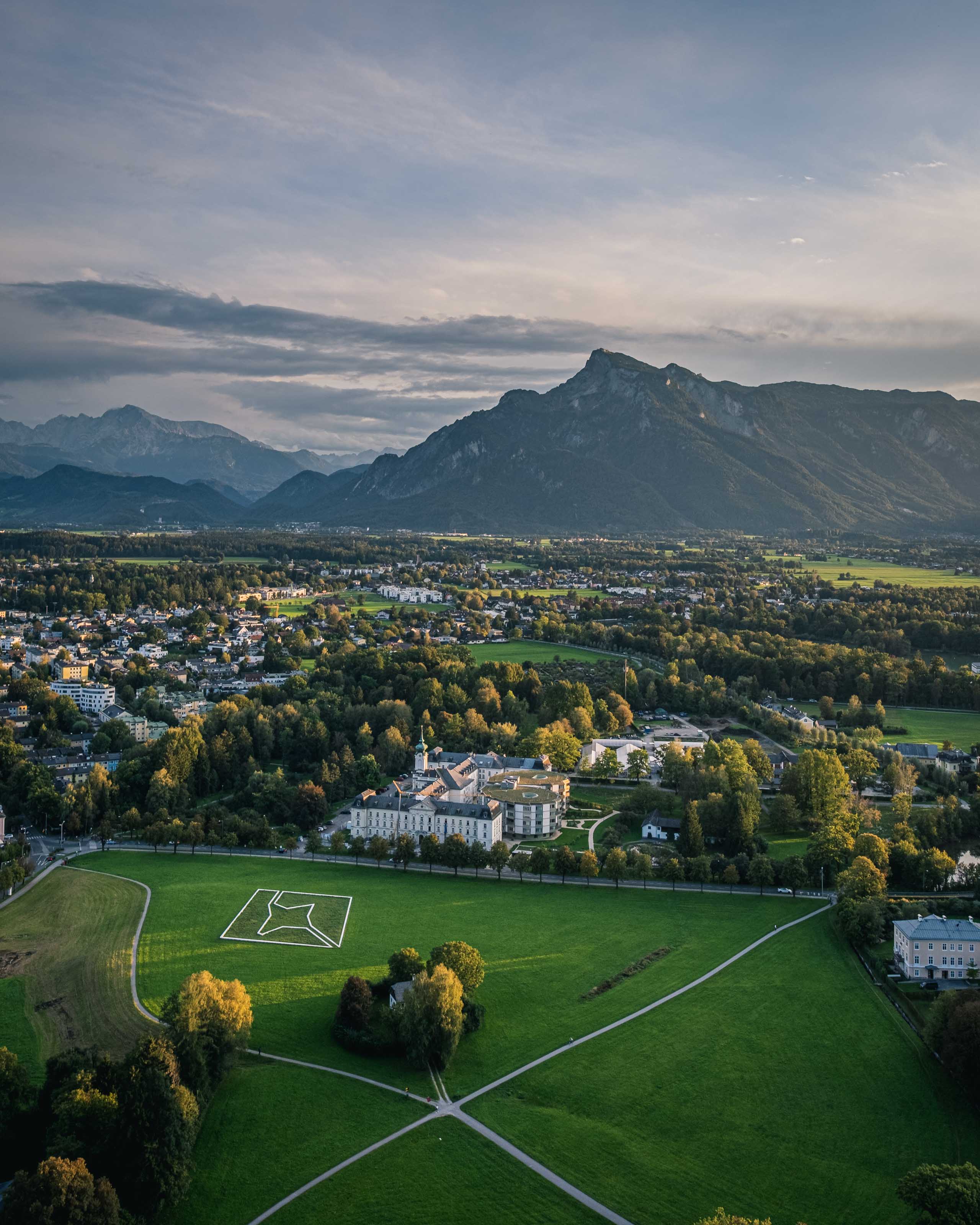
Nonntal is the valley district at the foot of the Nonnberg, the rocky hill that has held a convent since the eighth century. Quiet and primarily residential, it is also one of the most historically dense addresses in Salzburg: a Roman villa with mosaic floors, two baroque churches, an ancient abbey where the real Maria once lived, and the manor house that The Sound of Music used as the von Trapp family home.
The Story
Saint Erentrudis established the community on the Nonnberg around 714 AD. Nonnberg Abbey has been in continuous use since, making it the oldest such institution in the German-speaking world. The abbey church, rebuilt after a fire in 1423, holds a late-Gothic winged altar and a crypt with free-standing columns. The nuns still chant the daily offices, and the 6:45 am choir is audible from the path below.
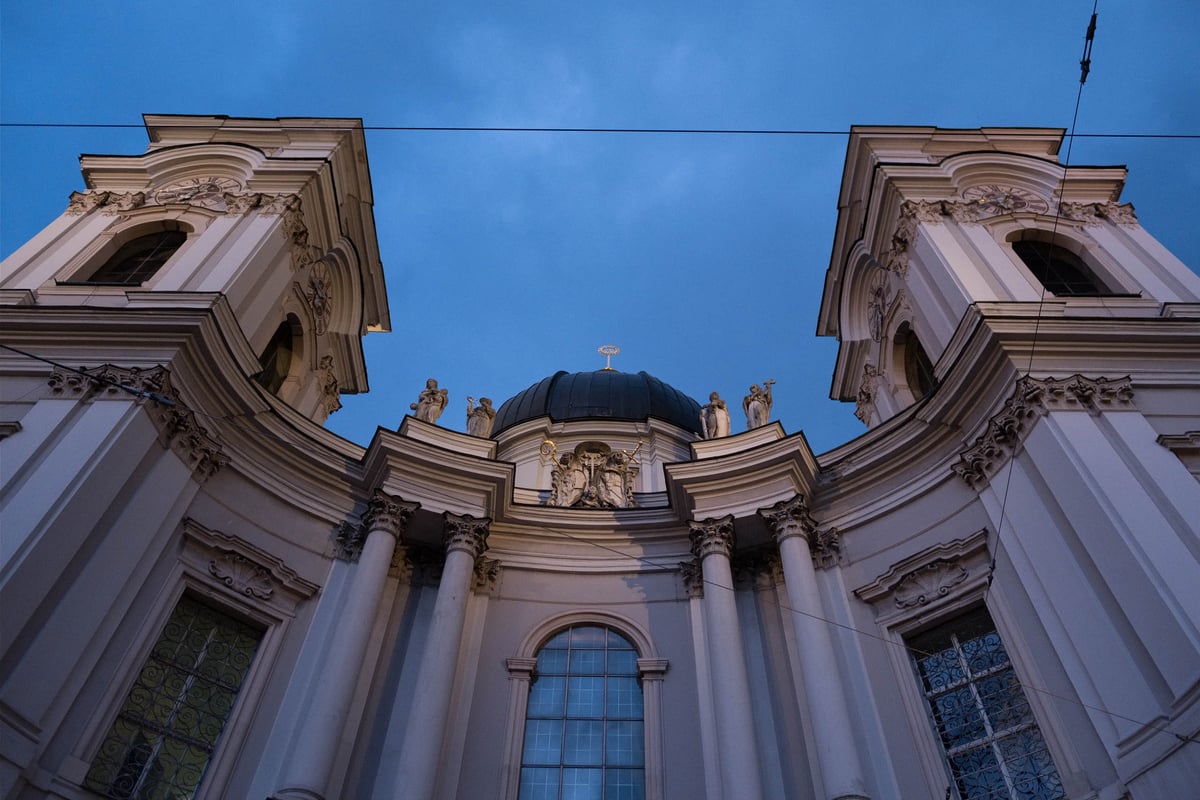
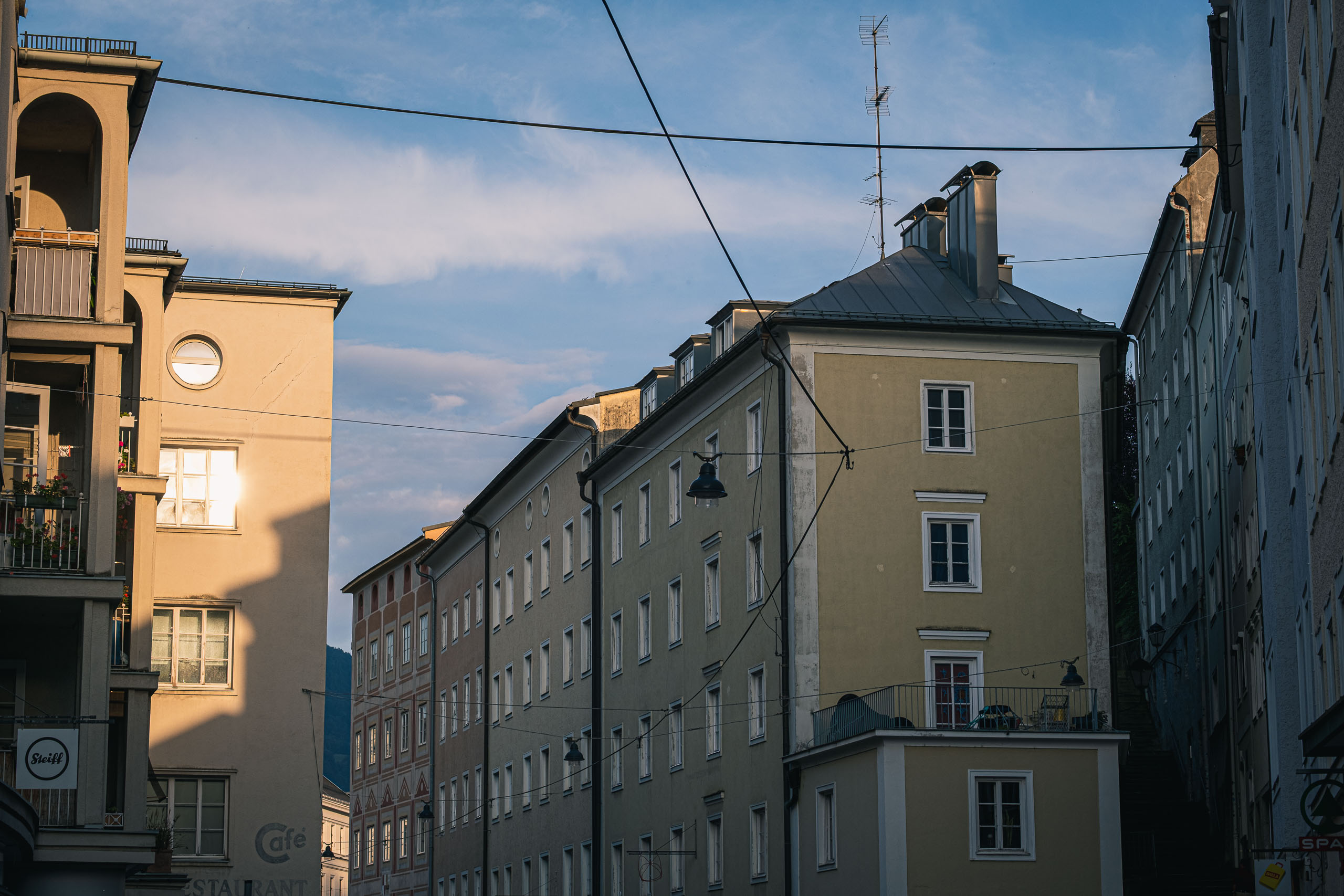
At the foot of the hill, Nonntal grew as the secular community that supported the convent. The Cajetan Church and St. Erhard’s Church are both here, modest baroque buildings that served the neighbourhood’s Catholic population across several centuries. The district retains its quiet, residential character: stone lanes, small gardens, and the abbey visible on the hill above every eastward view.
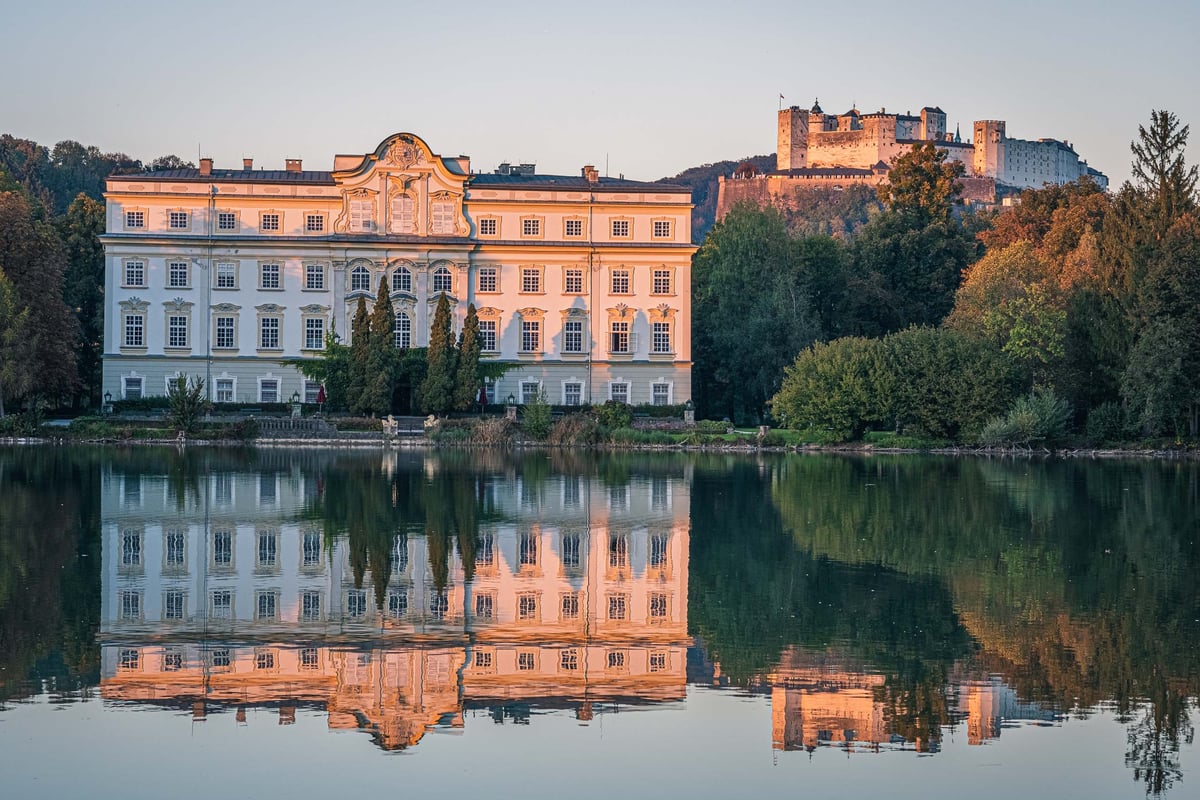
Maria Kutschera, the postulant whose story became the basis for the von Trapp narrative, lived at Nonnberg Abbey before she entered the Trapp household. The connection between the real place and the filmed one is close but not simple: Schloss Frohnburg, a baroque manor in Nonntal, provided the exterior shots of the von Trapp house in the 1965 film. The interior scenes were filmed at other locations. The abbey appears in its own right in the film, both in the opening sequence and when Maria returns.
In 2023, archaeologists from the University of Salzburg excavated a third-century Roman villa near Nonntal, uncovering mosaic floors with a dolphin motif worked in opus tessellatum. The find places a wealthy Roman household on this ground roughly seventeen centuries before the filming of The Sound of Music, and it extends the historical range of the district considerably further than most visitors expect.
Planning
Nonntal is walkable from the Altstadt in 10 to 15 minutes; cross the Salzach by the Staatsbrücke or the Mozartsteg and head south. Nonnberg Abbey is open to visitors, with the choir chant at 6:45 am for those willing to make an early start. Schloss Frohnburg is not publicly accessible. The Cajetan Church and St. Erhard’s Church are both open during normal hours. The Roman mosaic excavation is documented at the Salzburg Museum.