Snapshot
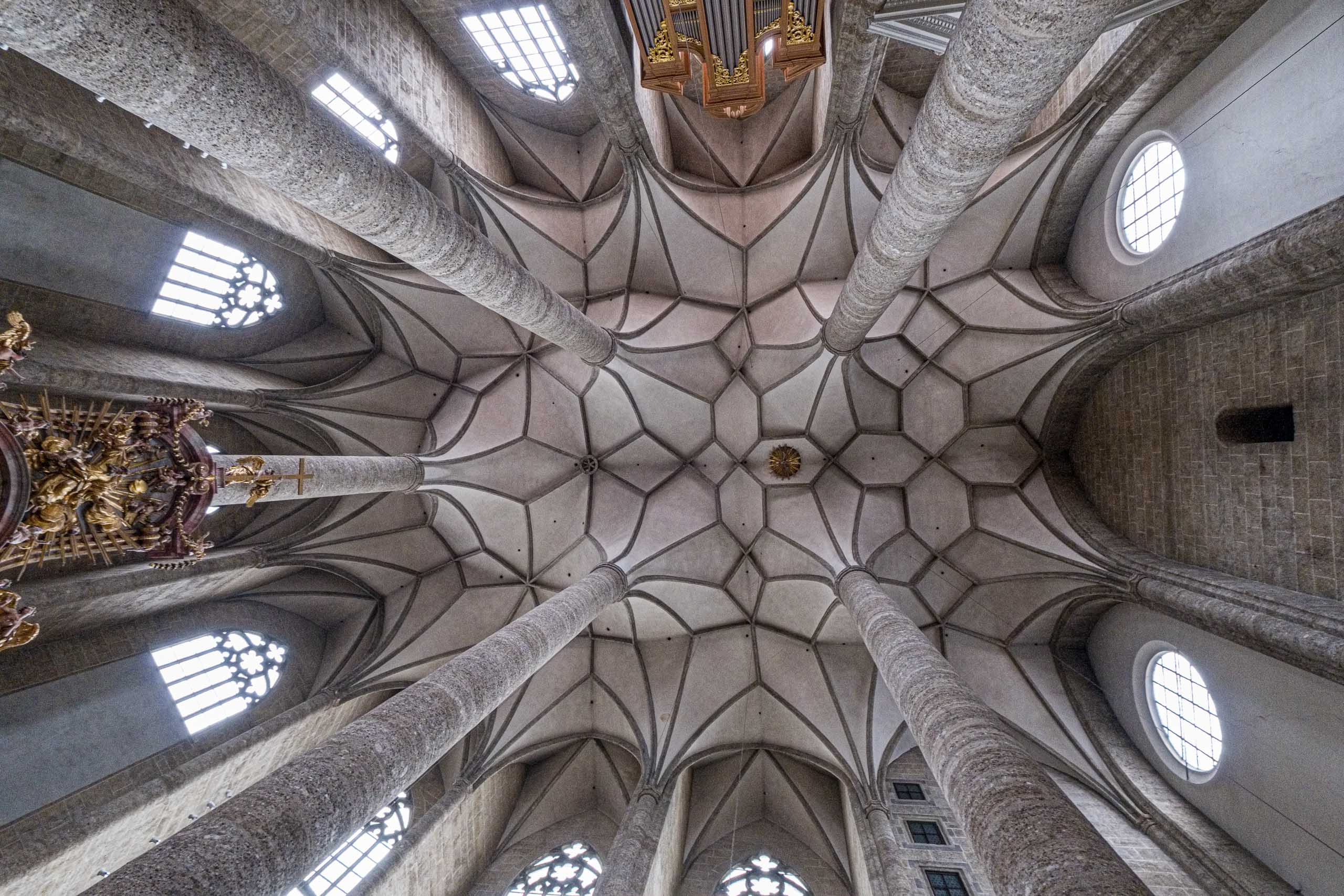
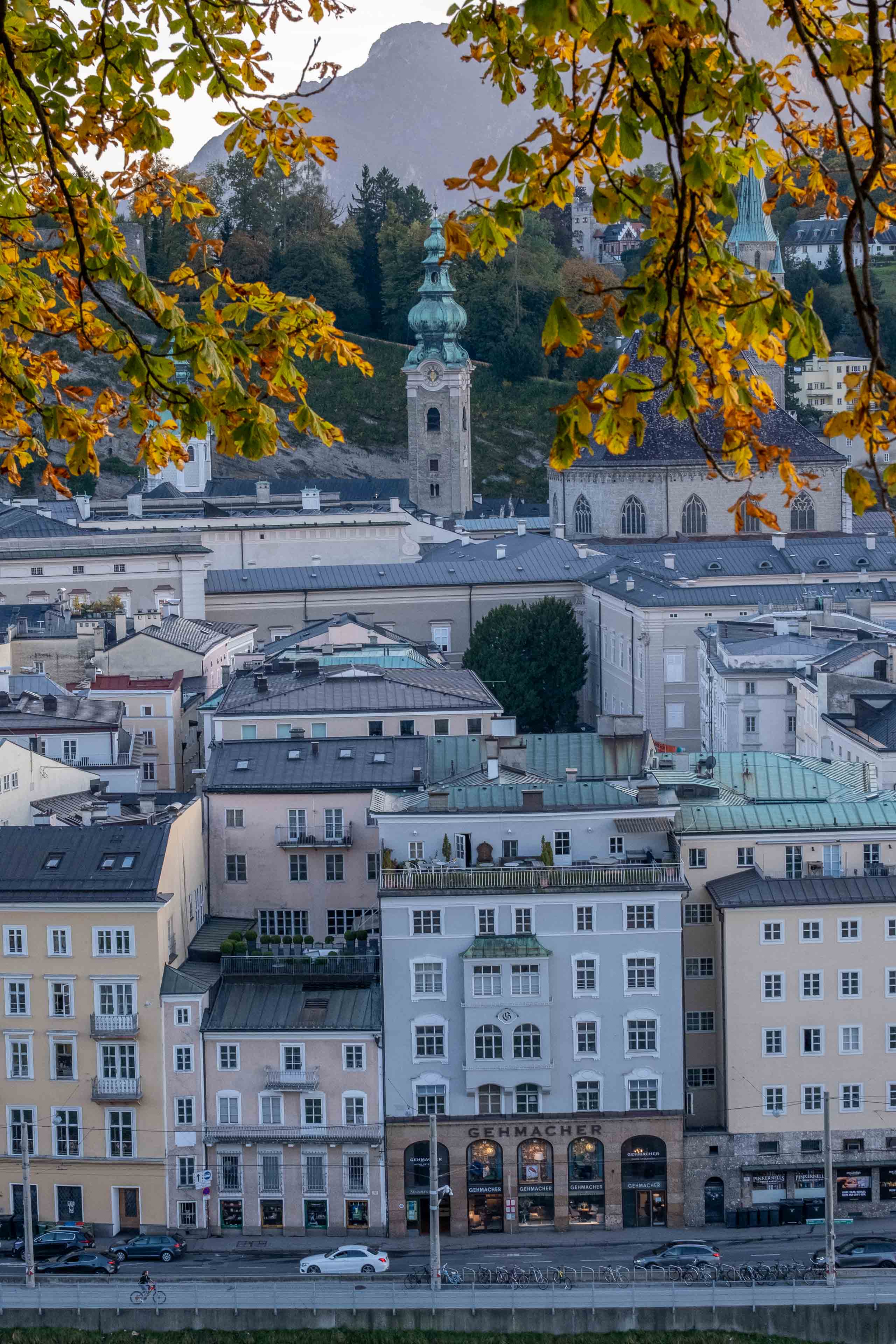
One of Salzburg’s oldest churches, with three architectural periods visible in the same building: a Romanesque nave from around 1208, a Gothic hall choir added in the 15th century, and a Baroque high altar completed in 1709.
The Story
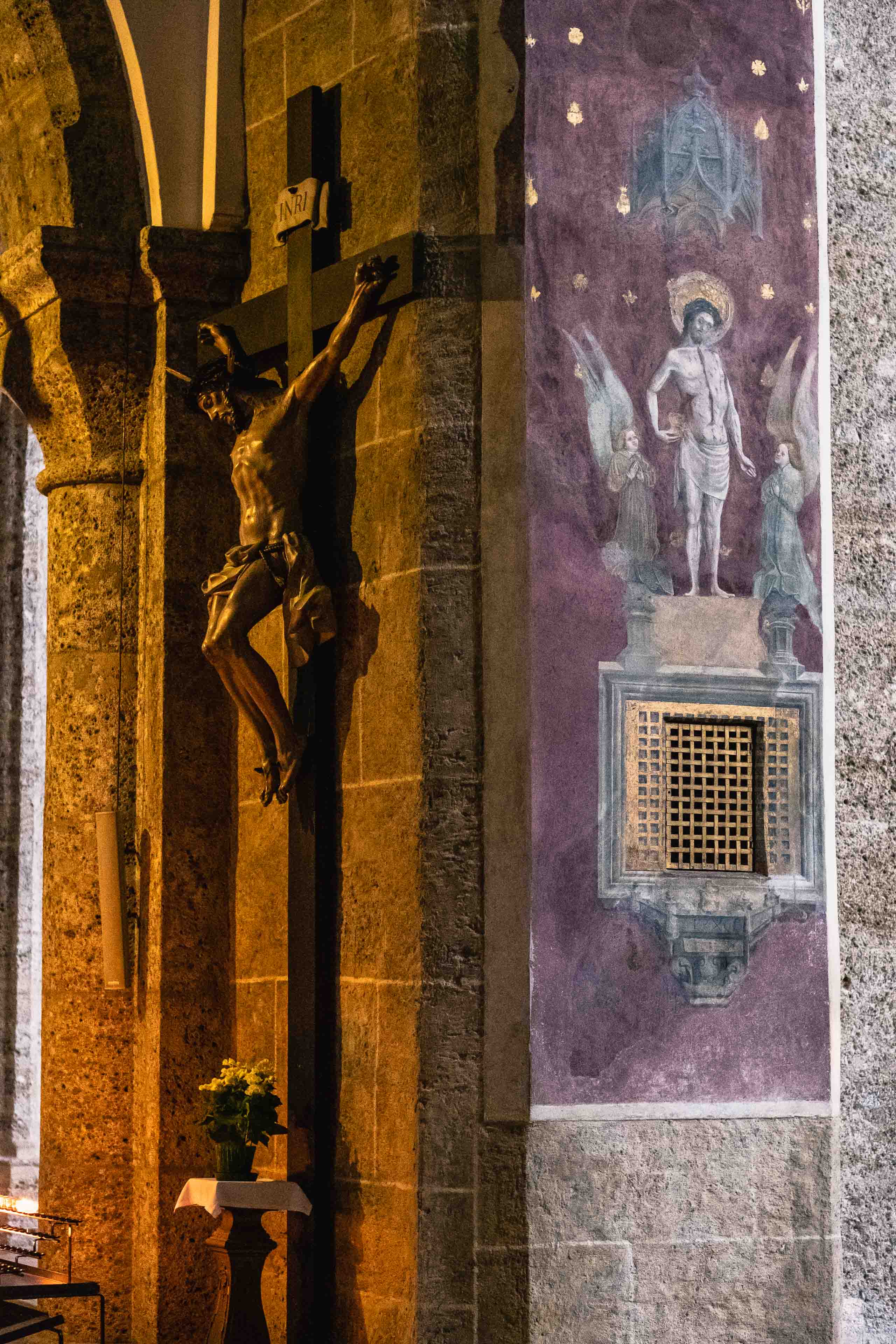
The site has been in continuous sacred use since the 8th century, when Bishop Virgil consecrated it as Salzburg’s first baptismal and synodal church. After a fire in 1167 destroyed the building, merchants funded a new nave, completed by 1221. That nave survives: low-ceilinged, thick-walled, with ribbed vaults that echo the Romanesque weight of the original build.
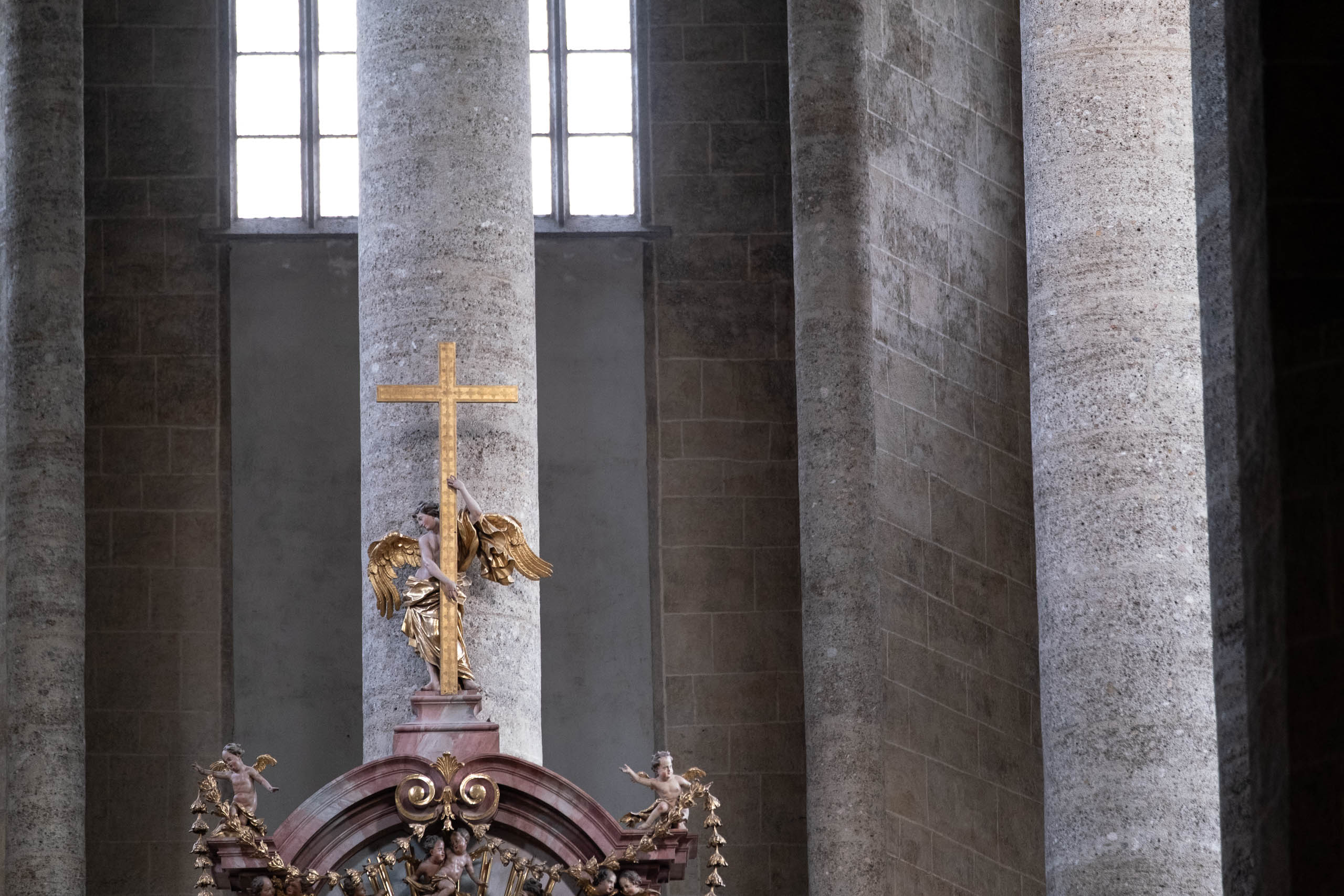
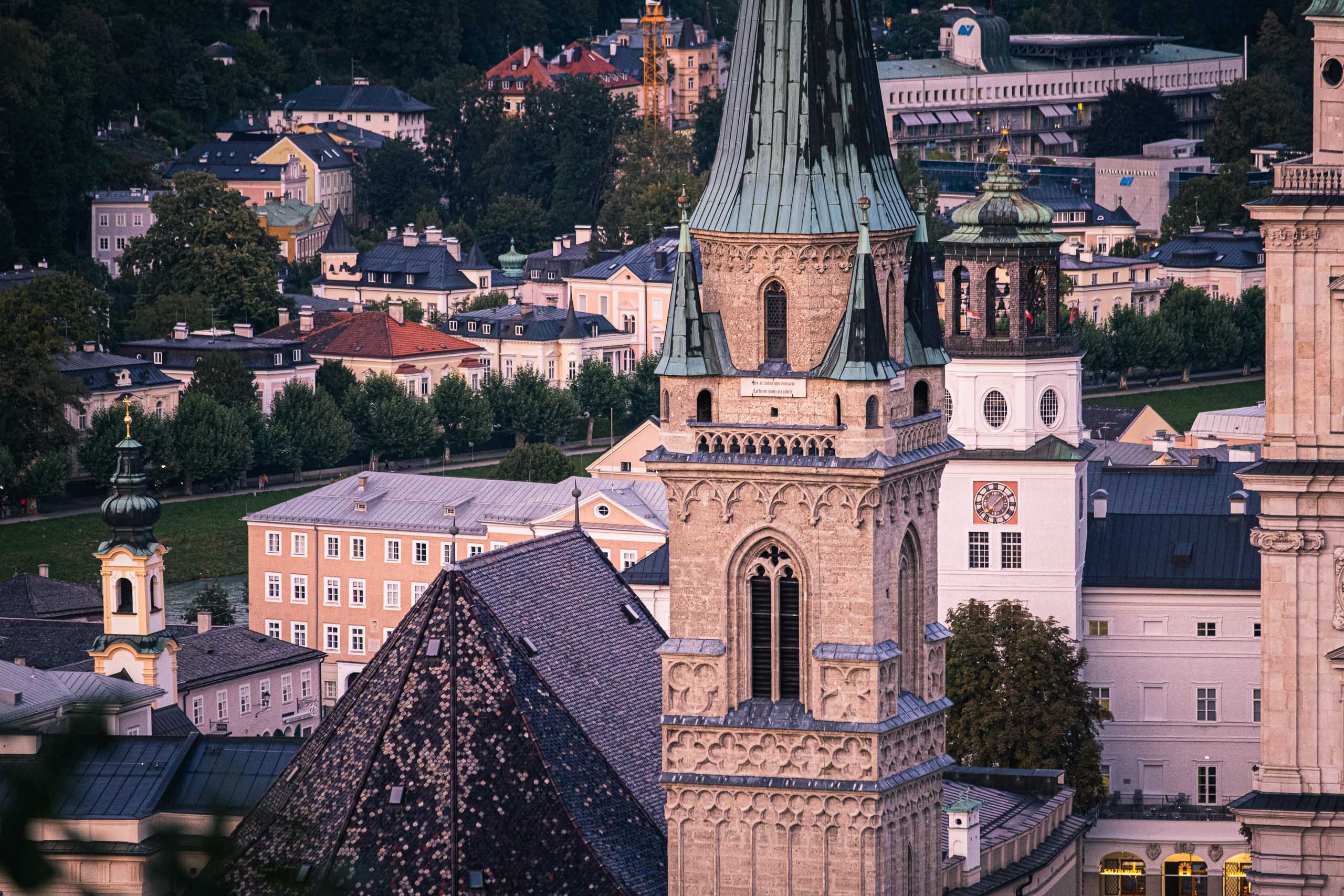
Walking into the Gothic choir feels like crossing a threshold into a different century. Hans von Burghausen designed it between 1408 and 1450, pushing the vault dramatically higher and flooding the space with light. The contrast is not gradual. The tower was completed by 1498.
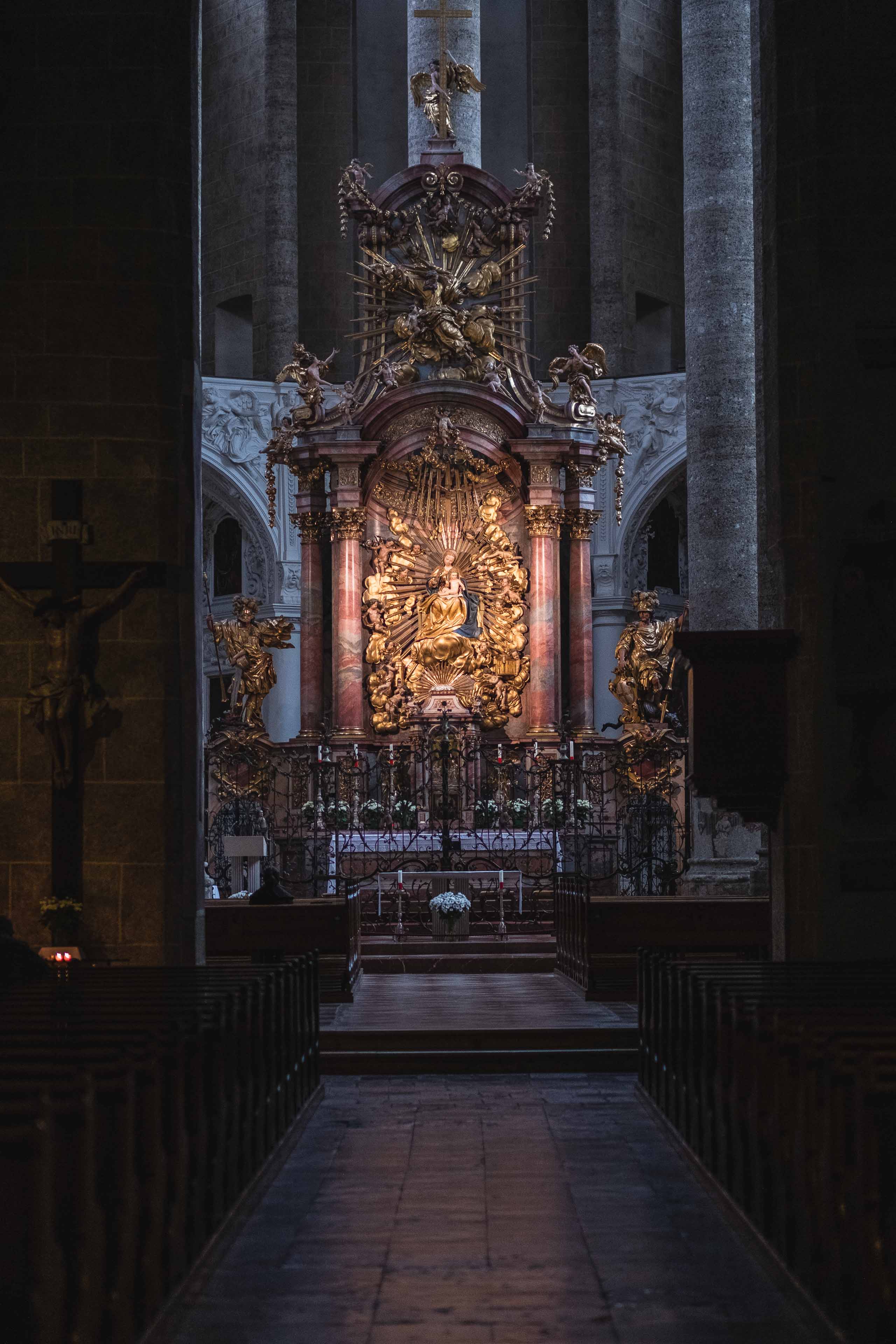
The high altar was commissioned by Johann Ernst von Thun from Johann Bernhard Fischer von Erlach and finished in 1709-1710. Fischer’s Baroque frame is intentionally restrained, designed to hold the real focal point: the Pacher Madonna, a late 15th-century carved Virgin and Child that has stood here for over 500 years. The combination of Gothic architecture and a Baroque altar frame around a Gothic figure is a document of competing aesthetic eras resolved by the same devotional object.
Near the west portal, low on the right side, is the Asylhand. A stone hand with three fingers raised in an oath gesture, placed at foot level, almost invisible unless you know to look for it. In medieval law, touching it granted sanctuary. It is still there.
During the Salzburg Festival, the church is used for Jedermann rehearsals.
Visiting
- Hours: Daily approximately 6:30am-7:30pm, not during Mass
- Cost: Free
- Duration: 15-20 minutes
- Getting there: Franziskanergasse, between Residenzplatz and Universitatsplatz
- Tips: Stand at the step where the nave meets the choir to feel the full contrast. Find the Asylhand at foot level on the right side of the west portal.
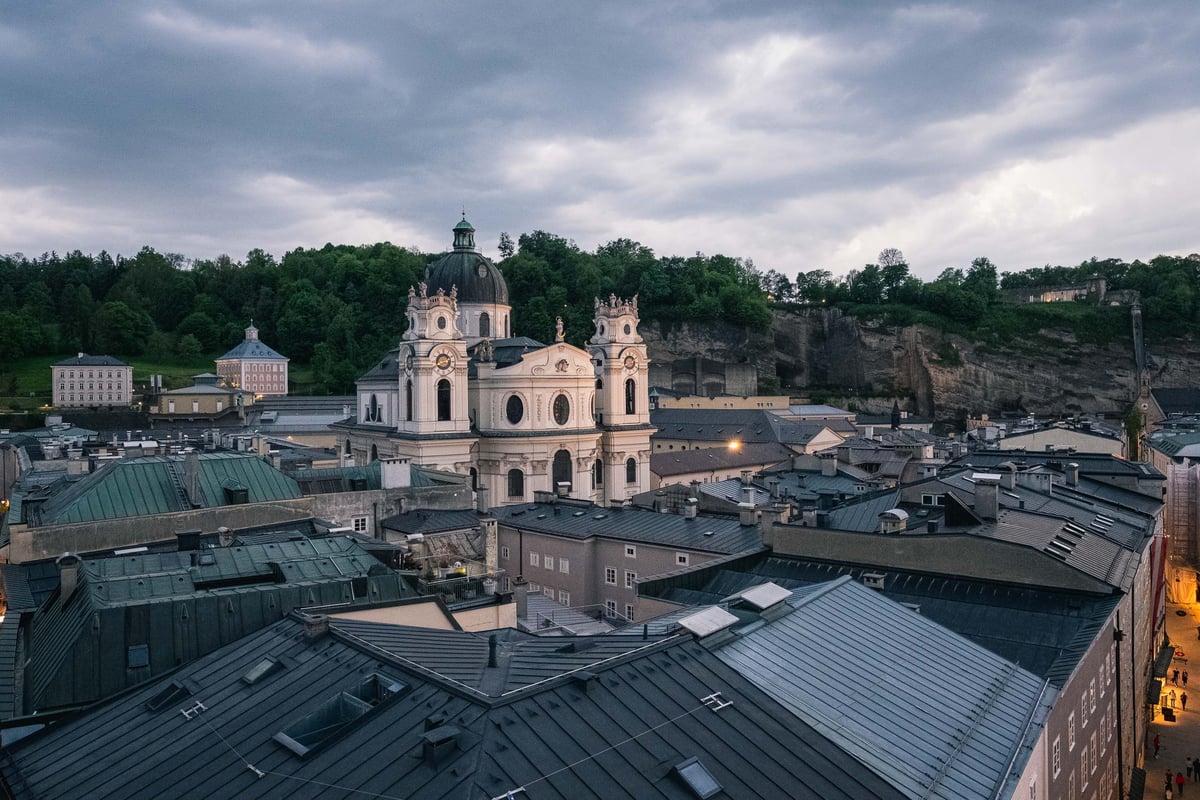
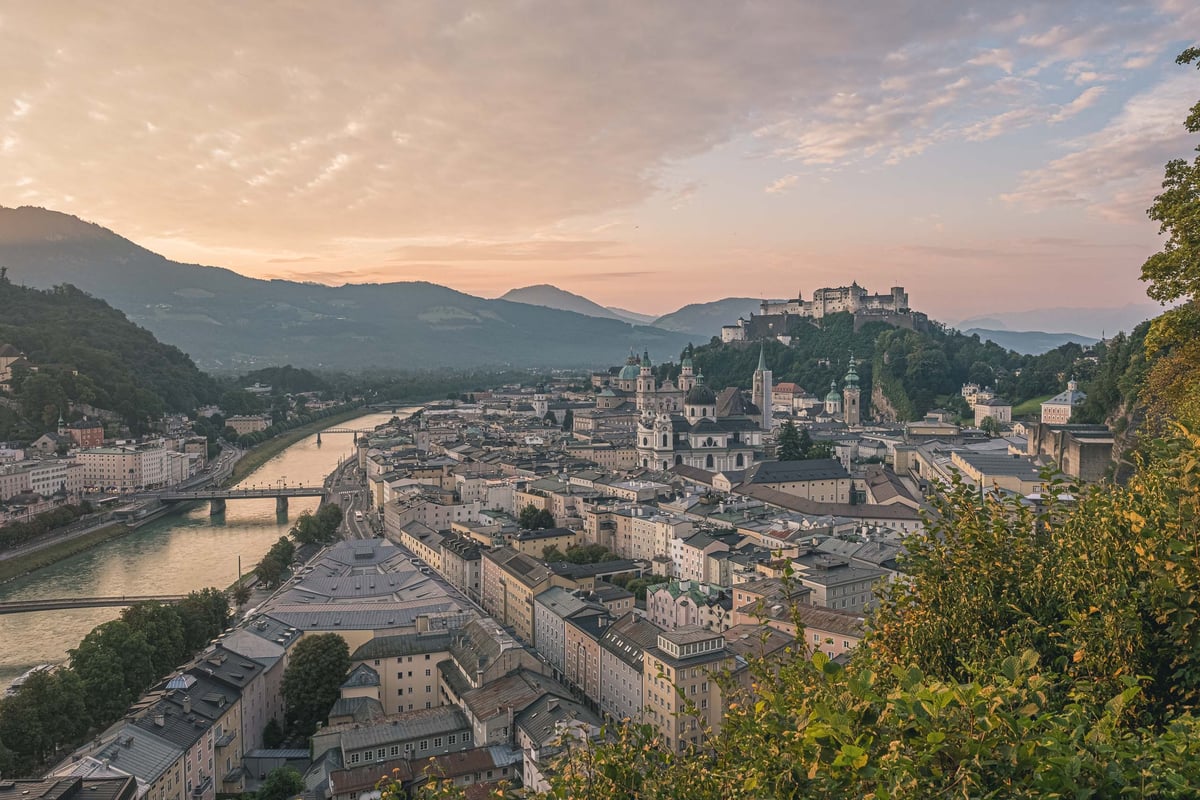
- Combine with: Kollegienkirche, Salzburg Cathedral, Residenzplatz