Snapshot
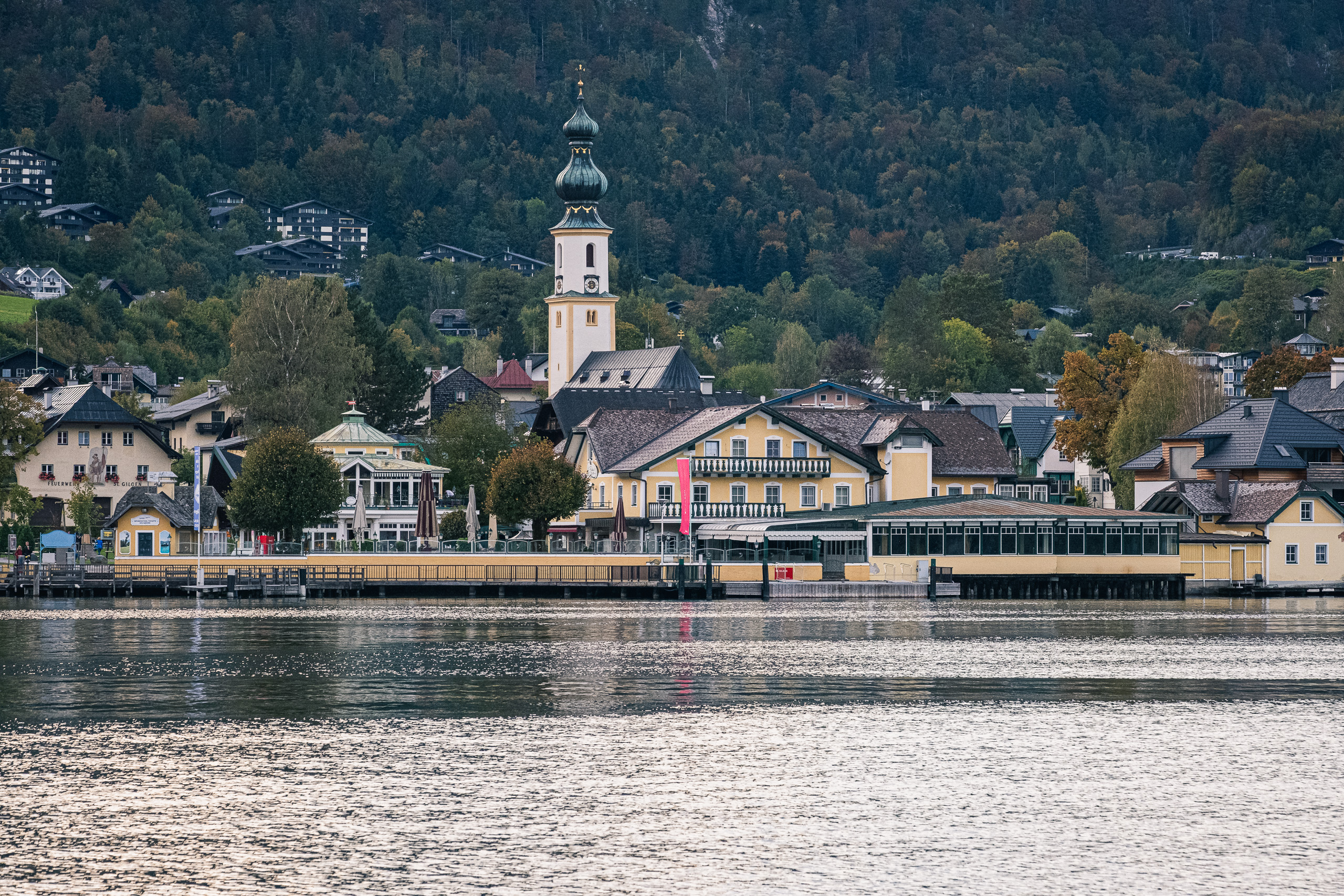
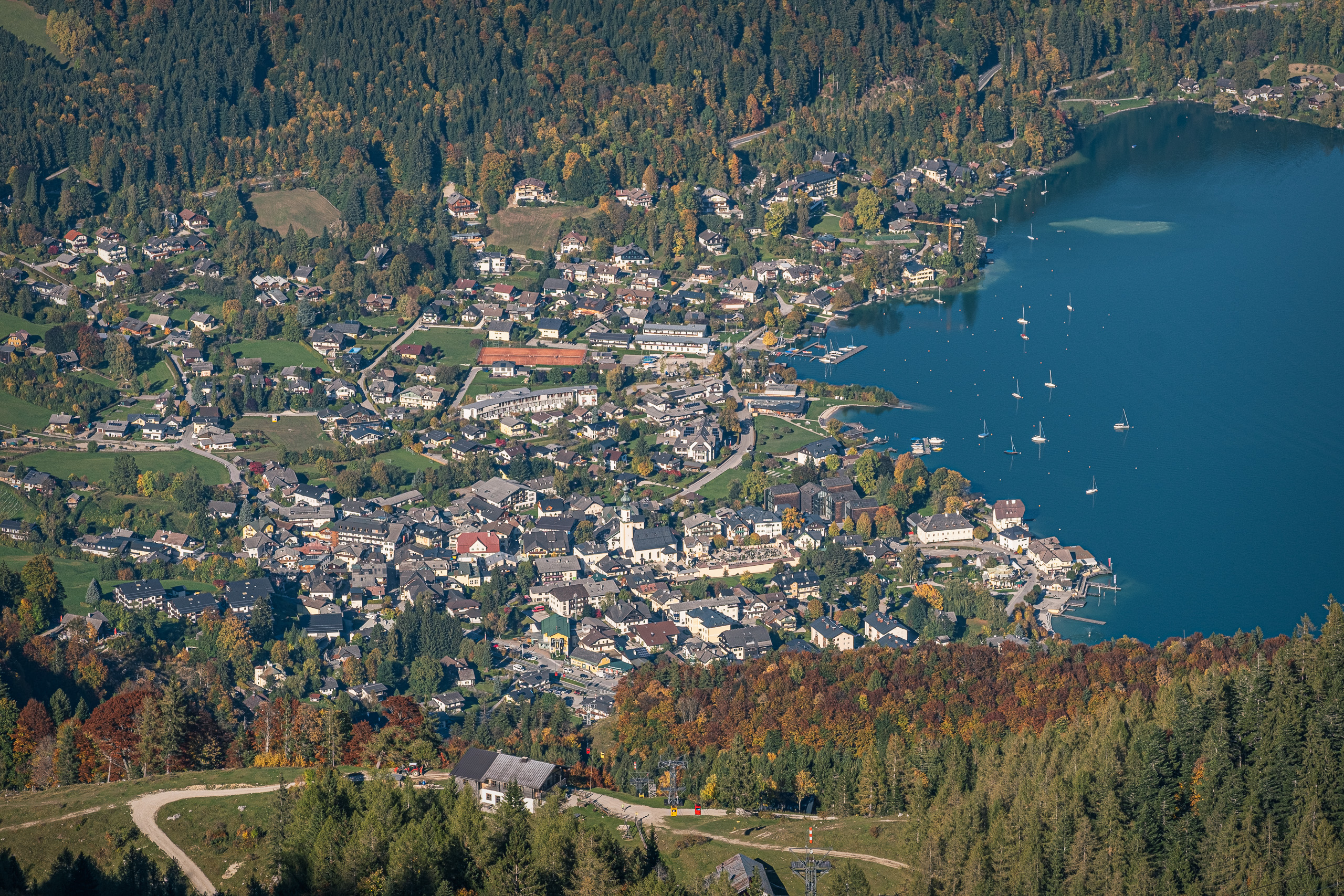
Mozart’s mother was born here and his sister Nannerl Mozart lived here for seventeen years. St. Gilgen sits on the western shore of the Wolfgangsee, quieter than Hallstatt, with a cable car and an easy ferry connection from Salzburg.
The Story
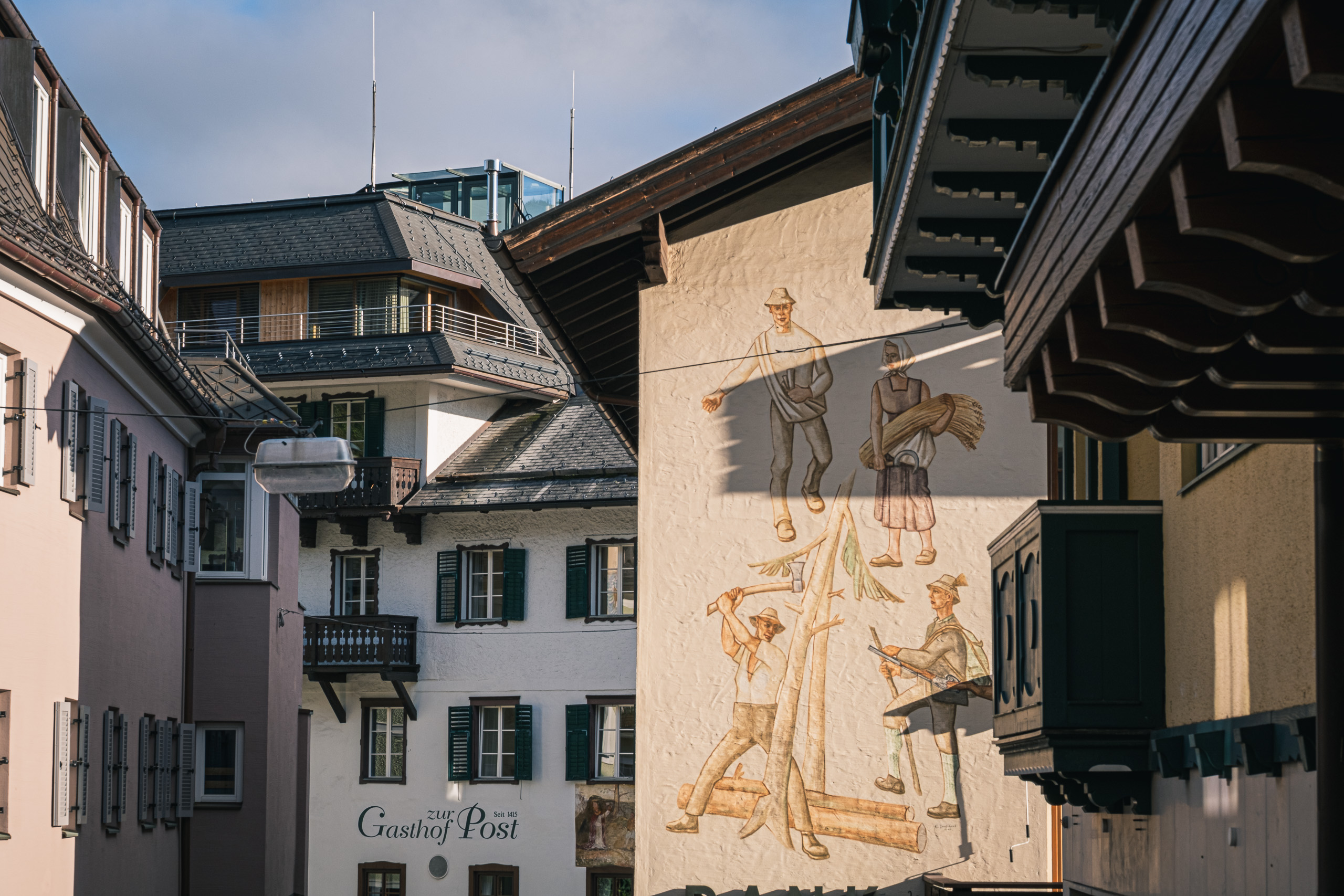
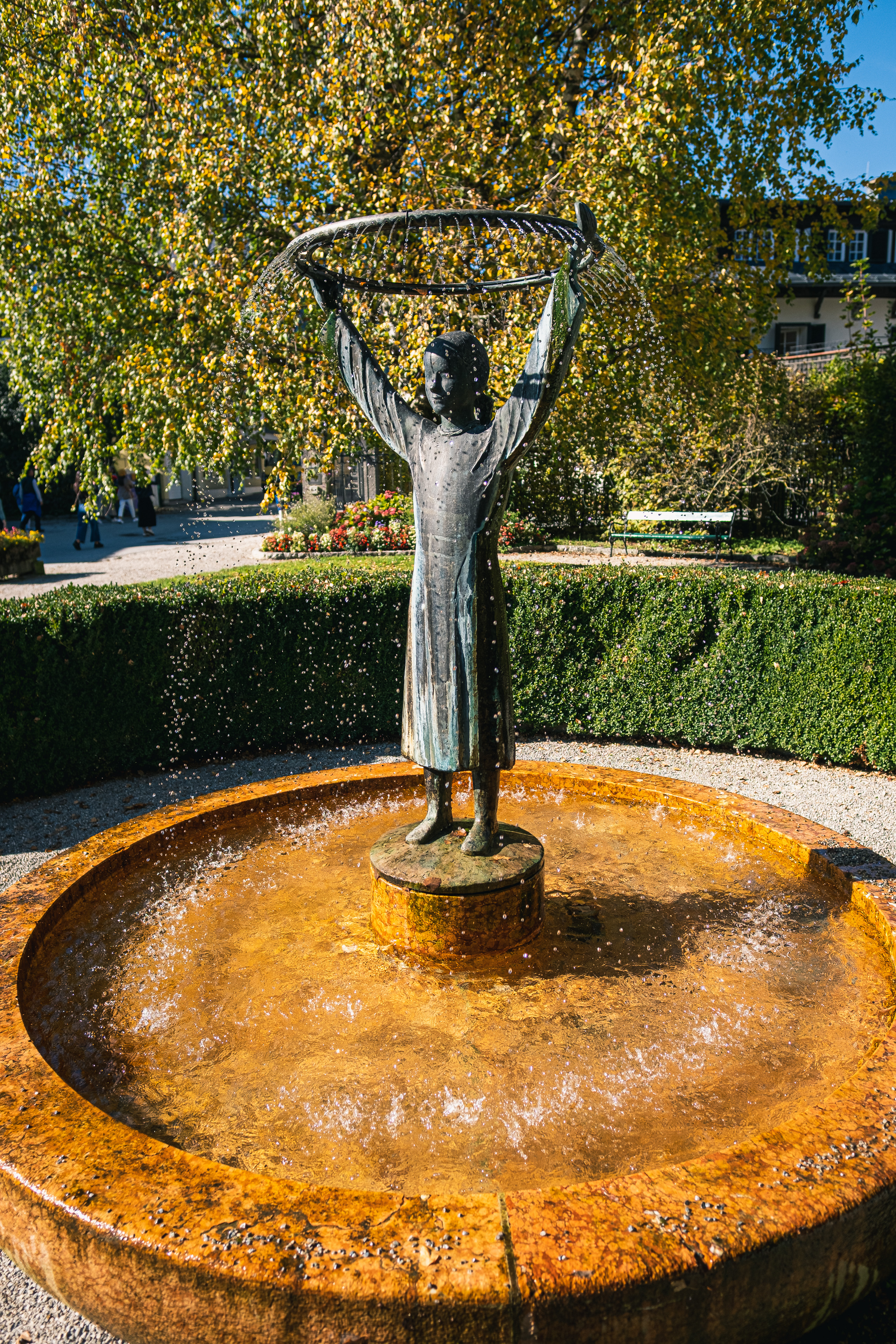
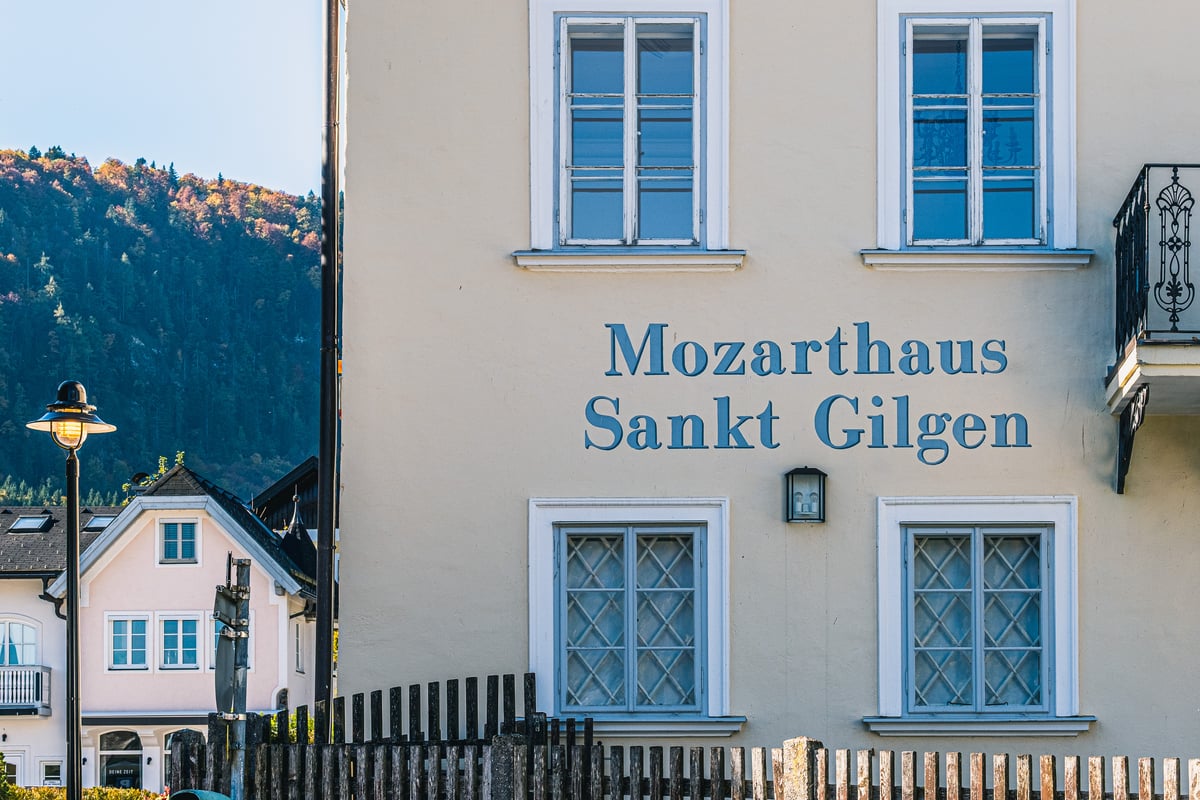
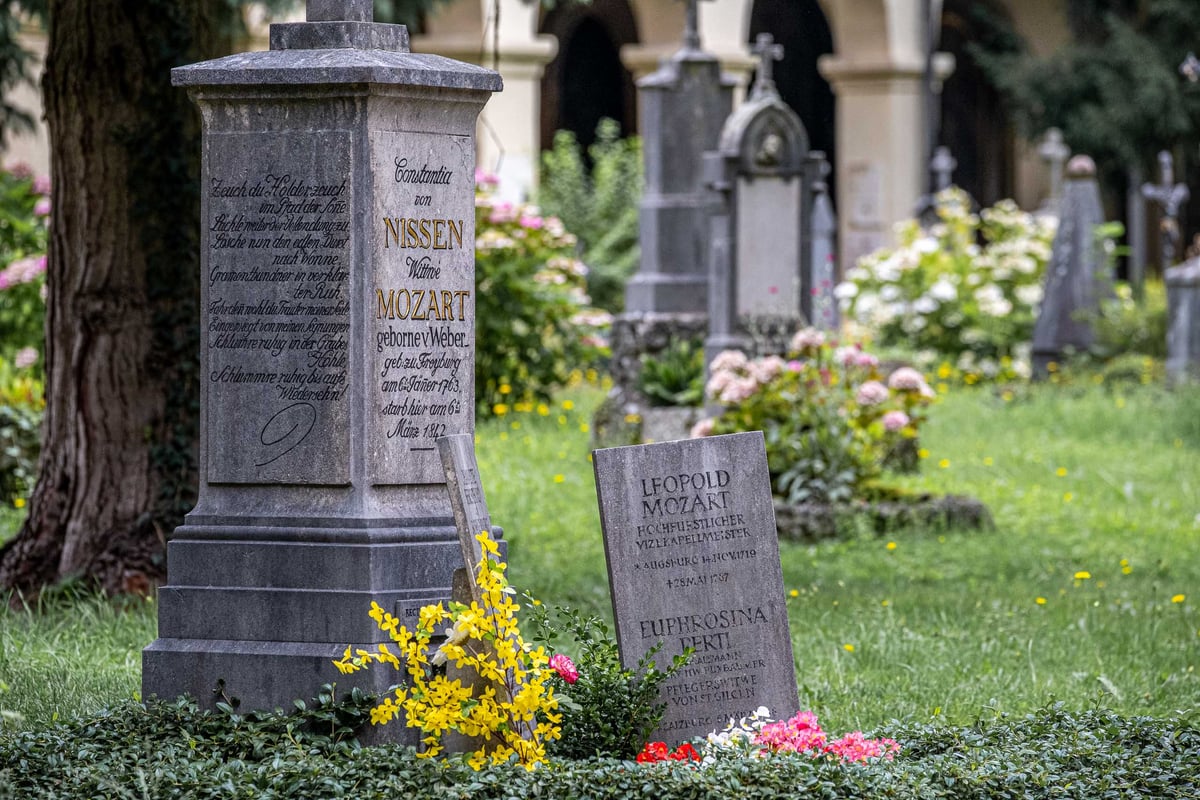
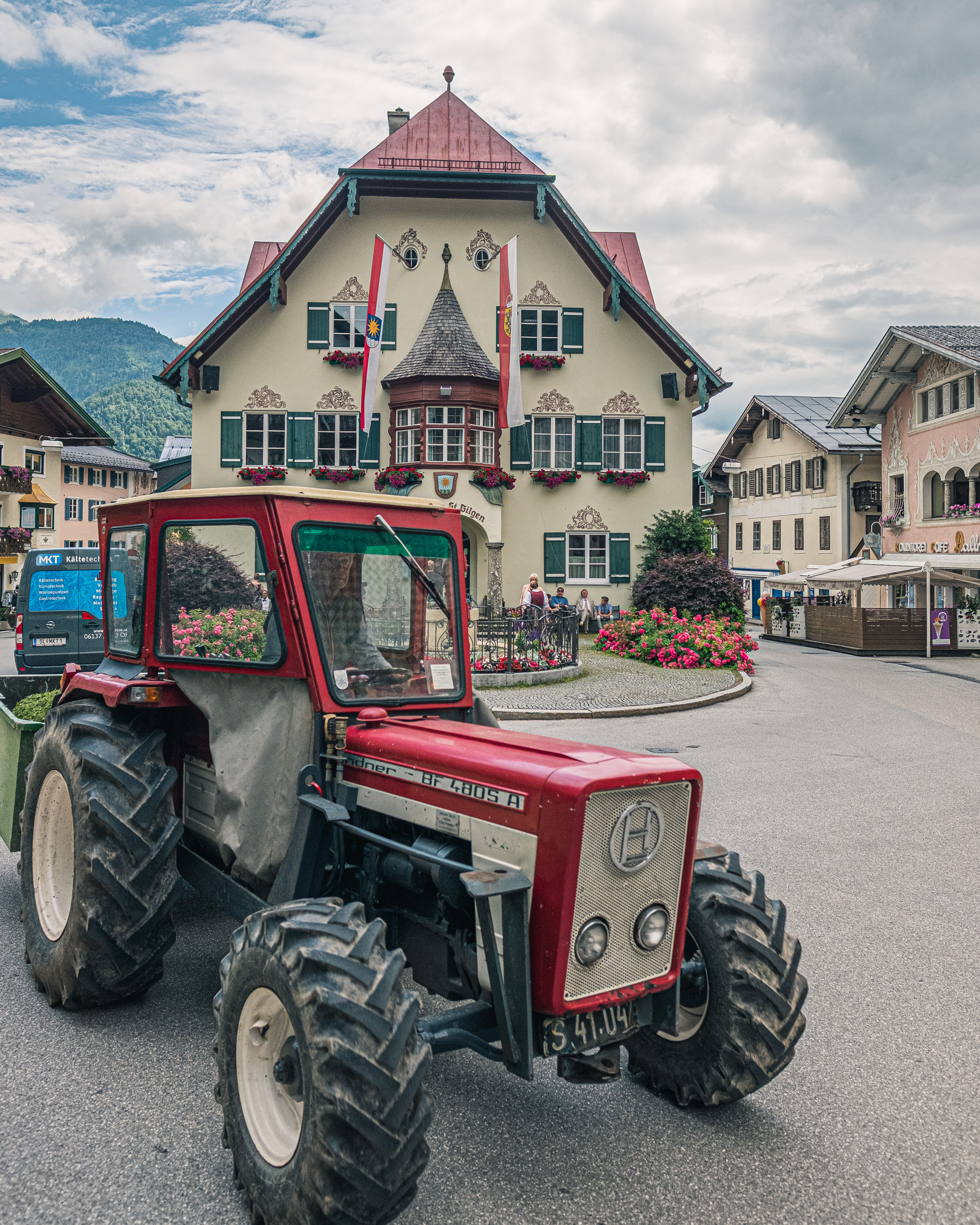
St. Gilgen is most legible through the Mozart family. Anna Maria Pertl, who would become Wolfgang’s mother, was born here on 25 December 1720 in the building that now houses the Mozart House St Gilgen. Her father served as a court clerk in the same building. In 1784, Nannerl Mozart, Wolfgang’s older sister, moved into that house after marrying the local judge. She lived there for seventeen years, raising a family and corresponding with her brother. St. Gilgen is the only place outside Salzburg directly connected to two generations of the Mozart family, and the Mozart fountain in the main square commemorates both.
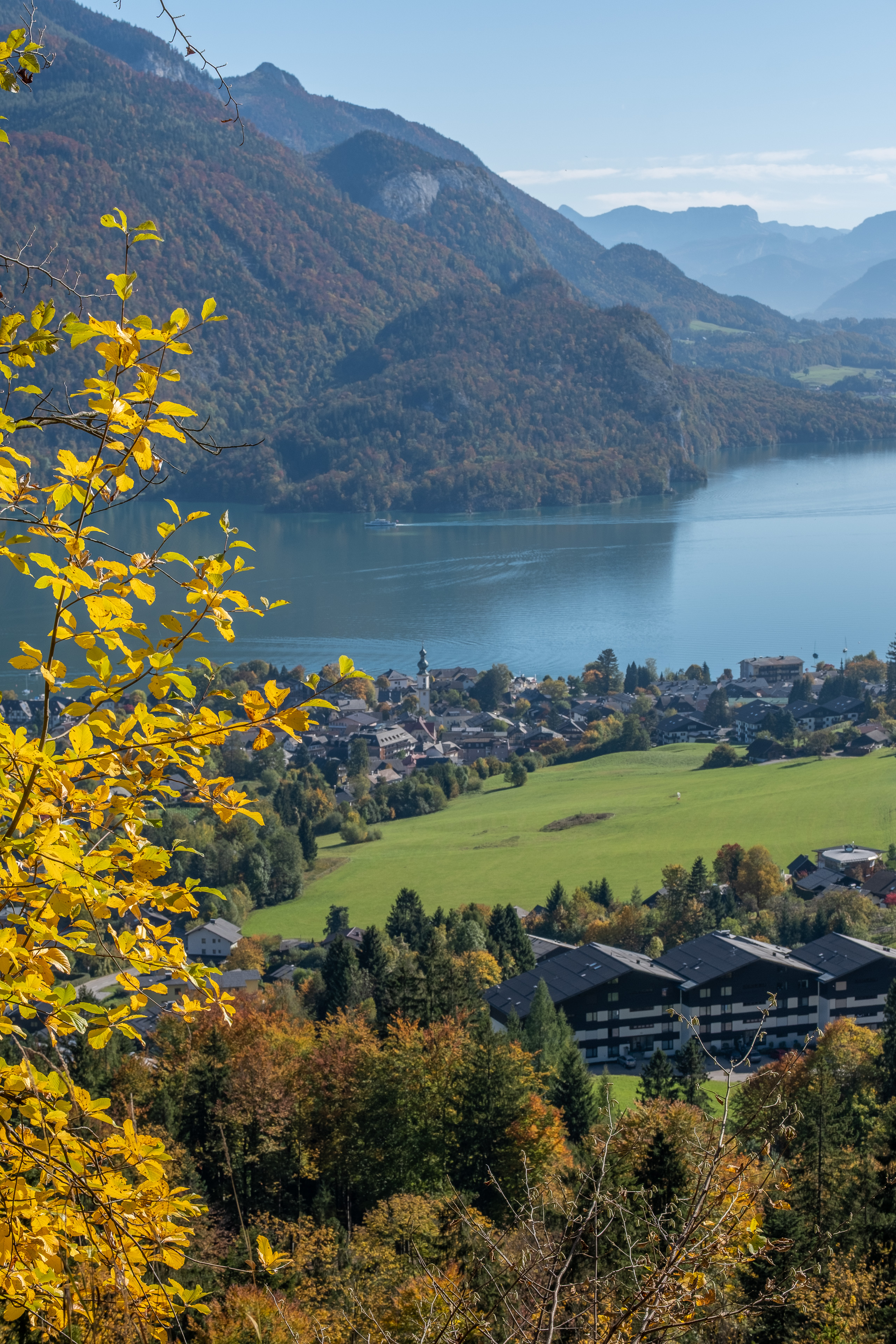
The village itself sits at the western end of the Wolfgangsee, a lake with its own distinct character. The eastern shore holds St. Wolfgang and the White Horse Inn made famous by a 1930 operetta. The pilgrimage route connecting the two villages along the lake, 8.9 km, passes the Falkenstein Chapel (first documented in 1330) and traces a path that medieval pilgrims took toward St. Wolfgang’s shrine. The Parish Church of Saint Giles dates to a Gothic skeleton from the early 1300s, with a full Baroque interior added between 1767 and 1770.
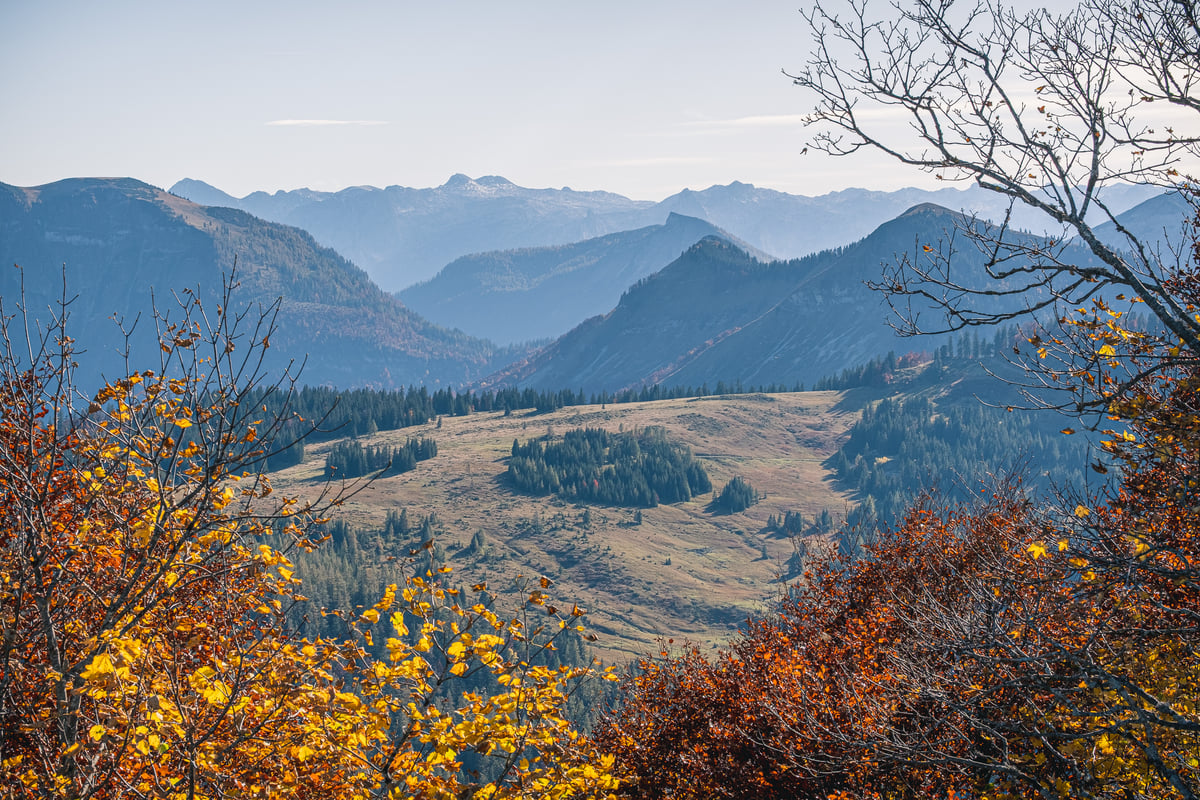
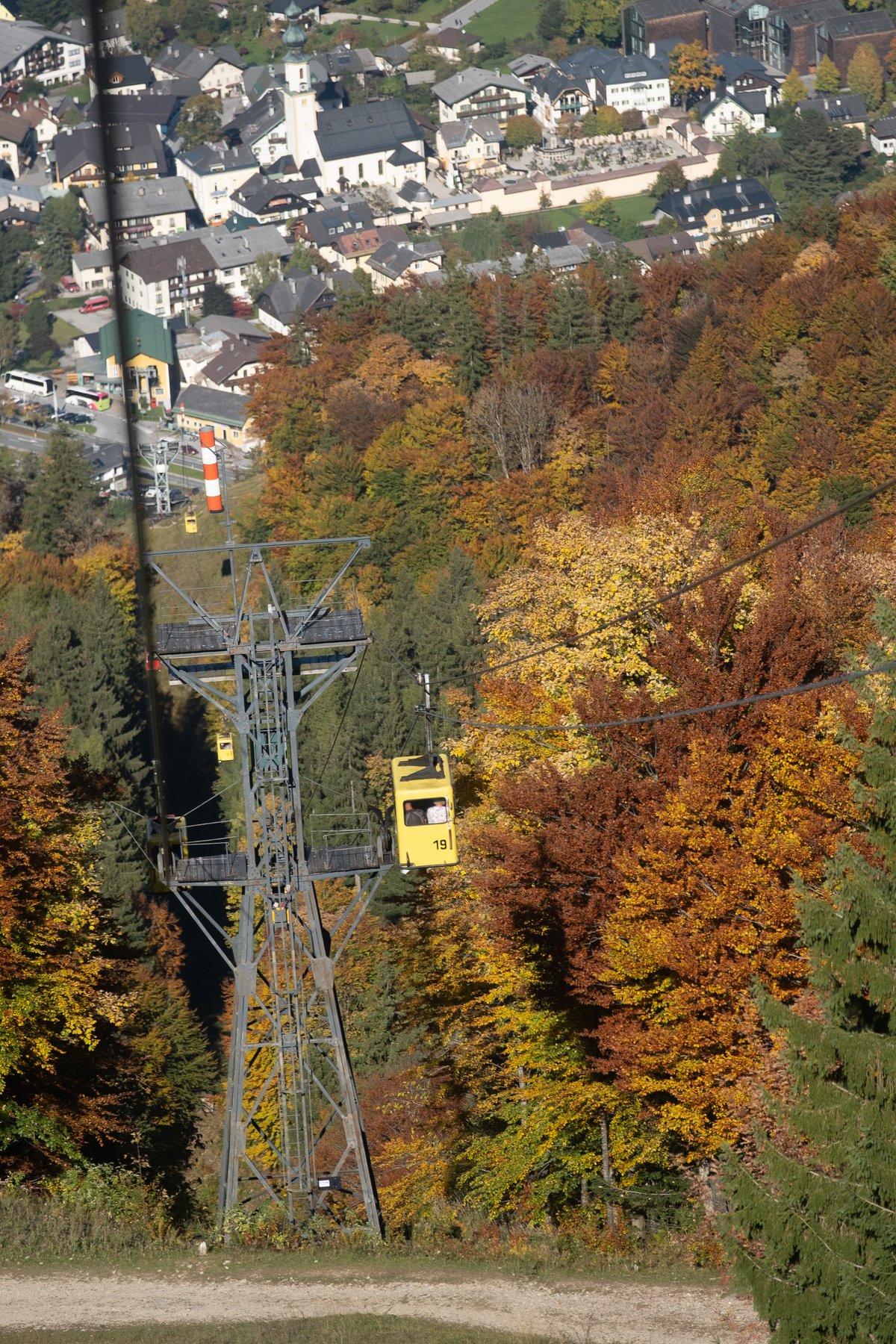
Above the village, the Zwölferhorn cable car climbs 908 meters in 11 minutes and produces one of the broadest panoramas in the Salzkammergut, looking across multiple lakes toward the Dachstein range. The village runs smaller and quieter than Hallstatt, without the overcrowding, making it a more measured introduction to the lake district.
Planning
St. Gilgen is 29 km east of Salzburg, about 35 minutes by car on the B158. The historic ferry service connects Salzburg and St. Gilgen via the Fuschlseestrasse and Wolfgangsee routes in summer. By bus, the line 150 from Salzburg Hauptbahnhof takes roughly 50 minutes. A half-day covers the Mozart House St Gilgen, the main square fountain, the Parish Church, and the lake promenade. The Zwölferhorn cable car adds two hours. Combine with Mondsee (20 km northwest) for a lake-loop day, or extend east to Bad Ischl (25 km) for the full inner Salzkammergut experience.