Town / Germany
Berchtesgaden
10 places1 destination within
Show all 8 photos
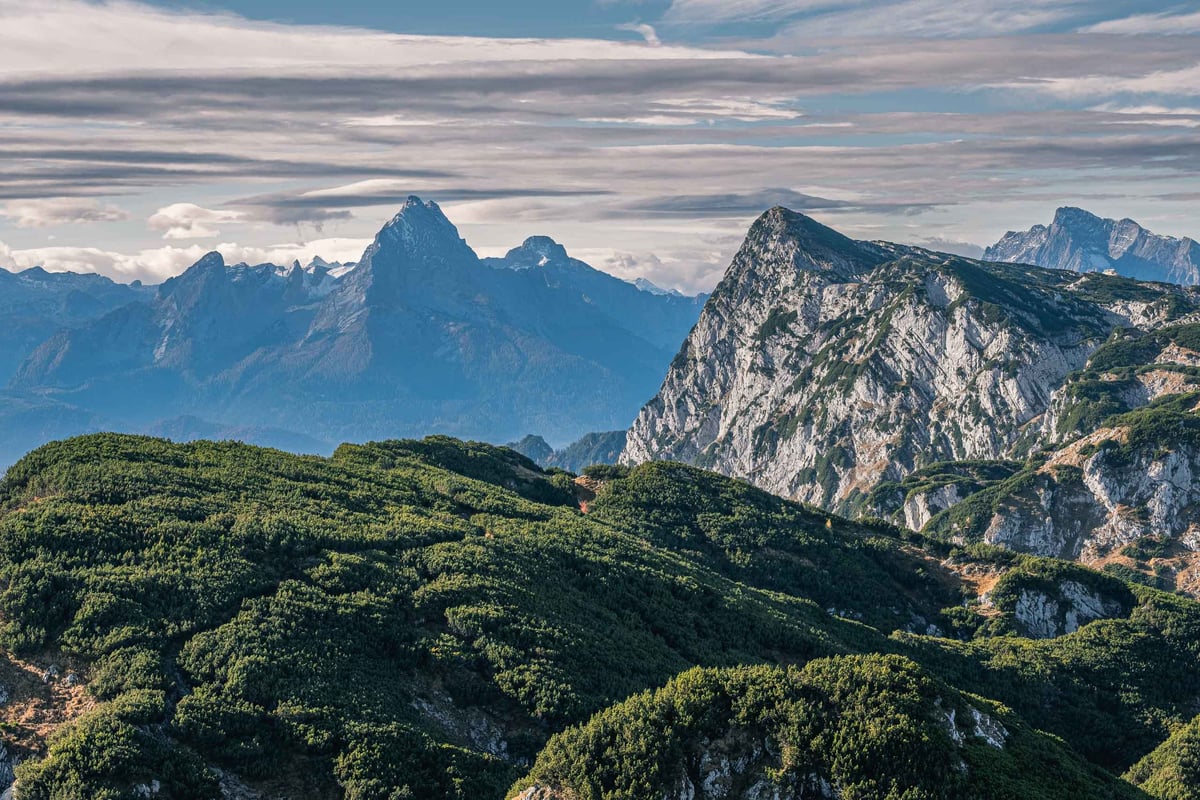
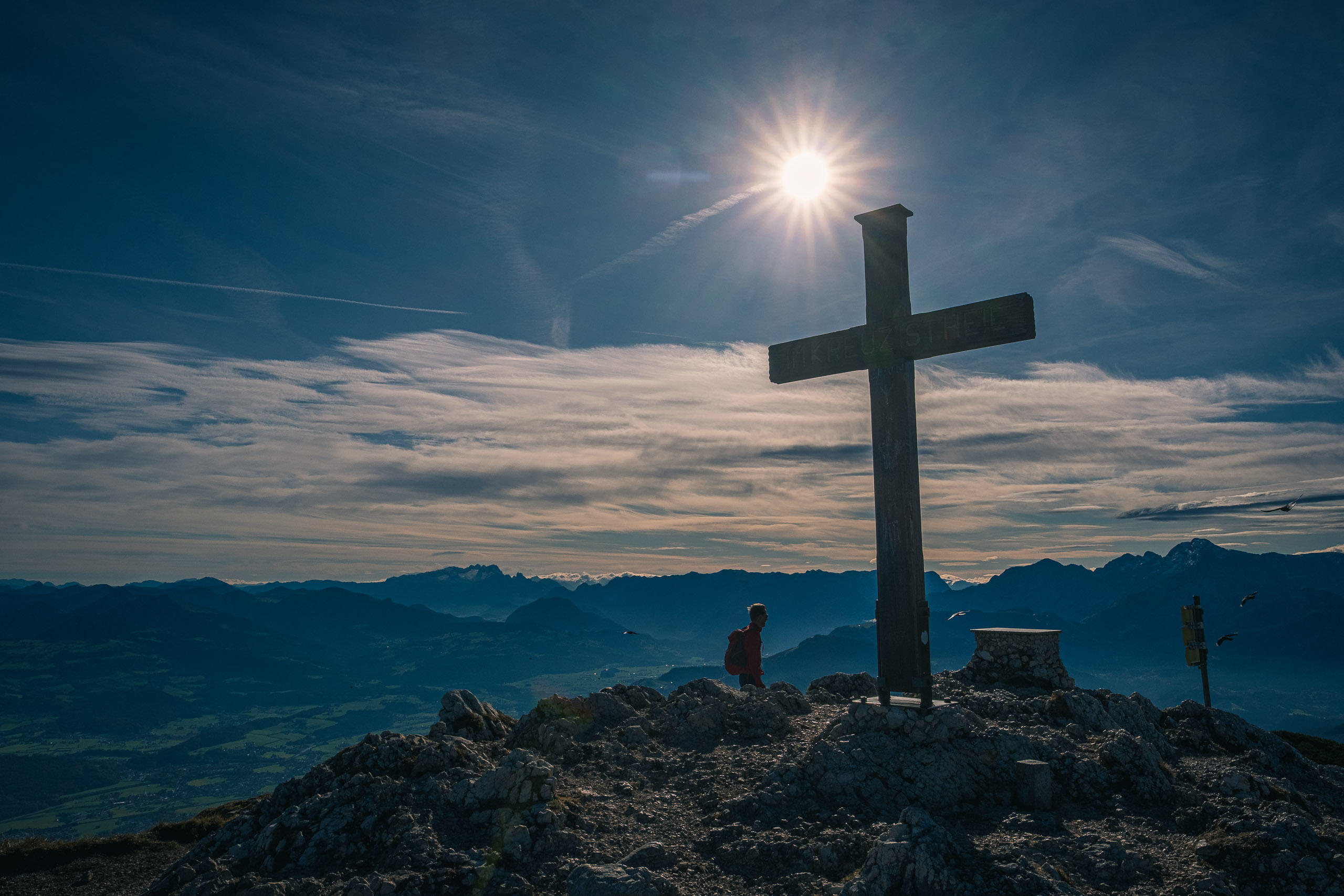
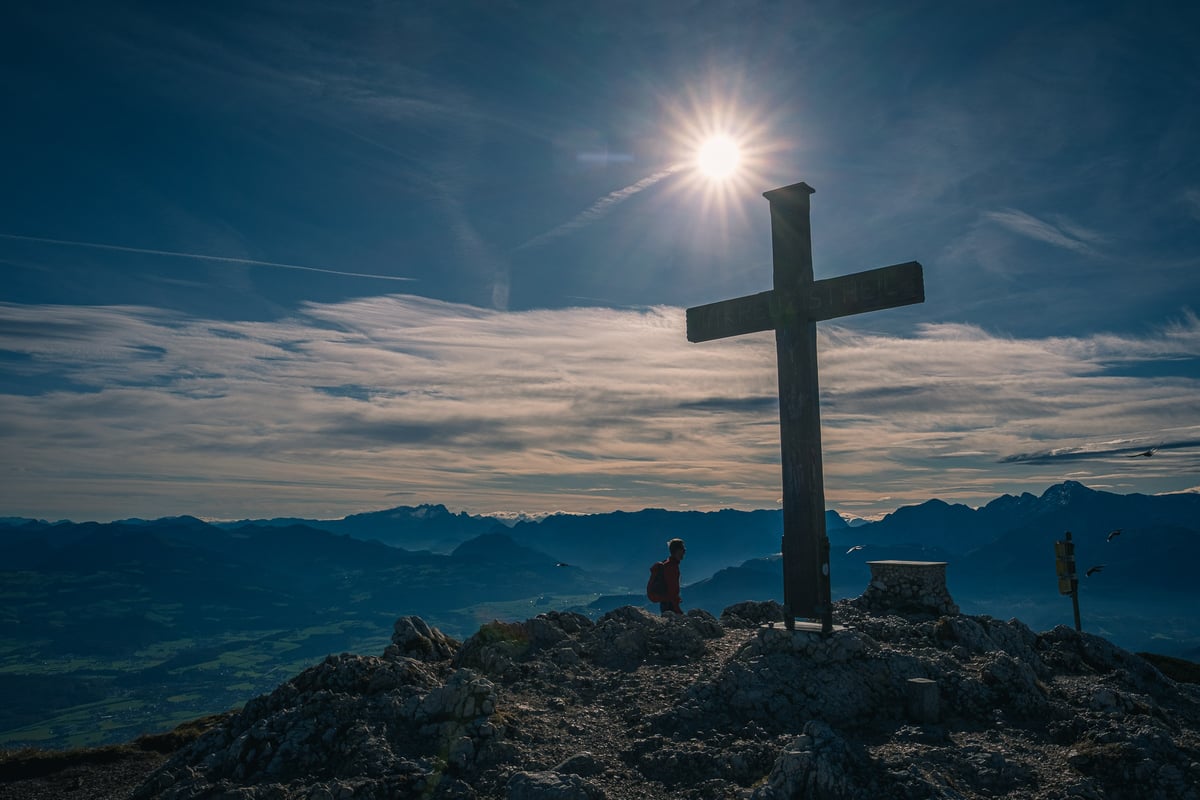
- Wooden summit cross on the Berchtesgadener Hochthron backlit by bright sun over the Alps. (1 / 8)
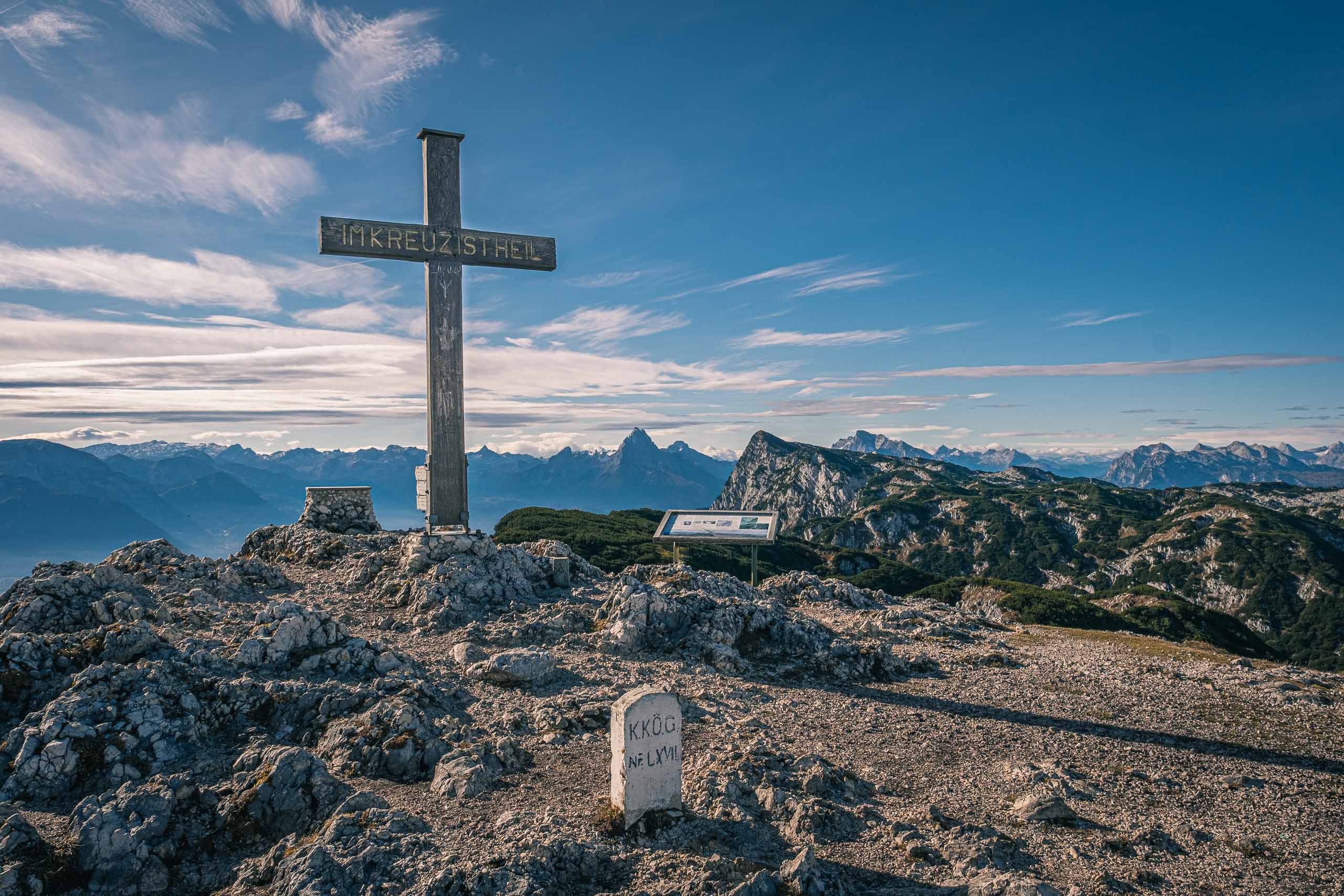
- Summit cross with Im Kreuz ist Heil inscription at Berchtesgadener Hochthron with Alps behind (2 / 8)
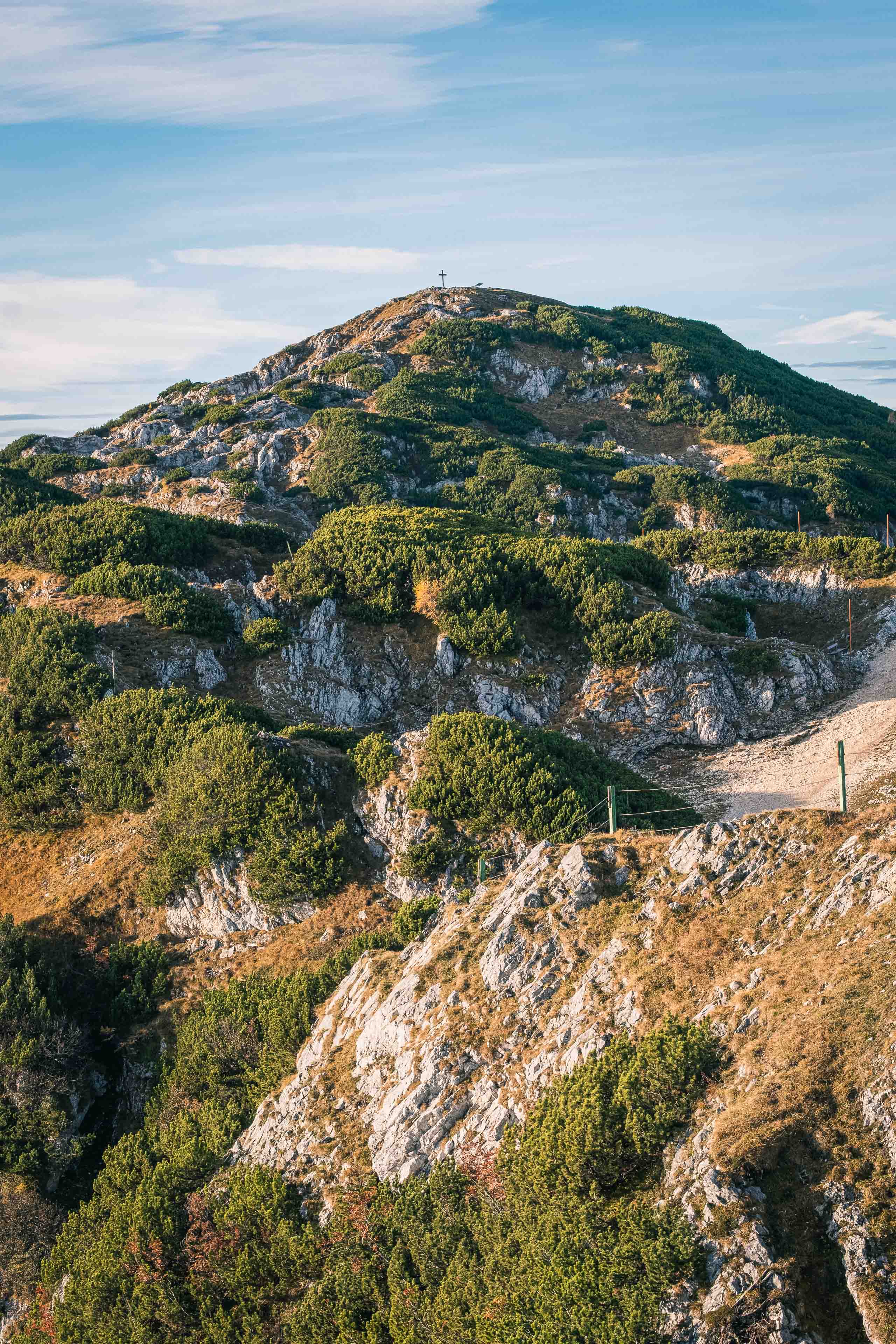
- The grassy dome of the Berchtesgadener Hochthron with its summit cross on the Untersberg in Salzburg. (3 / 8)
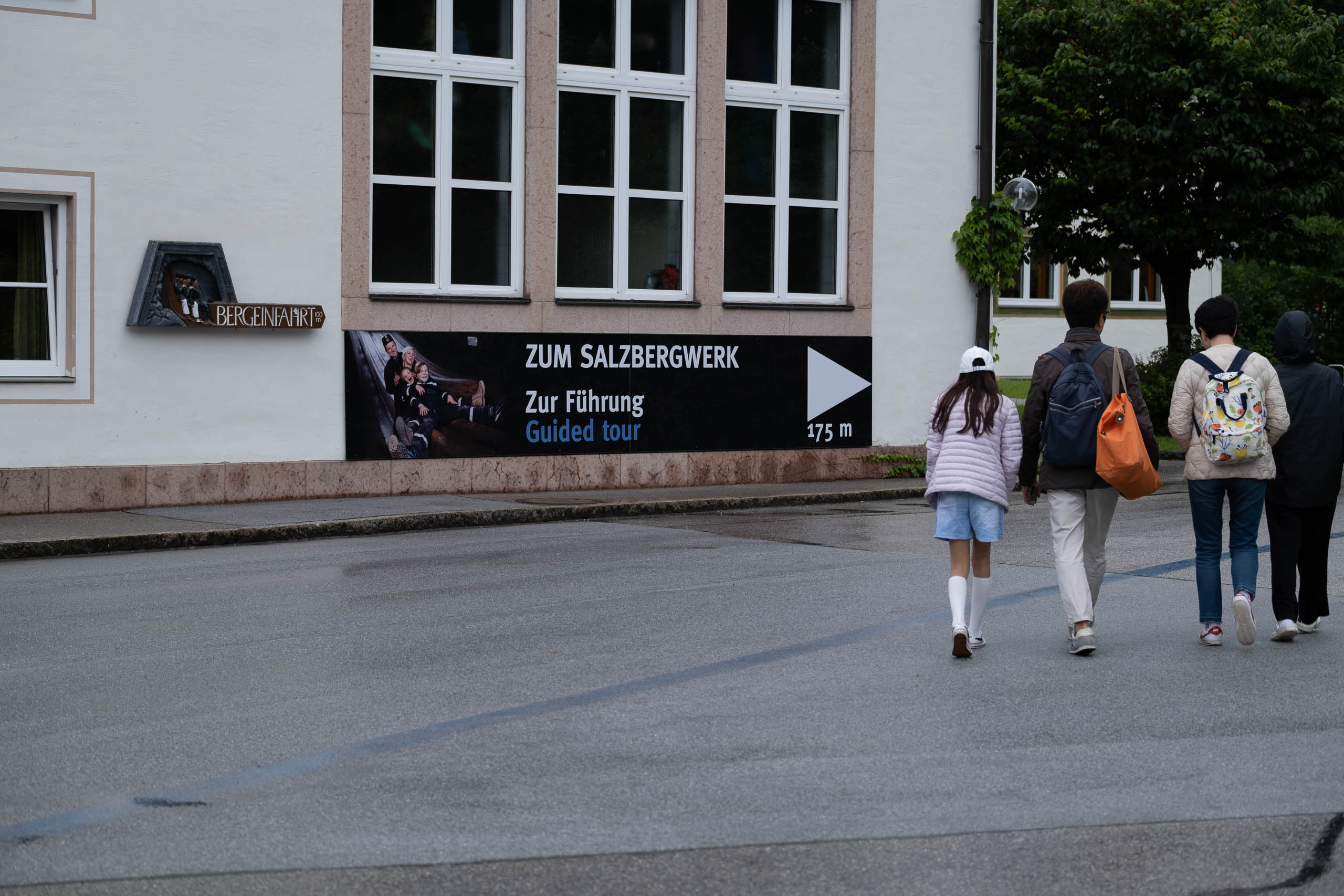
- Visitors walk toward the guided-tour entrance sign of the Salzbergwerk in Berchtesgaden (4 / 8)
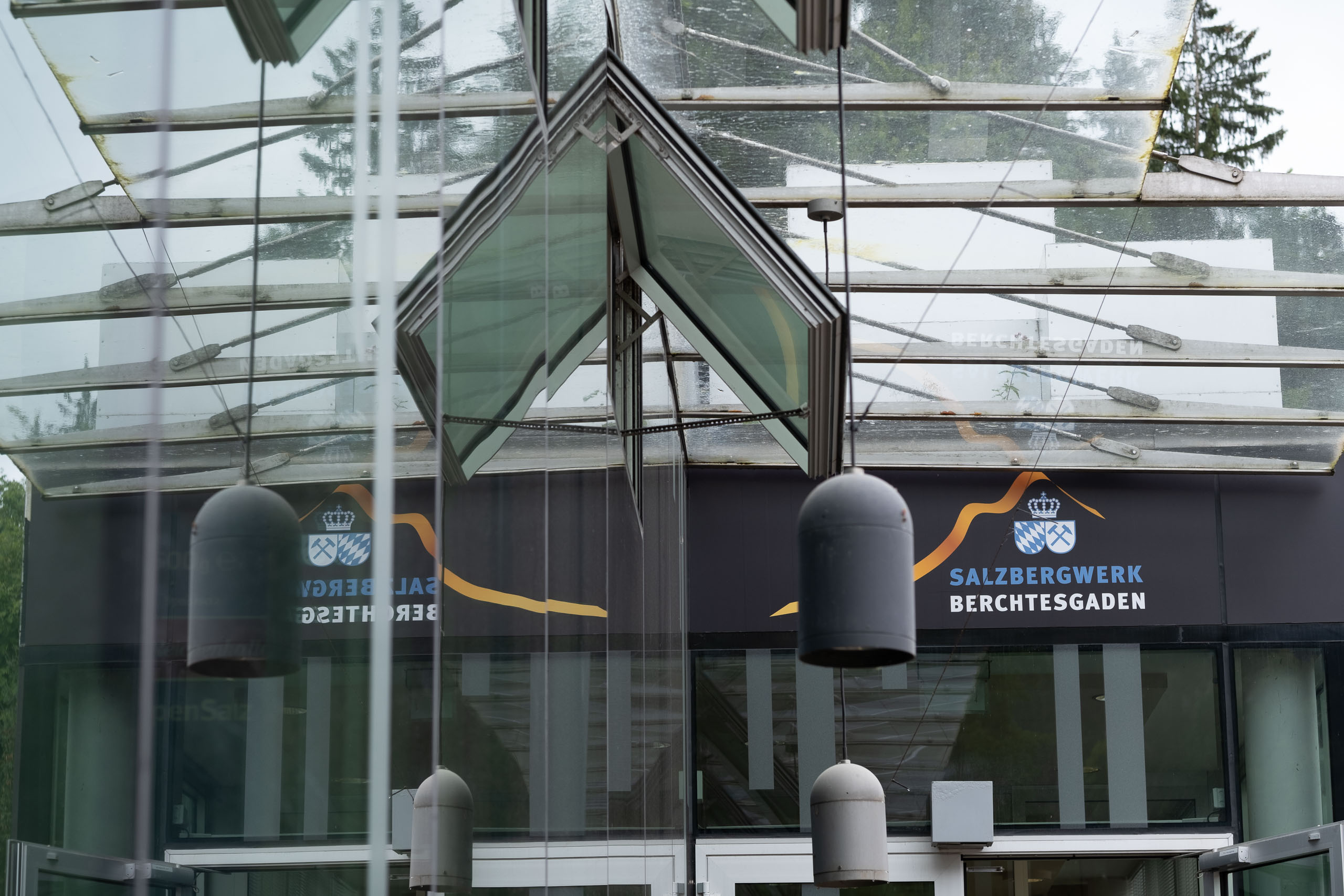
- Glass entrance pavilion of the Salzbergwerk Berchtesgaden with crown logo signage in Bavaria (5 / 8)
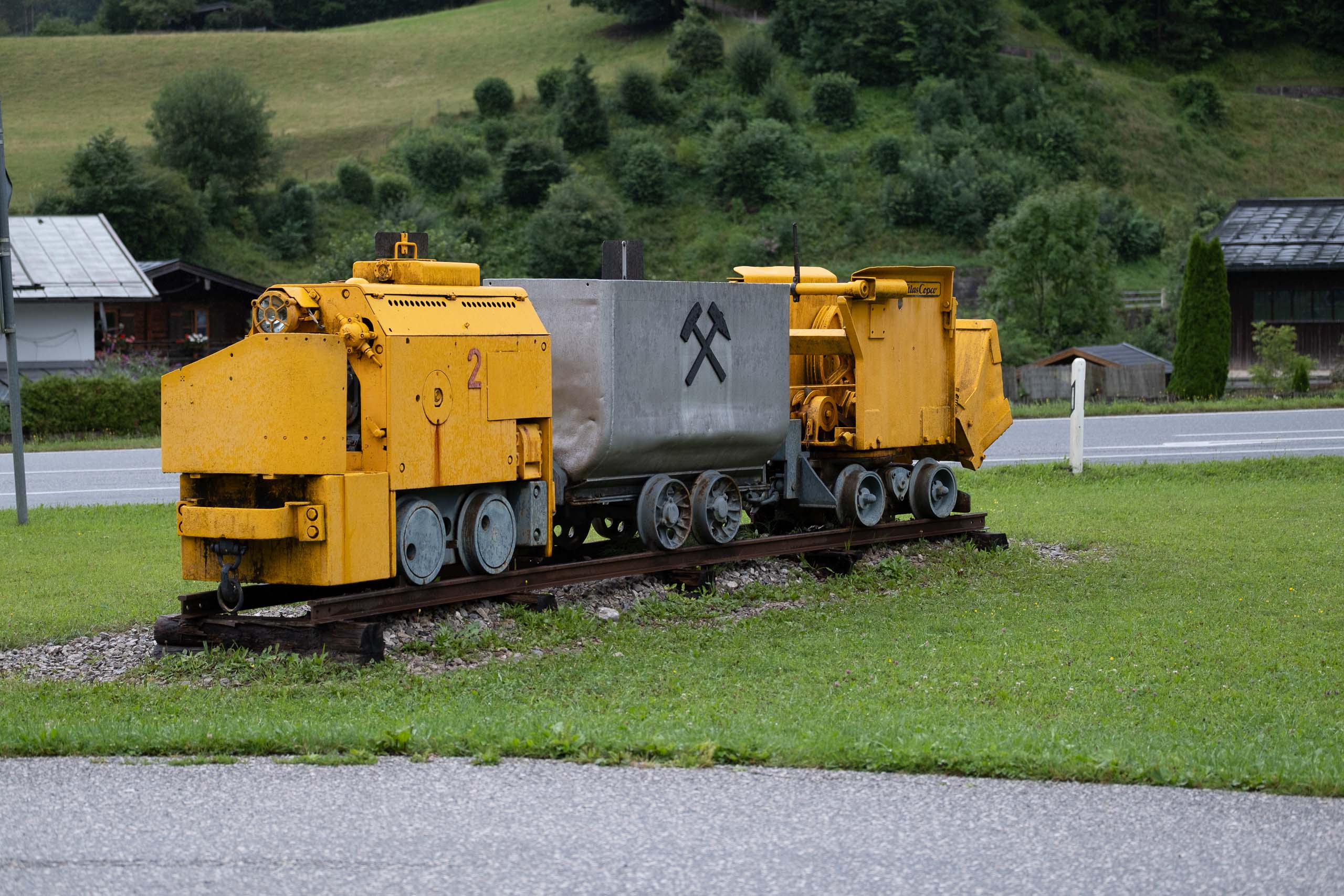
- Yellow mining locomotive with ore wagon displayed on rails outside the Salzbergwerk in Berchtesgaden (6 / 8)
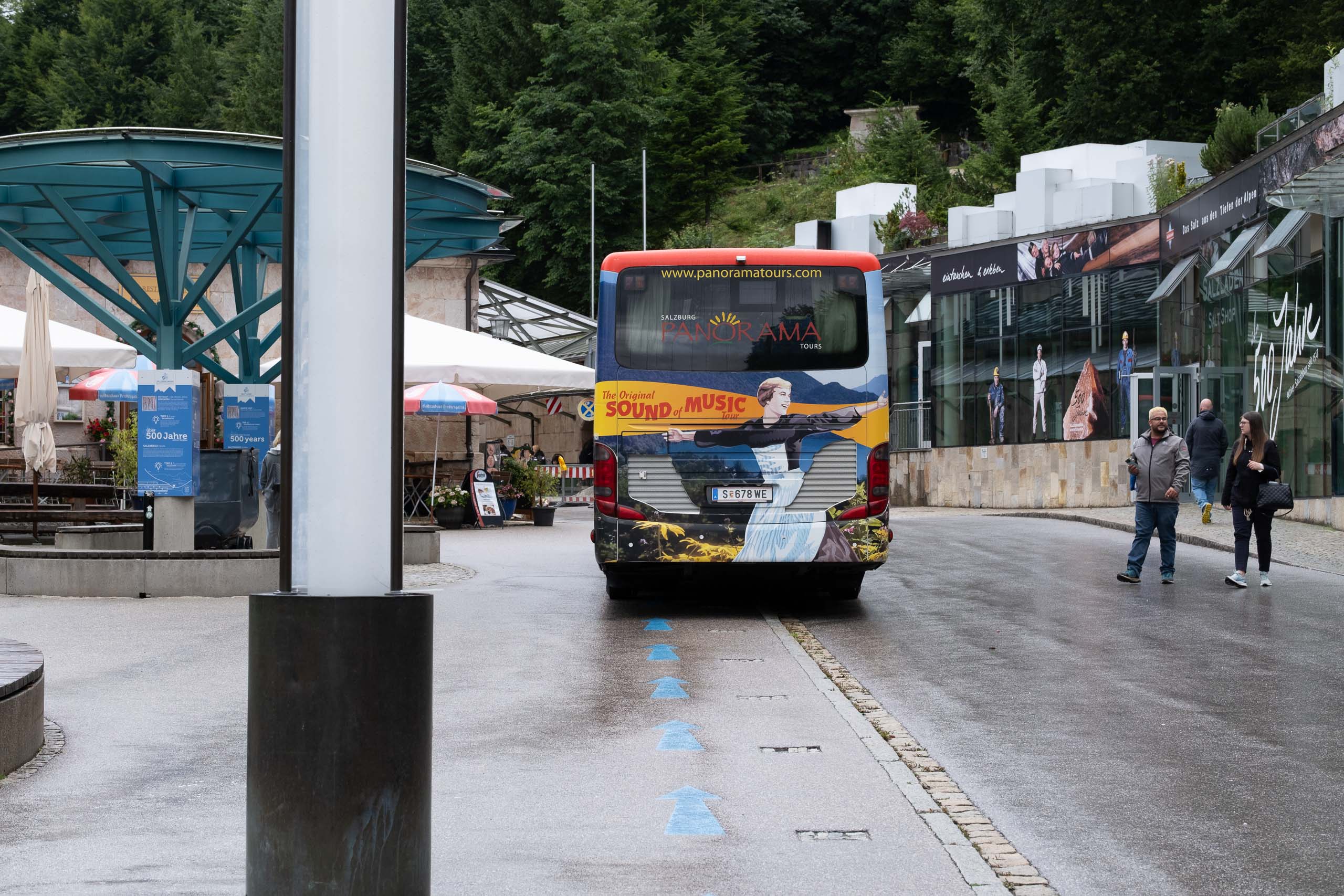
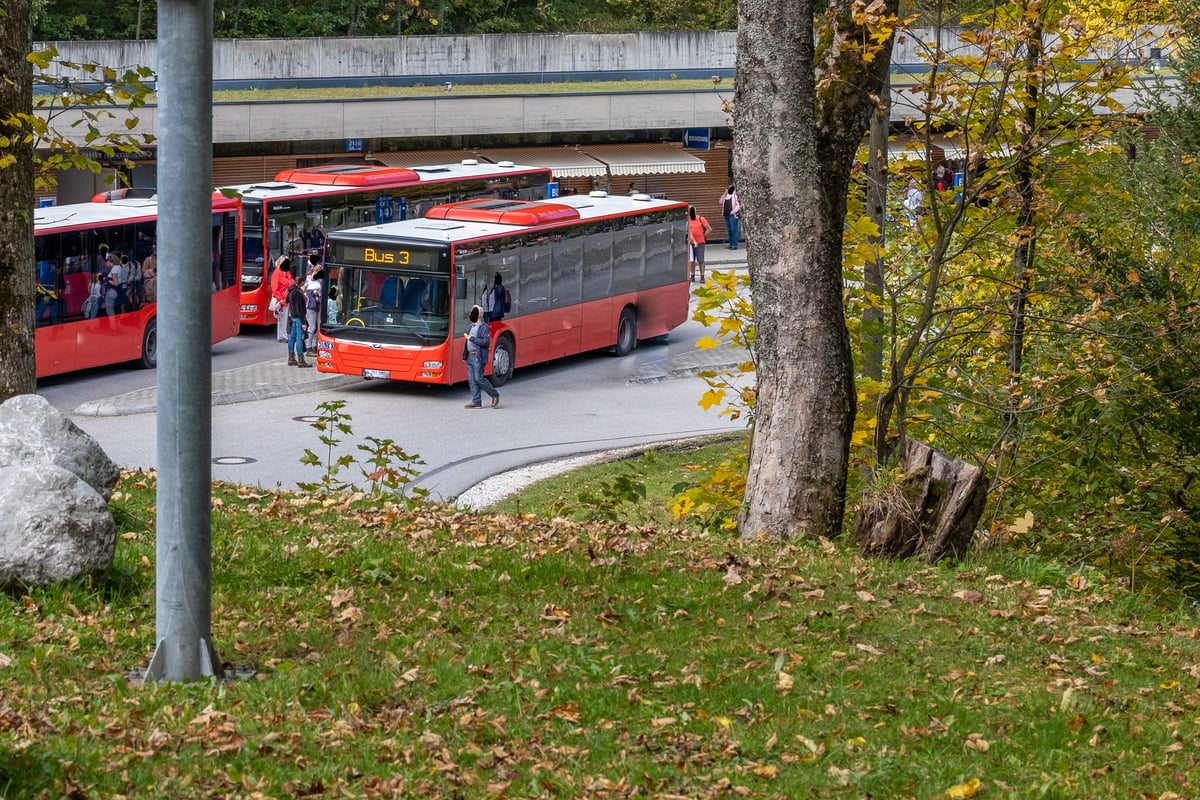
- Panorama Tours Sound of Music bus parked at the Salzbergwerk Berchtesgaden visitor area (7 / 8)
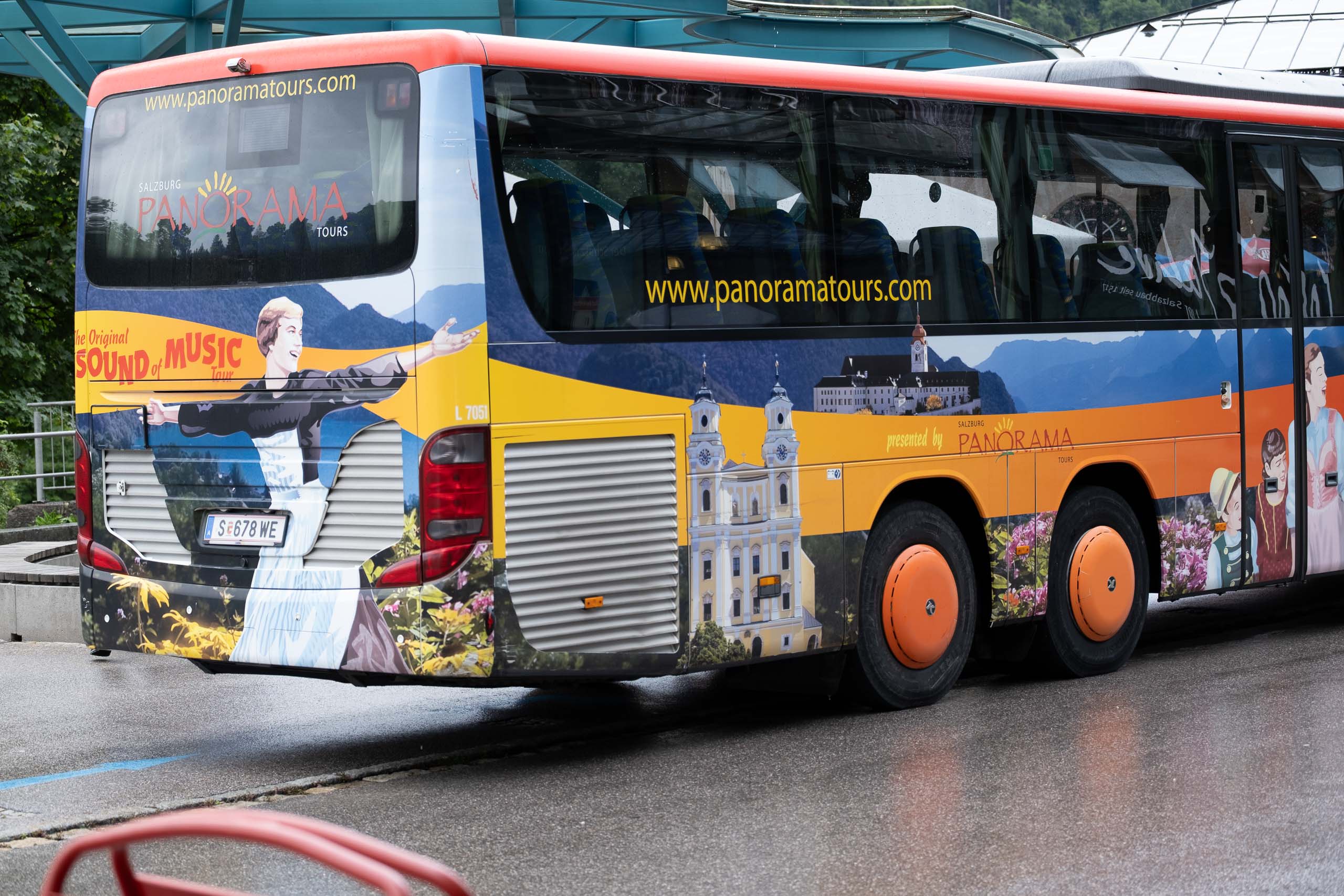
- Side view of Panorama Tours Sound of Music bus parked at the Salzbergwerk Berchtesgaden (8 / 8)
Snapshot
Berchtesgaden is a Bavarian alpine town 20 minutes from Salzburg, across a border that geography makes easy to ignore. It carries two distinct identities: one of extraordinary alpine beauty around the Königssee and Berchtesgaden National Park, and one of historical weight that no honest visitor can avoid.
The Story
The border between Austria and Bavaria runs through landscape that has never paid much attention to it. Berchtesgaden sits on the German side, but it shares the same salt geology as Hallein and Bad Durrnberg, and its prince-provostry spent centuries in direct competition with Salzburg’s archbishops for control of the alpine salt trade. The Stiftskirche Berchtesgaden and the former Augustinian monastery at the town center carry that medieval identity into the present.
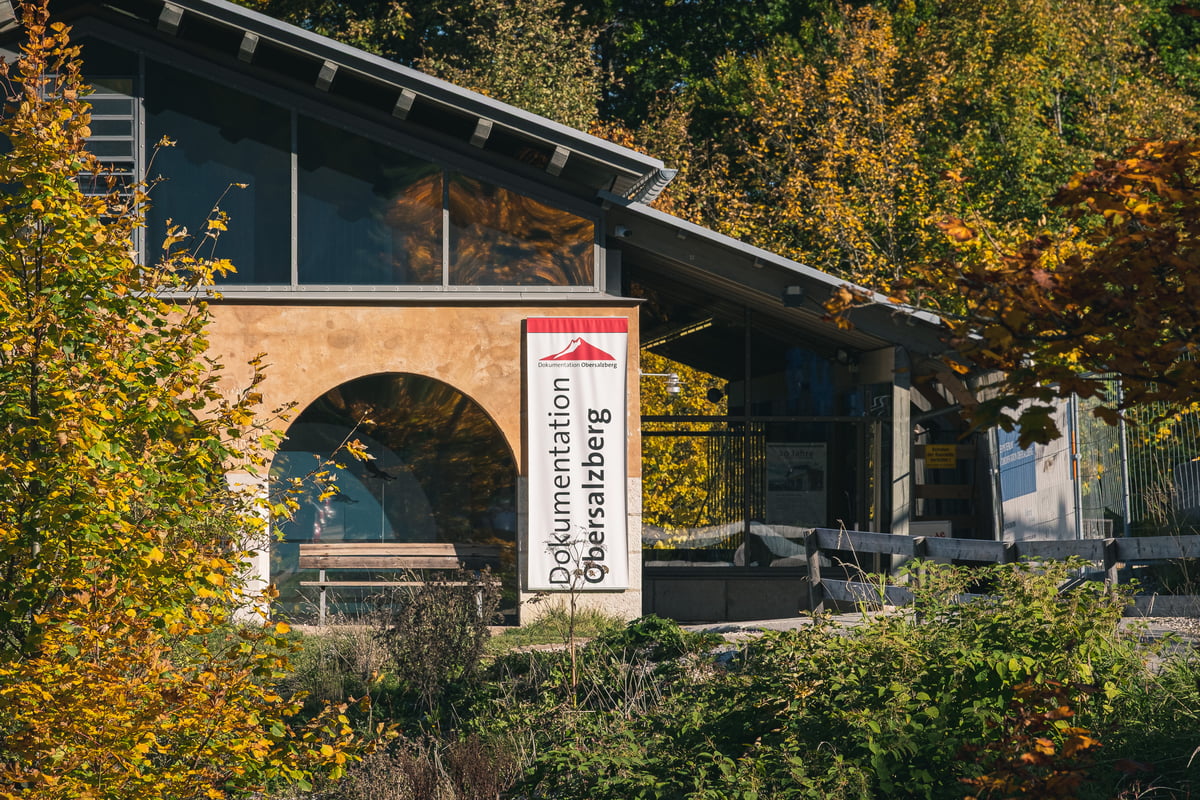
The heavier history belongs to Obersalzberg, the forested plateau above the town. From 1933, this was a “Führersperrgebiet,” a designated restricted zone and second seat of Nazi power. Farms were seized, residents expelled, and the entire hill was rebuilt for the regime’s leadership. The Dokumentationszentrum Obersalzberg reopened in 2023 with a rebuilt exhibition titled “Idyll und Verbrechen” (Idyll and Crime), 350 objects and multimedia panels across 800 square meters, focused on how ordinary people became perpetrators. The bunkers beneath the center still bear graffiti from forced laborers. Above it, the Kehlsteinhaus (Eagle’s Nest) sits at 1,834 meters, reached by a mountain road and an elevator shaft blasted into rock. It was built as a 50th birthday gift for Hitler. It now operates as a restaurant and offers panoramic views into four countries. Most visitors come for the views; the documentation center is the place to reckon seriously with what happened here.
The rest of the valley belongs to the landscape. The Königssee is one of the cleanest lakes in Germany, accessible only by electric boat (no combustion engines allowed since 1909). The electric fleet is nearly silent, and the boat trip to St. Bartholomäuskirche at the far end of the lake, with its red-domed Baroque church against the Watzmann east face, is one of the more startling sights reachable from Salzburg in an afternoon. Berchtesgaden National Park surrounds the valley on three sides and contains serious hiking terrain, including routes to high alpine huts.
Planning
Berchtesgaden is roughly 30 kilometers from Salzburg. Bus 840 runs from Salzburg Hauptbahnhof directly to Berchtesgaden, taking about an hour. By car the crossing at Bad Reichenhall takes around 25 minutes. A focused day reaches the Dokumentationszentrum and the Königssee. A full day adds the Eagle’s Nest and the town itself. The Eagle’s Nest bus (line 849) runs from Berchtesgaden station and only operates late May through October; the summit can be closed in snow at any time of year. Combine with Hallein as a salt-history pairing, or treat Berchtesgaden as its own dedicated excursion. The documentation center warrants at least two hours. Do not rush it.
Go deeper
Destinations within Berchtesgaden
One level down the canonical map. Every card is a direct child of this destination.
- district
Passing through
Tours that visit Berchtesgaden
Based somewhere else, but they come here. Each one names this destination or one of its places on its own route.
Berchtesgaden & Eagles Nest Tour
Full-day excursion to Berchtesgaden and Eagle's Nest (May-Oct). ~45 min to Berchtesgaden. Dokumentationszentrum Obersalzberg for WWII context. Salt mine as wet-weather/winter alternative. Panorama Tours Salzburg and Bobs Special Tours.
Salt Mine Tour from Salzburg
Salt mining is the foundation of Salzburg's existence. Tours focus on Salzbergwerk Berchtesgaden (most accessible), Salzwelten Hallein (Austrian, Celtic history), Salzwelten Hallstatt (oldest, Bronze Age), Salzwelten Altaussee (WWII art-looting story). Wooden slides, underground salt lakes, raft crossings. Half-day addition to broader excursions.
Untersberg Day Hike
The Untersberg Day Hike combines the Untersbergbahn cable car to the Geiereck at 1,776 m with self-guided walks on the open limestone plateau above Salzburg. The summit gives views across the German border into the Berchtesgaden valley and back over the city.
Where to eat
Where to eat and drink in Berchtesgaden
Every restaurant, cafe, bar and stand documented inside Berchtesgaden, A to Z.
Destillerie Grassl
The oldest and most celebrated Enzian (gentian) distillery in the alpine border region, near Berchtesgaden. Gentian schnapps distilled from yellow gentian roots harvested by hand in the high Alps. Welcomes visitors for tastings.
Mapped places
Places in Berchtesgaden
Every card is assigned directly to this destination or one of its canonical child destinations.
Berchtesgadener Hochthron
The highest point of the Untersberg at 1,972 m, on the Bavarian side. Accessible only on foot. 360-degree summit view over the Berchtesgaden and Salzburg Alps. Reserved for those willing to earn it.
Destillerie Grassl
The oldest and most celebrated Enzian (gentian) distillery in the alpine border region, near Berchtesgaden. Gentian schnapps distilled from yellow gentian roots harvested by hand in the high Alps. Welcomes visitors for tastings.
Dokumentationszentrum Obersalzberg
The Obersalzberg above Berchtesgaden was the second seat of Nazi power after Berlin. Hitler acquired a house here in 1928; by the mid-1930s the entire mountainside had been seized, farmed-out residences demolished, and rebuilt as a complex of government buildings, SS barracks, and underground bunkers.
Jenner
A 1,874 m peak above the Königssee, reachable by cable car. Königssee spread directly below, Watzmann to the north. Natural complement to a Königssee boat trip. The view justifies the cable car fare unambiguously.
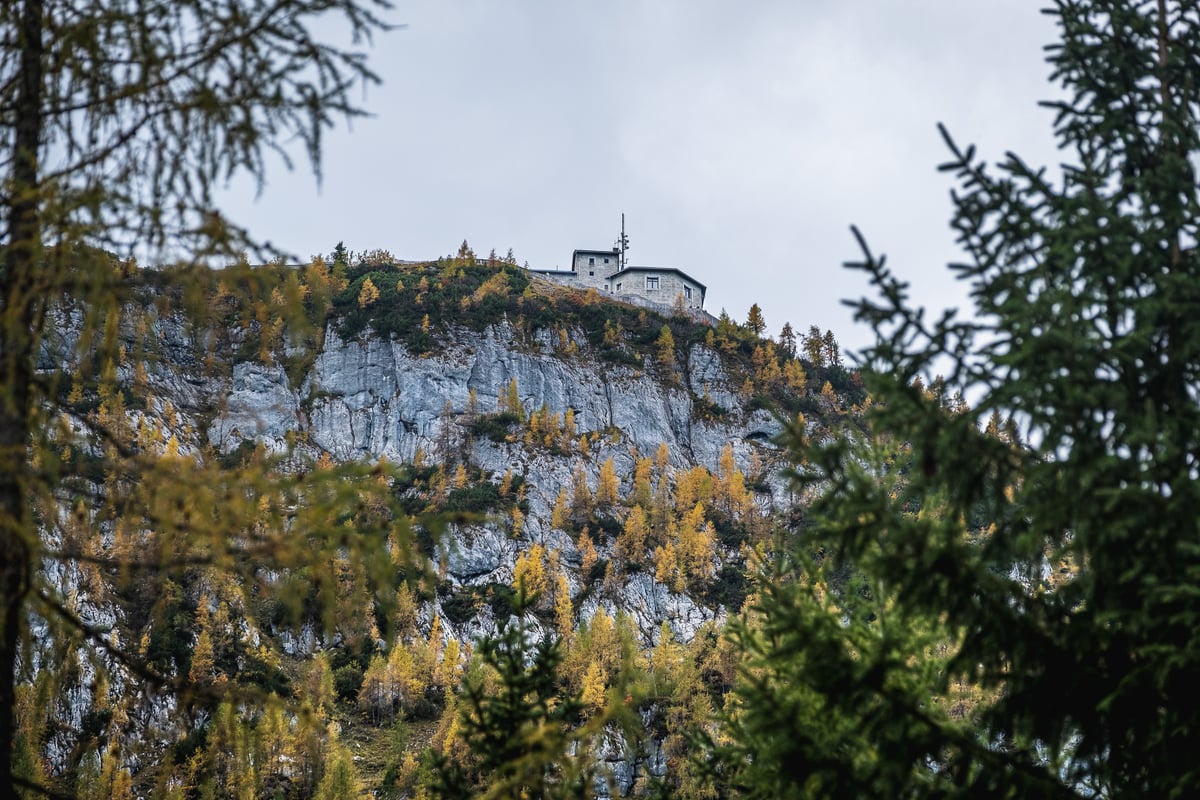
Kehlsteinhaus
1938
The Kehlsteinhaus (known in English as the Eagle's Nest) is a mountaintop building on the Kehlstein above Berchtesgaden in Bavaria, built in 1938 as a 50th birthday gift from the Nazi Party to Adolf Hitler. The building sits at 1,834 meters, accessed by a purpose-built mountain road and a brass-lined elevator cut through 124 meters of rock.
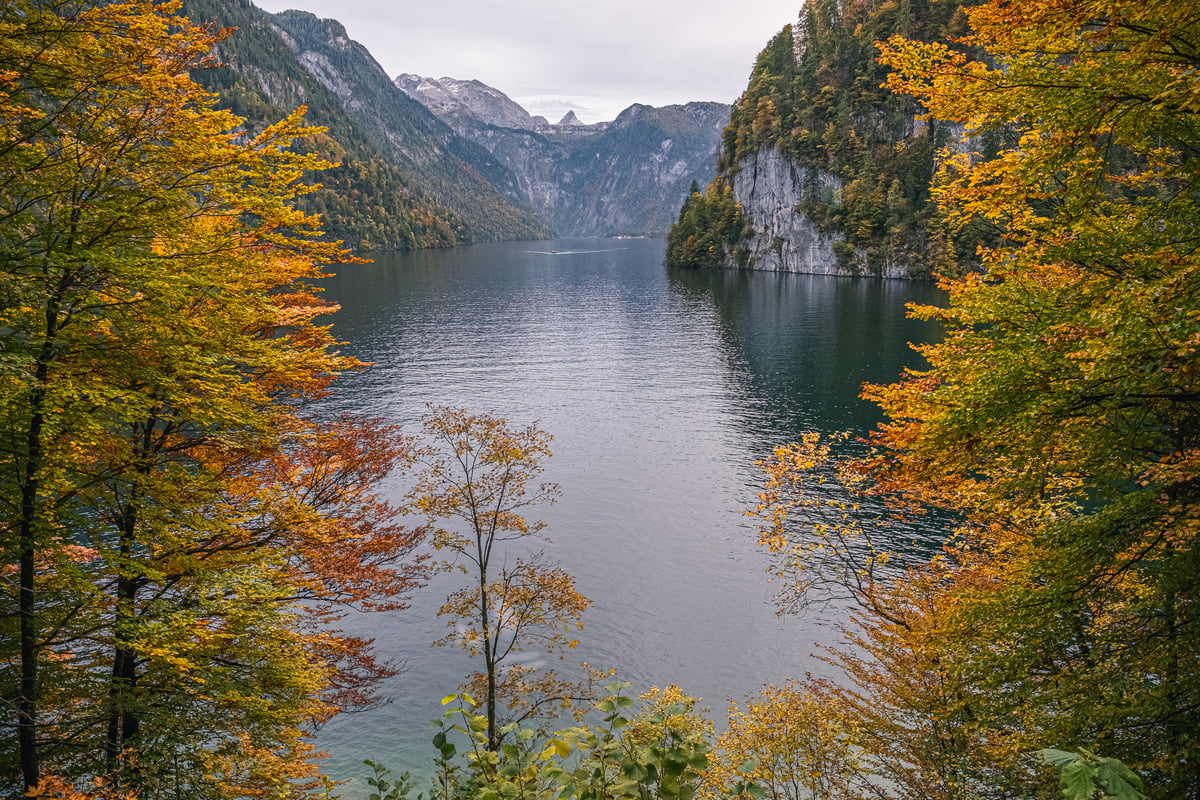
Königssee
A glacially carved fjord-lake of extraordinary beauty within the Berchtesgaden National Park. Enclosed by vertical cliffs rising 1,000 metres. Only electric boats since 1909. The iconic St. Bartholomä chapel. One of the most memorable natural experiences within reach of Salzburg.
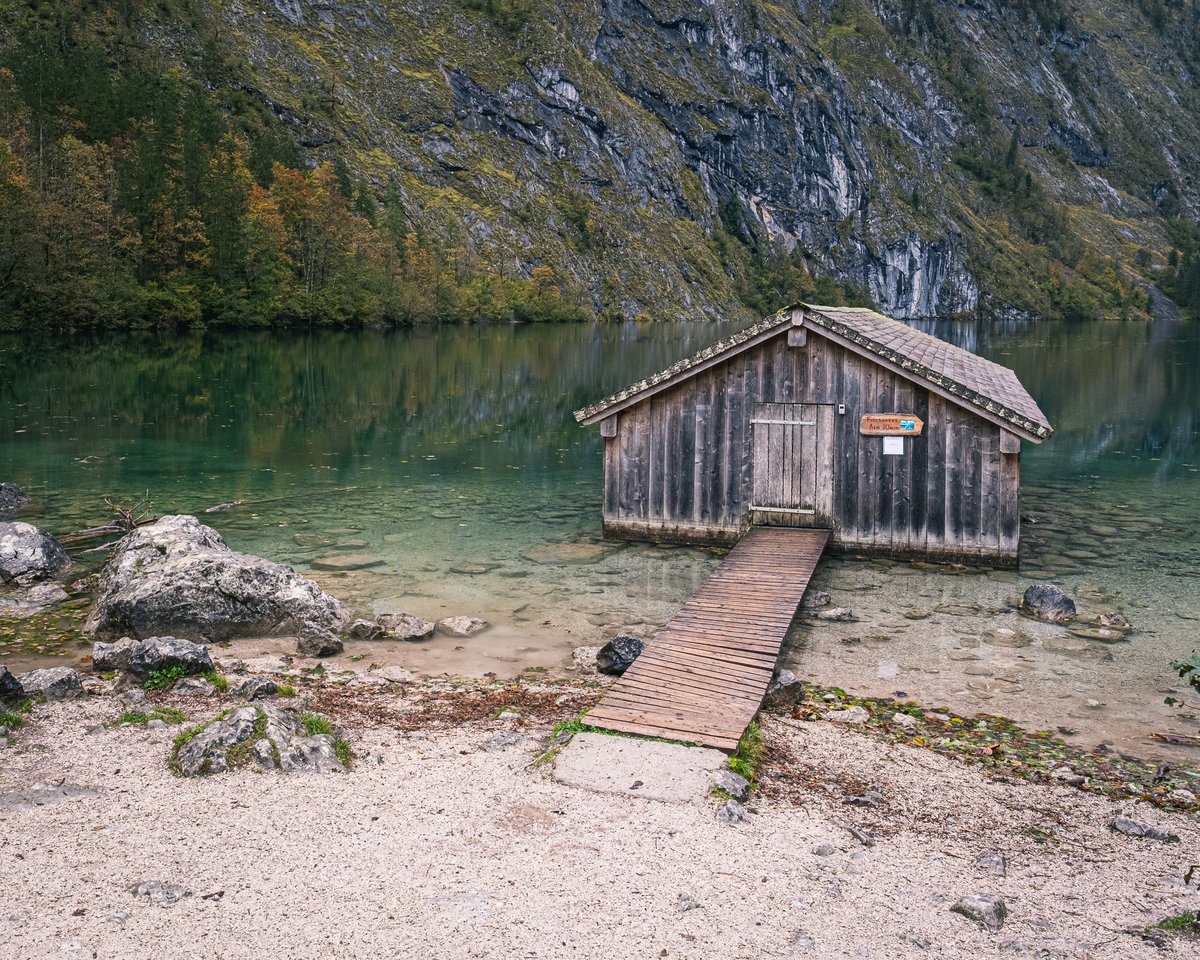
Obersee
The Obersee is the smaller, less-visited lake directly adjacent to the Koenigsee in the Berchtesgaden National Park, separated from it by the Fischunkelalm (an alpine farm) and connected by a short walk from the St. Bartholomae landing stage.
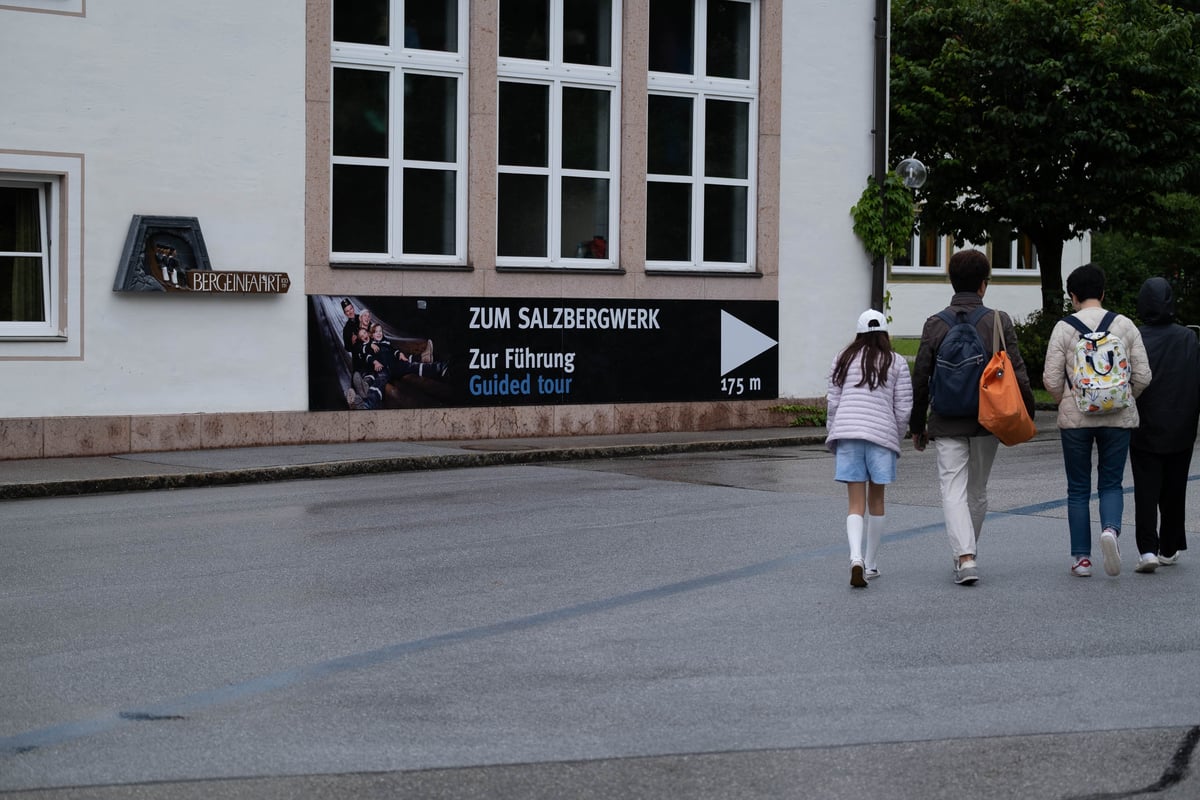
Salzbergwerk Berchtesgaden
Salt has been extracted from this mountain above Berchtesgaden since 1517, making it one of the oldest continuously operating mines in central Europe.
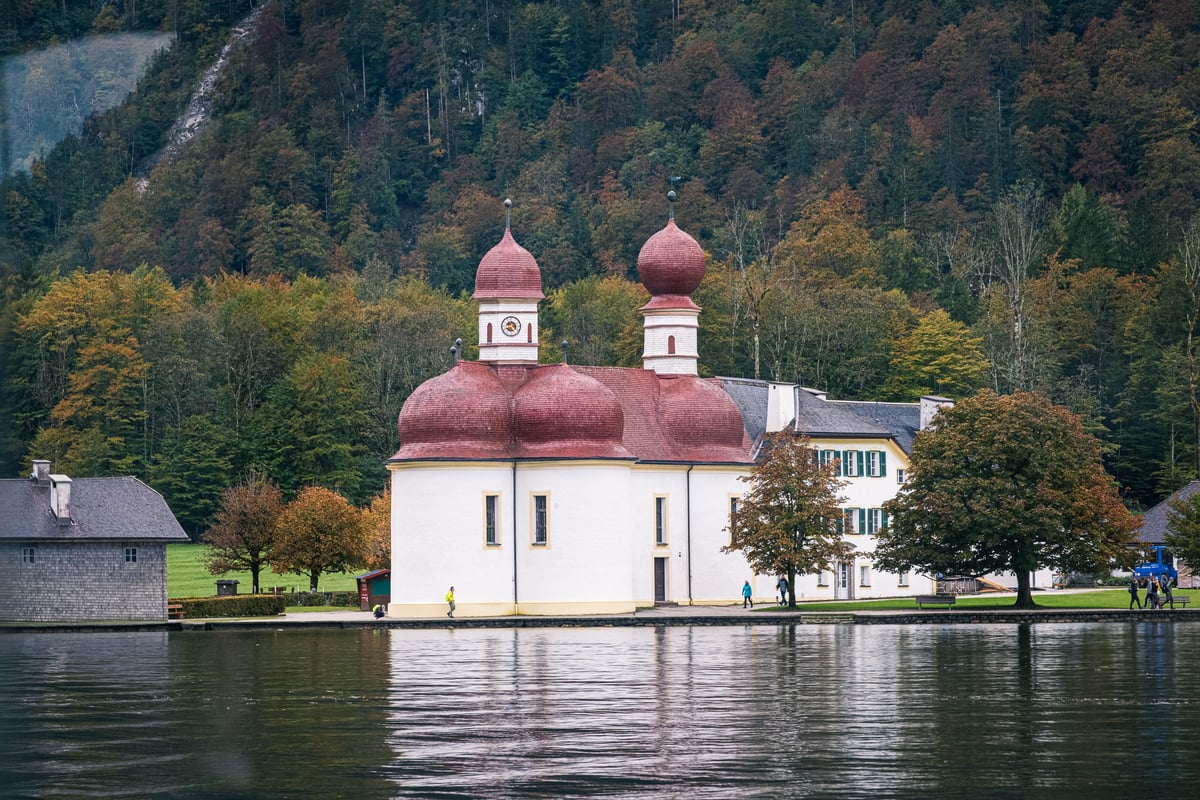
St. Bartholomä Chapel
The red-domed pilgrimage chapel on the Königssee western shore. One of the most photographed images in Bavaria. Only accessible by electric boat. Working church, farm, and restaurant. Boat trip includes the famous cliff-echo trumpet demonstration.