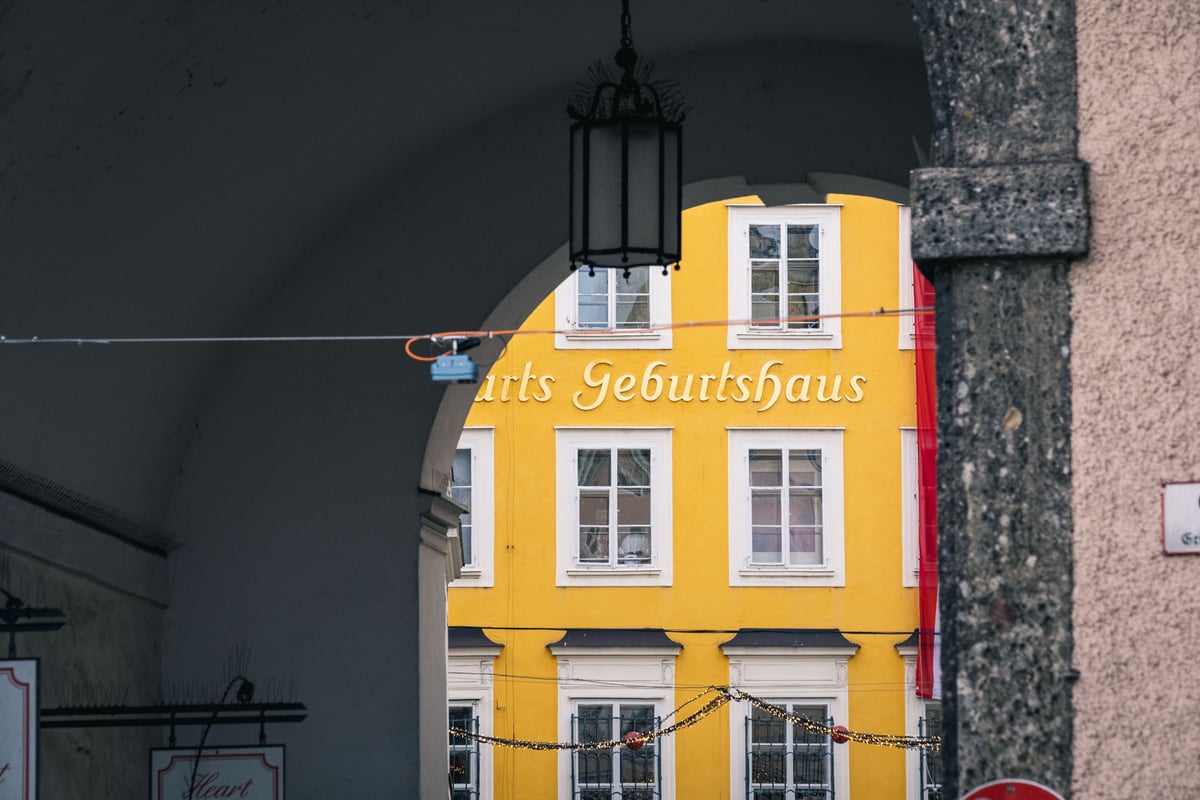
Mozart's Birthplace
Baroque
The third floor of Getreidegasse 9 is where Wolfgang Amadeus Mozart was born on 27 January 1756, and where he spent the first seventeen years of his life.
Foundation, Cultural Institution
The Stiftung Mozarteum is the world’s pre-eminent institution for the preservation and study of Wolfgang Amadeus Mozart’s legacy, founded in Salzburg in 1841. It manages the two Mozart house museums, holds the most significant Mozart archive anywhere, and organises the annual Mozartwoche, the densest concentration of serious Mozart performance anywhere in the world.
When Wolfgang Amadeus Mozart was born in 1756, Salzburg was the city of the archbishop-princes, not yet the city of Mozart. It took several decades after his death in 1791 for his Salzburg connection to become a central part of the city’s identity. The Stiftung Mozarteum, founded in 1841, was one of the institutions that built and institutionalised that identity.
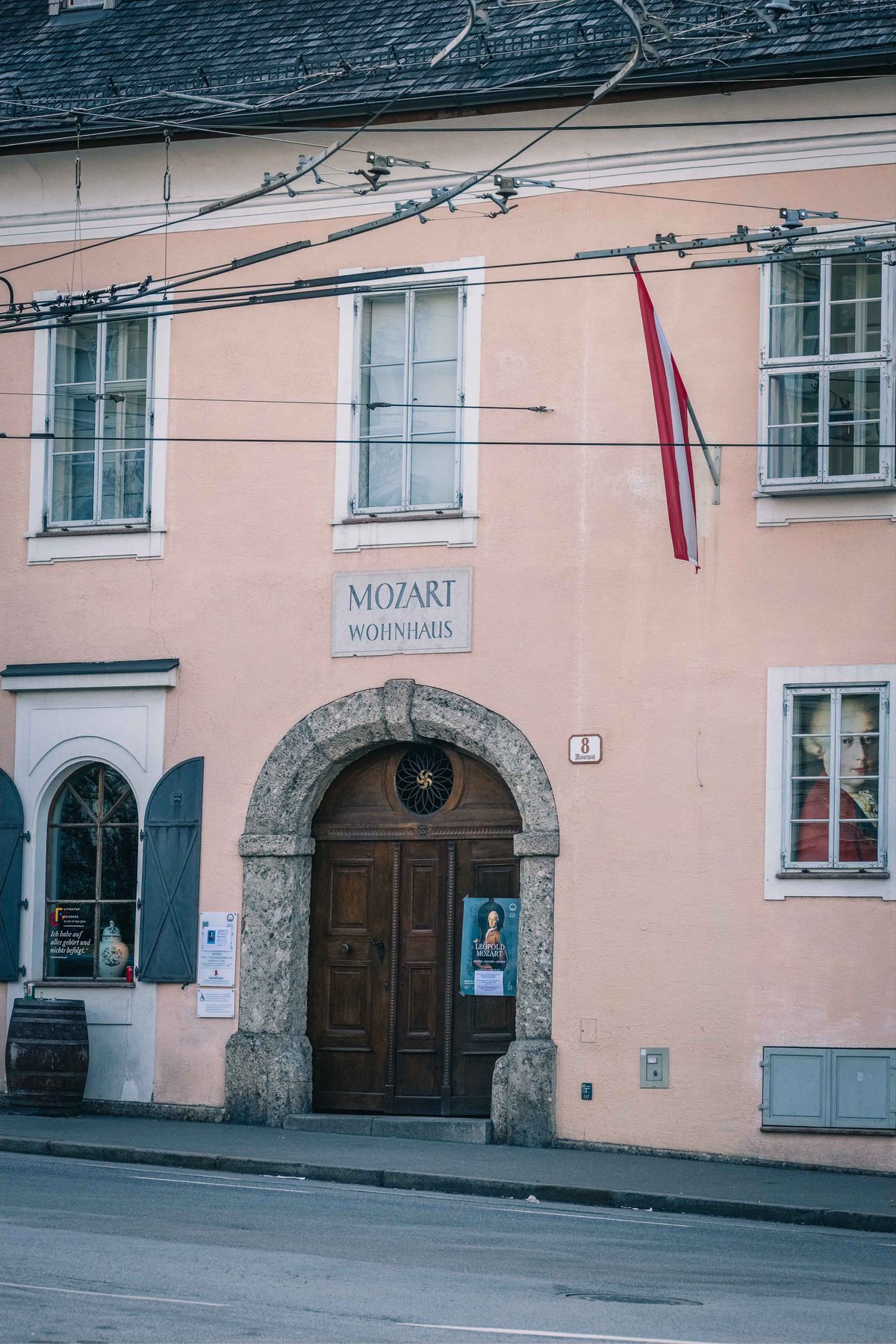
The foundation manages the two most important Mozart addresses in the city. Mozarts Birthplace on Getreidegasse, where he was born on 27 January 1756, has been a museum since the nineteenth century; the Getreidegasse location in the heart of the Altstadt makes it one of the most-visited sites in Austria. Mozarts Residence on Makartplatz, where the Mozart family moved in 1773, is larger and less crowded, and its exhibits cover the later Salzburg years and the European tours.
The archive held by the Stiftung is the primary scholarly resource for Mozart research internationally: it includes autograph manuscripts, correspondence, and documents that are not available anywhere else. The research library draws musicologists from around the world.
The annual Mozartwoche (Mozart Week), held each January, is the Stiftung’s most public event: a concentrated festival of historically informed performance at the Mozarteum concert halls, with the Mozarteumorchester Salzburg as house orchestra and international soloists and conductors drawn from the top of the early-music and classical worlds. Bernhard Paumgartner, who led the Stiftung for decades through the mid-twentieth century, shaped its approach to both scholarship and performance, and his influence is still felt in the Mozartwoche’s character.
Locations
Baroque
The third floor of Getreidegasse 9 is where Wolfgang Amadeus Mozart was born on 27 January 1756, and where he spent the first seventeen years of his life.
1773
The larger apartment on Makartplatz where the Mozart family moved in 1773. Leopold Mozart lived here until his death in 1787. Wolfgang Amadeus Mozart lived here until his permanent departure for Vienna in 1781.
Built 1910-1914
The Mozarteum Foundation is the institution that runs both of Salzburg's Mozart museums, organizes the Mozart Week festival each January, and operates the concert hall on Schwarzstrasse where major chamber and orchestral programming happens outside the Salzburg Festival.
Experiences
One of the world's great chamber music festivals, entirely Mozart, each January around his birthday (27 January). Organised by the Stiftung Mozarteum. January is low season in Salzburg: a genuine insider reason to visit outside the crowds.
People
conductor1887 - 1971
The man who shaped the Mozarteum and the early Salzburg Festival more durably than almost anyone else. Director of the Mozarteum for over four decades (1917-1959), bridging the Festival's founding generation and the Karajan era.
singerb. 1973
The finest bel canto tenor of his generation and the face of Mozartwoche in Salzburg. His connection to Mozart's birthplace city is deep and ongoing. In 2007 at La Scala, he became the first singer in 74 years to be granted an encore mid-performance.
Read more
The longer pieces where this comes up.
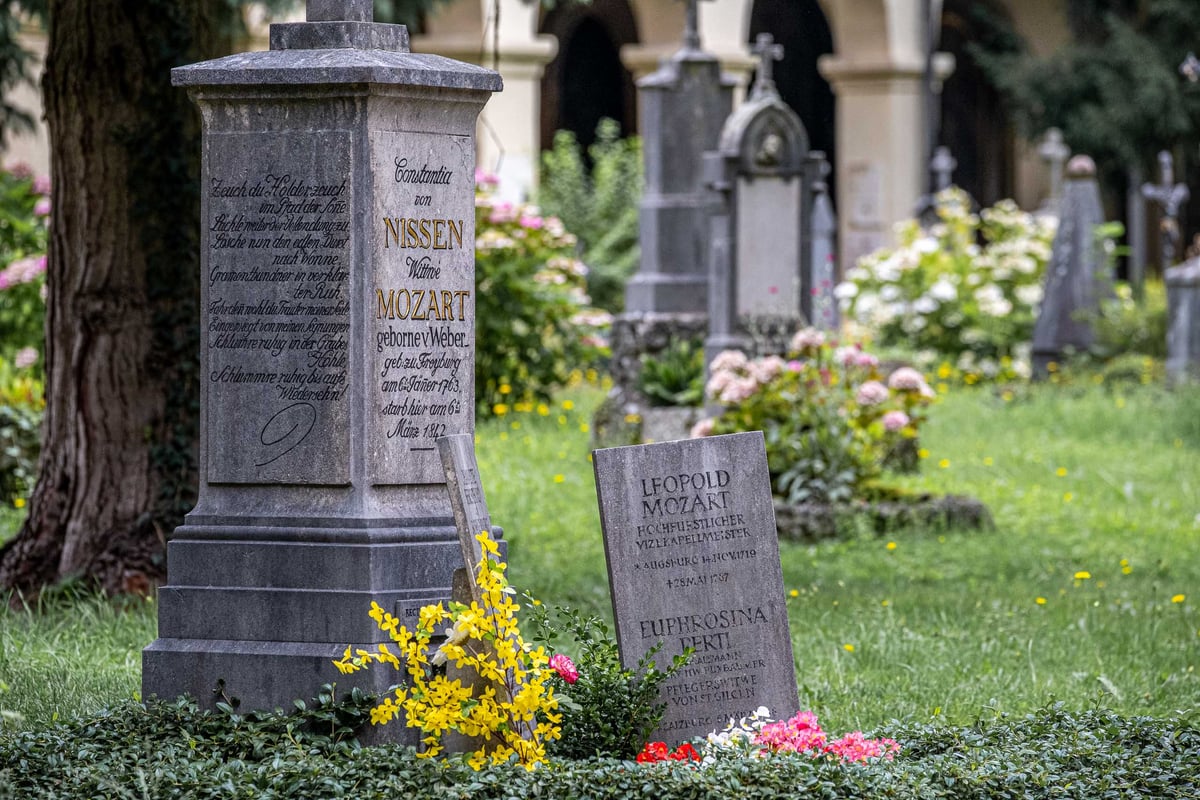
Mozart died in Vienna on 5 December 1791. He was thirty-five. We do not know what killed him. We do not know where he is buried. A skull that spent over a century in the Mozarteum probably is not his. And the family grave in Salzburg contains people who, according to DNA, are not related to each other.
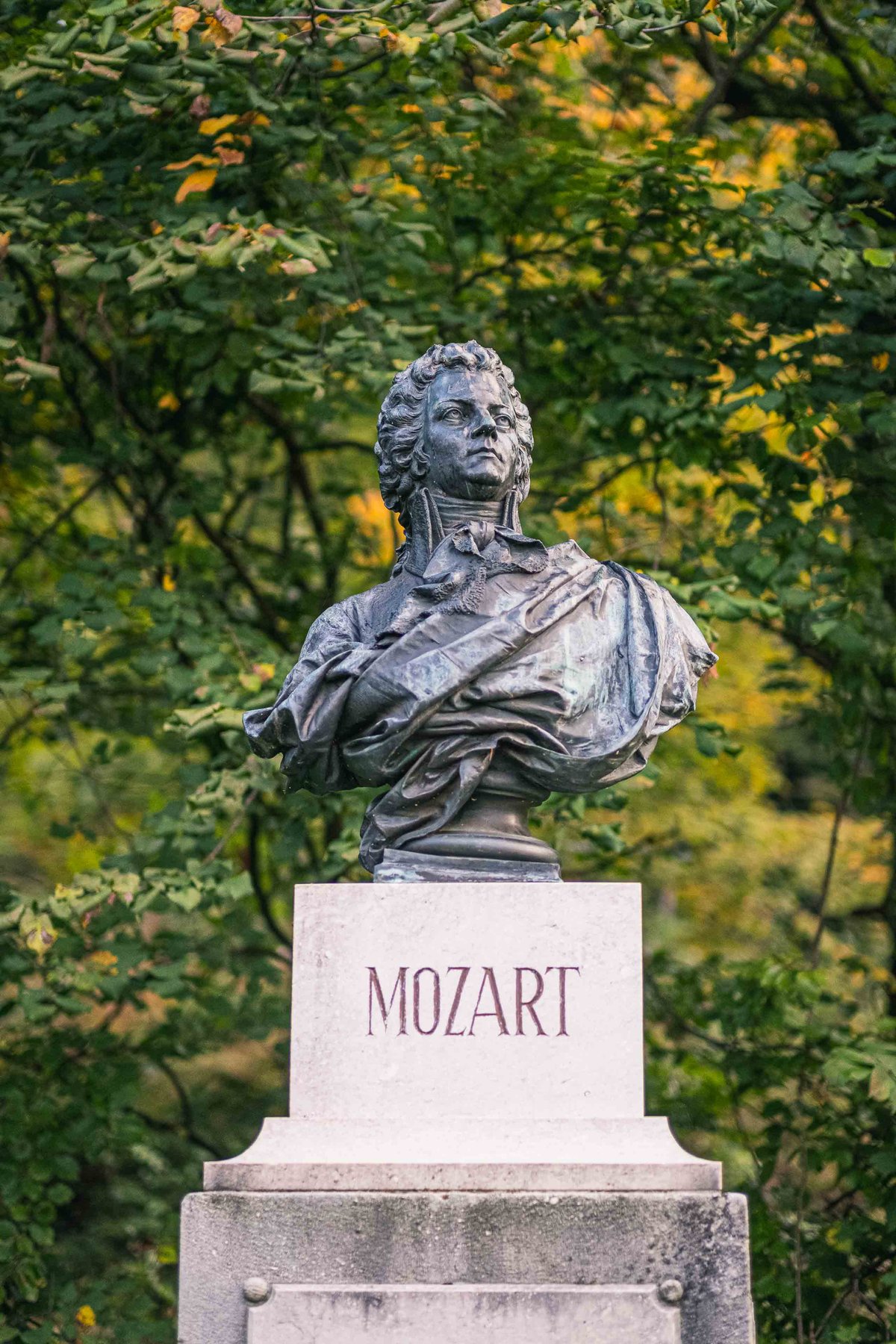
Every week on my tours, someone asks about Salieri. Every week I explain that Amadeus is a film, not a documentary. That is only the beginning. The popular version of Mozart's life is a mix of half-truths, romantic exaggeration, and Hollywood invention. Here are the things most guides repeat that do not hold up.