
Einspänner
Strong black coffee in a tall glass topped with a dome of unsweetened whipped cream (Schlagobers). Named after one-horse carriage coachmen who needed to drink with one hand. Cold sweetness meets hot bitterness in each sip.
City / Austria
Vienna is referenced in IS content both as a primary gateway city (approximately 3 hours by train from Salzburg, one of the two main arrival hubs alongside Munich) and as a central node in Salzburg’s history: Mozart settled and died here, and the Viennese Hofmannsthal-Strauss circle founded the Salzburg Festival.
Eat and drink
Strong black coffee in a tall glass topped with a dome of unsweetened whipped cream (Schlagobers). Named after one-horse carriage coachmen who needed to drink with one hand. Cold sweetness meets hot bitterness in each sip.
THE Austrian coffee. Espresso + steamed milk + milk foam in a wide porcelain cup. Like a cappuccino but lighter, less foamy, lower temperature. Sipped slowly while reading a newspaper. Ordering a Melange marks you as someone who knows where they are.
The most famous cake in the world. Created 1832 by sixteen-year-old Franz Sacher for Prince Metternich. Dense chocolate sponge, apricot jam, dark chocolate glaze. Hotel Sacher holds the trademark. Recipe not public. Served with unsweetened whipped cream (Schlagobers). Traditional instruction: eat without the cream. Traditional practice: eat with.
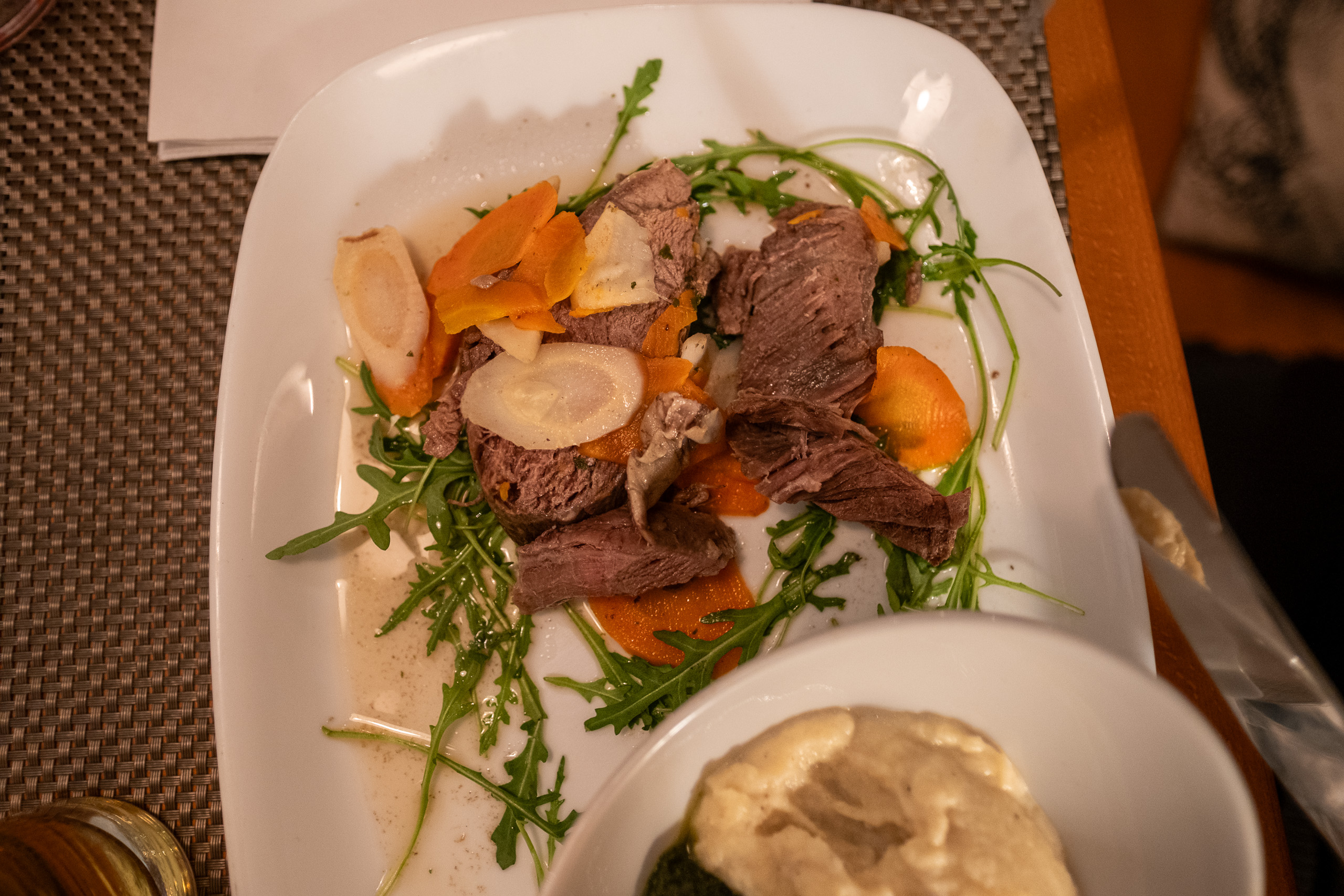
Austria's most refined beef dish. Prime rump simmered slowly in rich broth. Served with creamed spinach, roasted potatoes, chive sauce, and horseradish cream. Emperor Franz Joseph I reportedly ate it daily. Cannot be rushed. Cannot be improved by anything except time and a good broth.
The most ordered dish in Austria. Thin veal escalope, flour-egg-breadcrumb coating, fried in clarified butter until golden and blistered. Lemon wedge. Potato-cucumber salad. The characteristic wellige (wavy) coating of a correctly fried schnitzel. On every traditional menu.
Longer reads
Blog stories that share a topic with this destination, newest first.
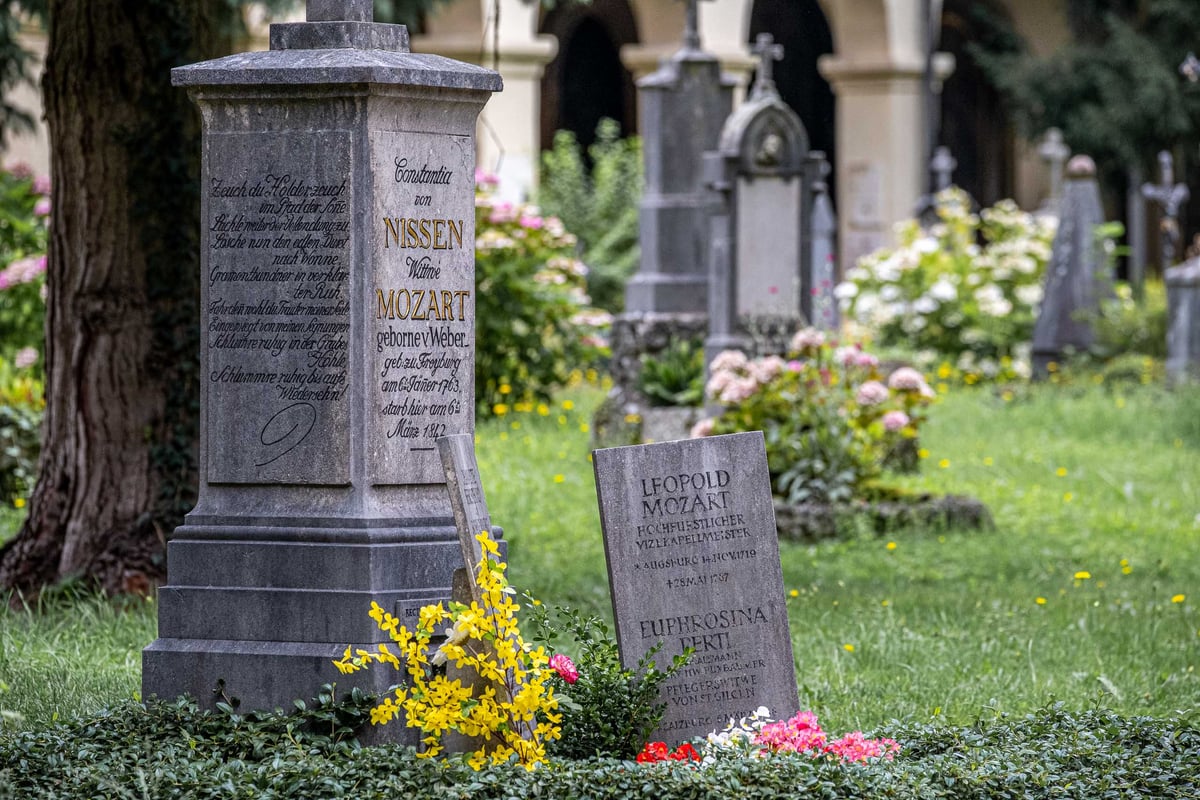
Mozart died in Vienna on 5 December 1791. He was thirty-five. We do not know what killed him. We do not know where he is buried. A skull that spent over a century in the Mozarteum probably is not his. And the family grave in Salzburg contains people who, according to DNA, are not related to each other.
Mozart never visited St. Gilgen. His mother was born there. His sister lived there for seventeen years. His grandfather and brother-in-law are buried in the churchyard. The village square is named after him. He never came.
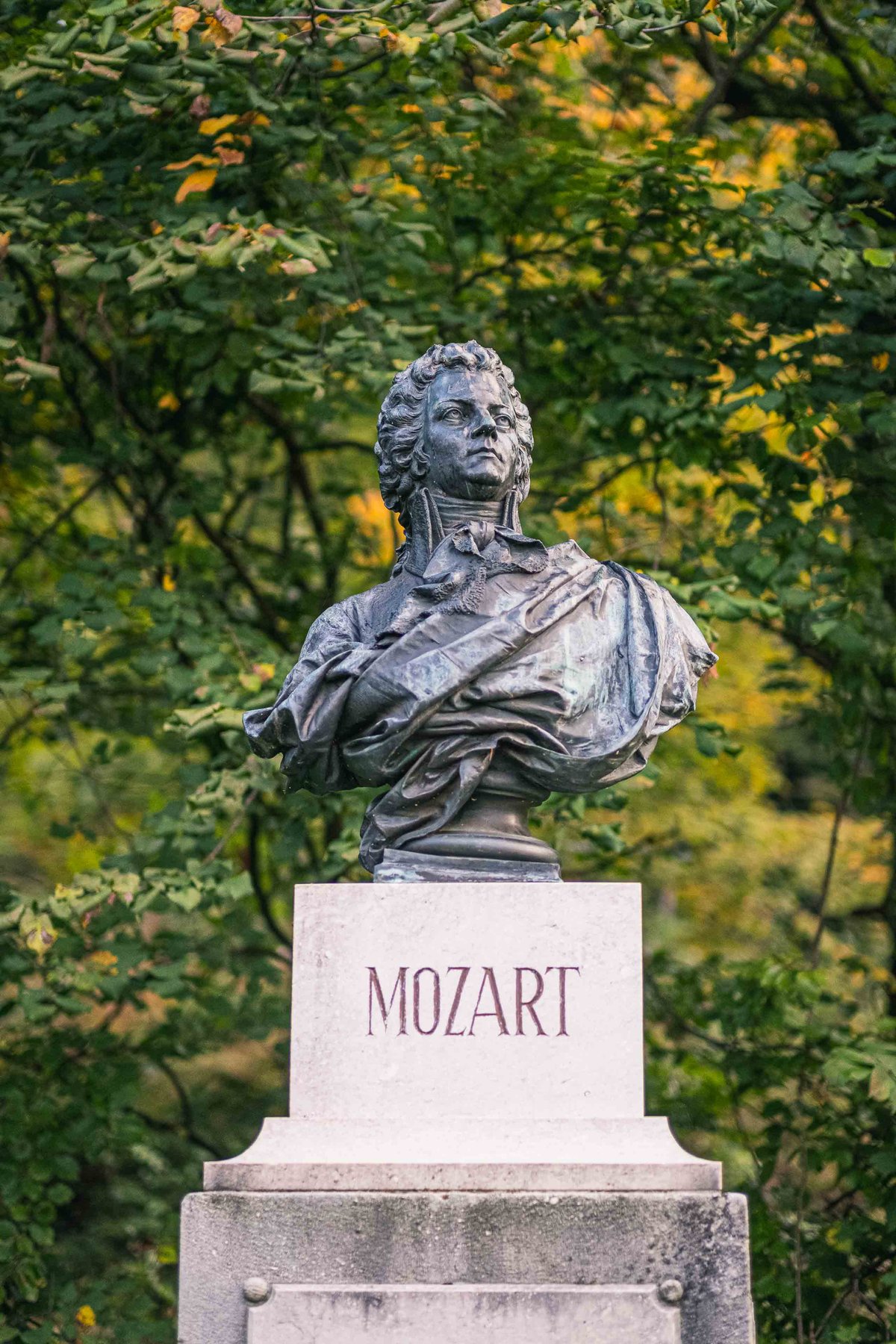
Every week on my tours, someone asks about Salieri. Every week I explain that Amadeus is a film, not a documentary. That is only the beginning. The popular version of Mozart's life is a mix of half-truths, romantic exaggeration, and Hollywood invention. Here are the things most guides repeat that do not hold up.
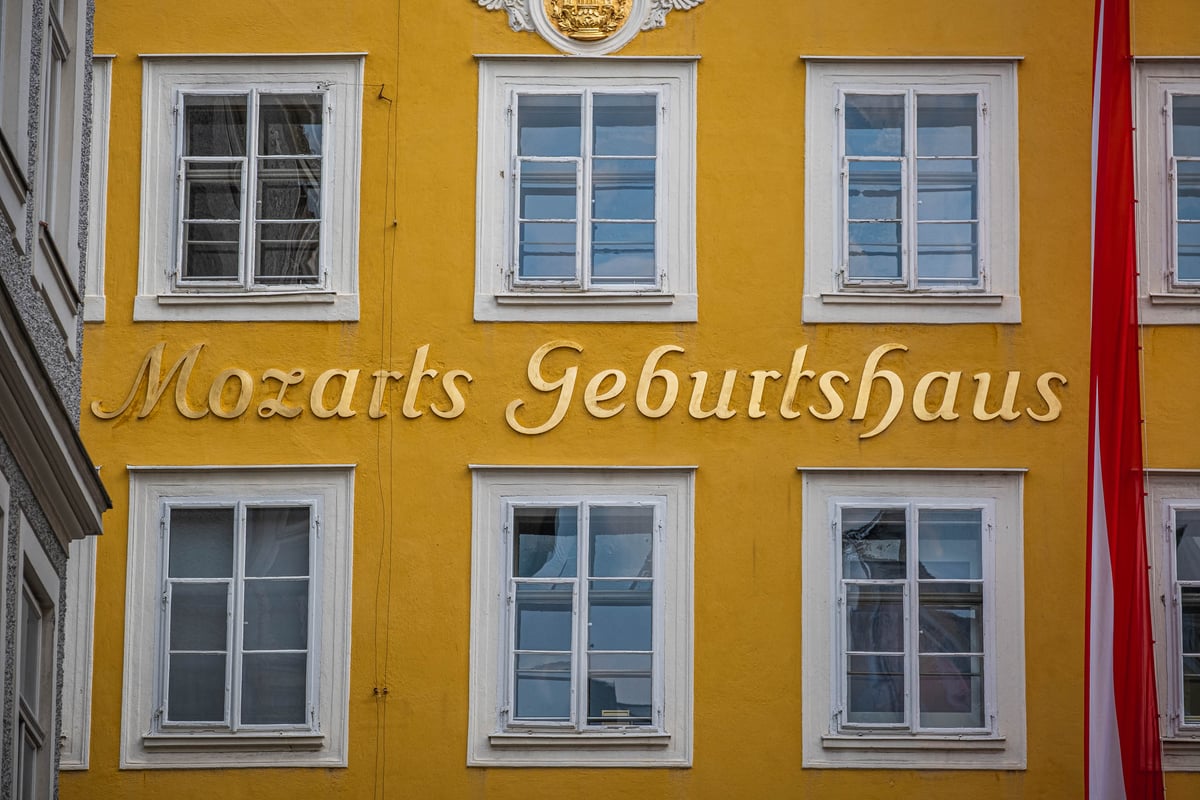
Maria Anna Mozart was four and a half years older than her brother and just as talented. As a child, she toured the royal courts of Europe alongside Wolfgang, performing for kings and emperors. The audiences could not tell which sibling was more gifted. Some thought she was better.
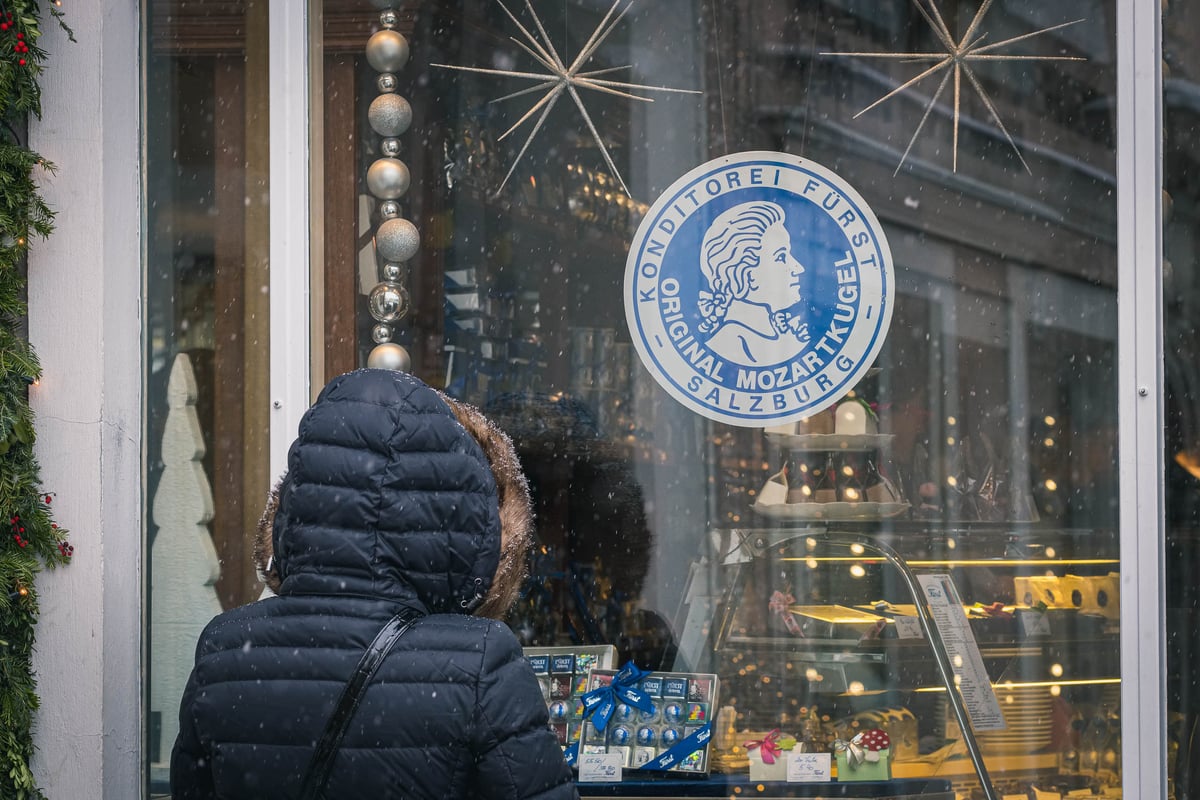
The original Mozartkugel is wrapped in blue and silver foil, made by hand, and sold only in Salzburg. The one you see at every airport and supermarket in Austria, the red and gold version, is a mass-produced copy that has nothing to do with the man who invented it.
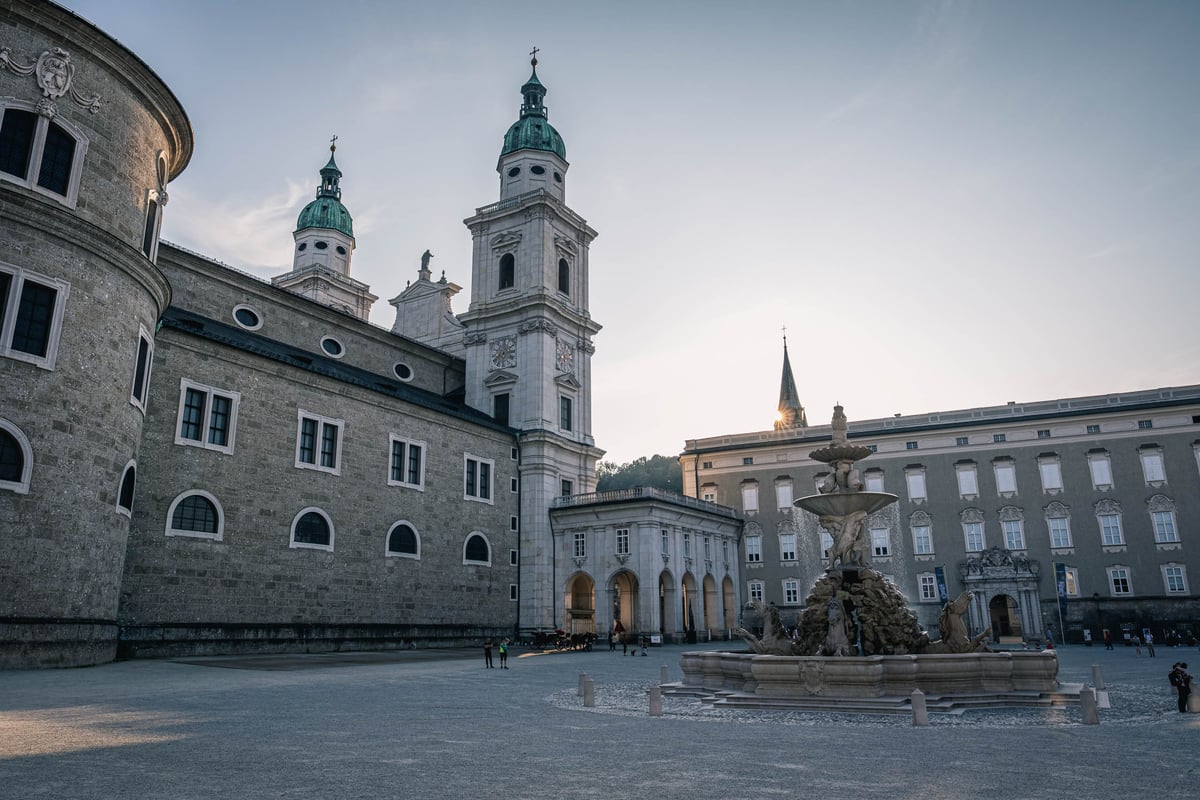
Salzburg was not part of Austria for most of its history. That single fact explains nearly everything about the way the city looks, why it feels different from Vienna, and why there is a fortress on the hill.
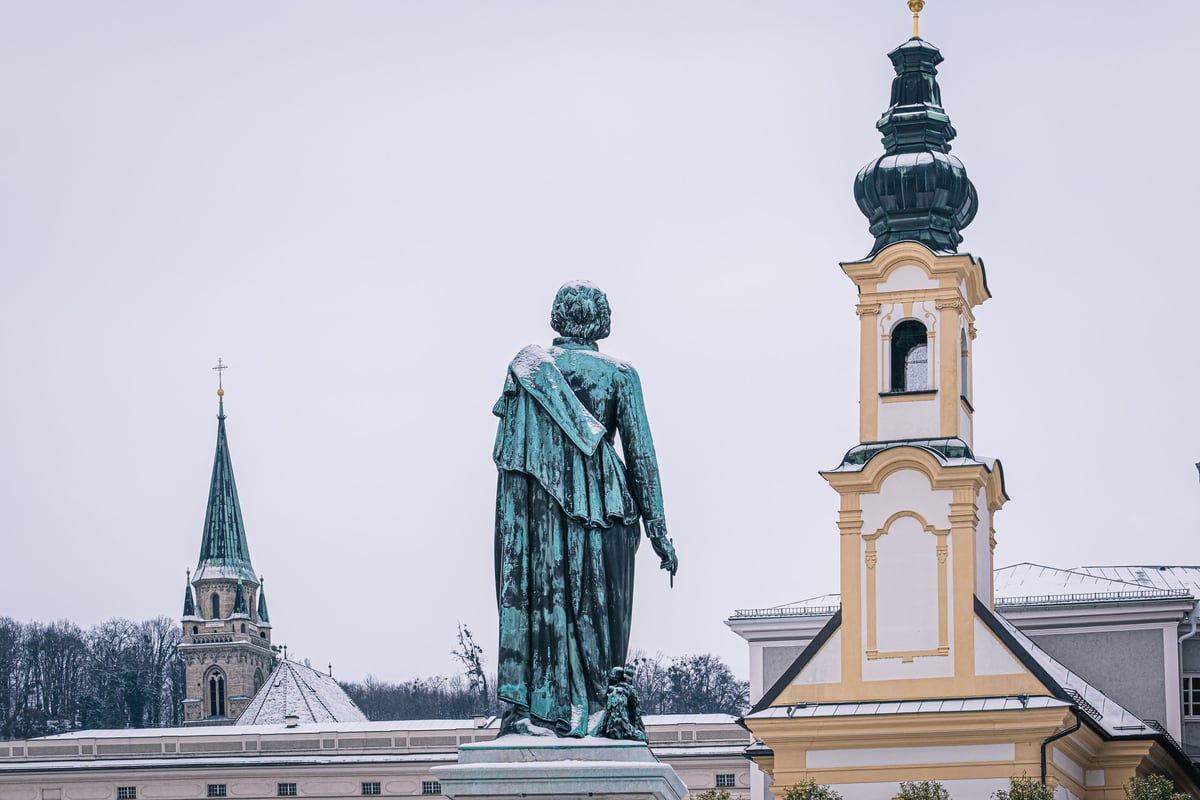
Mozart did not leave Salzburg quietly. He was kicked out. Literally. Count Arco, the Archbishop's chamberlain, kicked him in the backside and threw him out of the room. Mozart was twenty-five. He never came back.