Story
The Mozart Family and St. Gilgen
Published March 25, 2026 · Updated July 25, 2026
Mozart never visited St. Gilgen. His mother was born there. His sister lived there for seventeen years. His grandfather and brother-in-law are buried in the churchyard. The village square is named after him. He never came.
That single fact tells you more about the Mozart family than most museum exhibits manage in three floors.
The Grandfather’s Debt
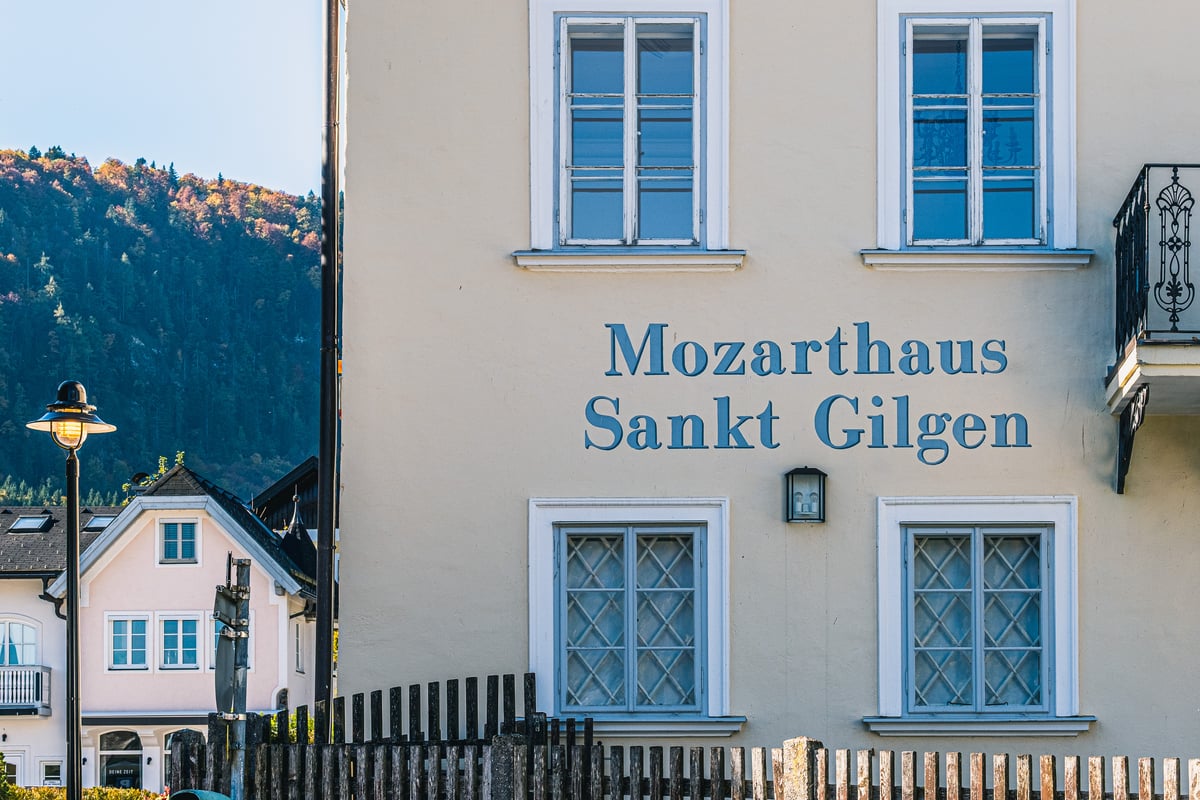
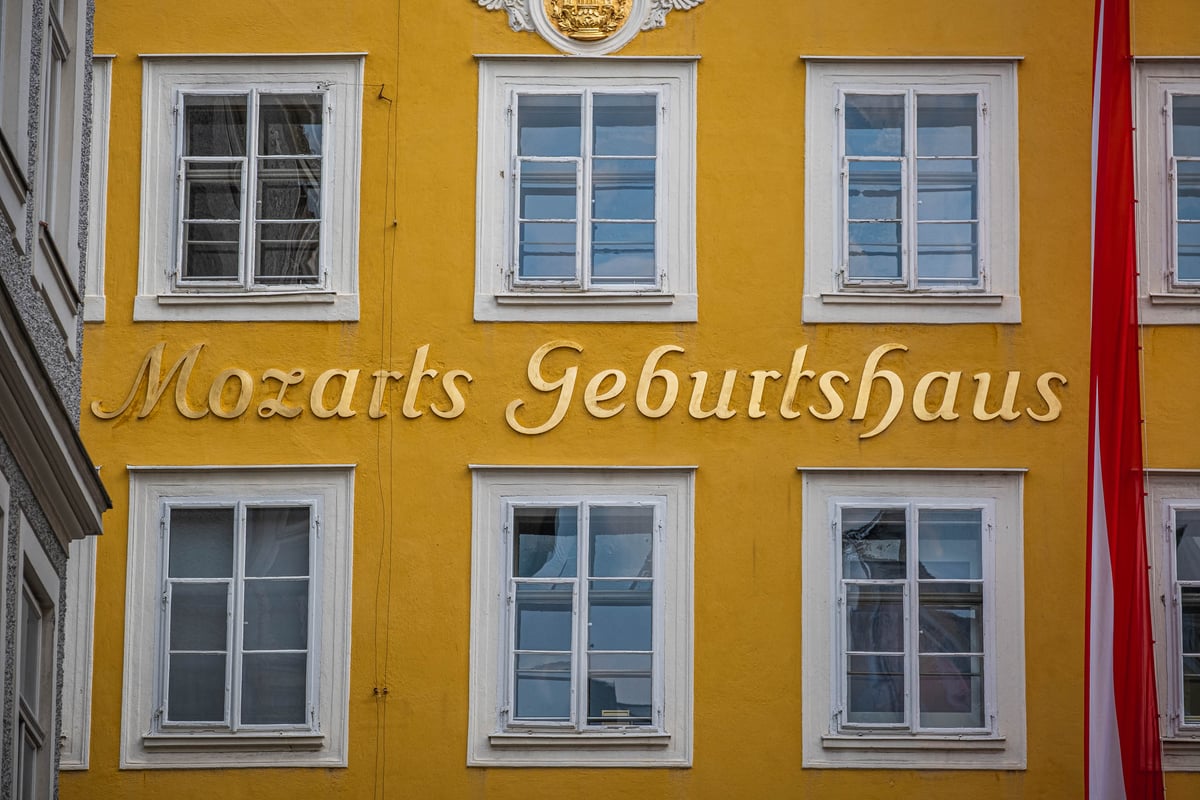
Mozart’s maternal grandfather, Wolfgang Nikolaus Pertl, was a civil servant in St. Gilgen, a small village on the western shore of the Wolfgangsee. He built a house there, the Mozart House St. Gilgen that still stands in the village. The construction plunged him into debt.
He died unexpectedly. His wife and his four-year-old daughter, Anna Maria, were left in poverty. That four-year-old grew up to be Mozart’s mother.
Speculation has it that Mozart inherited his inability to handle money from this grandfather. Whether or not that is fair, the pattern is there: a Pertl goes into debt building something, and a generation later a Mozart goes into debt living beyond his means in Vienna.
Anna Maria: The Mother Who Died in Paris
Anna Maria Pertl married Leopold Mozart in 1747 at the Salzburg Cathedral. She had seven children. Five died in infancy. The two who survived were Nannerl and Wolfgang.
She accompanied Wolfgang on his trip to Paris in 1778. Leopold could not go because his employer, the Archbishop, would not grant him leave. Anna Maria went instead. She fell ill in Paris and died on 3 July 1778. She was fifty-seven.
Wolfgang was twenty-two, alone in a foreign city, with his dead mother and not enough money. He wrote to Leopold, but could not say it directly. The first letter hinted that she was ill. The second told the truth. By the time Leopold read it, Anna Maria had been dead for weeks.
She was buried in Paris. No grave survives. She is the absent figure in the Mozart story: the woman who accompanied the tours, who sat in the carriages, who waited backstage, and who died far from home while her son tried to build a career.
She has no entity page on this site, no museum, no memorial. The house where she was born in St. Gilgen is her closest trace.
Nannerl’s St. Gilgen
In 1784, Nannerl Mozart married Johann Baptist von Berchtold zu Sonnenburg, the magistrate of St. Gilgen. She was thirty-three. He was a widower with five children from two previous marriages. Leopold arranged the match.
Nannerl moved to the village where her grandfather had gone bankrupt and her mother had been born in poverty. She lived there for seventeen years. She had three children. She taught piano. She corresponded with her brother in Vienna, though the letters grew less frequent over the years.
Wolfgang did not visit her there. Not once. He had left Salzburg in 1781 and showed no interest in returning to the region. St. Gilgen was on the Wolfgangsee, forty-five minutes from the city. He could have come. He did not.
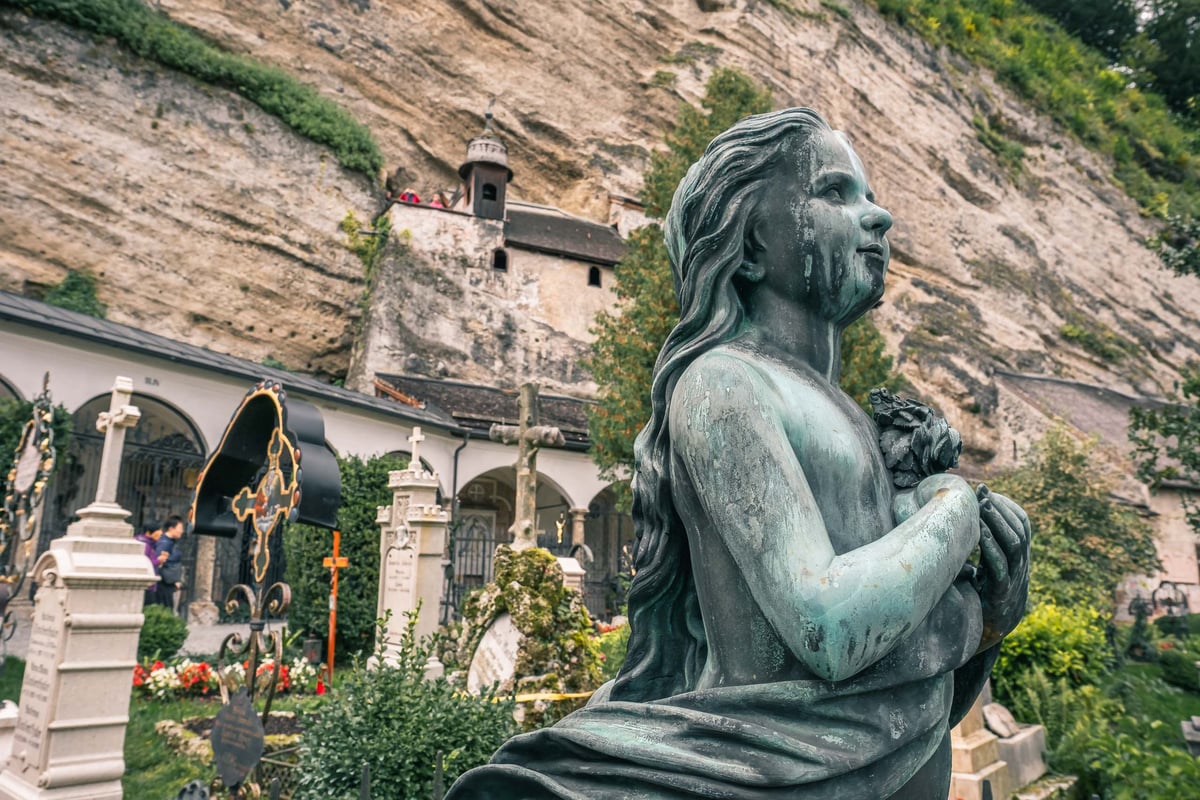
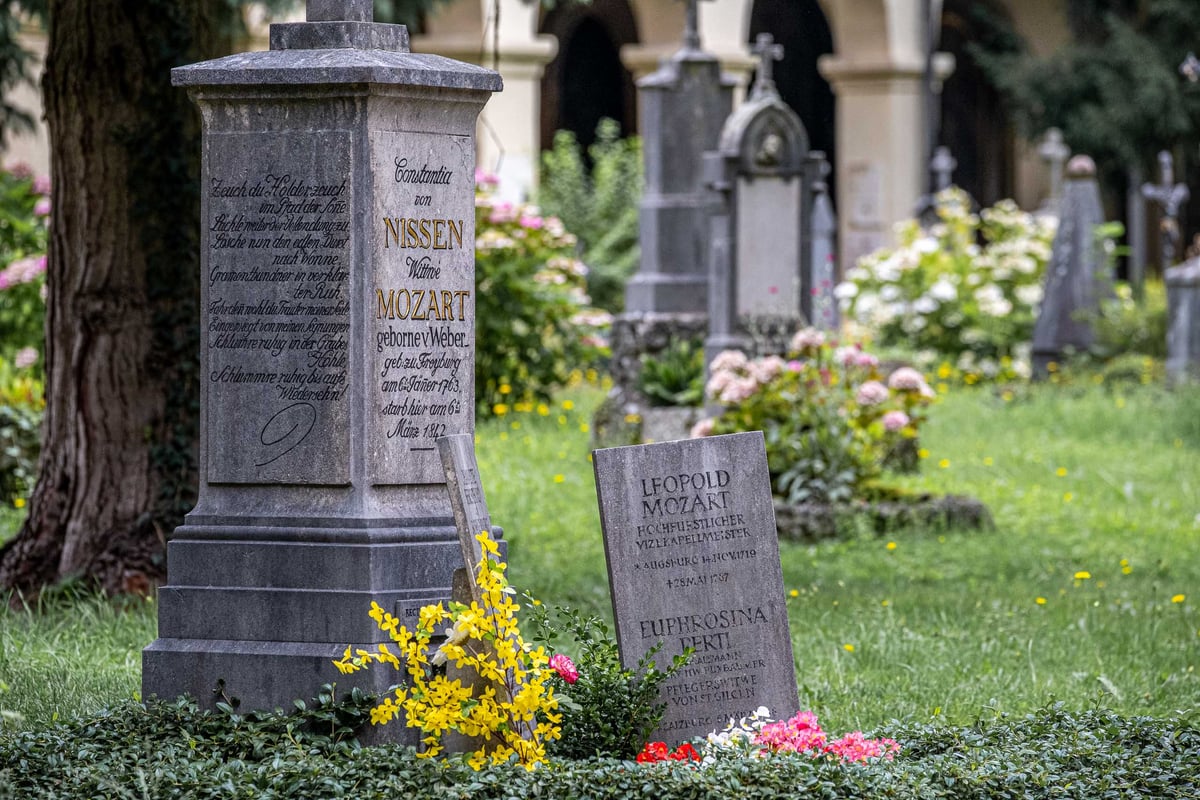
After her husband’s death, Nannerl returned to Salzburg. She went blind in her final years and died in 1829. She is buried at Petersfriedhof, apart from the rest of her family.
The Village Today
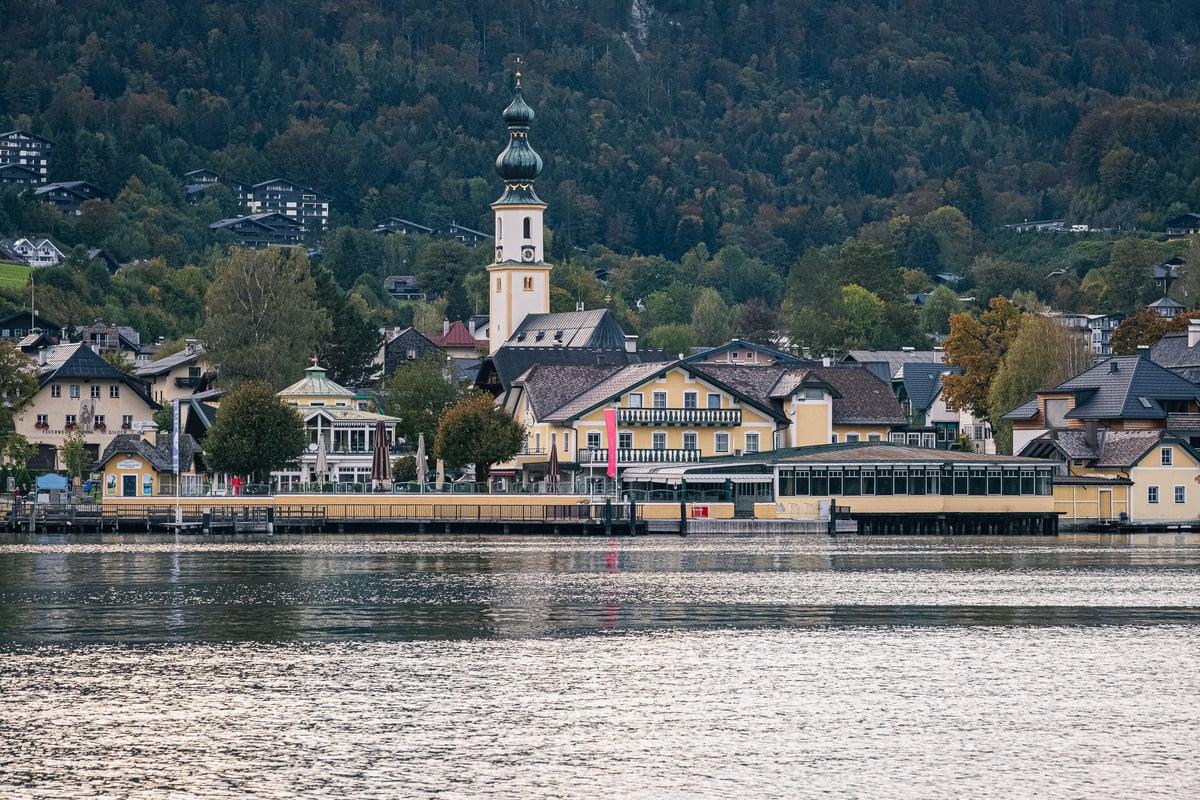
St. Gilgen sits on the western shore of the Wolfgangsee, reachable from Salzburg by bus in about forty-five minutes. It is a popular Salzkammergut day trip destination, mainly for the lake, the Zwolferhorn Cable Car, and the ferry across to St. Wolfgang.
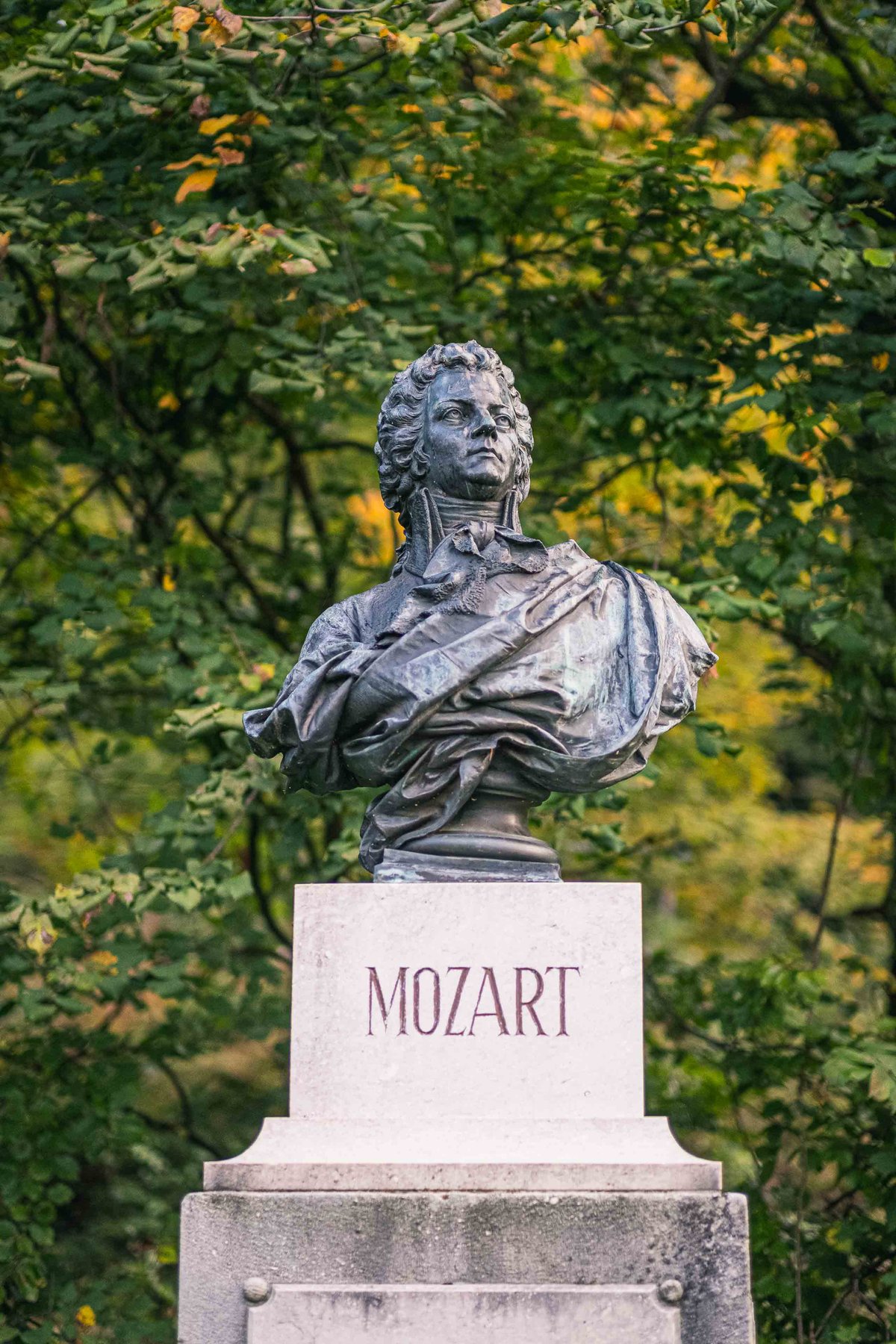
The main square is named Mozartplatz. A monument commemorates the family connection. The Mozart House is marked with a plaque.
Most visitors to St. Gilgen come for the lake and the scenery. They photograph the square without knowing what the name means. For visitors following the Mozart trail from Salzburg, St. Gilgen adds a genuine biographical dimension: the village where the family began, where the mother came from, where the sister was sent, and where the most famous member never set foot.
What St. Gilgen Tells You About Mozart
Every part of the Mozart story in Salzburg is about what the city and the family invested in Wolfgang. The tours, the education, the court position, the conflict with the Archbishop. St. Gilgen is the other side: what happened to the people who were not Wolfgang.
His grandfather went bankrupt. His mother died on a trip to support his career. His sister was married off to a village magistrate and spent her most productive years teaching children in a lakeside town. His wife returned to Salzburg and built the legacy industry that would make his name inescapable.
Wolfgang got the genius narrative. The rest of the family got St. Gilgen.
The next time you take the bus to the Wolfgangsee and the lake shimmers and the Zwolferhorn rises behind the village, remember that this is not just a day trip. This is where the Mozarts came from. And it is where at least one of them ended up because the world only had room for one.