Snapshot
The Erzdiözese Salzburg is the metropolitan archdiocese that has governed Catholicism in the region since Saint Rupert of Salzburg established the first bishopric around 696 AD. For over eight centuries its leader was not only a church official but a sovereign prince, and virtually every major monument in Salzburg was built under that dual authority. The institutional thread runs unbroken from the early medieval mission to the present day.
The Story
Saint Rupert of Salzburg arrived at the ruins of Roman Juvavum around 696 AD and founded the first monastic community at what would become Stift St. Peter; the see he established grew steadily, and around 798, under Charlemagne’s reorganisation of the Frankish church, it was elevated to an archbishopric. From that point forward, the Archbishop of Salzburg was a prince of the Holy Roman Empire, holding secular as well as ecclesiastical authority over a substantial territory.
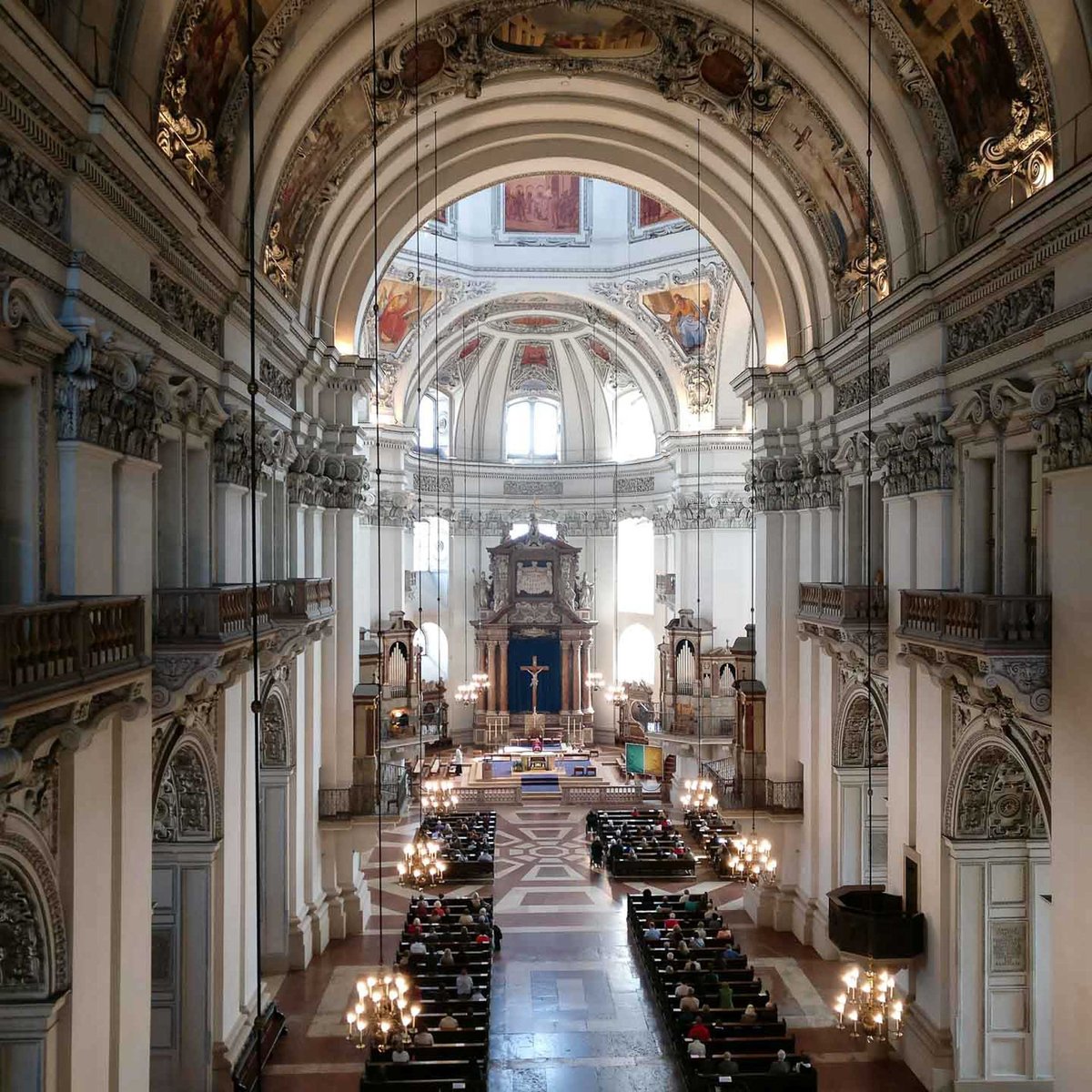
The consequences for the city were immense. It was the archbishop-princes who funded and directed the transformation of Salzburg into one of central Europe’s most unified baroque cities. Wolf Dietrich von Raitenau ordered the demolition of the old cathedral in the late sixteenth century to make way for a grander Italian baroque replacement; his successors completed the Salzburg Cathedral and rebuilt the Residenz and its square in the form visitors see today. Paris Lodron, who ruled through the Thirty Years’ War, founded the university in 1622 and kept Salzburg neutral, preserving the city’s fabric at a moment when much of central Europe was being destroyed.
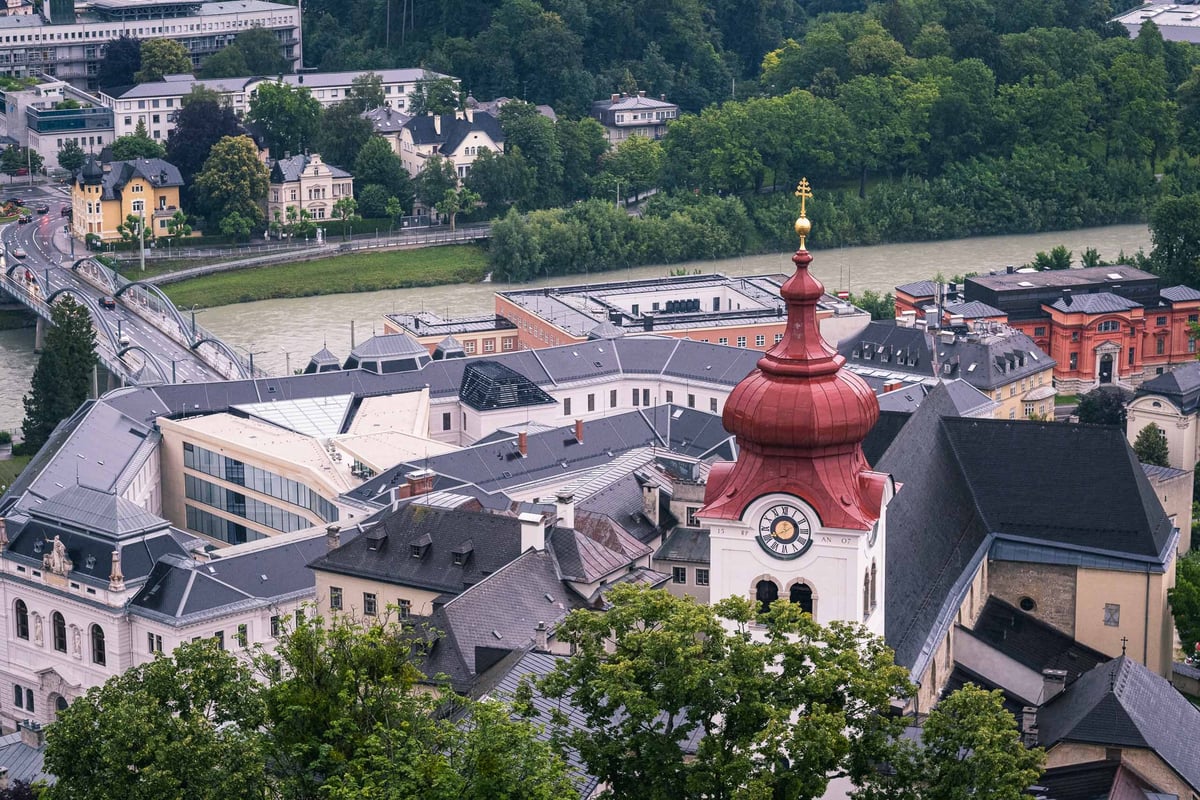
The Hohensalzburg Fortress on the hill above the city was the archbishops’ defensive stronghold, begun in 1077 and expanded across five centuries. Below it, Nonnberg Abbey has been in continuous Benedictine occupation since Rupert’s era, making it one of the oldest operating nunneries in the German-speaking world. Stift St. Peter, also Benedictine, traces the same founding moment.
The archdiocese today covers the state of Salzburg and parts of Upper Austria, with its seat still at the Salzburg Cathedral. It remains the institutional owner or co-custodian of the most significant sacred heritage sites in the Altstadt, and the UNESCO World Heritage status of the historic centre rests in large part on the built legacy of the archbishop-princes.