Snapshot
Santino Solari was the Italian architect who designed Salzburg Cathedral and Hellbrunn Palace in the early 17th century, bringing Italian Baroque architecture across the Alps and shaping the city’s visual identity more than any other single person.
The Story
Santino Solari arrived in Salzburg in 1612, invited by Archbishop Markus Sittikus who wanted a cathedral that could rival Rome. The city had been without its cathedral since a fire in 1598, and Sitticus had the ambition and the budget to rebuild on a scale that had never been attempted this far north. Solari, trained in the Lombard tradition and familiar with the forms of early Italian Baroque, was given the job.
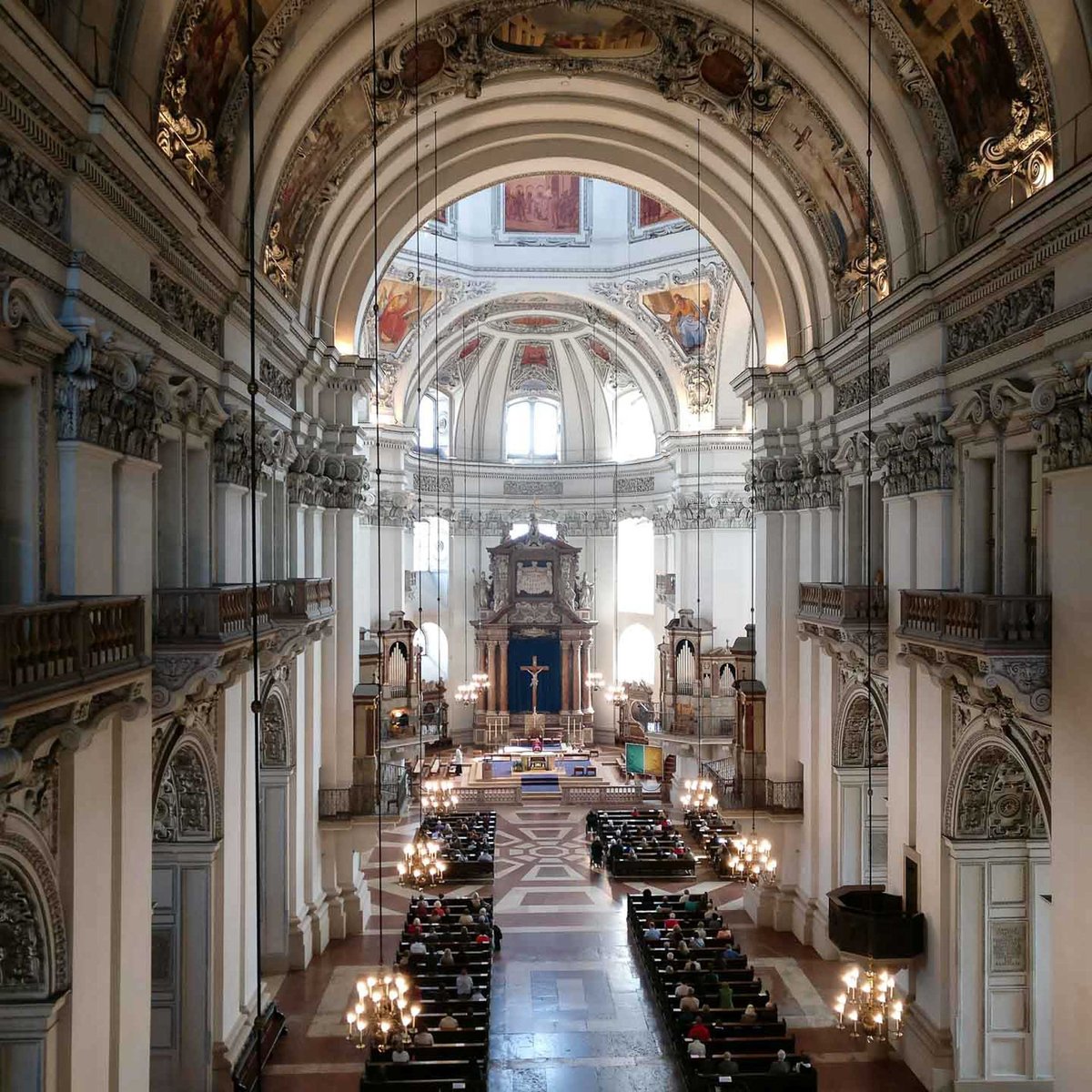
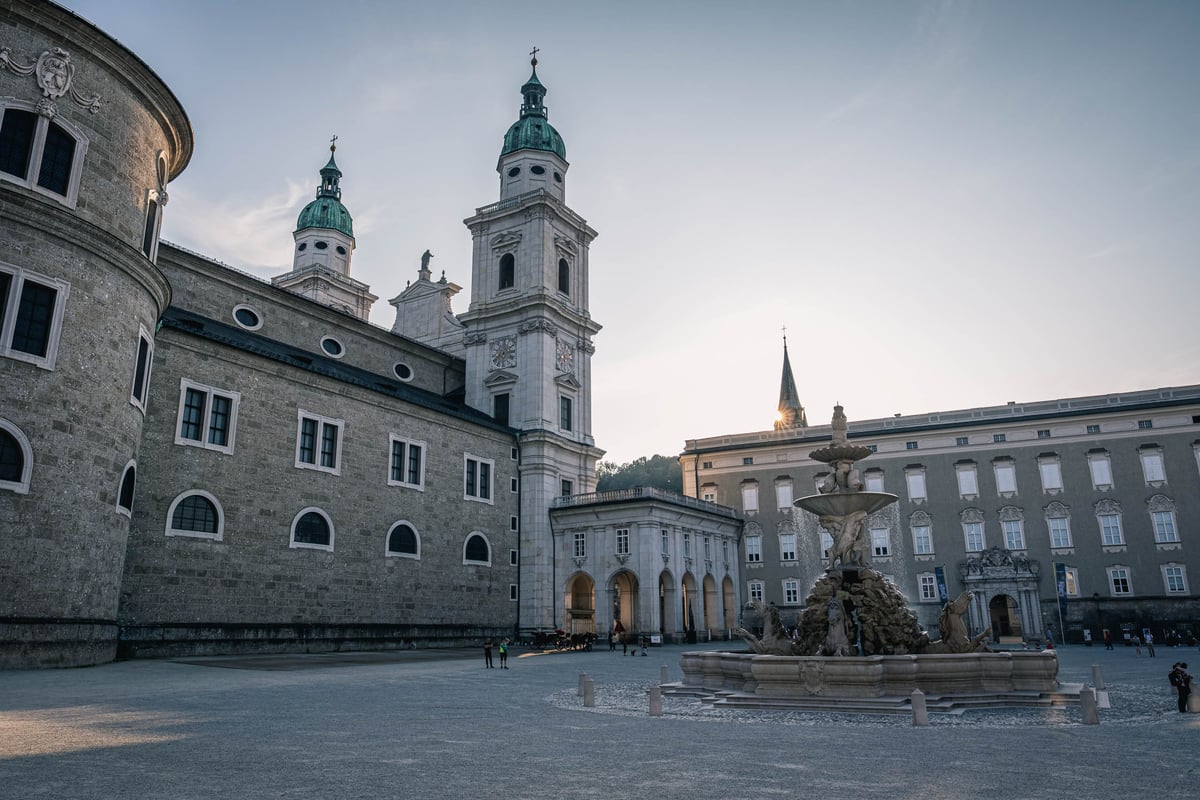
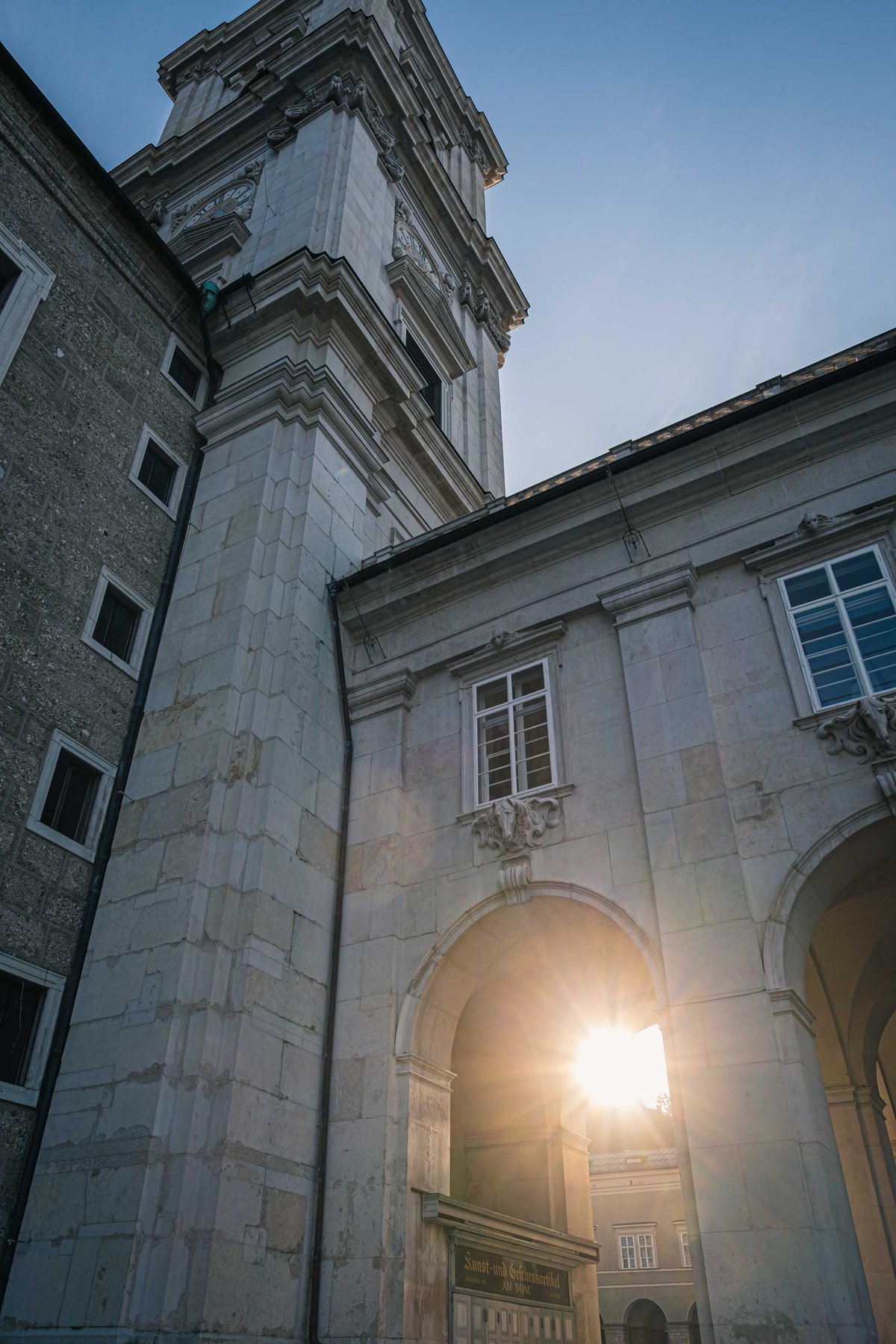
The Salzburg Cathedral he designed rose in stages between 1614 and 1628. The twin-towered facade, the large dome above the crossing, and the richly sculpted interior were all departures from what central European church architecture had done before. Scamozzi had drafted earlier plans, but Solari reworked them substantially, pushing the dome higher and giving the facade a more dramatic vertical force. The cathedral was consecrated in 1628. It is the building you see when you stand on Domplatz, the building against whose facade Jedermann has been performed every summer since 1920.
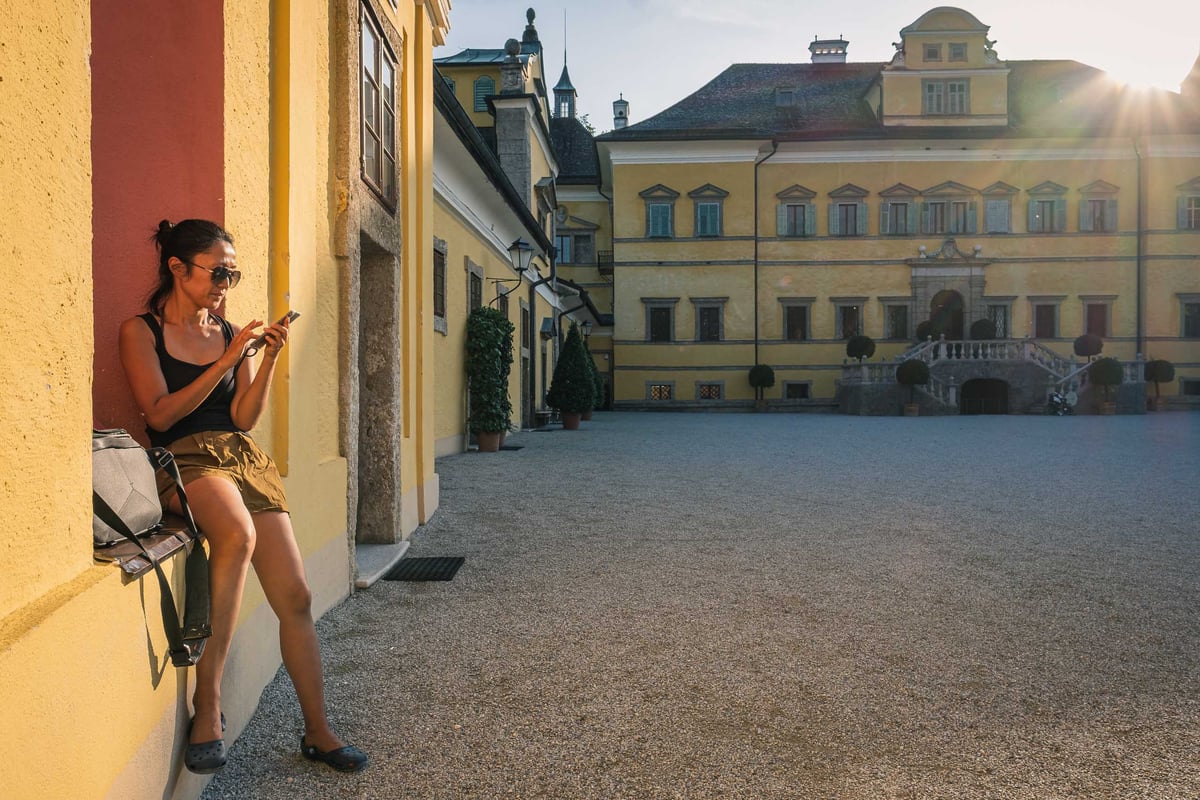
Simultaneously, Solari built Hellbrunn Palace for Markus Sittikus as a summer retreat on Salzburg’s southern outskirts (1613-1619). The Italianate villa with its water gardens and trick fountains, which Sitticus used to surprise his guests, is still among the most unusual and popular sites in the city.
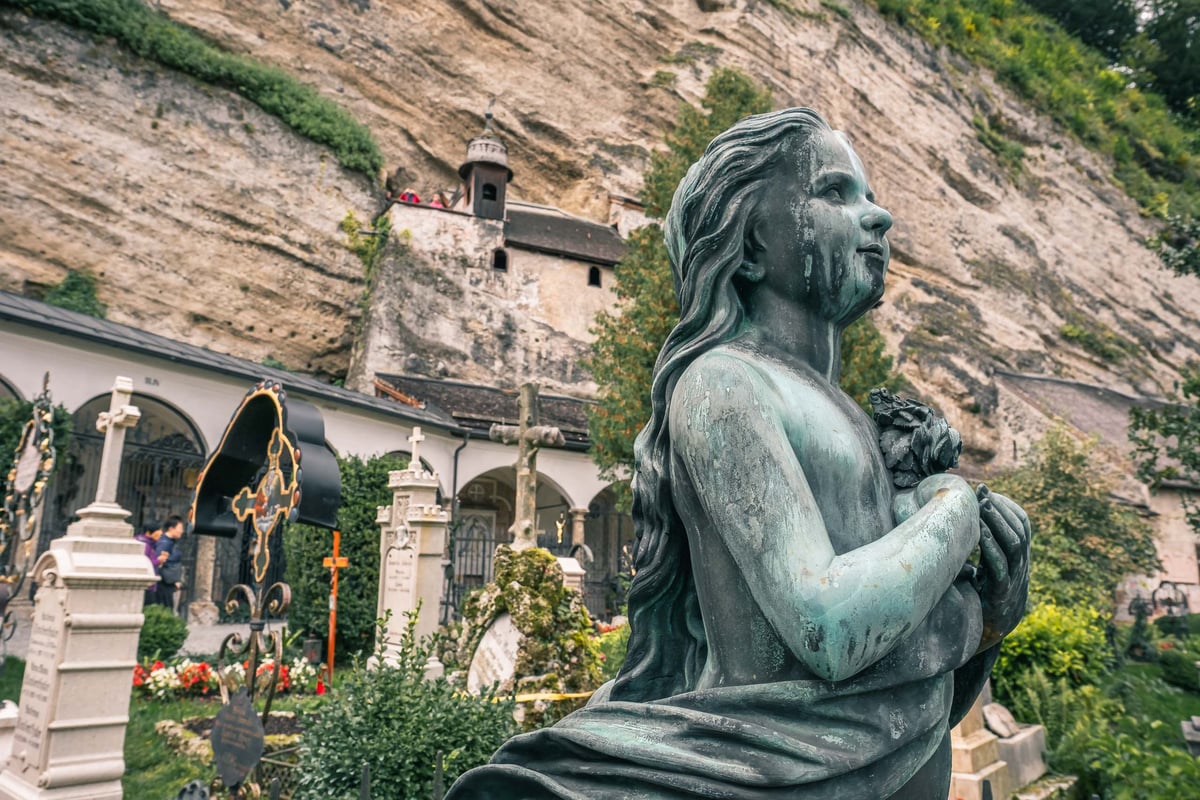
Solari spent the rest of his life in Salzburg. He died on 10 April 1646 and was buried in St. Peter’s Cemetery, directly beside the walls of St. Peter’s Abbey, a short walk from his cathedral.