Snapshot
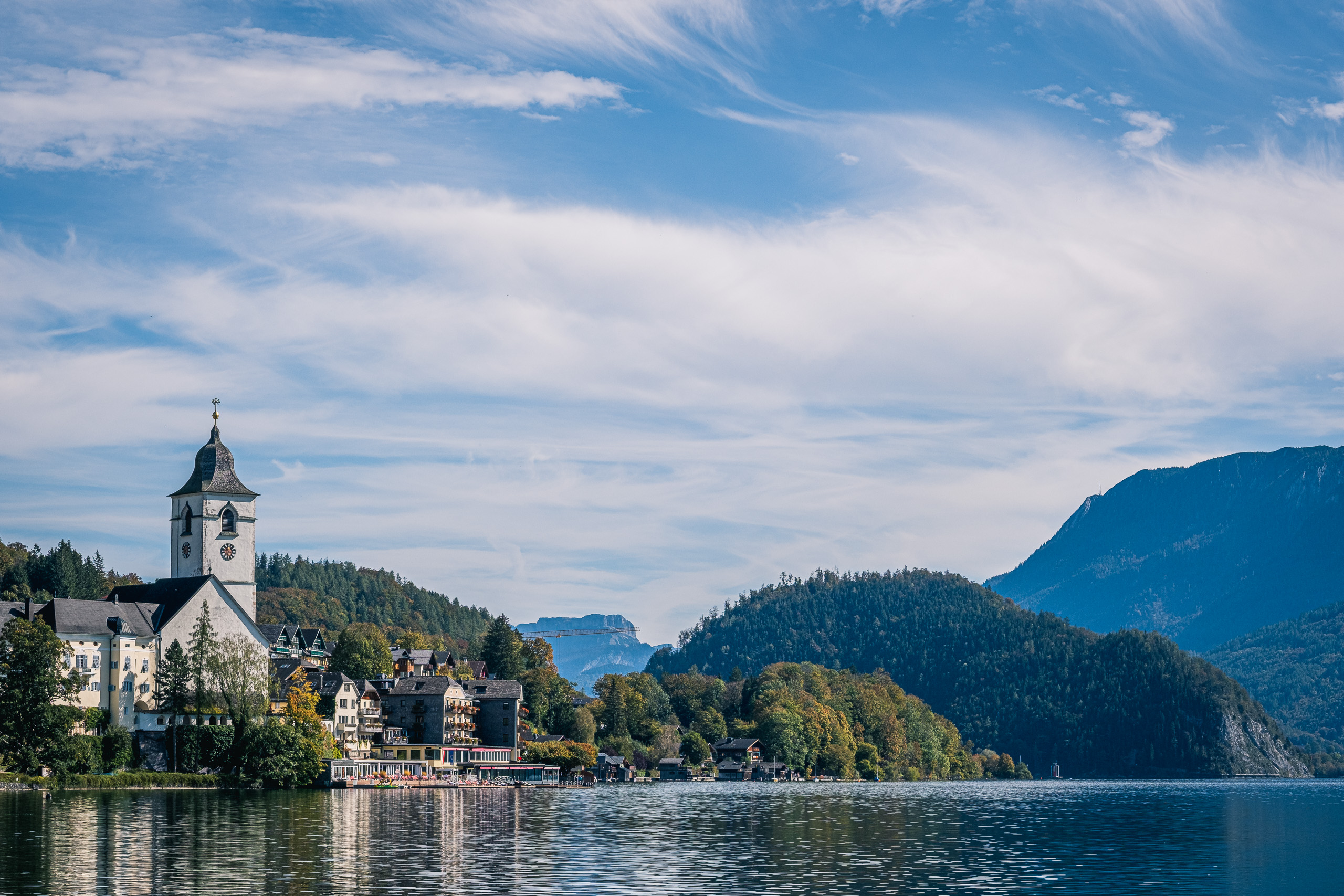
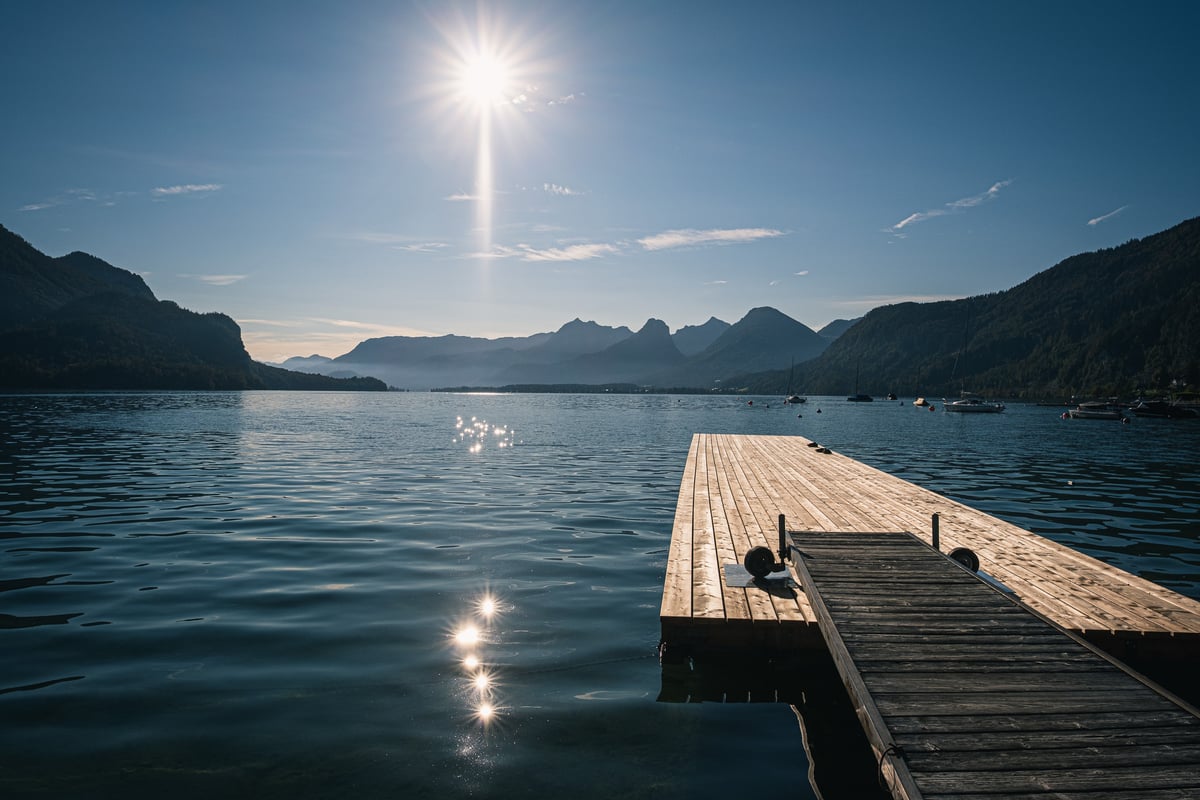
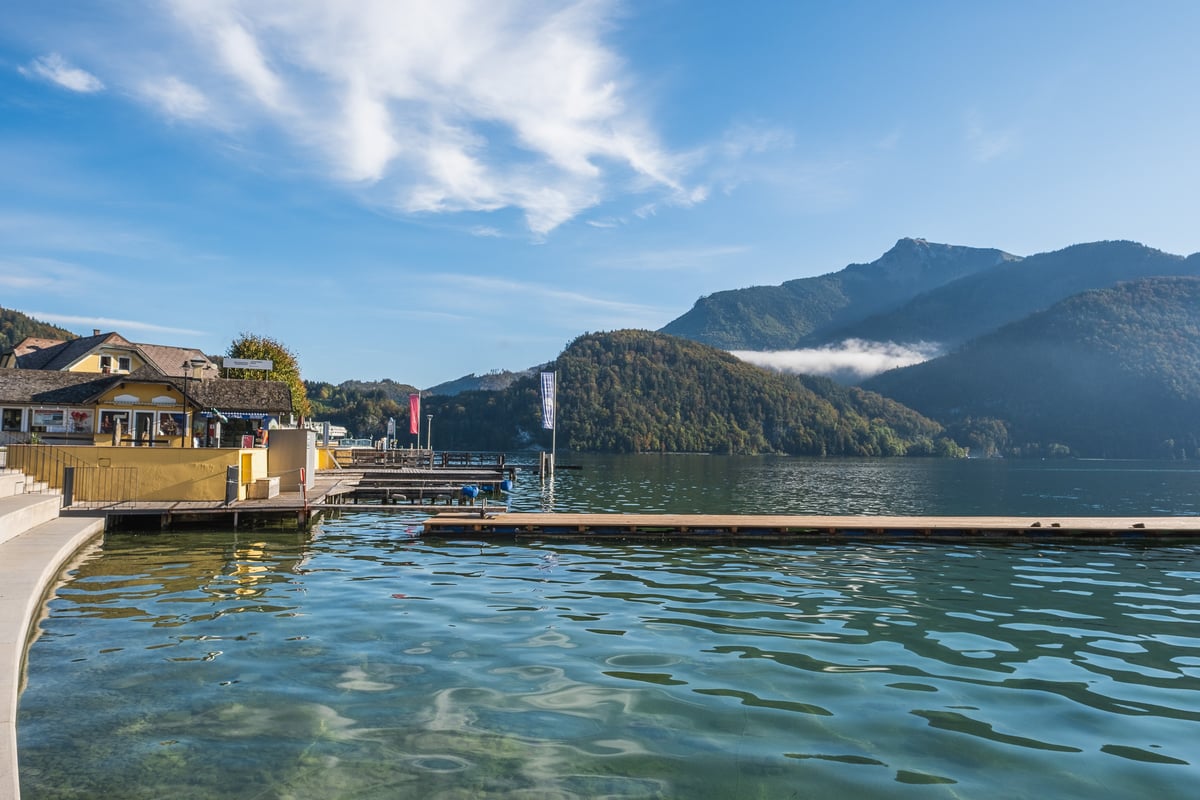
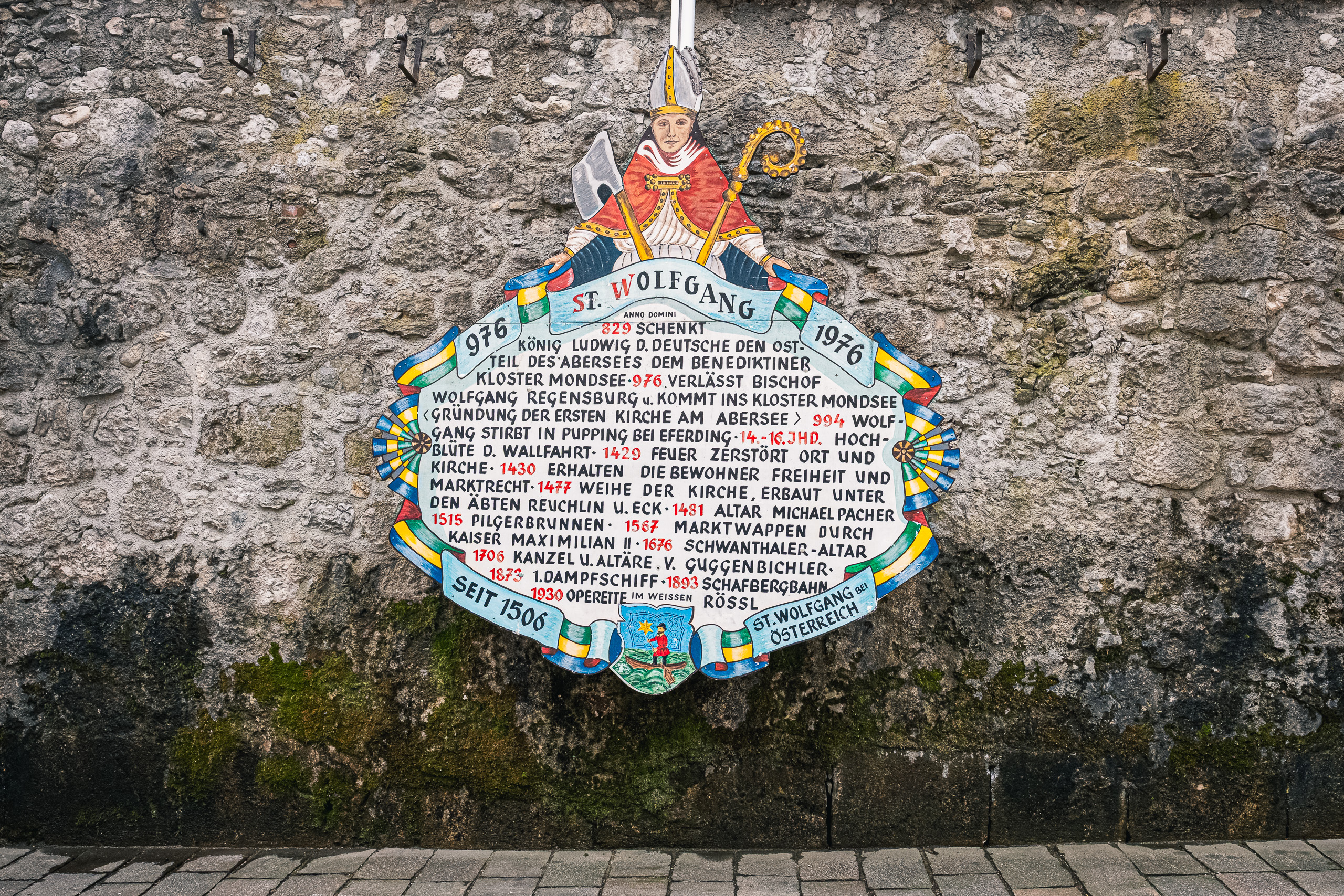
St. Wolfgang is a historic pilgrimage village on the eastern shore of the Wolfgangsee, carrying three distinct identities: a medieval pilgrimage church with a masterwork altarpiece, the cultural backdrop of the White Horse Inn operetta, and the departure point for a 19th-century steam rack railway to the Schafberg summit.
The Story
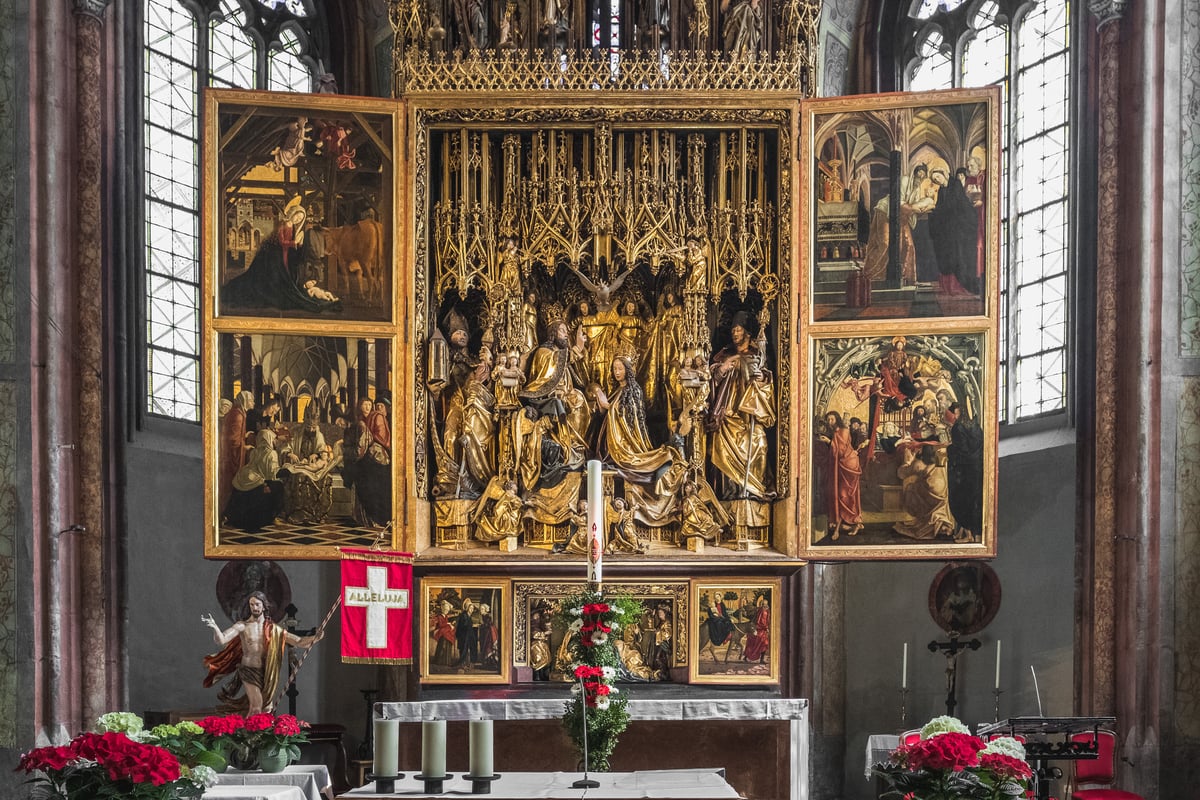
The church came first. Bishop Wolfgang of Regensburg is said to have founded a chapel here in the 10th century, and pilgrims followed. The Pfarrkirche St. Wolfgang that stands today contains the double-winged carved altarpiece that Michael Pacher delivered in 1481, a commission that took a decade and produced one of the most technically ambitious examples of late Gothic craftsmanship surviving in the Alps. The altar draws art historians alongside the pilgrims; the two have shared the church for over five centuries.
The cultural layer arrived in 1930, when the operetta Das Weiße Rössl, set at the lakeside inn of the same name, became an enormous hit across German-speaking Europe and beyond. The Weisses Rossl inn on the lakeshore still trades on that connection, and the village still attracts visitors who want to stand in the place the operetta made famous.
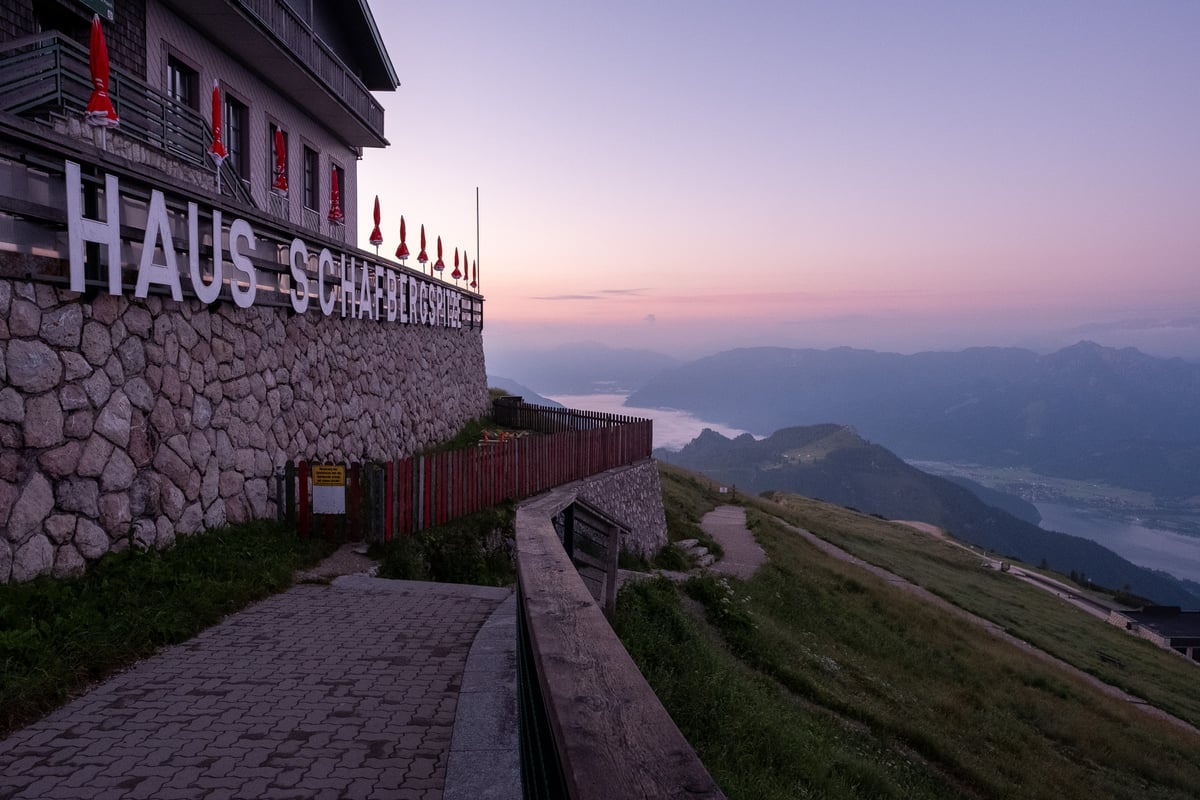
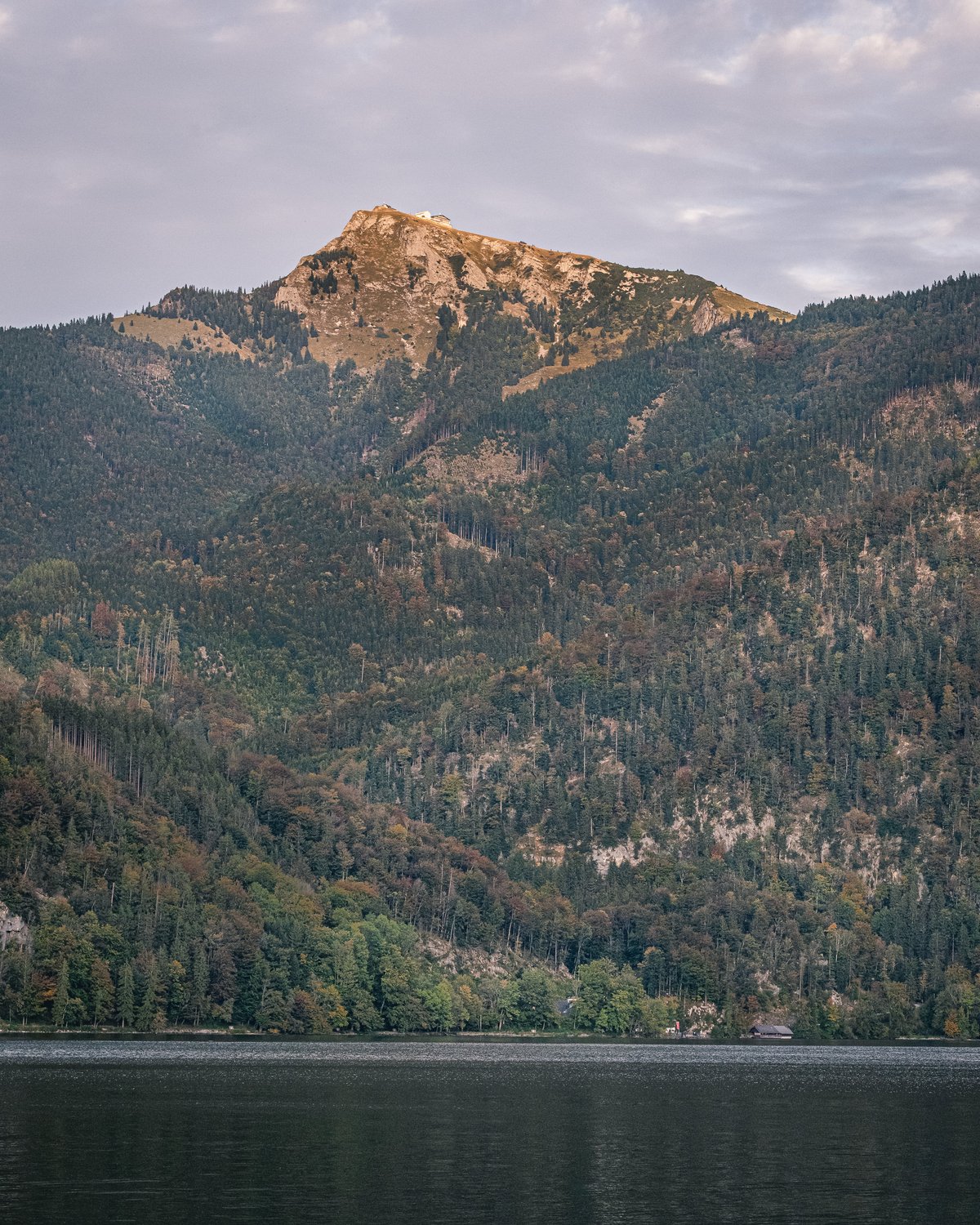
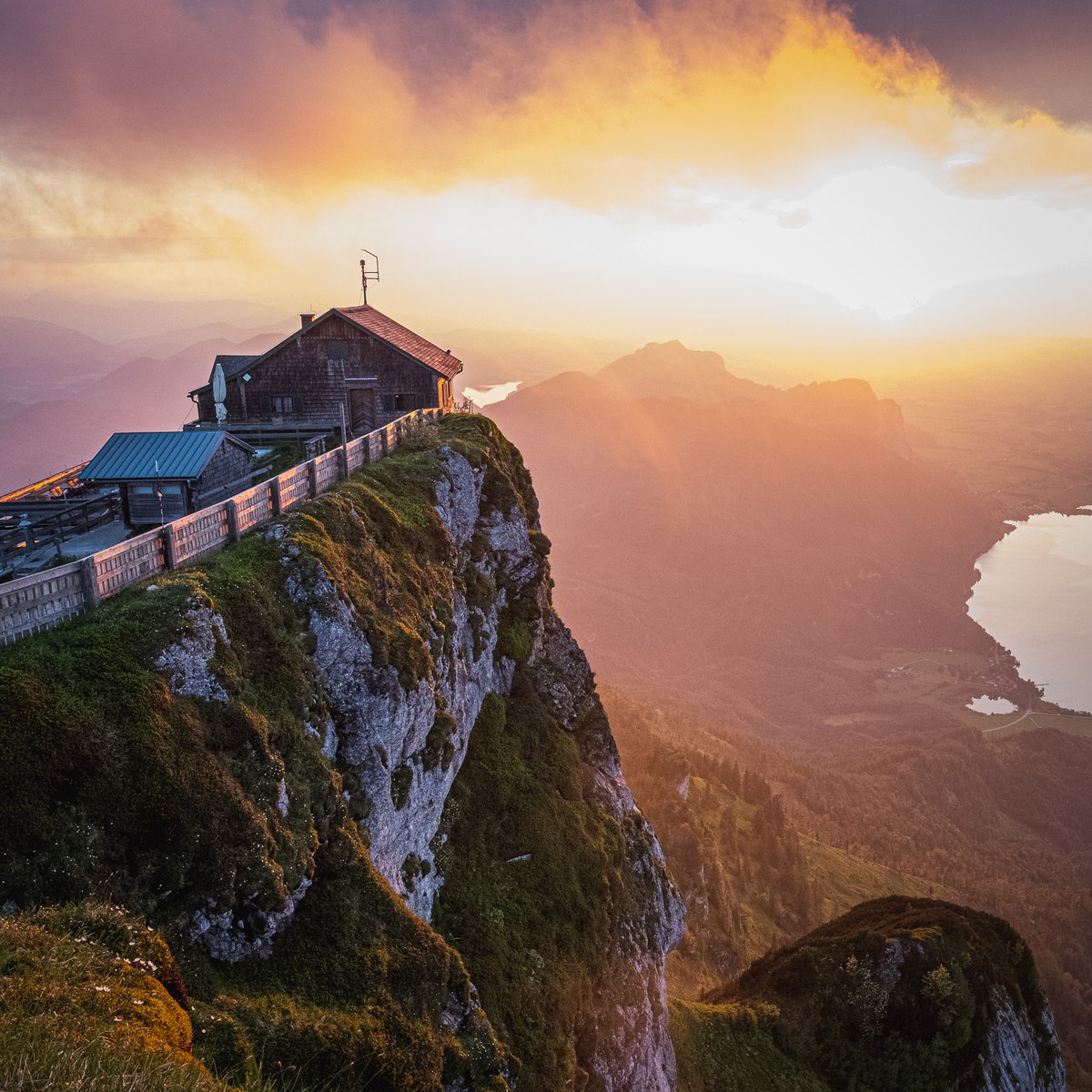
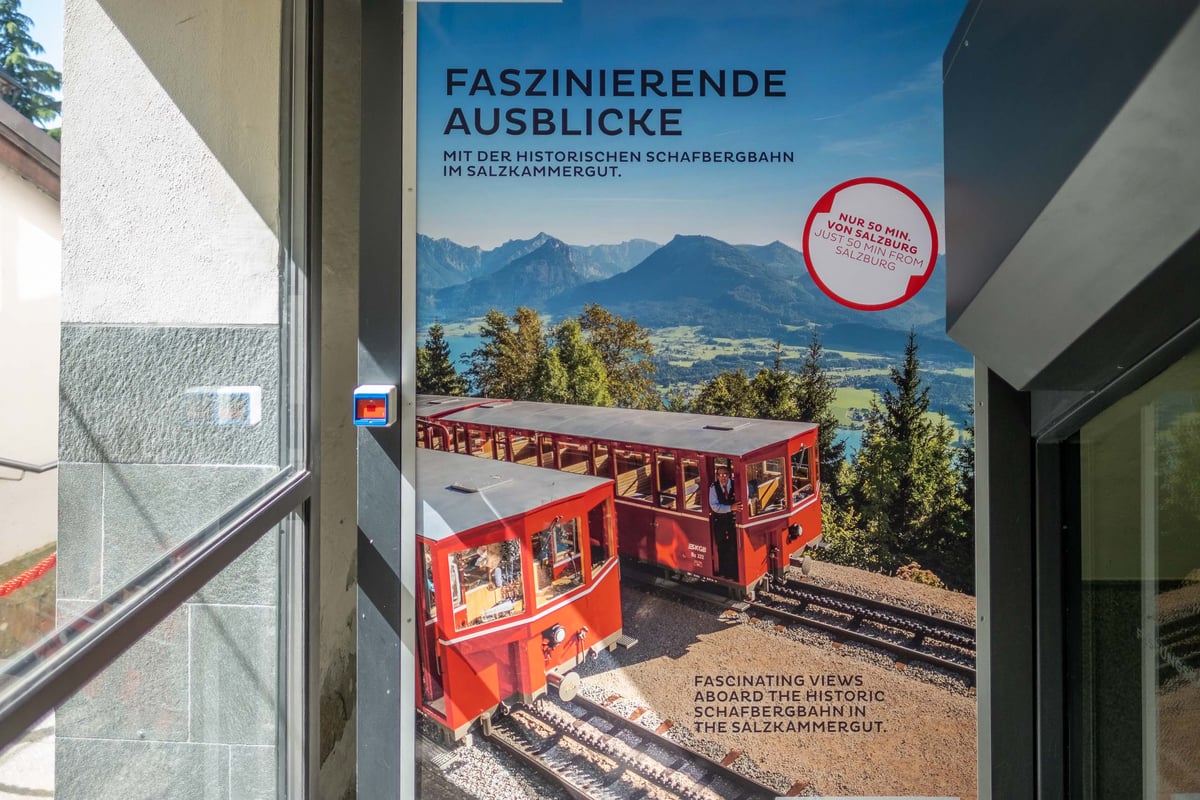
The Schafbergbahn, a rack-and-pinion steam railway that has run since 1893, adds a third chapter. It departs from the edge of the village and climbs to the 1,783 m summit of the Schafberg in around 35 minutes, with views across the Salzkammergut that in clear weather take in the Dachstein glacier to the south and the Traunsee to the north. The Hotel Schafbergspitze at the top is one of the more unusual overnight options in the region.
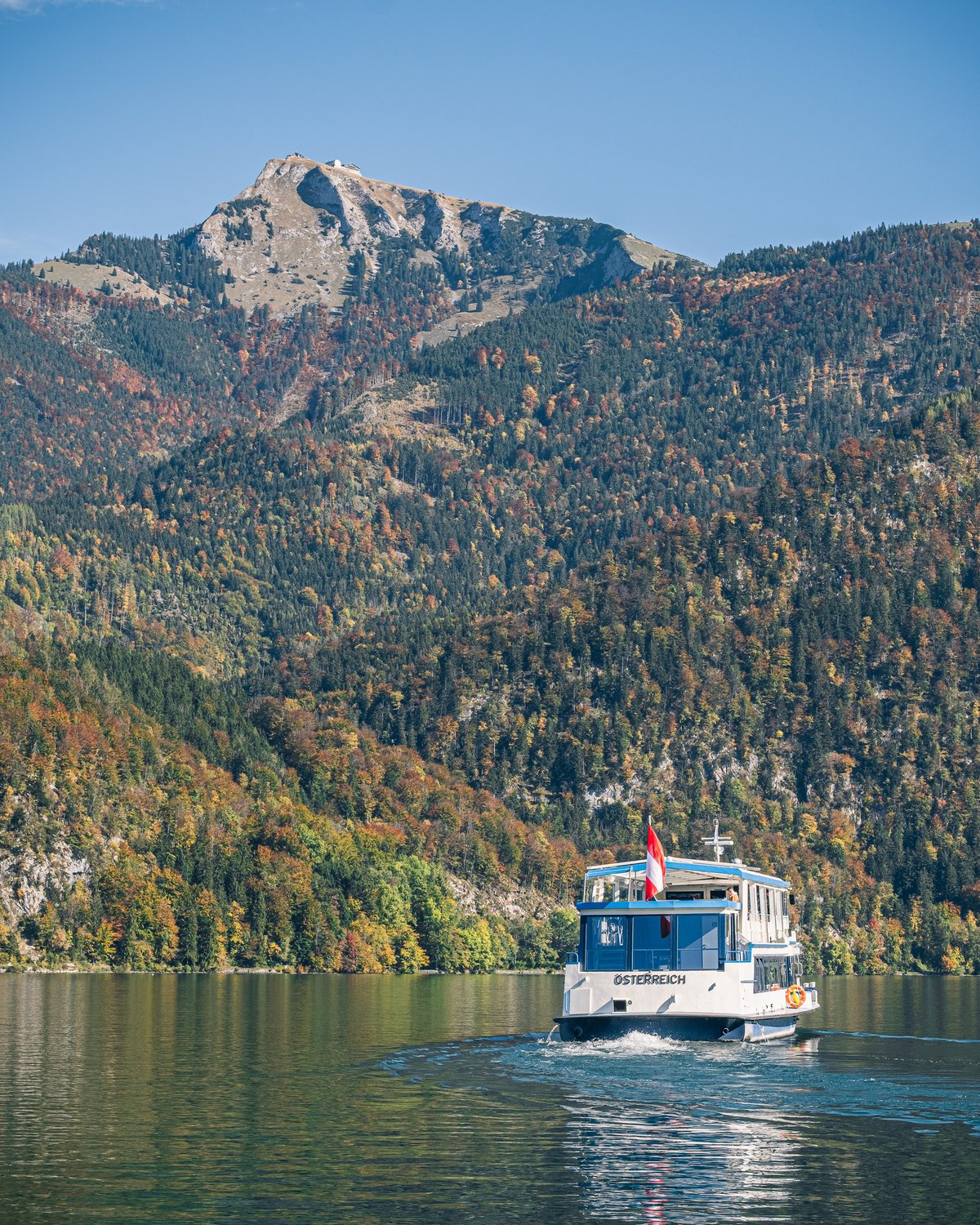
The village itself stays busy in summer but avoids the hectic pace of larger Salzkammergut destinations. It is best reached by boat from St. Gilgen across the lake, which keeps the arrival properly unhurried.
Planning
St. Wolfgang is about 45 minutes by car from Salzburg via the B158 and B154. The most atmospheric approach is by ferry from St. Gilgen across the Wolfgangsee. The Schafbergbahn runs May to October and should be booked in advance in summer. The Pfarrkirche St. Wolfgang is free to enter. The village combines naturally with St. Gilgen and Mondsee on a full Wolfgangsee day.