Alm Canal
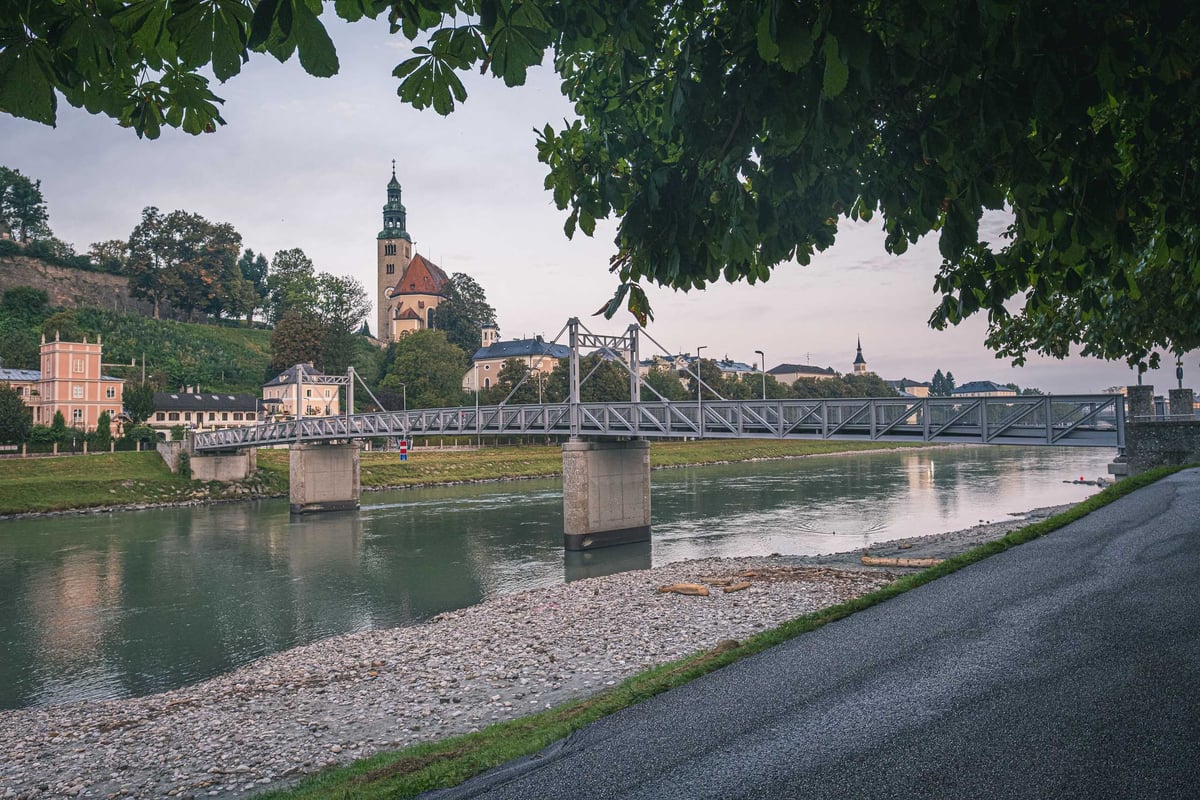
A medieval artificial water channel flowing through Mülln and parts of the Altstadt. Built to power mills. In winter, sections freeze for ice skating. Most visitors pass without noticing, taking it for a natural stream.
Place type
37 entries tagged Public Space on Introducing Salzburg.
A medieval artificial water channel flowing through Mülln and parts of the Altstadt. Built to power mills. In winter, sections freeze for ice skating. Most visitors pass without noticing, taking it for a natural stream.
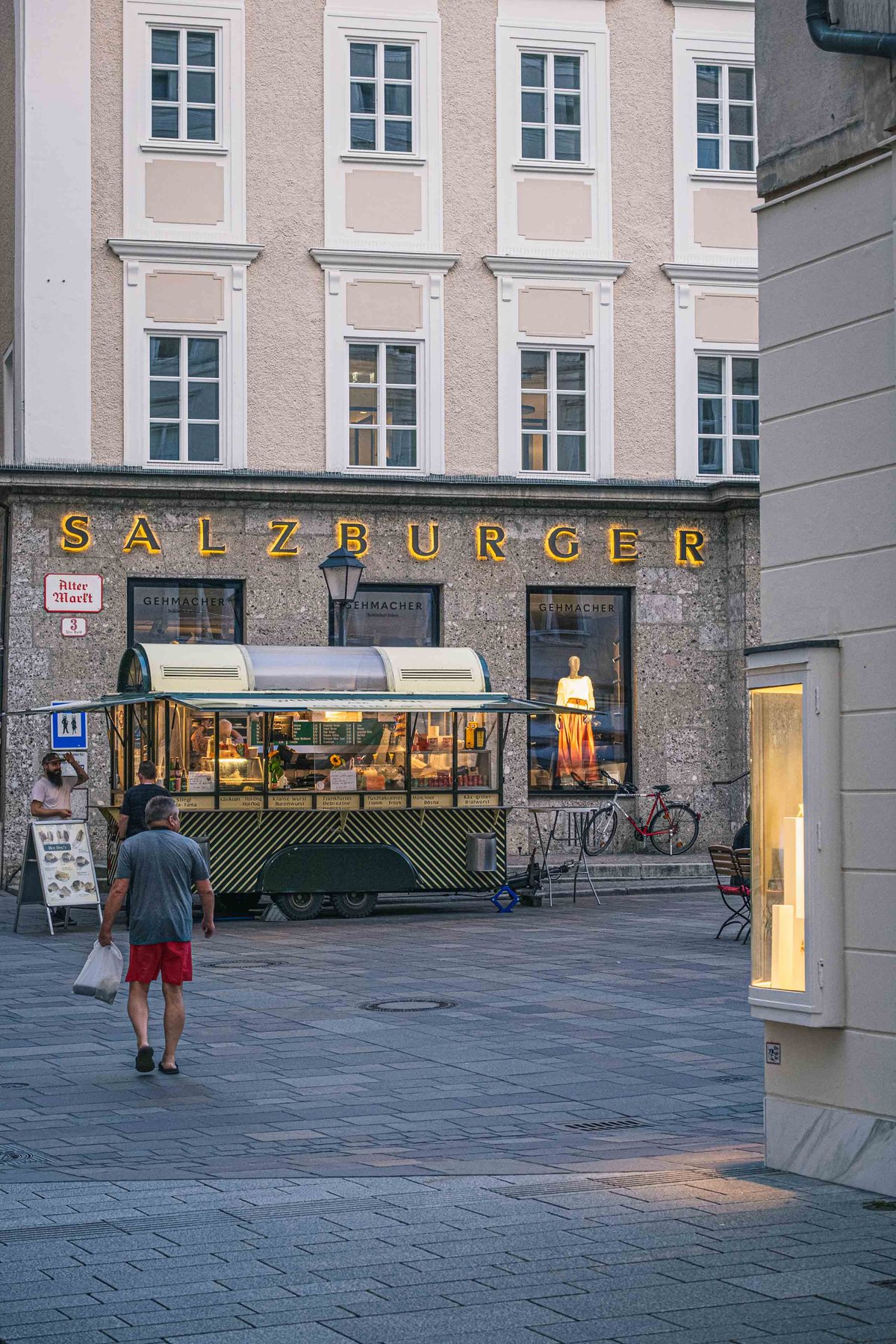
The Alter Markt is Salzburg's oldest square, a compact rectangle in the heart of the Altstadt flanked by Baroque facades that replaced medieval buildings. Cafe Tomaselli, which has operated here since 1705, and the Hofapotheke (court pharmacy, established 1591) still occupy their original locations on the square.
The square directly in front of the Salzburg Cathedral, flanked by the Cathedral arches and the DomQuartier buildings. Site of the famous annual Jedermann performance during the Salzburg Festival.
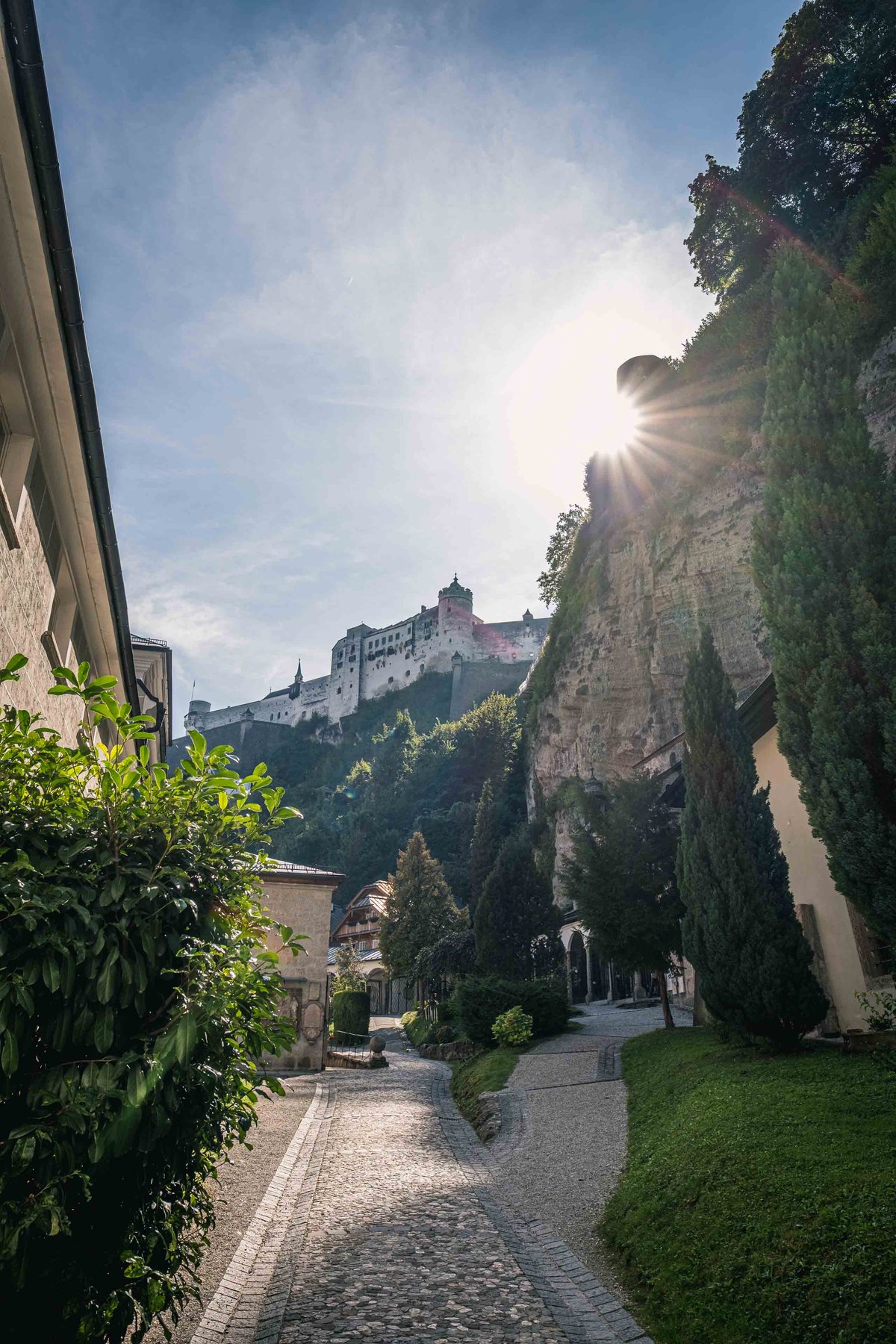
The Festungsgasse is the steep lane in Salzburg's old town that climbs from Kapitelplatz to the base of Hohensalzburg Fortress. It is a medieval path used since the fortress was founded in 1077, running parallel to the funicular (Festungsbahn).
A small park between the Festival halls and the Mönchsberg cliff face, named after Wilhelm Furtwängler. Home to the Gurken sculpture and AEIOU pavilion. A breathing space in a dense part of the city.
Salzburg's most famous street and the heart of the Altstadt. Wolfgang Amadeus Mozart was born at No. 9 (Mozart's Birthplace). The Hagenauer family, the Mozarts' landlord, lived in the same building. The street is known for its medieval wrought-iron guild signs, narrow passages (Durchhäuser), and historic shopfronts.
A narrow medieval lane in the Altstadt, running between the Residenzplatz area and the Salzach embankment. Quieter and more intimate than Getreidegasse.
The world's oldest preserved Baroque avenue. A 4 km corridor of mature chestnuts and oaks planted by Archbishop Markus Sittikus between 1613 and 1615 as a processional route connecting the Residenz to his summer palace at Hellbrunn Palace. Flat, car-free, and lined with trees that predate almost everything in Salzburg's tourist canon. Walk or cycle it.
The square in front of the Grosses Festspielhaus, named after Herbert von Karajan. Central gathering point during the Festival. Home to the Pferdeschwemme (baroque horse trough). The Mönchsberg cliff face forms its dramatic backdrop.
The spine of the Salzburg Festival precinct, running along the Mönchsberg cliff face. The Grosses Festspielhaus, Haus fur Mozart, and Felsenreitschule all open from this street. During the Festival, the most concentrated point of cultural energy in the city.
Public staircase of 261 steps climbing from Steingasse up the western face of Kapuzinerberg to the Stefan-Zweig-Weg near the Capuchin Monastery. Sister path to the better-known Nonnbergstiege on the opposite side of the river.
The historic Jewish lane in the Altstadt, a reminder of the medieval Jewish community expelled in 1498 under Leonhard von Keutschach. The lane preserves the memory of that community in its name.
A street along the Salzach embankment on the left bank, connecting the southern Altstadt to the bridges and the Neustadt. Home to the Mozartkino. Views across the river toward the Kapuzinerberg.
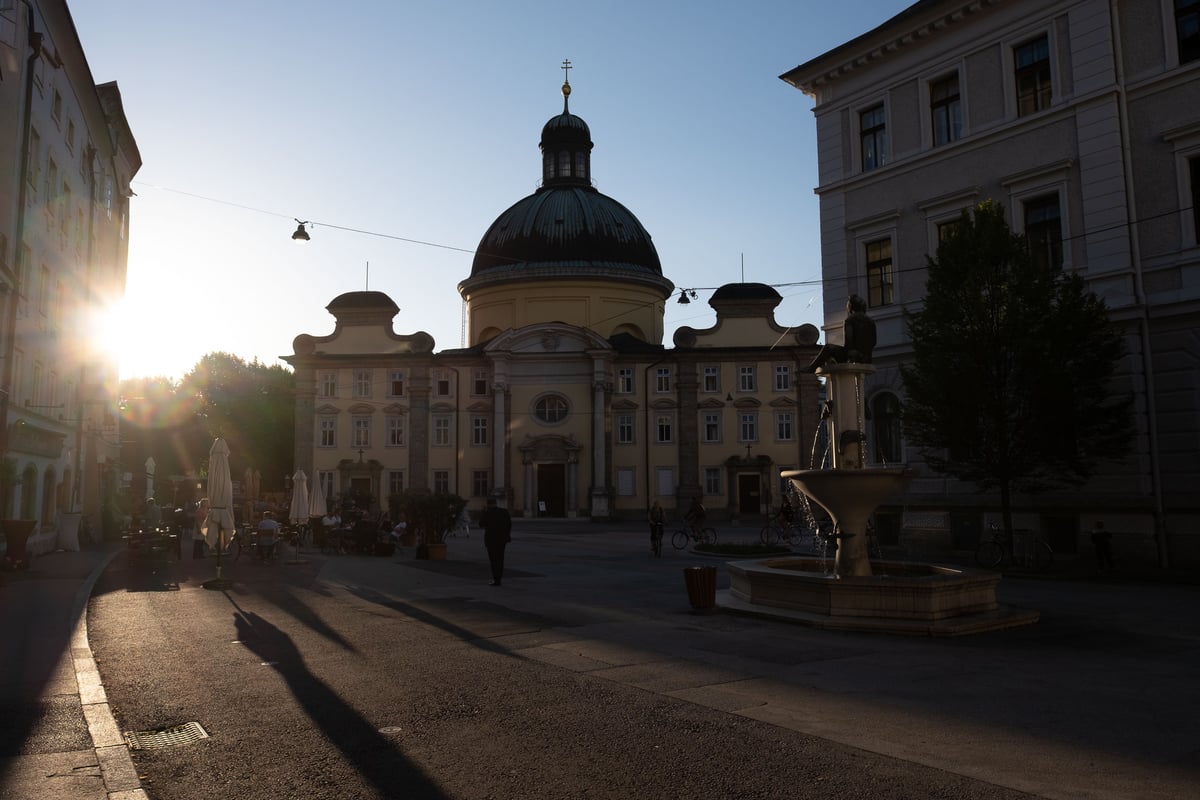
A small, peaceful baroque square in the Nonntal district, dominated by the Kajetanerkirche. Away from the main tourist flow. A rewarding detour between the Cathedral area and Nonnberg Abbey.
The Kapitelplatz is a large square on the south side of Salzburg's Cathedral (Dom), flanked by the cathedral's south facade, the Residenz (Archbishop's palace), and the Festungsberg (the rock from which the Hohensalzburg Fortress rises). The Neptunbrunnen, a Baroque fountain (1732), anchors the historic center of the space.
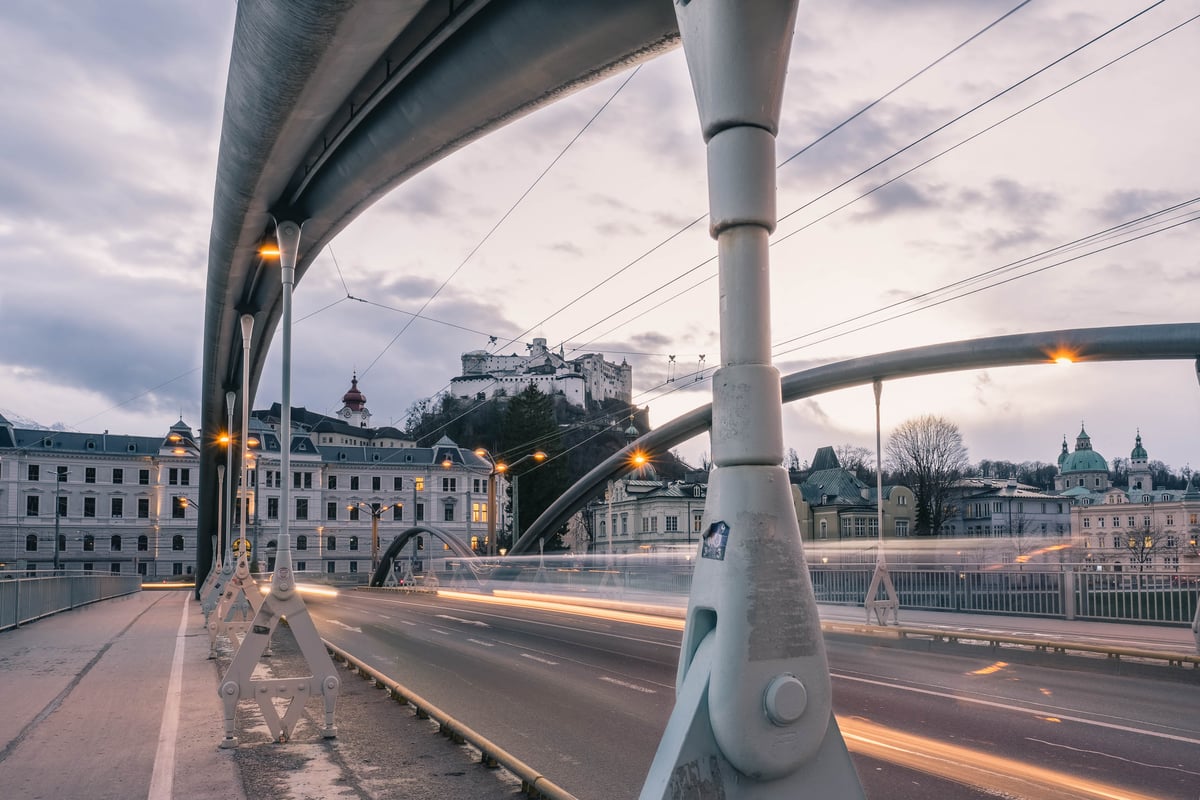
Most visitors cross the Karolinenbrücke without giving it a glance, on their way somewhere else. It is one of Salzburg's three main bridges for car traffic, named after Karoline Auguste, the Bavarian-born Empress of Austria who settled in the city after she was widowed and who opened the first bridge here in 1859.
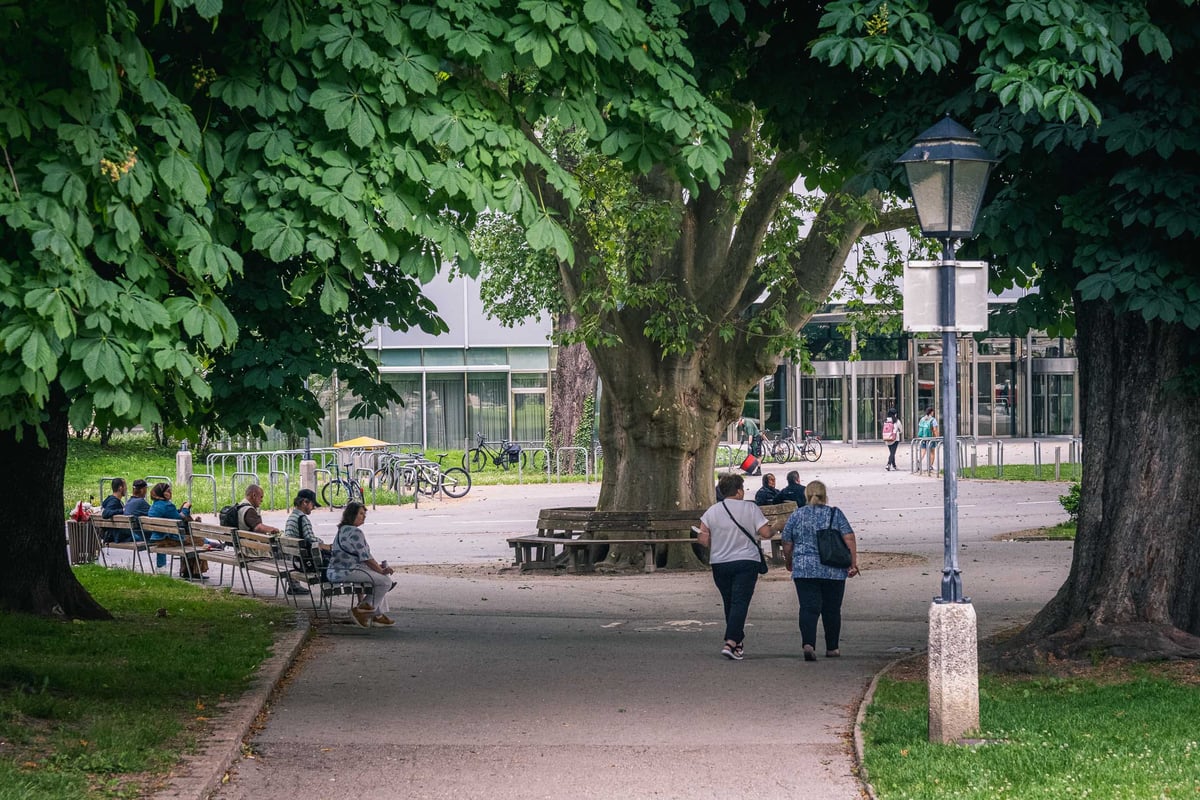
The crowds queue for the Sound of Music photo angles in Mirabell Gardens. Step over the path at the northern edge and almost nobody follows. The Kurgarten is the green space directly behind it: an English landscape garden of old shade trees, winding gravel paths, and circular benches, laid out in the 19th century as the grounds of a spa house.
Linzer Gasse is the main street of the Neustadt (right bank), running north from the Staatsbrücke along the base of the Kapuzinerberg. Less photographed than Getreidegasse, more lived-in: bakeries and pharmacies alongside souvenir shops, with the Church of the Holy Trinity by Fischer von Erlach anchoring the southern end and St.
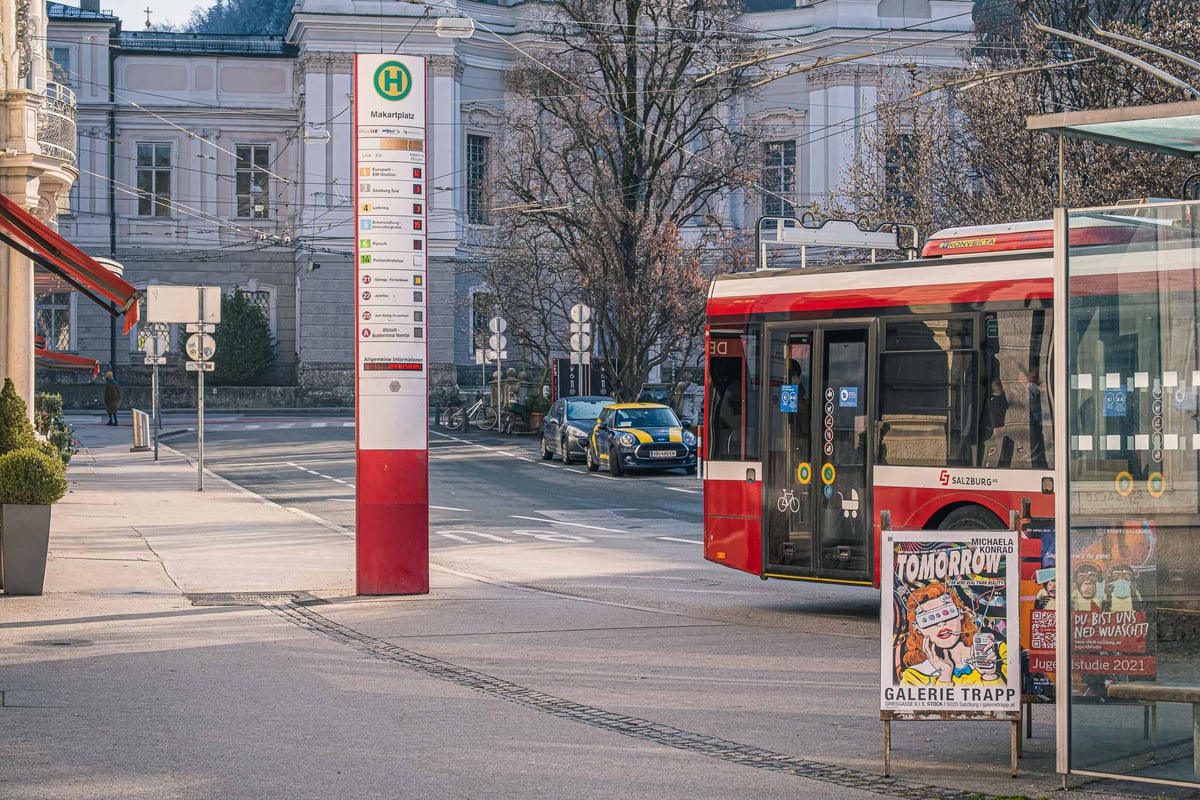
The principal square of the Neustadt, named after Hans Makart. Home to Mozarts Residence at No. 8 and dominated by the Dreifaltigkeitskirche. The cultural heart of the right bank.
Built 2001
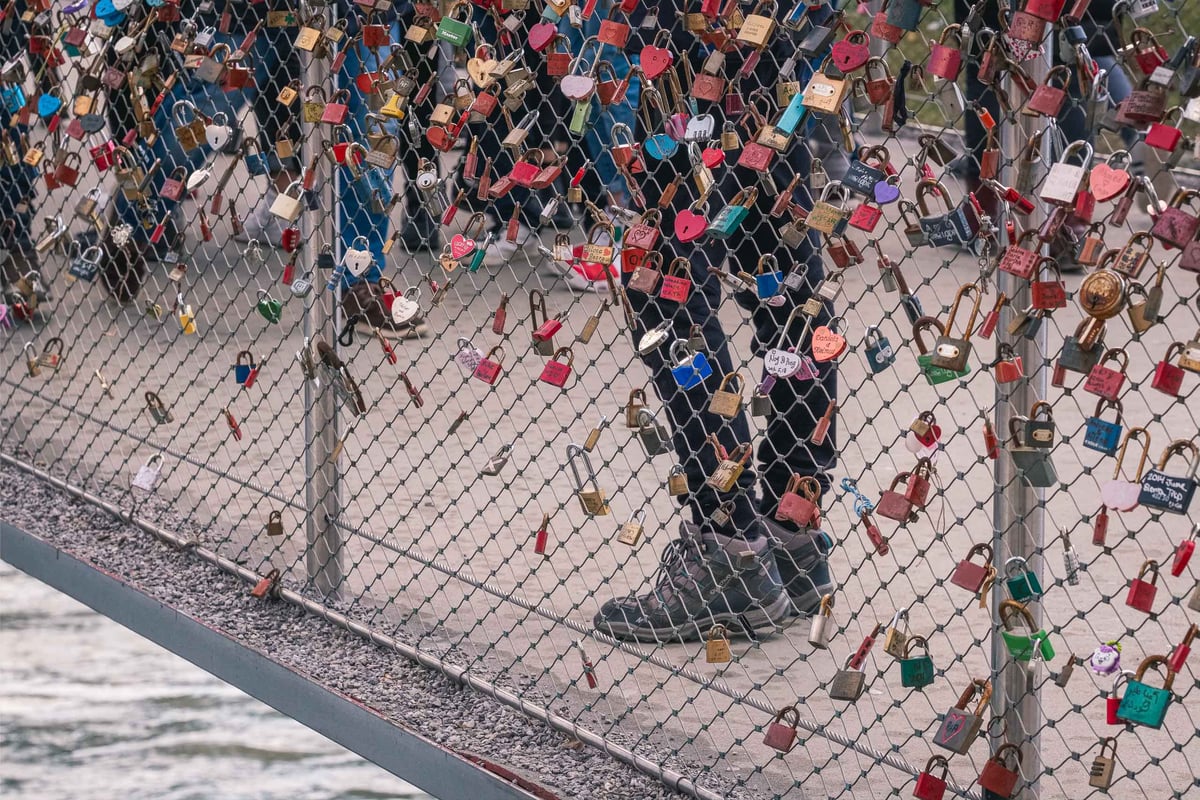
A pedestrian bridge over the Salzach near Makartplatz, renamed in 2019 in honour of Marko Feingold, Holocaust survivor and longtime president of Salzburg's Jewish community. Originally known as the Makartsteg, named after Hans Makart.
Laid out c. 1730
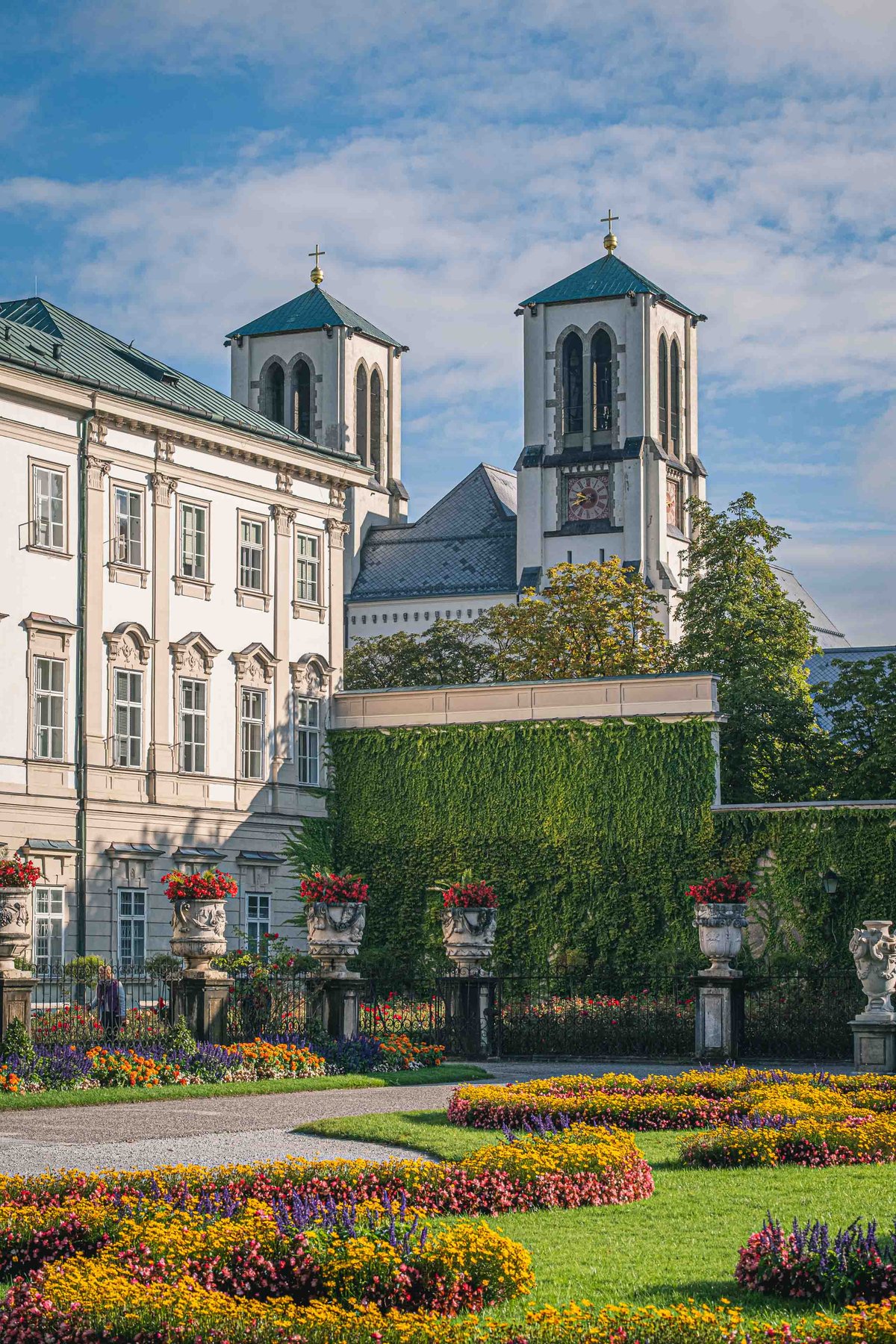
The formal baroque gardens adjoining Mirabell Palace, freely accessible to all visitors. Franz Anton Danreiter created the definitive layout around 1730. Famous as the location where Julie Andrews performed "Do-Re-Mi" in The Sound of Music. The view toward Hohensalzburg Fortress is one of the most photographed scenes in the city.
The square on the city side of Mirabell Palace, connecting the Neustadt to the palace entrance and the Mirabell Gardens. Starting point for walking routes up to the Kapuzinerberg.
Monument unveiled 1842
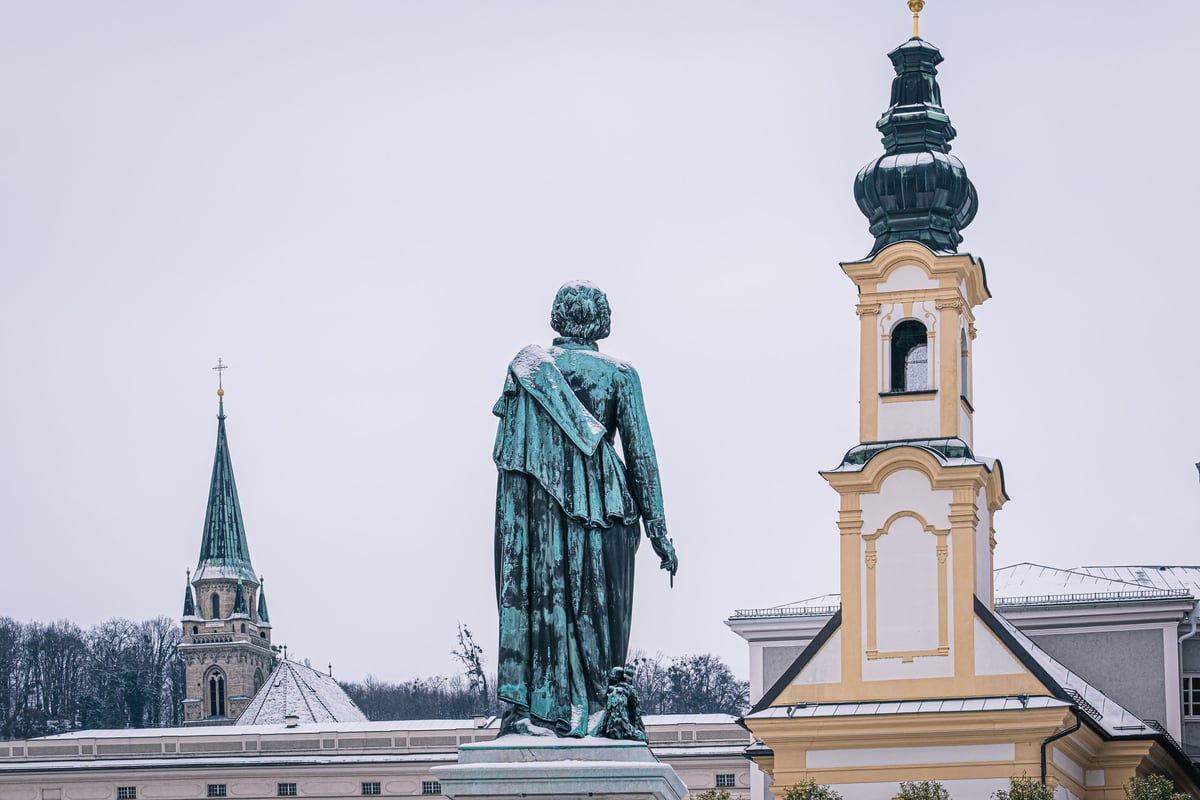
The Mozart statue on Mozartplatz was unveiled in 1842, sixteen years after Beethoven's death, by a committee that included Franz Schubert among its supporters, a detail that says something about how quickly Mozart's reputation had been institutionalized into civic bronze.
Built 1903
A pedestrian bridge named after Mozart, built in 1903, connecting the Altstadt to the Rudolfskai on the right bank. Good views of the Altstadt skyline and Hohensalzburg Fortress.
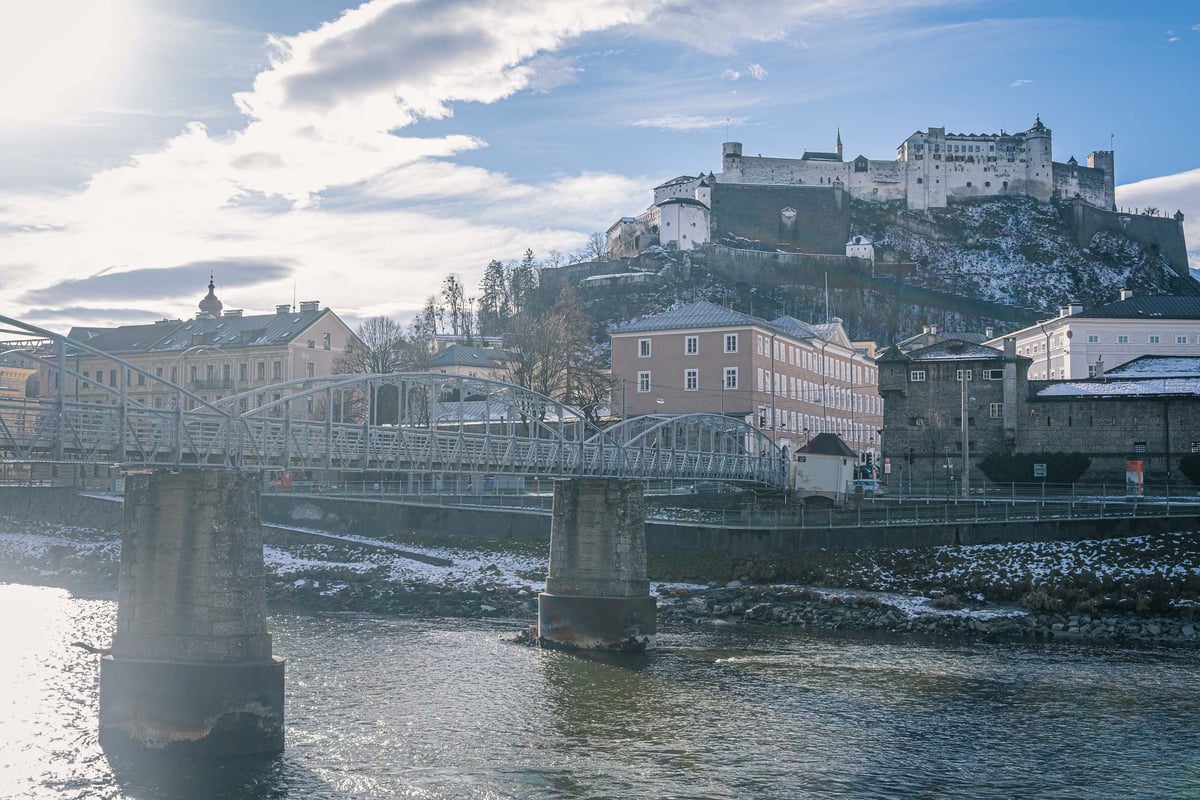
Pedestrian bridge at the northern end of the Altstadt, offering one of the most rewarding views of the old town: the classic Salzburg skyline photograph. Natural starting point for a photography walk along Mönchsberg.
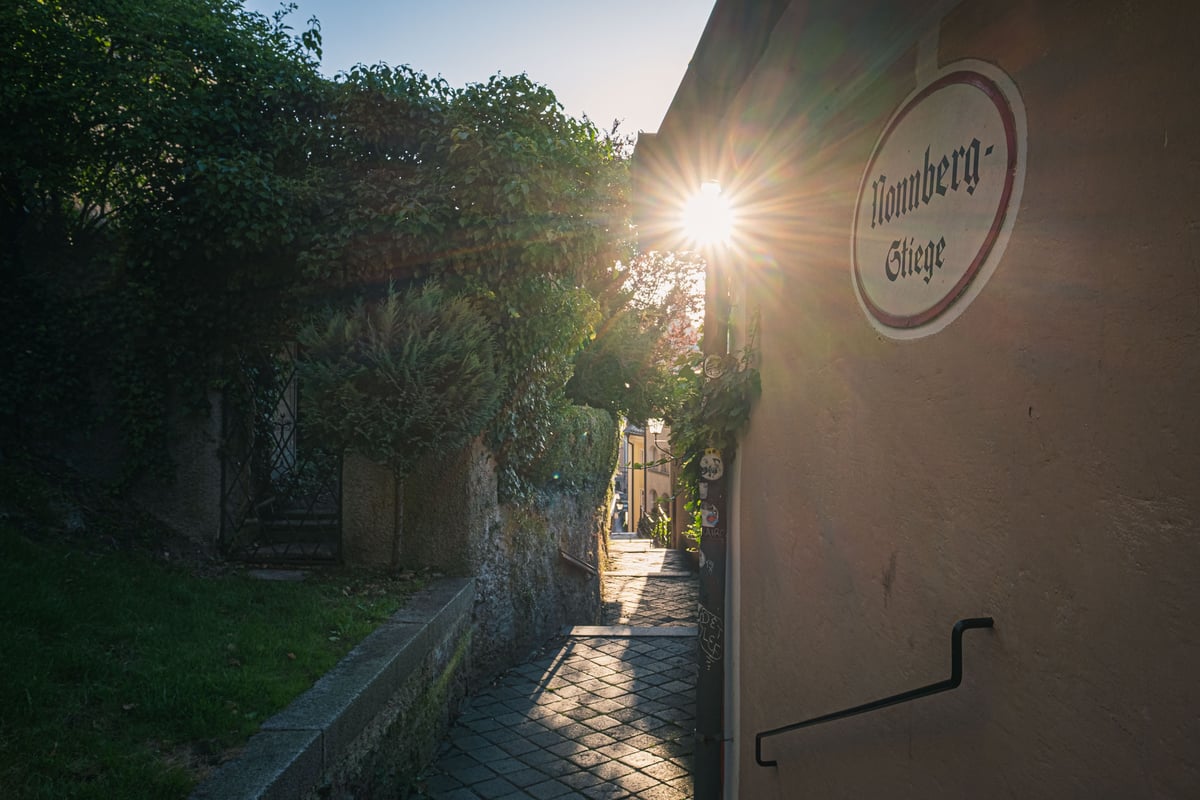
The steep stone staircase climbing to Nonnberg Abbey. Sound of Music filming location. Maria walks these stairs. Medieval origins. View back down over Nonntal rooftops.
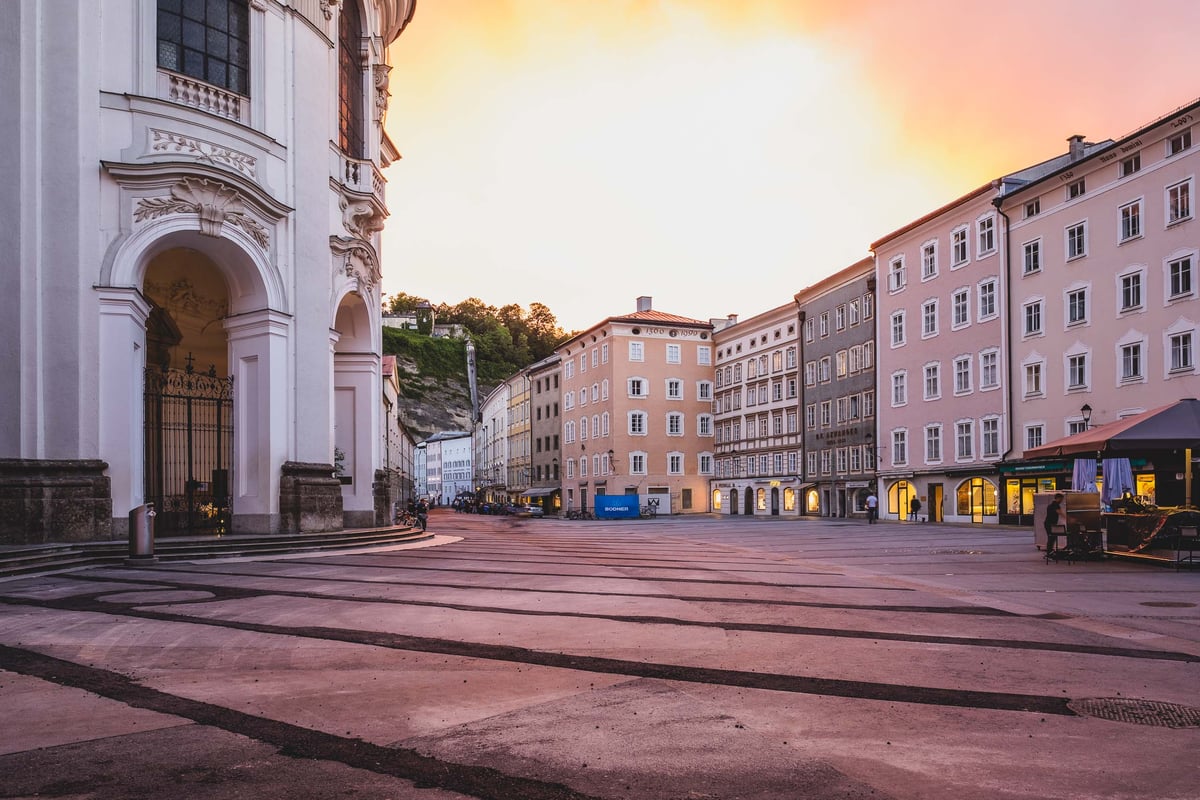
Archbishop Wolf Dietrich von Raitenau demolished 55 houses and Salzburg's medieval cemetery in 1587 to build this square. He had been to Rome and wanted Salzburg to have a proper Italian piazza.
The principal cultural boulevard of the right bank, densely packed with the Salzburger Landestheater, Mozarteum, Marionettentheater, Cafe Bazar, and Hotel Sacher Salzburg. During Festival season, one of the most animated streets in the city.
Sigmund-Haffner-Gasse is one of Salzburg's oldest lanes, a quiet stone passage that links the Universitätsplatz toward the Getreidegasse and carries Austria's oldest bookshop, trading on the same spot since 1492.
The main bridge crossing the Salzach, connecting the Altstadt to the Neustadt/Linzer Gasse area. The busiest pedestrian and traffic crossing in central Salzburg. Current bridge dates to 1938.
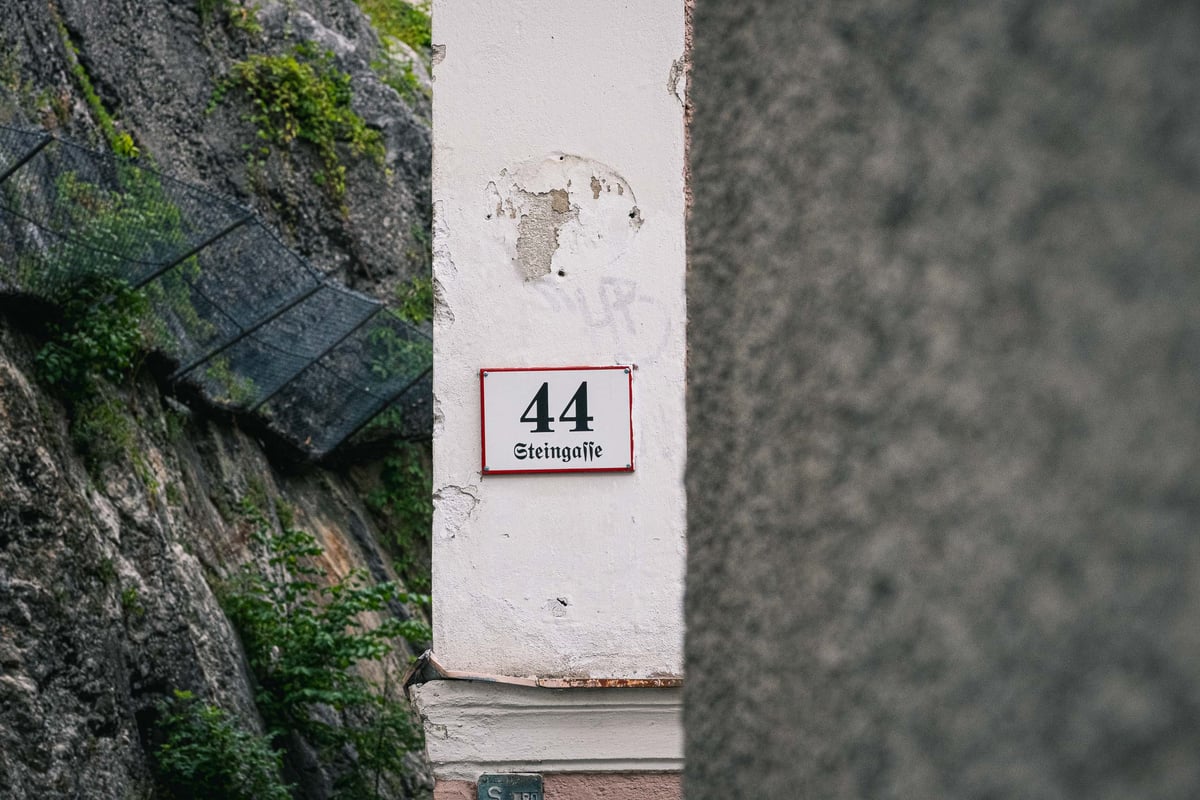
The Steingasse is the narrow medieval lane on Salzburg's right bank that most visitors miss entirely because everyone crosses to the left bank for the cathedral and the Getreidegasse. That is their mistake.
An intimate baroque courtyard named after Arturo Toscanini, tucked between the Kollegienkirche and the Festival district. Connects through to the stage entrance of the Felsenreitschule. Largely unknown to visitors.
The elongated square behind Getreidegasse, flanked by Johann Bernhard Fischer von Erlach's Kollegienkirche. Home to the Grünmarkt, Salzburg's beloved daily open-air market. One of the most authentically lively spaces in the Altstadt.
Public park in the Neustadt, opened 1892, containing Salzburg's oldest outdoor swimming pool. Around 13,000 m² with two pools, a children's area, a seasonal SalzBeach, and an ice rink in winter. Free to enter the park; pool admission charged.
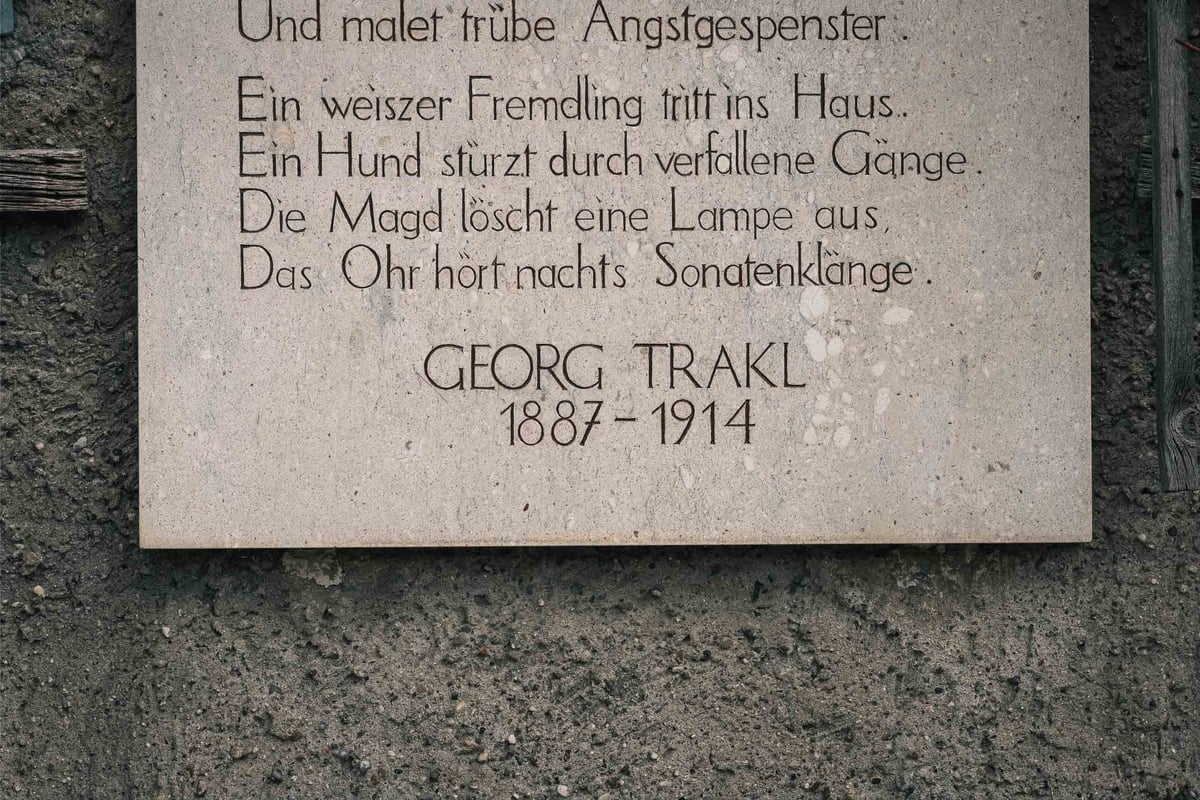
A small square in the Altstadt, off the main tourist routes. Notable as the location of the Georg Trakl Haus, birthplace of Salzburg's greatest poet. Named for the historic weighing station once located here.
Built 1613-1615
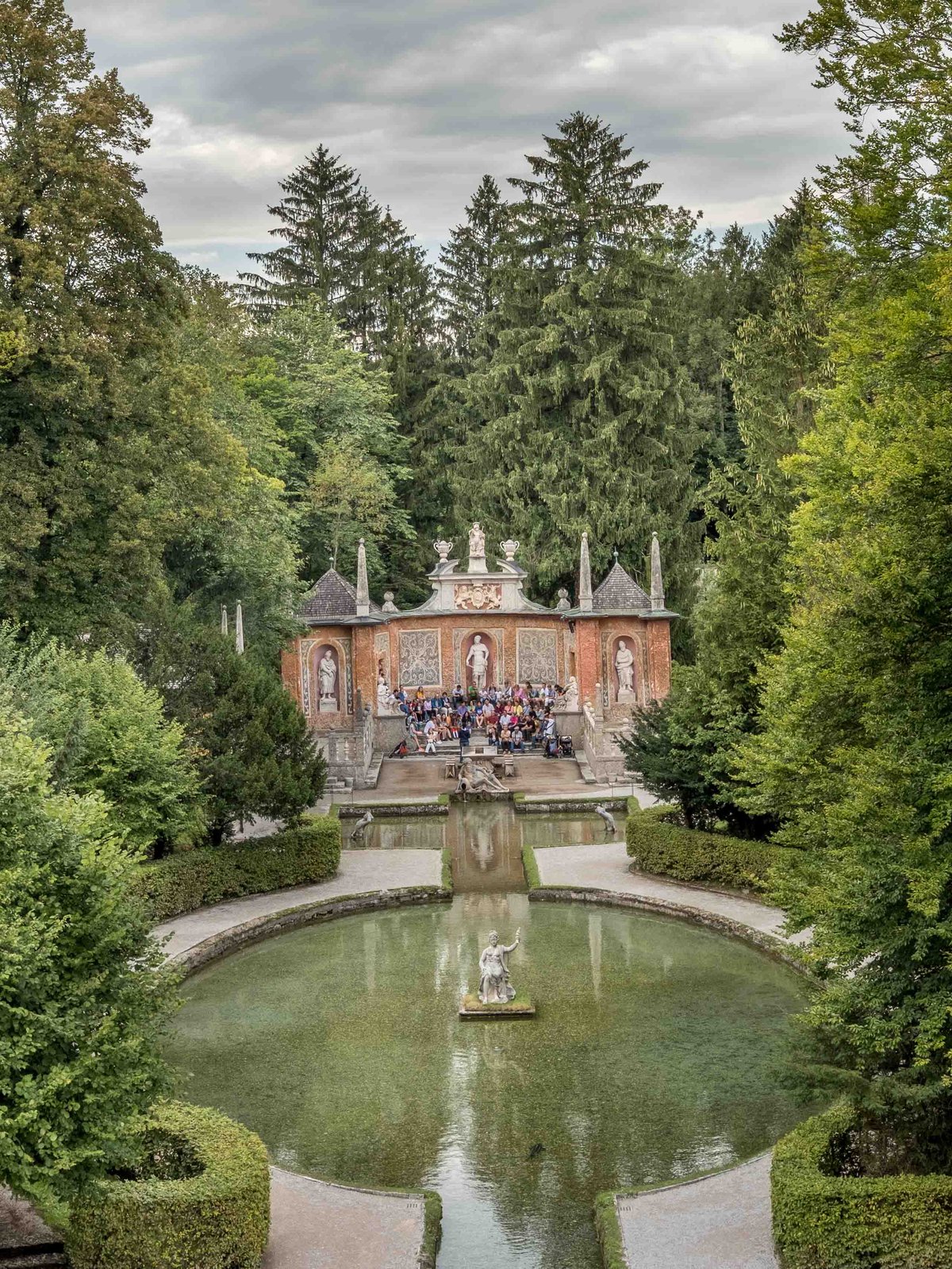
The most elaborate joke of any Archbishop in history. Over 200 concealed water jets, mechanical figures, and trick stone seats, built by Markus Sittikus and Santino Solari in 1613-1615. The system has functioned continuously for over 400 years and is still operated exactly as designed. One of the most original heritage experiences in Austria.
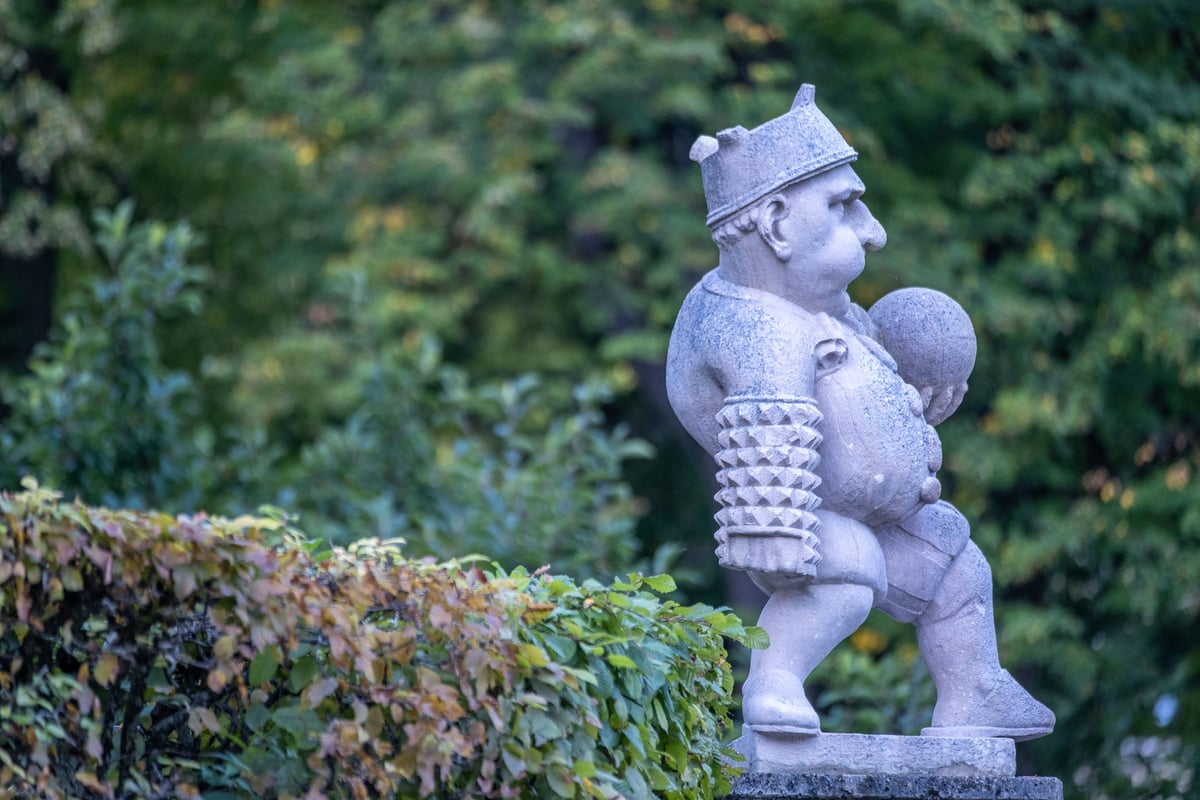
A small walled garden within the Mirabell grounds displaying the surviving marble dwarf figures, carved around 1690 by Ottavio Mosto, Bernhard Michael Mandl and others. 28 originally, 17 today. Simultaneously grotesque, humorous, and oddly moving. Tucked behind the main garden, easily missed, and all the more rewarding for that.