Snapshot
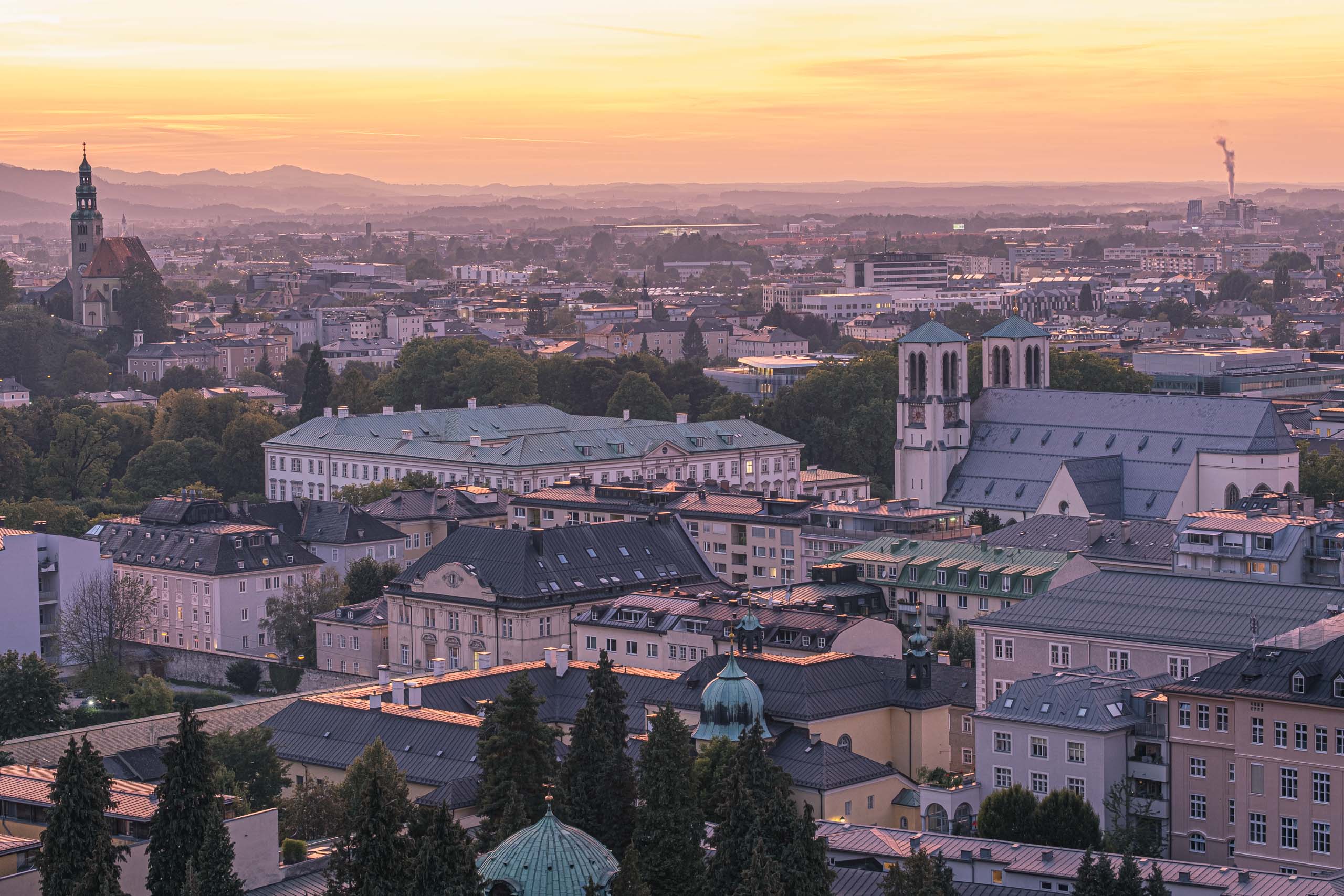
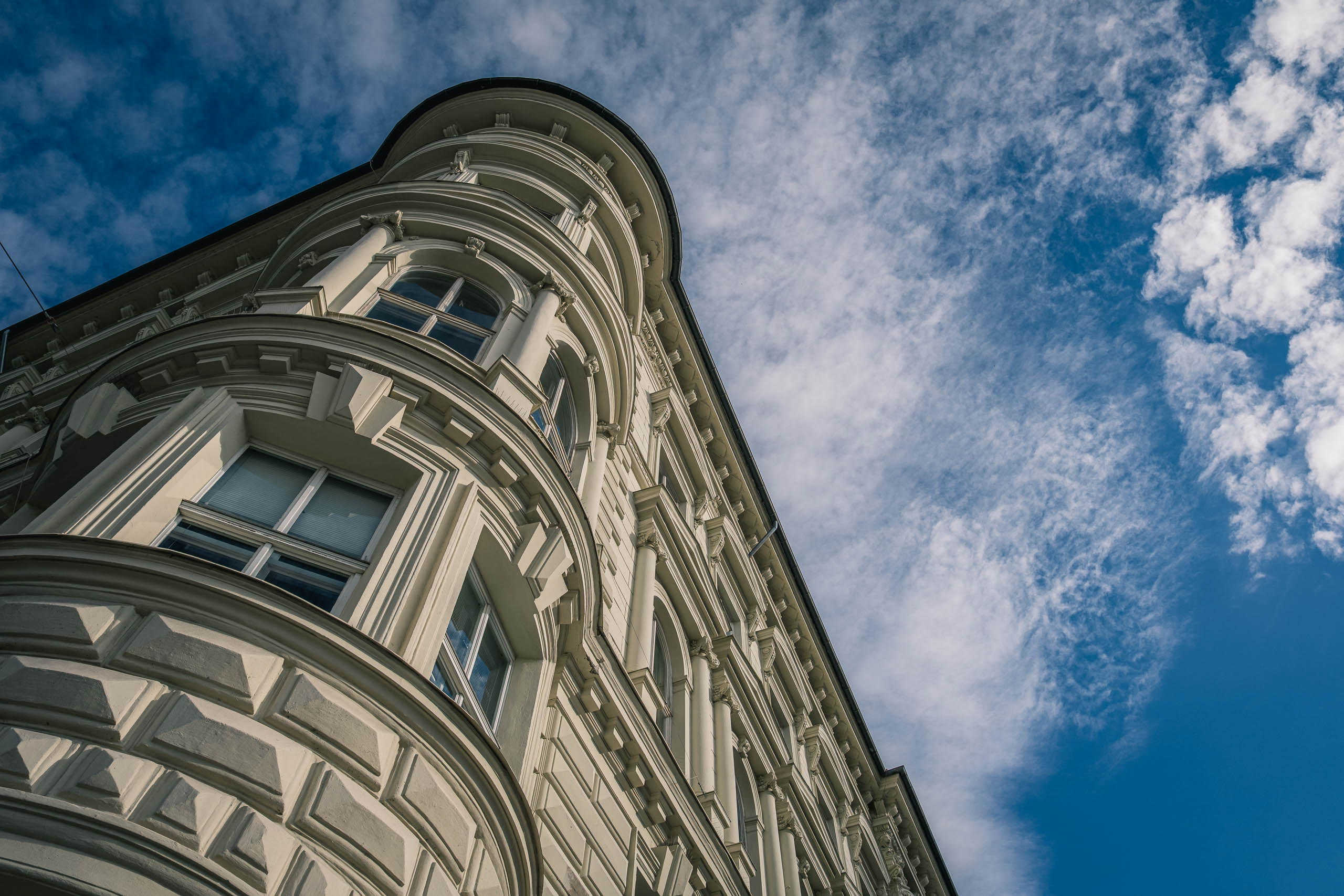
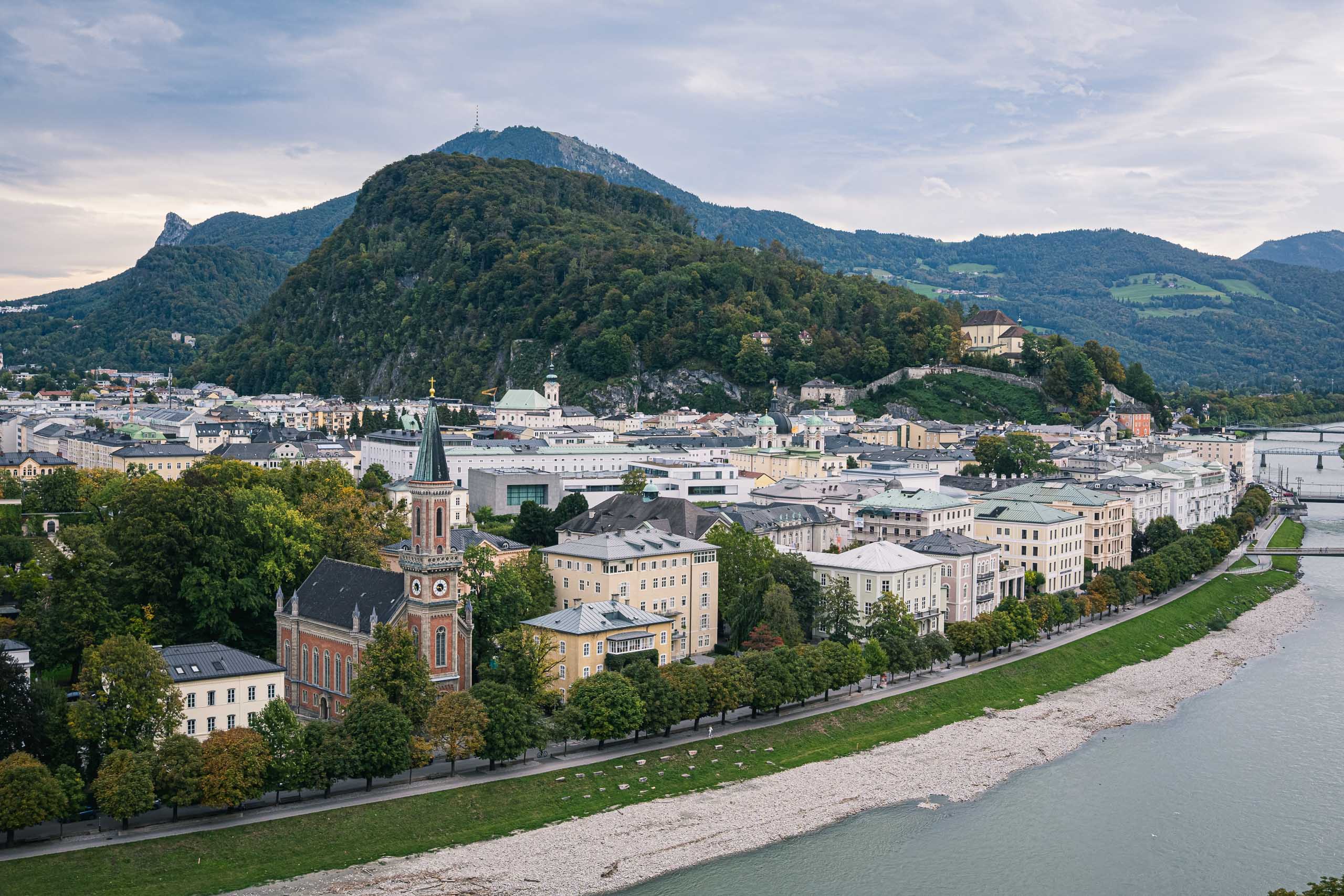
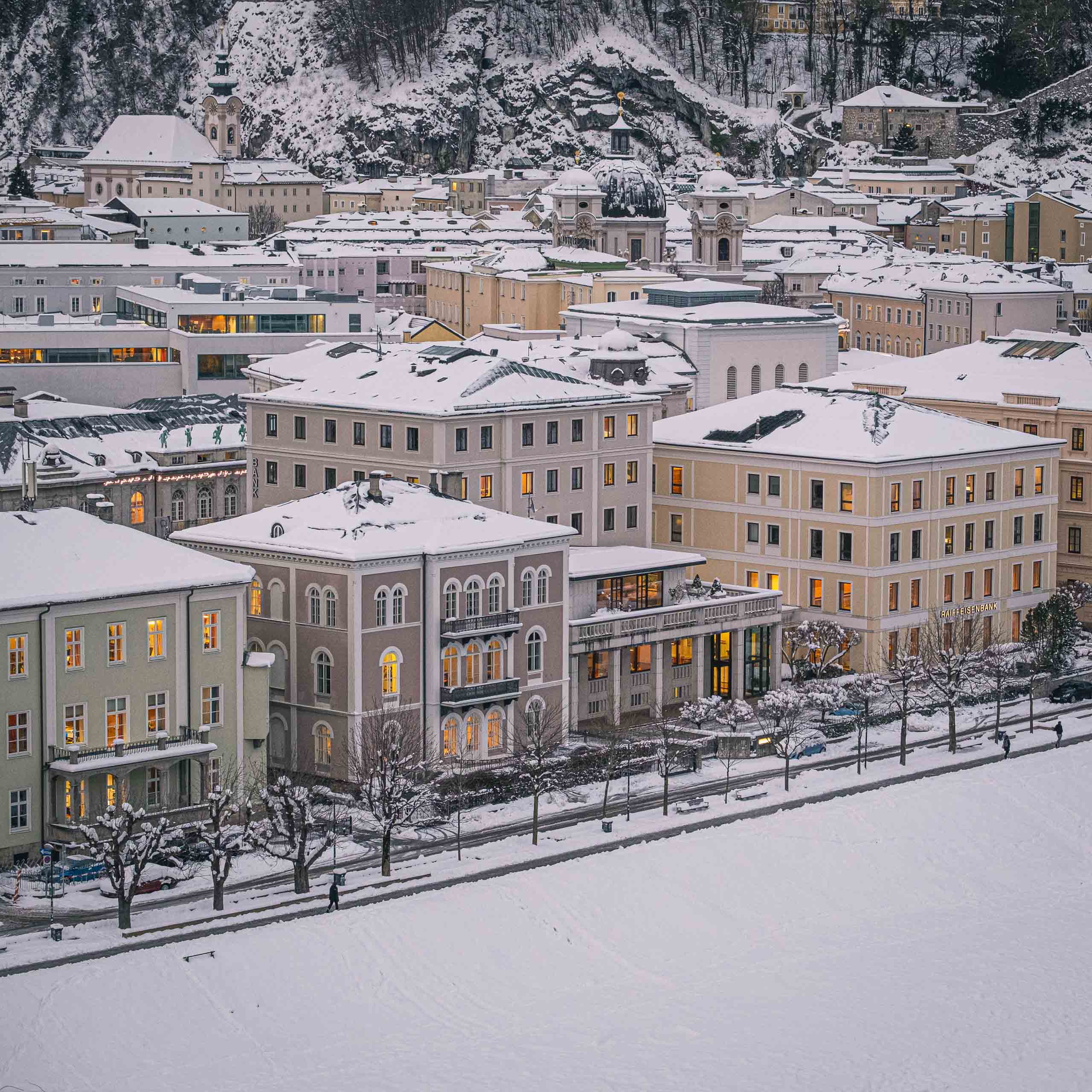
The Neustadt occupies the right bank of the Salzach River, directly across from the Altstadt. Planned and built from the late 17th century under the prince-archbishops, it holds Mirabell Palace and Mirabell Gardens, two of Salzburg’s most compelling Mozart-connected sites, and streets like Linzer Gasse and Steingasse that reward unhurried exploration. It is the part of the city that visitors who look beyond the fortress tend to discover.
The Story
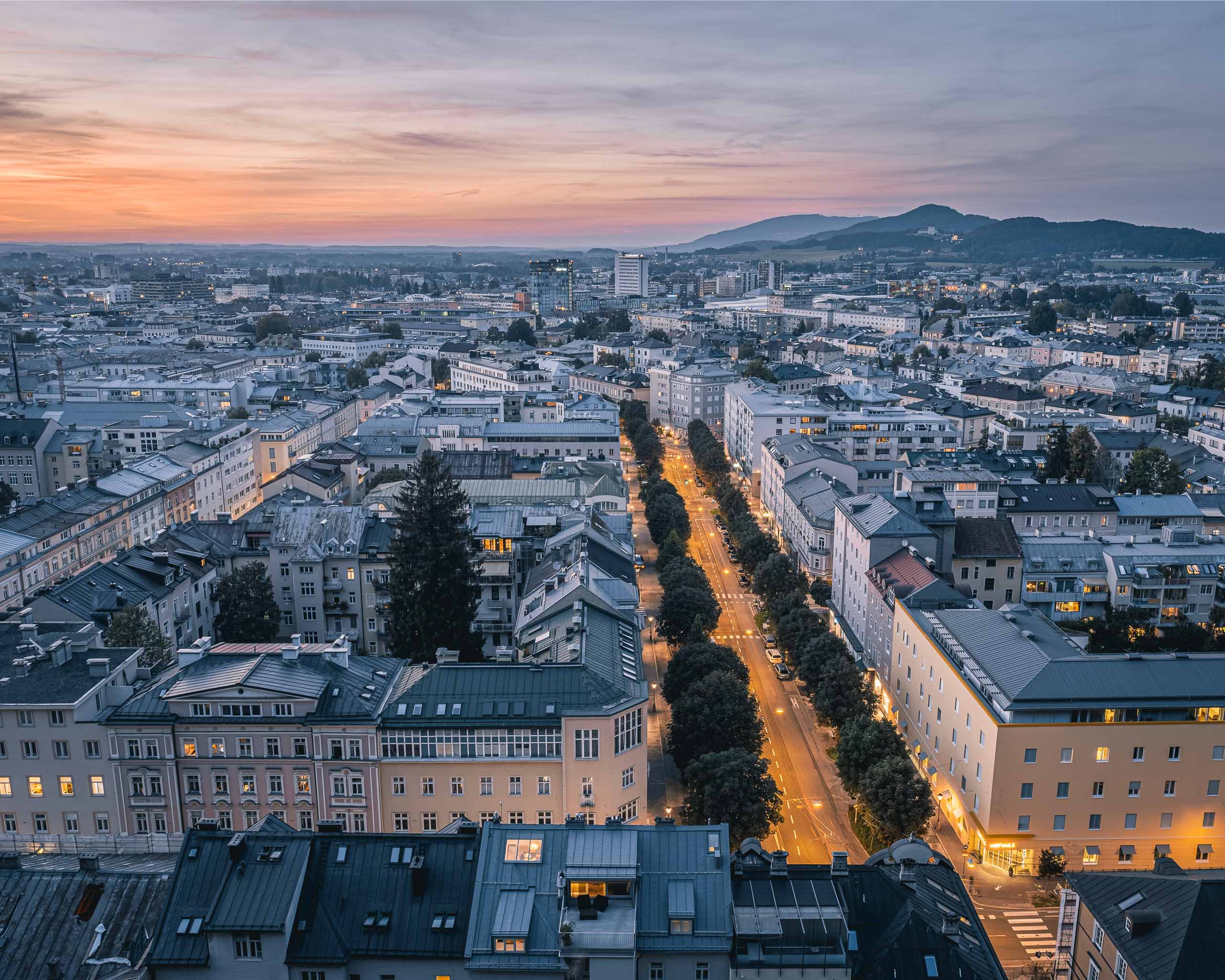
The right bank was largely empty marshland until the archbishop’s urban expansion projects of the late 17th and early 18th centuries gave it a planned grid. The result is a district that feels intentional in a way the organically grown Altstadt does not: wider streets, formal gardens, and institutional buildings arranged along clear axes.
Mirabell Palace was begun by Archbishop Wolf Dietrich von Raitenau around 1606 as a residence for his companion Salome Alt and their children. It was rebuilt by Lukas von Hildebrandt in the early 18th century after fire damage, and the interiors including the Marble Hall are among the finest Baroque rooms in Salzburg. The Mirabell Gardens in front were laid out in formal geometric style and have survived largely intact. The garden’s view toward Hohensalzburg Fortress across the river is one of the defining composed images of the city.
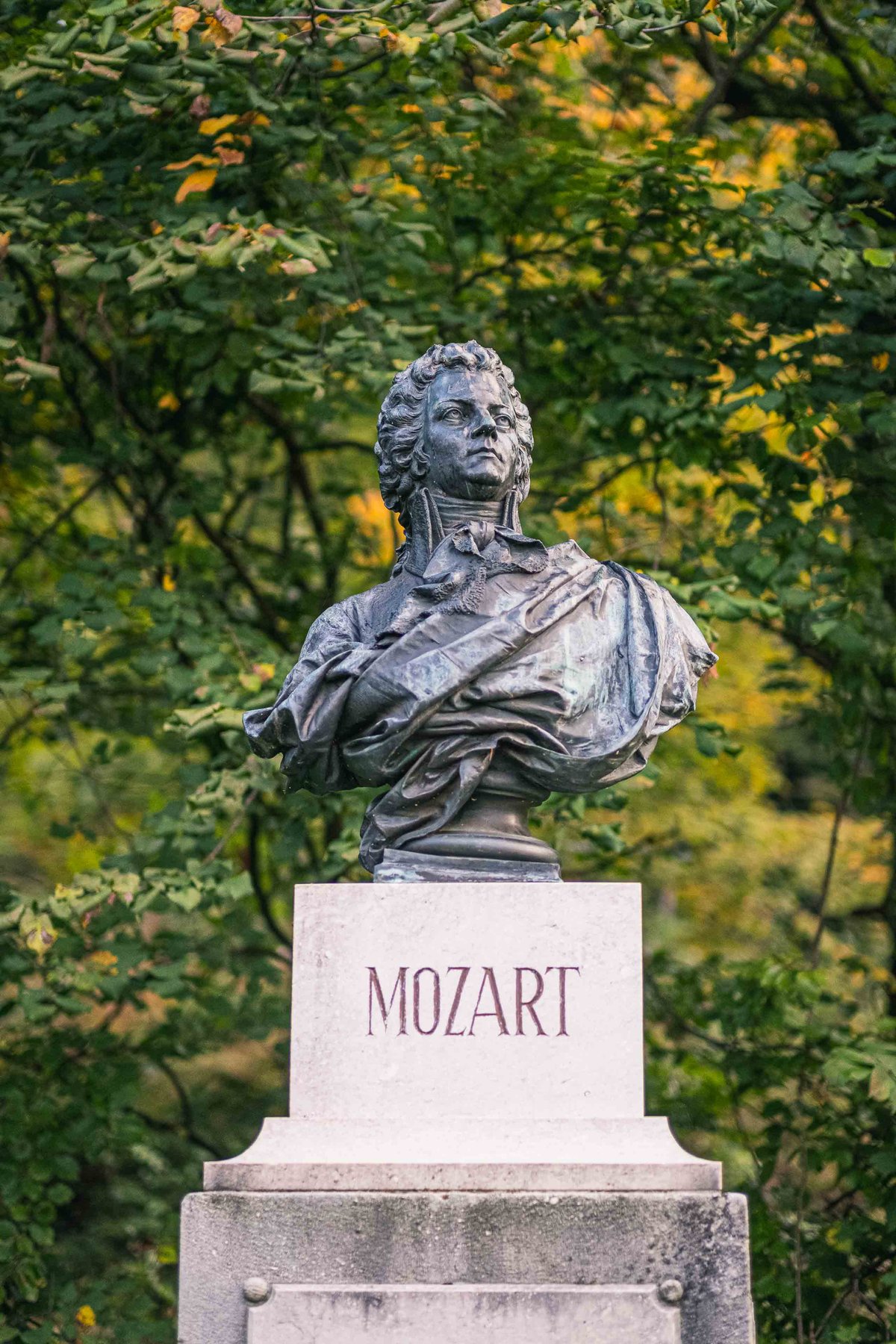
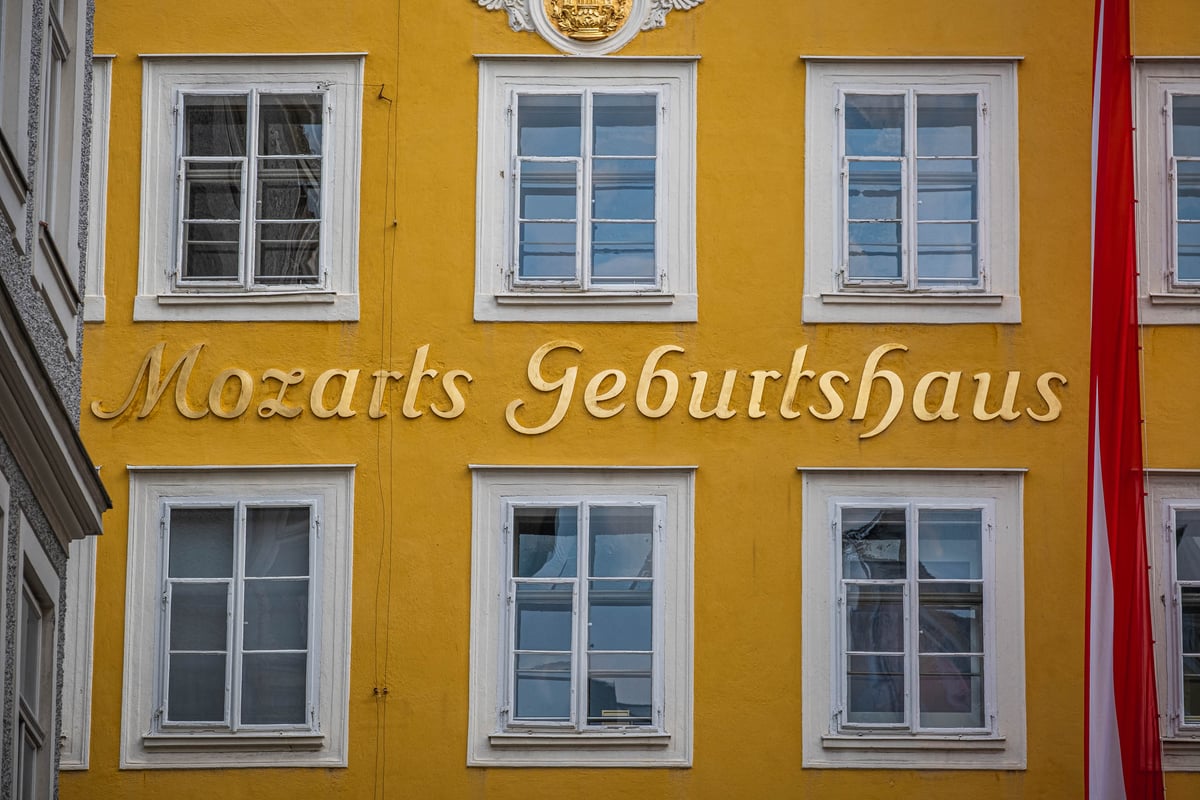
Mozarts Residence on Makartplatz is where the Mozart family lived after leaving the cramped apartment on Getreidegasse in 1773. The house was partly destroyed in World War II and reconstructed; it is now a museum with original instruments and documents. Dreifaltigkeitskirche by Fischer von Erlach stands a short walk south, a tight, inventive Baroque church facade that repays close attention.
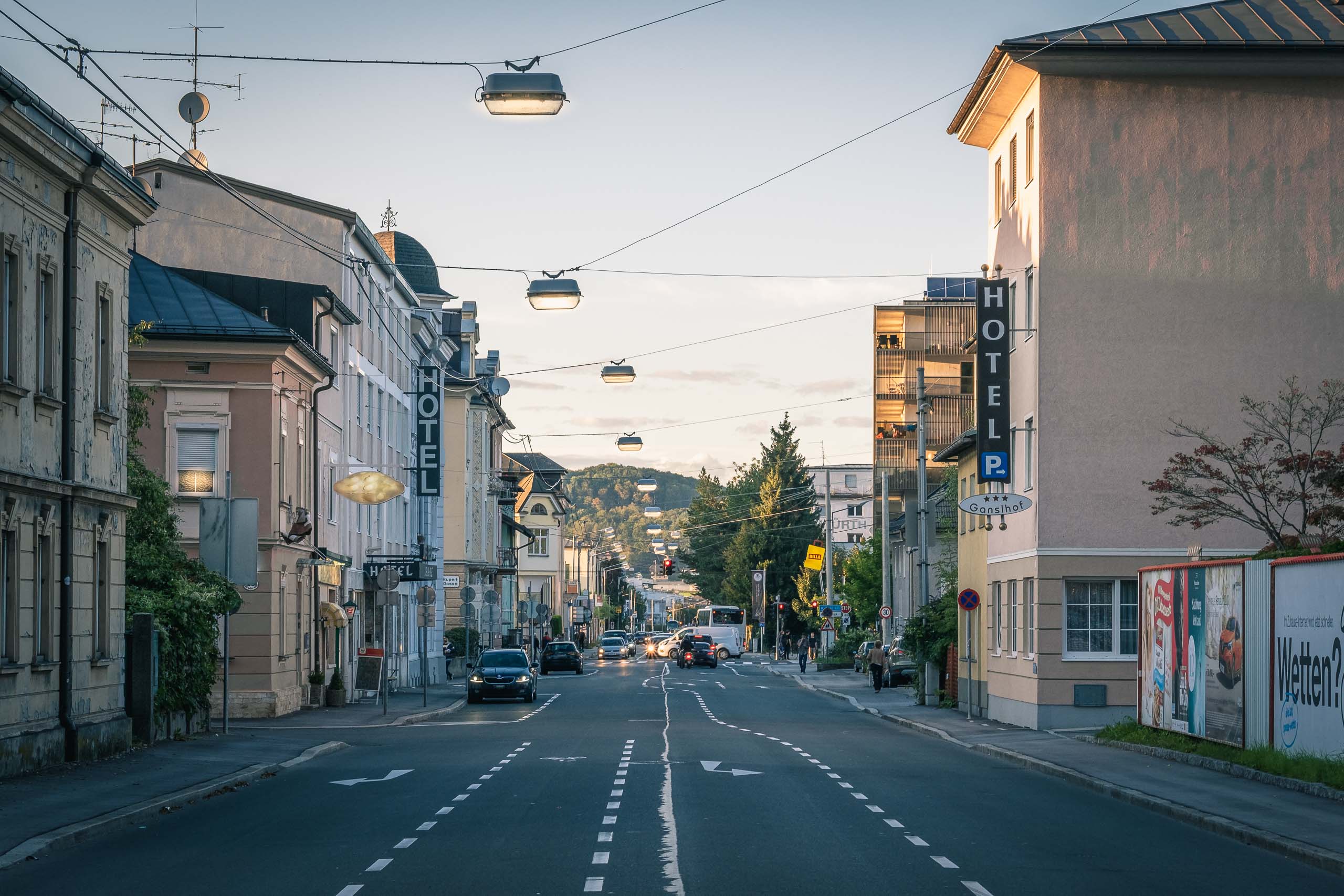
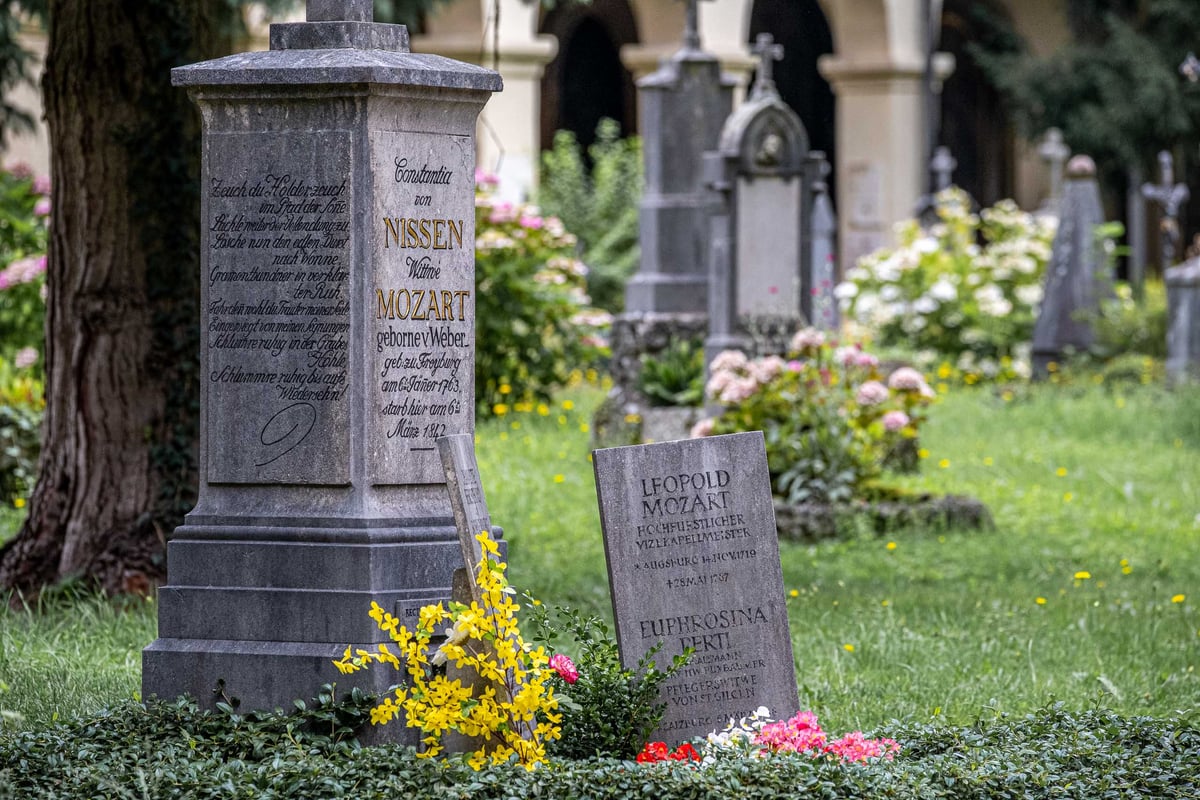
Steingasse is the Neustadt’s hidden reward. The lane runs parallel to Linzer Gasse at the foot of the Kapuzinerberg, and its tall narrow buildings and uneven cobbles belong to a different register entirely from the polished Altstadt. The Sebastiansfriedhof nearby is a quiet Baroque cemetery with the mausoleum of Archbishop Wolf Dietrich at its centre.
Planning
The Neustadt is reachable from the Altstadt by crossing the Staatsbrucke or the Mozartsteg footbridge, a walk of a few minutes. Mirabell Gardens are free to enter and open throughout the day. Salzburg Hauptbahnhof is about fifteen minutes’ walk north through Lehen, making the Neustadt a natural first stop for train arrivals heading toward the historic core. Linzer Gasse has good cafés and independent shops; Steingasse is best explored on foot without a specific agenda. The Sebastiansfriedhof has free entry and is often quiet even when the main sites are crowded. A half-day is enough to cover the Neustadt’s main points, and the district pairs naturally with the Altstadt on the same day, connected by the short river crossing.