Alchemist Belge
Salzburg's specialist craft beer bar. Belgian and Austrian craft beers in a city where tap options have long defaulted to Stiegl or Augustiner. Small and unpretentious.
Cuisine
55 entries tagged Austrian on Introducing Salzburg.
Salzburg's specialist craft beer bar. Belgian and Austrian craft beers in a city where tap options have long defaulted to Stiegl or Augustiner. Small and unpretentious.
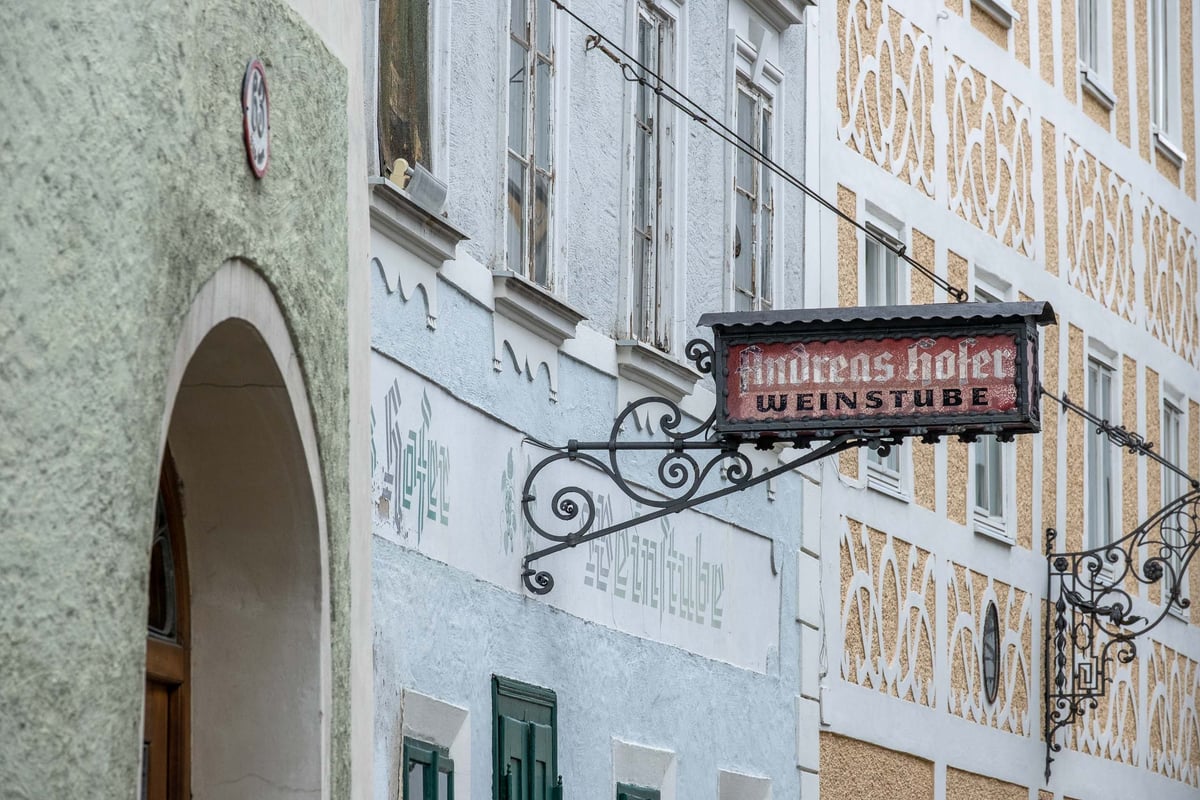
A traditional Weinstube (wine tavern) in the Steingasse area. Austrian wines in a warm, wood-panelled atmosphere. The Steingasse location gives it a quieter, more local feel.
Paper-thin hand-pulled pastry around sliced apples, sugar, cinnamon, raisins, and buttered breadcrumbs. Baked golden. Served warm with vanilla sauce or cream. One of the great achievements of Austrian pastry. The Cafe Tomaselli version, in the oldest coffee house in Austria, has a particular authority.
Operating since 1621
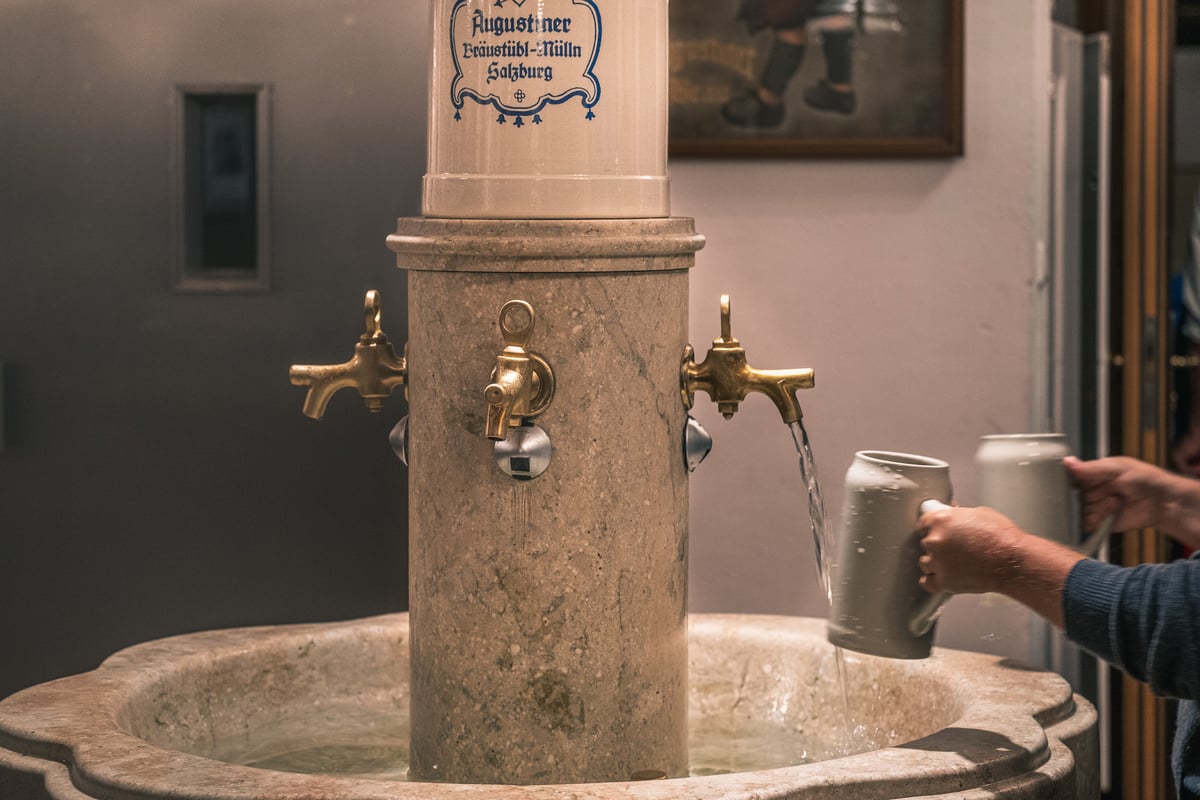
One of the largest and most atmospheric beer halls in Austria, founded by the Augustinian friars of Mülln in 1621 and run since 1835 by the Benedictine Abbey of Michaelbeuern. Visitors collect beer directly from wooden barrels. The garden seats thousands. Adjacent to Mulln Church.
A traditional Austrian Gasthof in the Mülln district. One of the most reliably authentic restaurants in the city. Beer garden draws residents and visitors alike.
Farmer's feast plate. Multiple smoked and roasted meats, sauerkraut, bread dumplings, potatoes. More food than one person needs. Best in cold months with dark beer.
Inn since 1549
The restaurant of the Arthotel Blaue Gans at Getreidegasse 41. Inn since 1549. Contemporary art on the walls, Austrian cooking with modern interpretation. Medieval architecture meets current culture.
Wooden board of cold cuts, cheeses, pickles, horseradish, mustard, bread. The default beer garden accompaniment. What you eat at the Augustiner or Franziskischlossl while the afternoon stretches out.
A traditional Salzburg Konditorei and café, serving the city's residents rather than its tourist masses. Coffee and cake in a neighbourhood setting.
Long-established traditional Neustadt café. Serves residents, not visitors. Good coffee, pastries, unhurried atmosphere.
Salzburg's own wheat beer brewery on Rupertgasse. Brews unfiltered Weissbier on-site. One of the city's most beloved local institutions. A genuinely local crowd: students, families, regulars.
Strong black coffee in a tall glass topped with a dome of unsweetened whipped cream (Schlagobers). Named after one-horse carriage coachmen who needed to drink with one hand. Cold sweetness meets hot bitterness in each sip.
The definitive alpine spirit. Distilled from yellow gentian roots harvested by hand above the treeline. Intensely bitter, herbal, medicinal in the best sense. Destillerie Grassl is the reference. Sporrer on Getreidegasse sells it. Not for everyone, but nothing else will do.
One of Salzburg's leading fine dining restaurants, Michelin-recognised. In the Mülln district. Contemporary Austrian and European cuisine: precise, seasonally driven.
Built 1629
A small baroque fortification at the Kapuzinerberg summit (1629), now a seasonal beer garden with panoramic views. Real historic structure, modest beer garden, and a 30-minute walk to get there: a character no purpose-built café can replicate.
Clear beef broth with thin strips of savoury pancake. The other half of the Austrian soup canon alongside Leberknödelsuppe. Light, elegant, deceptively simple.
Organic bakery and café with multiple Salzburg locations. Serious bread, organic sourcing, loyal local following. A step beyond the traditional Konditorei model.
Long-established neighbourhood restaurant south of the Altstadt. Where Salzburg residents eat. Traditional Austrian cooking, beer garden, genuine local atmosphere.
Historic inn in the Aigen district. Beer garden in the Schloss Aigen grounds. A long lunch in the garden feels like stepping out of the tourist city entirely.
Large steamed yeast dumpling filled with Powidl (concentrated plum jam). Melted butter, poppy seeds, icing sugar. The definitive Austrian mountain hut dessert. Best eaten immediately, in a warm room, in winter.
Mulled wine. Red wine heated with cinnamon, cloves, star anise, orange peel, sugar. Inseparable from the Salzburg Advent experience. Quality varies by stand. Hellbrunn Advent Market tends to have the highest quality.
Deep, paprika-rich beef stew. Austrian adaptation of the Hungarian original. Onions, sweet paprika, beef, simmered 2-3 hours. Thicker than Hungarian Gulyás. Served with bread dumplings (Semmelknödel). A bowl on a cold afternoon is one of the most satisfying things the city's food offers.
Founded 1475
The oldest brewery in Salzburg State, founded 1475 near Hallein. Predates Stiegl by almost two decades. Beer garden on the Salzach. Cooperage Museum and brewery tours. Fifteen minutes from Salzburg by train.
A bar and wine cellar in the Altstadt. Cellar bars occupy a particular place in Salzburg's nightlife: thick stone walls and underground spaces lending themselves to intimate, candlelit drinking.
"Emperor's mess." Torn, caramelised pancake with plum jam. Reputedly named for Emperor Franz Joseph I. Enriched with whipped egg whites for lightness. On virtually every traditional Austrian menu. Best made to order. Substantial enough for a light main course.
Pressed cheese dumpling fried until crisp. The definitive mountain hut appetiser. Served in clear broth (Kaspressknödelsuppe) or dry with salad. Simple, satisfying, first thing walkers order in winter.
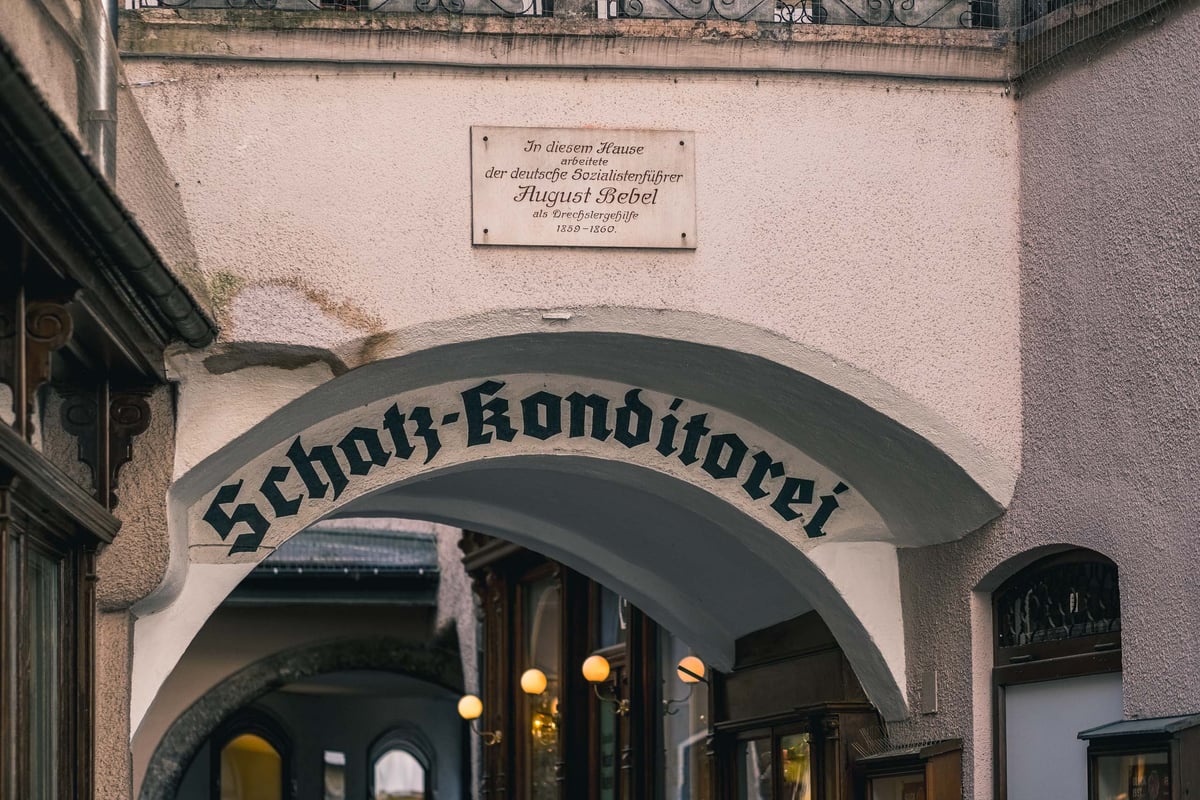
A traditional Salzburg Konditorei in the Altstadt. Pastries, cakes, and coffee in the classic Austrian confectionery tradition.
One of the most authentic dining experiences in Salzburg. Historic brewery-restaurant in Mülln, steps from the Augustiner Bräustübl. Brews its own beer. Traditional Salzburg cooking in a wood-panelled interior and shaded beer garden.
Clear beef broth with liver dumplings. The opening act on almost every traditional Austrian menu. With Frittatensuppe, the "two soups" of Austrian cuisine. Honest, warming, unchanged for generations.
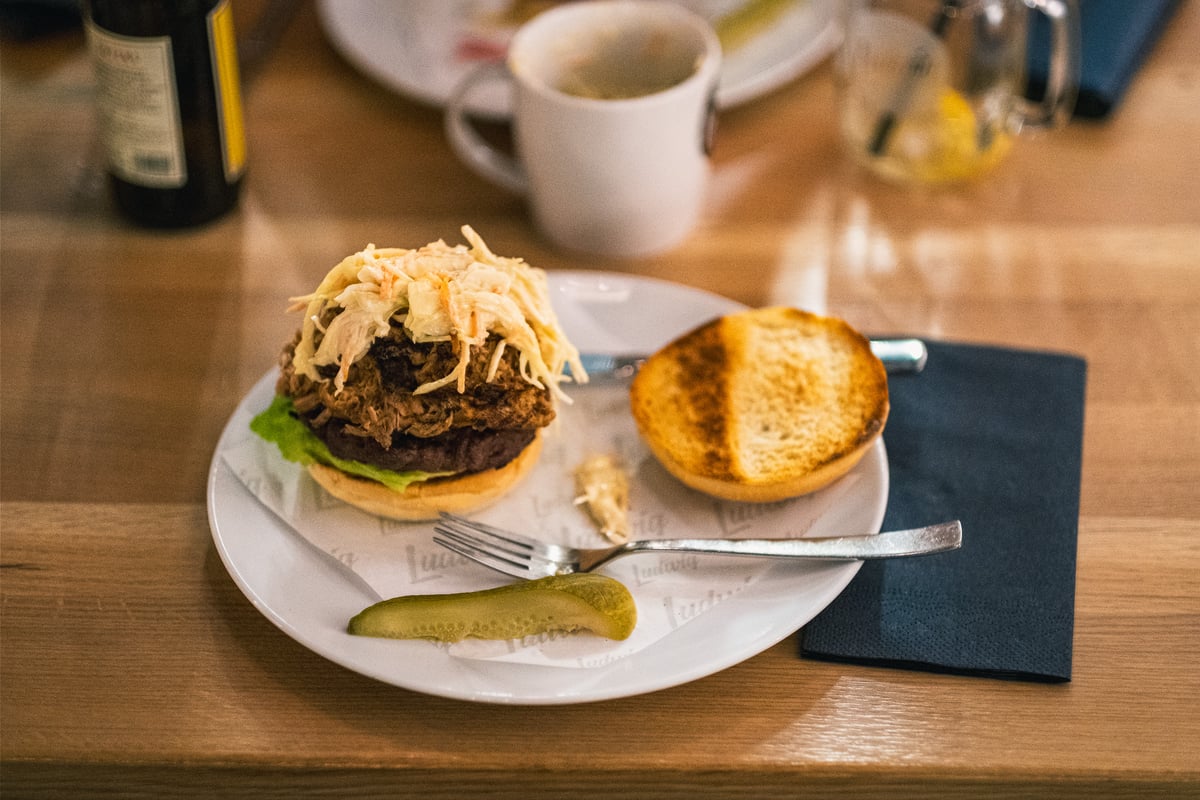
A quality locally run burger restaurant on Linzer Gasse, opened 2016. Austrian organic beef, a short menu done well, dogs welcome.
A wine bar and restaurant near the Mülln district. Exceptional Austrian wine list. One of the most intelligent combinations of restaurant and wine shop in the city. Frequented by the Festival world.
Whole apricots in soft potato dough, boiled, rolled in toasted buttered breadcrumbs with cinnamon. The definitive Austrian summer dessert. Strictly seasonal: July-August only, when apricots are in. Outside apricot season, a disappointment.
An upscale restaurant on the Neustadt side, offering refined Austrian and regional cuisine. A reliable choice for a serious dinner during Festival season.
THE Austrian coffee. Espresso + steamed milk + milk foam in a wide porcelain cup. Like a cappuccino but lighter, less foamy, lower temperature. Sipped slowly while reading a newspaper. Ordering a Melange marks you as someone who knows where they are.
Austrian crepes. Apricot jam, Nutella, Topfen, or ice cream. On every menu. The word comes from Romanian via Hungarian: Austrian cuisine absorbed freely from across the empire. Children order without hesitation. Adults pretend to hesitate.
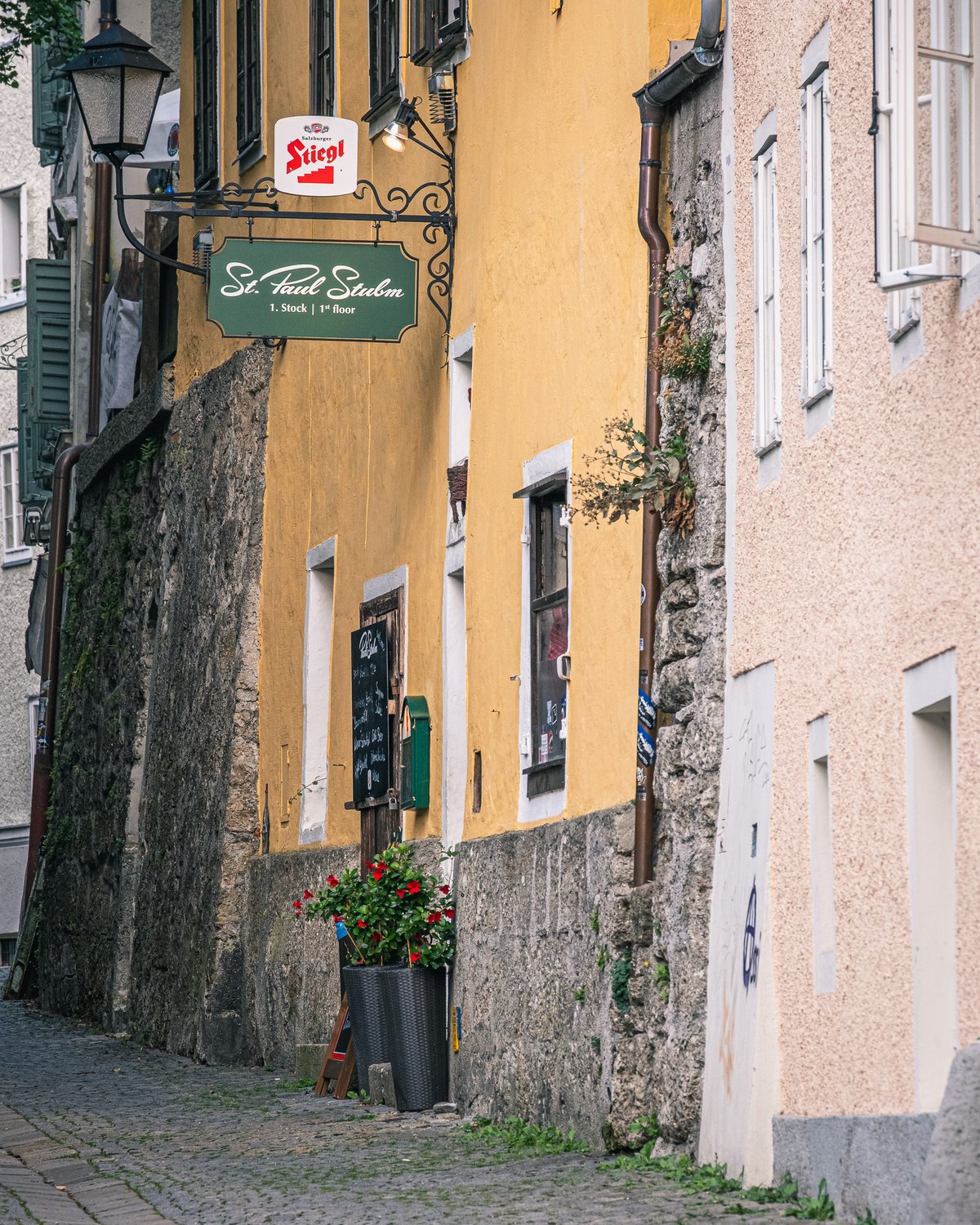
A Stubm (small parlour restaurant) in a 17th-century stone house at Herrengasse 16, tucked behind Kapitelplatz. Three indoor rooms, a gravel beer garden for 120. Austrian food and Stiegl beer at honest prices. Closed Sundays and Mondays.
The most serious restaurant in the greater Salzburg region. Long-standing Michelin-starred address in Hallwang. Cooking rooted in Austrian and regional produce. The benchmark for Salzburg's dining scene.
The restaurant of the Hotel Goldener Hirsch on Getreidegasse. Michelin-noted. Refined Austrian cuisine in an intimate, historically rich setting.
The most famous cake in the world. Created 1832 by sixteen-year-old Franz Sacher for Prince Metternich. Dense chocolate sponge, apricot jam, dark chocolate glaze. Hotel Sacher holds the trademark. Recipe not public. Served with unsweetened whipped cream (Schlagobers). Traditional instruction: eat without the cream. Traditional practice: eat with.
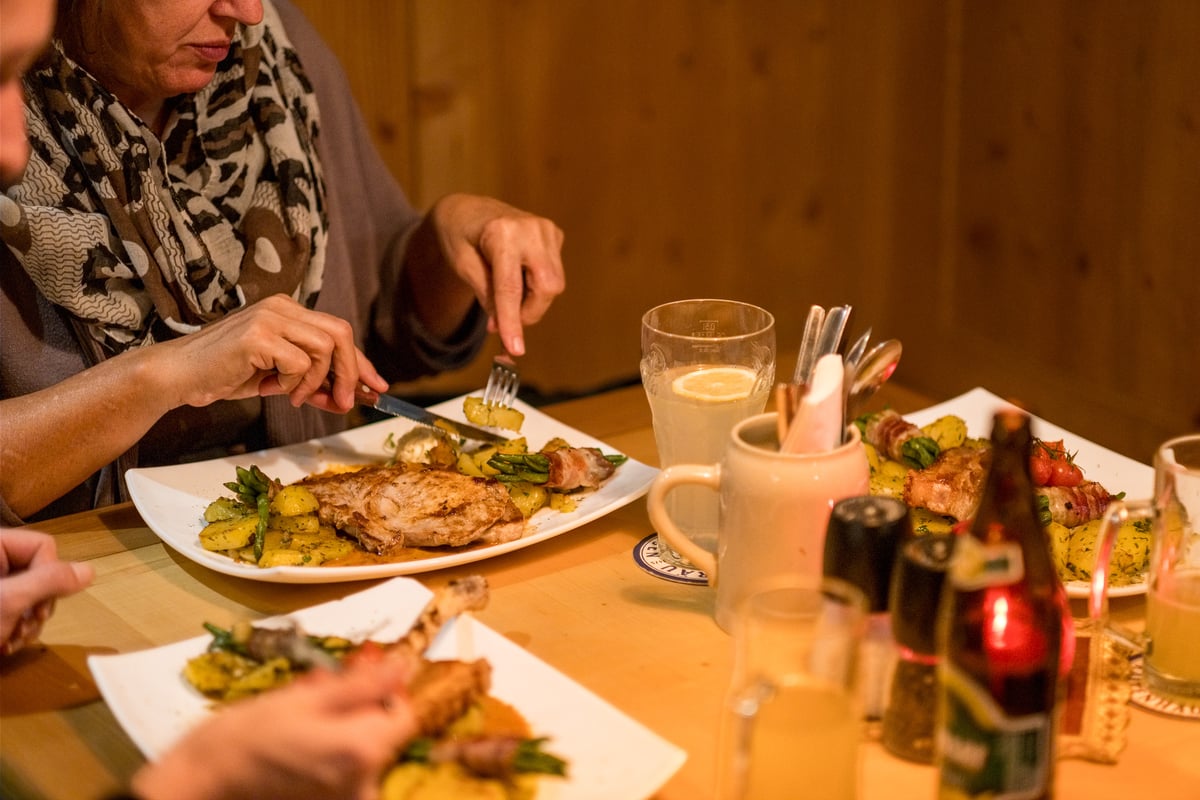
Roast pork. The other Austrian main course alongside Wiener Schnitzel and Tafelspitz. Caraway, garlic, dark beer. Shattering crackling. Semmelknödel and braised red cabbage.
THE Austrian side dish. Bread dumplings. Alongside Gulasch, Schweinsbraten, game dishes, and anything with sauce. Without Semmelknödel, half the main courses on a traditional menu would have nothing to lean on.
One of Salzburg's pioneering vegetarian and vegan restaurants. Serious, flavour-forward plant-based cooking in a city traditionally centred on meat and dairy. Friendly and welcoming.
White wine + sparkling water. Austria's default summer drink. Half and half. Costs less than a soft drink. Everyone drinks it. Nobody pretends it is anything more than summer in a glass.
A sprawling historic inn and beer hall complex in the Altstadt, founded in the 16th century. Entrances off both Griesgasse and Getreidegasse. A labyrinthine series of dining rooms, cellars, and a large courtyard beer garden.
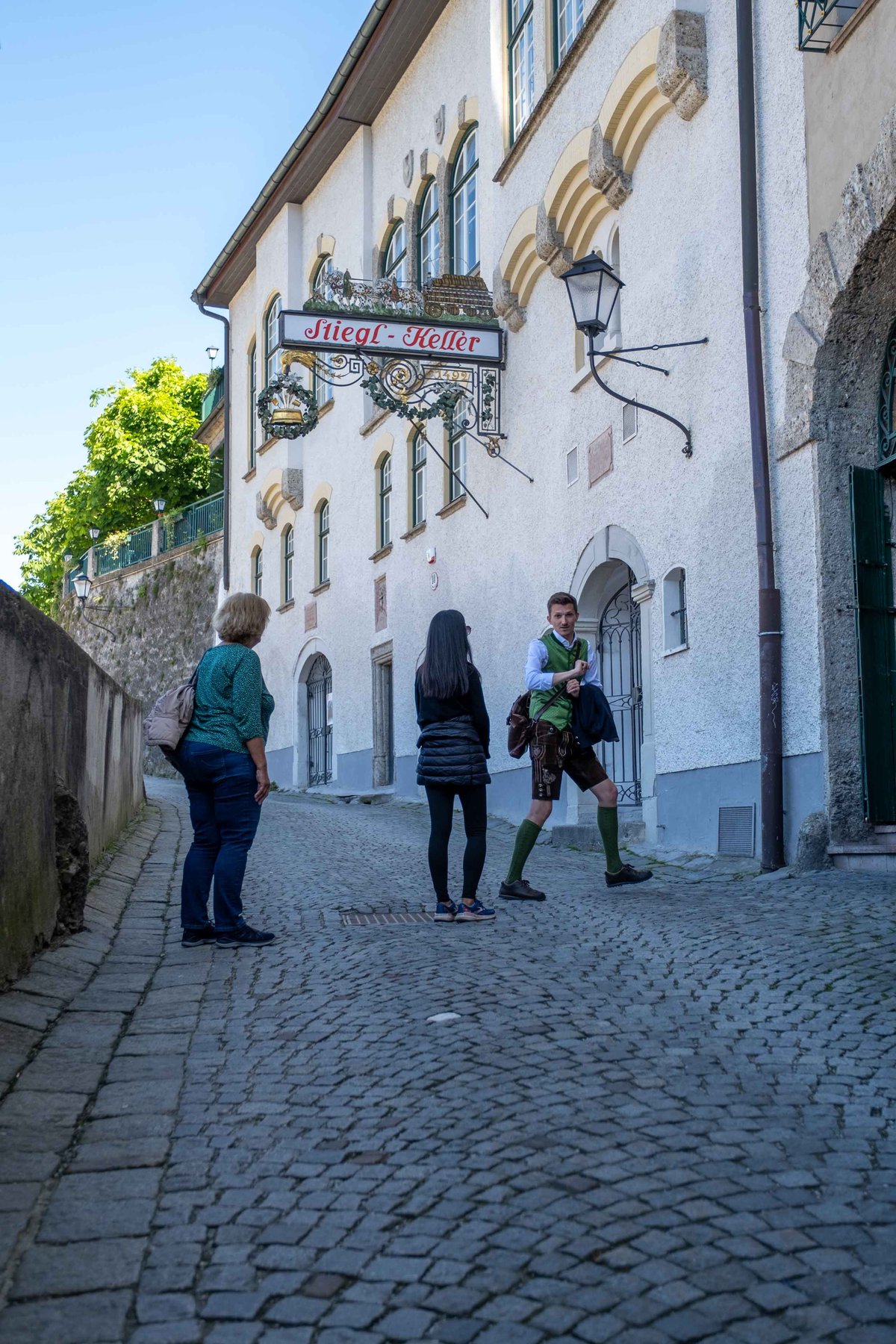
A large traditional beer garden on the Festungsberg slope between the funicular station and Hohensalzburg Fortress. One of the most dramatically positioned outdoor drinking venues in Salzburg. Connected to Stiegl Brewery (since 1492). Seasonal.
Documented since 803 AD
Claimed to be the oldest restaurant in Europe, documented since 803 AD. Located at Stift St. Peter, tucked into the Mönchsberg cliff. Mozart is believed to have dined here. Still run in association with the Benedictine monks.
A traditional neighbourhood Stüberl in Salzburg. Classic Austrian home cooking. The kind of restaurant regulars return to weekly.
Austria's most refined beef dish. Prime rump simmered slowly in rich broth. Served with creamed spinach, roasted potatoes, chive sauce, and horseradish cream. Emperor Franz Joseph I reportedly ate it daily. Cannot be rushed. Cannot be improved by anything except time and a good broth.
The sister dish to Apfelstrudel. Curd cheese (Topfen), raisins, lemon zest in hand-pulled pastry. Creamy and rich where Apfelstrudel is tart and fruity. Often the better choice.
A Kulturwirtshaus in a historic cellar dating to 1636, operating as Salzburg's first organically certified restaurant. Five vaulted rooms, a garden for 150, and an in-house organic Steinbier. Schallmooser Hauptstraße 50.
The "extended" coffee. What Austrians actually drink daily. Espresso diluted with hot water. The answer to "How do I order a regular coffee?" Stronger than an Americano.
The most ordered dish in Austria. Thin veal escalope, flour-egg-breadcrumb coating, fried in clarified butter until golden and blistered. Lemon wedge. Potato-cucumber salad. The characteristic wellige (wavy) coating of a correctly fried schnitzel. On every traditional menu.
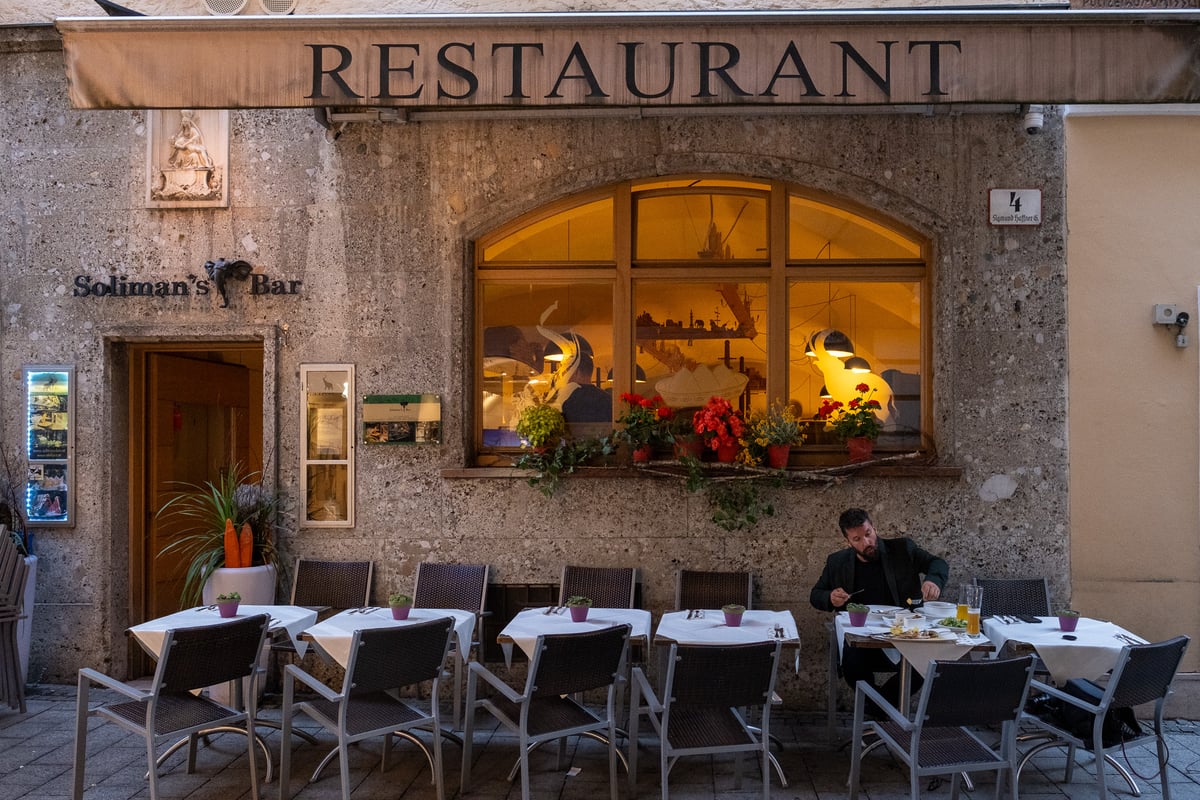
A traditional Wirtshaus in the Altstadt on Sigmund-Haffner-Gasse, in the same building as Hotel Elefant. Austrian home cooking in a warm, informal inn atmosphere.
A traditional Austrian restaurant near Alter Markt, best known for its atmospheric medieval vaulted cellar dining rooms. Wiener Schnitzel, Tafelspitz, game dishes, and Salzburg regional specialities.
A classic Salzburg Wirtshaus on Kaigasse. Traditional Austrian food and local beers. Popular with residents who want a proper meal without tourist-menu markup.