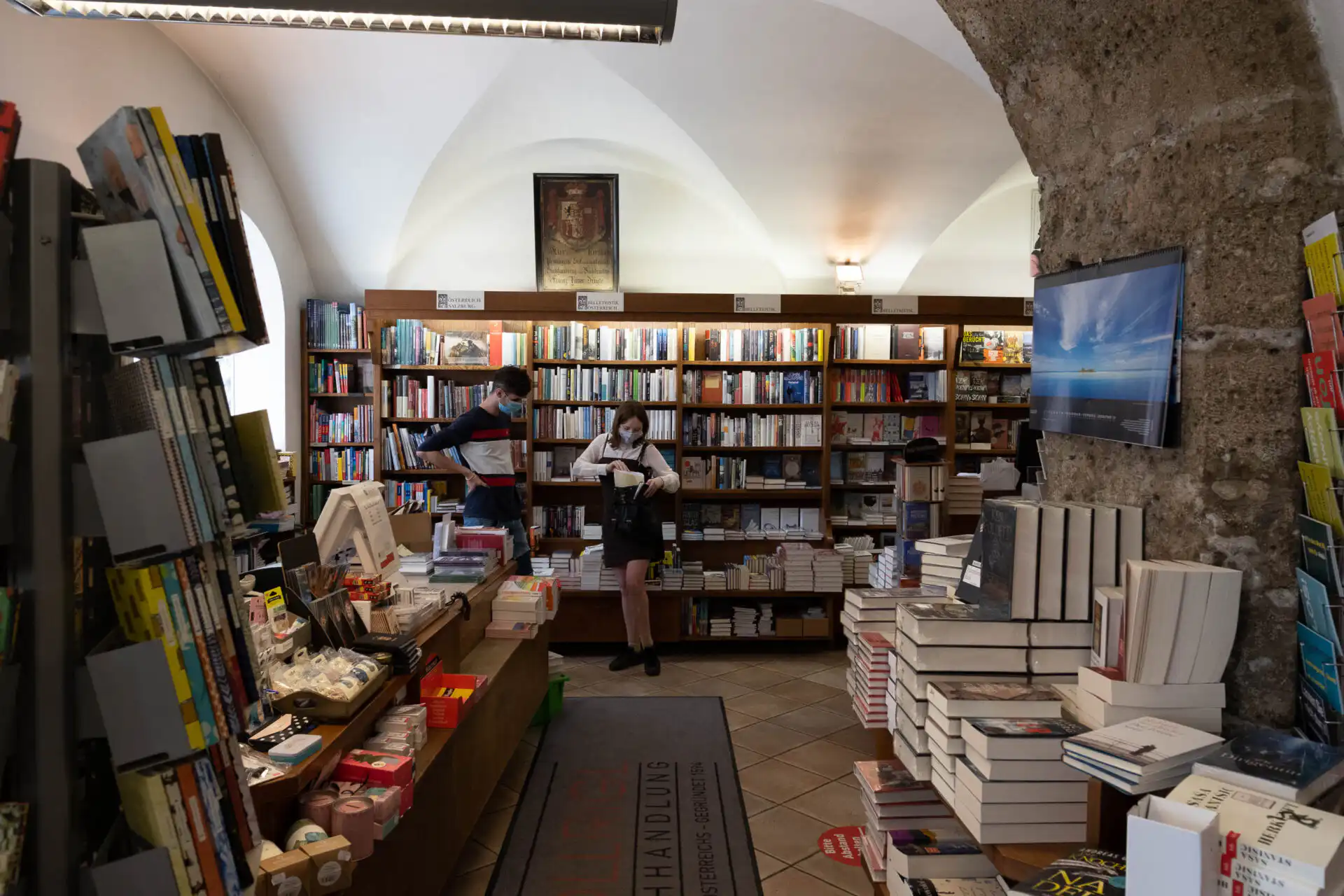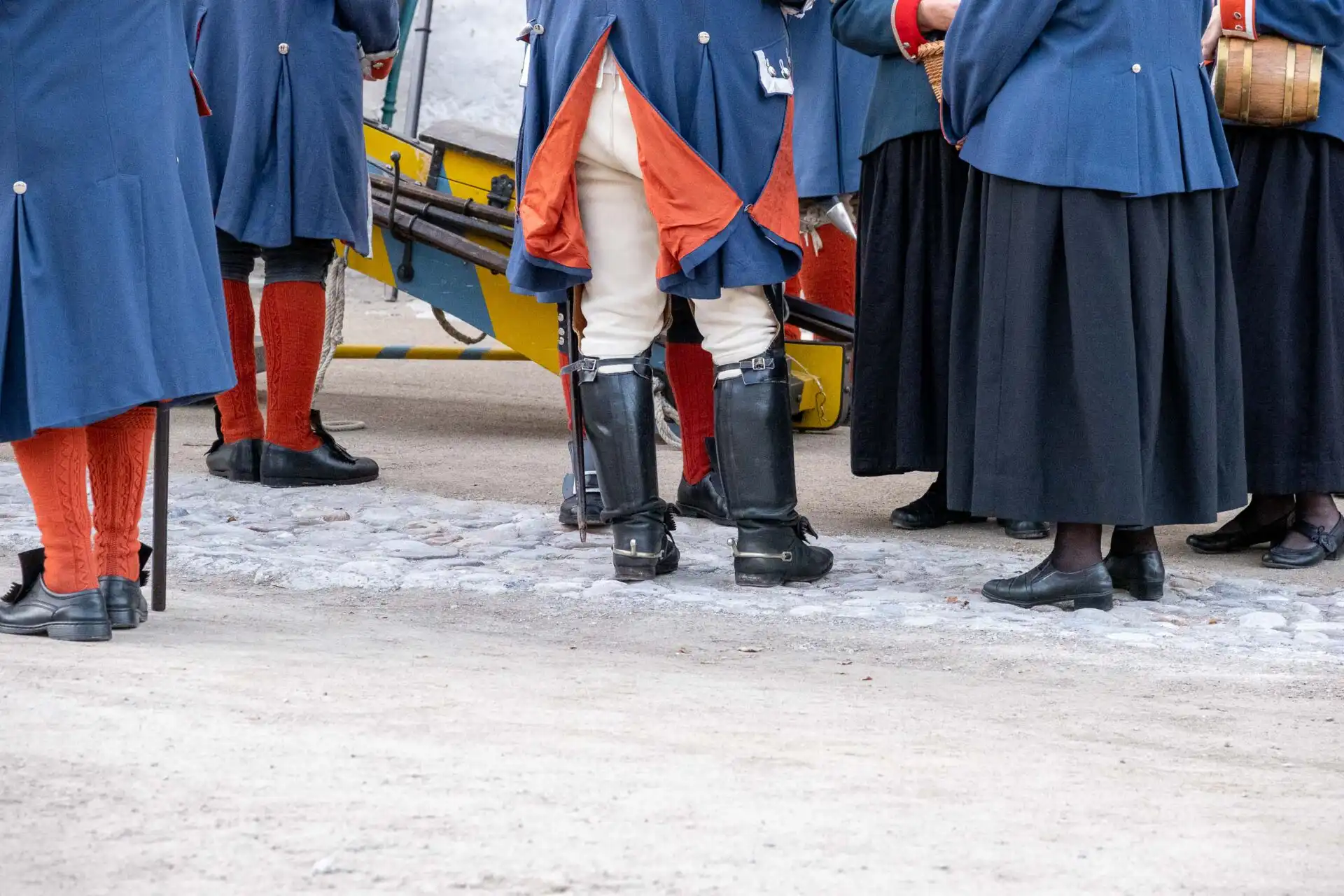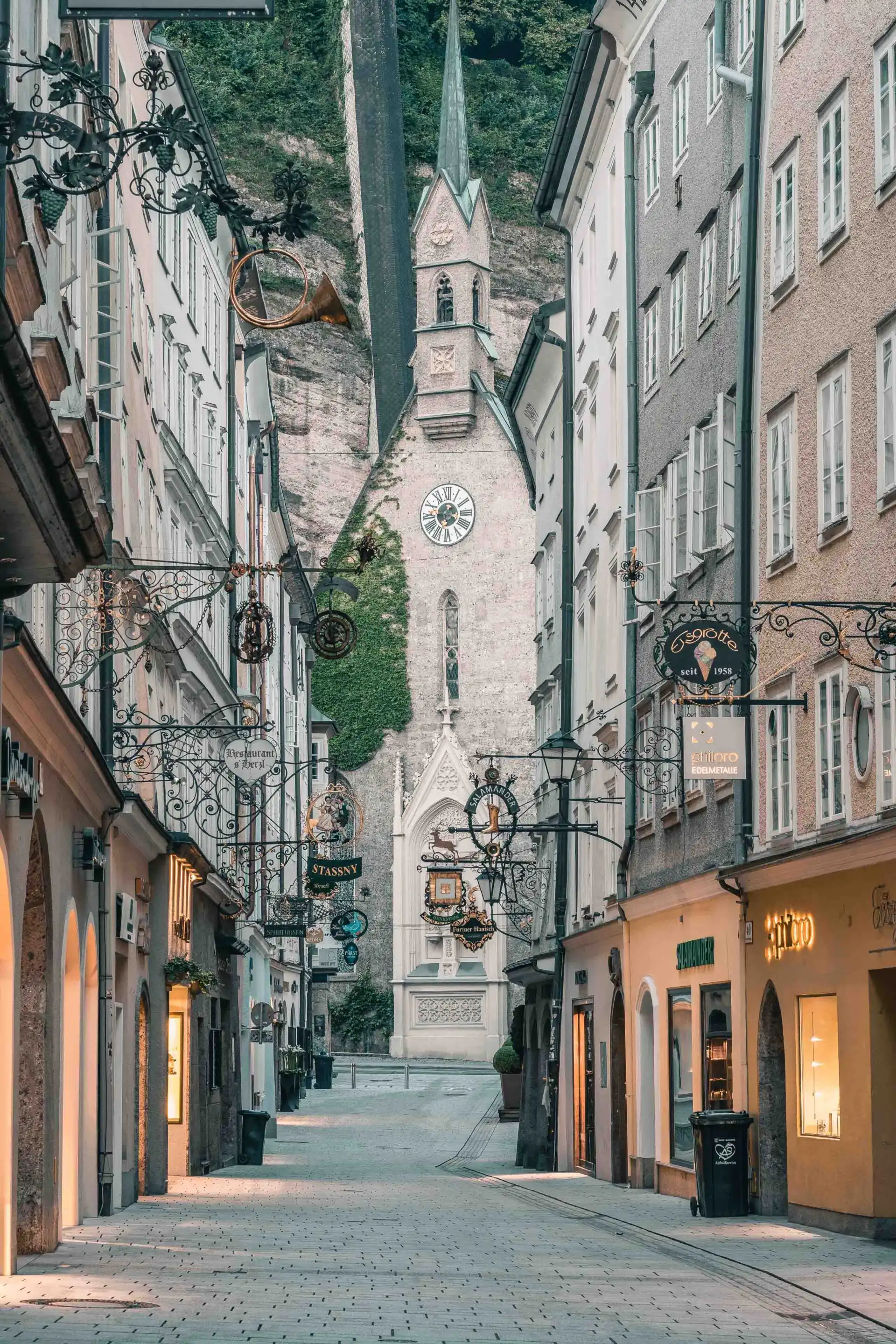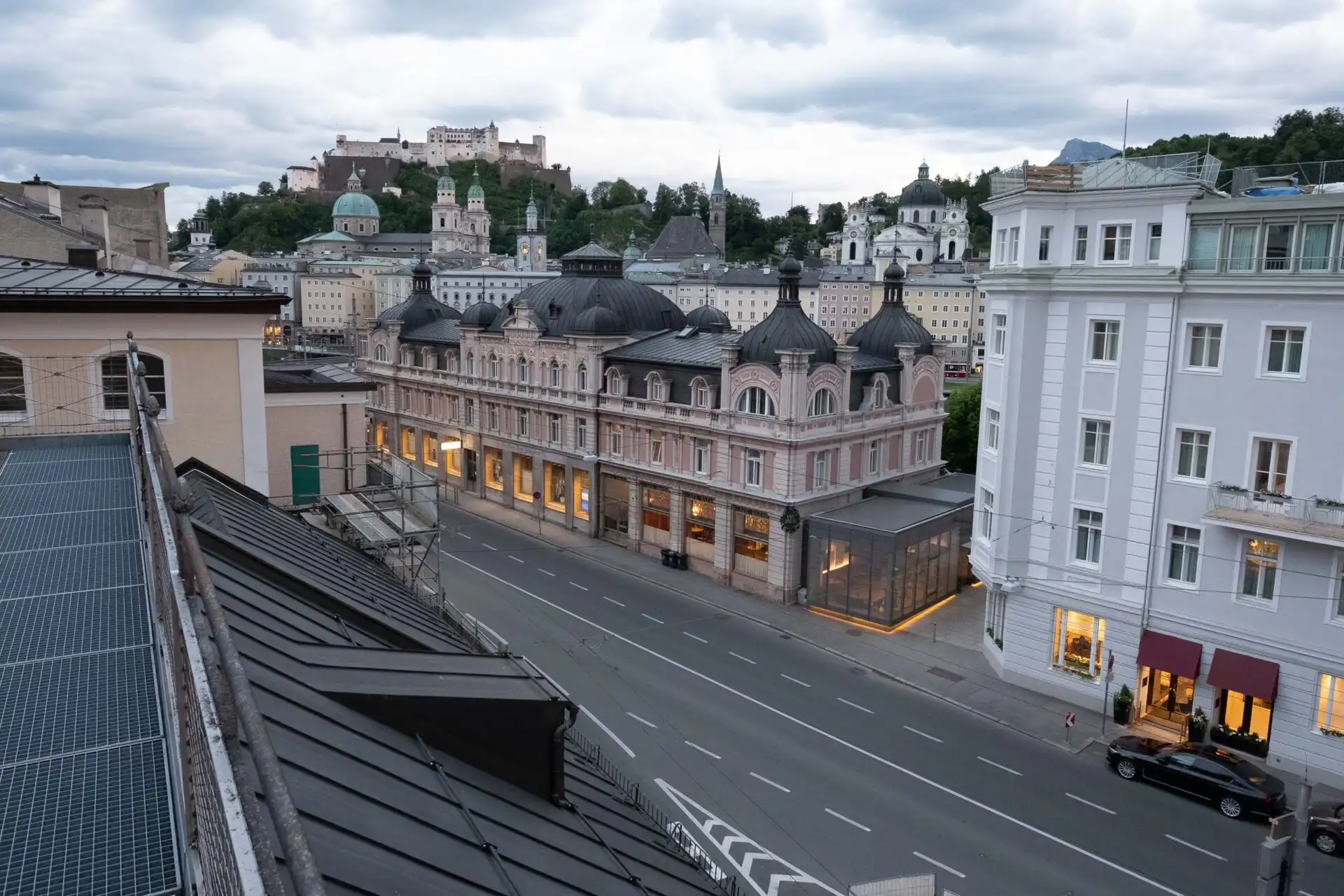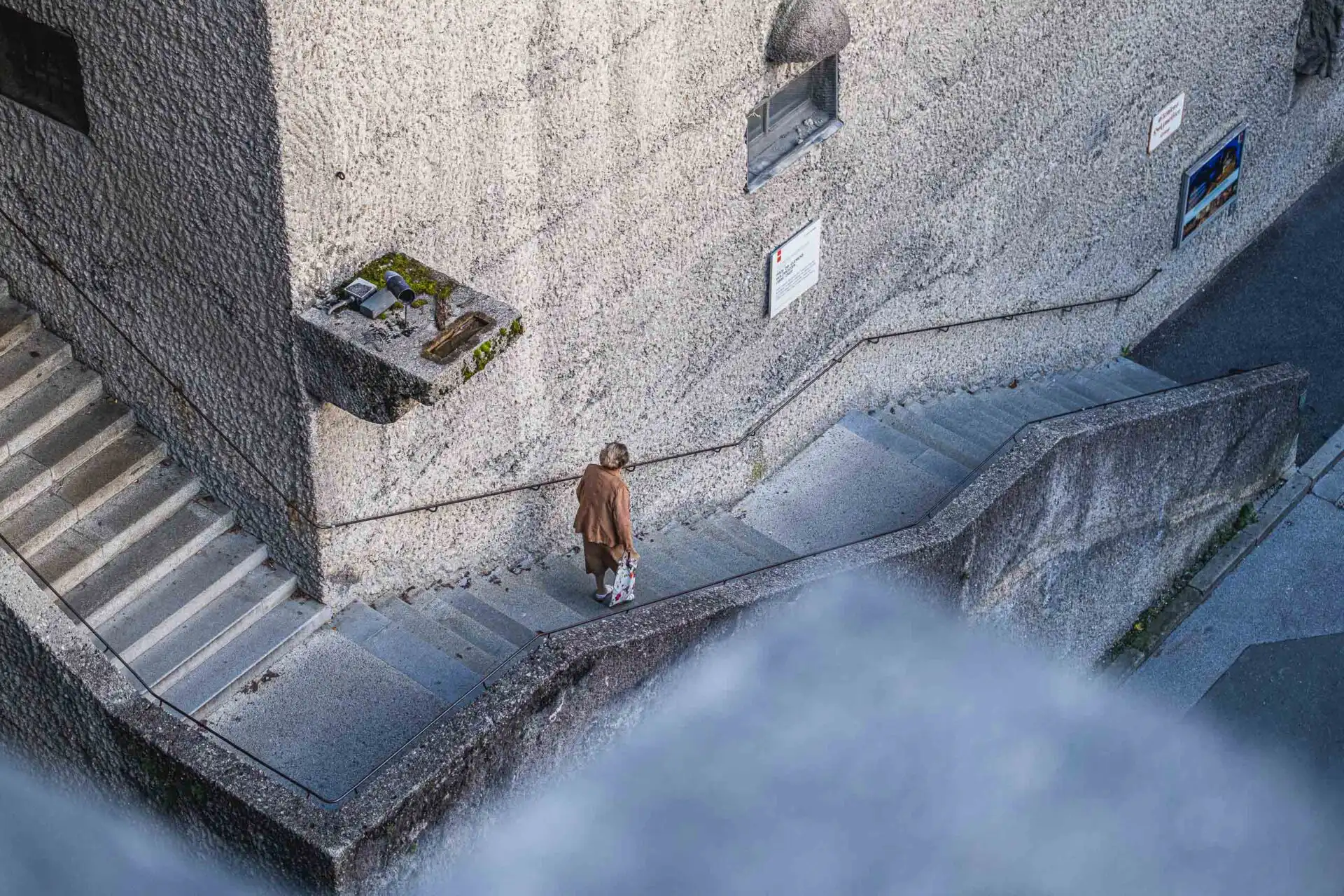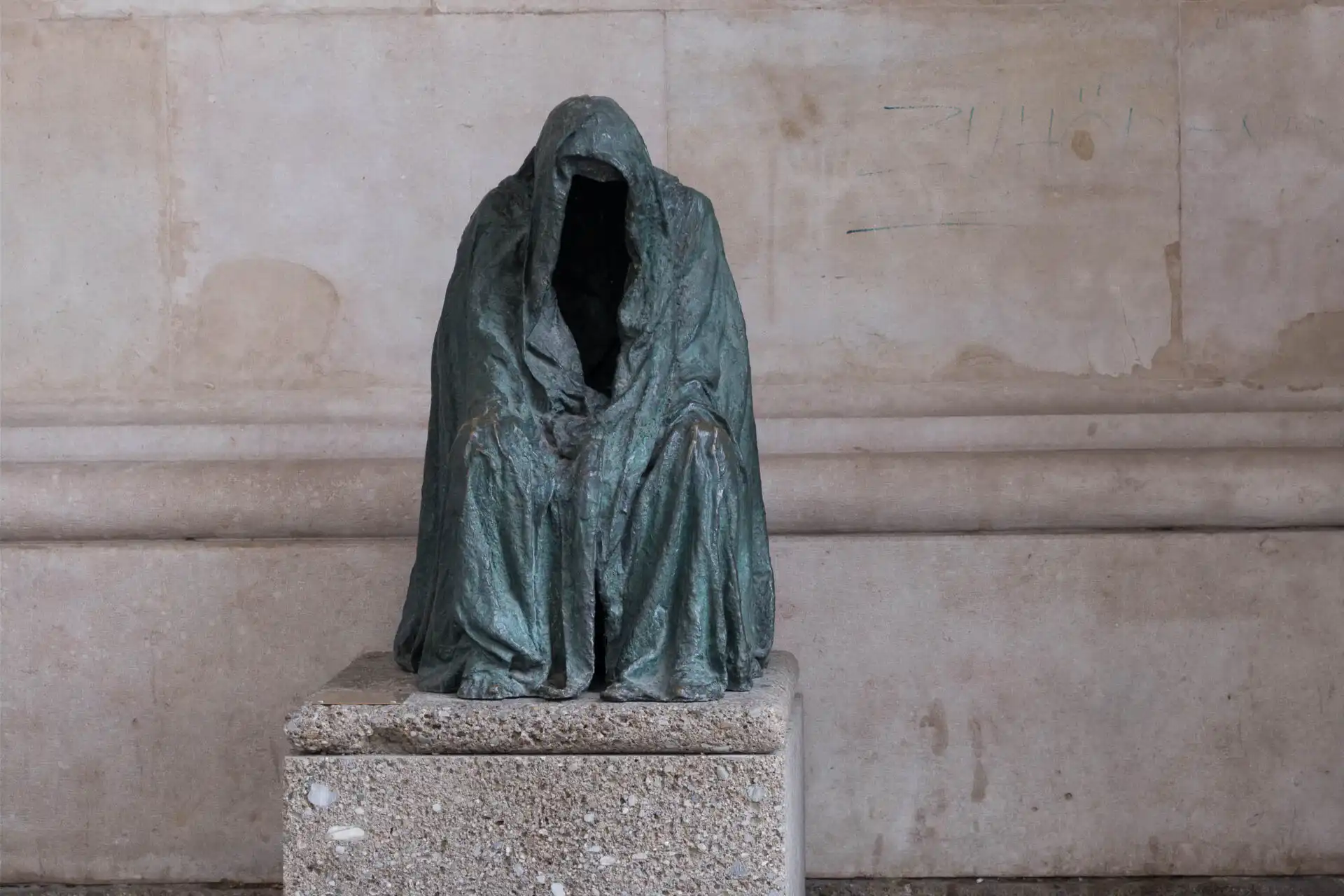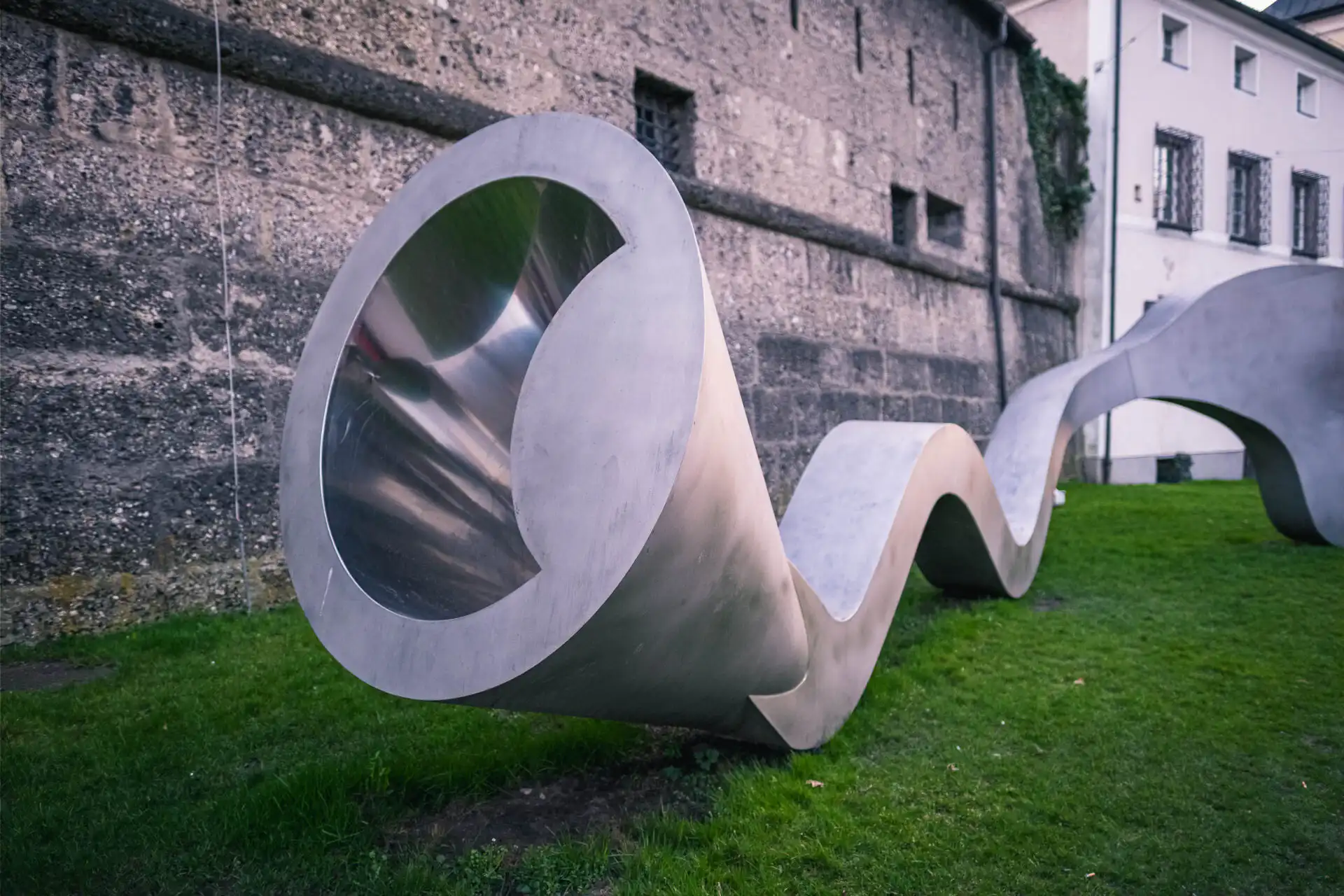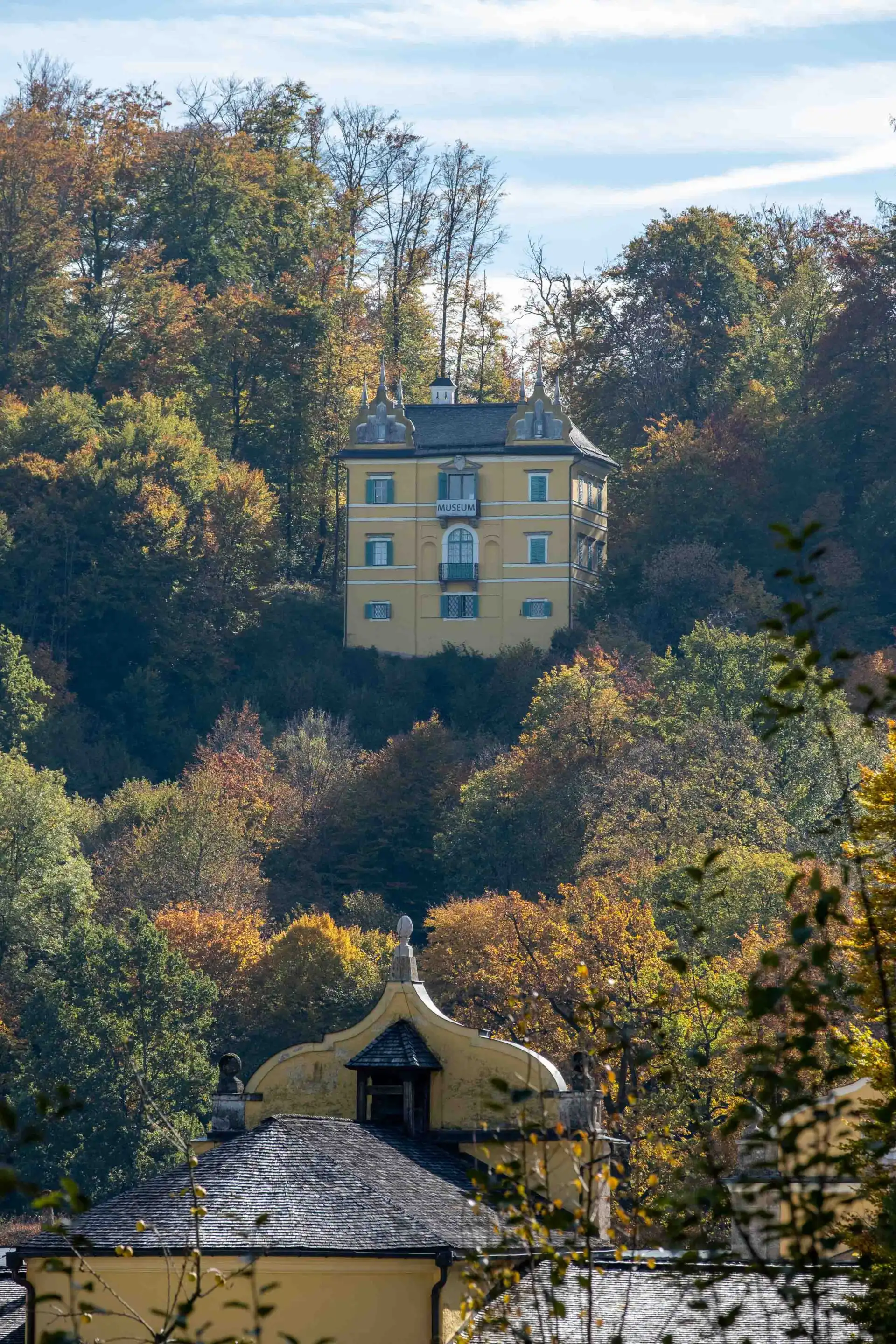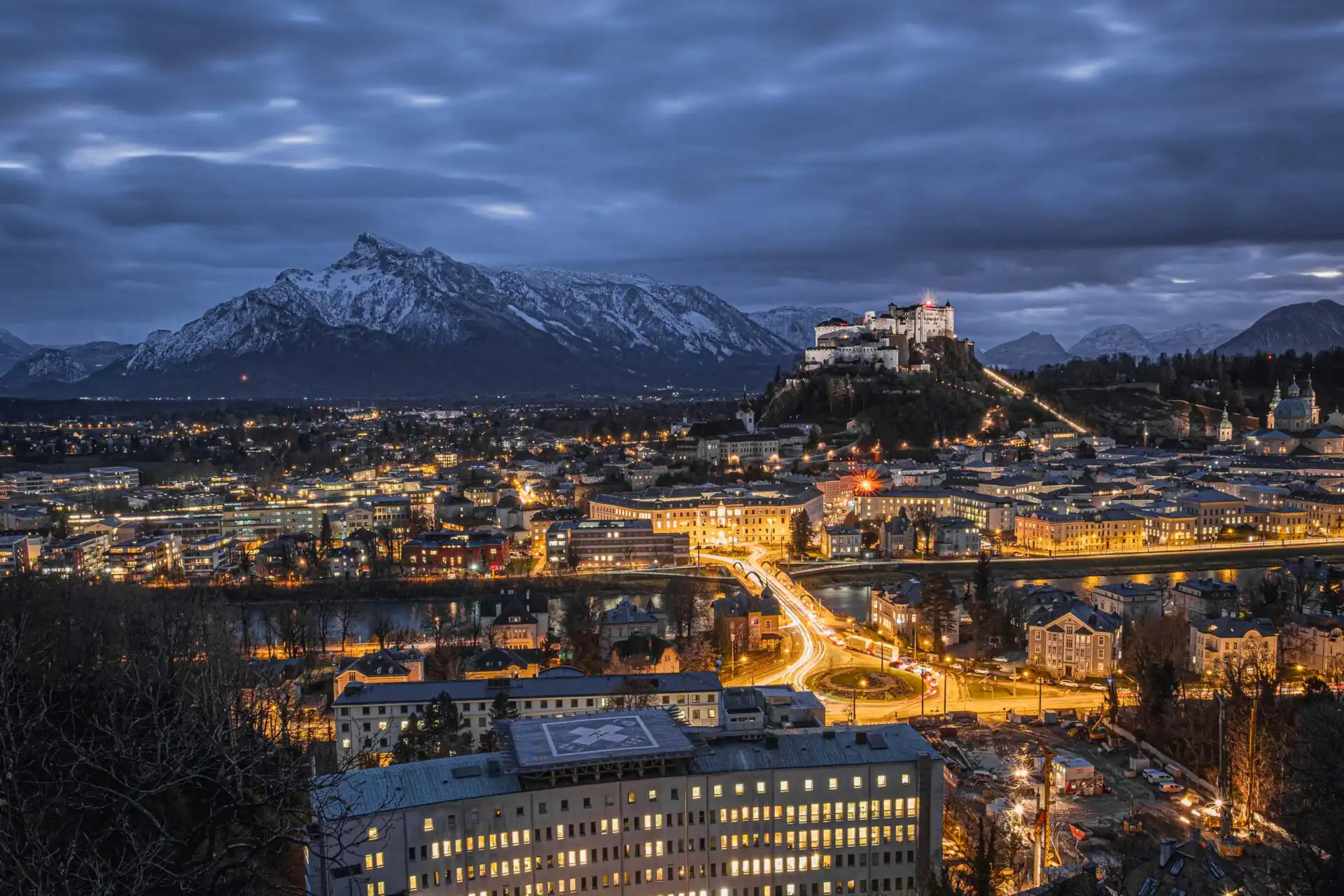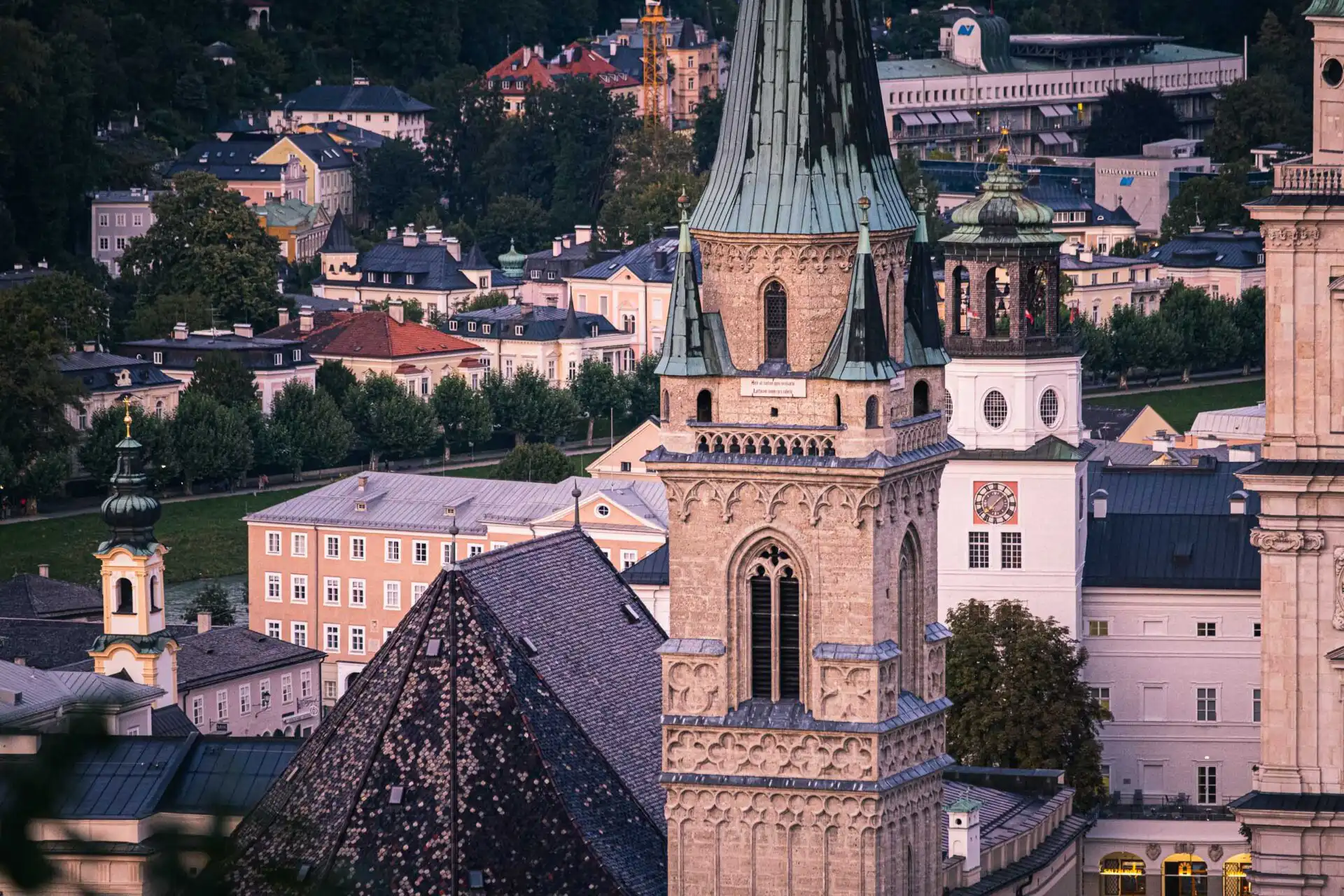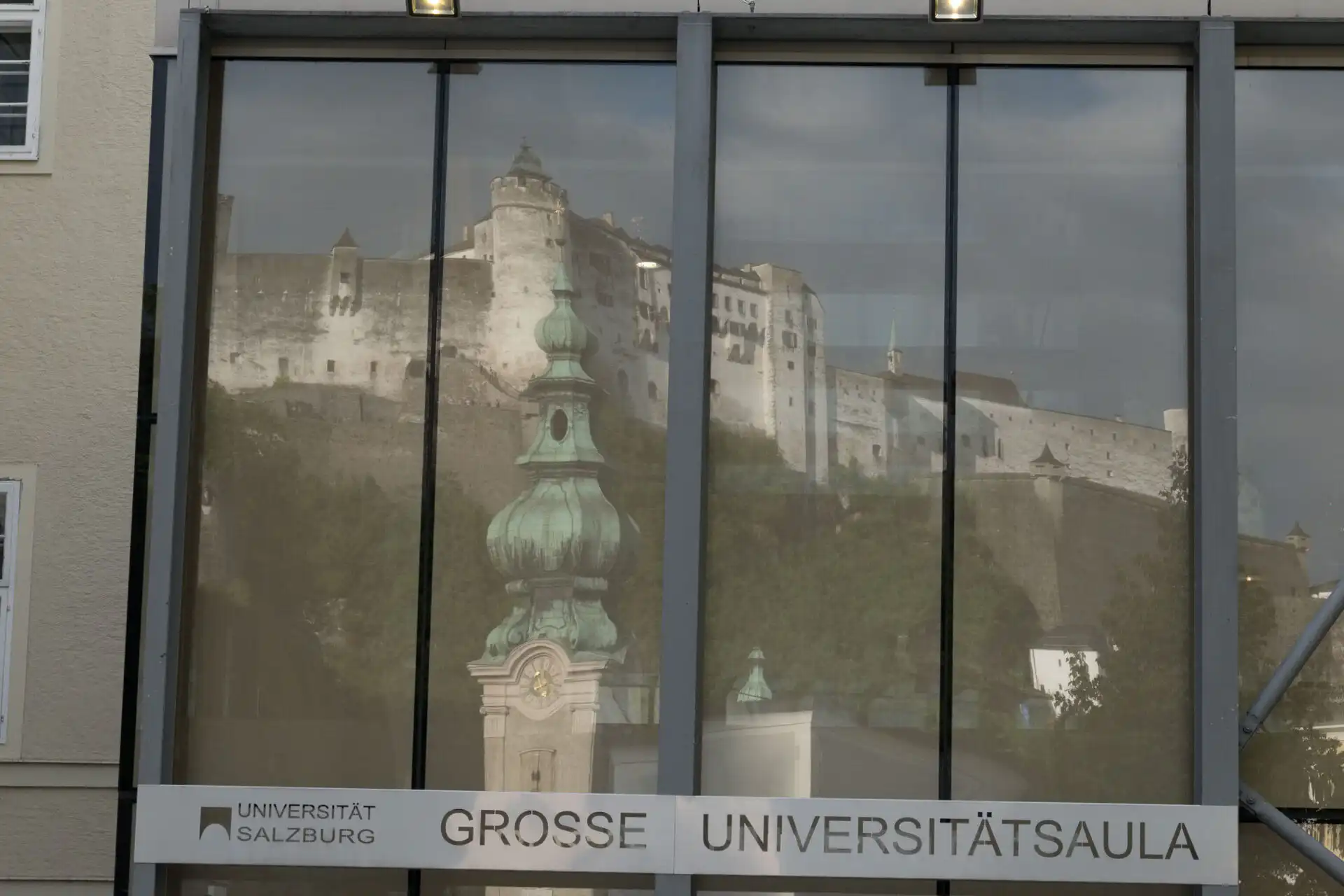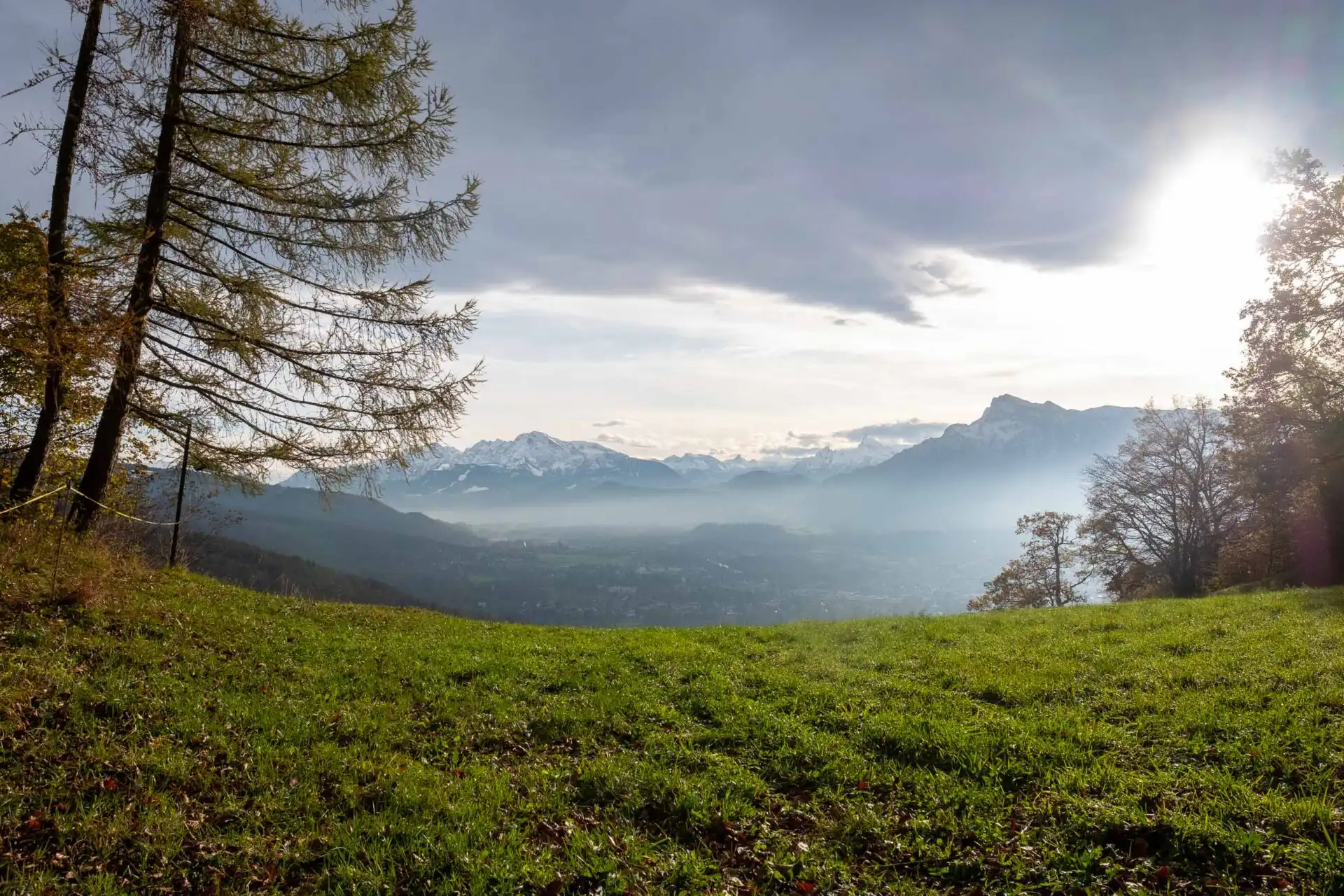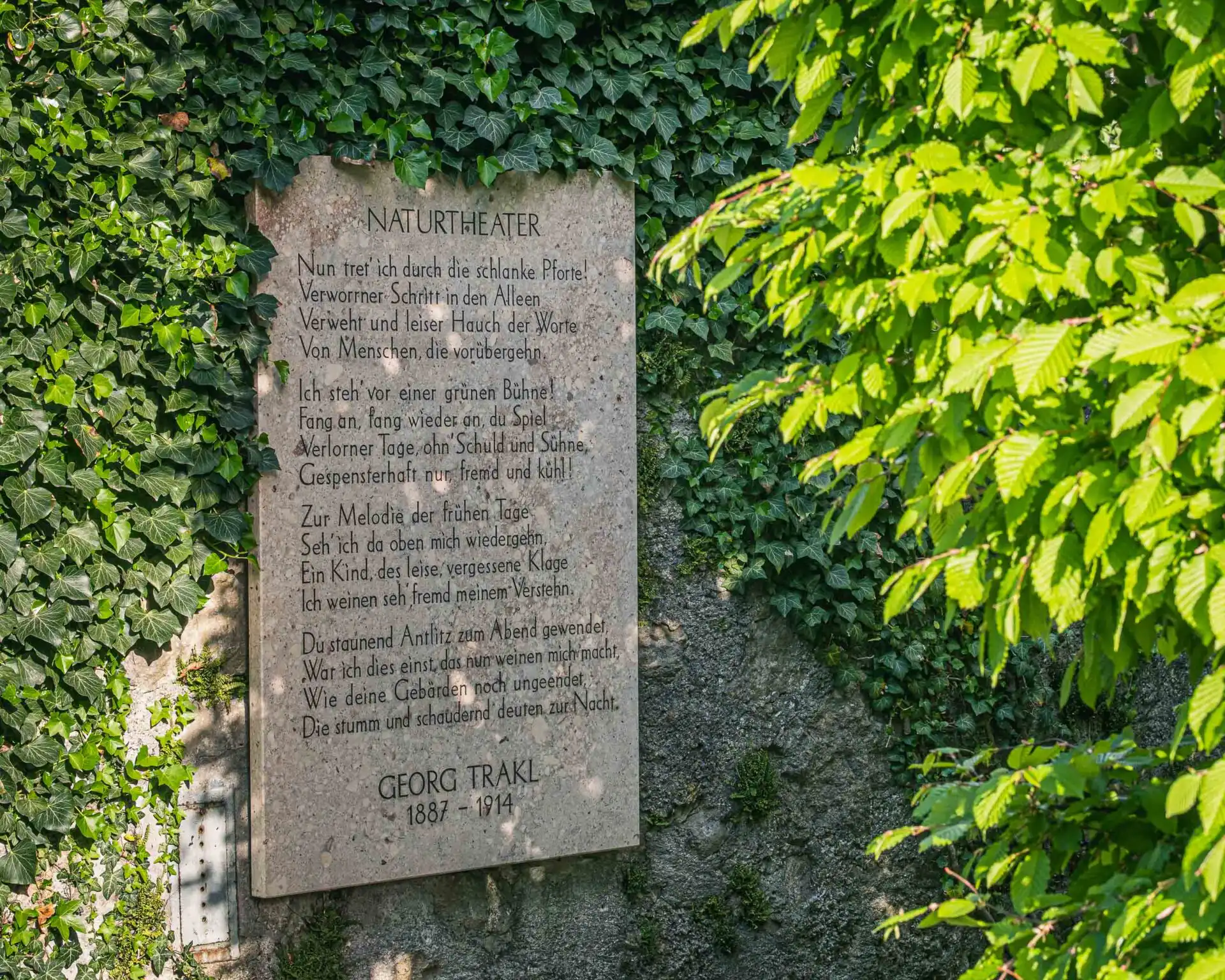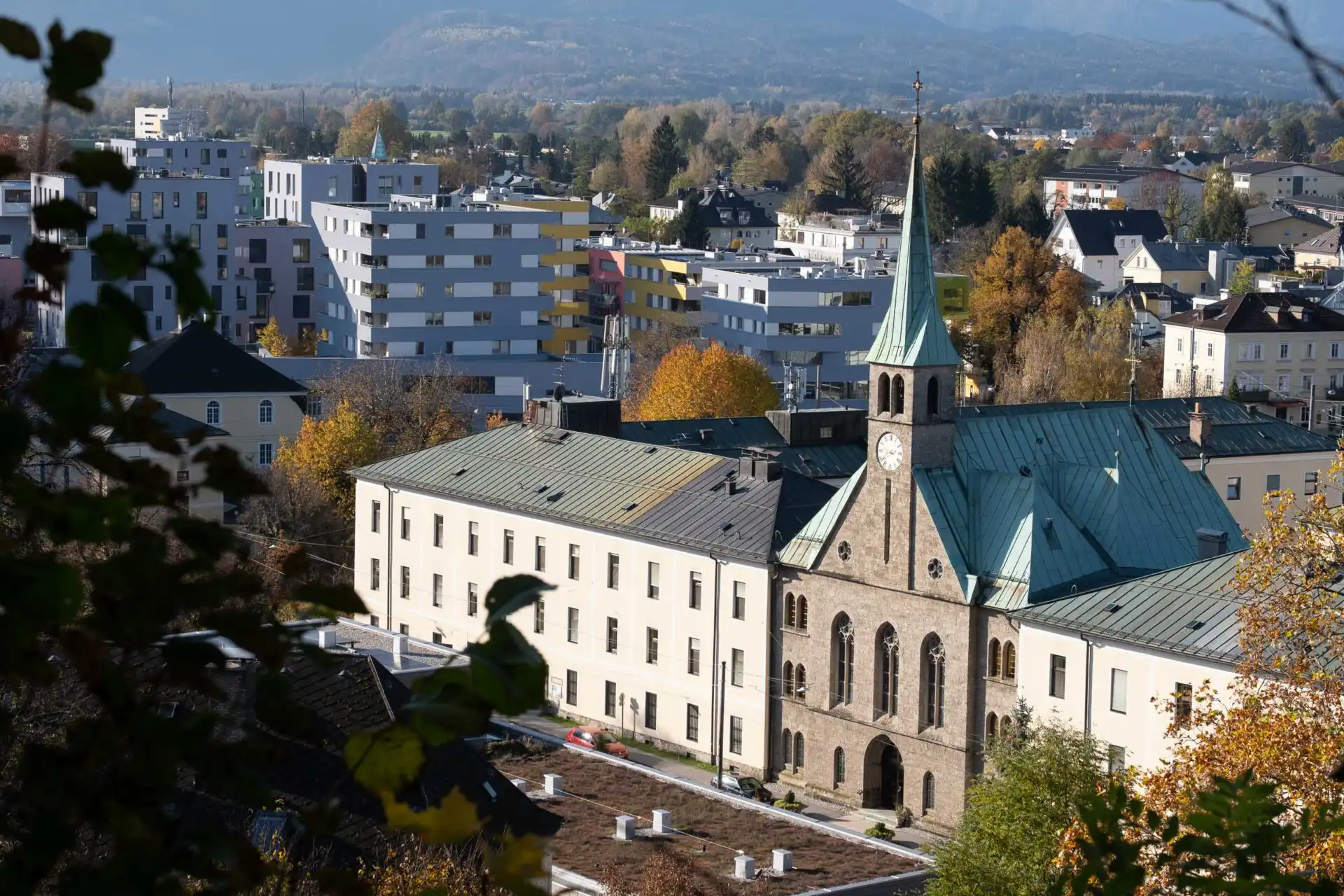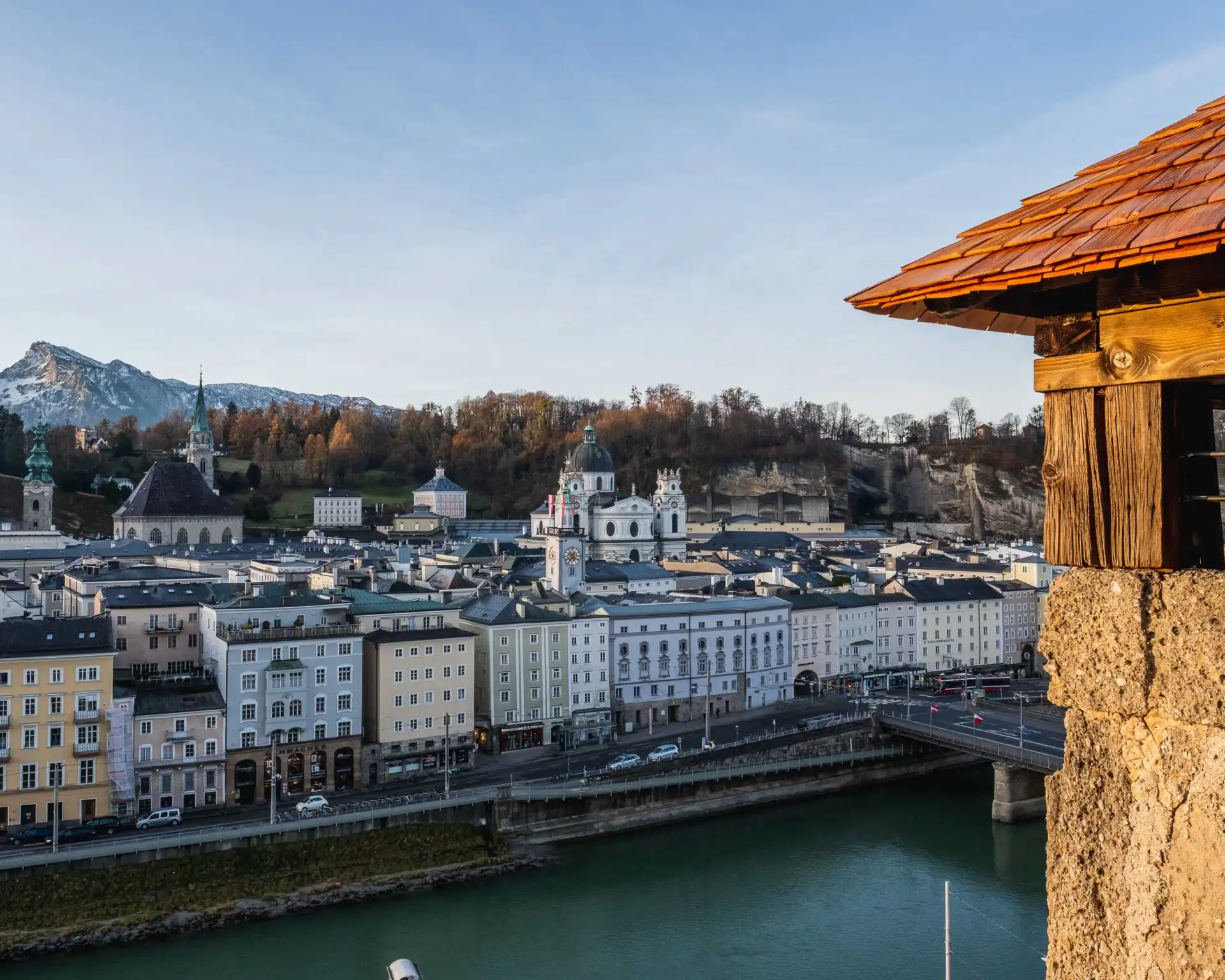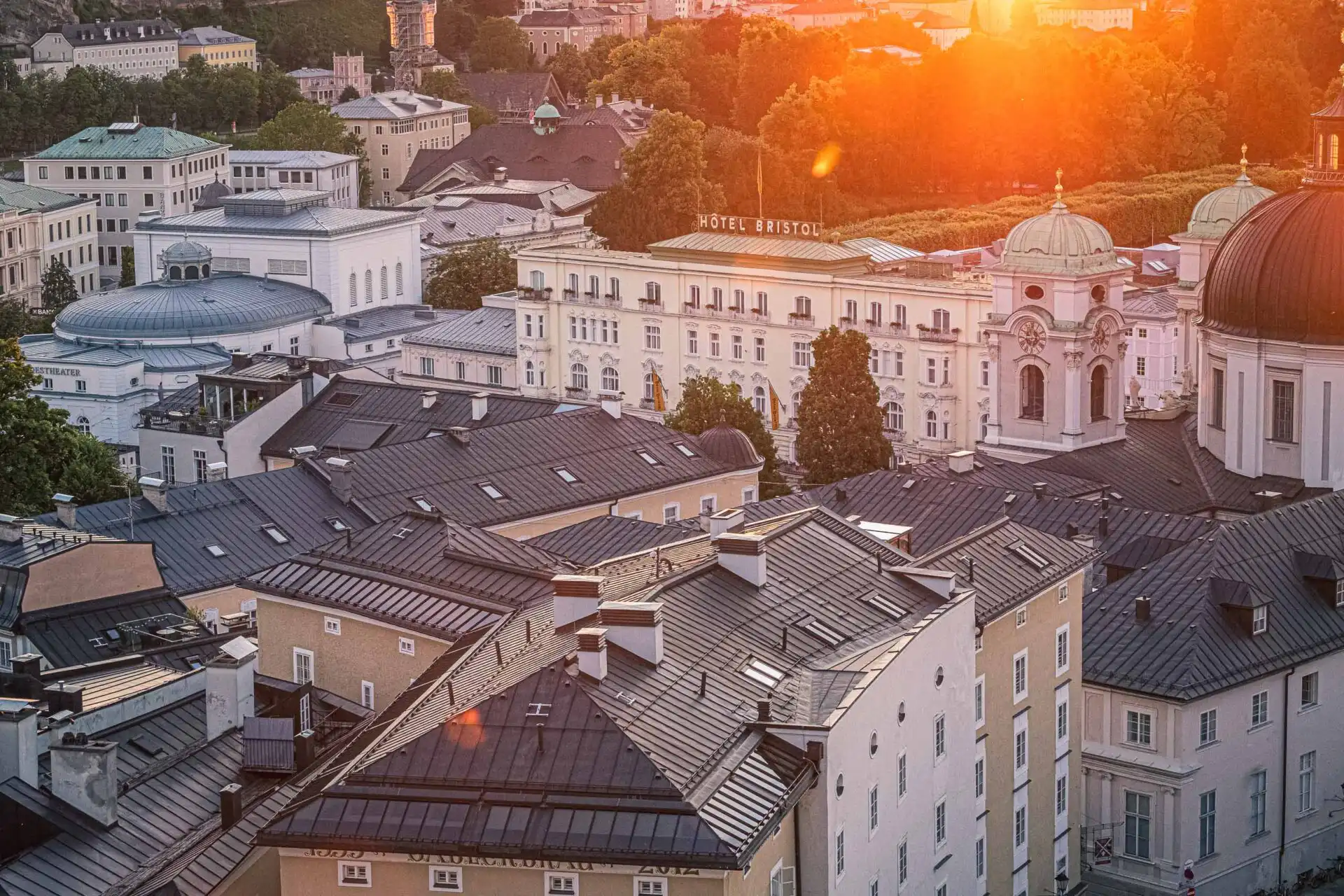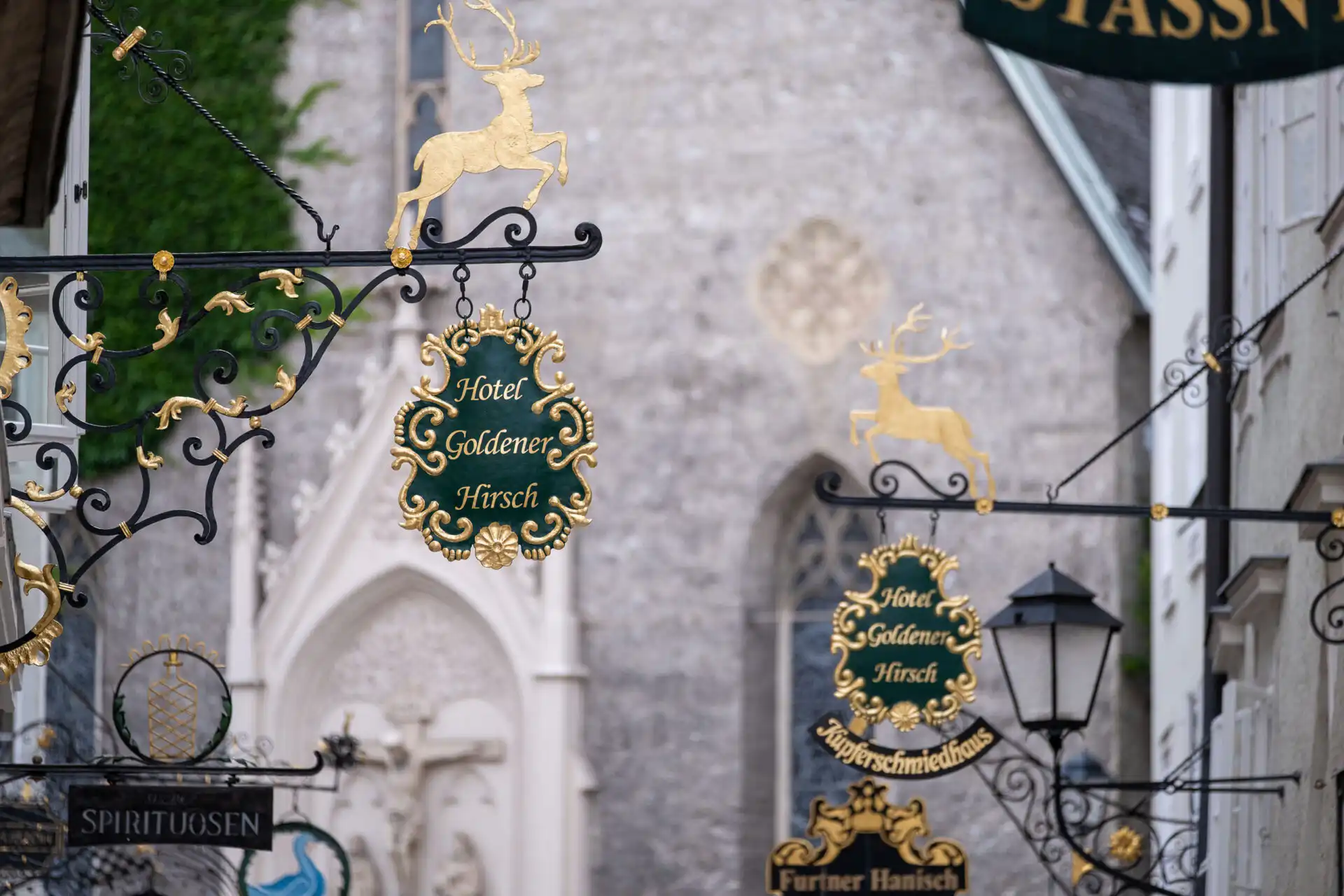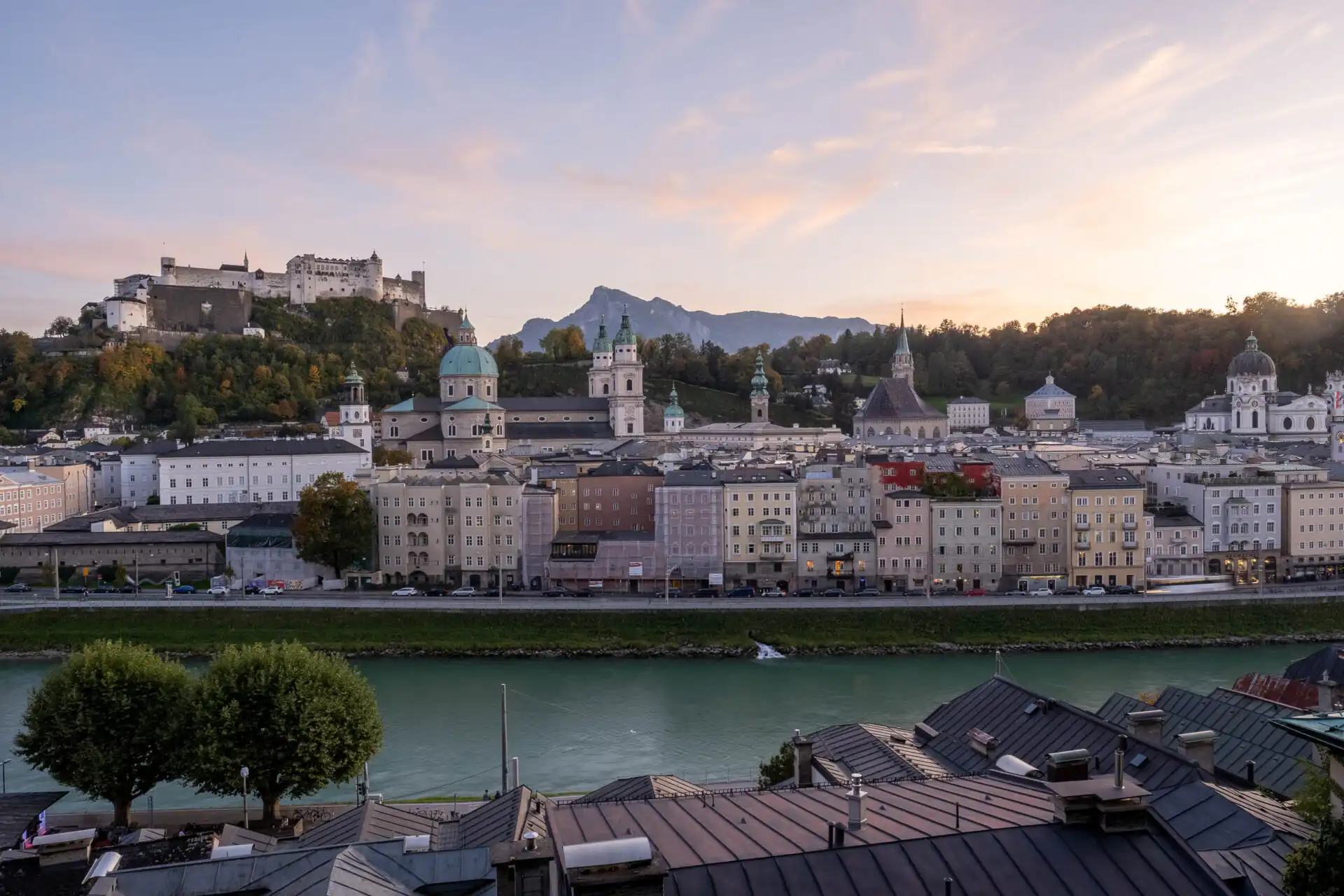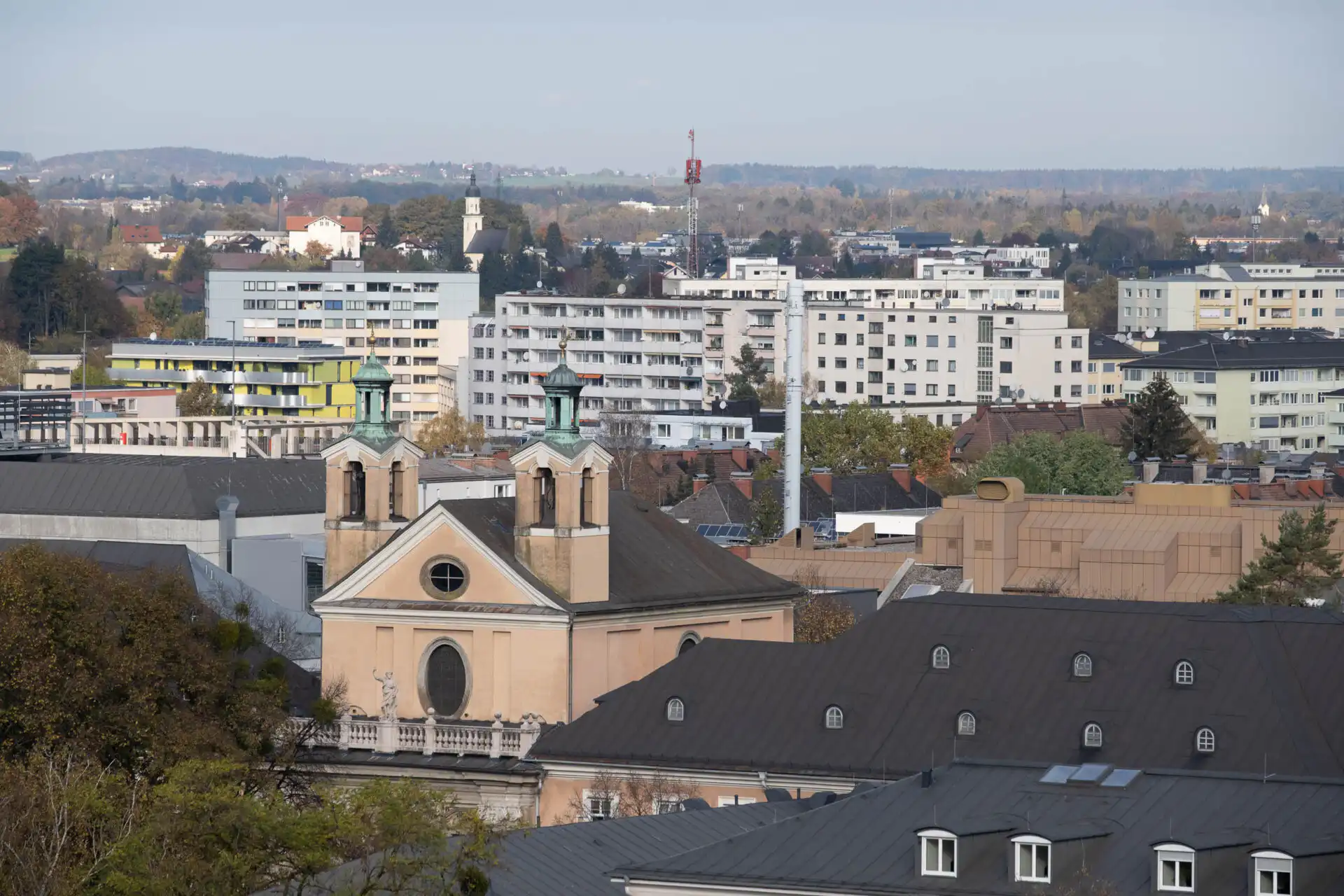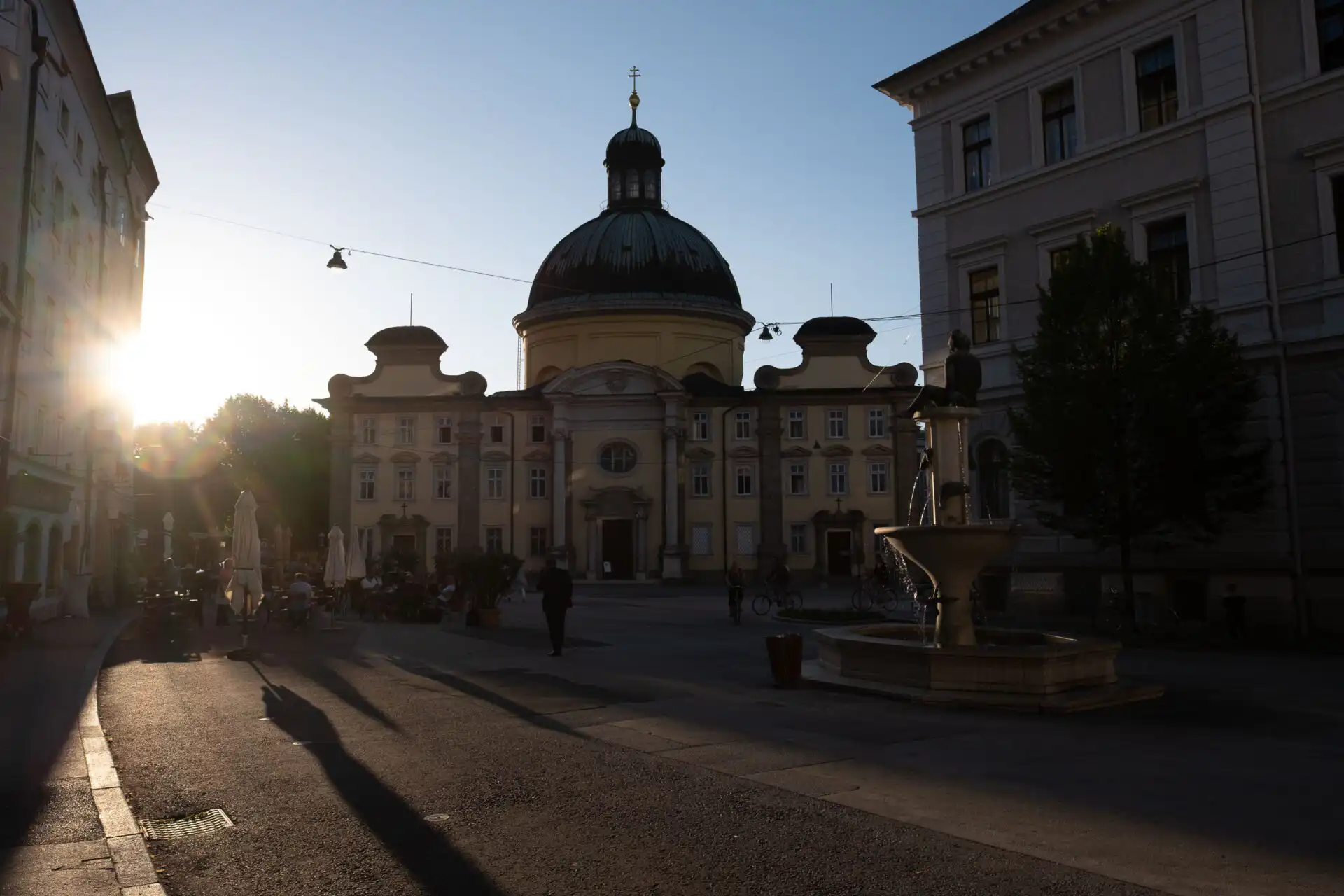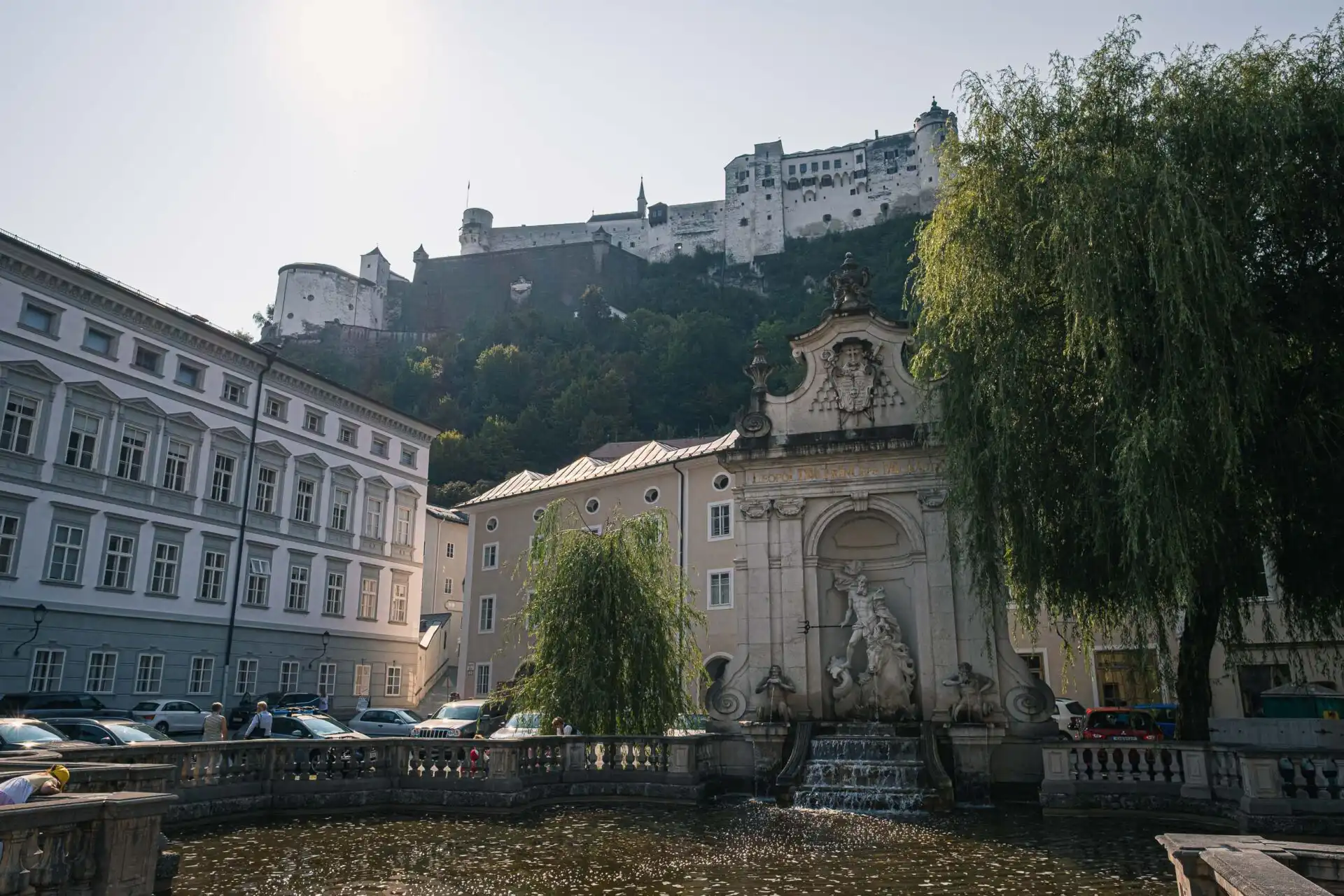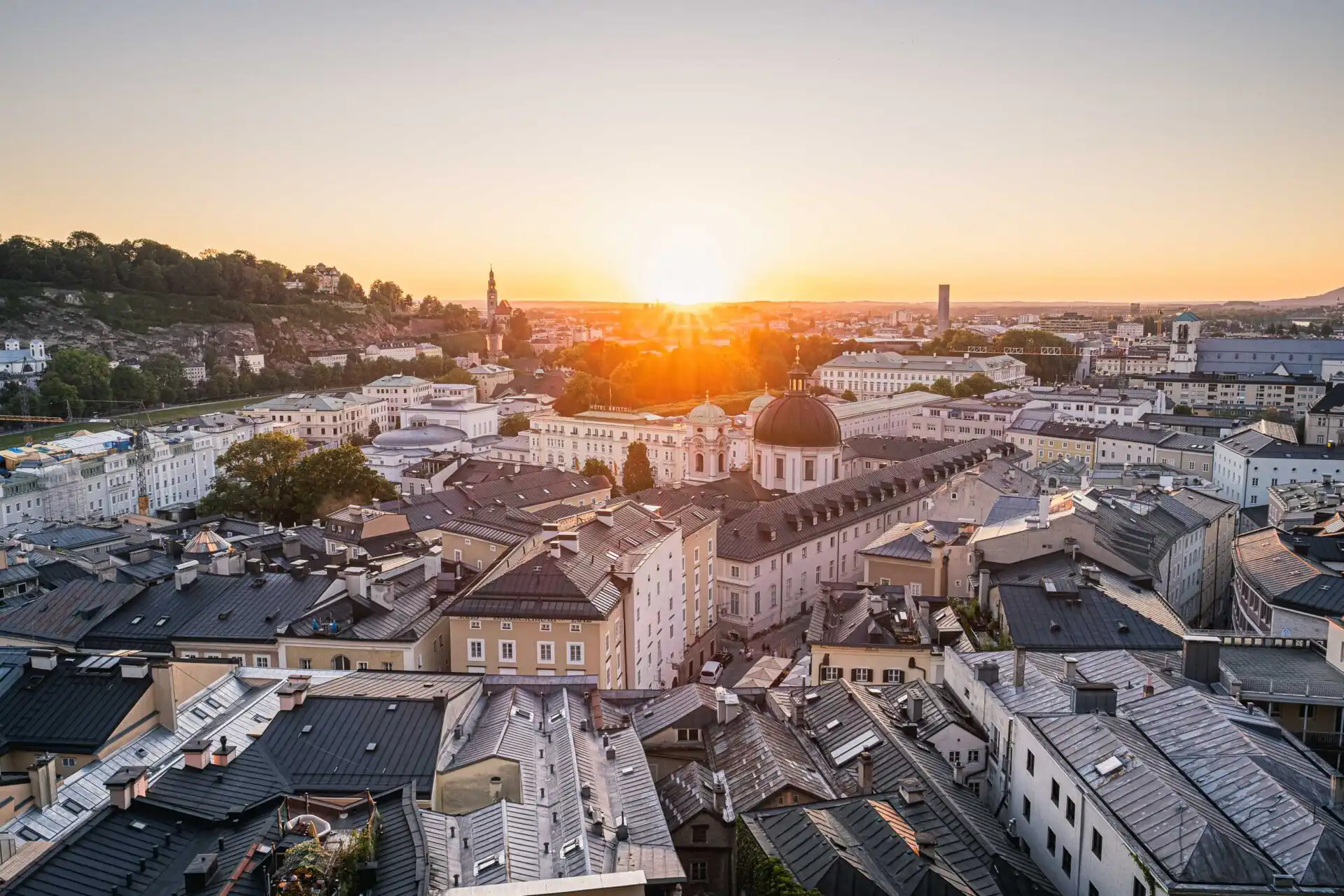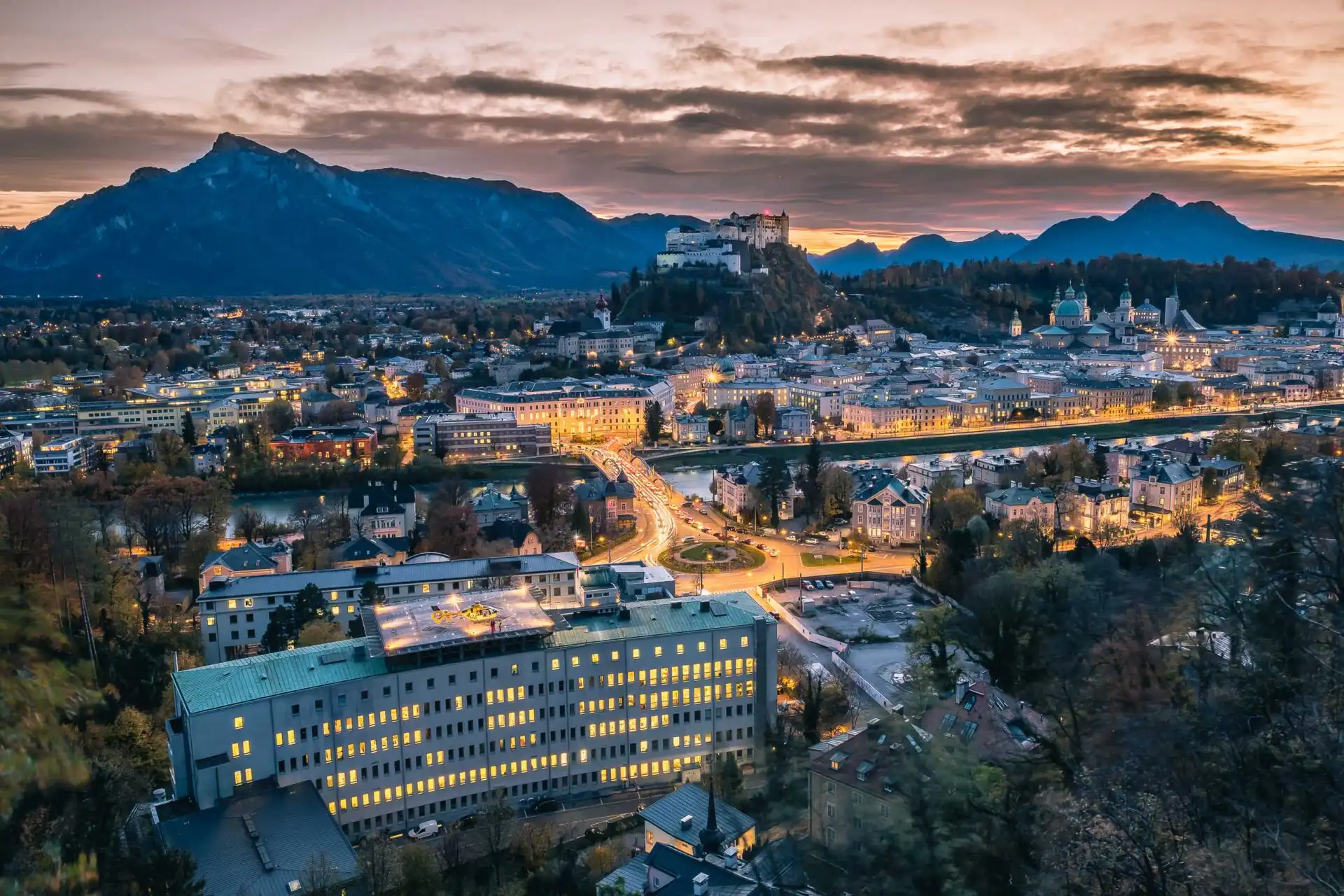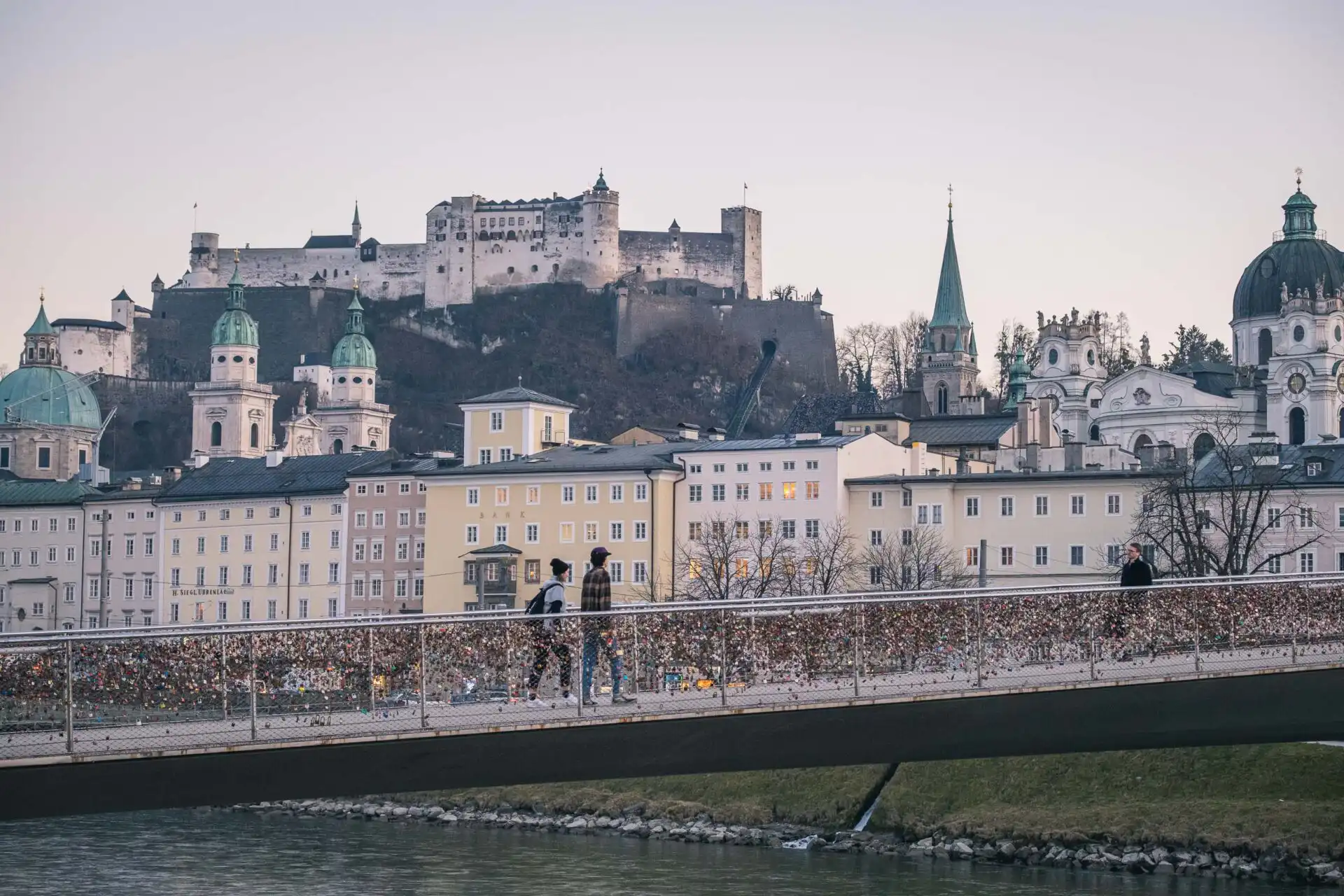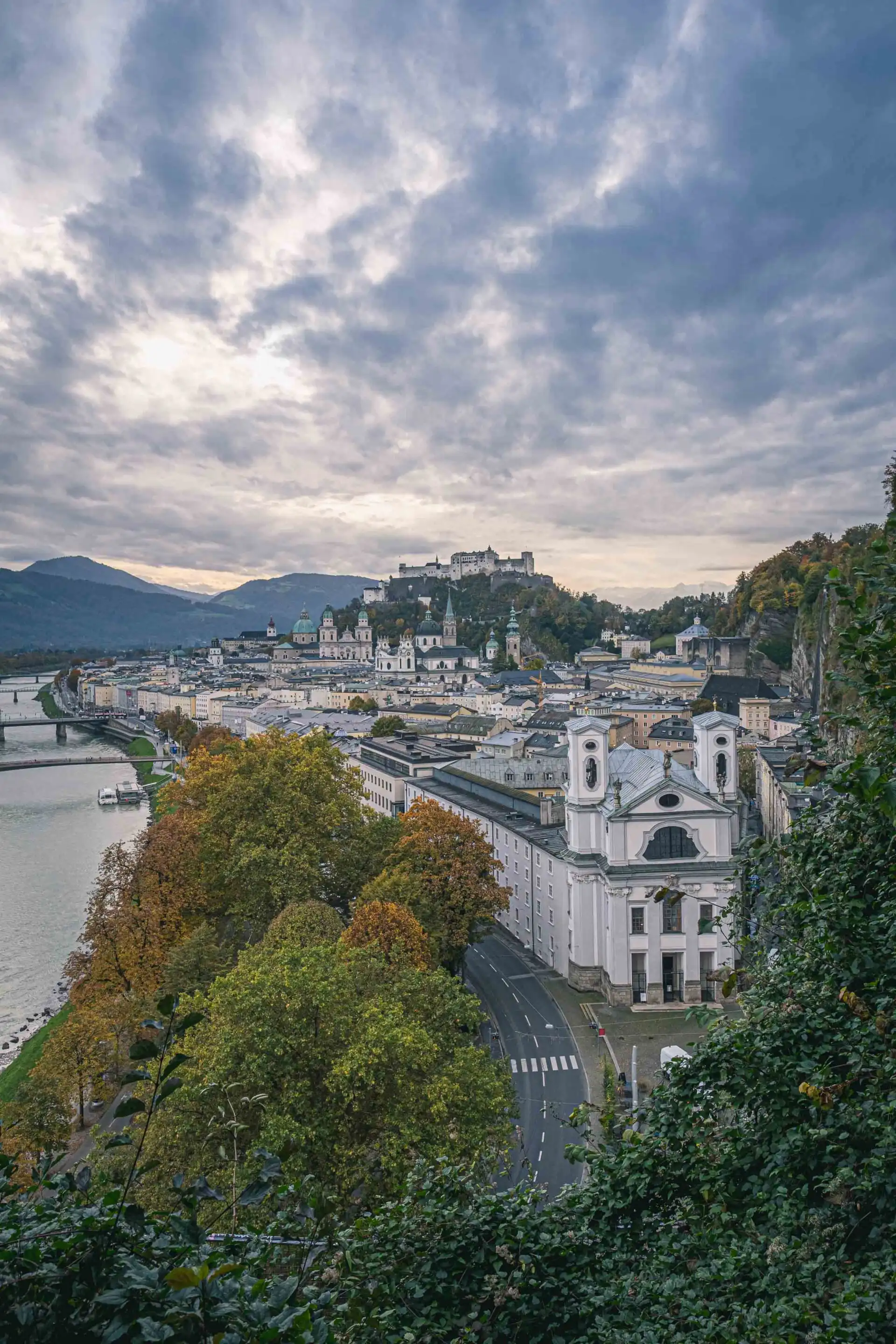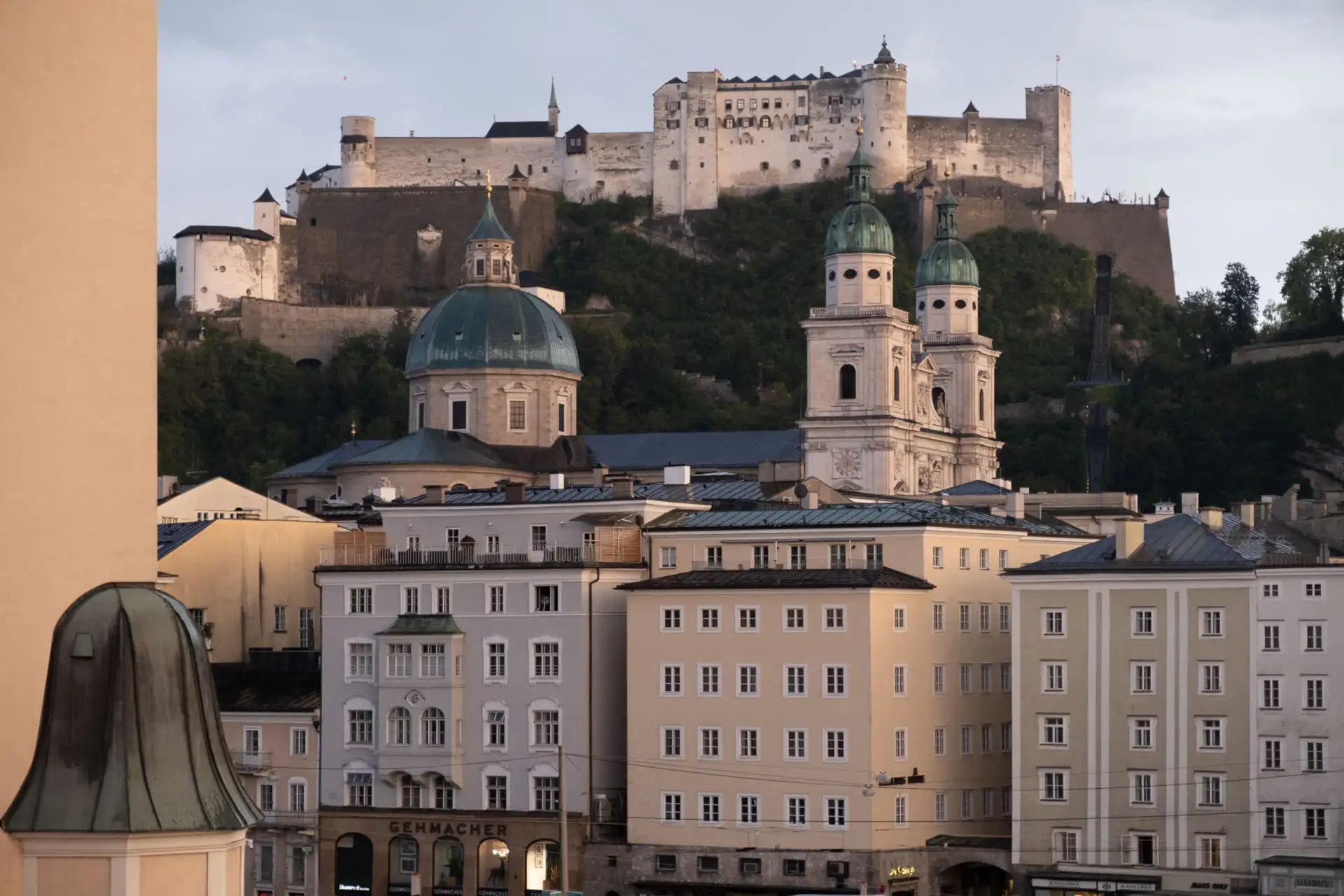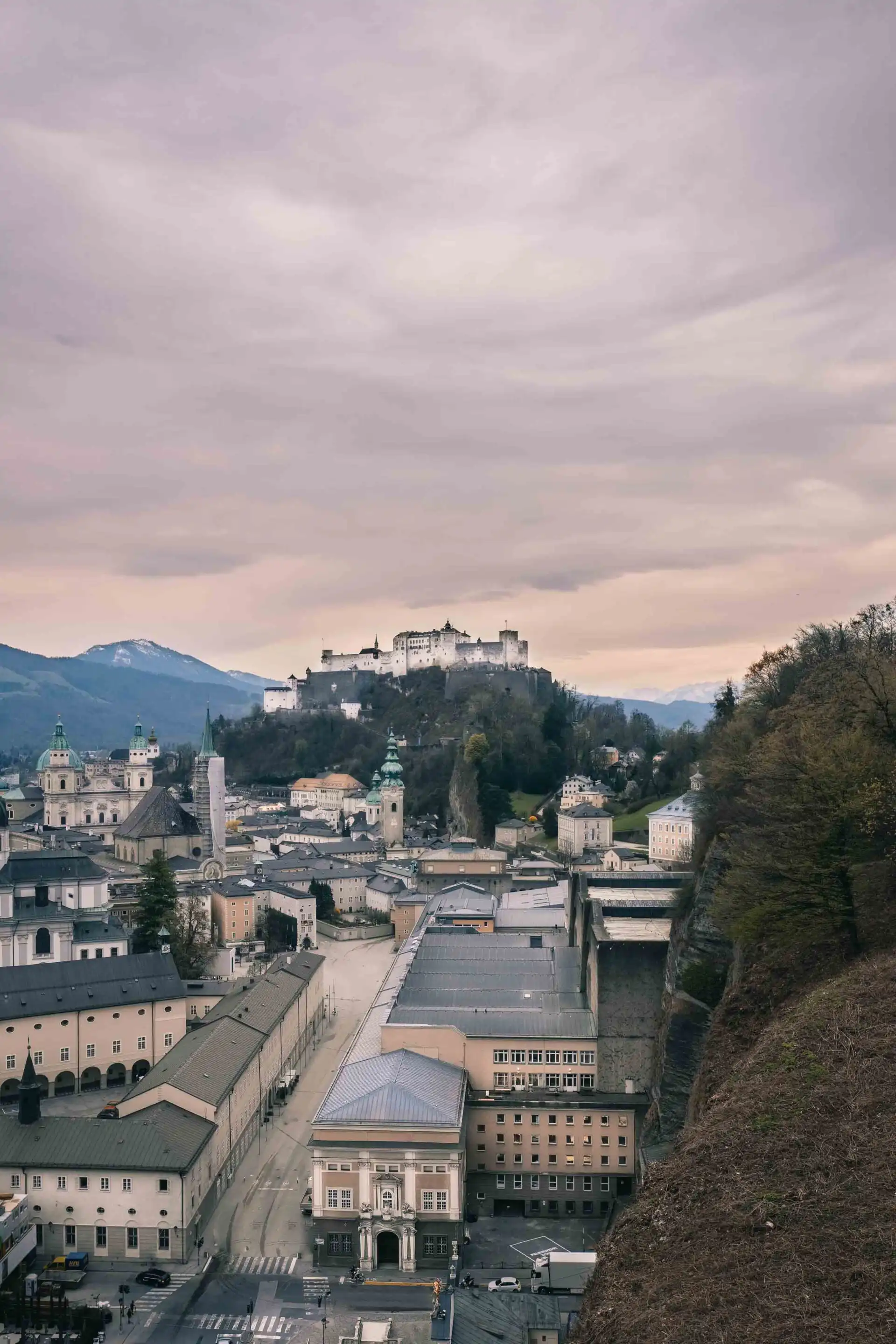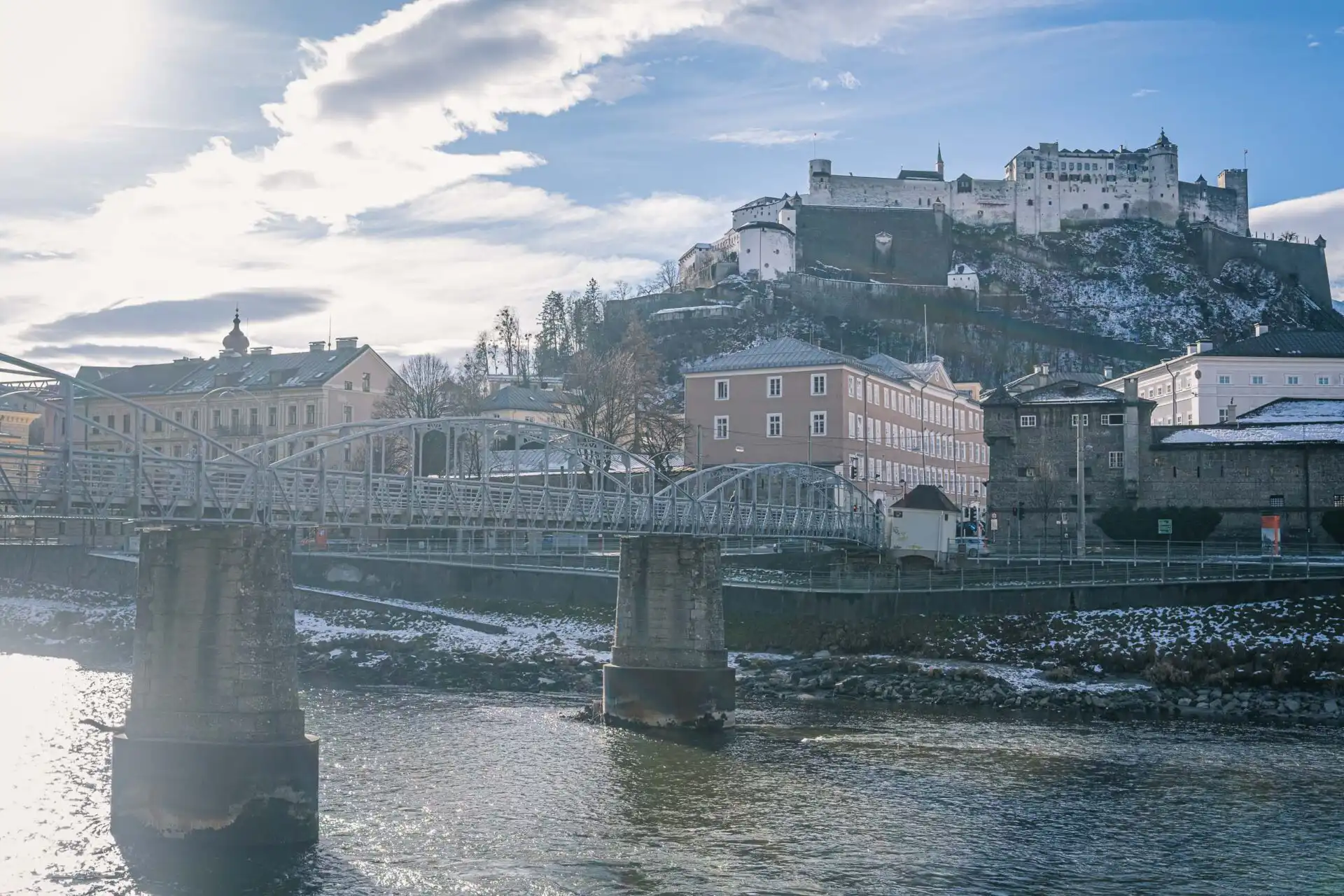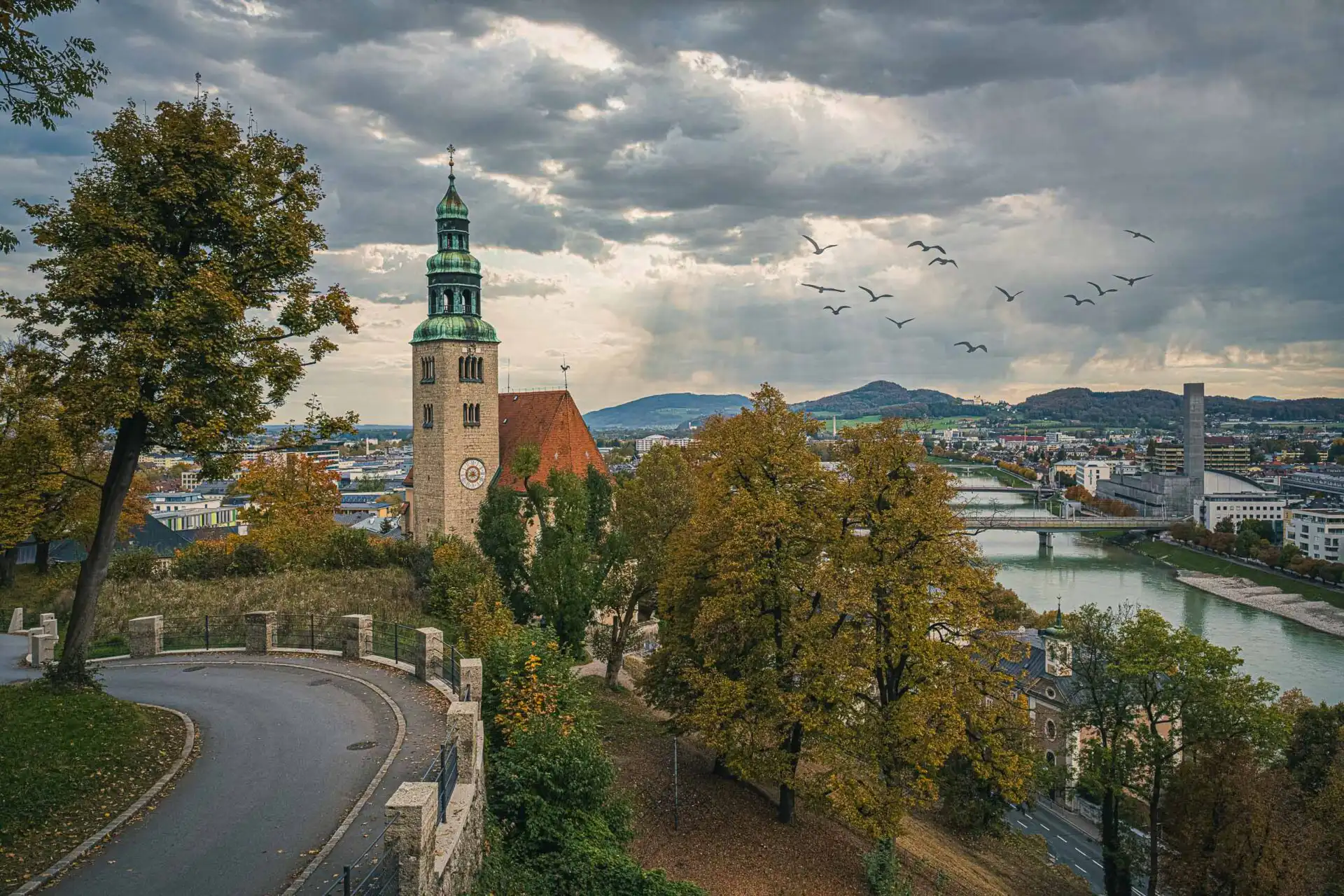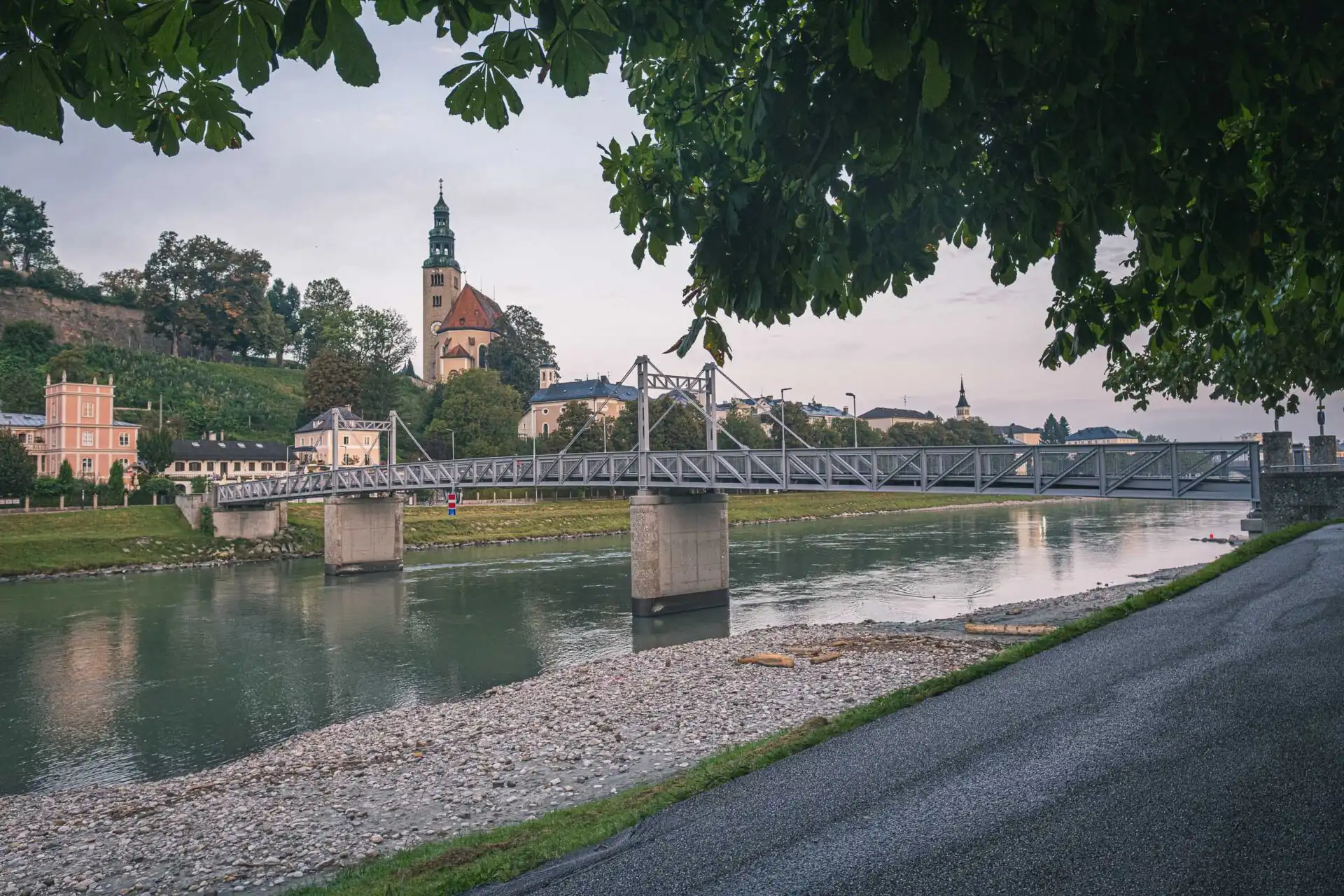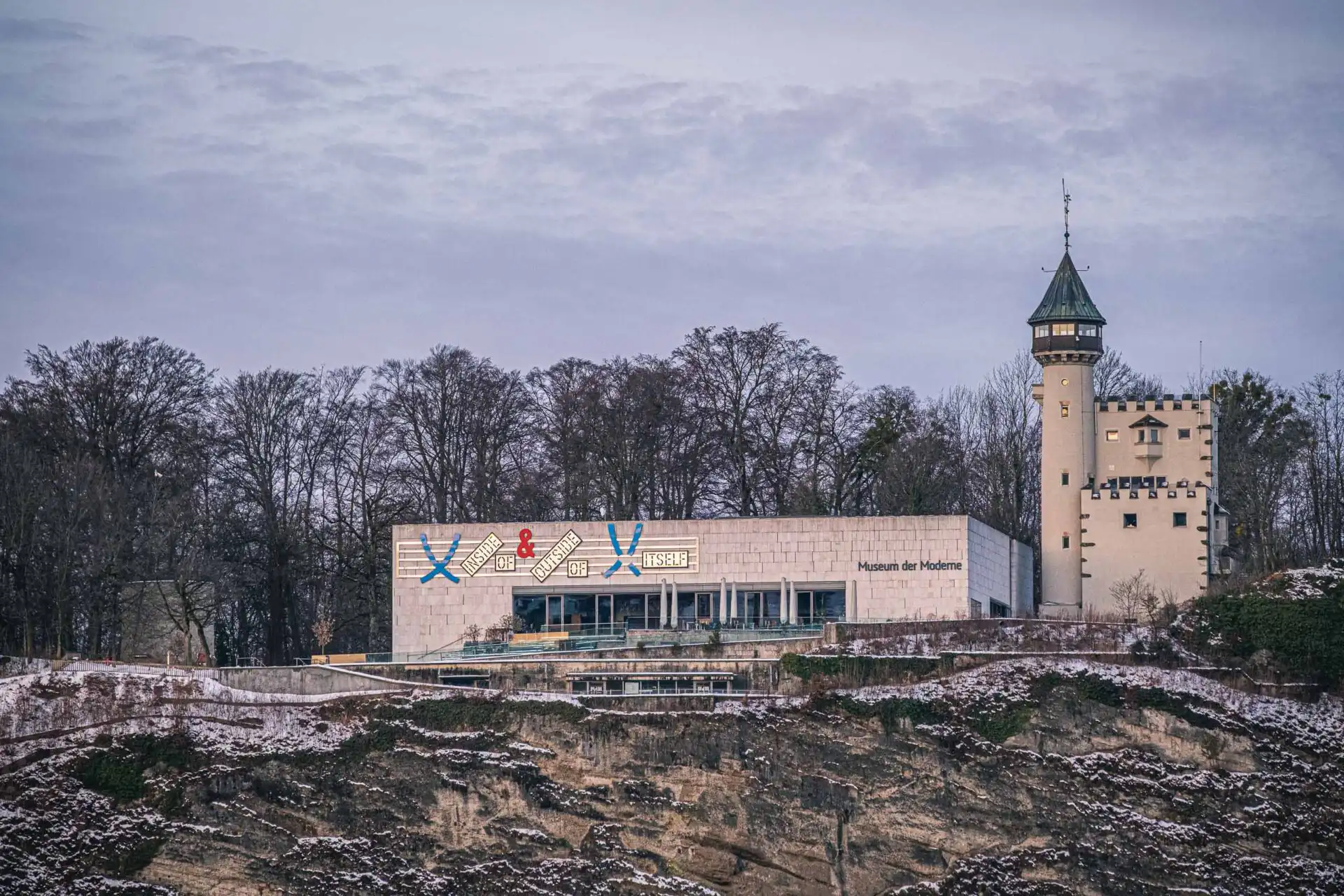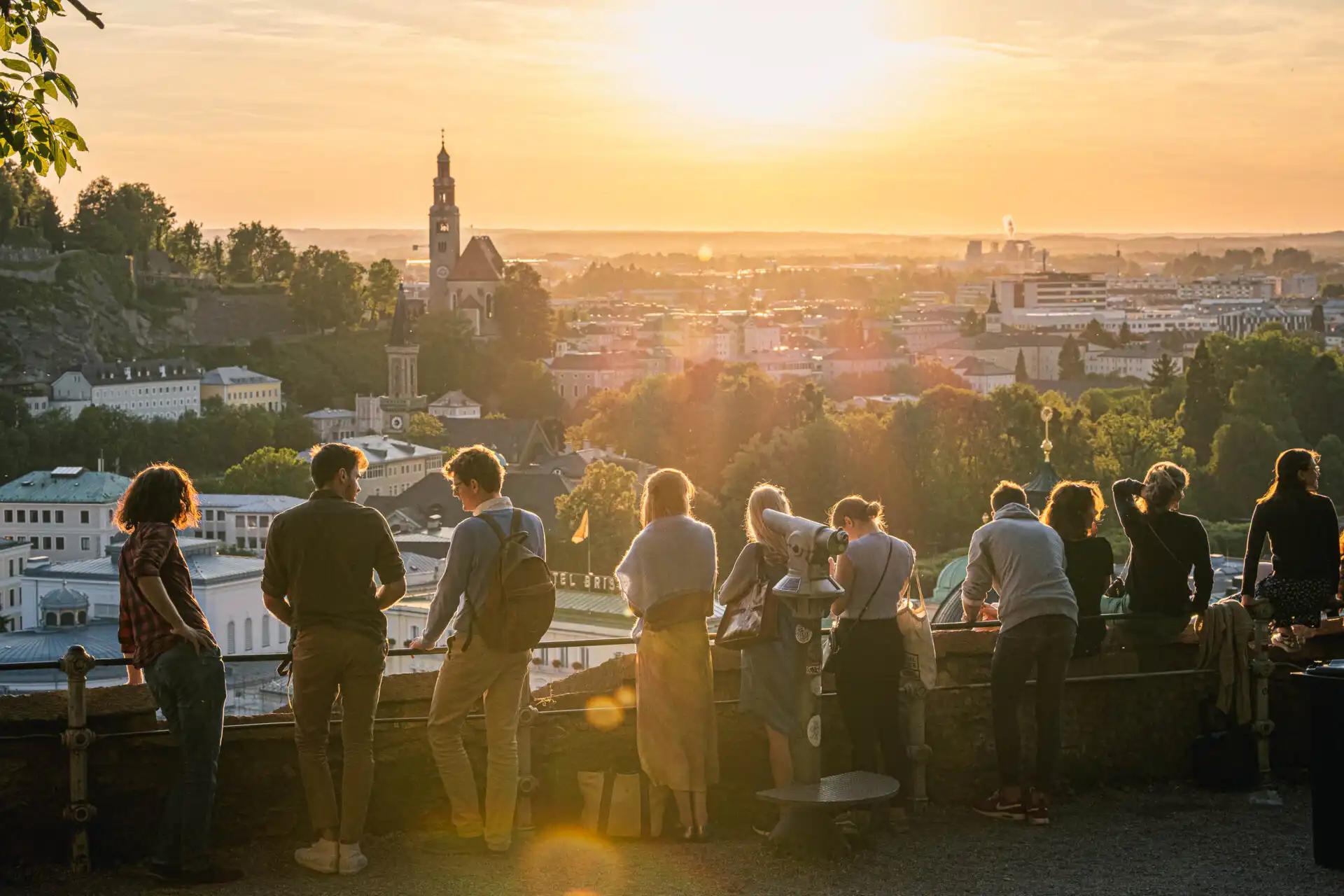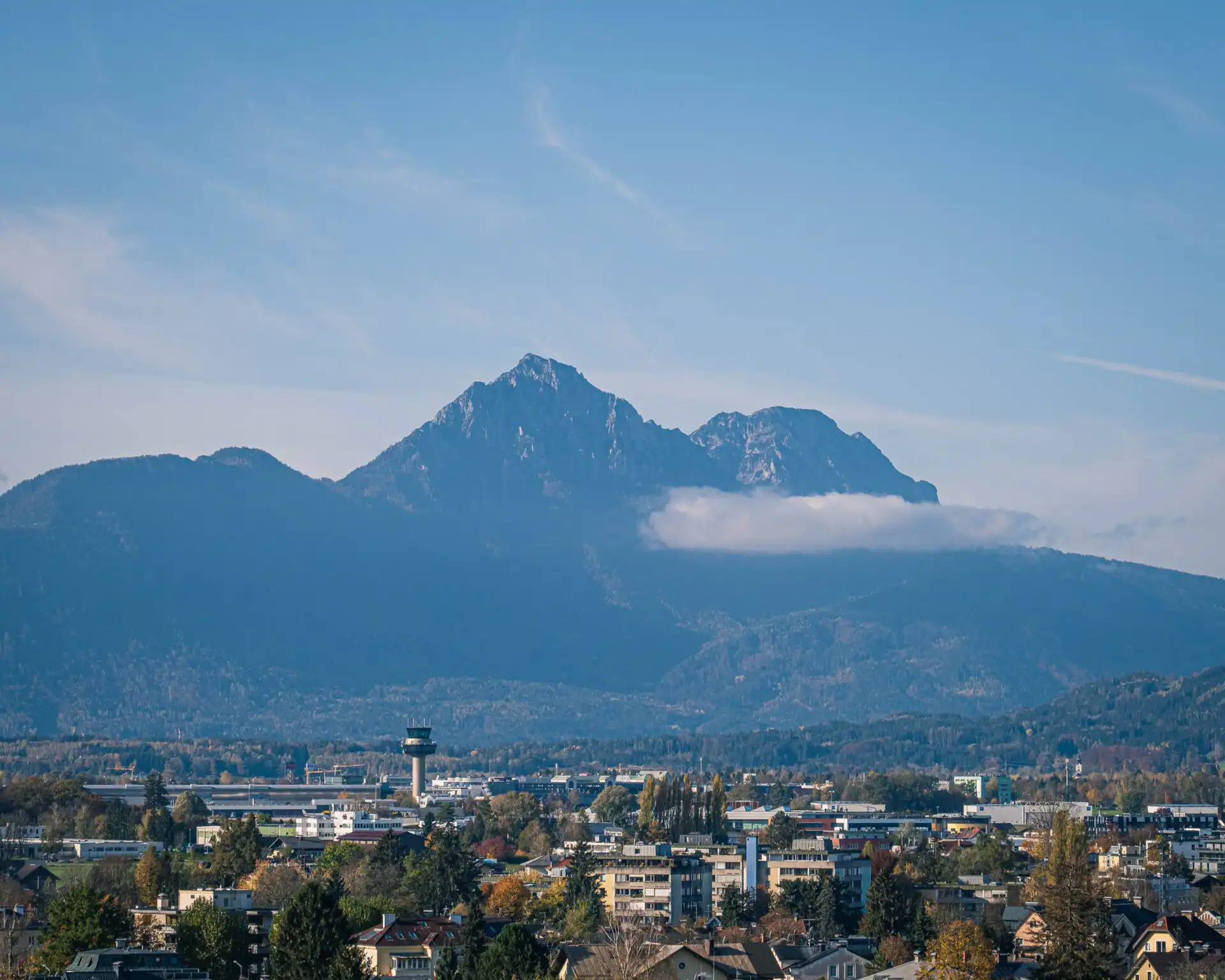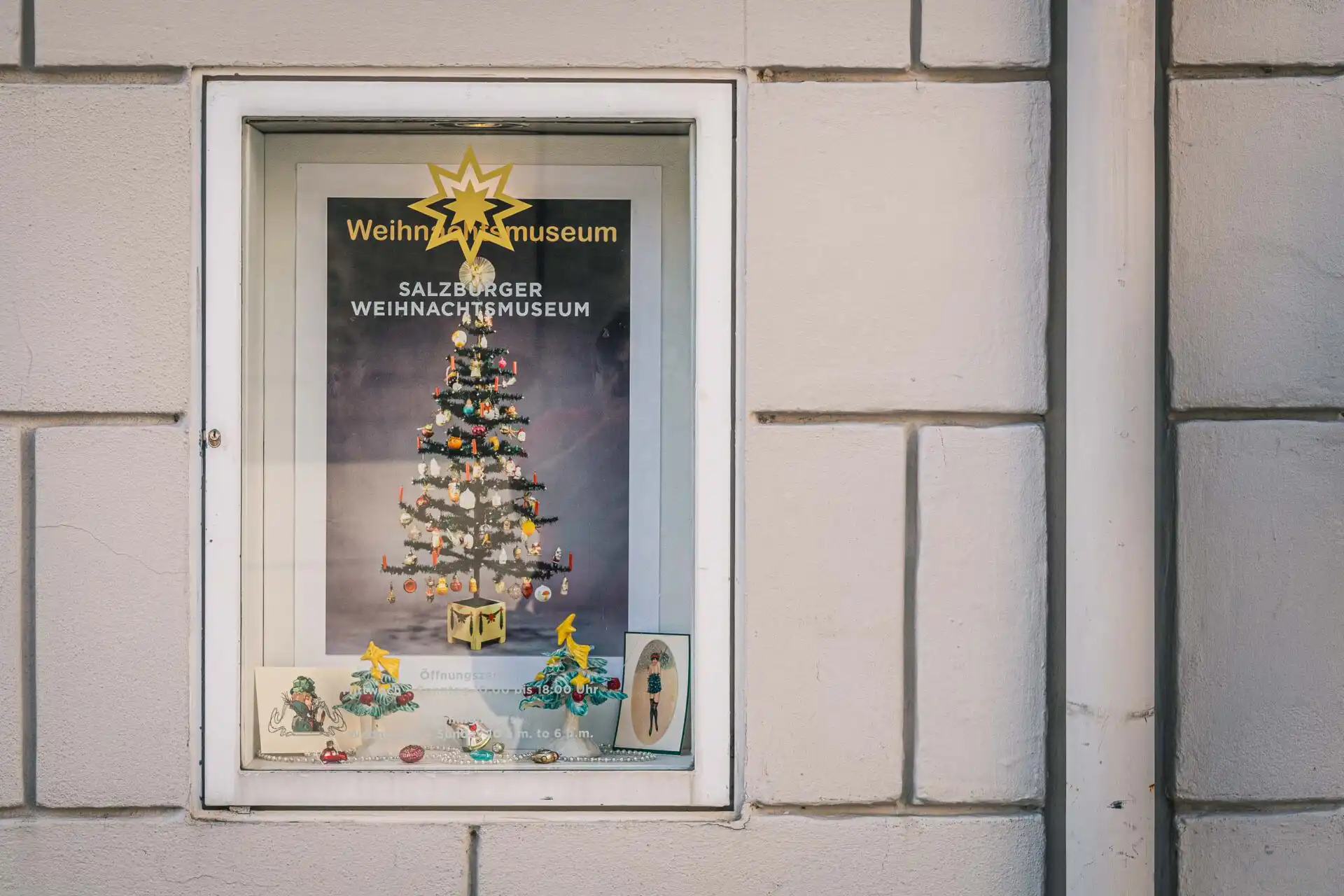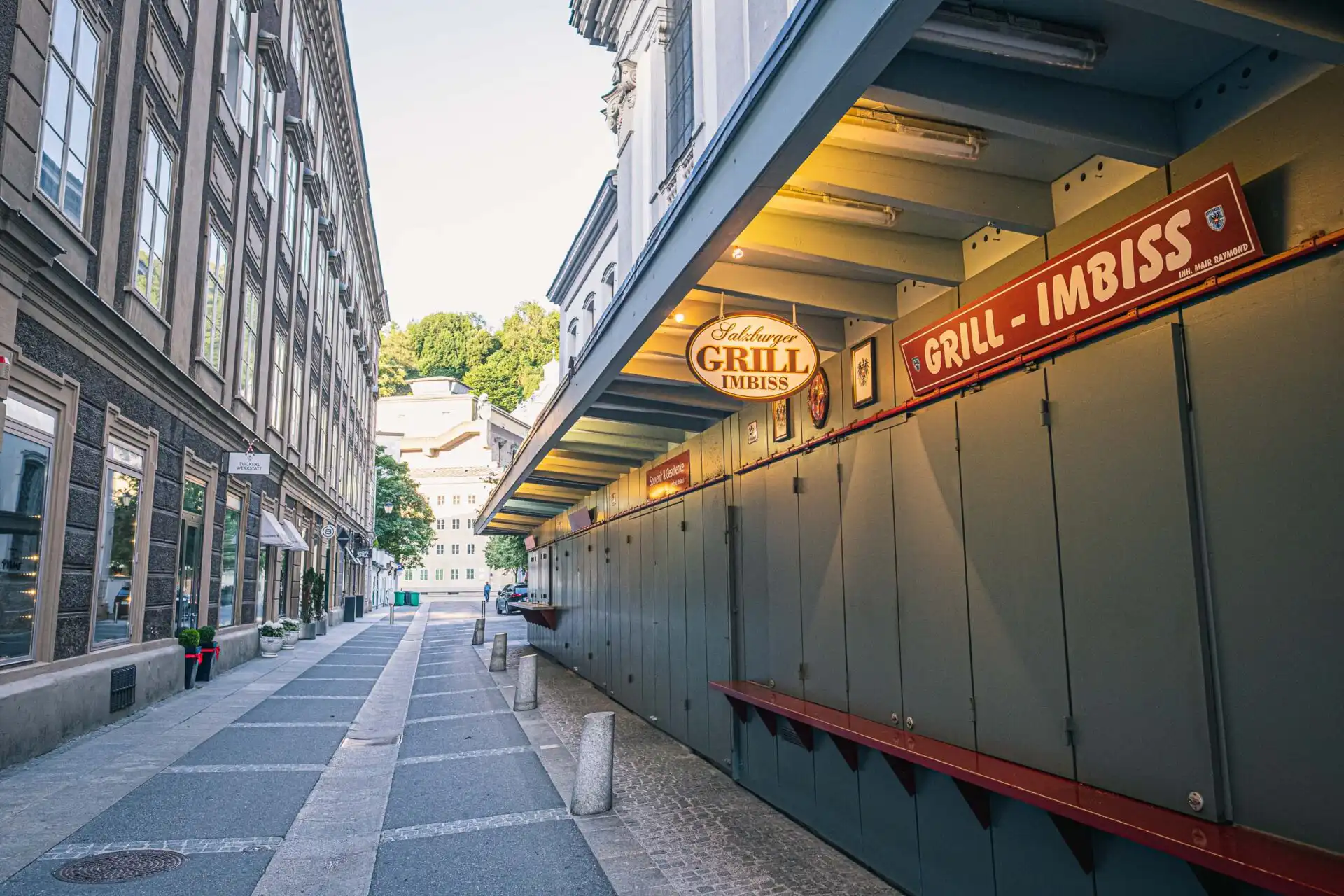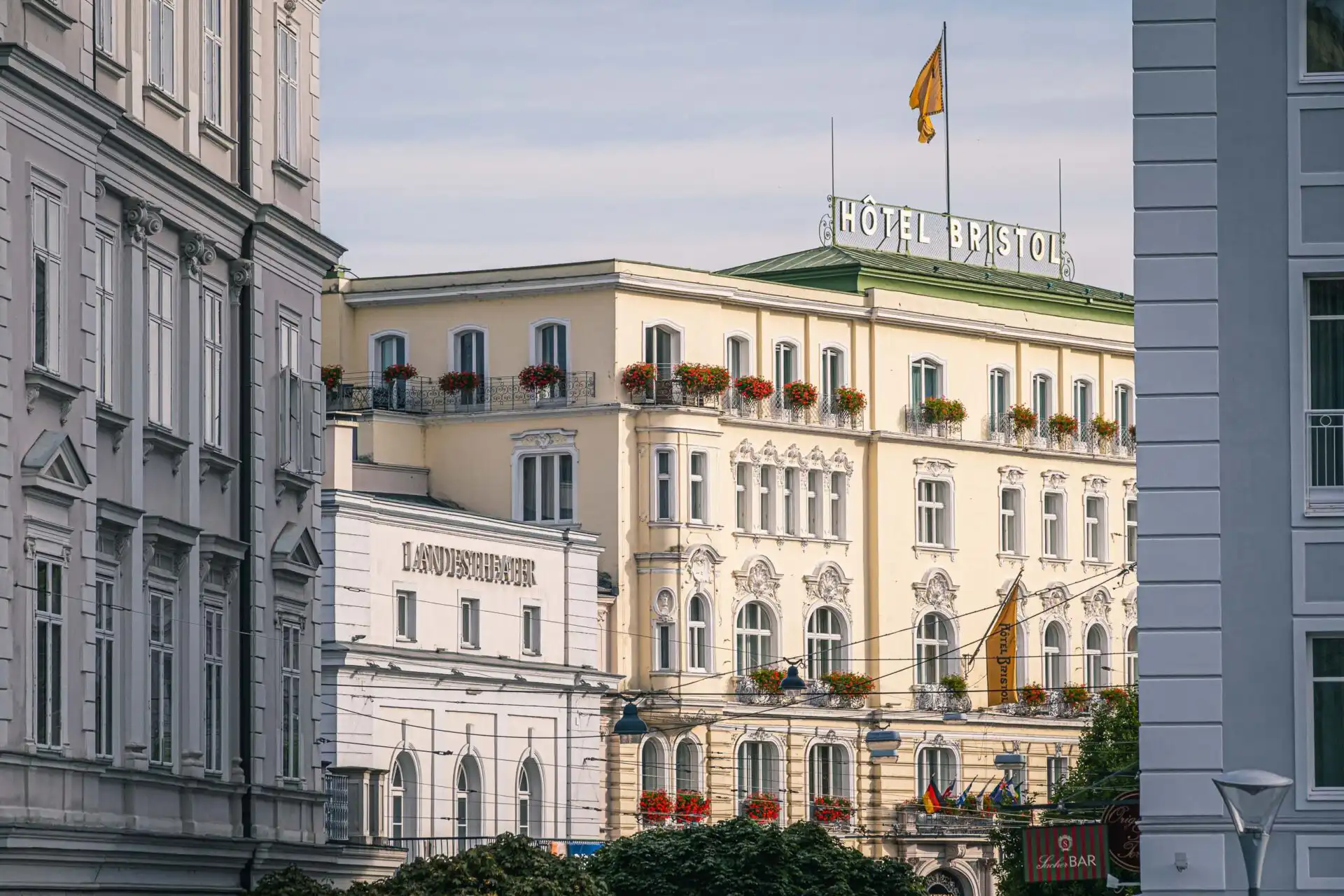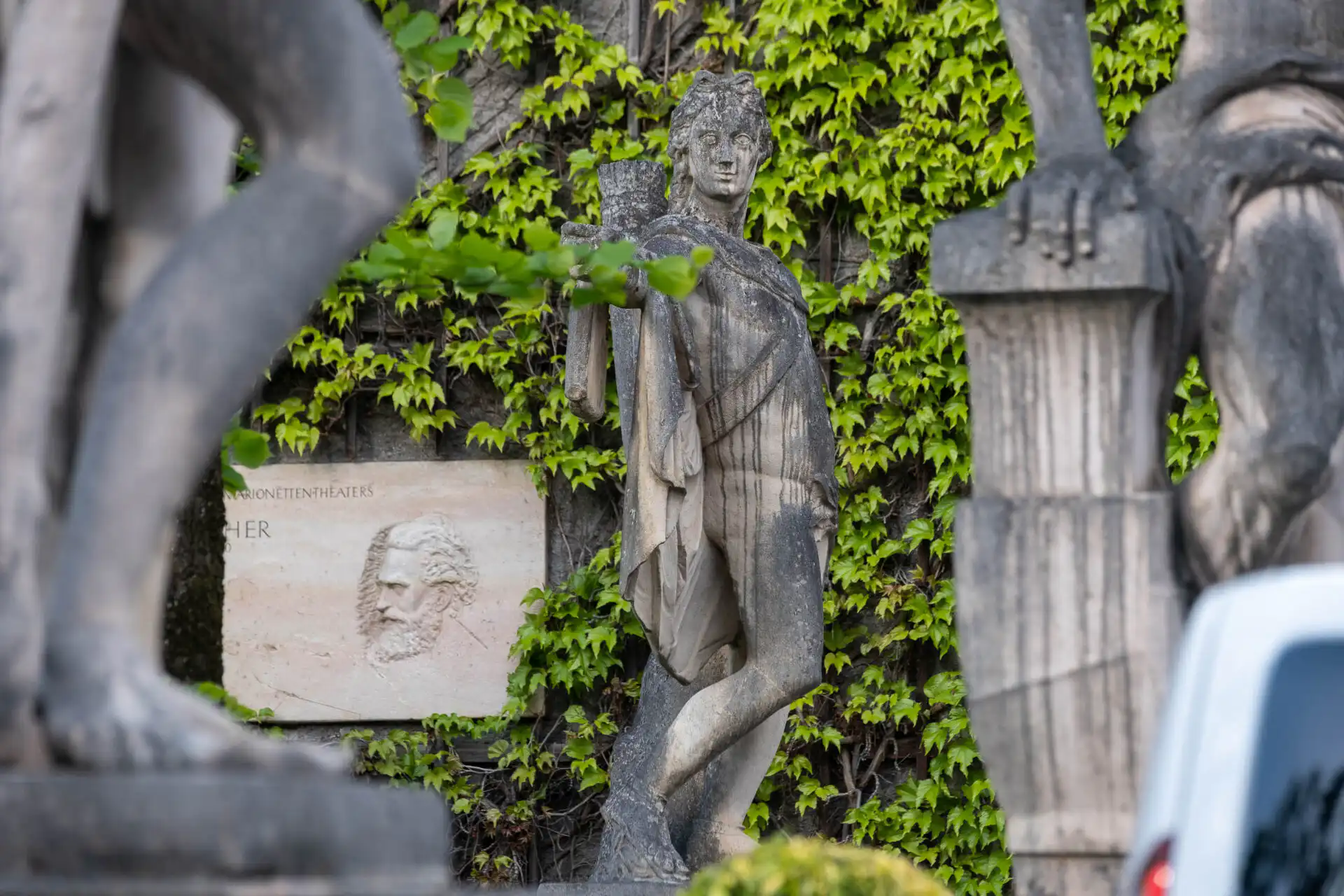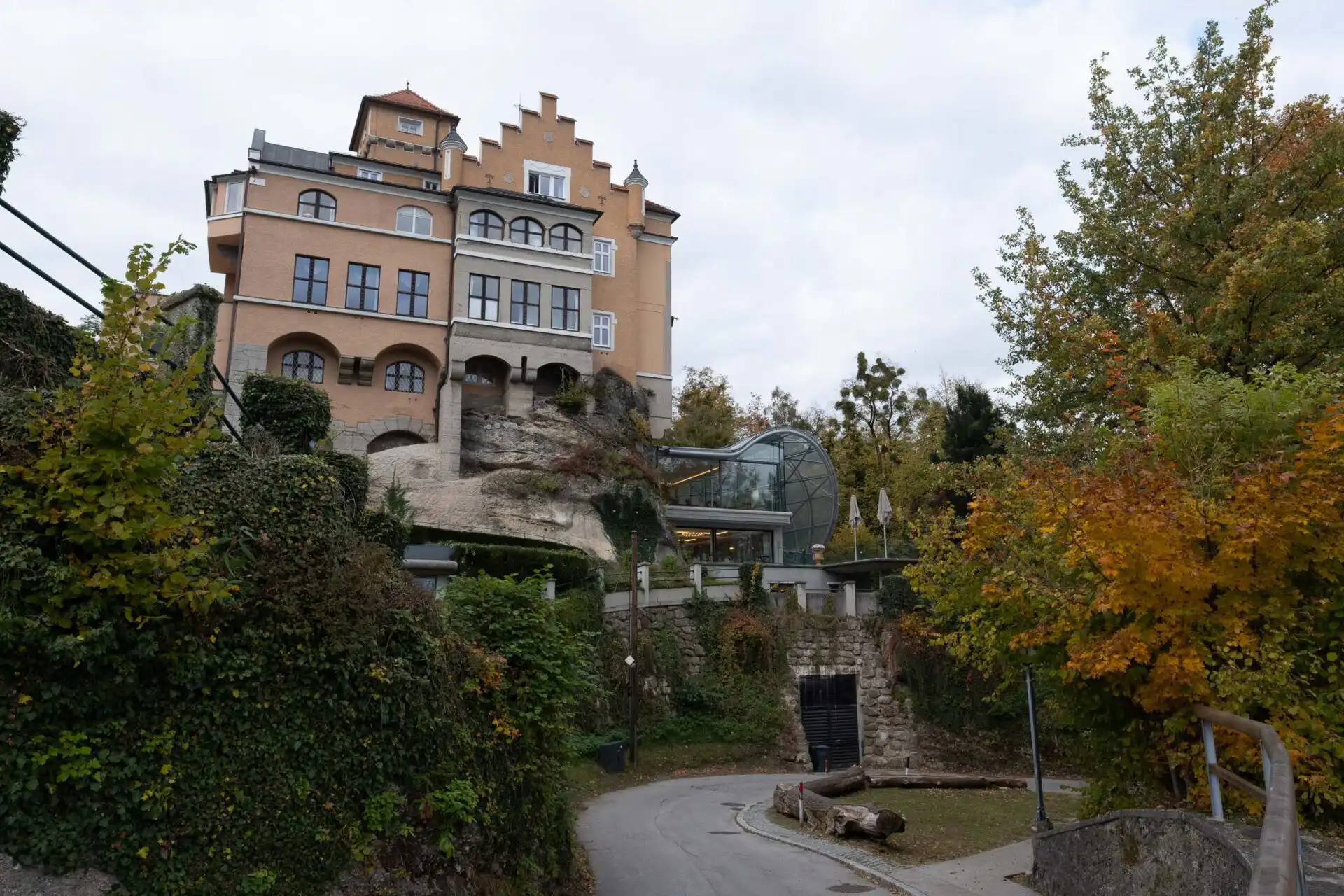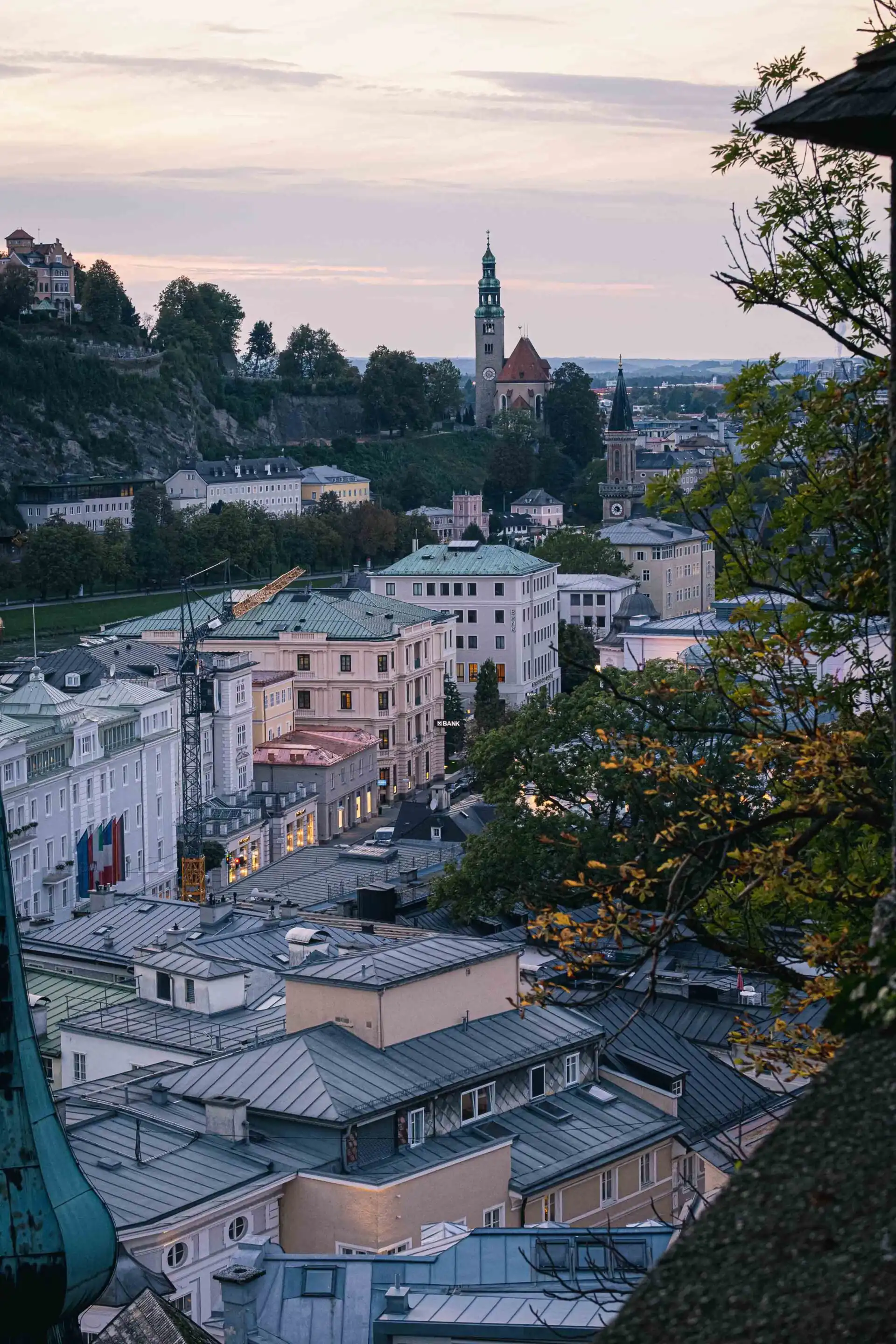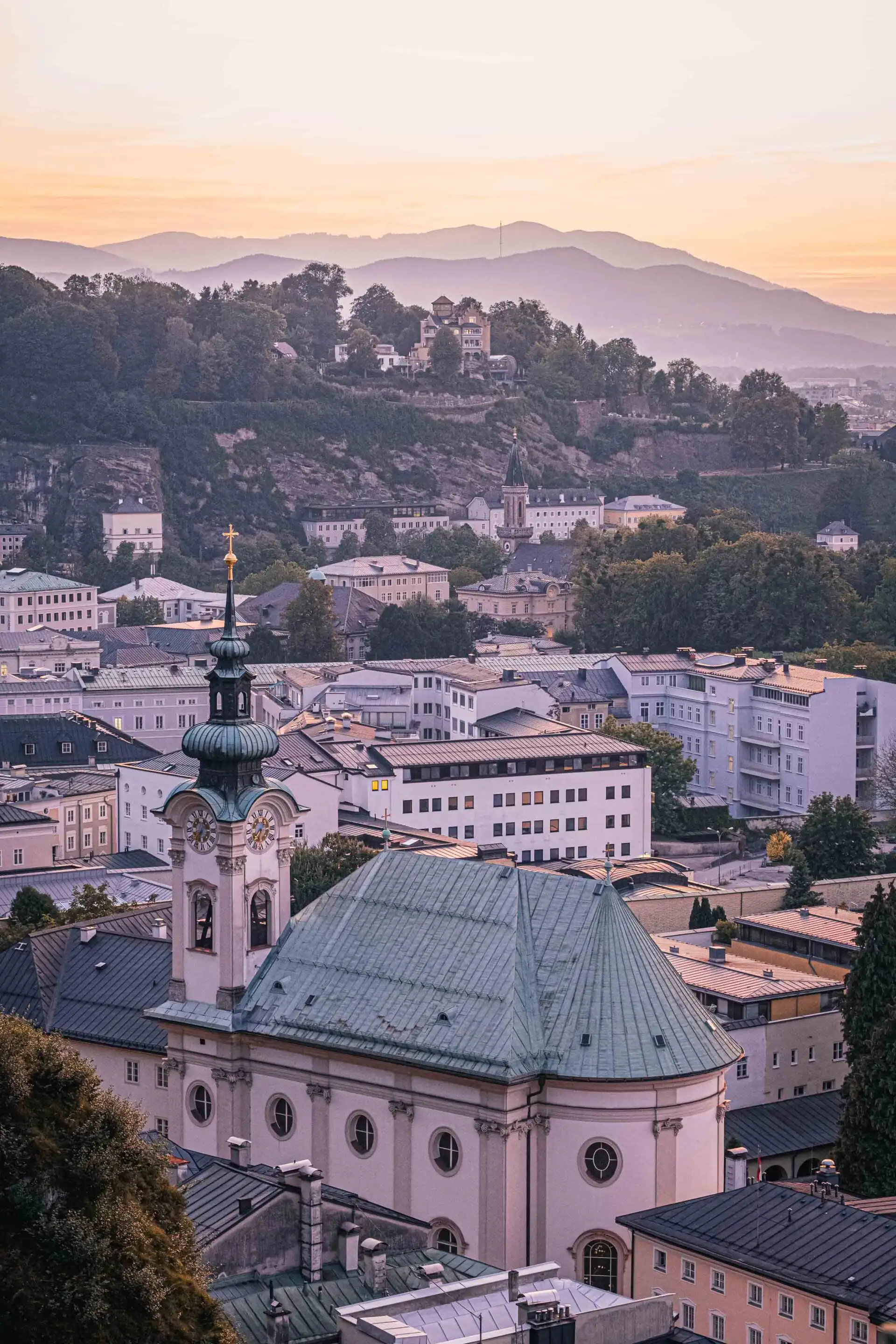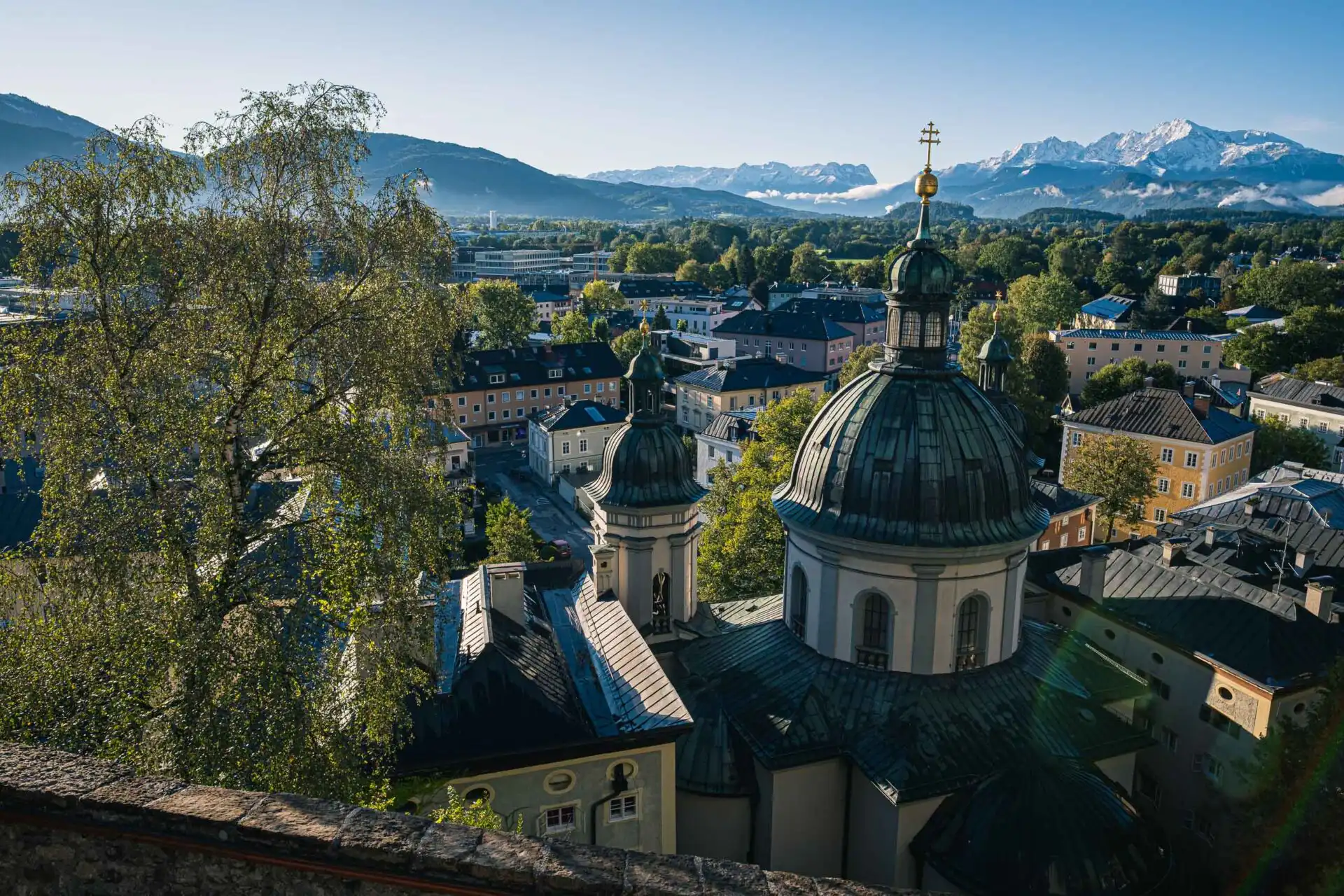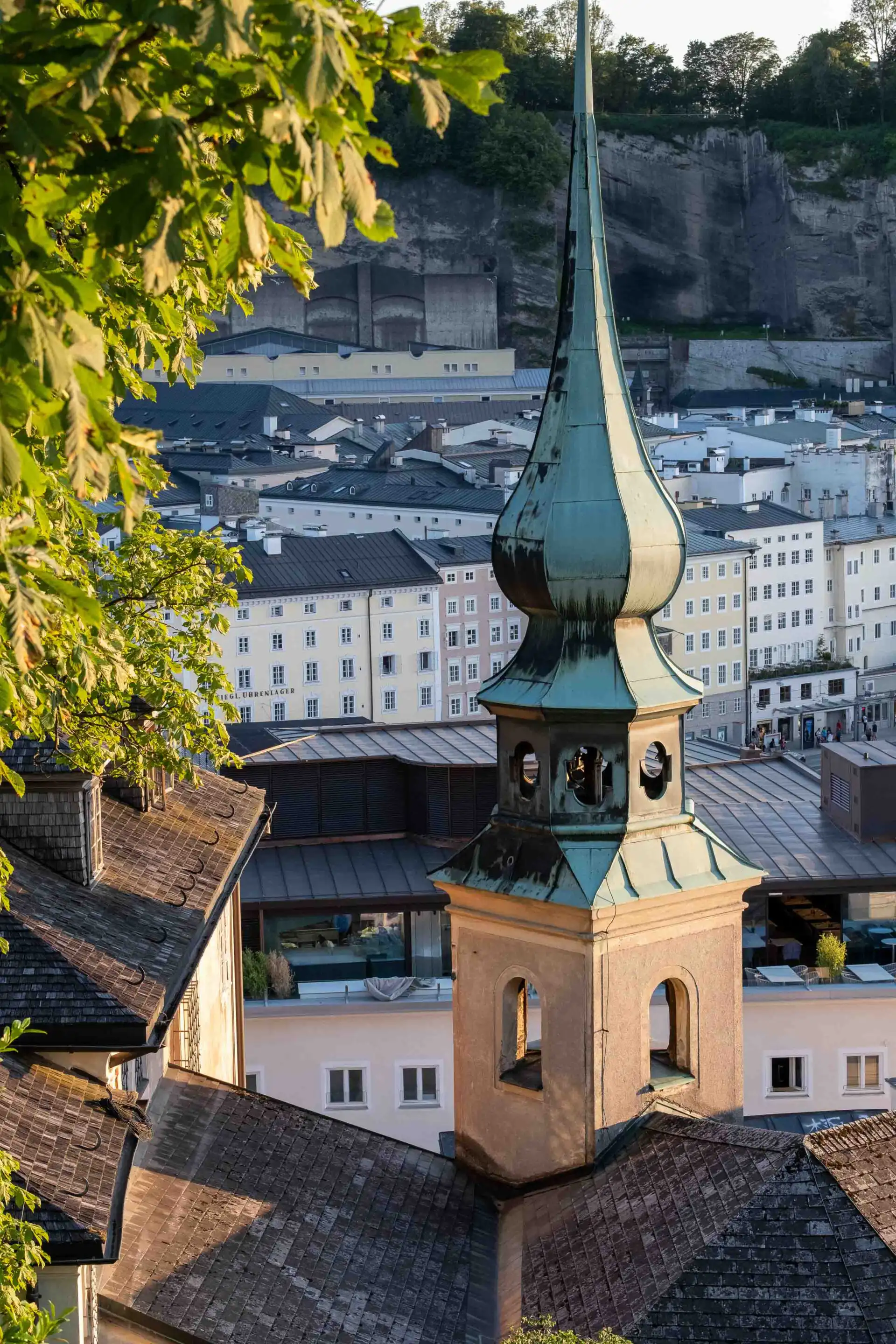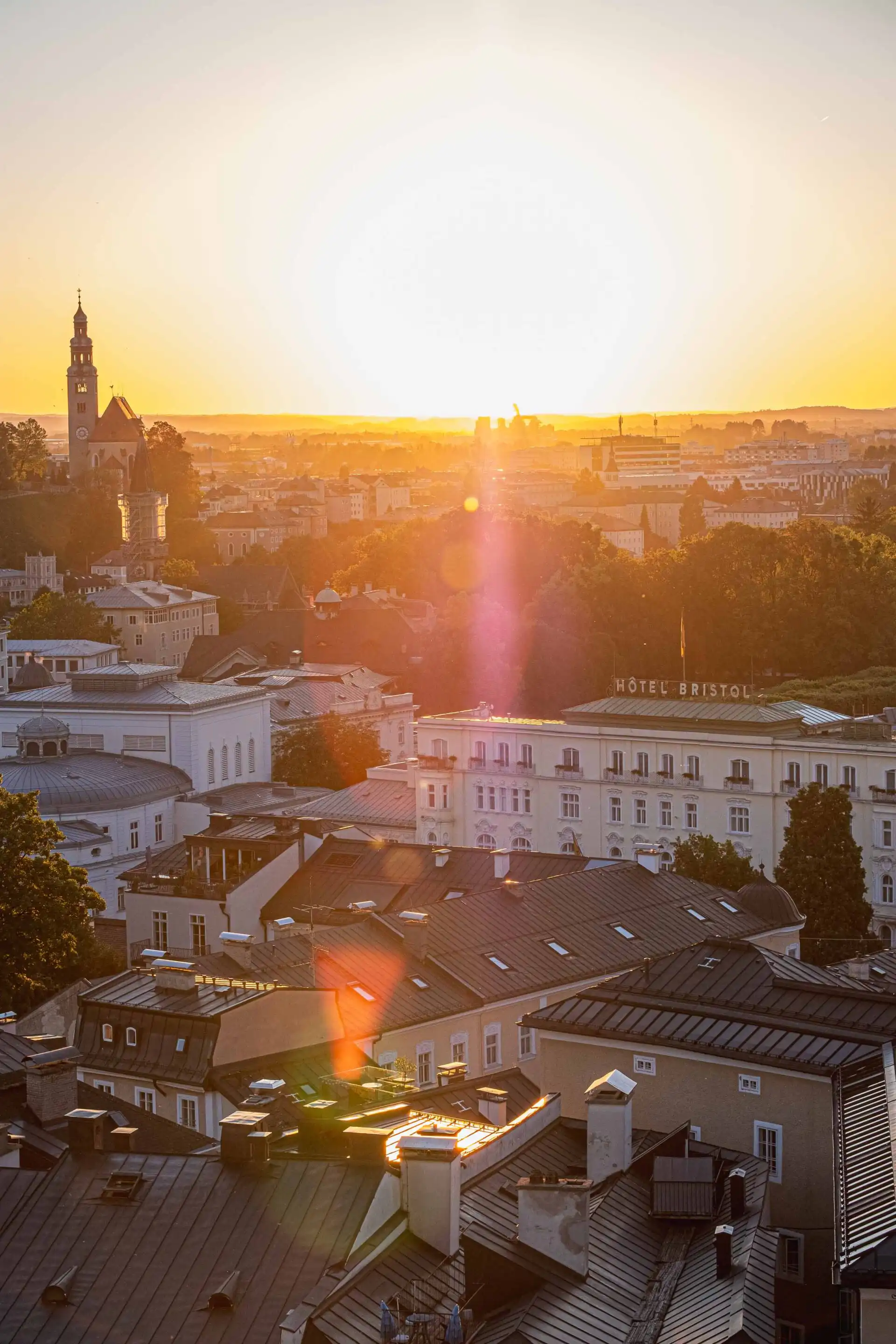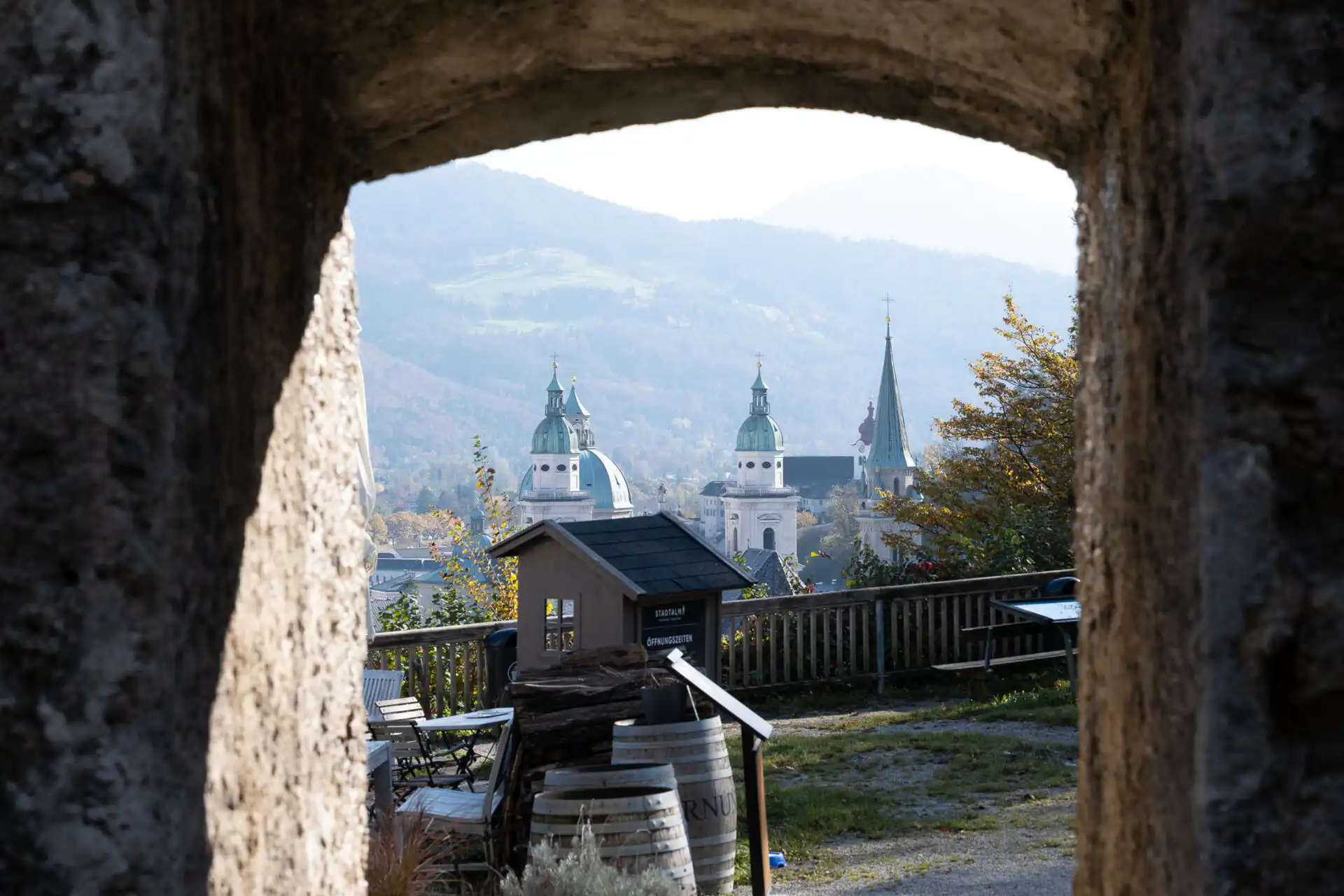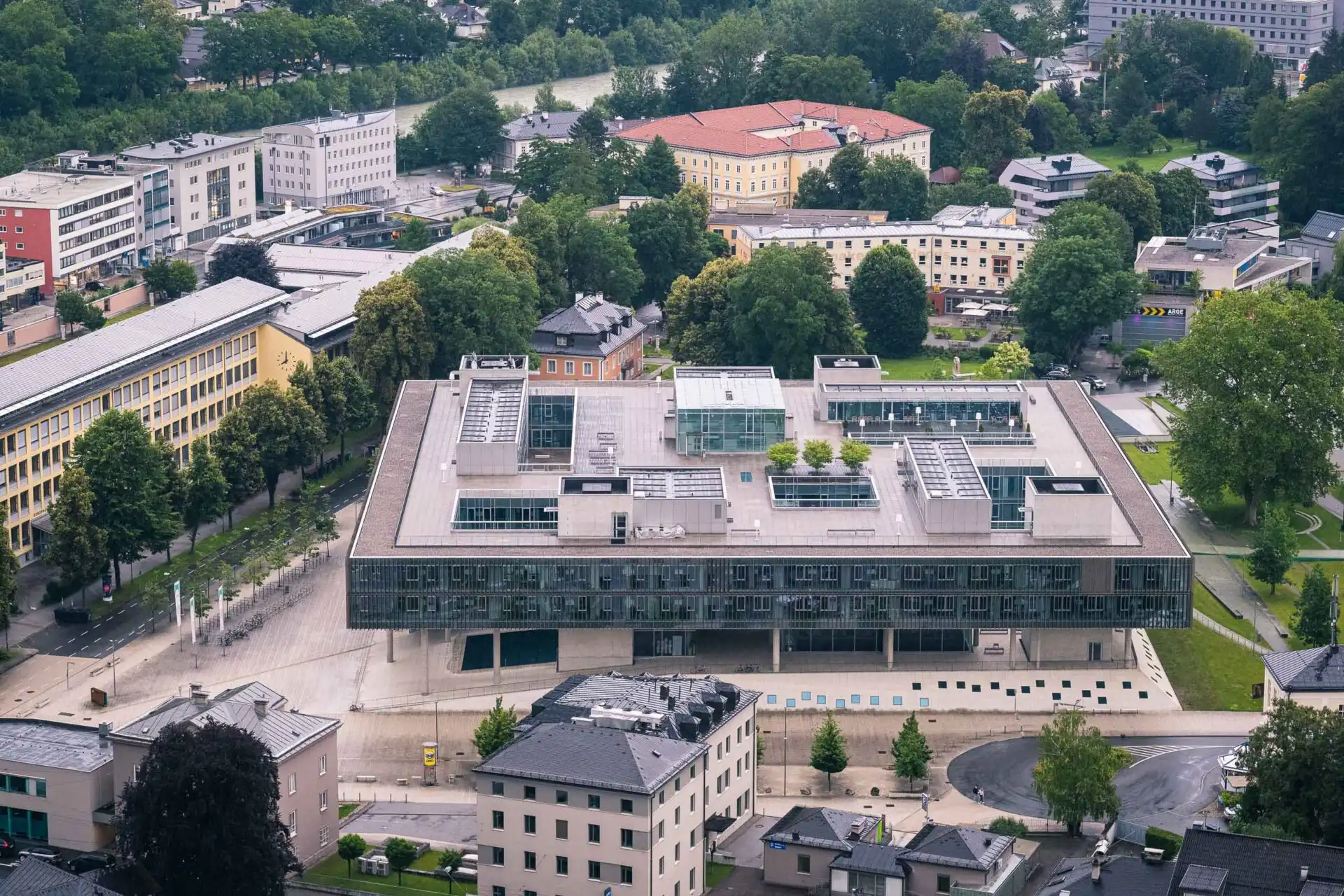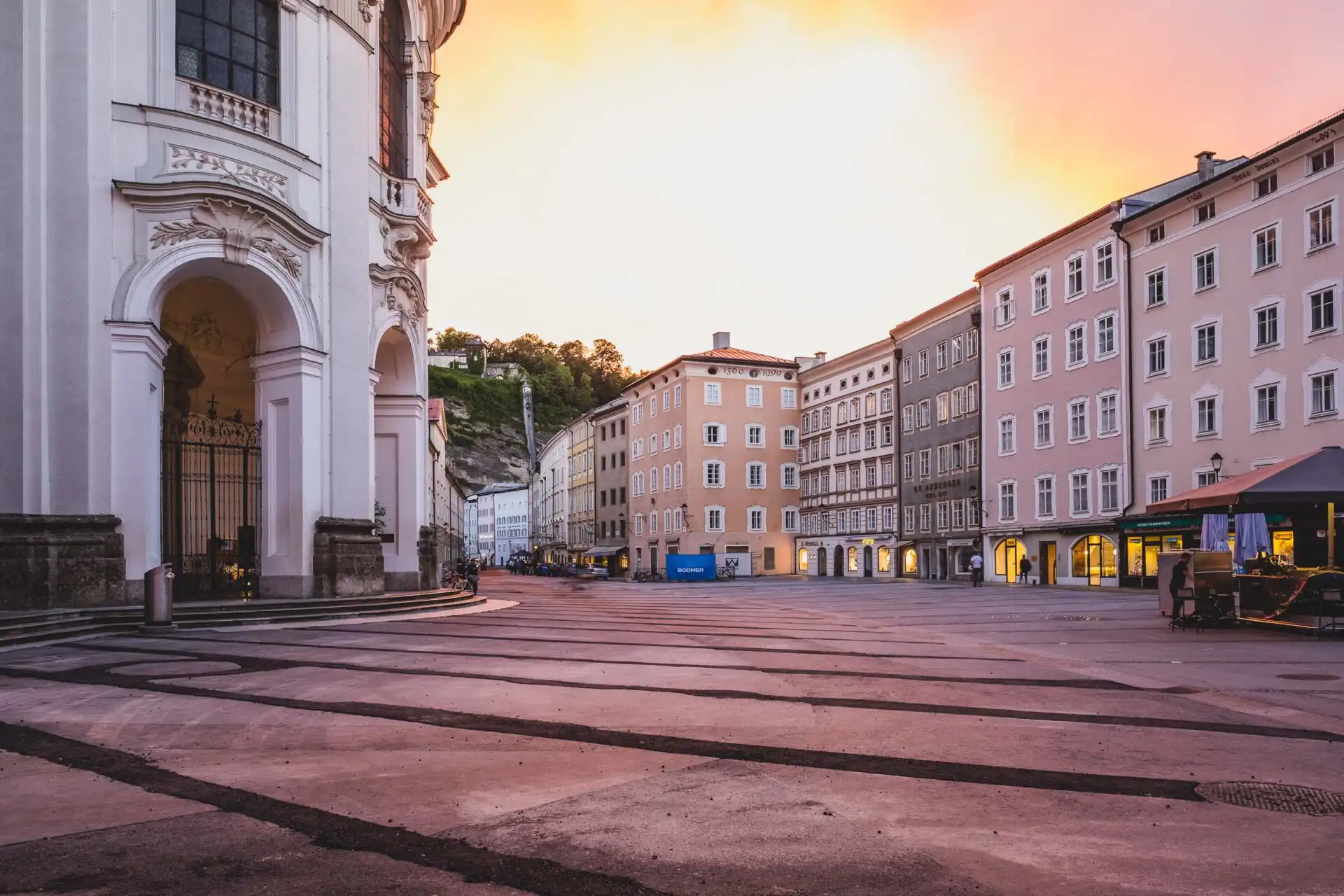
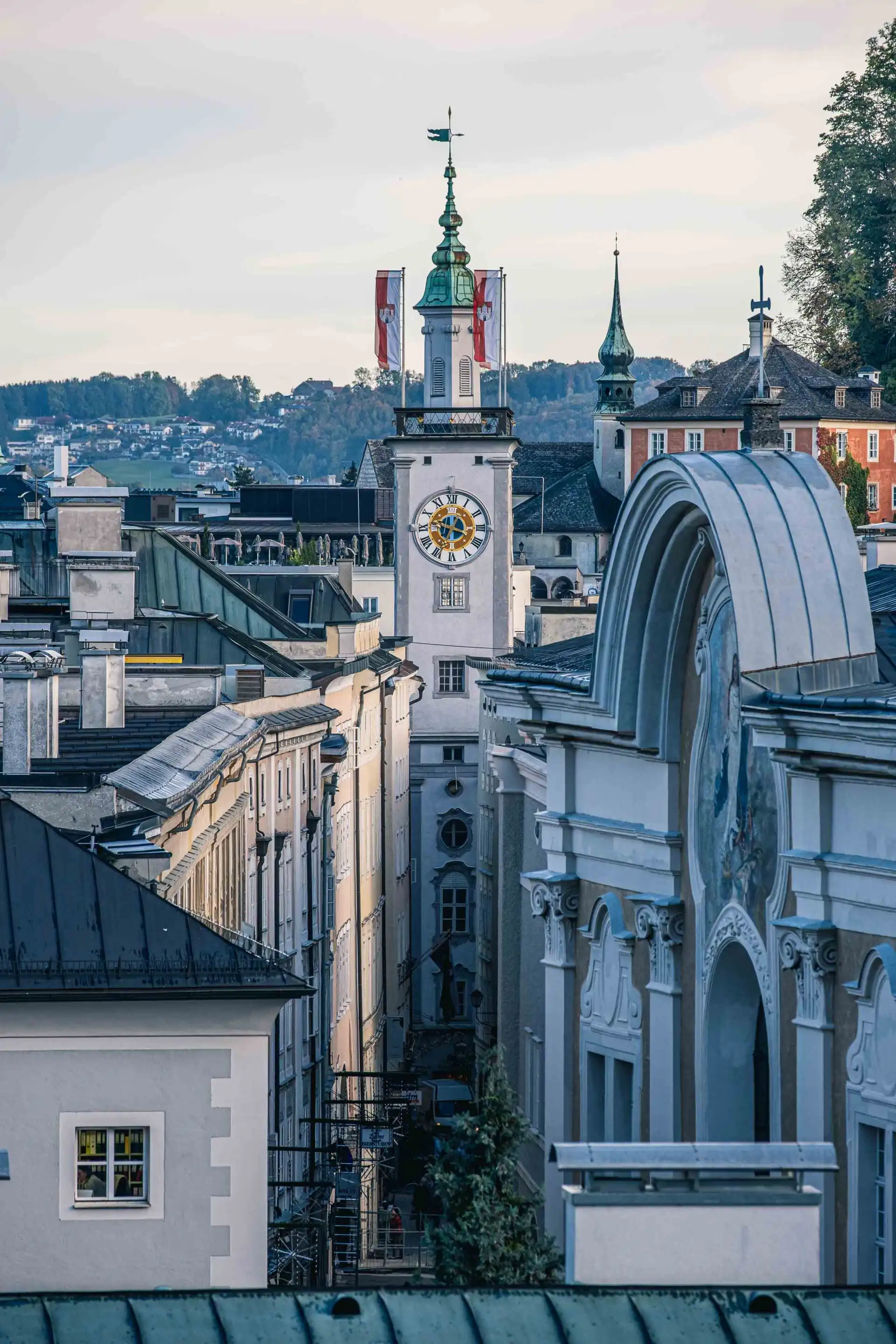
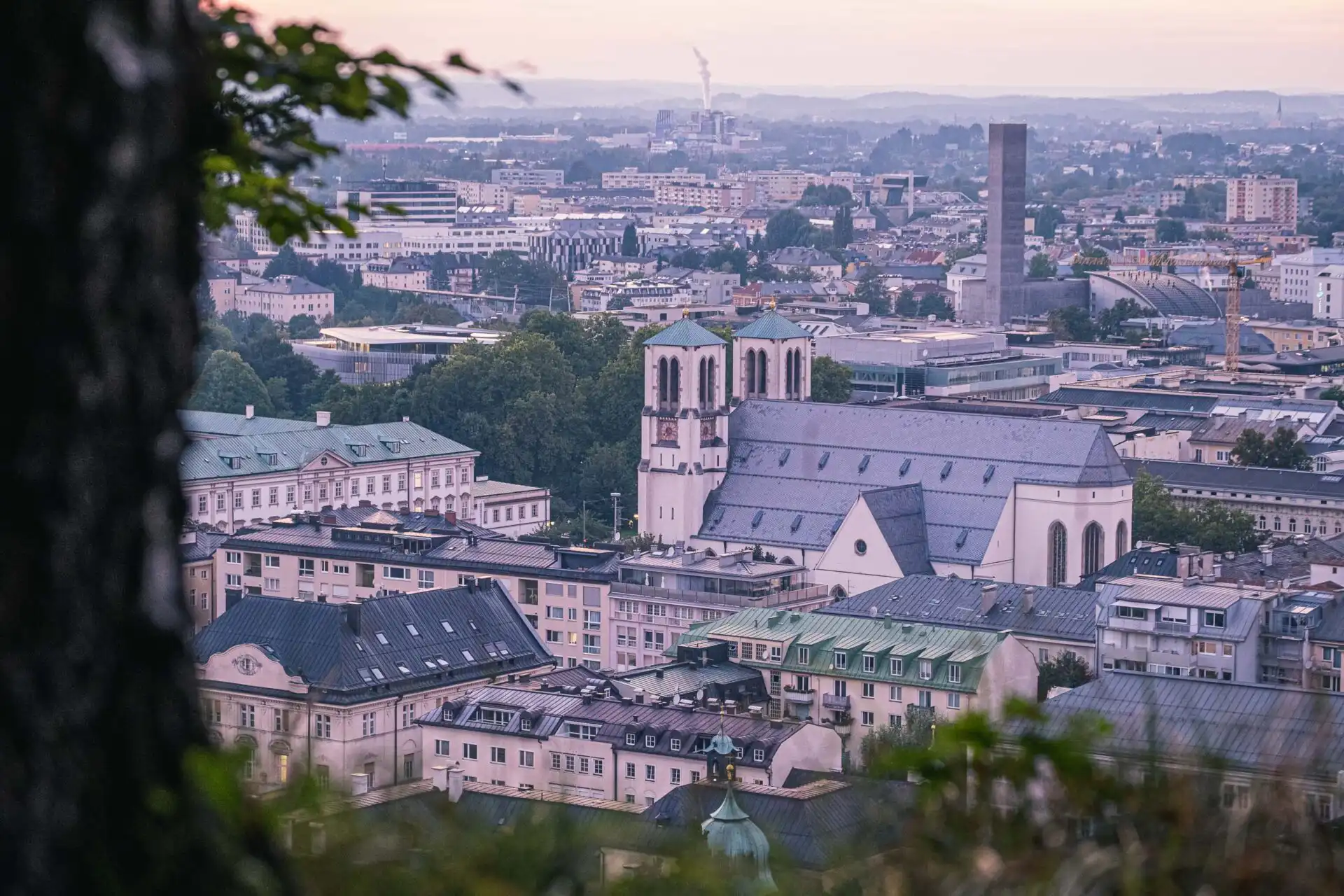
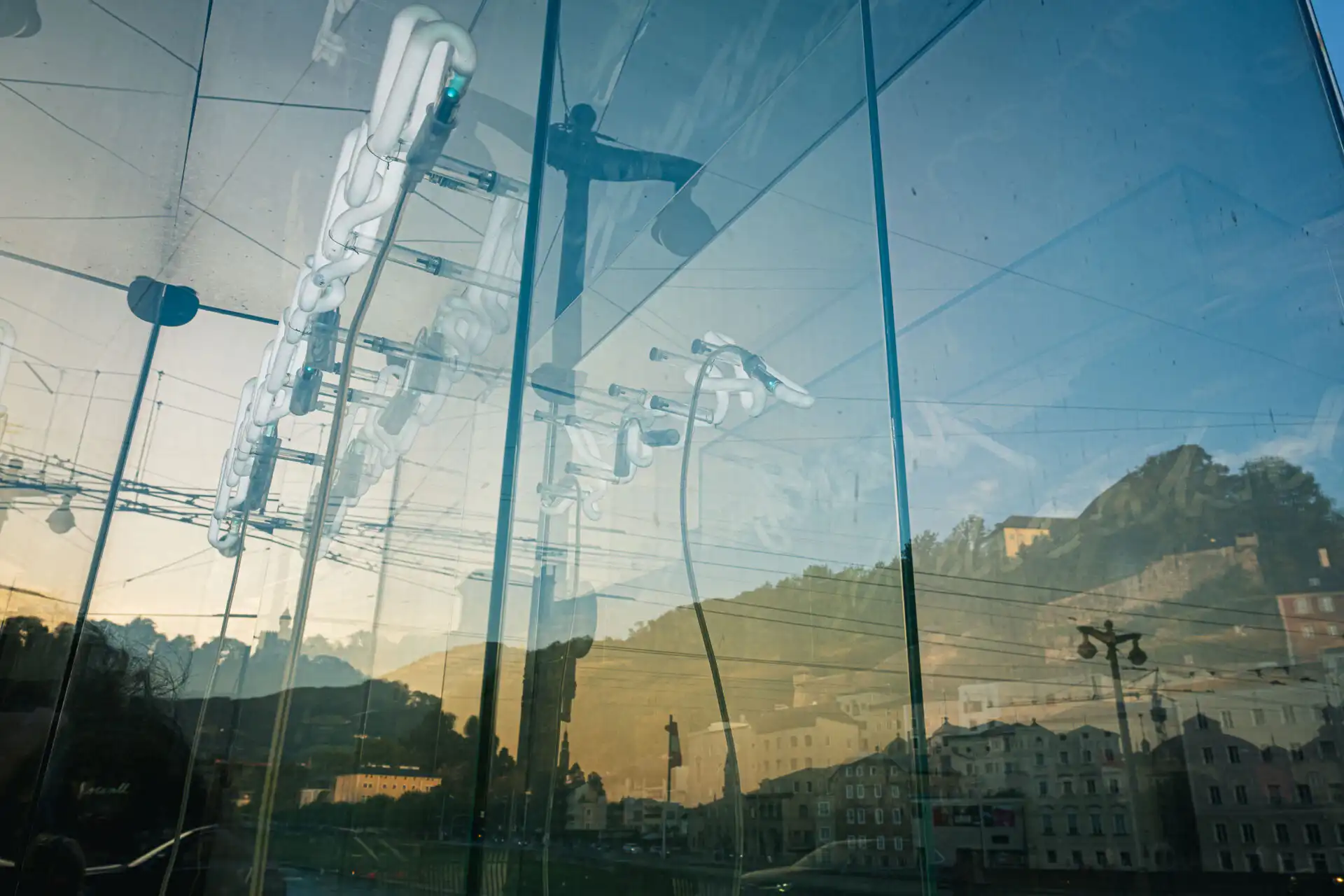
Salzburg is a small city, about 155,000 people, built on a geological accident: two limestone hills pressing a Baroque townscape against a fast river in the northern Alps. It was the capital of a church state for six centuries, financed by salt, rebuilt by Italian architects, and later claimed by Mozart tourism and a summer festival that redefined what the city is for. The old town is genuine, not a reconstruction, and the concentration of significant buildings within walking distance of each other is difficult to match anywhere in the German-speaking world.
The Story
The Romans arrived around 15 BC and found a Celtic settlement on Monchsberg already trading in salt from the mines at Hallein and Dürrnberg. They established the garrison town of Iuvavum, built a stone bridge over the Salzach River, and laid out a street grid that still underlies the Altstadt today. When Roman authority collapsed in the 5th century, the salt trade continued, and it was the economic logic of salt that eventually brought Saint Rupert of Salzburg here in 696 AD to found the Benedictine abbey of Stift St. Peter and begin the Christianisation of the region.
Salzburg became an archbishopric in 798, and the institution grew steadily in power over the following centuries. By 1213 the Archbishop held the rank of prince of the Holy Roman Empire, making him both a spiritual and temporal ruler. This arrangement, the prince-archbishops who ruled Salzburg as a church state, lasted until Napoleon's armies reached the city in 1803 and secularisation ended the theocracy. The city then passed briefly to Bavaria and was absorbed into the Habsburg Austrian Empire in 1816. A very old and self-contained political entity had spent just over a thousand years under ecclesiastical rule, and the physical city that resulted from that history is the one visitors walk through today.
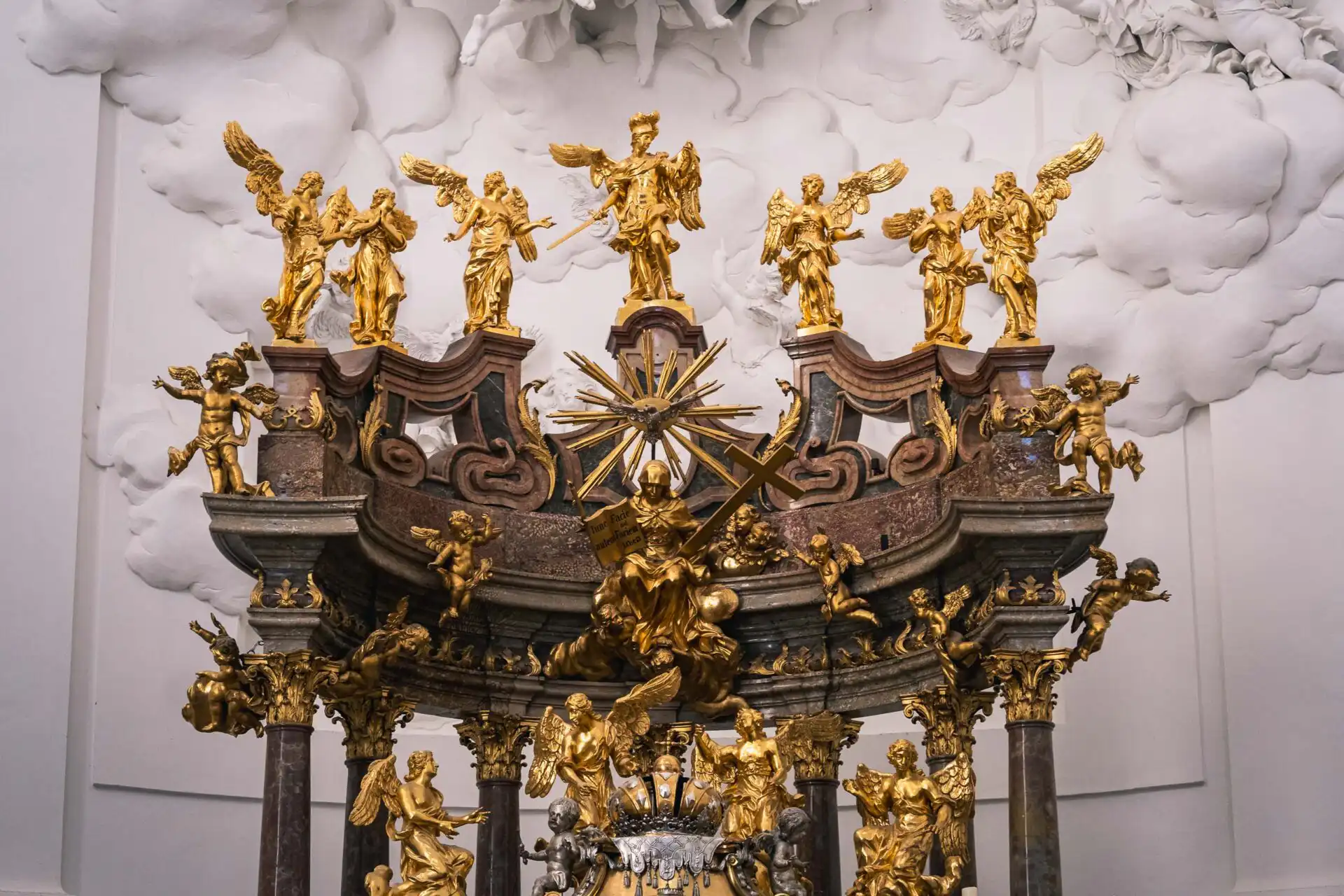
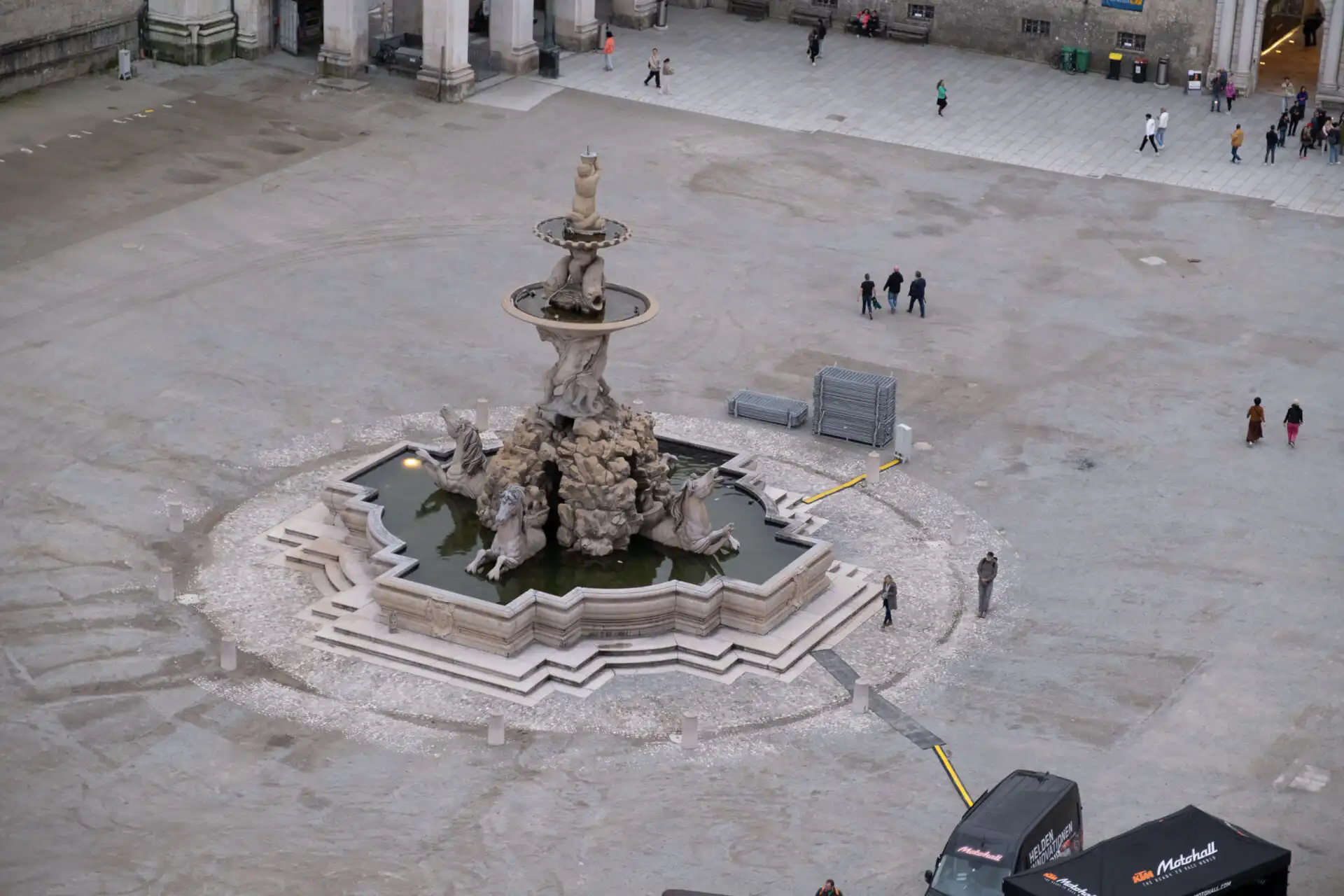
The Baroque rebuilding that gave Salzburg its character was largely the work of five successive prince-archbishops between roughly 1587 and 1700. Wolf Dietrich von Raitenau, who became archbishop in 1587, had been educated in Rome and wanted his city to look like one. After a fire destroyed the old medieval cathedral in 1598, he commissioned the Venetian architect Vincenzo Scamozzi to design a new one and ordered the demolition of dozens of medieval buildings around it to create the open piazzas that now define the city centre. His successor Markus Sittikus brought in the Swiss-Italian architect Santino Solari, who completed the Salzburg Cathedral in 1628 and designed the water-garden palace at Hellbrunn Palace. The archbishops who followed continued the programme through the end of the 17th century. All of it was paid for by salt revenue from Hallein.
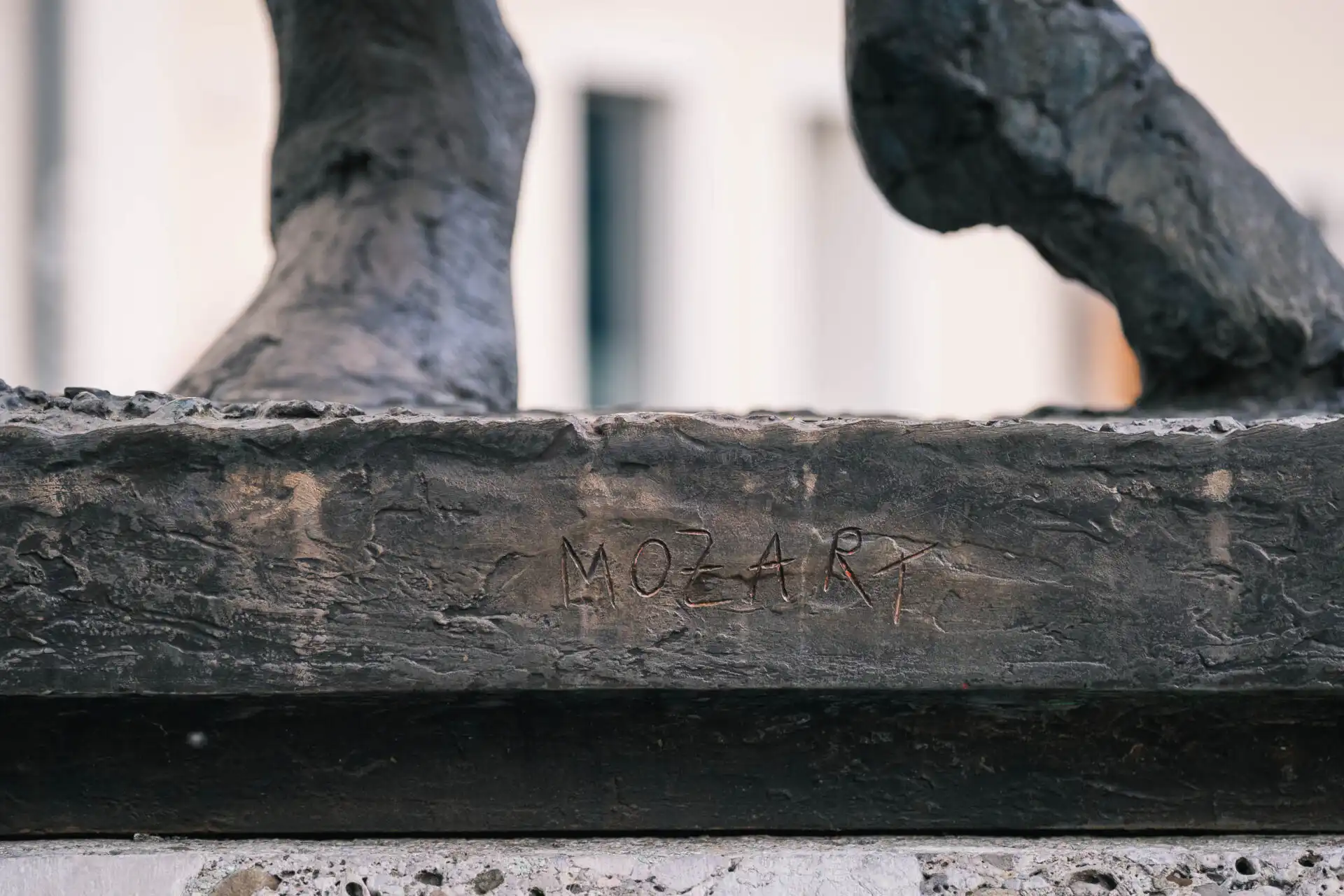
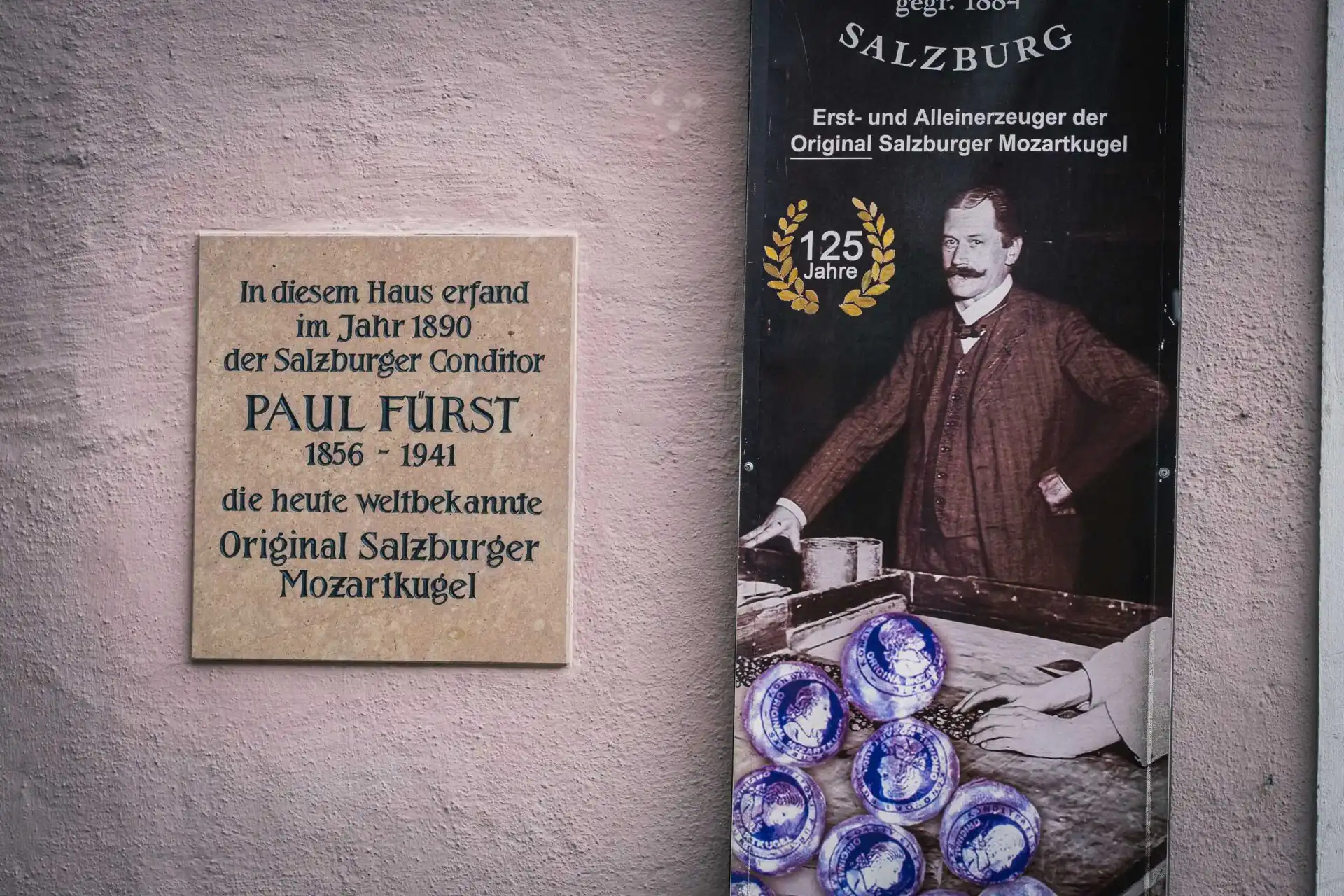
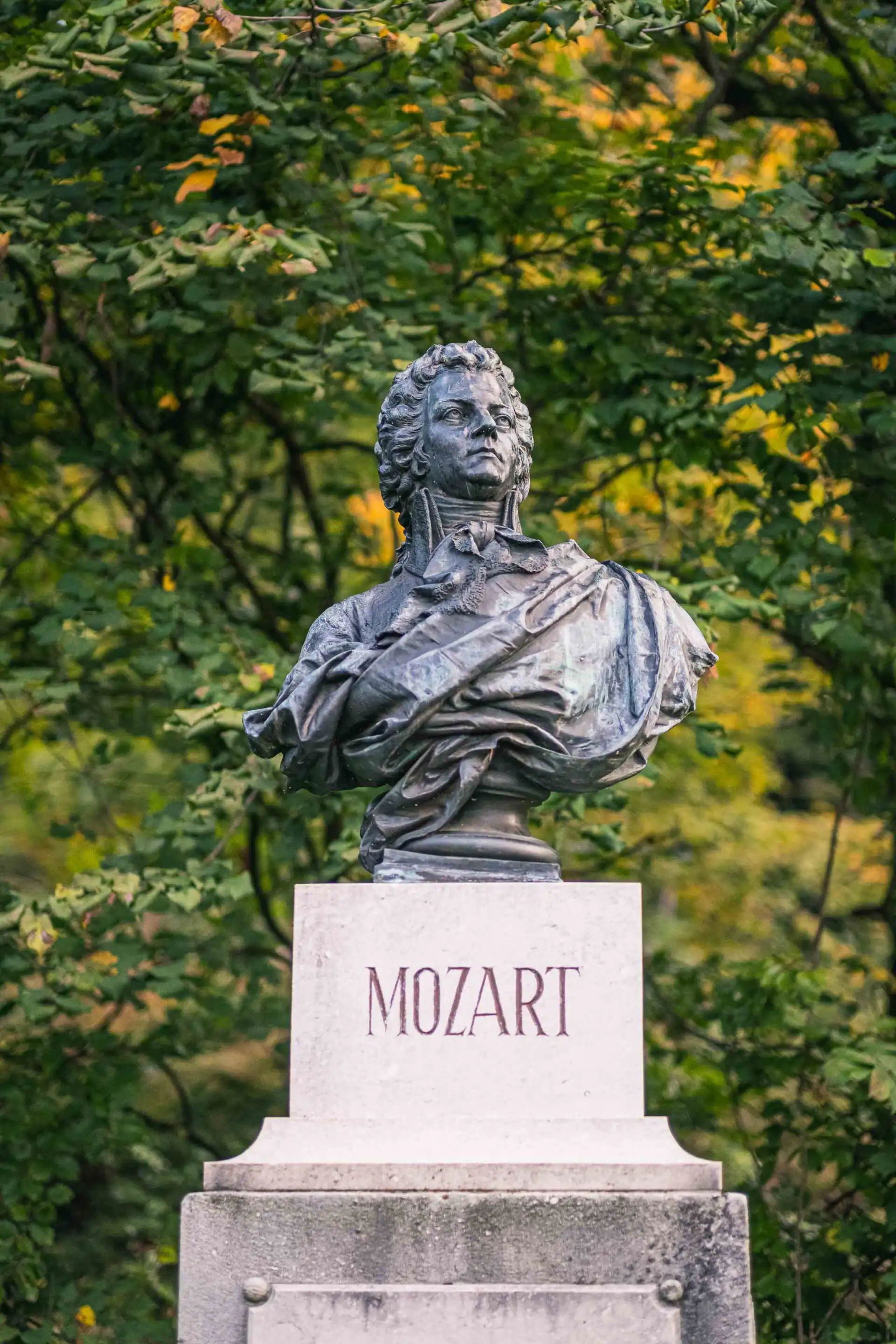
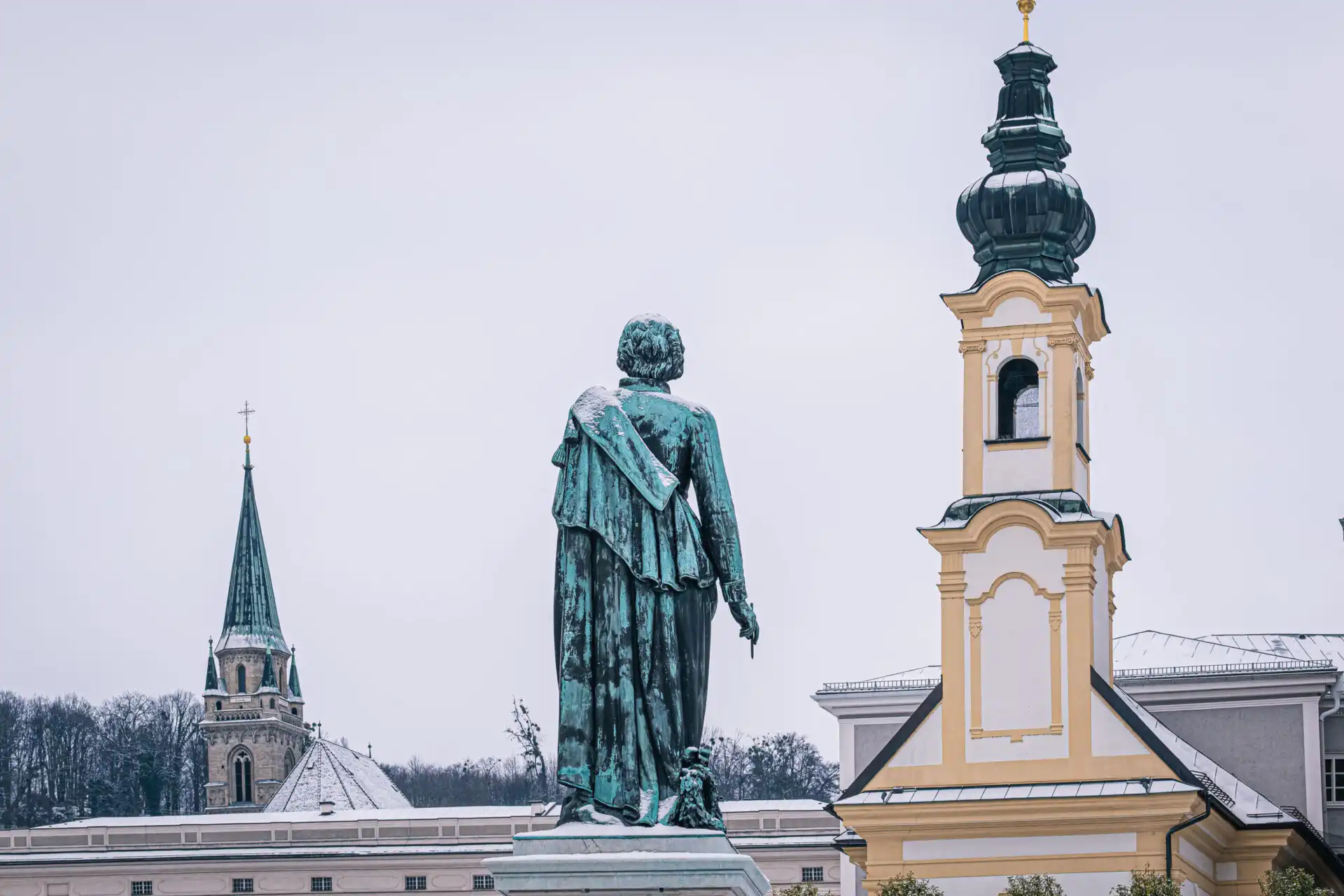
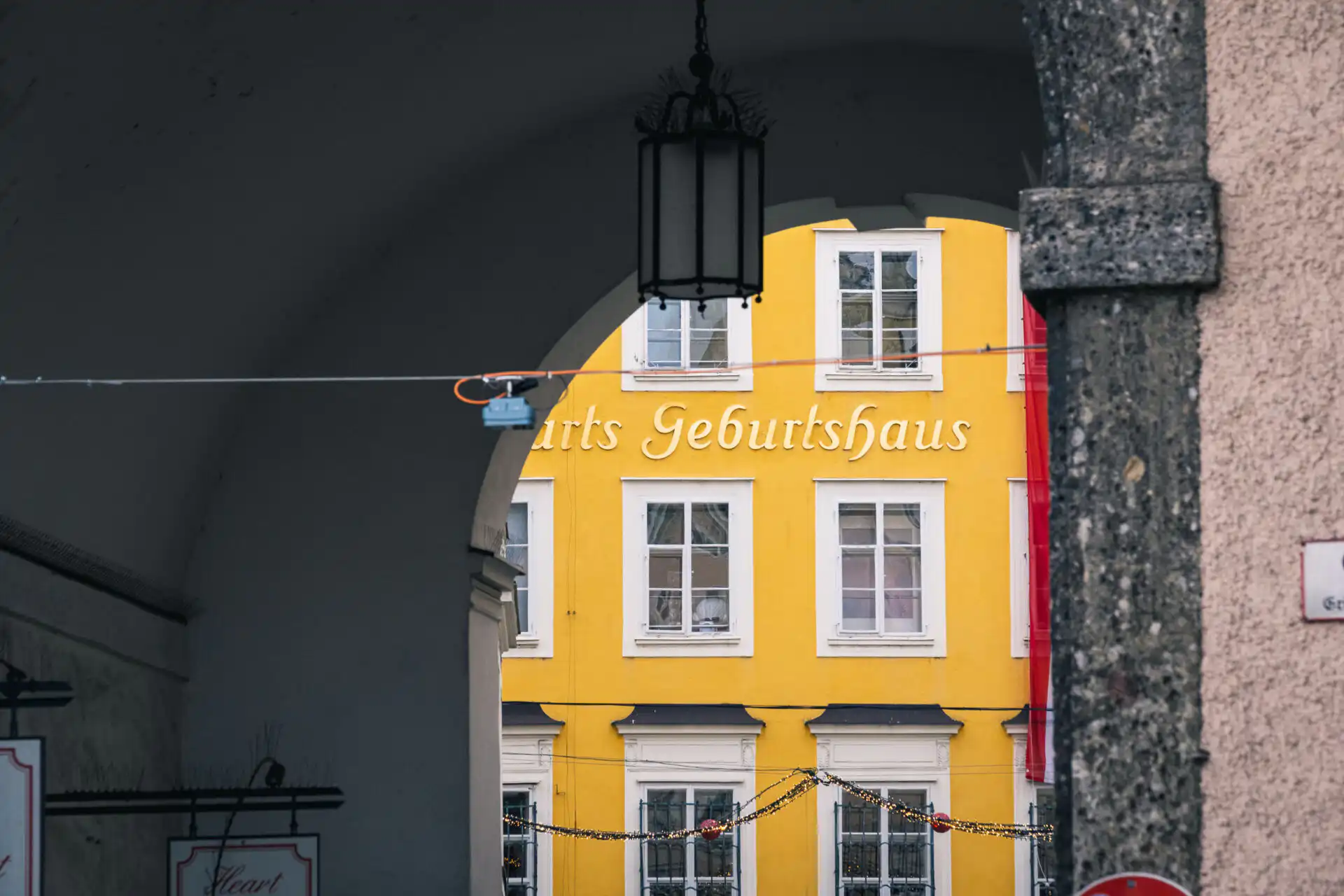
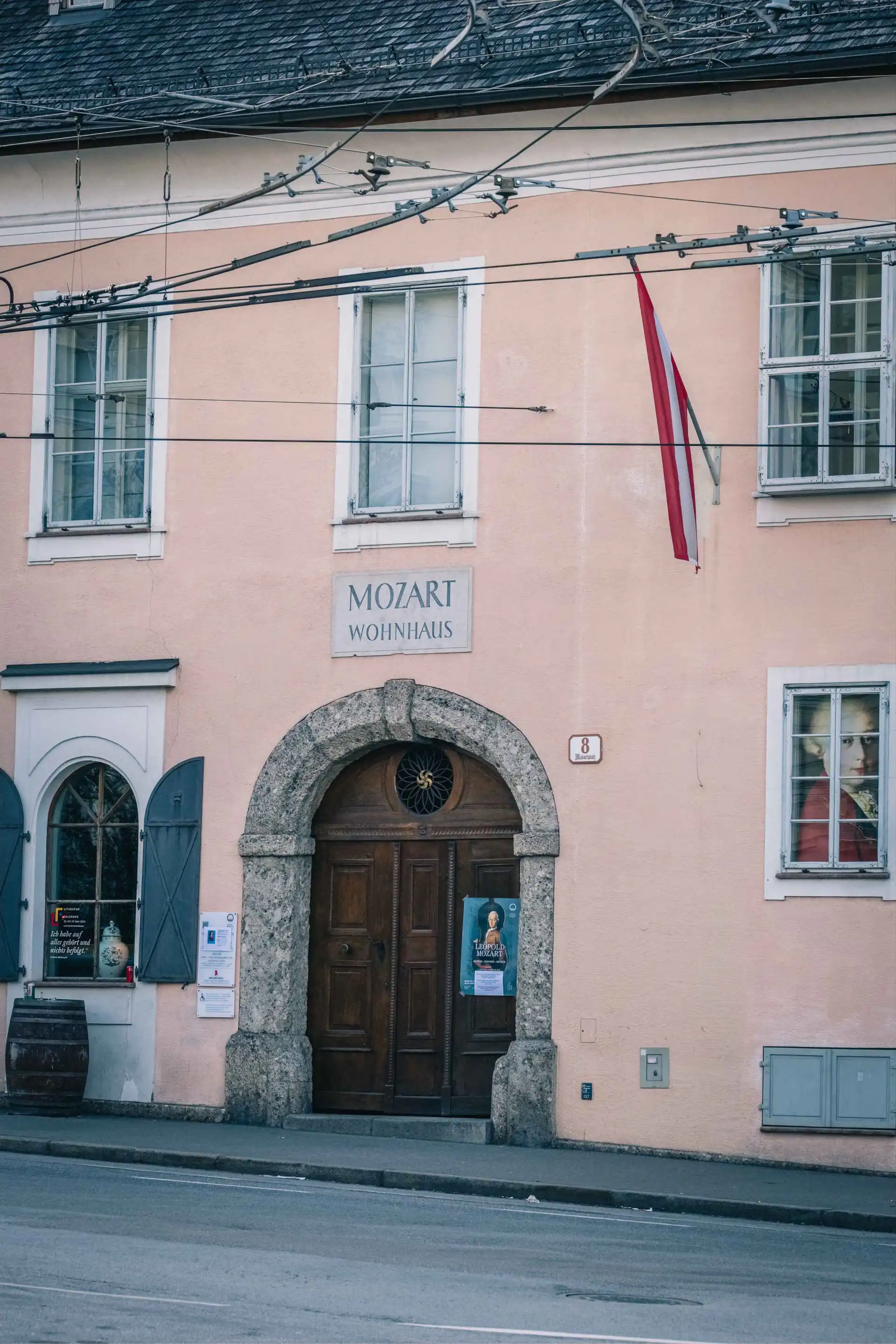
Wolfgang Amadeus Mozart was born at Getreidegasse 9 on 27 January 1756. His father Leopold was a court musician for the Archbishop, and Wolfgang grew up in a city that employed his family but never fully appreciated him. He left for Vienna in 1781 after a final confrontation with Archbishop Colloredo, and his letters from Vienna describe Salzburg with undisguised relief at having escaped. The enormous tourist apparatus built around his name, the birthplace museum, the Mozarteum, the Mozartwoche, the Mozartkugeln in their foil wrappers, came into being after his death and accelerated through the 19th and 20th centuries. The tension between Mozart's actual relationship with the city and the city's commercial relationship with his name is one of the more candid things Salzburg can offer a curious visitor.
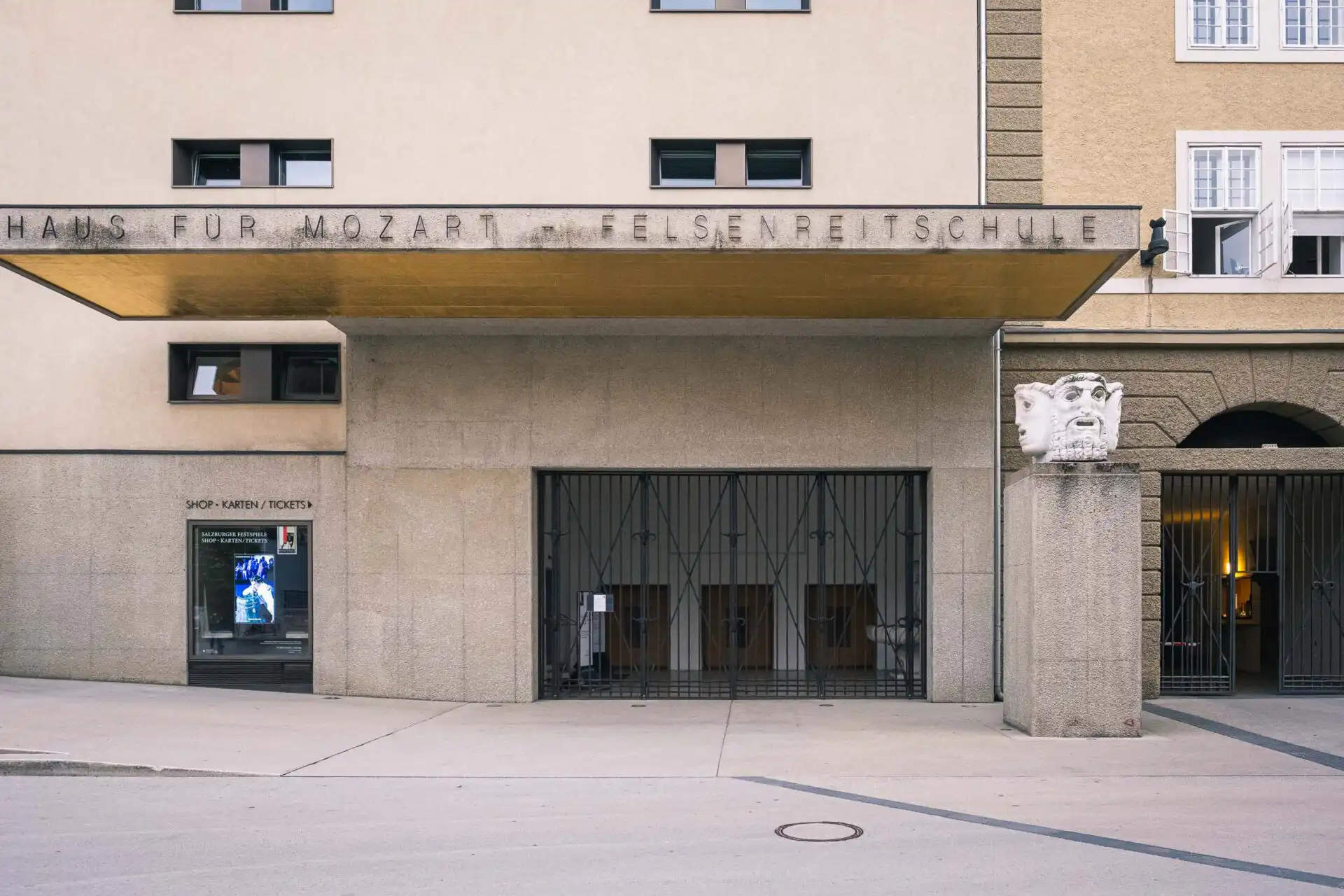
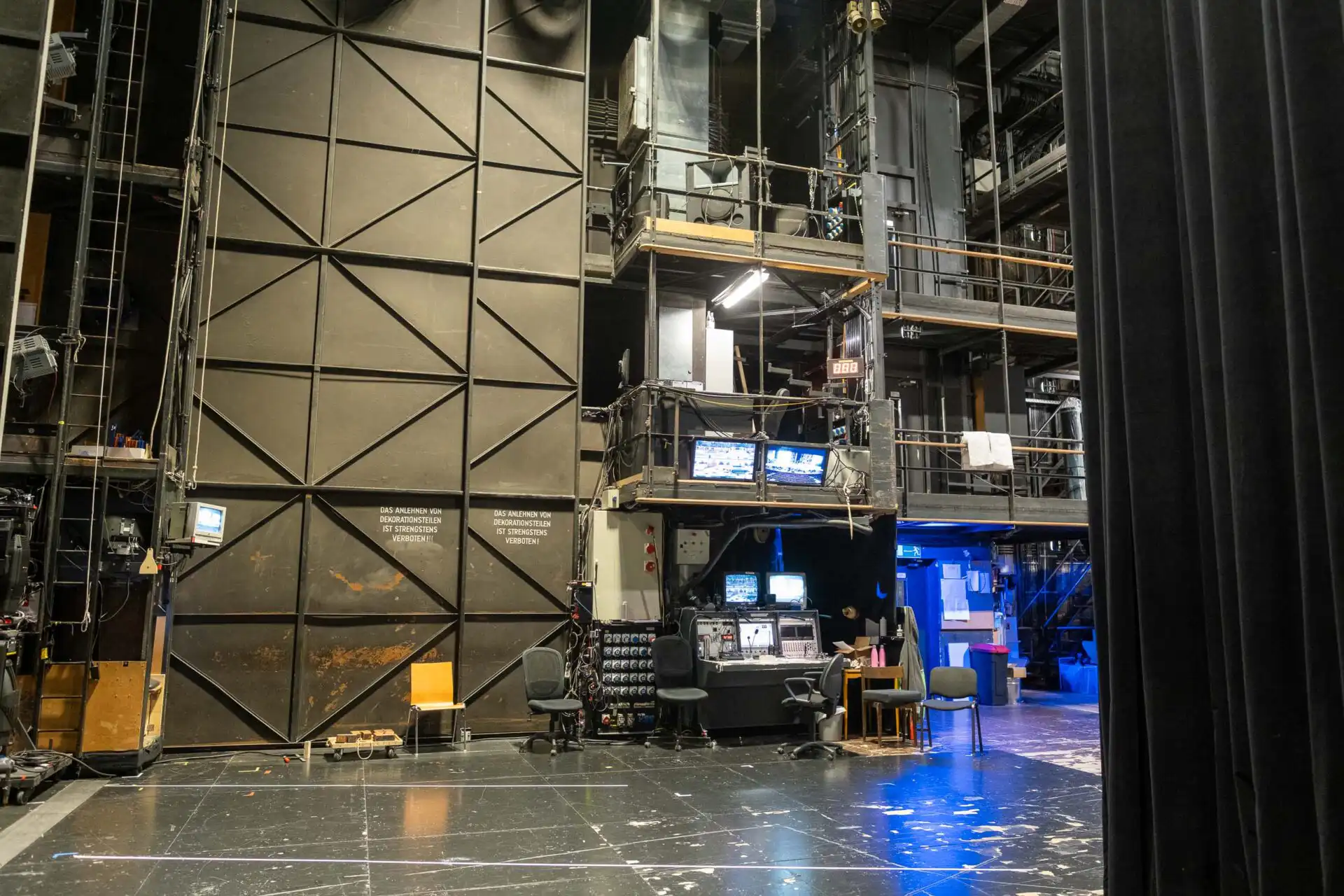
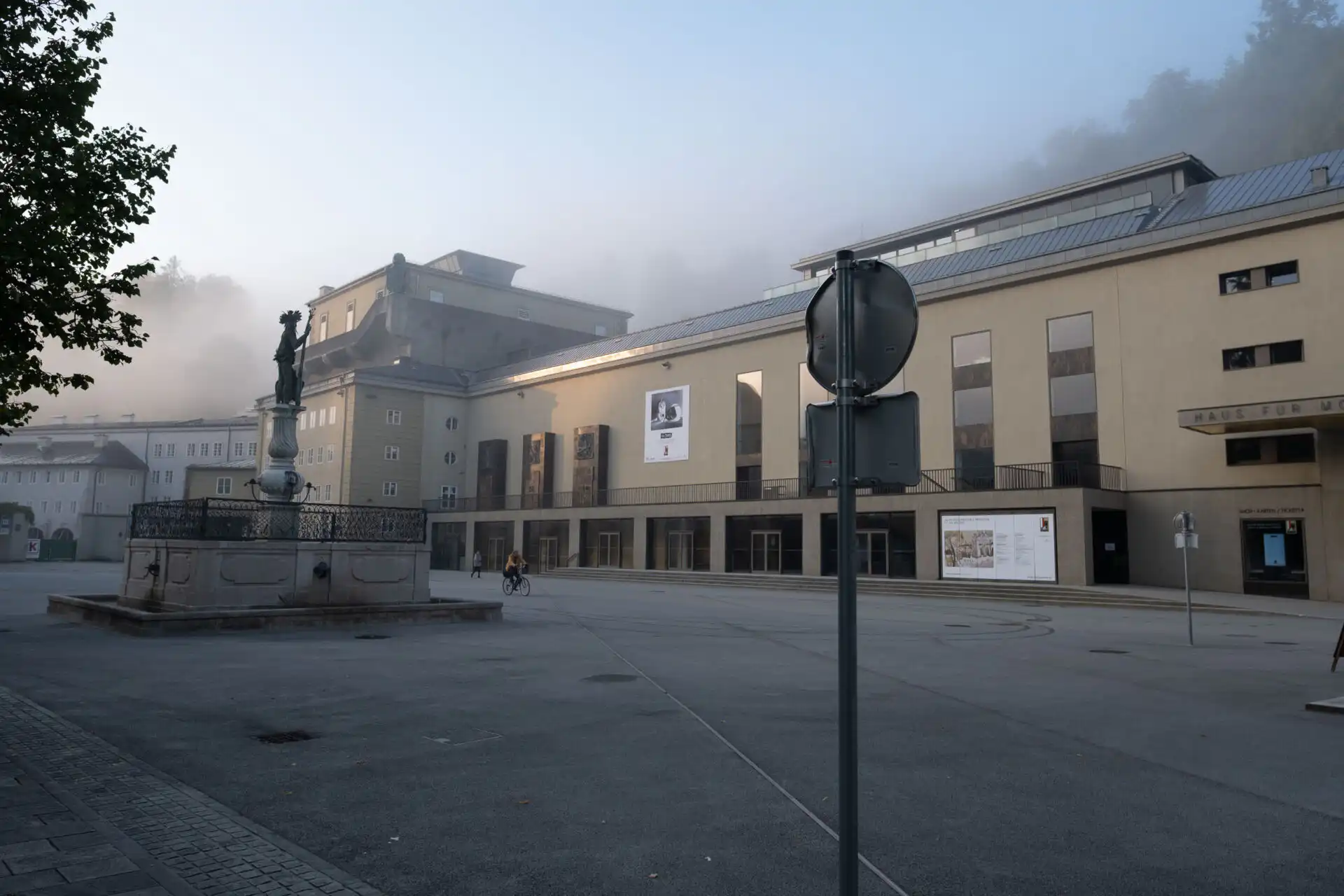
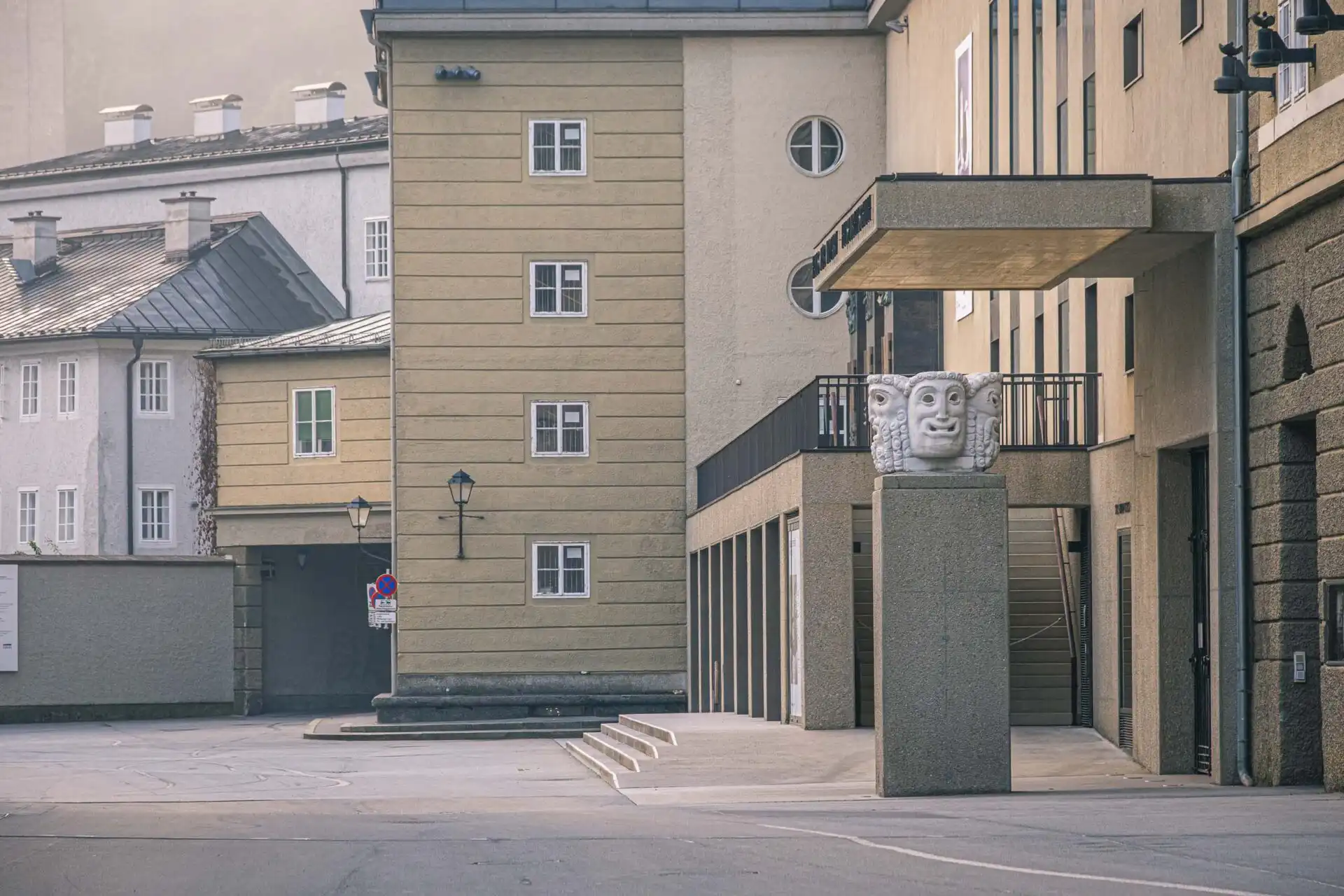
The Salzburg Festival was founded in 1920 by the playwright Hugo von Hofmannsthal, the composer Richard Strauss, the theatre director Max Reinhardt, the designer Alfred Roller, and the conductor Franz Schalk. The first production, Hofmannsthal's morality play Jedermann, was performed on the steps of the Salzburg Cathedral, where it has been staged almost every year since. The festival was conceived partly as a project of cultural renewal after the dissolution of the Habsburg Empire in 1918, a way of asserting that German-language culture had a future. It ran through the 1930s, paused during the war years, and resumed in 1946. Today it occupies five weeks in July and August, filling the city's three principal stages, the Grosses Festspielhaus, the Felsenreitschule, and the Haus für Mozart, with opera, drama, and concerts.
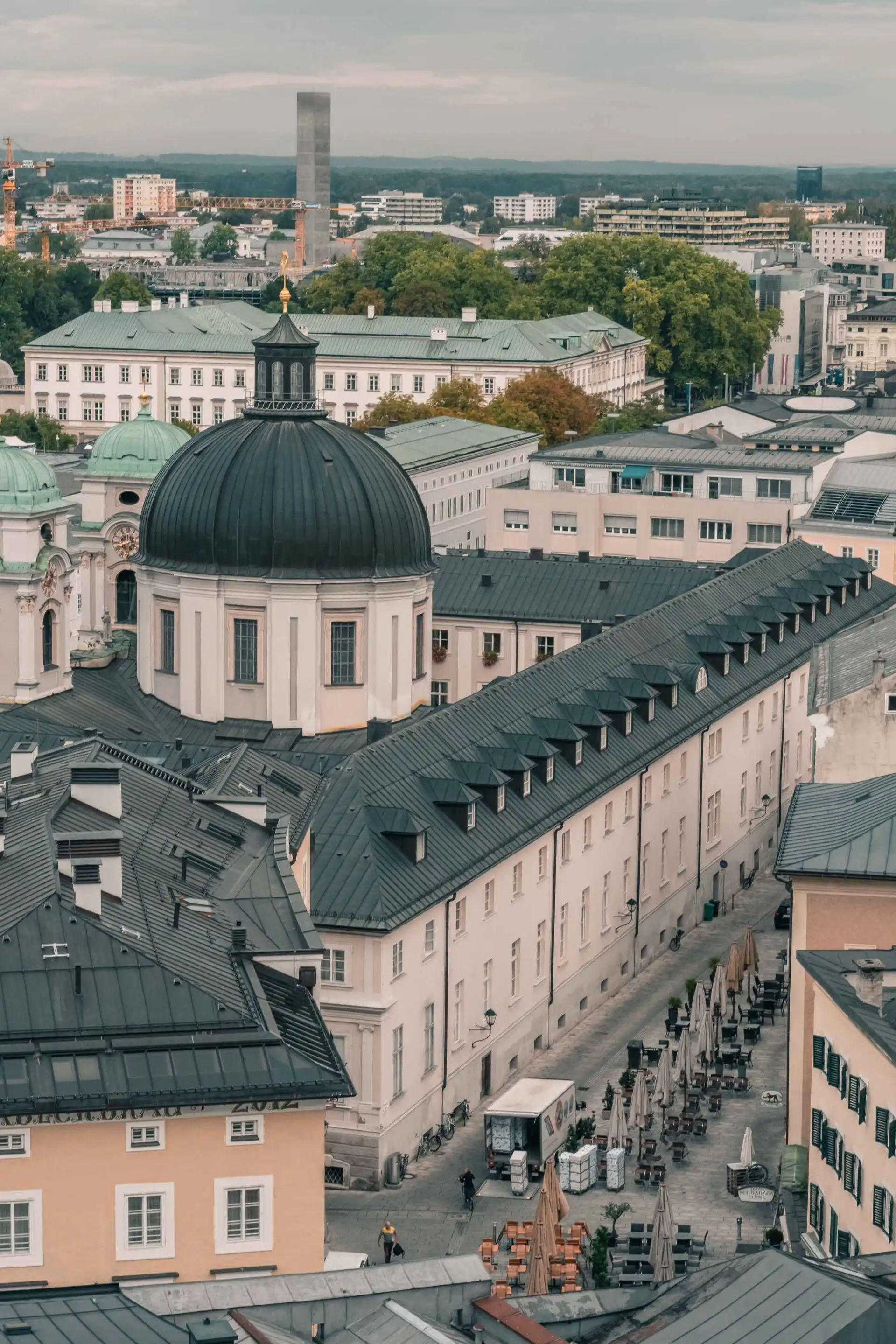
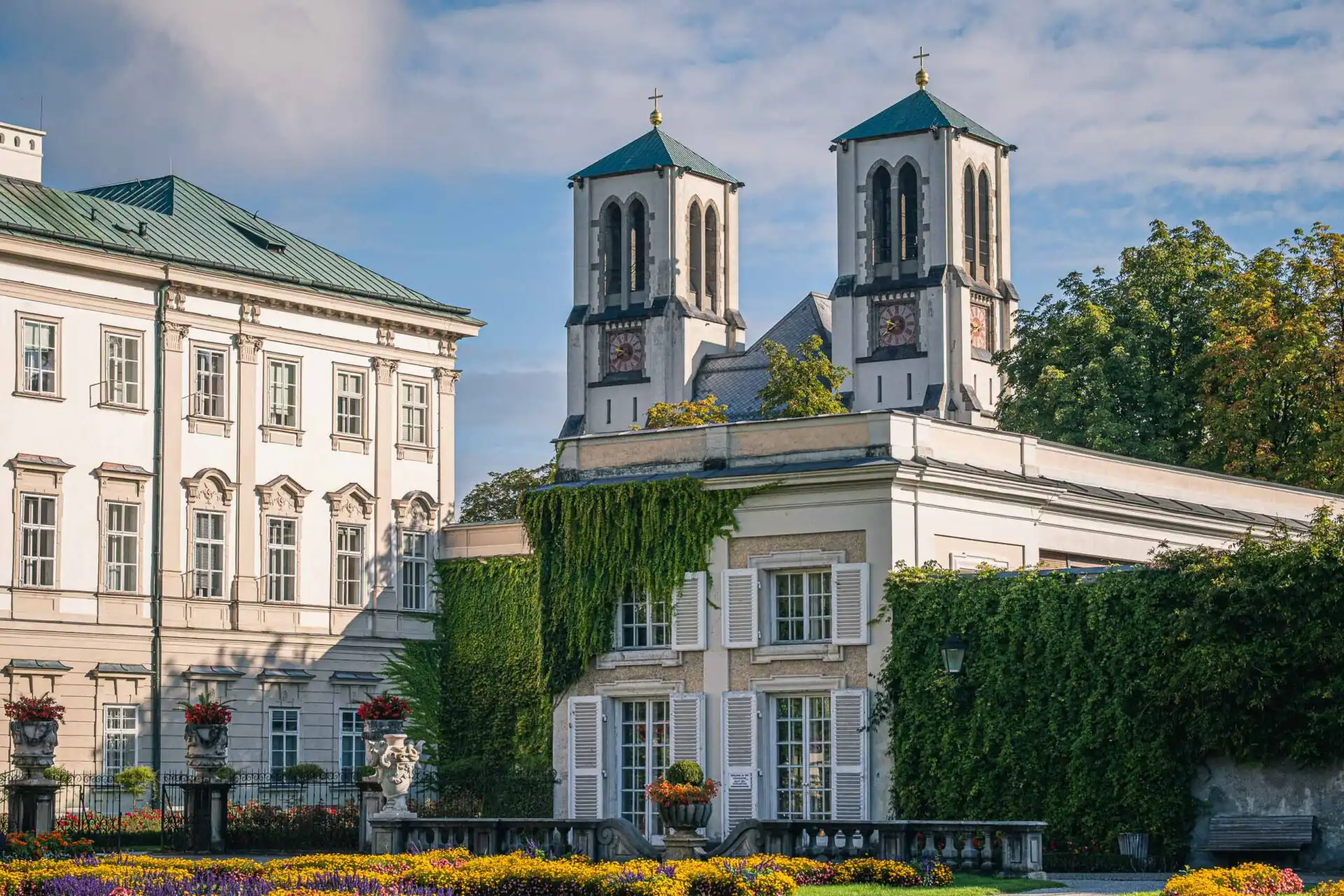
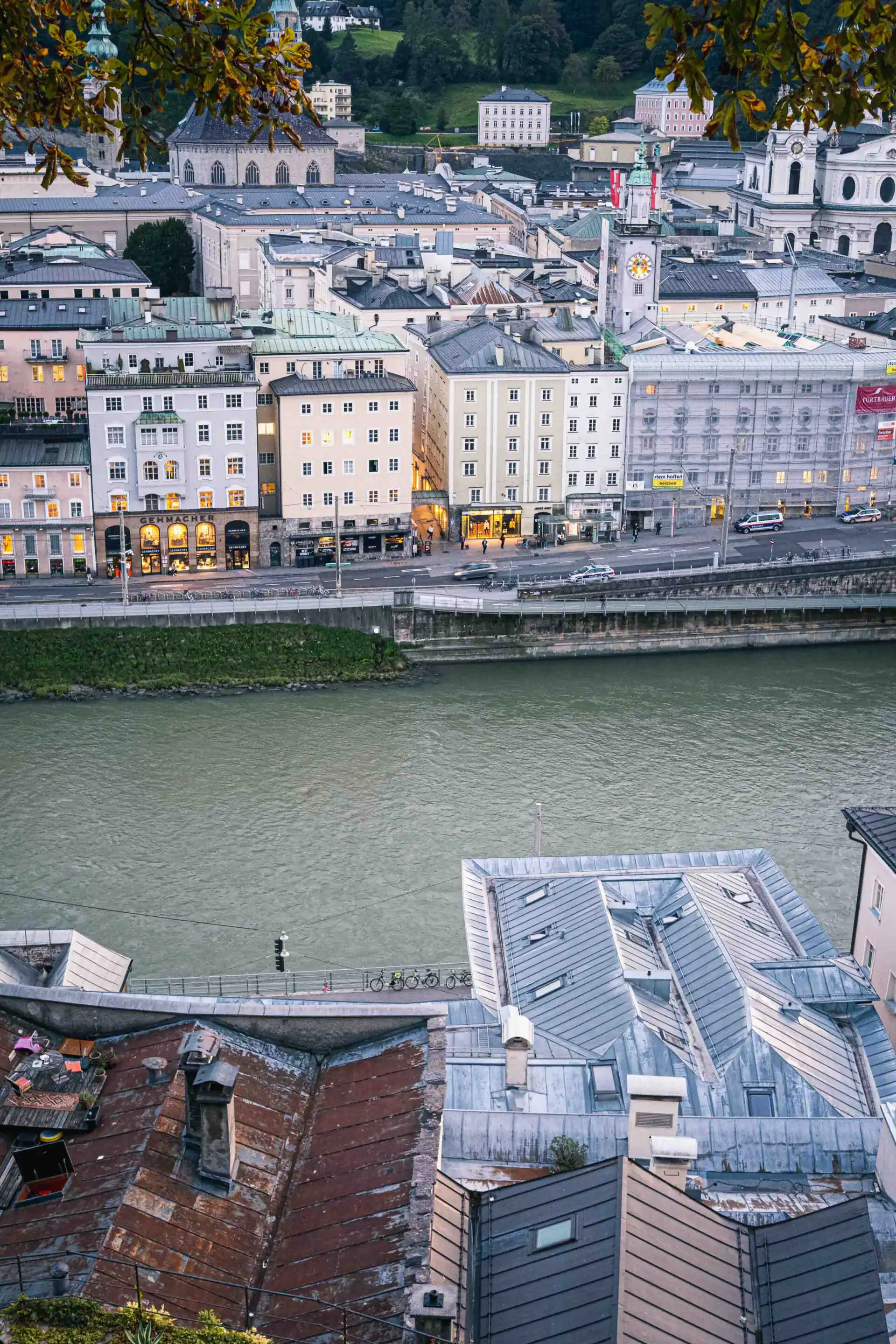
In 1997 UNESCO inscribed the Historic Centre of Salzburg as a World Heritage Site. The inscription covers the Altstadt on both banks of the Salzach River, the Mirabell Palace and gardens, and the surrounding topographic frame of Festungsberg, Monchsberg, and Kapuzinerberg. The criteria cited were the city's illustration of an ecclesiastical city-state of extraordinary completeness, the synthesis of northern and southern European architectural traditions, and the association with Mozart. The core zone is 236 hectares. New construction within or adjacent to the protected area must demonstrate that it does not compromise the historic skyline, which is why Salzburg's silhouette looks today almost exactly as it does in 18th-century paintings.
Planning
Two days cover the main sites at a reasonable pace. Three days, with one used for a day trip, begins to feel like an actual stay rather than a checklist. Four days is the right length if you intend to see Hallein and its salt mine, take the Salzkammergut lake circuit, or go to Berchtesgaden.
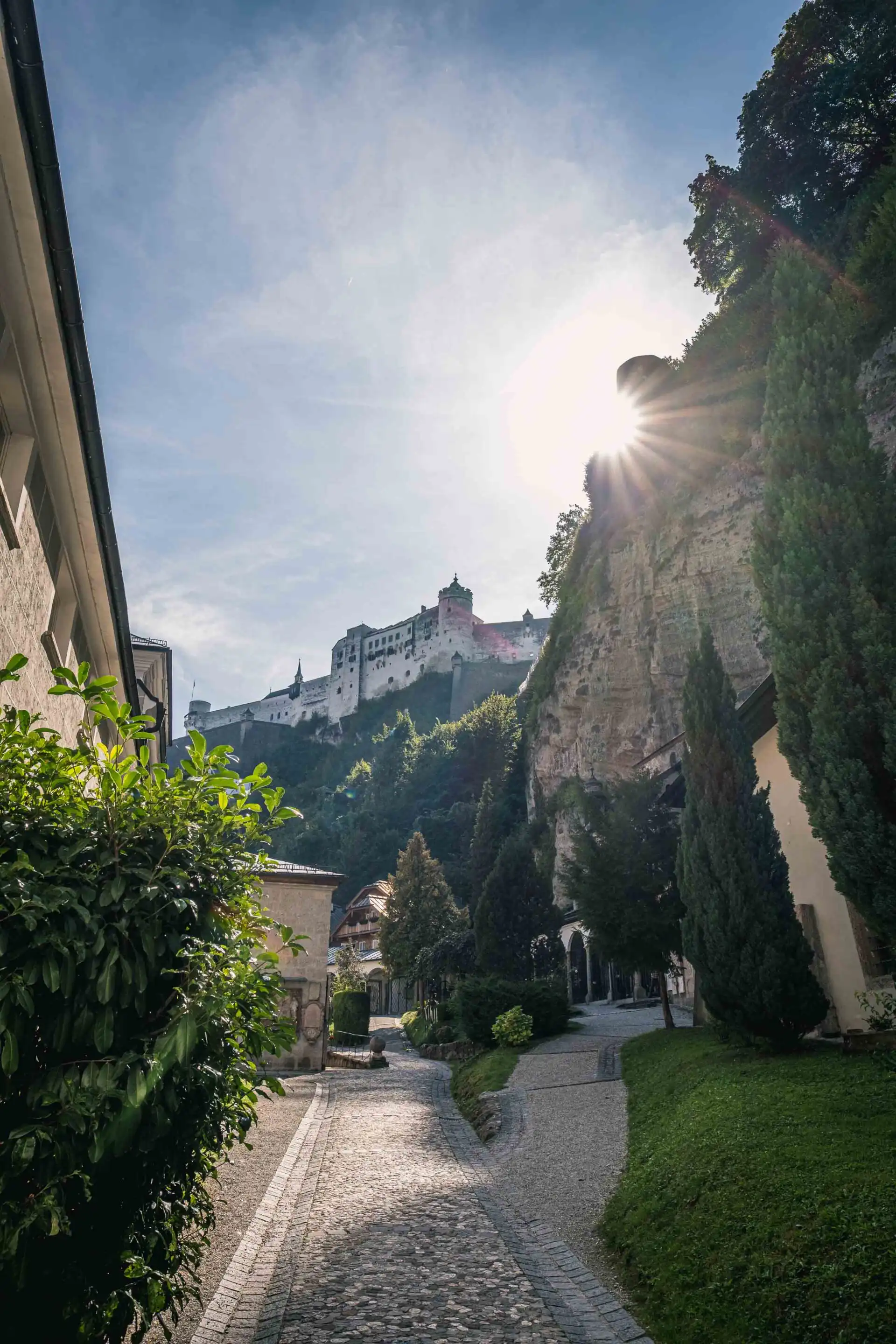
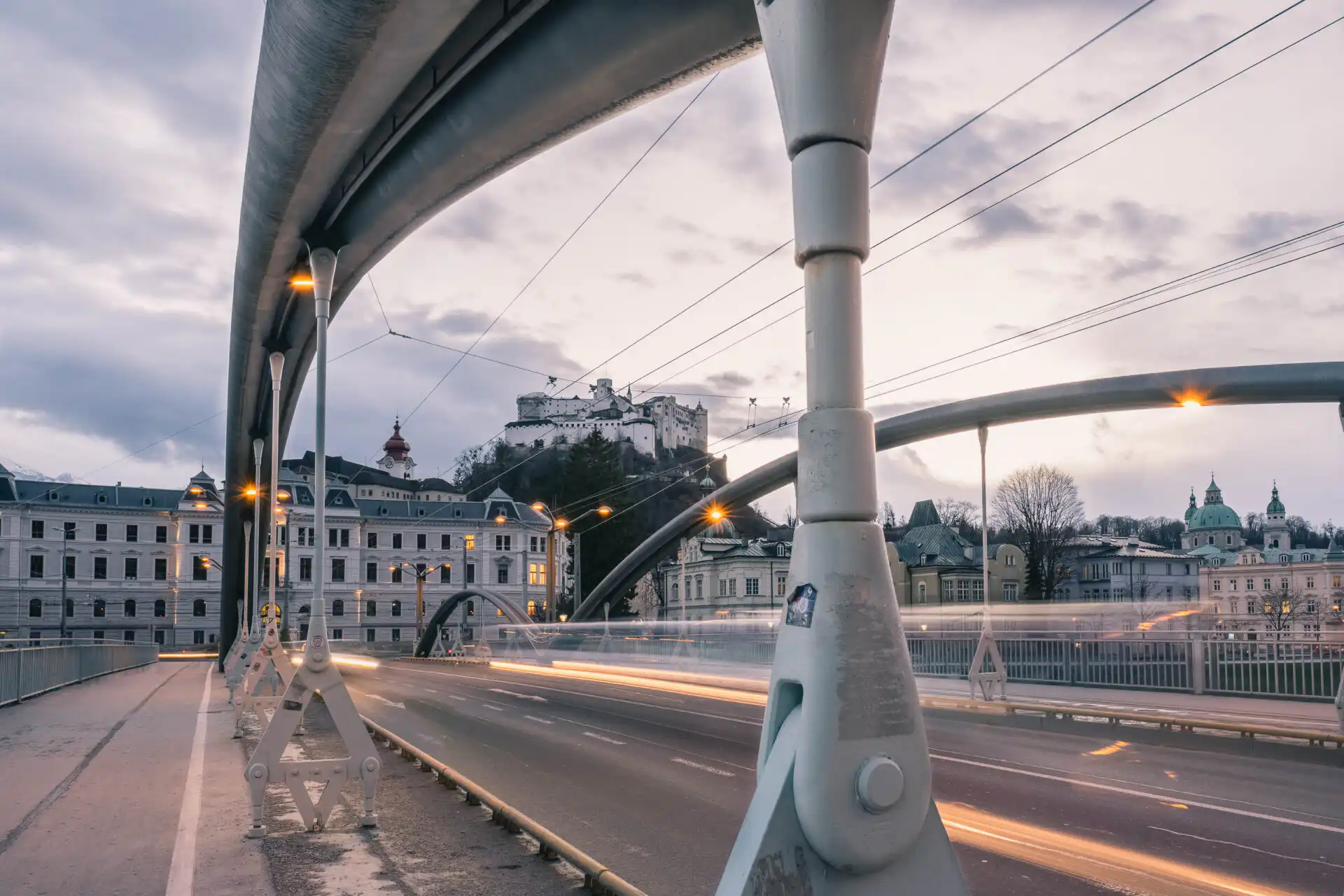
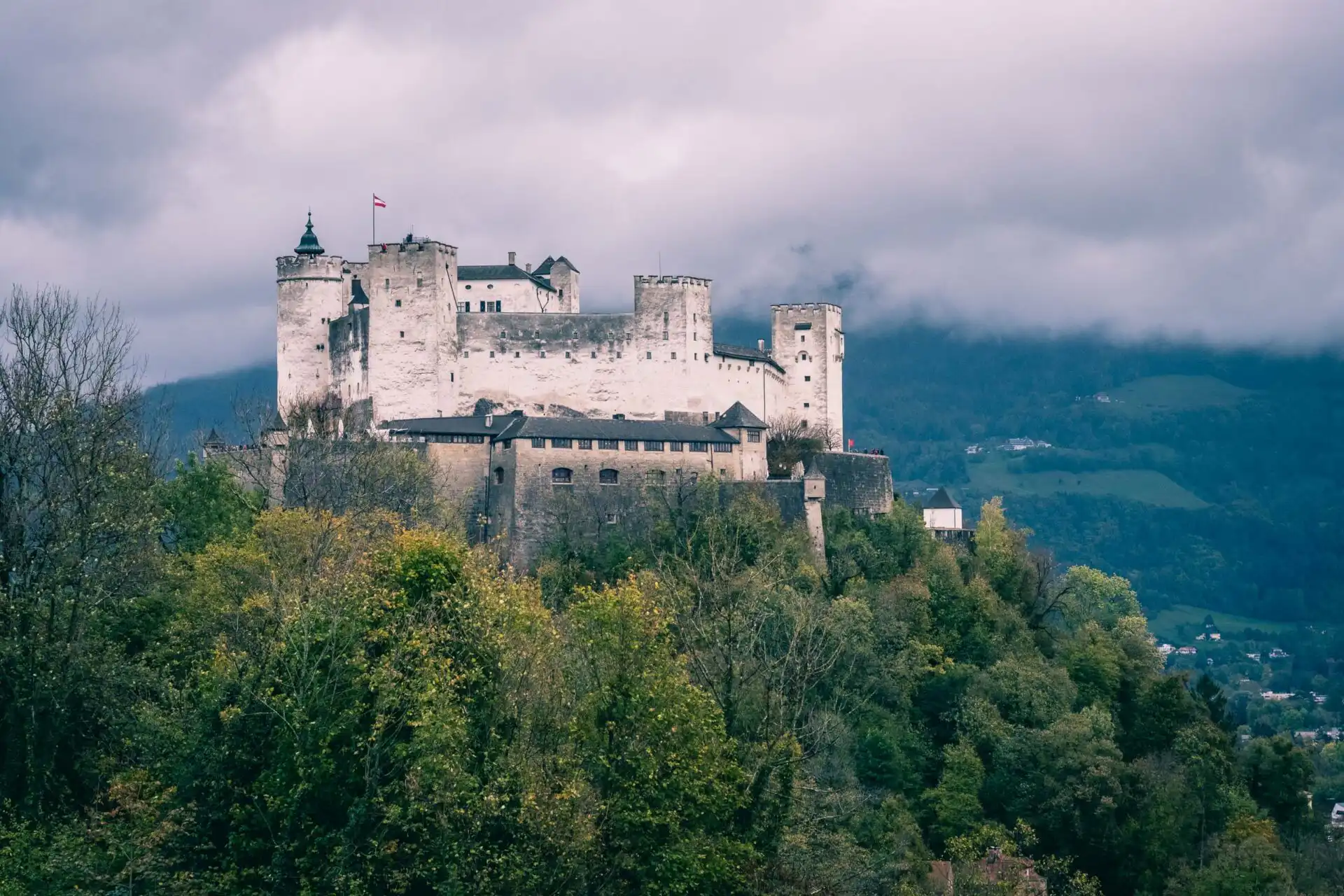
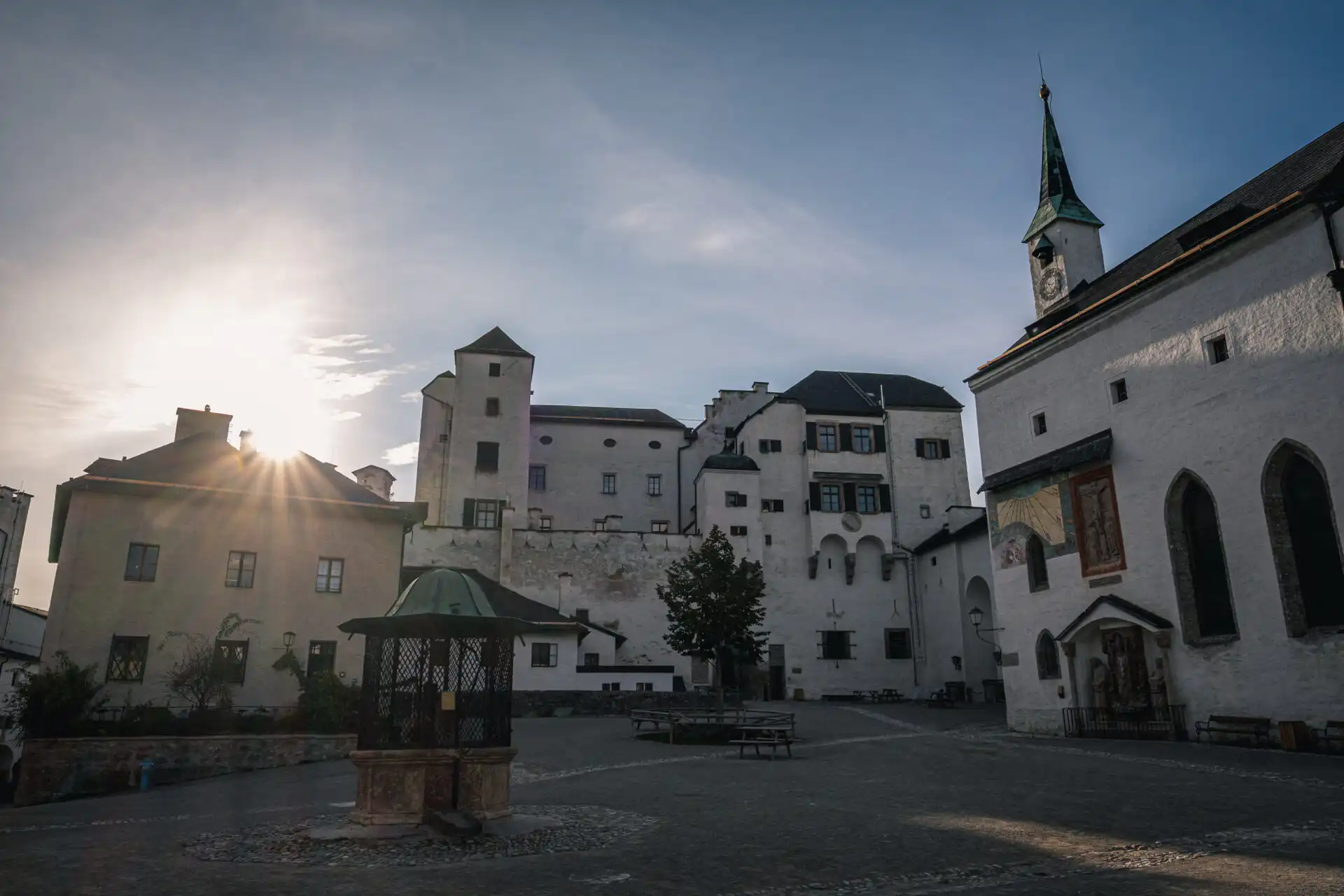
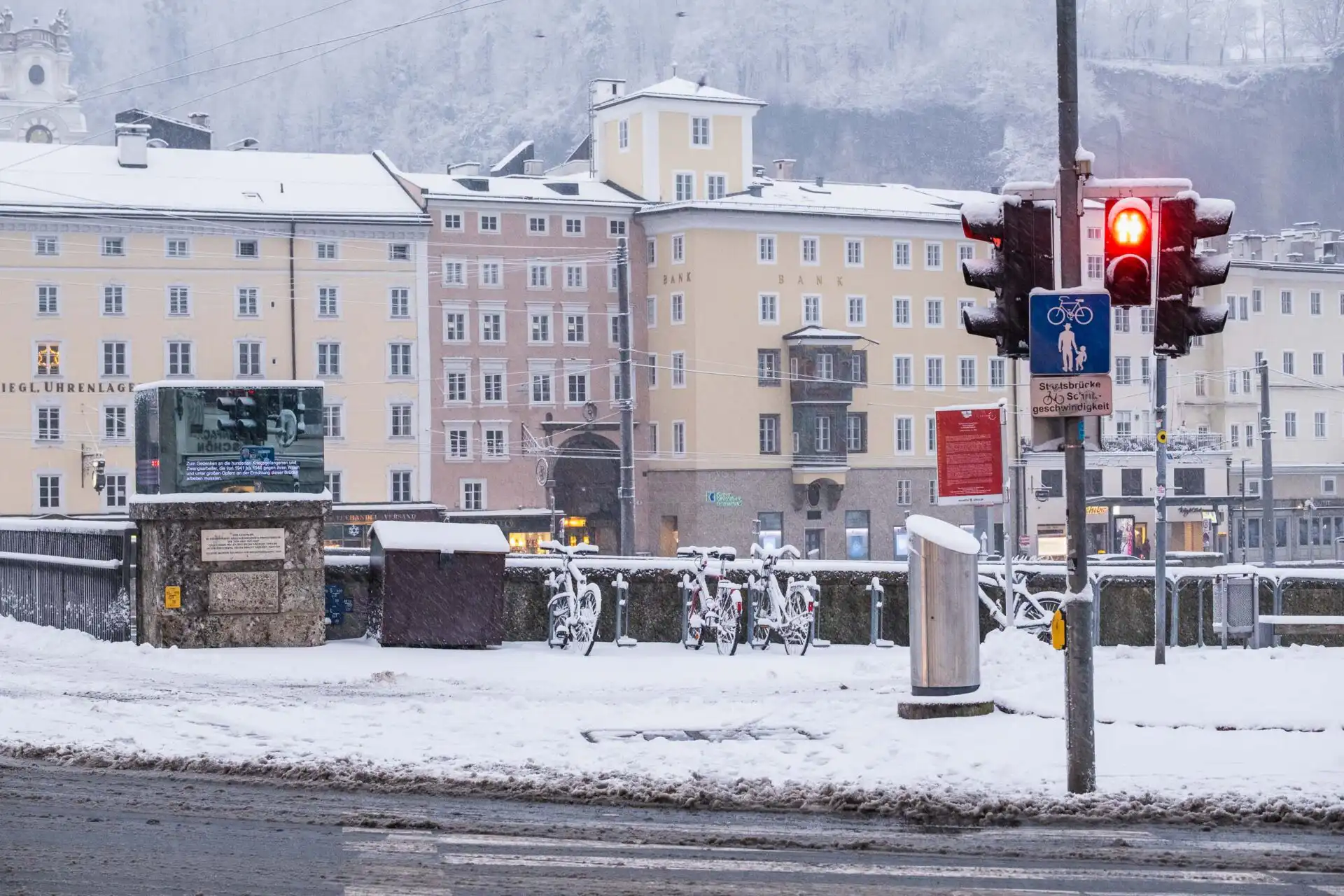
The Altstadt is walkable and compact. Most of what matters, from Hohensalzburg Fortress on Festungsberg to Mirabell Palace on the Neustadt bank, is within 20 minutes on foot. Base yourself in or immediately adjacent to the Altstadt if the budget allows. Neustadt is quieter and slightly cheaper; the Staatsbrucke bridge connects the two banks in a five-minute walk.
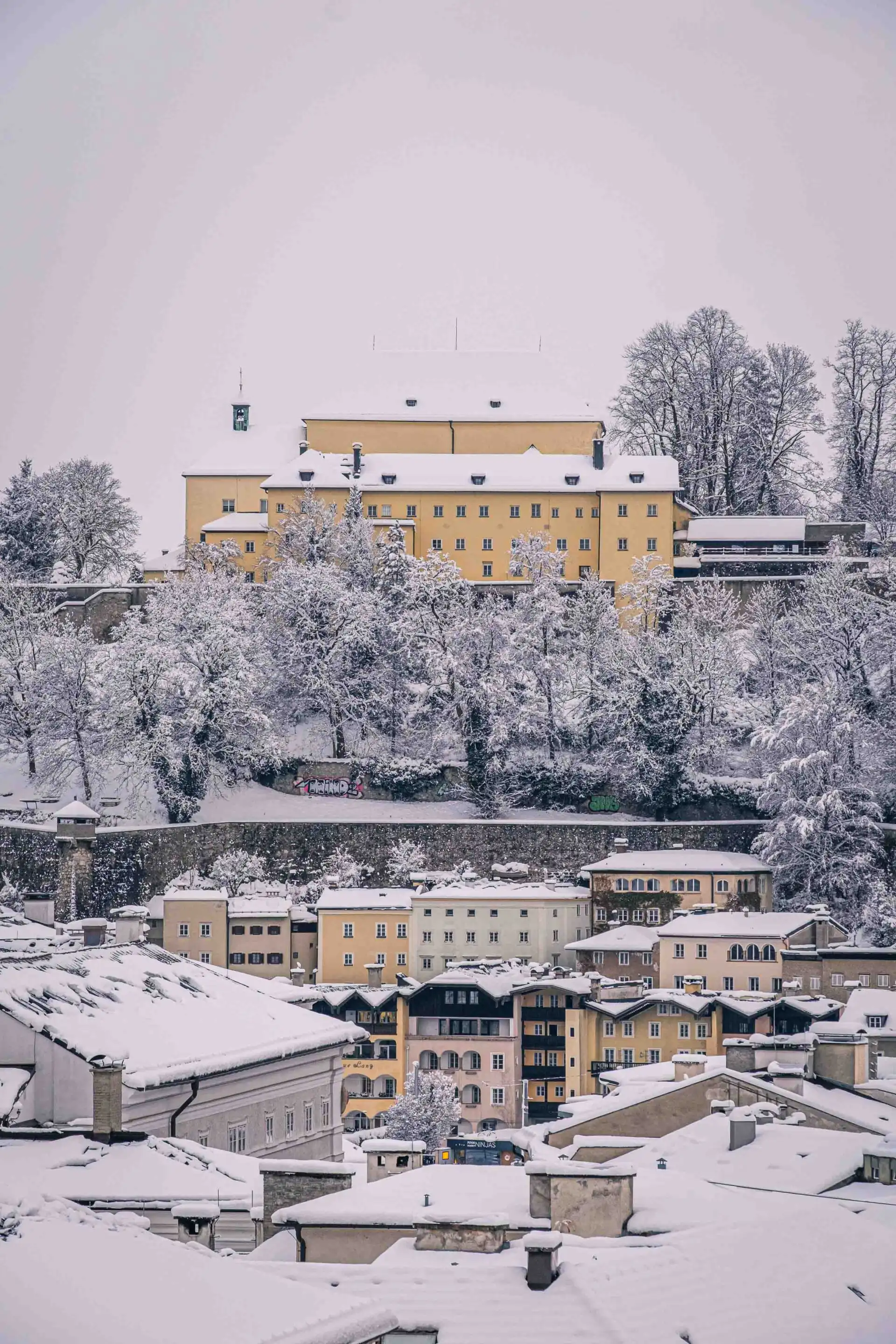
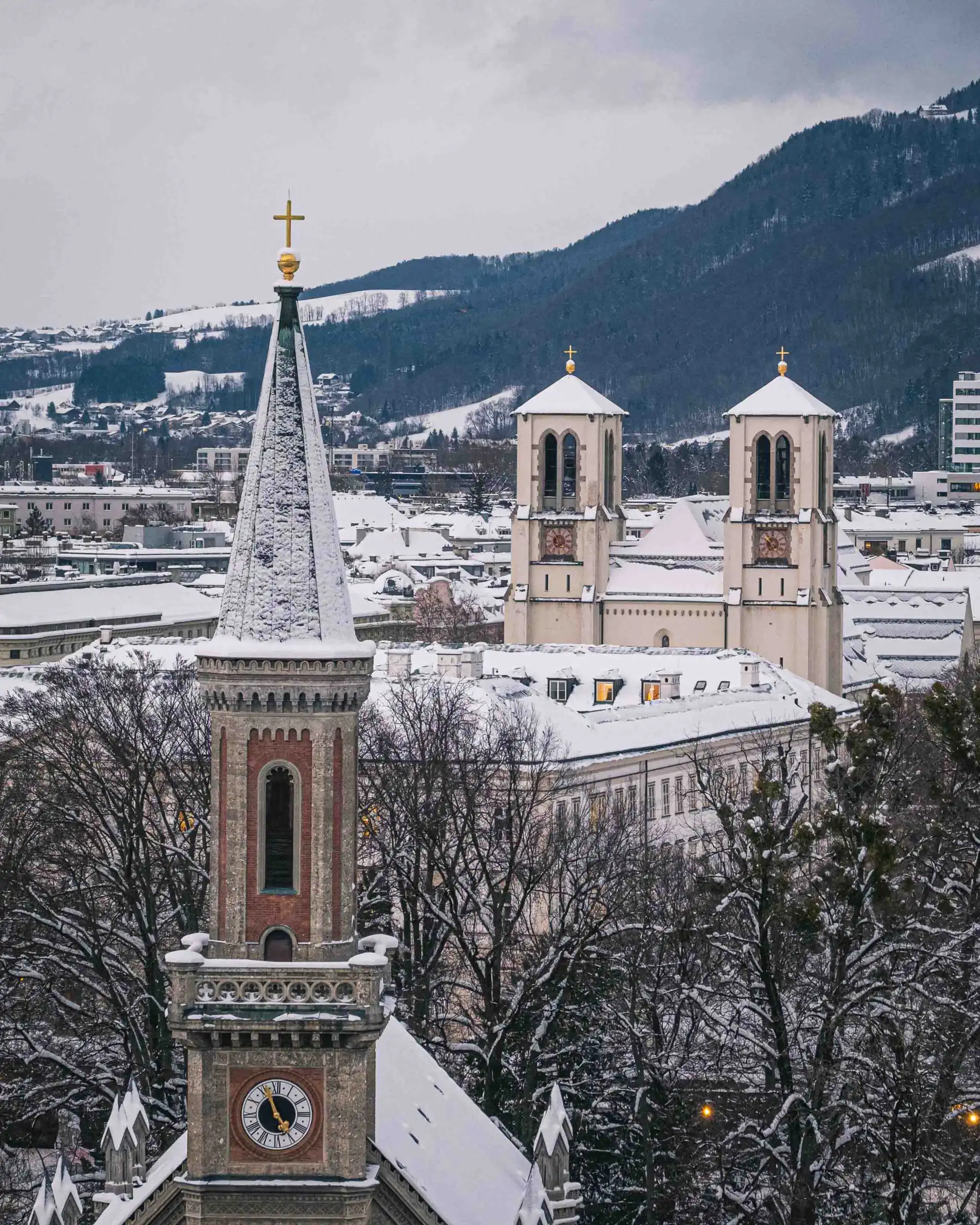
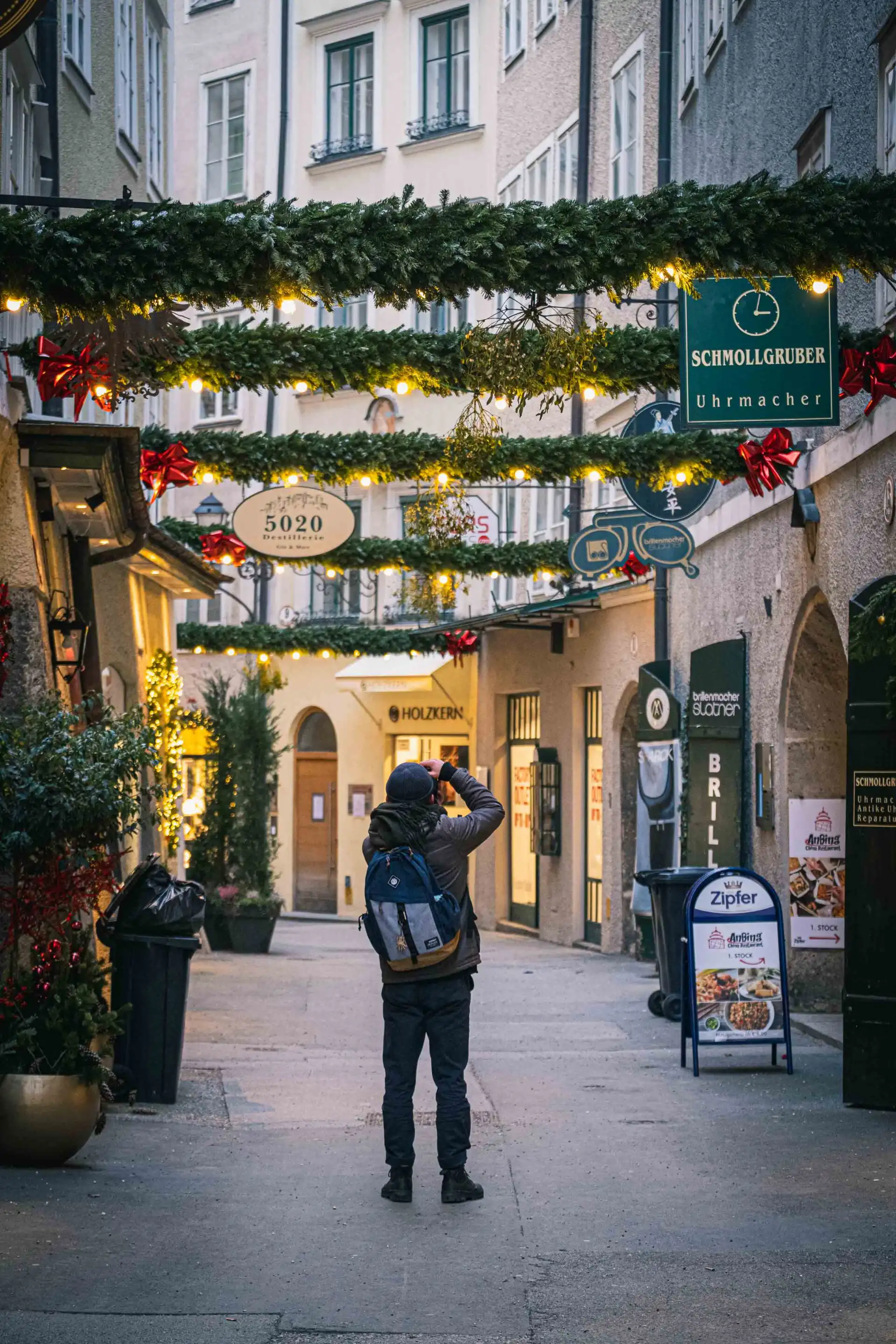
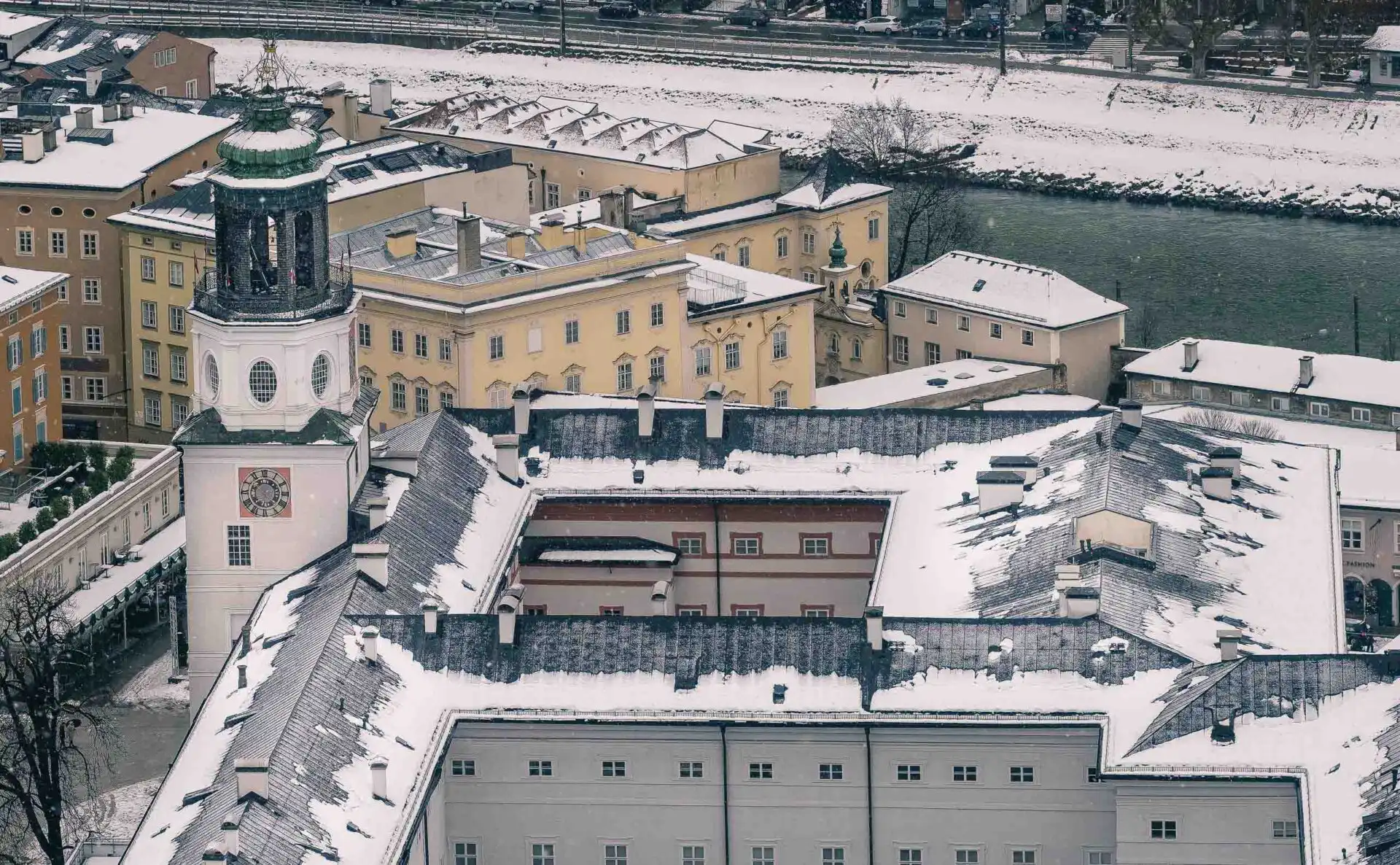
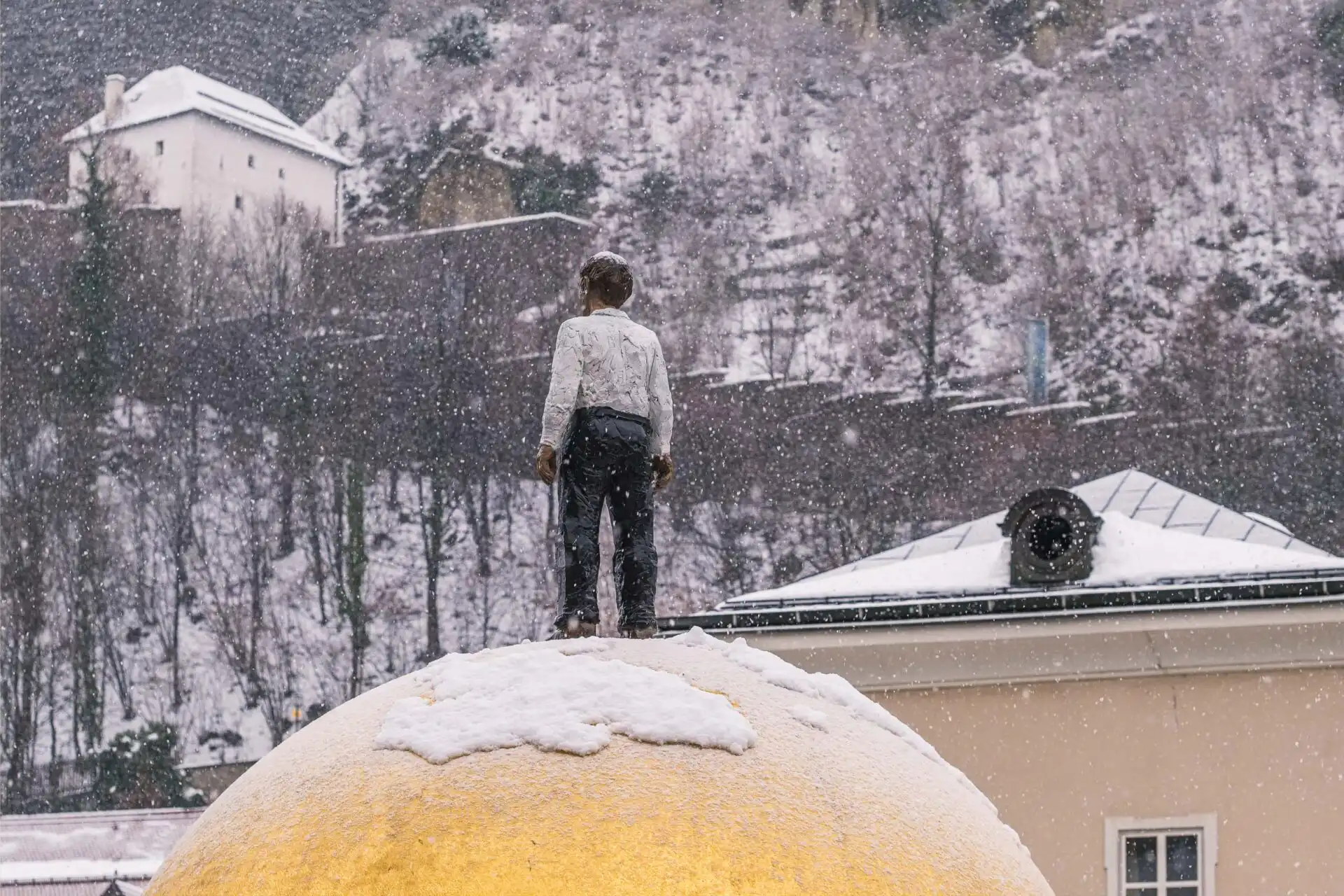
August is the Salzburg Festival month and the city's most expensive and crowded period. Hotel rates can double. If the festival is not the reason for the visit, May, June, and September offer better prices, shorter queues, and the same city. Winter has its own character: the Christmas markets on Residenzplatz and Domplatz are genuine rather than fabricated, and the Altstadt in snow is one of the better arguments for visiting in the cold.
Day trips from Salzburg form a natural ring. Hallein is 15 minutes south by train and contains the Dürrnberg salt mine that paid for the Baroque city above; it is an honest pairing with any visit to the cathedral or the Residenz. Berchtesgaden is 45 minutes by bus, across the German border, with its own fortress, salt mine, and the Königssee lake. St Gilgen and St Wolfgang on the Wolfgangsee are an hour by regional bus and represent the lake country that gave the Salzkammergut its identity. Hallstatt is reachable in about 90 minutes by train and bus combined; it demands a full day. The train from Vienna takes 2.5 hours; from Munich, just under 90 minutes.